Historic Figures Who Survived Assassination Attempts
Power and fame have always come with risks. Throughout history, people have tried to change the course of events by removing leaders they opposed.
Some succeeded, altering history forever. But many attempts failed, sometimes in dramatic or even bizarre ways.
The people who survived these attacks often became more influential afterward, with public sympathy swinging in their favor. Their stories reveal incredible luck, quick reflexes, poorly planned attacks, and sometimes all three at once.
These survivors faced death and walked away. Here are their stories.
Andrew Jackson

President Andrew Jackson attended a congressman’s funeral at the Capitol on January 30, 1835, when unemployed house painter Richard Lawrence stepped out and fired a pistol at him. The gun misfired.
Lawrence pulled out a second pistol and fired again, but that one also misfired. The 67-year-old Jackson charged at his would-be killer and beat him with his walking cane while Tennessee Congressman Davy Crockett helped subdue Lawrence.
Tests later showed both guns worked perfectly, and experts calculated the odds of both misfiring at one in 125,000. Lawrence believed he was King Richard III of England and that Jackson was preventing him from claiming money owed to him.
Fidel Castro
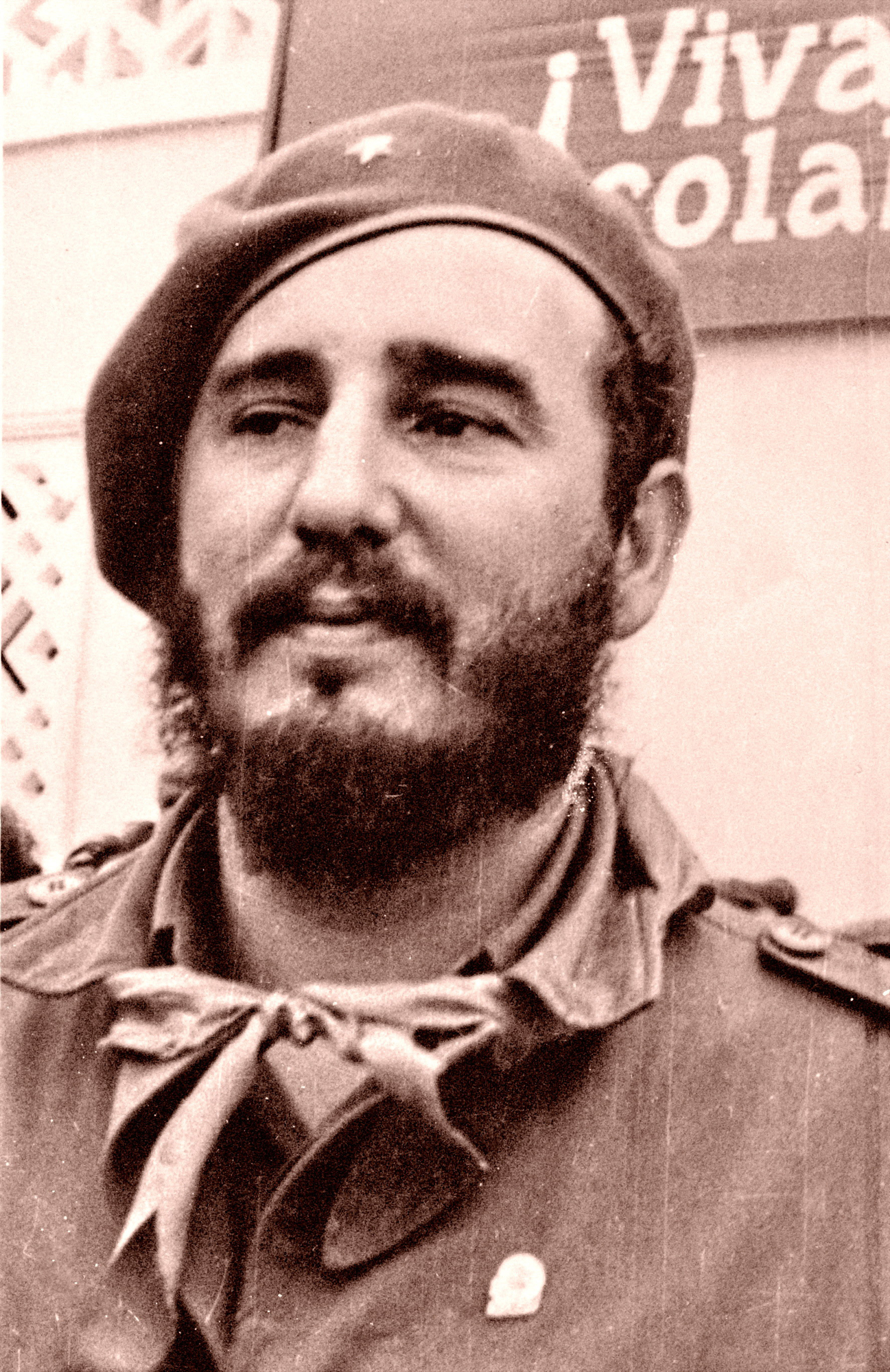
The Cuban leader faced so many attempts on his life that he once joked about winning the gold medal if surviving was an Olympic event. Castro himself claimed to have survived over 600 assassination plots, though the documented number sits closer to several dozen.
The CIA tried everything from exploding seashells to poisoned wetsuits to contaminated meals. One plot involved his former lover Marita Lorenz, who was supposed to use poison pills to kill him.
According to her account, when Castro figured out the plan, he handed her his pistol and said nobody could kill him. He lived to age 90, outlasting multiple U.S. presidents who wanted him gone.
Queen Victoria
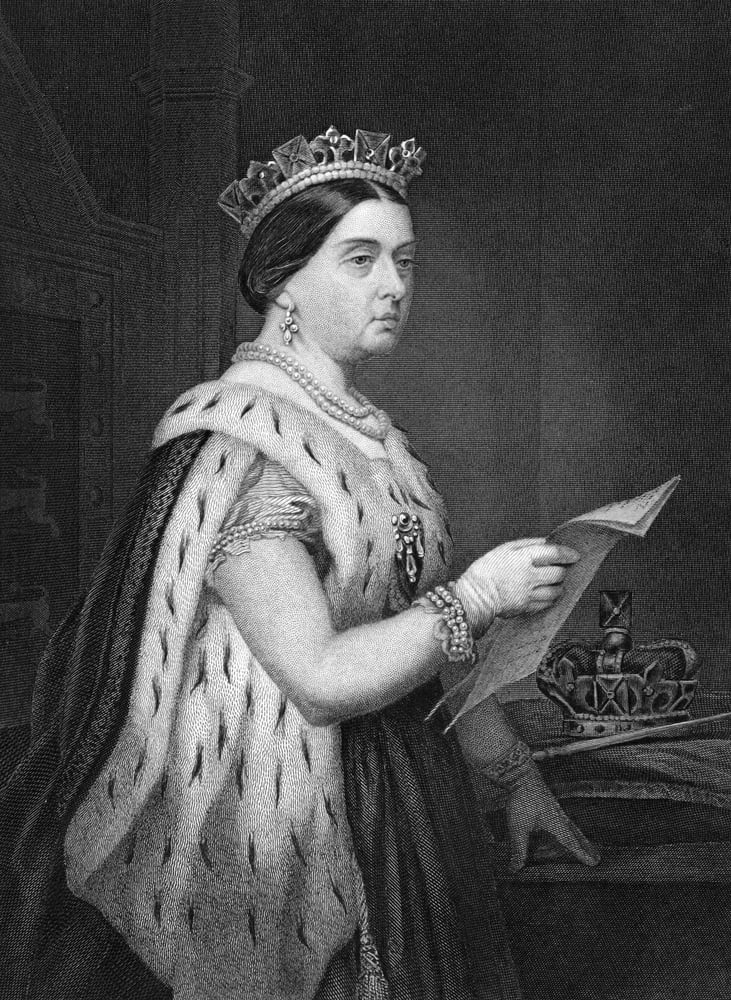
The British monarch survived at least eight assassination attempts during her long reign. The first came in 1840 when Edward Oxford fired two pistols at her carriage.
Both missed. More attempts followed in 1842, 1849, 1850, twice in 1872, and 1882.
Most attackers used guns or canes, and almost all missed their targets. Interestingly, public sympathy for Victoria grew after each attempt, boosting her popularity even when it had been waning.
After one attack, she insisted on going for her planned carriage ride the very next day to show she wouldn’t be intimidated. Her courage during these incidents helped cement her status as a beloved monarch.
Adolf Hitler
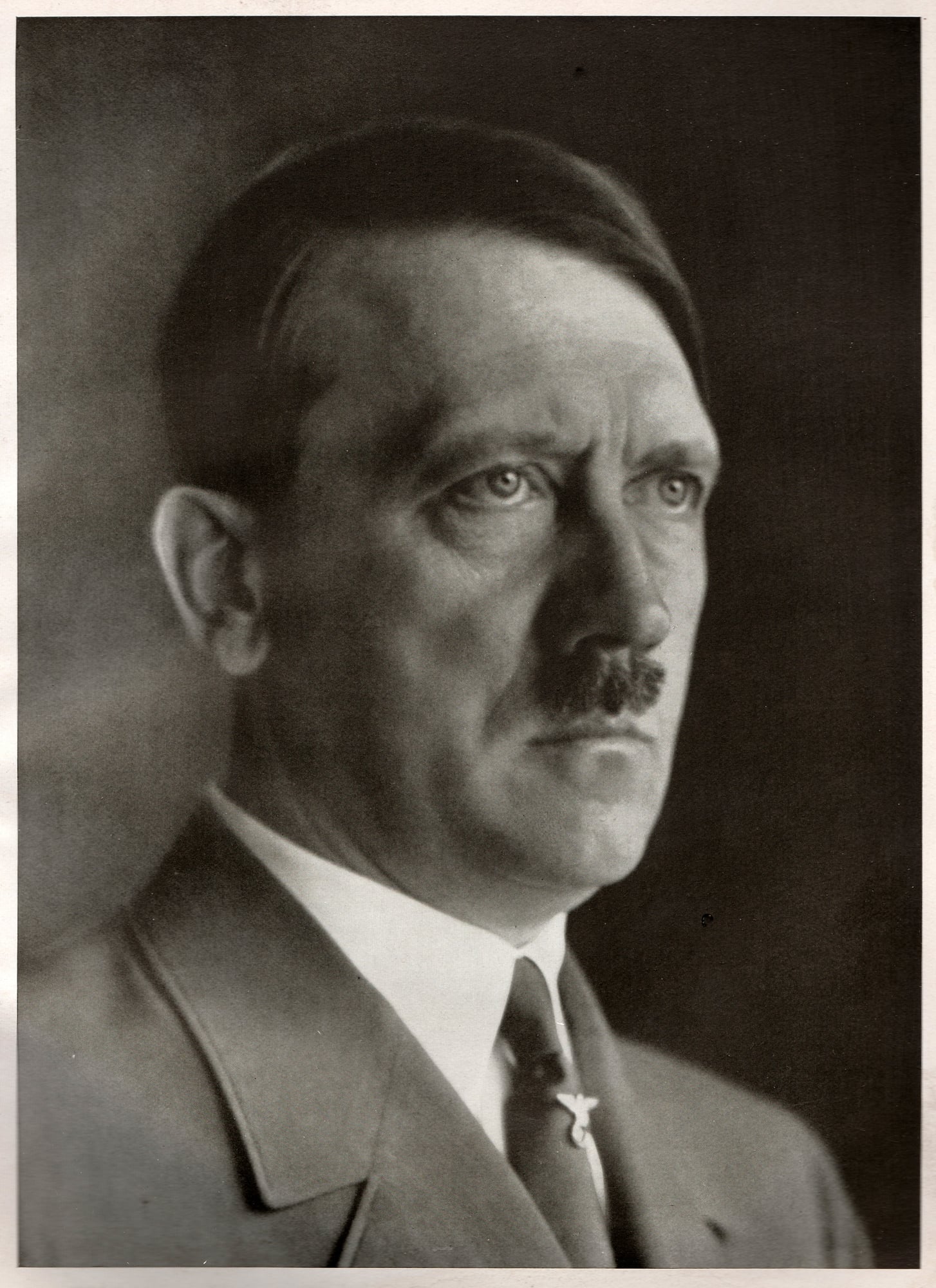
Hitler survived at least 42 documented assassination attempts, with many more suspected but unconfirmed. The most famous came on July 20, 1944, when German officer Claus von Stauffenberg planted a bomb in a briefcase at Hitler’s military headquarters.
The bomb exploded, killing three officers and wounding over twenty others. Hitler survived because someone had moved the briefcase behind a heavy table leg, which absorbed most of the blast.
He walked away with minor injuries, singed trousers, and a perforated eardrum. Many of the would-be assassins were Germans who believed Hitler was leading their country to ruin.
Ronald Reagan
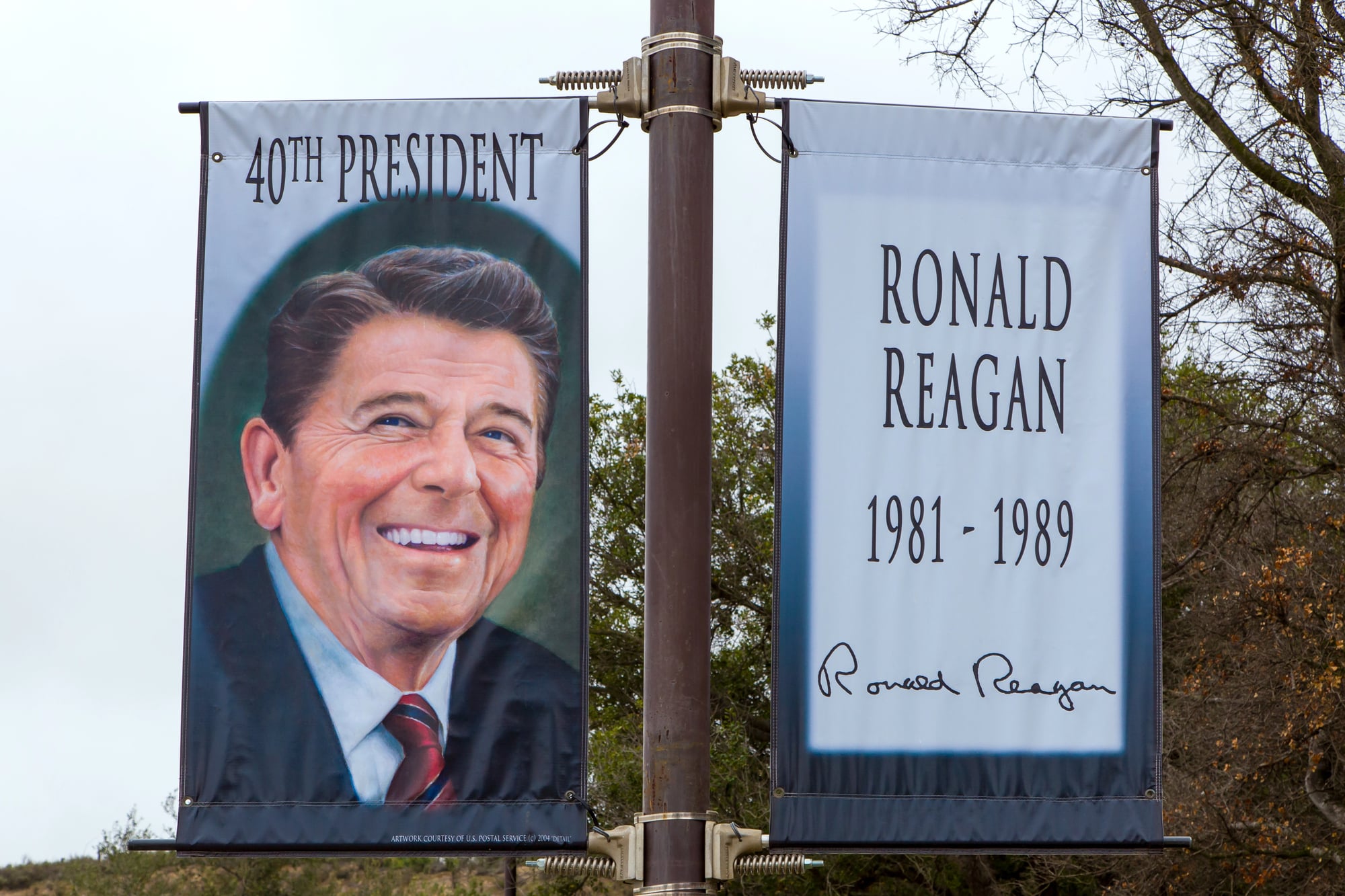
President Reagan survived a gunshot wound on March 30, 1981, when John Hinckley Jr. opened fire outside the Washington Hilton Hotel. A bullet ricocheted off the presidential limousine and hit Reagan under his left arm, lodging near his heart.
Reagan didn’t realize he’d been shot at first, thinking a Secret Service agent had broken his rib while pushing him into the car. At the hospital, he joked with doctors, saying he hoped they were all Republicans.
The surgery was successful, and Reagan’s approval ratings jumped from 38 percent to 51 percent almost overnight. Hinckley claimed he shot Reagan to impress actress Jodie Foster.
Vladimir Lenin
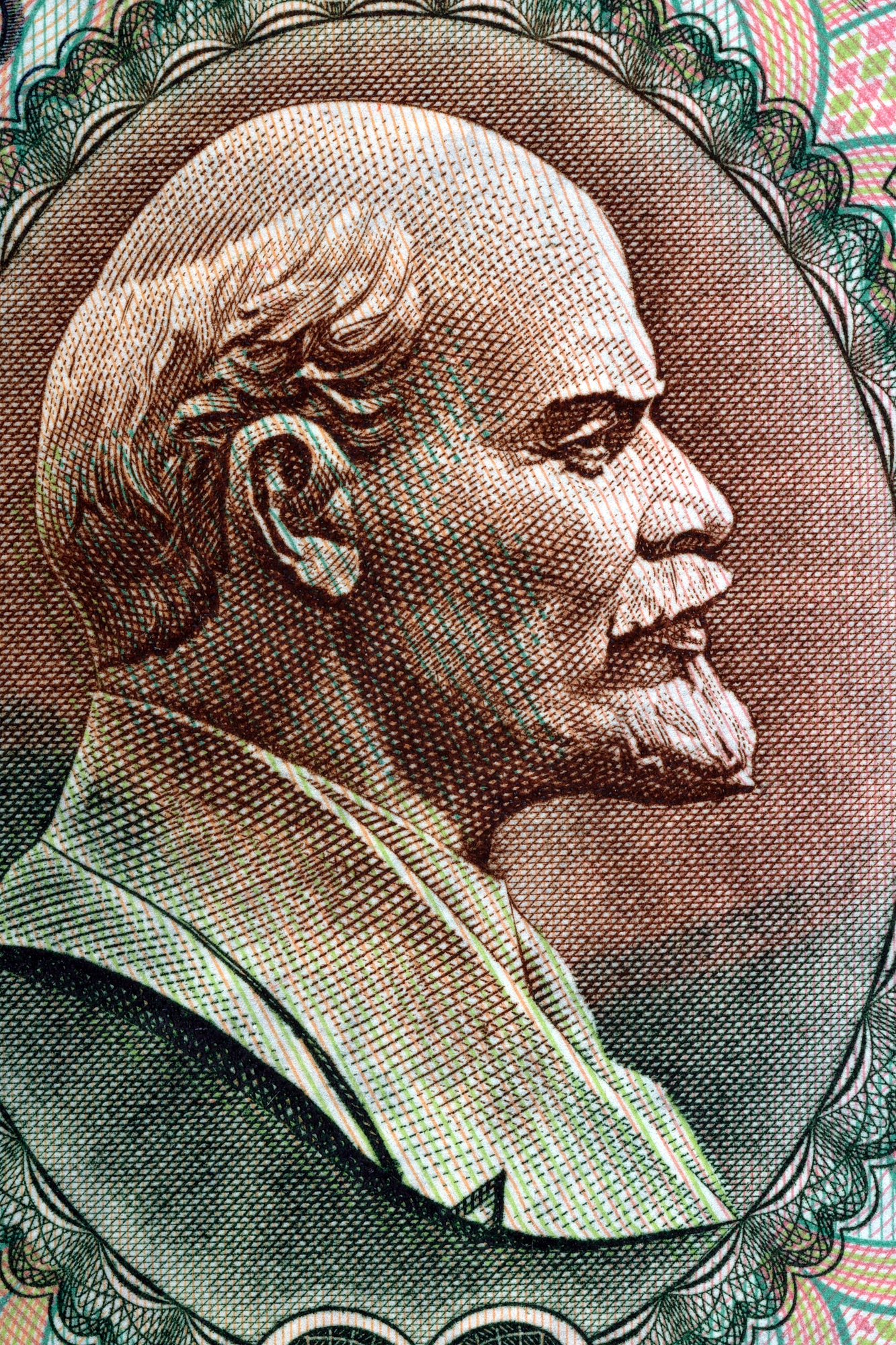
The leader of the Russian Revolution survived multiple assassination attempts, but the most serious came on August 30, 1918. After giving a speech at a Moscow arms factory, Lenin walked toward his car when Fanny Kaplan called out to him.
When he turned around, she fired three shots with a Browning pistol. Two bullets hit Lenin, one puncturing his lung and another lodging in his shoulder.
Doctors decided removing the bullets was too risky, so they stayed there. Lenin survived the attack but never fully recovered his health.
Most historians believe the shooting contributed significantly to his declining health and death in 1924.
Charles de Gaulle
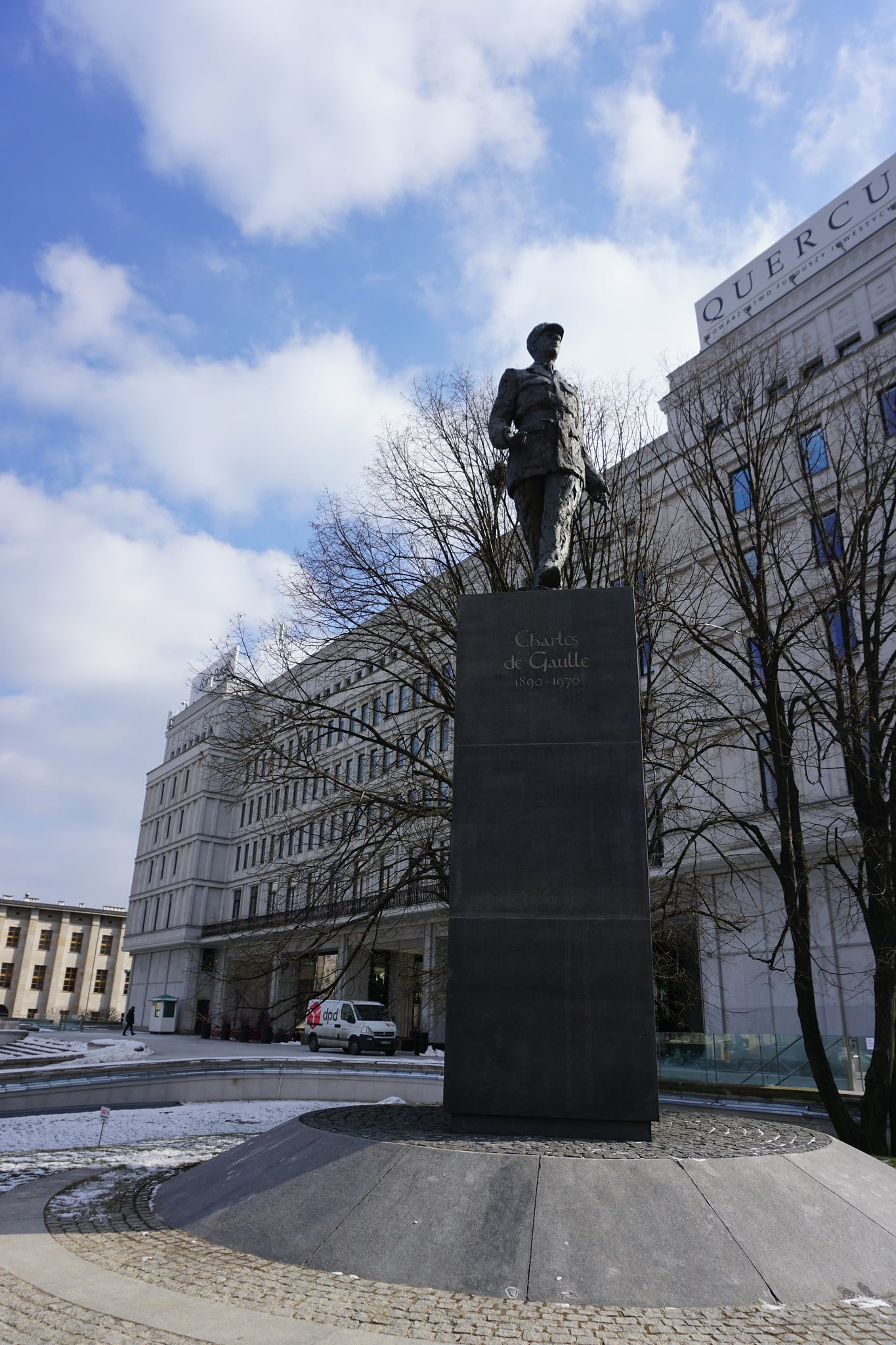
The French president survived over 30 assassination attempts during his career, most from the extremist group Organisation armée secrète. They opposed his decision to grant Algeria independence.
The most dramatic attempt came on August 22, 1962, when attackers peppered his motorcade with over 140 machine gun rounds. De Gaulle and his wife ducked in the back seat as bullets shattered windows and punctured tires.
The driver kept going, and they escaped unharmed except for glass cuts. De Gaulle’s first words after the attack were reportedly about how poorly the assassins had aimed.
Colonel Jean-Marie Bastien-Thiry, who organized the ambush, was later executed for his role.
Pope John Paul II
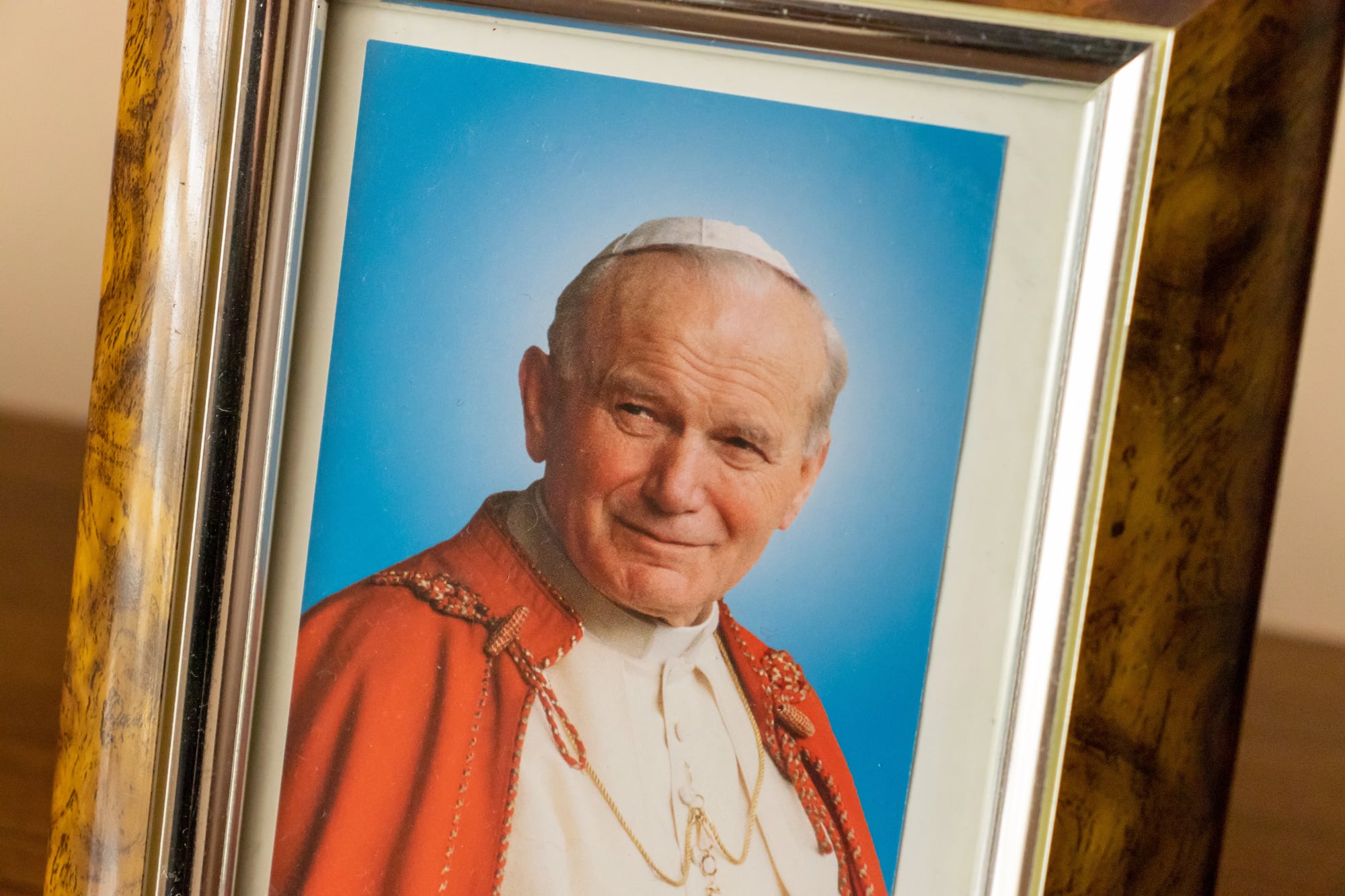
On May 13, 1981, Turkish gunman Mehmet Ali Ağca shot the Pope four times as he greeted crowds in St. Peter’s Square. Two bullets hit the Pope’s abdomen, and two more struck his left hand and right arm.
The Pope underwent five hours of surgery and survived, though he lost three-quarters of his blood. He later met with and forgave Ağca in prison.
The following year, another man tried to stab the Pope with a bayonet during a pilgrimage to Fátima, Portugal, but security guards stopped him. In 1995, terrorists planned to dress as a priest and blow up the Pope, but they accidentally started a chemical fire that alerted police to their plot.
King Zog I of Albania
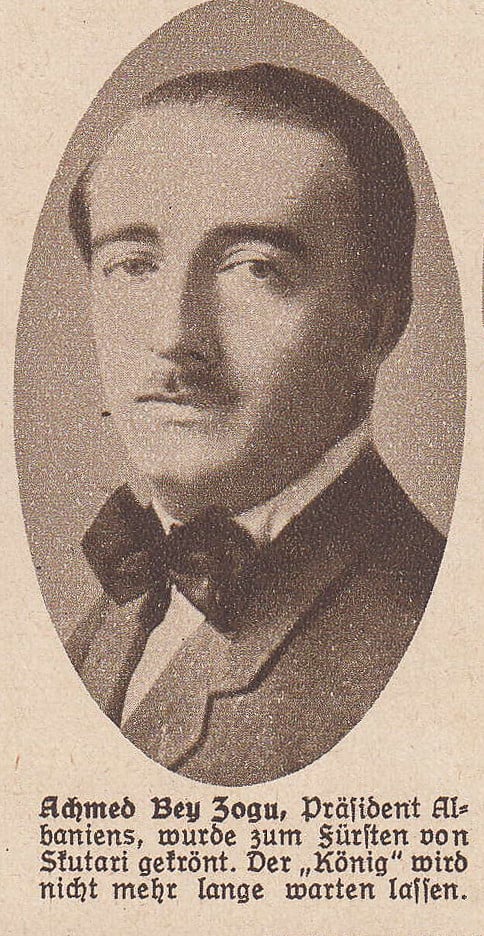
King Zog holds the record for surviving 55 documented assassination attempts during his reign from 1928 to 1939. He also faced about 600 blood feuds against him from rival families and clans.
The attempts started as soon as he began rising to power in the early 1920s. During one attempt while visiting the Vienna State Opera in 1931, gunmen opened fire, but Zog drew his own pistol and returned fire while using his bodyguards as shields.
His security team always traveled heavily armed because attacks happened so frequently. The constant threat of death forced him to live in near-total paranoia throughout his reign.
Alexander II of Russia
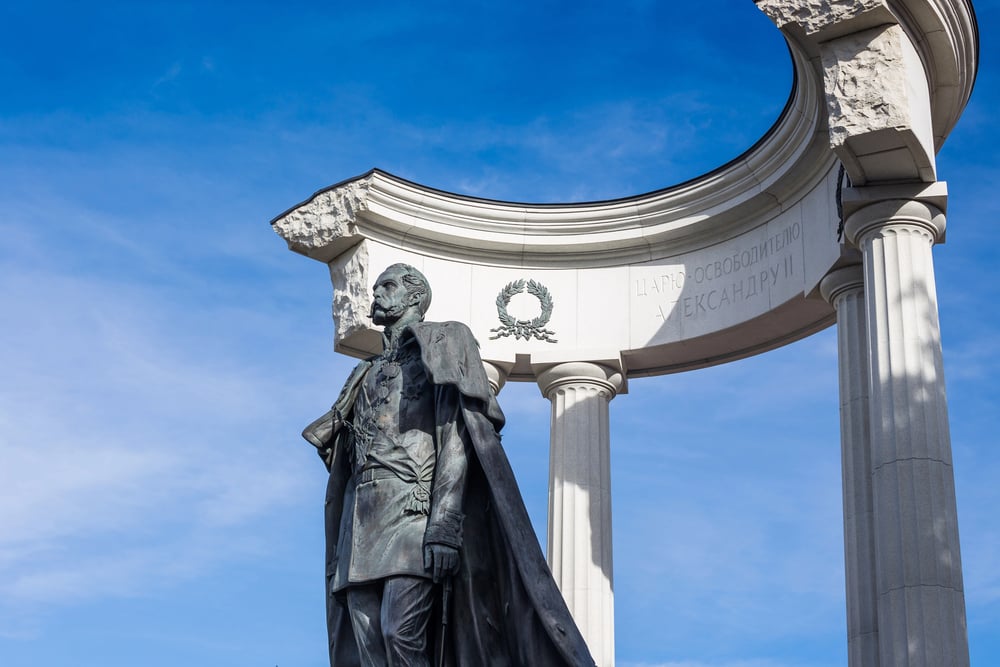
The Russian tsar survived at least five assassination attempts before a sixth finally succeeded in 1881. Alexander had enacted sweeping reforms including freeing the serfs, which angered both revolutionaries who wanted more change and conservatives who wanted none.
At the 1867 World’s Fair in Paris, a Polish nationalist named Antoni Berezowski tried to shoot him, but his gun broke and the bullet hit a horse instead. In 1880, revolutionaries planted a bomb in a railway track that was supposed to kill him, but he survived when his schedule changed and the wrong train passed over it.
The attacks motivated him to increase security, but ultimately the precautions weren’t enough.
Malala Yousafzai

The Pakistani activist was only 15 years old when Taliban gunmen boarded her school bus on October 9, 2012, and shot her in the head. The bullet entered above her left eye and traveled along her skull, fracturing it.
Doctors in Pakistan stabilized her, then she was flown to England for further treatment. She survived multiple surgeries and months of rehabilitation.
Rather than silencing her advocacy for girls’ education, the attack made her voice louder and more influential. She became the youngest person ever to win the Nobel Peace Prize in 2014 at age 17, sharing it with Indian children’s rights activist Kailash Satyarthi.
Yasser Arafat
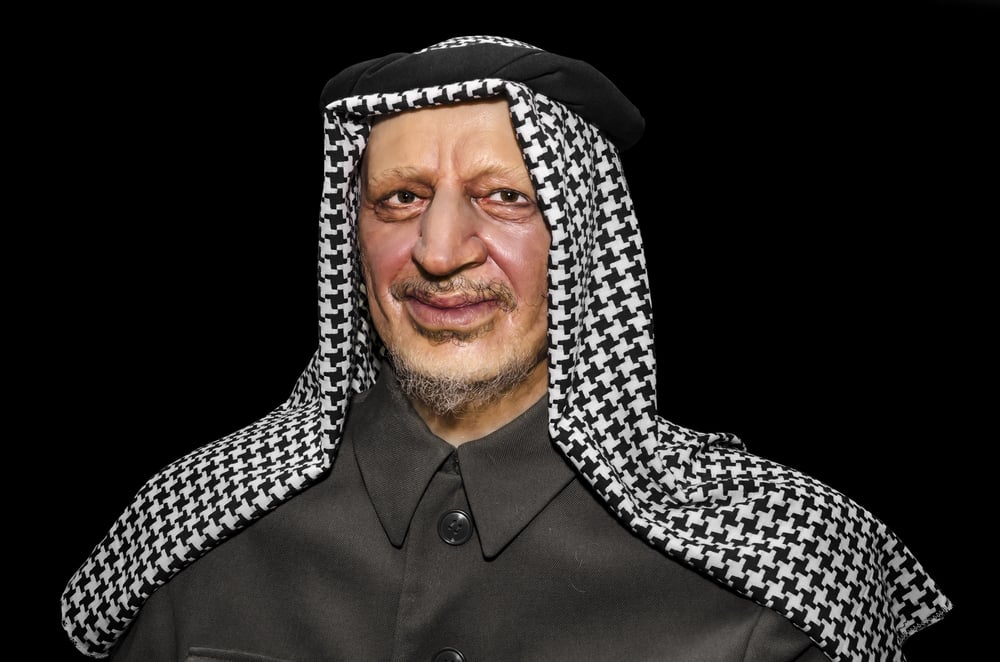
The Palestinian leader claimed he never slept in the same place two nights in a row to avoid assassins. Estimates suggest he faced at least 13 documented attempts on his life.
In 1985, Israeli fighter planes bombed his headquarters in Tunis, killing many people. Arafat survived because he had stepped out for a morning jog before the attack.
Another time, Israeli forces surrounded his compound in Ramallah and held him under siege for weeks, but he outlasted them. Throughout his decades as leader of the Palestinian Liberation Organization, Arafat developed an almost supernatural reputation for escaping death.
When he died in 2004, many suspected poison, though forensic reports were inconclusive.
Josip Broz Tito
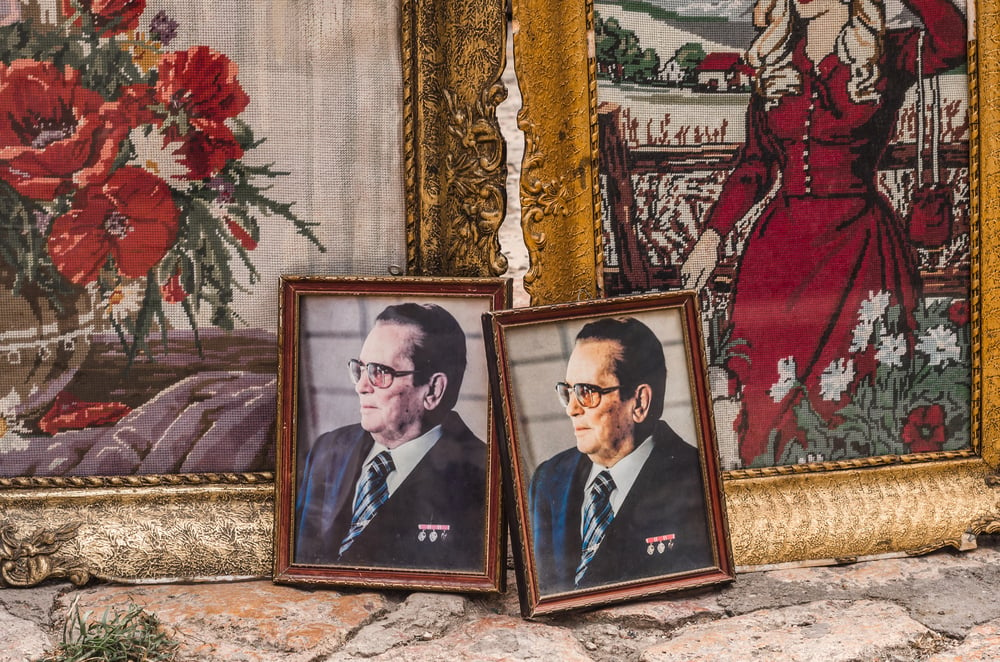
The Yugoslav leader defied Soviet leader Joseph Stalin, creating friction that led Stalin to send assassins after him. Stalin reportedly declared he would shake his little finger and there would be no more Tito.
Tito survived multiple attempts and eventually sent Stalin a message saying to stop sending people to kill him, or he would send one to Moscow, and he wouldn’t need to send another. As a former resistance fighter against the Nazis, Tito had plenty of experience avoiding death.
He ruled Yugoslavia for decades, outlasting Stalin by over 20 years. His survival of Soviet assassination attempts became legendary, cementing his reputation as someone who couldn’t be intimidated.
Franklin D. Roosevelt
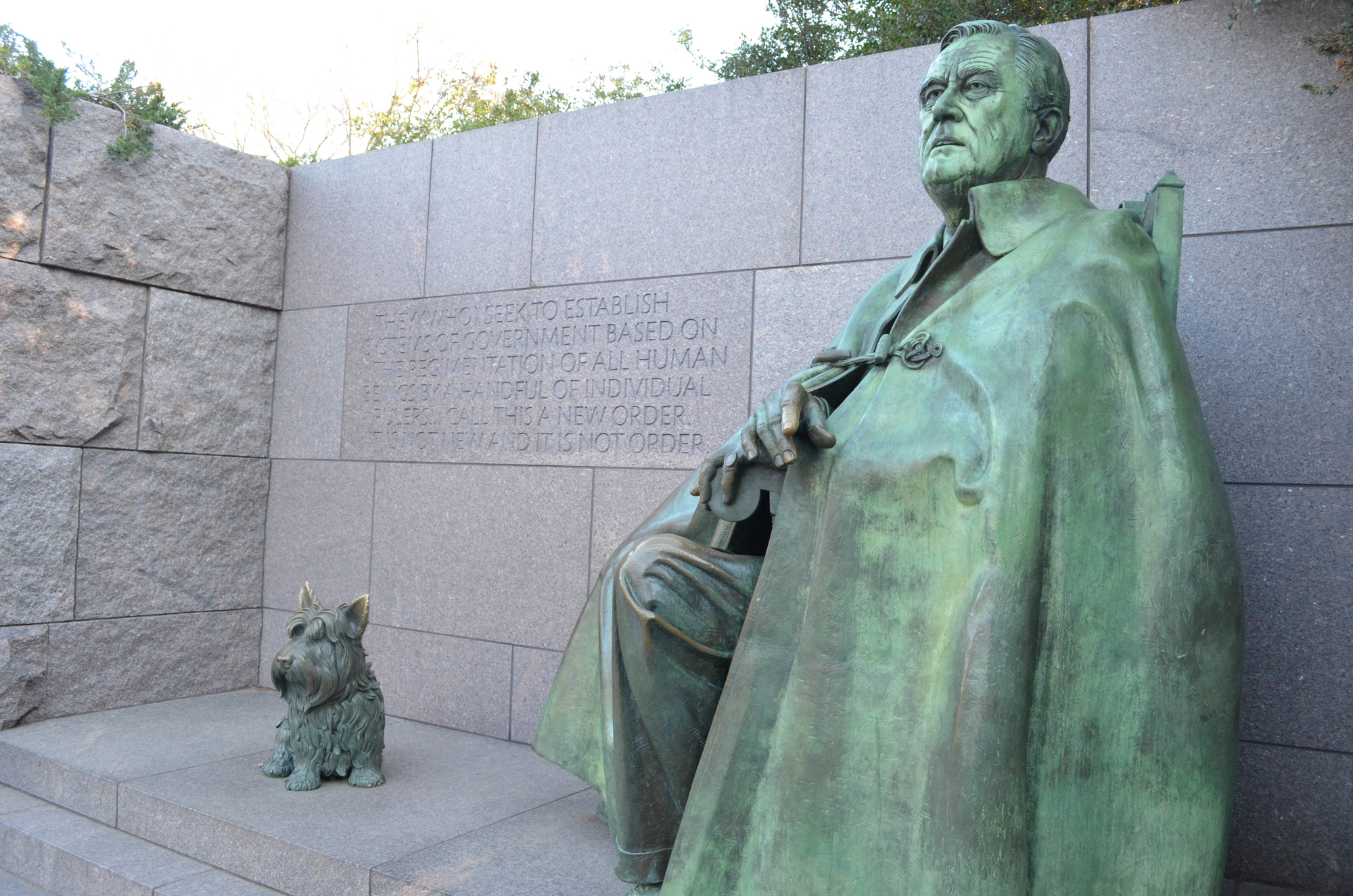
President-elect Roosevelt survived an assassination attempt on February 15, 1933, less than a month before his inauguration. Giuseppe Zangara, an unemployed bricklayer, fired six shots at Roosevelt during an impromptu speech in Miami.
Roosevelt wasn’t hit, but five other people were wounded, including Chicago Mayor Anton Cermak, who later died from his injuries. Roosevelt showed remarkable calm during the chaos, insisting on staying at the scene to comfort the wounded.
Zangara claimed he shot at Roosevelt because he hated all rich and powerful people. He was executed five weeks later, having shown no remorse for the attack or the death of Mayor Cermak.
Theodore Roosevelt
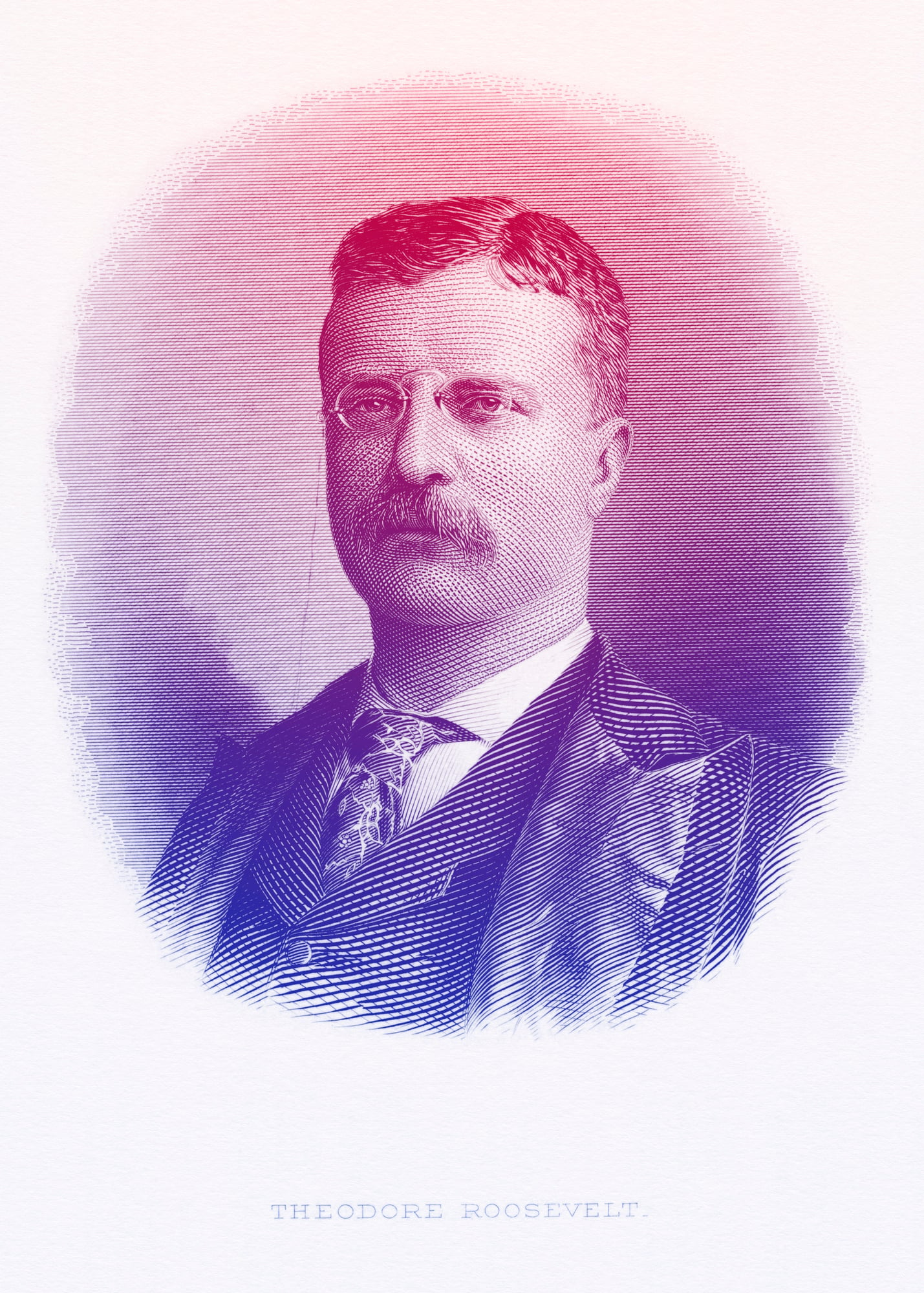
Former president Theodore Roosevelt survived an assassination attempt on October 14, 1912, while campaigning to return to the White House. Saloonkeeper John Schrank shot Roosevelt in the chest as he prepared to give a speech in Milwaukee.
The bullet was slowed by Roosevelt’s eyeglass case and the 50-page speech folded in his pocket. Roosevelt insisted on delivering his 90-minute speech anyway, telling the crowd he had just been shot but assuring them it takes more than that to kill a Bull Moose.
The bullet stayed lodged in his chest for the rest of his life because doctors considered removing it more dangerous than leaving it there.
Gerald Ford
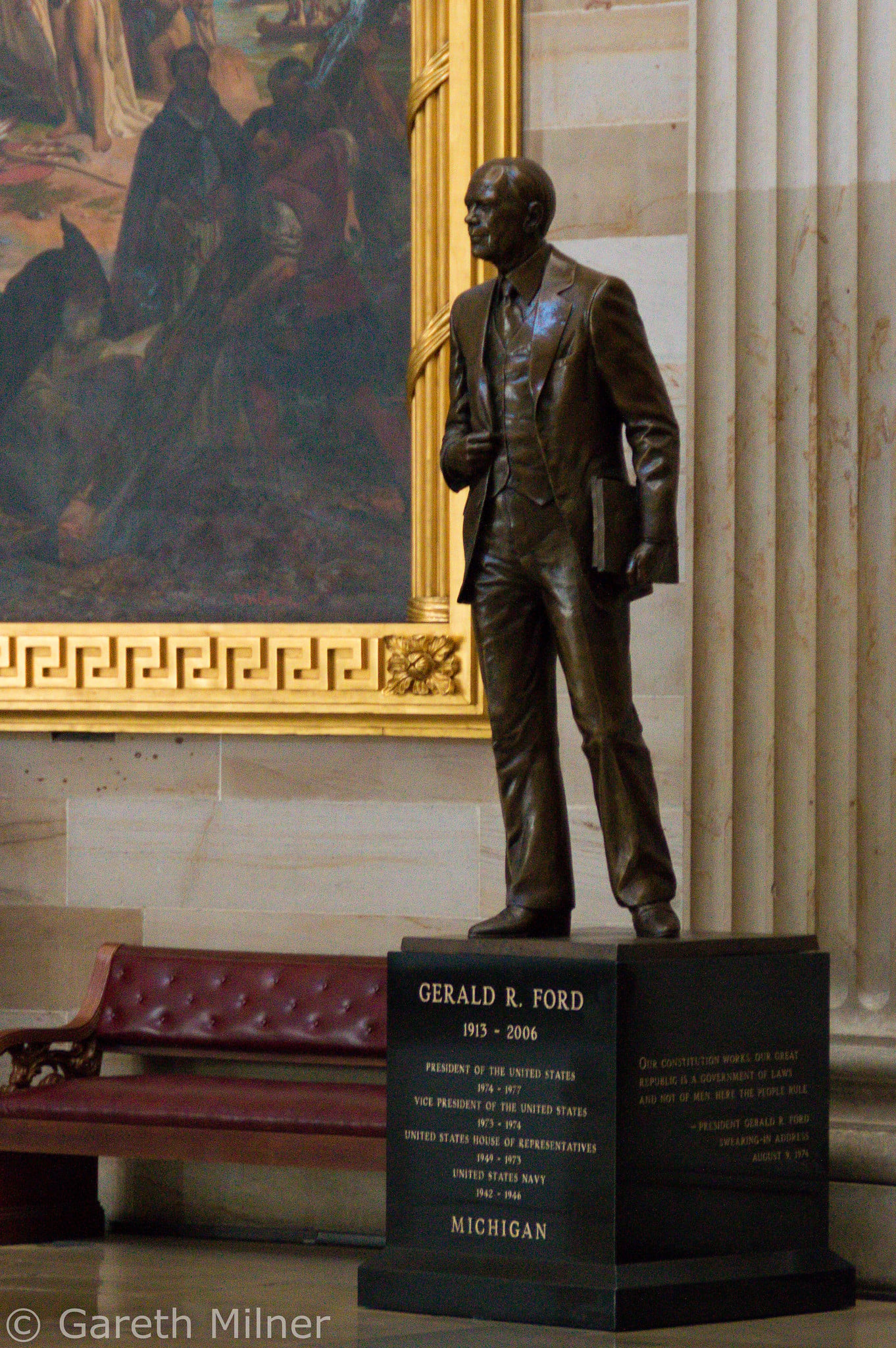
Ford stood near a crowd when the first attempt happened. A woman named Lynette Fromme raised a gun toward him that morning in Sacramento.
She followed Charles Manson, believing in his ideas. The weapon never discharged because an agent rushed forward fast.
Seventeen days passed before another tried. This time in San Francisco, where Sara Jane Moore aimed during a public walk.
As her finger pulled the trigger, someone nearby lunged at her arm. His name was Oliver Sipple, just watching, now suddenly involved.
The bullet went off course, missed its mark. Funny thing is, Ford escaped two tries on his life – one each by a woman – both within just one month.
Though locked up for life at first, Moore walked free in 2007 following more than three decades behind bars.
Margaret Thatcher

A blast tore through Brighton just after two fifty that October morning. Inside the Grand hotel, sleep gave way to chaos when the explosion ripped apart multiple levels.
Five did not make it out alive. Margaret Thatcher was meant to be closer to the force of it.
Her room’s layout placed the bath at a distance from the impact point. Timing mattered less than walls standing between her and the detonation.
The IRA had set the charge hoping for a different outcome. Hours after the attack, she showed up calm, steady, speaking as if nothing had shifted.
The event moved forward because she demanded it. That day, her words made clear: whoever tried to break things only proved how strong the system could be when pushed.
When death misses by inches

Staying alive was enough to shift the course of events. After violence struck, people started seeing them differently – pity took over where blame once lived.
Guarded steps followed for a few, with protection close at hand now. Just as many stepped forward without pause, back on the streets before sunrise came again.
Looking back, the tries say just as much about when they happened as who got hit – proof people felt backed into a corner. Surviving wasn’t always down to skill; some call it chance, others call it fate, but again and again, death missed its mark.
Outliving near-fatal seconds didn’t stop history – it poured fuel on it.
More from Go2Tutors!

- The Romanov Crown Jewels and Their Tragic Fate
- 13 Historical Mysteries That Science Still Can’t Solve
- Famous Hoaxes That Fooled the World for Years
- 15 Child Stars with Tragic Adult Lives
- 16 Famous Jewelry Pieces in History
Like Go2Tutors’s content? Follow us on MSN.