Biggest TV Finales That Broke Records
Folks once gathered together when a show reached its ending. Back before people could watch whenever they wanted, some final episodes pulled whole families – sometimes whole nations – into one common experience.
Roads turned empty, phone calls paused, while talk everywhere the following day circled back to scenes seen simultaneously by millions. That kind of unity around a screen feels rare now.
That moment wasn’t just about wrapping things up. What made it stick was how huge the numbers got – ratings spiked, ad money poured in, talk spread everywhere.
Timing clicked with sharp writing and fans who stayed through every season. These moments became markers of what TV might reach at its peak.
Even now, a few of those highs remain untouched. The world around television has shifted too much to try again.
Fans couldn’t look away when these TV endings took over living rooms across the country. What made some fade fast while others stuck around like old songs?
A handful of shows managed to crash ratings charts, then live on in memory much longer than anyone expected. Moments once seen late at night now echo through time, replayed in conversation more often than planned.
Not every finale earned love right away, yet their impact refused to quiet down. Decades pass, but certain scenes still pull attention like magnets.
M*A*S*H
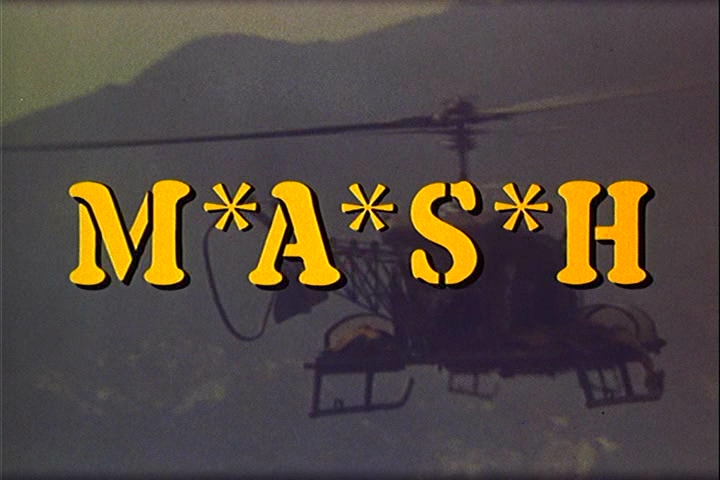
The finale of MASH* remains the most-watched scripted television episode in American history. When it aired in 1983, more than 100 million viewers tuned in, a number that has never been surpassed by a scripted show since.
The series had spent over a decade blending humour with emotional weight, earning deep loyalty from its audience. What made the finale extraordinary was its tone.
Instead of a light send-off, it delivered a reflective, heavy farewell that treated the end as something meaningful rather than celebratory. The episode felt like a collective goodbye, not just to characters, but to an era of television that assumed viewers would stay until the very last moment.
Seinfeld
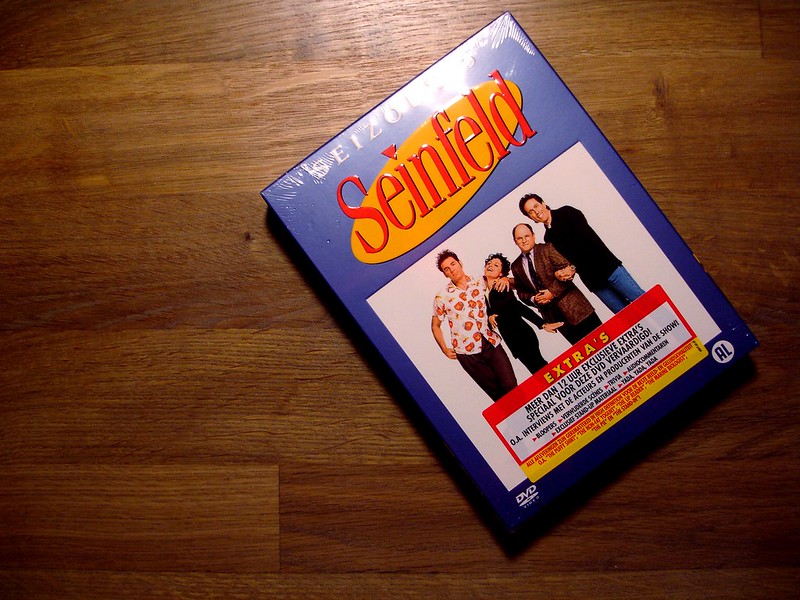
When Seinfeld ended in 1998, it drew one of the largest finale audiences of all time, with roughly 76 million viewers. The show had defined a generation of comedy by focusing on everyday trivialities, and expectations for its ending were enormous.
Anticipation alone turned the finale into an event. The episode itself became almost as famous for its backlash as for its numbers.
That reaction did little to dent its record-breaking status. The finale demonstrated that cultural dominance matters as much as narrative satisfaction.
People watched because Seinfeld had become unavoidable, not because everyone agreed on how it should end.
Friends
The Friends finale in 2004 pulled in over 50 million viewers in the United States alone, making it one of the most-watched finales of the modern broadcast era. The series had spent ten seasons building emotional investment through relationships, humour, and familiarity.
Viewers felt like they knew these characters personally. What set the finale apart was its balance.
It delivered closure without spectacle, choosing emotional resolution over shock. That approach rewarded long-term viewers and reinforced why appointment viewing mattered.
People showed up not for surprise, but to say goodbye properly.
Cheers
When Cheers ended in 1993, its finale attracted around 84 million viewers. The show had already survived cast changes and shifting television trends, making its longevity part of its appeal.
The bar at the centre of the series had become a familiar place for millions of viewers. The finale leaned into that familiarity rather than reinventing itself.
Its success showed that audiences often prefer emotional consistency over dramatic twists. By staying true to its tone, Cheers turned a simple farewell into one of the most-watched moments in television history.
Breaking Bad
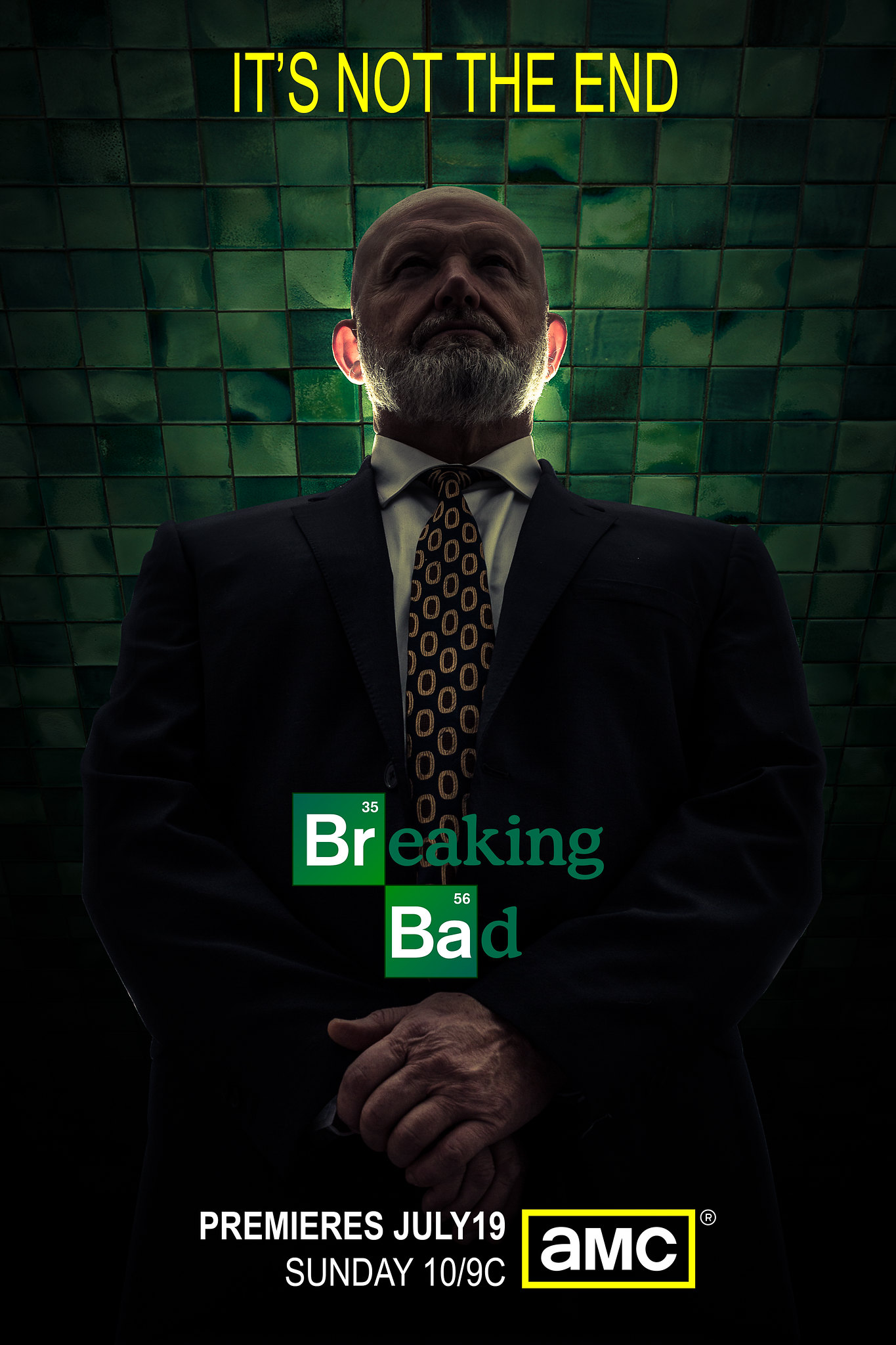
While Breaking Bad never reached broadcast-era numbers, its finale broke records for cable television in 2013. The final episode drew more than 10 million live viewers, an extraordinary figure for a cable drama at the time.
Streaming and delayed viewing only amplified its reach. The show benefited from steady growth rather than instant success.
By the time the finale aired, anticipation had built across multiple seasons. The episode proved that modern television could still create shared moments, even without traditional network dominance.
The Big Bang Theory
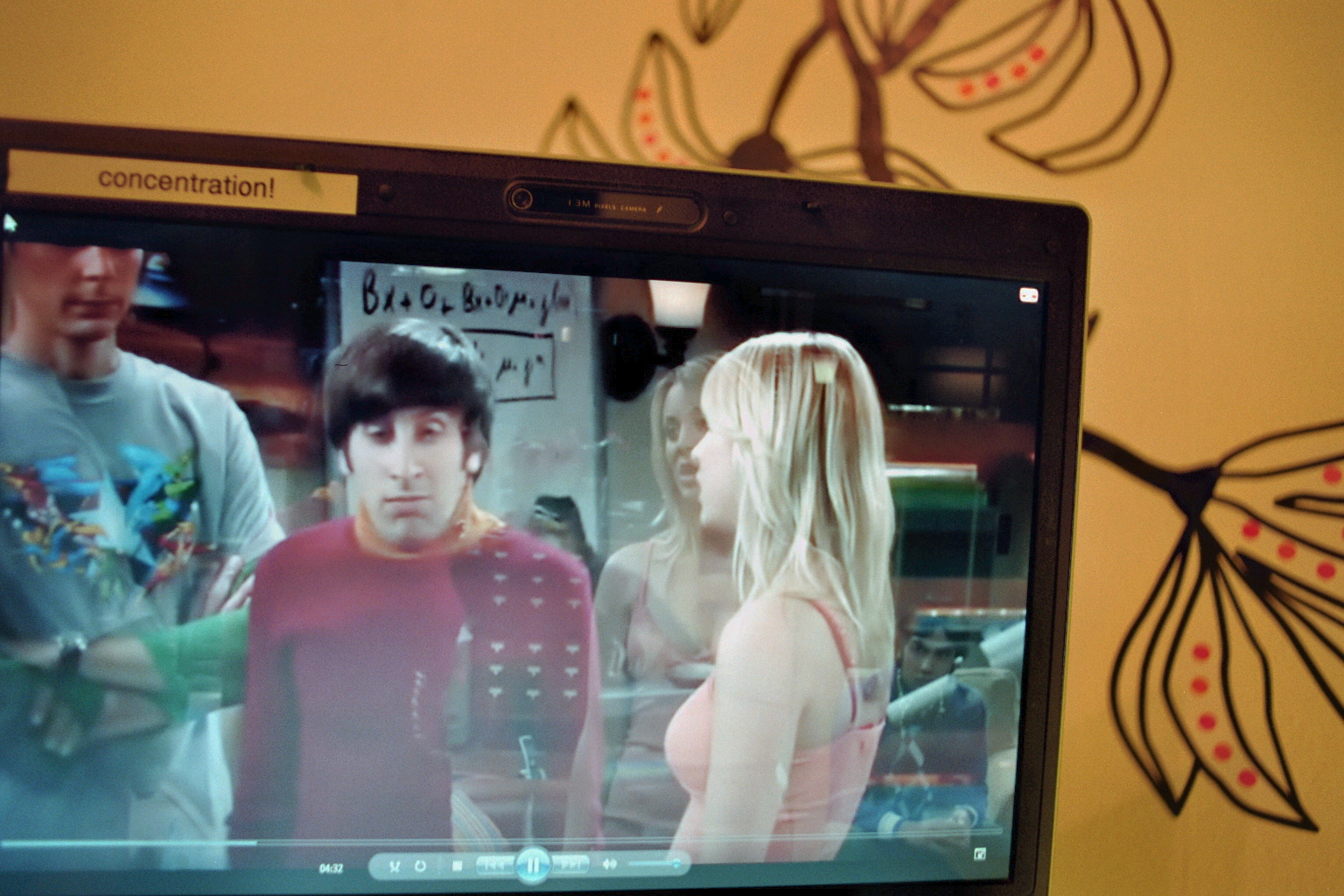
The finale of The Big Bang Theory in 2019 became the most-watched television episode of its decade in the United States, with nearly 18 million viewers. In an era of fragmented viewing habits, that number stood out sharply.
The show’s appeal came from consistency. Viewers knew what they were getting, and the finale delivered exactly that.
Its record-breaking performance reflected the enduring power of comfort viewing, even as audiences increasingly moved away from live television.
Game of Thrones
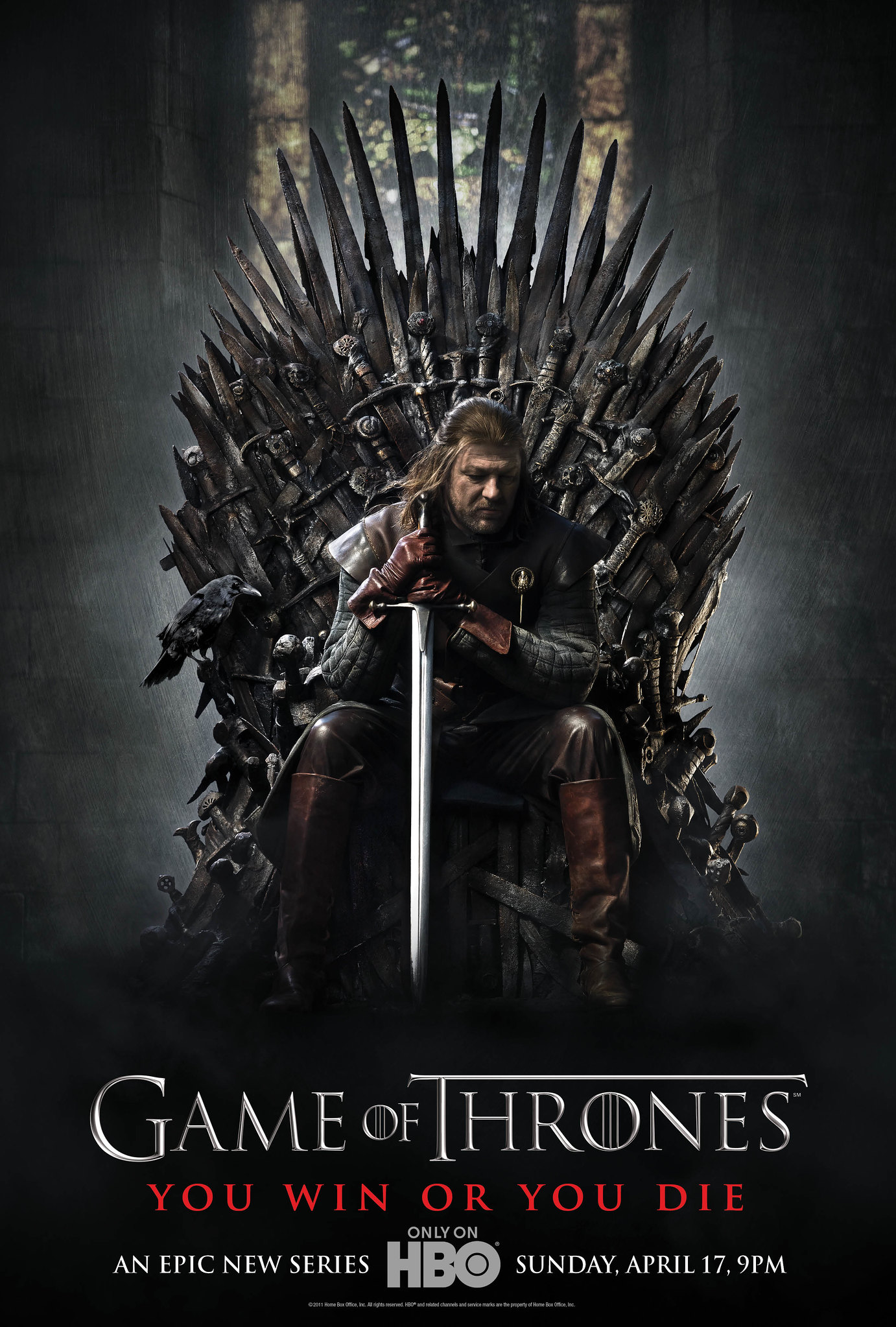
The Game of Thrones finale set records for the highest viewership in cable television history, with more than 19 million viewers across platforms on the night it aired. Globally, the numbers climbed far higher, making it one of the most-watched episodes of any show worldwide.
Unlike earlier finales, this one existed in a social media-driven environment. Viewership records were matched by online discussion, reactions, and debate.
The finale demonstrated how modern records are measured not just in ratings, but in global attention and sustained conversation.
Dallas
Although not technically a series finale, the episode revealed who shot J.R. became one of the most-watched television events ever, drawing around 90 million viewers. Its impact shaped how finales and cliffhangers were designed for years afterward.
When Dallas eventually ended, audiences were already conditioned to treat its major episodes as events. The show proved that mystery and anticipation could drive record-breaking engagement long before streaming or online speculation existed.
The Sopranos
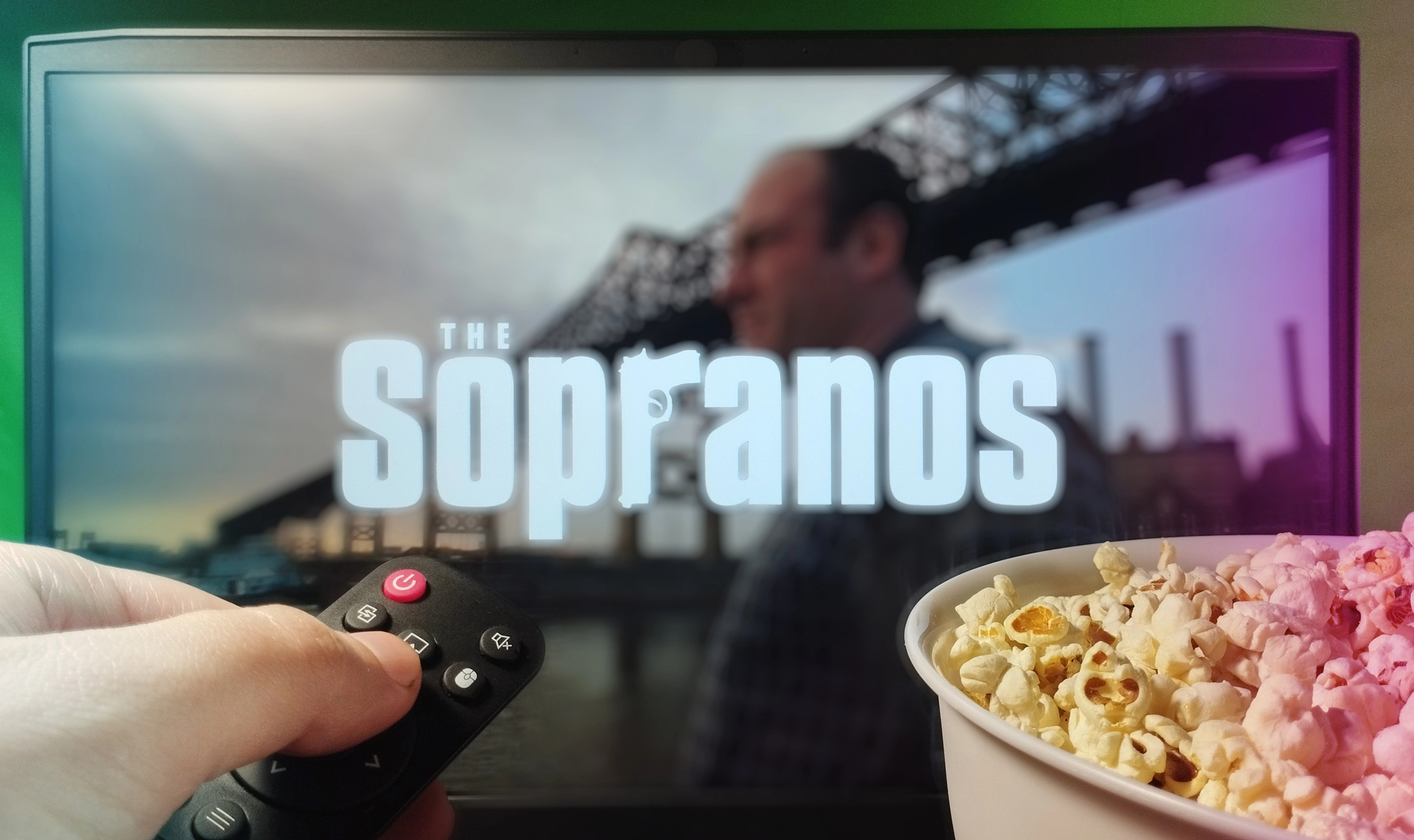
The finale of The Sopranos drew a massive audience for HBO and became one of the most discussed endings in television history. While its viewership numbers were smaller than broadcast giants, its cultural impact was enormous.
The ending’s ambiguity sparked years of debate, analysis, and reinterpretation. In doing so, it redefined what a finale could be.
Records were broken not just in viewership, but in sustained attention. Few finales have remained part of public conversation for so long.
Lost
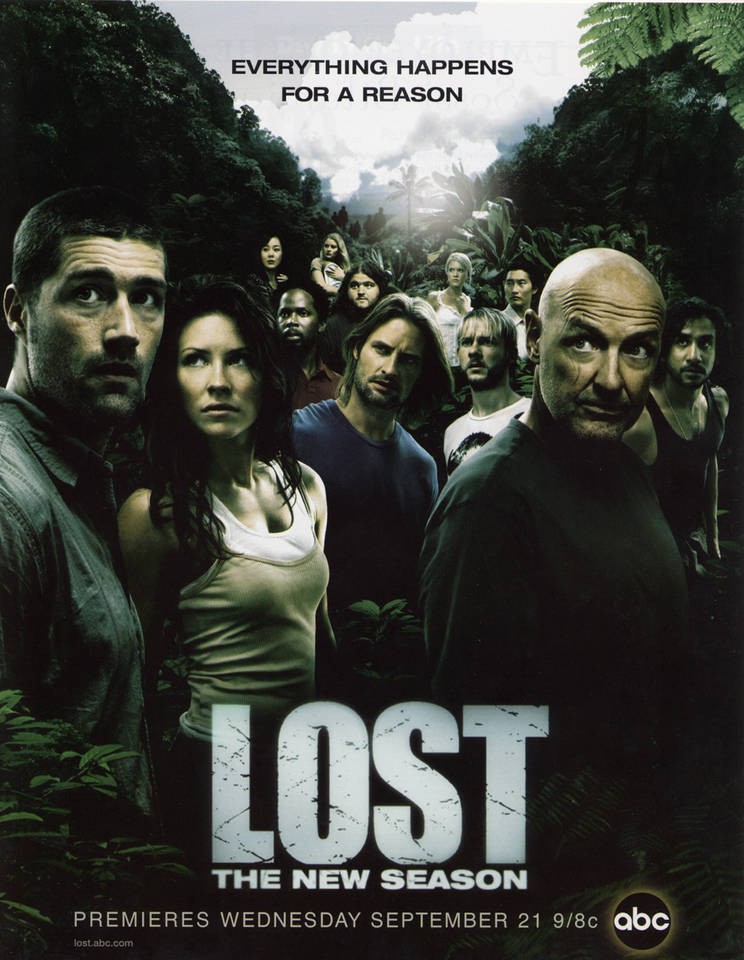
Lost ended in 2010 with one of the most-watched finales of its era, drawing more than 13 million live viewers in the United States. International numbers pushed that figure significantly higher.
The show had built its reputation on mystery and long-term storytelling. The finale divided opinion, but it succeeded as an event.
Viewers tuned in to find answers, even if they did not all agree on the outcome. The record-breaking audience reflected the show’s ability to sustain curiosity over multiple seasons.
Why These Finales Drew Massive Audiences

These record-breaking finales shared several key traits. They aired in periods when live viewing was still dominant, they rewarded long-term loyalty, and they treated endings as moments of significance rather than routine episodes.
Timing mattered as much as storytelling. Even so, cultural trust played a role.
Audiences believed these shows had earned their attention. That belief turned finales into shared experiences, where watching later simply did not feel like an option.
Why Breaking These Records Is Unlikely Today
Modern television operates under entirely different conditions. Streaming, time-shifted viewing, and global release schedules have fragmented audiences beyond repair.
Records now exist across multiple platforms and time frames, making direct comparisons difficult. That does not mean finales no longer matter.
It means their success is measured differently, through longevity, rewatching, and cultural footprint rather than a single night’s numbers.
When Endings Became Events
Something about old TV endings just hit different. They gathered crowds not by chance but because people kept coming back, week after week, expecting something real.
It wasn’t magic – just routine, belief, a shared rhythm. Folks tuned in since it mattered, since missing out meant losing touch.
Today’s silence around such events isn’t accidental; it reflects a world where those patterns have faded. What once glued millions feels impossible now, simply because the ground has shifted.
Even now, traces linger. Time stood still because a screen lit up across countless homes at once.
Though ways change, those endings – huge and sudden – show what happens when people lean into the same tale at the same moment.
More from Go2Tutors!

- The Romanov Crown Jewels and Their Tragic Fate
- 13 Historical Mysteries That Science Still Can’t Solve
- Famous Hoaxes That Fooled the World for Years
- 15 Child Stars with Tragic Adult Lives
- 16 Famous Jewelry Pieces in History
Like Go2Tutors’s content? Follow us on MSN.


