18 Oldest Surviving Documents of Early American Law
America’s legal foundation didn’t appear overnight. Long before the Constitution became the law of the land, colonists and early settlers were busy writing down rules, agreements, and charters that would shape the nation’s future.
These documents tell stories of compromise, conflict, and the constant push for order in a new world that often felt anything but orderly. These pieces of paper and parchment survived fires, wars, and centuries of wear.
Here are some of the oldest legal documents that helped build America.
The Mayflower Compact
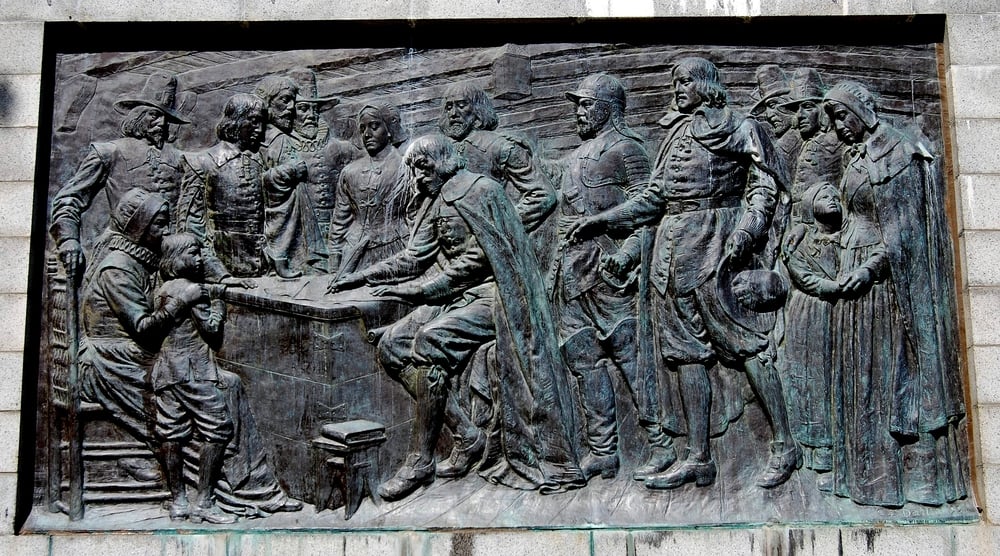
Forty-one men signed this agreement in 1620 while still aboard the Mayflower, anchored off Cape Cod. The Pilgrims realized they’d landed outside their intended destination and needed rules fast to prevent chaos.
This compact created a basic framework for self-government and became one of the first examples of democracy taking root in North America. The original document no longer exists, but copies made soon after preserve its words.
Virginia’s First Assembly Records

In 1619, the Virginia Company called together the first representative legislative assembly in the American colonies. The meeting took place in a church in Jamestown, where elected burgesses gathered to make laws for the growing settlement.
Records from these sessions show early colonists grappling with everything from cig prices to relations with native tribes. These documents marked the beginning of representative government in what would become the United States.
The Fundamental Orders of Connecticut
Connecticut towns came together in 1639 to create what many historians consider the first written constitution in North America. The document established a government structure with elected officials and limited powers, setting a precedent that would echo through American history.
Thomas Hooker, a minister who’d left Massachusetts Bay Colony, played a key role in shaping these orders. The original parchment still exists and remains remarkably well-preserved in Connecticut’s State Library.
The Massachusetts Body of Liberties

This 1641 code spelled out the rights and restrictions for Massachusetts Bay Colony residents in surprising detail. The document covered everything from property rights to criminal punishments, and it even included early protections against cruel punishment.
Nathaniel Ward, a minister and lawyer, drafted most of the text after colonists demanded written laws instead of arbitrary decisions by magistrates. Several provisions from this code found their way into later American legal thinking.
Maryland Toleration Act
Lord Baltimore’s colony took a bold step in 1649 by passing a law that granted religious freedom to Christians of all denominations. The act came about partly because Maryland had both Catholic and Protestant settlers who needed to coexist peacefully.
While it didn’t extend tolerance to non-Christians, the law represented progressive thinking for its time. The original document resides in the Maryland State Archives and shows the colony’s attempt to avoid the religious conflicts tearing Europe apart.
William Penn’s Charter of Privileges

Pennsylvania’s founder issued this charter in 1701, granting colonists rights that seemed radical for the era. The document guaranteed religious freedom and gave the colonial assembly significant power over legislation.
Penn believed people governed themselves best when they had genuine freedom and representation. This charter remained Pennsylvania’s basic law until the American Revolution and influenced constitutional thinking across the colonies.
Rhode Island Royal Charter
King Charles II granted Rhode Island this charter in 1663, and it became one of the most liberal governing documents in colonial America. The charter allowed Rhode Island to elect its own governor and guaranteed religious freedom in ways other colonies didn’t dare.
Roger Williams had founded Rhode Island as a haven for religious dissenters, and this charter protected that vision. Rhode Island actually used this document as its state constitution until 1842, making it one of the longest-lasting charters in American history.
The Concessions and Agreement of West New Jersey
This 1677 document outlined a government plan for West New Jersey that included trial by jury and protection against unjust imprisonment. Quakers who purchased the territory wanted to create a colony based on their beliefs about fairness and individual rights.
The agreement contained ideas about due process that later showed up in the Bill of Rights. Only a few original copies survived, with one kept at the New Jersey State Archives.
Plymouth Colony Laws
The Plymouth colonists compiled their laws into a written code around 1636, though they’d been creating individual statutes since the 1620s. These laws covered daily life issues like land ownership, marriage, and criminal offenses.
The code shows how the Pilgrims tried to balance English legal traditions with the practical needs of frontier living. Some of these early laws seem harsh by modern standards, but they reflected the colonists’ determination to maintain order in difficult circumstances.
New Haven Colony’s Blue Laws
New Haven established an extremely strict legal code in the 1650s that regulated everything from church attendance to business practices. The term ‘blue laws’ allegedly came from the blue paper these regulations were printed on, though historians debate this origin story.
These laws made New Haven one of the most tightly controlled colonies in New England. The community eventually merged with Connecticut, but records of these strict regulations survive as examples of Puritan legal thinking.
Duke of York’s Laws
When England took over New Netherland in 1664, the Duke of York issued a legal code for the newly renamed New York. The laws drew from New England legal traditions but also tried to accommodate the Dutch settlers who already lived there.
This code applied to New York, New Jersey, and Pennsylvania territories, making it one of the most geographically broad legal documents of the colonial period. The duke’s laws remained in effect until New York developed its own colonial legislature.
Virginia Slave Codes
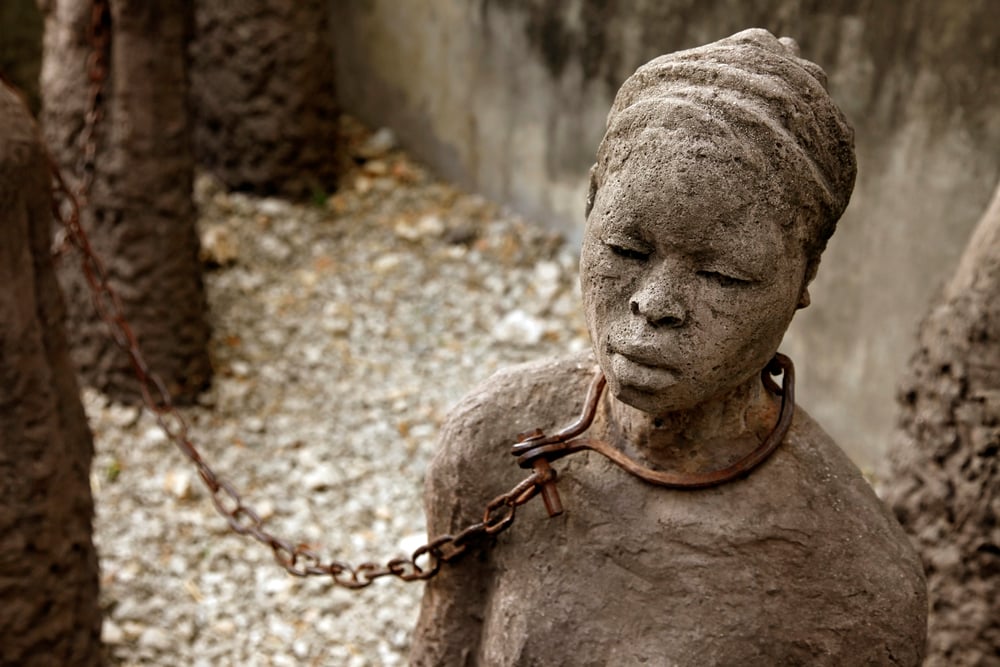
Virginia passed its first comprehensive laws about enslaved people in the 1660s, and these brutal codes expanded over the following decades. The statutes stripped away rights and freedoms, creating a legal framework for the institution that would plague America for centuries.
These documents survive as painful reminders of how law can be twisted to support injustice. Historians study them to understand how slavery became embedded in colonial society.
The Carolina Constitution

Philosopher John Locke helped draft this elaborate document in 1669 for the Carolina colony. The constitution tried to create a feudal-style society with nobility and serfs, which never really worked in practice.
Colonists largely ignored the more outlandish provisions, but some elements about land ownership and government structure did take hold. The document shows how English intellectuals sometimes misjudged what would work in the American colonies.
Georgia’s Charter

King George II granted James Oglethorpe a charter in 1732 to establish Georgia as a buffer colony between South Carolina and Spanish Florida. The charter initially banned slavery and limited land ownership to promote a society of small farmers.
These restrictions didn’t last long, but the original charter with its idealistic vision still exists. Georgia was the last of the thirteen original colonies to be founded, and its charter reflected both military concerns and social experiments.
The Albany Plan of Union
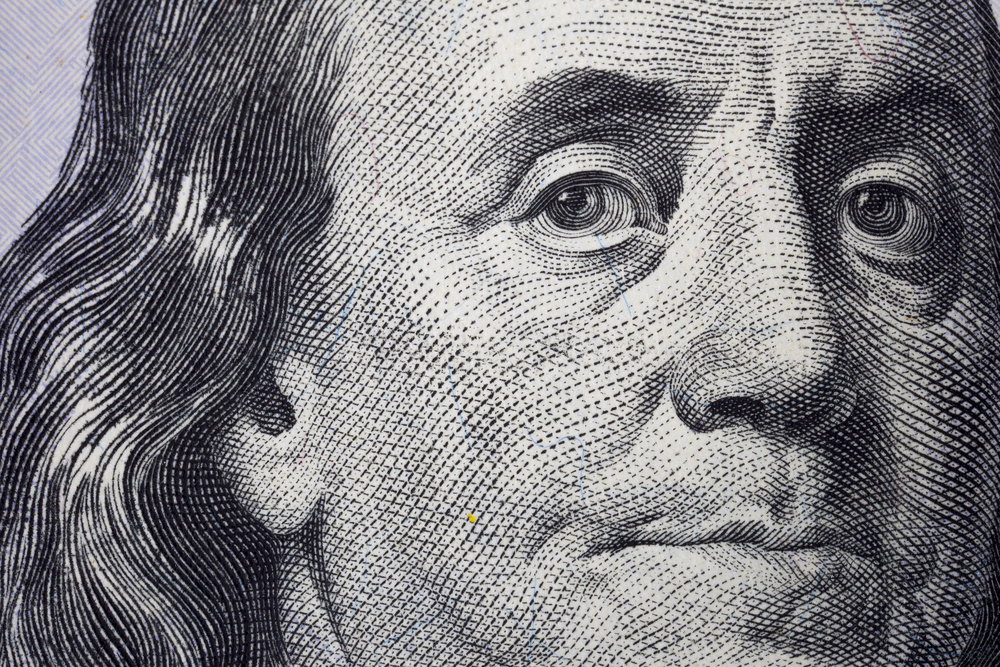
Benjamin Franklin proposed this plan in 1754 to unite the colonies for defense against French and Native American threats. Though the colonial assemblies rejected it, the document outlined ideas about confederation that would resurface during the Revolution.
The plan called for a grand council with representatives from each colony and an executive appointed by the Crown. Franklin’s sketches and notes from the Albany Congress survive, showing early thinking about colonial unity.
Stamp Act Congress Declarations
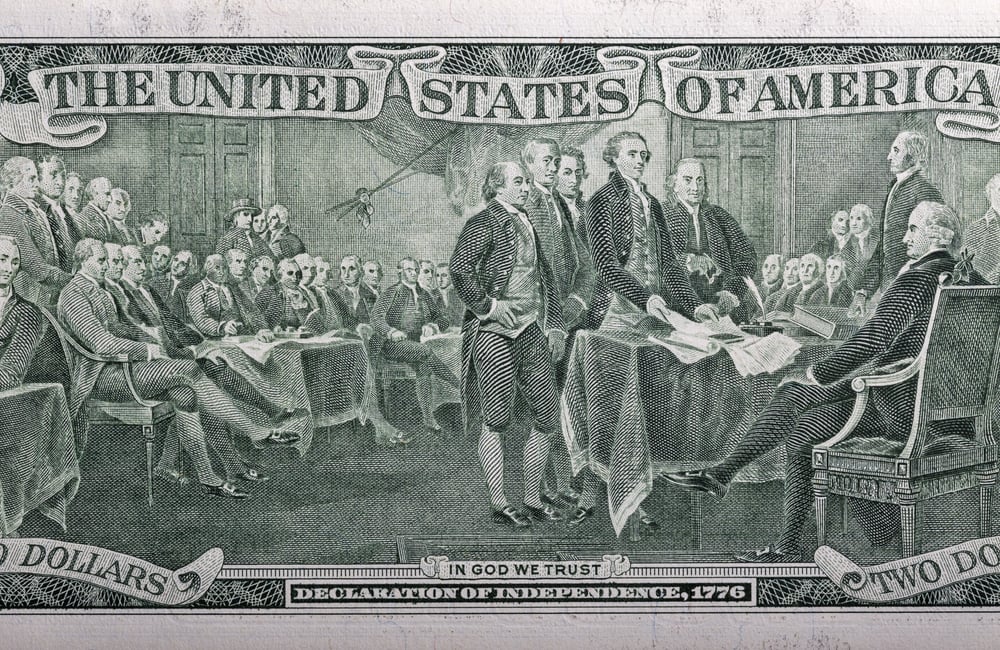
Delegates from nine colonies met in New York in 1765 to protest British taxation without representation. The declarations they produced asserted colonial rights and challenged Parliament’s authority to tax the colonies.
This Congress marked one of the first times colonies cooperated on political action, setting a precedent for later revolutionary gatherings. Copies of the declarations spread throughout the colonies and helped fuel resistance to British policies.
The Suffolk Resolves

Out of quiet anger came bold words, when towns across Massachusetts began writing letters against royal rule in 1774. Not waiting for permission, one such paper from Suffolk County made its way to Philadelphia, tucked into Paul Revere’s saddlebag.
Backed by Congress that fall, it struck down specific Crown decrees as unlawful. Instead of obeying, locals were told to gather arms, set up councils, run things on their own.
While protest once meant petitions, now it wore boots and carried a musket. Found today behind glass at the Massachusetts Historical Society, the old pages still hold that sharp edge.
Virginia Declaration of Rights
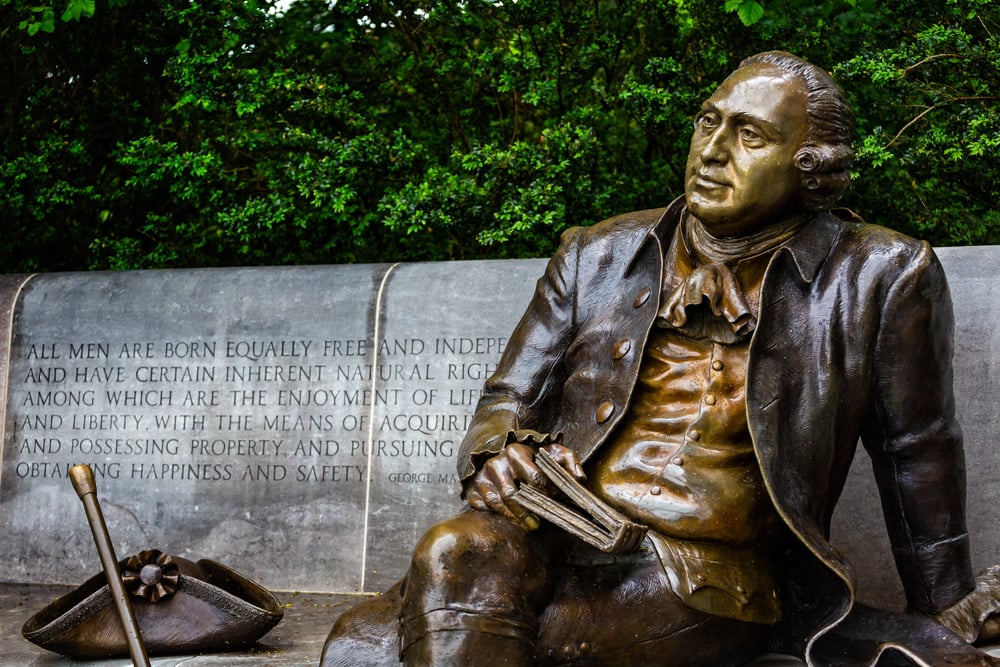
Back in 1776, George Mason put these words down on paper – simple at first glance, yet powerful enough to echo through time. Not long after, Virginia embraced his ideas, just ahead of cutting ties with Britain.
His way with language shaped how Jefferson later framed freedom in the national founding text. Freedom, he said, isn’t granted – it belongs by birthright: life, choice, ownership woven into every person.
Other colonies took note, borrowing pieces as they built their own rules. Eventually, those early thoughts helped form what we now call the Bill of Rights.
Today, you can still find the original pages resting in Virginia’s records – a quiet anchor in America’s idea of justice.
Where These Papers Take Us

Old writings from early American times show people struggling with ideas like control, liberty, and fairness. Though some records laid down rules still followed now, others expose wrongs that lasted years before change came.
Frayed sheets of parchment link present-day citizens to the tangled work of creating law where none existed. What we know as law today emerged slowly – through debate, give-and-take, lessons earned only after struggle.
More from Go2Tutors!

- The Romanov Crown Jewels and Their Tragic Fate
- 13 Historical Mysteries That Science Still Can’t Solve
- Famous Hoaxes That Fooled the World for Years
- 15 Child Stars with Tragic Adult Lives
- 16 Famous Jewelry Pieces in History
Like Go2Tutors’s content? Follow us on MSN.



