Internet Features That Changed How We Scroll Daily
Scrolling through content has become as natural as breathing. One finger swipe, endless streams of information flowing past — it’s hard to imagine the internet working any other way.
But the way content appears, updates, and responds to touch wasn’t inevitable. Specific features emerged over the years that completely transformed how people move through digital spaces, turning quick visits into hours-long sessions and changing the rhythm of daily life in ways most don’t even notice.
Infinite Scroll
Social media broke the internet’s pagination habit. No more clicking “next page” or numbered links at the bottom.
Content just keeps coming, automatically loading as you reach the end of what’s visible.
The change was profound. It removed the natural stopping point that page breaks provided, making it nearly impossible to gauge how much time you’d spent or how far you’d gone.
Auto-Playing Videos
Videos that start without permission changed everything. (Though most people found it annoying at first, which says something about how powerful the feature actually was.)
Platforms discovered that motion catches attention in ways static images never could — and once you’re watching, even for a few seconds, you’re significantly more likely to keep watching, to engage, to stick around longer than you planned.
So the videos play themselves, and somehow you find yourself three videos deep into content you never intended to seek out, pulled along by the momentum of automatic playback that transforms casual browsing into extended viewing sessions.
But there’s something more subtle happening here: auto-play trains people to expect immediate gratification from content. No deliberate choice required.
The Pull-to-Refresh Gesture

Someone at Twitter figured out how to make checking for updates feel like a slot machine. Pull down, release, watch the spinner, see what you get.
The gesture mimics something physical — pulling a lever, opening a drawer. It turned refreshing content into a small ritual, complete with anticipation and variable reward.
Algorithmic Feeds

The chronological timeline died quietly. Most people didn’t notice the exact moment it happened, but suddenly the posts appearing in feeds weren’t arranged by time anymore — they were curated by invisible systems that claimed to know what you wanted to see better than you did.
Algorithms promised relevance but delivered something more complicated: a personalized reality where the platform decided which friends, news, and topics deserved your attention on any given day.
Push Notifications
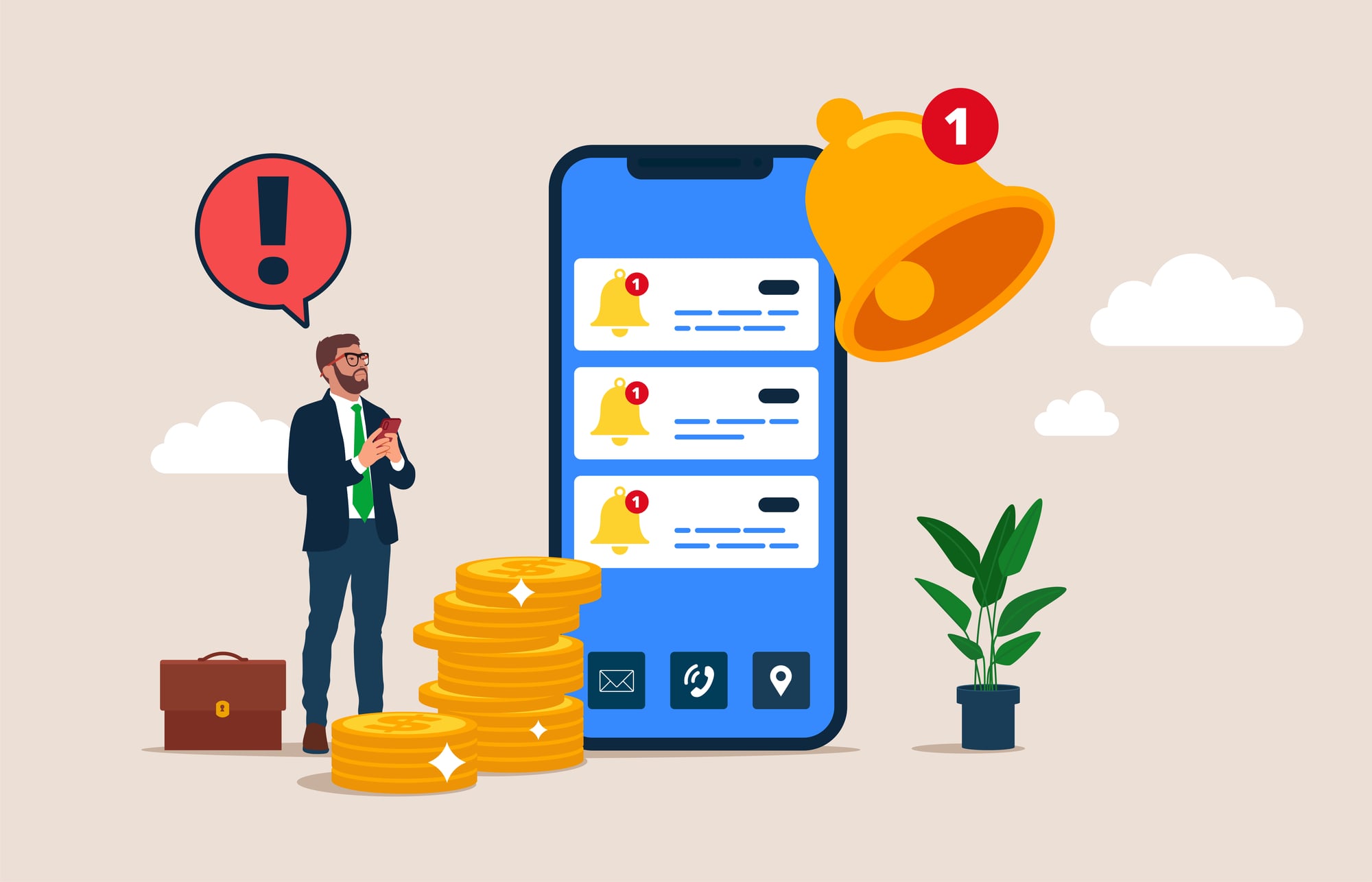
Notifications are digital interruption disguised as helpfulness. Every app wants permission to break into whatever you’re doing with news about what’s happening inside their particular corner of the internet.
The genius was making it feel urgent. That red badge, that preview text, that buzz — they all suggest something important is waiting.
Usually it’s not, but the interruption works regardless.
Stories Format
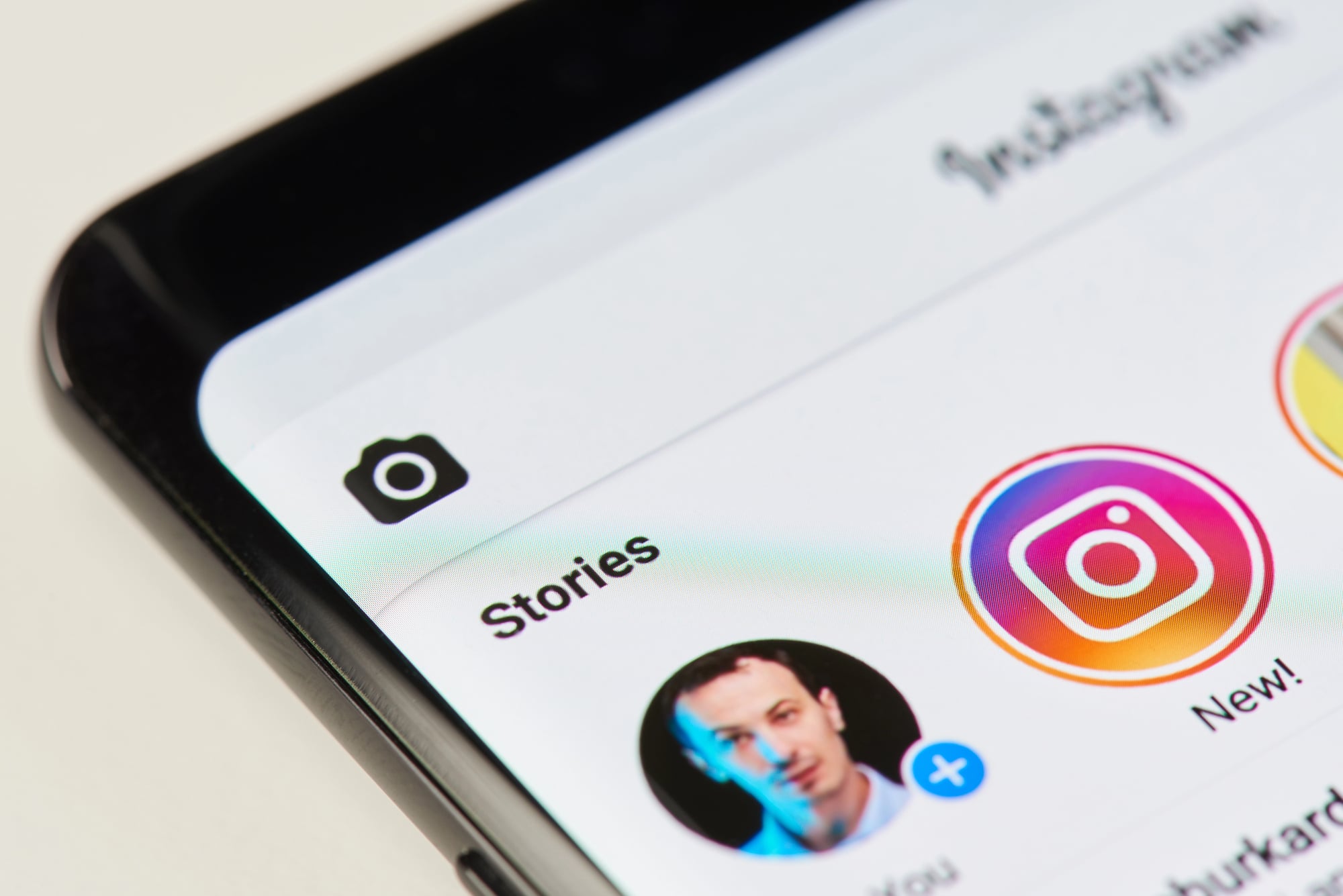
Snapchat created something that felt temporary, and every other platform stole it. Stories disappear after 24 hours, creating artificial urgency around content that would otherwise sit in feeds indefinitely.
The format trained people to check in regularly. Miss a day, miss what someone shared.
It’s FOMO monetized through consistent engagement.
Reaction Buttons
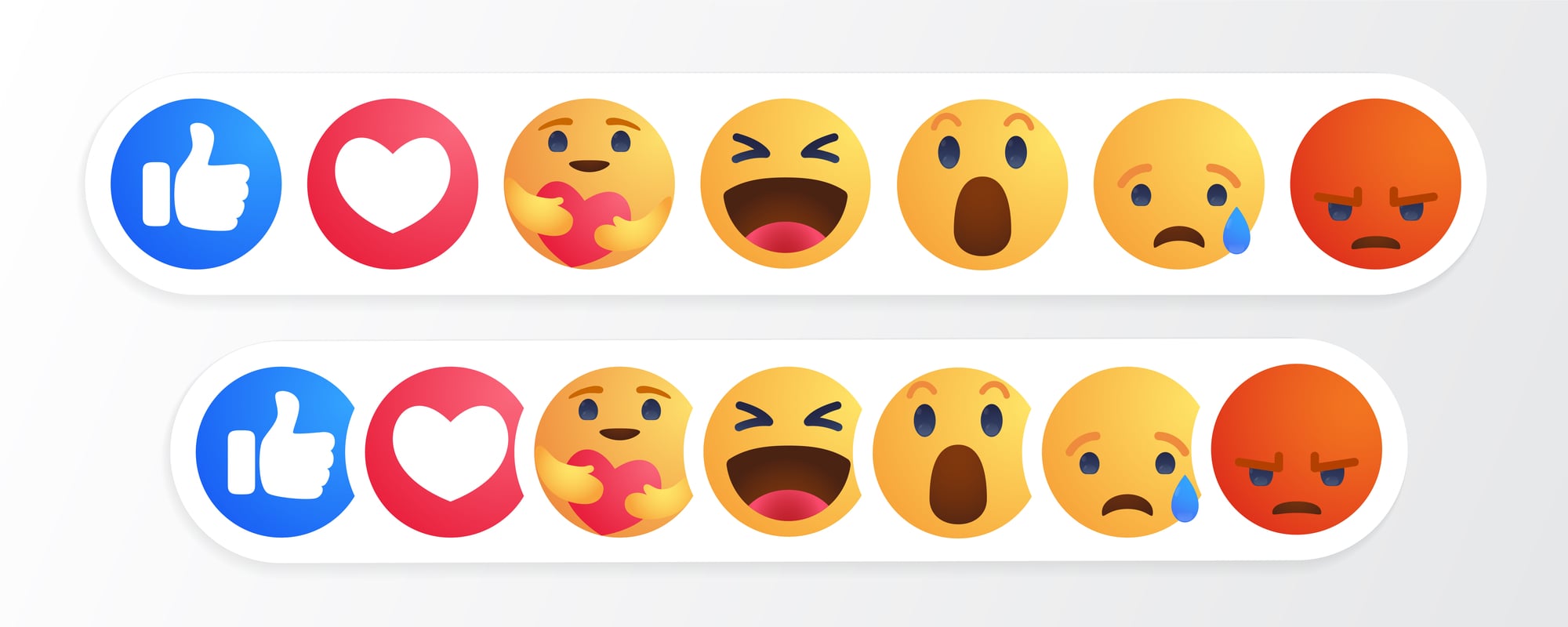
Like buttons were just the beginning. Now content can be loved, celebrated, laughed at, or sympathized with using predetermined emotional responses.
The buttons turn feelings into data points while making engagement feel effortless.
But they also flattened emotional complexity. Complex reactions got reduced to emoji choices, and nuanced responses became statistical categories.
Live Streaming

Real-time broadcasting from phones turned everyone into potential television stations. No equipment, no broadcasting license, no schedule — just open an app and start transmitting whatever’s happening right now to whoever wants to watch.
The immediacy created new intimacy between creators and audiences, but it also eliminated the buffer that editing used to provide between impulse and publication.
Read Receipts

Email kept your reading habits private, but messaging apps made them visible. Blue checkmarks, “seen” timestamps, read indicators — suddenly everyone knew not just whether their message was delivered, but whether it was opened and ignored.
The feature created social pressure around response time while making digital communication feel more like in-person conversation, where eye contact confirms the message was received.
Personalized Recommendations

Every platform developed its own version of “you might also like” suggestions. Whether it’s videos, articles, products, or people to follow, algorithms constantly suggest what to consume next based on previous behavior.
The recommendations create discovery paths that feel serendipitous but are actually calculated. Personal taste becomes predictable pattern, and browsing becomes guided tour through curated possibilities.
Voice Messages
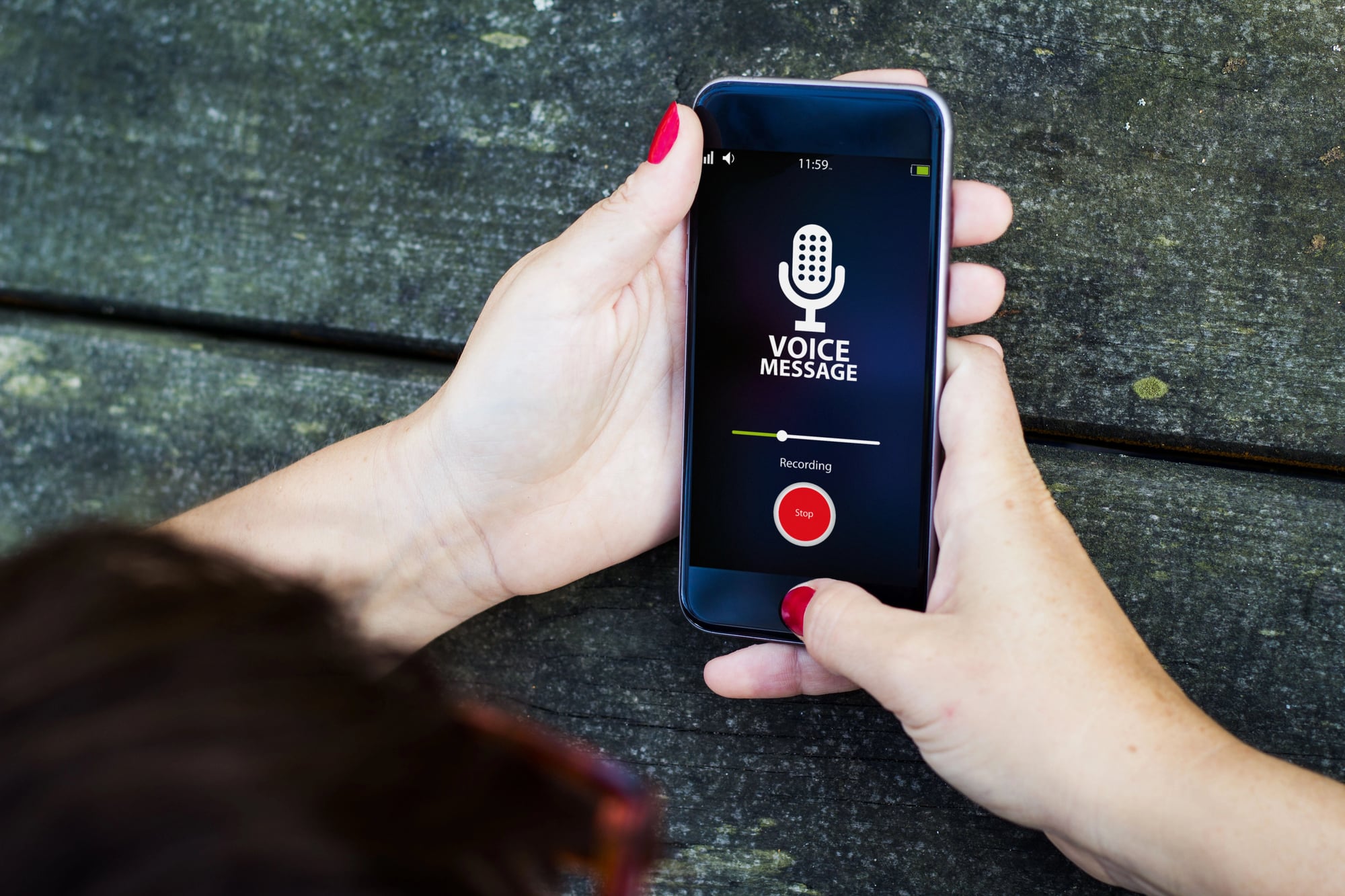
Text messaging gained audio. Instead of typing responses, people started sending recorded snippets of actual speech, bringing vocal tone and personality back into written conversation spaces.
Voice messages occupy strange territory between phone calls and texts — more personal than typing but less demanding than live conversation.
Screen Time Tracking
Platforms that benefited from excessive usage suddenly started providing tools to measure and limit it. Screen time reports, usage dashboards, app timers — the same companies encouraging endless scrolling began offering ways to scroll less.
The irony was intentional. Providing usage data made platforms appear responsible while users typically ignored the warnings and continued scrolling anyway.
Short-Form Video Loops
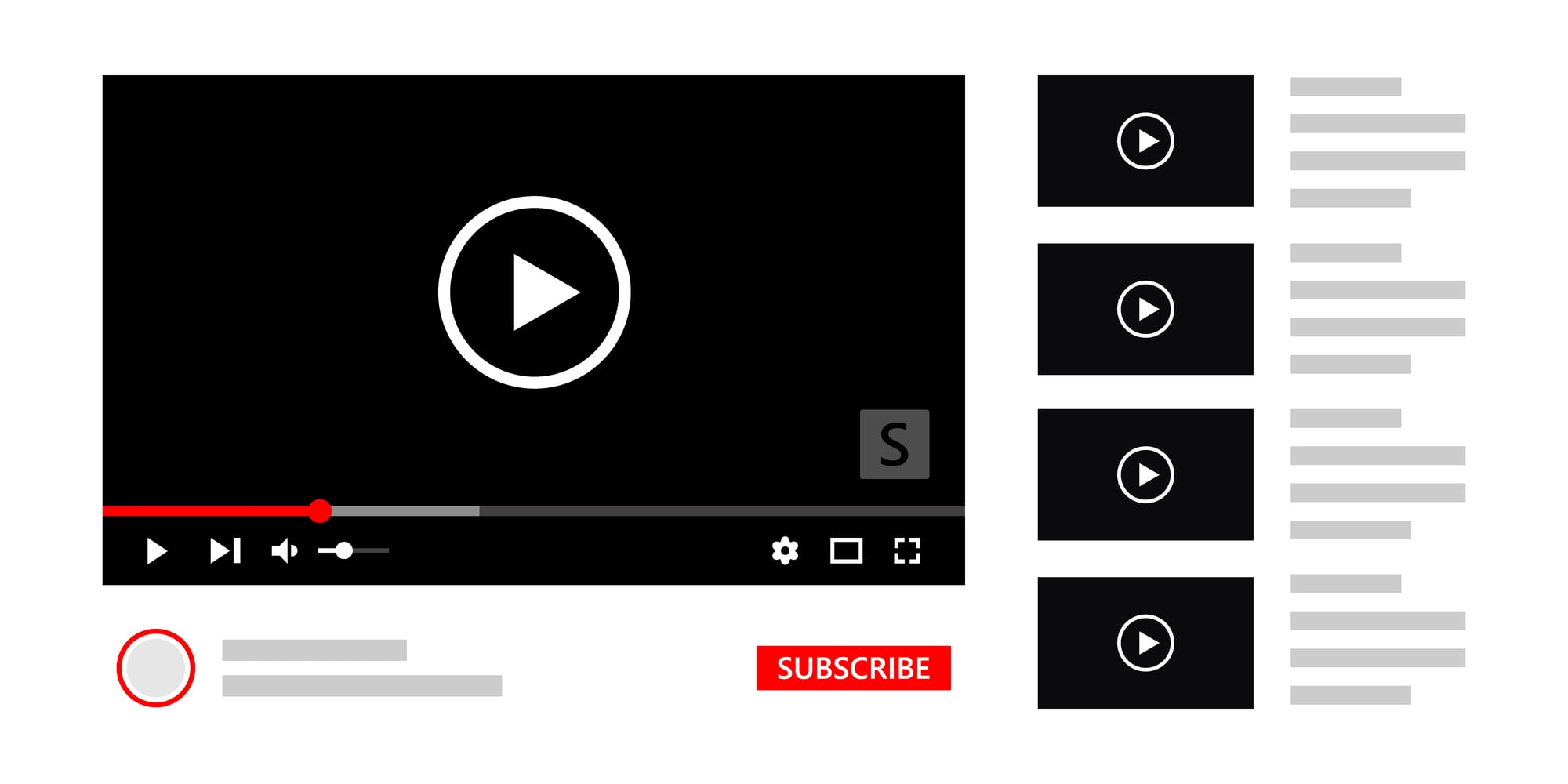
TikTok perfected the art of seamless replay. Videos end exactly where they began, creating continuous loops that eliminate natural stopping points.
Watch once, watch again — the transition is so smooth most people don’t notice when the video restarts.
Loops maximize watch time while minimizing content creation effort. Fifteen seconds of footage becomes minutes of viewing through repetition.
The Next Chapter
Touch, swipe, scroll, refresh — these gestures have become the grammar of digital interaction. Each feature shaped behavior in ways that seemed small individually but accumulated into something larger: a fundamental shift in how attention works, how time passes, and how information flows through daily life.
The features that changed scrolling didn’t just alter interfaces; they rewired expectations about immediate access, constant updates, and infinite availability. The internet stopped being a destination you visited and became an environment you inhabited, with scrolling as the primary way to move through its endless spaces.
More from Go2Tutors!

- The Romanov Crown Jewels and Their Tragic Fate
- 13 Historical Mysteries That Science Still Can’t Solve
- Famous Hoaxes That Fooled the World for Years
- 15 Child Stars with Tragic Adult Lives
- 16 Famous Jewelry Pieces in History
Like Go2Tutors’s content? Follow us on MSN.