Bizarre Things Found in the Pockets of World Leaders
Power suits and formal attire might suggest that world leaders carry themselves with unwavering dignity at all times, but the contents of their pockets tell a different story. Behind the carefully orchestrated public appearances and polished speeches lies a more human reality — one where even presidents and prime ministers stuff their pockets with the oddest assortment of personal items.
From sentimental keepsakes to practical tools that reveal unexpected quirks, the pocket contents of global leaders offer a fascinating glimpse into their private worlds and the peculiar ways they navigate the pressures of leadership.
Franklin D. Roosevelt’s Lucky Coins
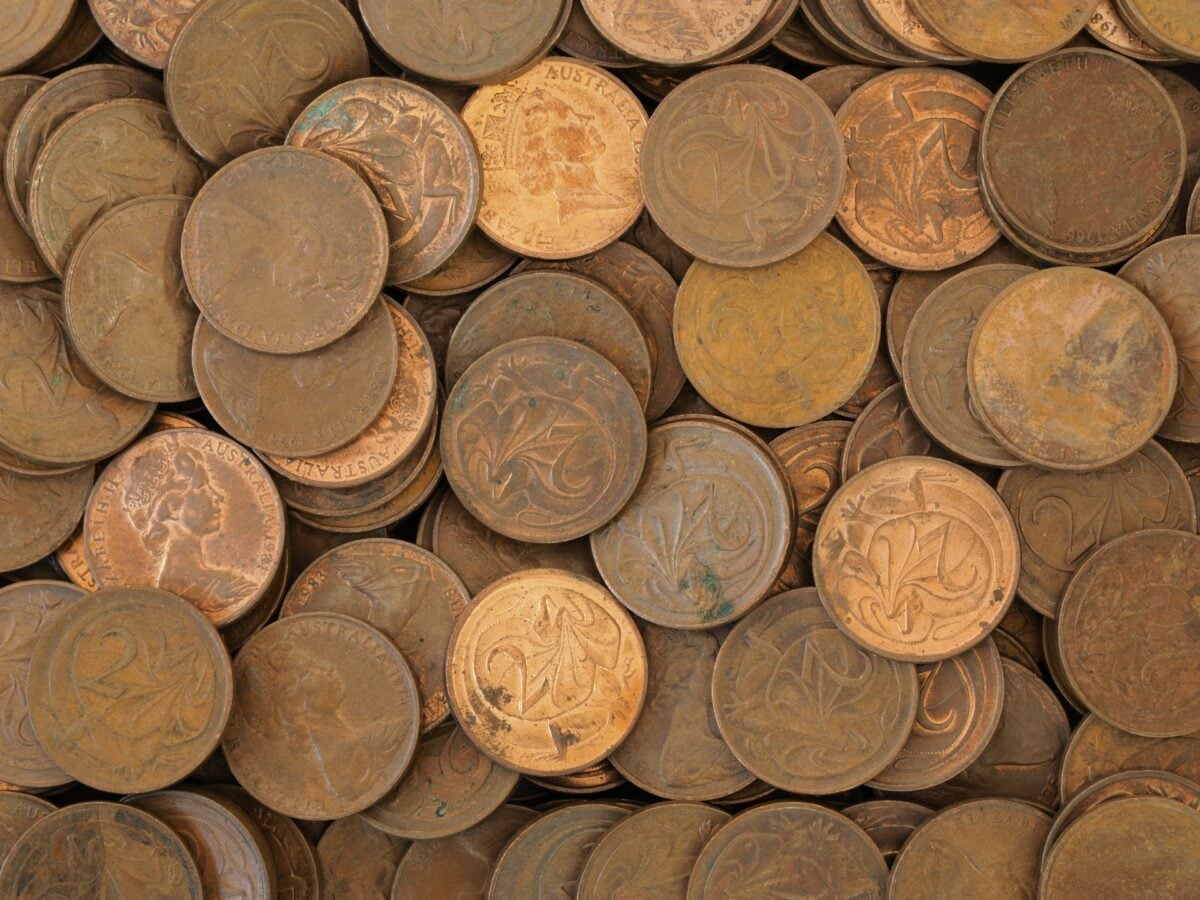
Roosevelt carried worn coins from every significant election he won. The coins weren’t valuable.
They were bent, scratched, and completely ordinary — except for the fact that he touched them obsessively during crucial decisions. Staff members noticed him rolling the coins between his fingers during cabinet meetings.
The habit became so pronounced that aides would quietly slip him the coins before major speeches. He died with two of them still in his pocket.
Winston Churchill’s Miniature Brandy Flask
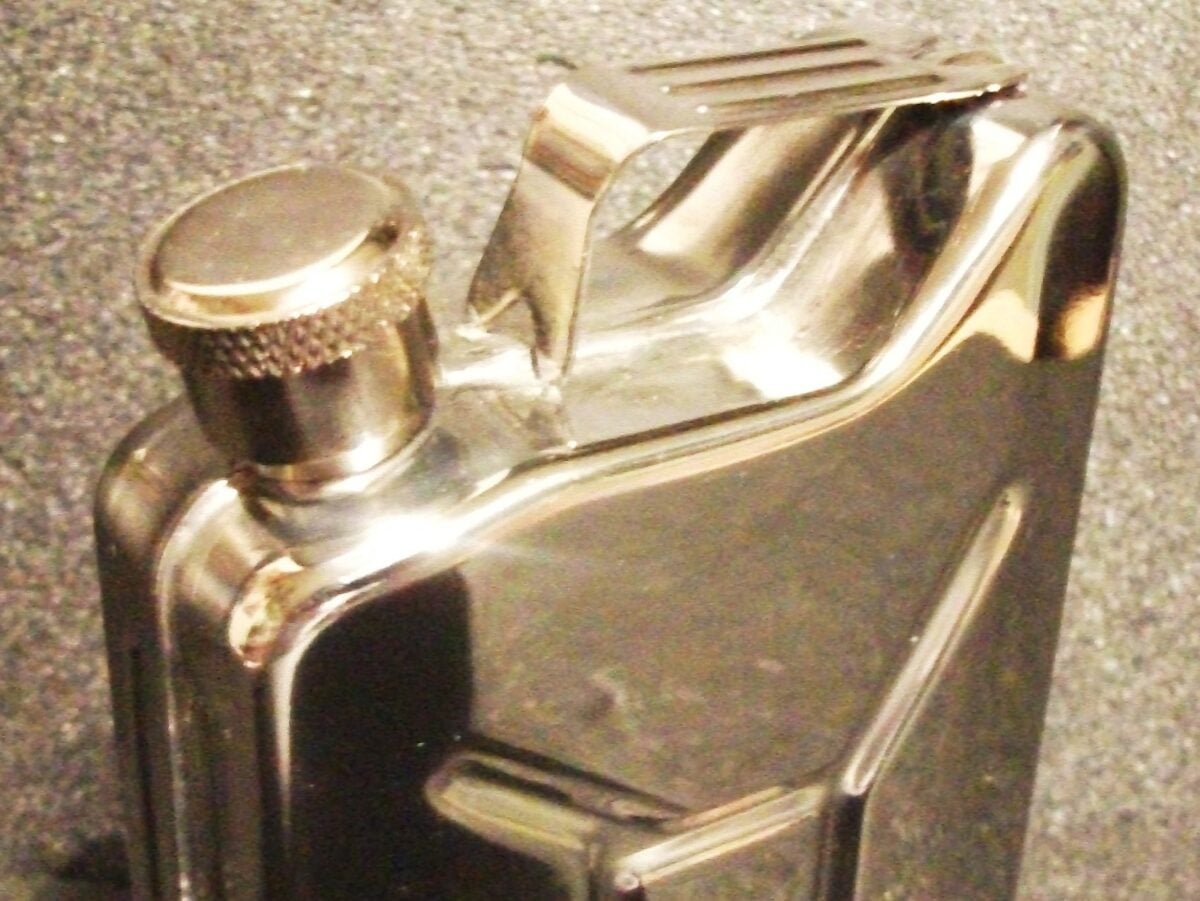
Churchill’s pocket flask was roughly the size of a deck of cards, but it held enough brandy for what he called “medicinal purposes.” The flask was engraved with coordinates that corresponded to absolutely nothing — not his birthplace, not significant battle locations, just random numbers he found amusing.
He refilled it daily and claimed the brandy helped him think more clearly during wartime strategy sessions. Whether that was true remains debatable, but the flask never left his side during the Blitz.
Napoleon Bonaparte’s Collection of Buttons
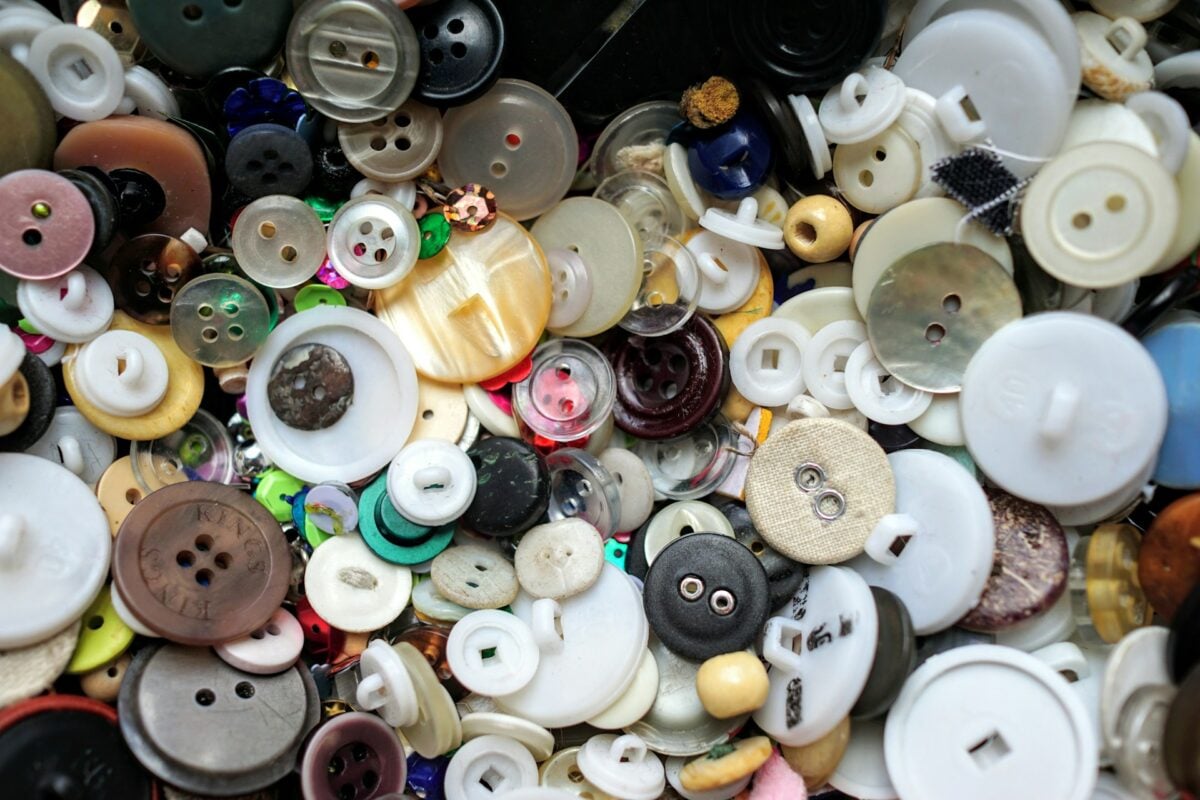
Here’s where leadership gets strange: Napoleon hoarded buttons (and not just from his own uniforms, either — he’d pocket interesting buttons from anywhere he found them, creating what his valets described as a “peculiar clicking symphony” whenever he walked). So you’d have this man reshaping the entire European continent while simultaneously obsessing over whether the mother-of-pearl button he’d found that morning was worth keeping.
Short answer: it always was. And yet somehow this same compulsion that drove him to collect small, round objects also seemed to fuel his need to conquer large, sprawling territories — both required the same kind of methodical accumulation, the same refusal to leave anything behind that might prove useful later.
The button collection grew so extensive that he eventually needed a separate travel case just to transport his favorites. His staff learned to schedule extra time for “button sorting” during military campaigns, which is possibly the most absurd logistical consideration in the history of warfare.
Margaret Thatcher’s Handbag Tools
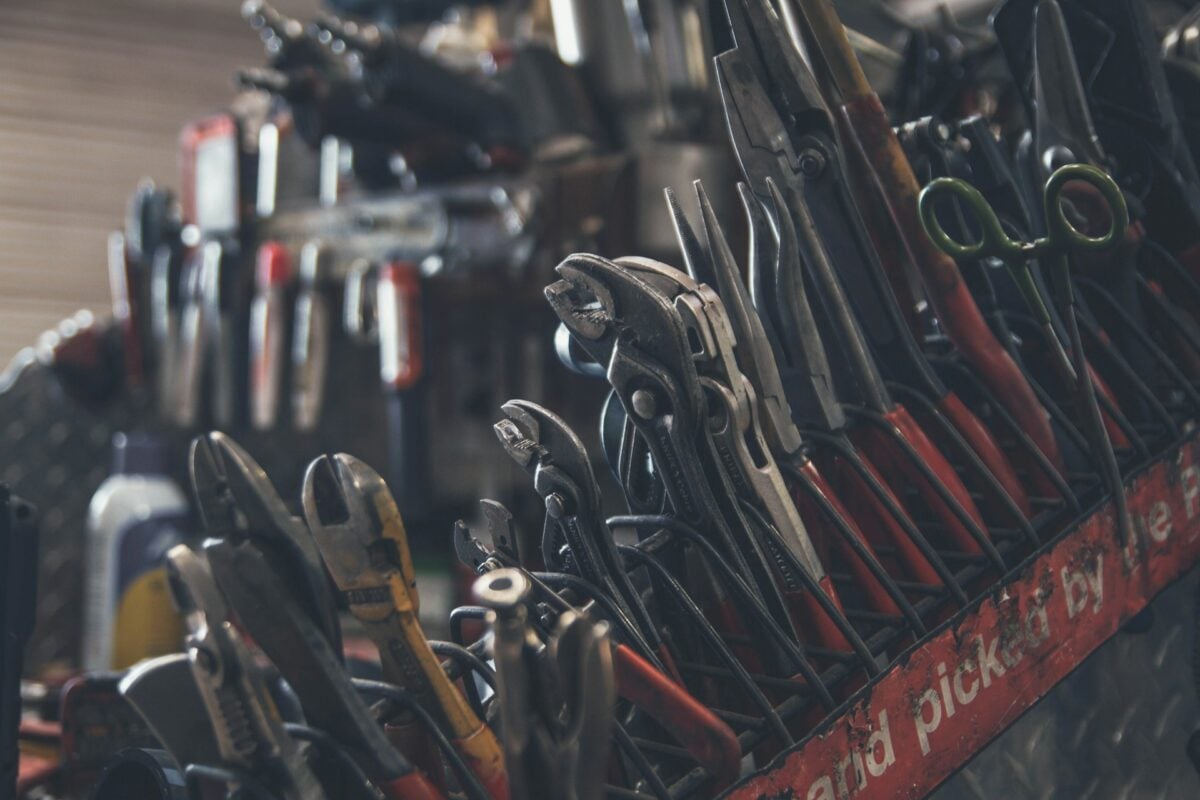
Thatcher’s handbag was legendary, but her pockets held the real secrets. She carried a small screwdriver, a measuring tape, and what appeared to be miniature pliers — tools that had nothing to do with governing and everything to do with her belief that leaders should be prepared for practical problems.
The tools weren’t ceremonial. She actually used them. Loose cabinet hinges, wobbly podiums, furniture that needed quick adjustments — Thatcher handled it herself rather than waiting for maintenance staff.
Her colleagues learned that the quiet clicking sound from her pocket meant she’d spotted something that needed fixing.
John F. Kennedy’s Prescription Bottles

Kennedy’s pockets were a mobile pharmacy. Multiple small prescription bottles, each labeled with coded abbreviations that only his personal physician understood.
The bottles contained everything from pain medication for his chronic back problems to treatments for Addison’s disease. He developed an elaborate system for keeping track of dosing schedules, using different colored rubber bands around each bottle.
The system was so complex that Jackie Kennedy had to learn it as a backup in case he became confused during particularly stressful periods.
Vladimir Putin’s Judo Medal
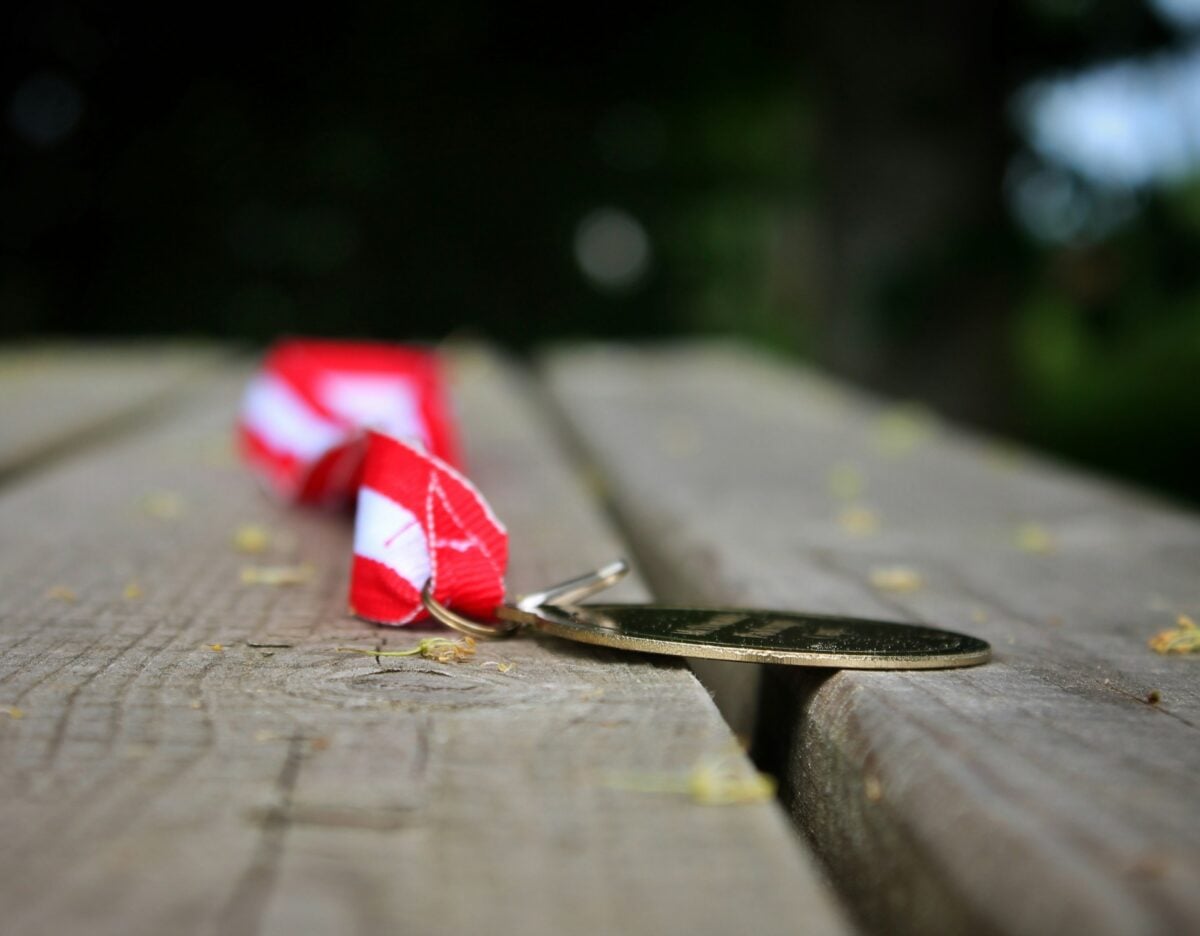
Putin carries a small judo medal that has nothing to do with any competition he won — it belonged to his childhood instructor, who gave it to him after their final lesson together. The medal is tarnished and the ribbon is frayed, but it travels with him to every international summit and state function.
Like a talisman that refuses to work but somehow keeps getting trusted anyway, the medal represents something Putin rarely discusses publicly: the specific moment when he learned that technique matters more than strength. Staff members have noticed him touching his pocket where the medal sits whenever negotiations get particularly tense, as if drawing some kind of strategic wisdom from a piece of metal that’s probably worth less than his morning coffee.
Abraham Lincoln’s Newspaper Clippings
Lincoln stuffed his pockets with newspaper clippings, but not the flattering ones. He collected the harshest criticisms, the most brutal political cartoons, and the editorials that called his policies disastrous.
This wasn’t masochism — it was strategy. He’d pull out the clippings during meetings and read them aloud to his advisors.
The practice served as a reality check and a reminder that public opinion was always shifting. Some of the clippings were so worn from handling that the text had become barely legible.
Angela Merkel’s USB Drives
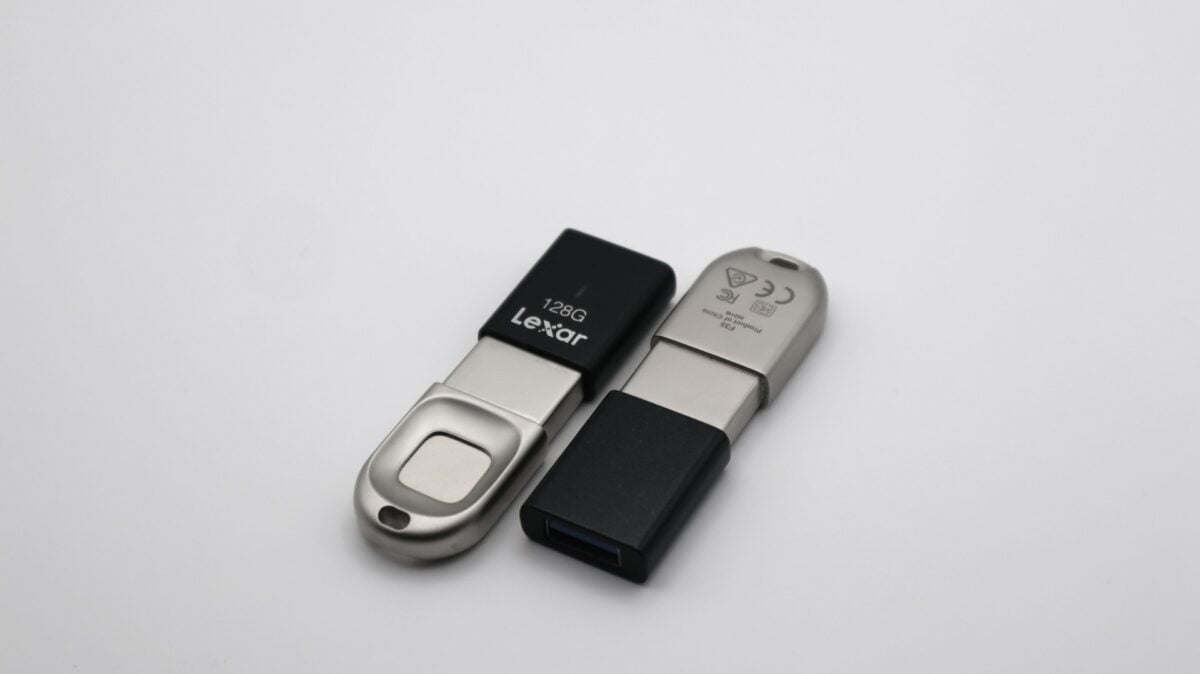
Merkel carried multiple USB drives in a small leather pouch, each one containing backup copies of important documents and speeches. The drives were labeled with a coding system that only she understood — combinations of numbers and symbols that looked like mathematical equations.
The habit developed during her early political career when she lost crucial files during a computer crash. Rather than trusting digital cloud storage or assistants to maintain copies, she preferred the control of having physical backups literally within reach.
Her staff learned to wait patiently during meetings while she sorted through the drives to find specific information.
Theodore Roosevelt’s Pocket Notebook
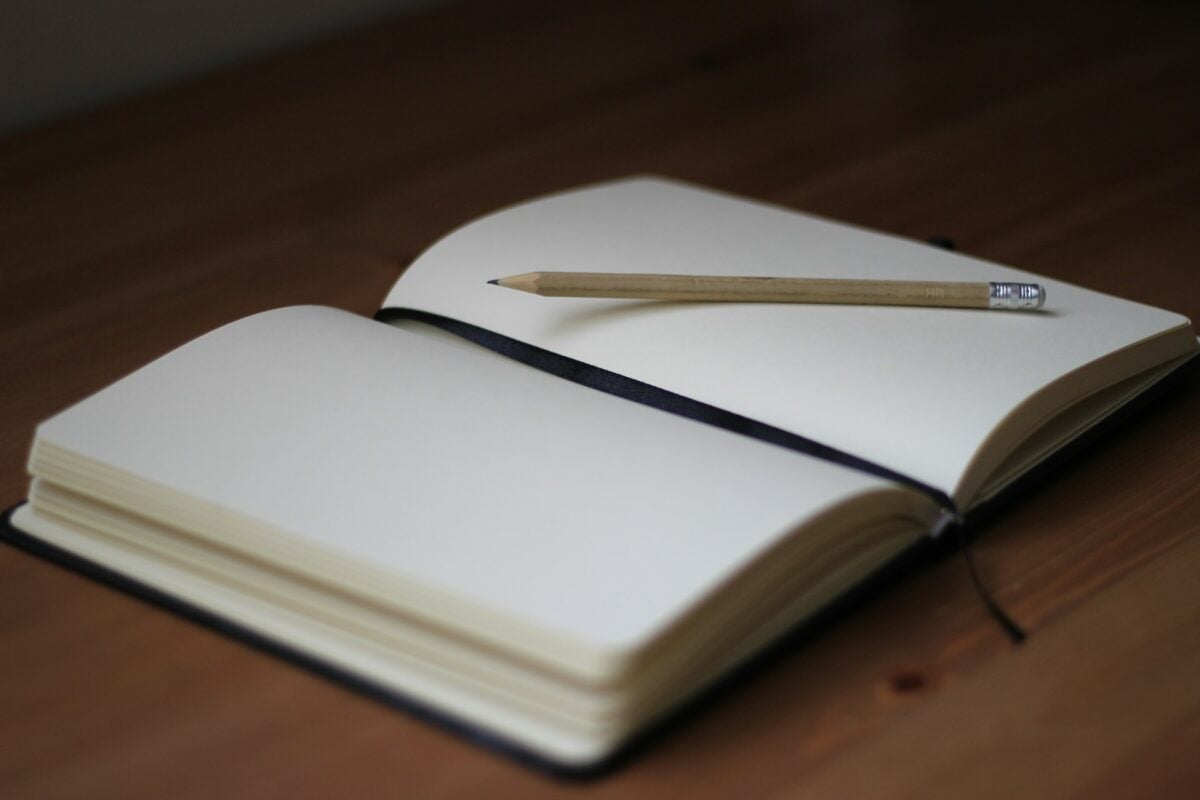
Roosevelt’s notebook was bound in leather and filled with his own shorthand system for recording thoughts, observations, and what he called “presidential fragments” — incomplete ideas that might become policy later. The handwriting was nearly illegible to everyone else.
The notebook went everywhere. Roosevelt would pull it out during formal dinners, international meetings, and even while giving speeches.
He’d scribble quick notes mid-conversation, often while the other person was still talking. The habit should have been rude, but somehow his enthusiasm for capturing ideas made it seem charming instead.
Charles de Gaulle’s Compass
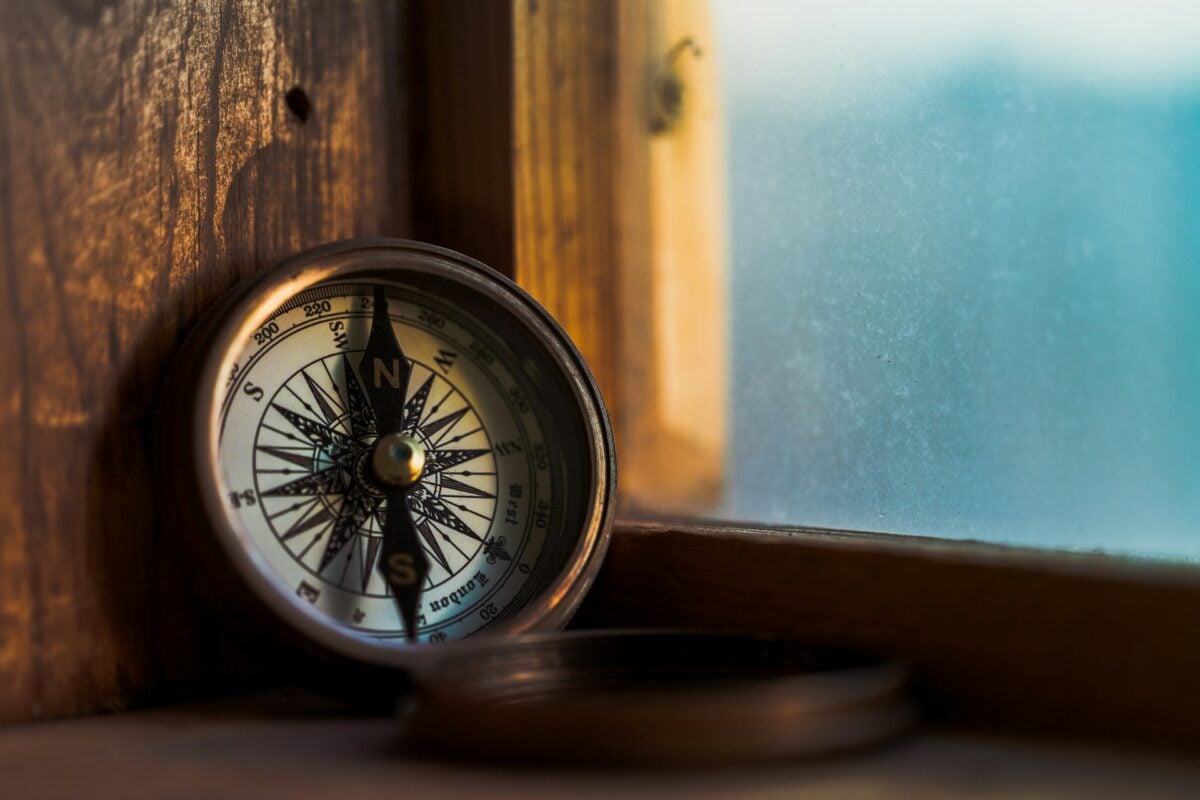
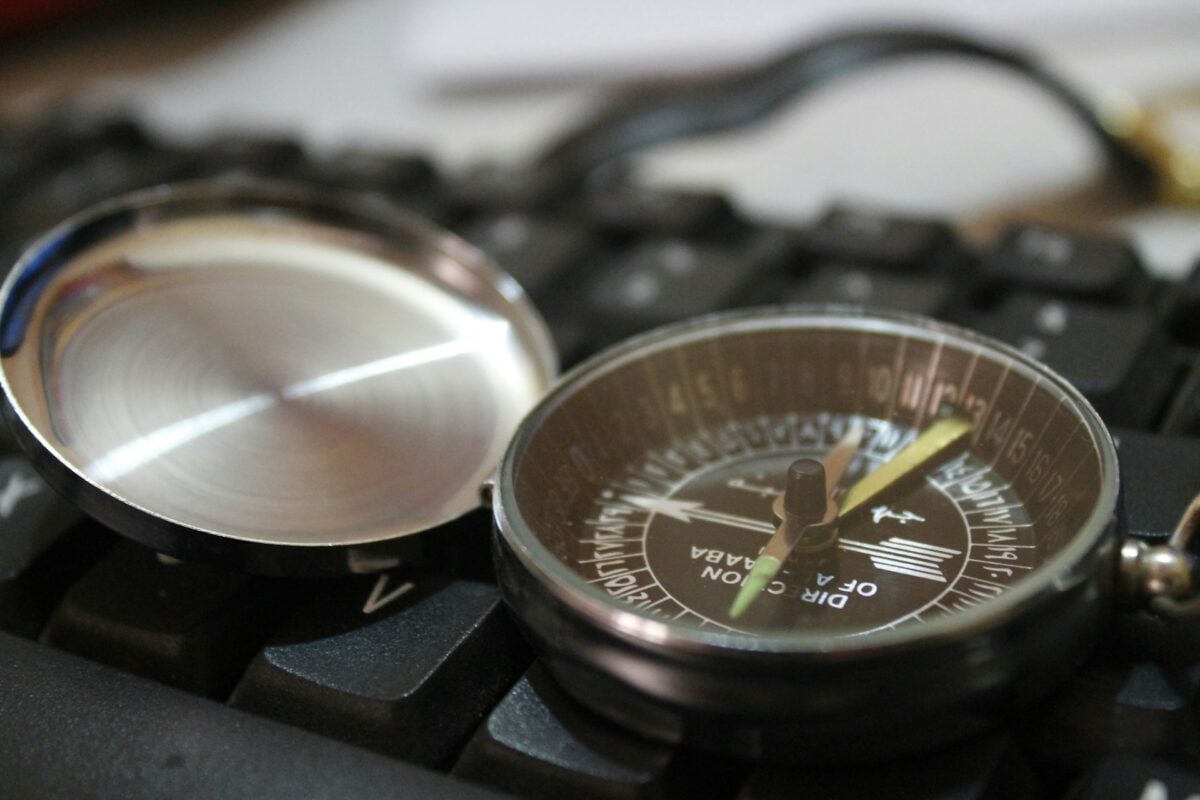
De Gaulle carried a military compass that hadn’t worked properly in decades. The needle stuck, the glass was cracked, and the cardinal directions were completely unreliable.
He kept it anyway because, as he explained to close advisors, leadership wasn’t about knowing where you were — it was about convincing others you knew where you were going. The broken compass became a sort of philosophical statement.
During particularly difficult political negotiations, he’d set it on the table as a reminder that navigation requires more than instruments. His opponents never quite knew what to make of the gesture, which was probably the point.
Ronald Reagan’s Jelly Beans
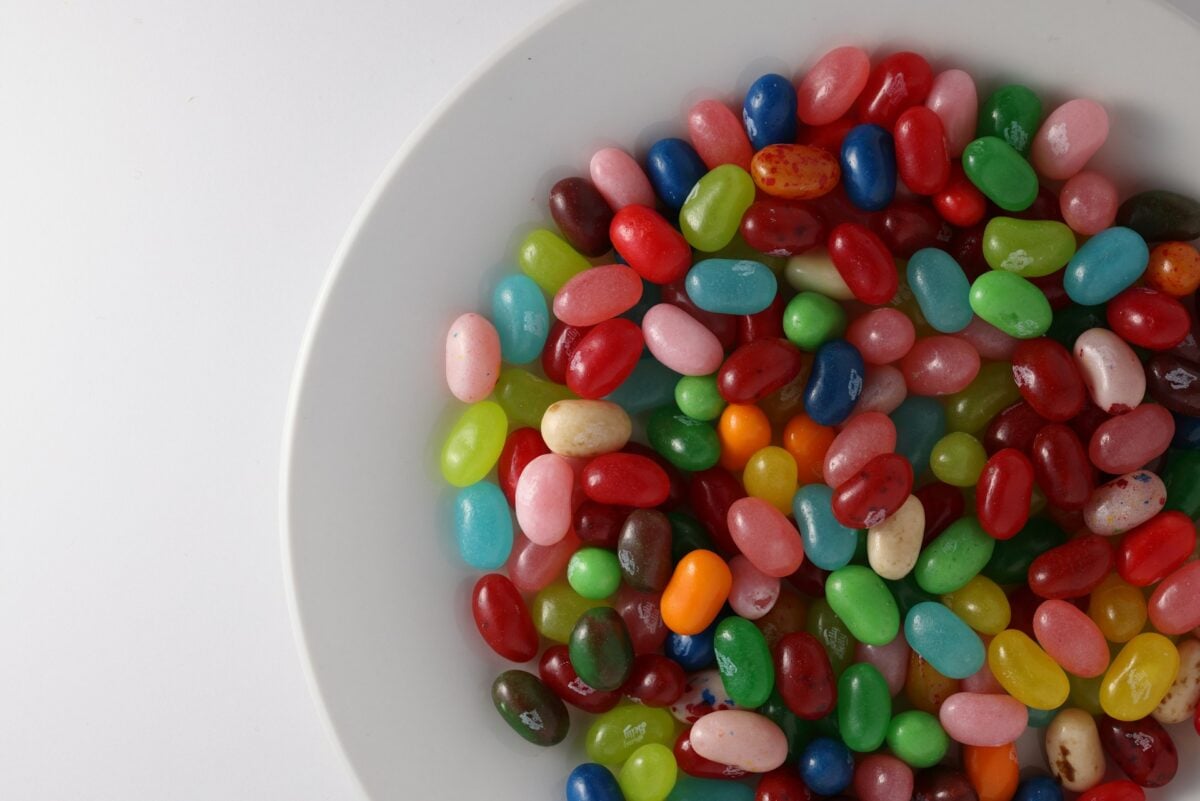
Reagan’s jelly bean habit was public knowledge, but the specific brands and flavors he carried revealed an unexpected level of curation. He kept separate small containers for different occasions — formal meetings got black licorice beans, casual conversations called for fruit flavors, and international diplomacy required what he called “neutral” flavors like vanilla.
The system was elaborate enough that his staff maintained detailed notes about which flavors to stock for specific types of events. Reagan claimed the sugar helped him stay alert during long meetings, but the real purpose seemed to be giving him something to do with his hands while listening to lengthy briefings.
Golda Meir’s Cig Holder
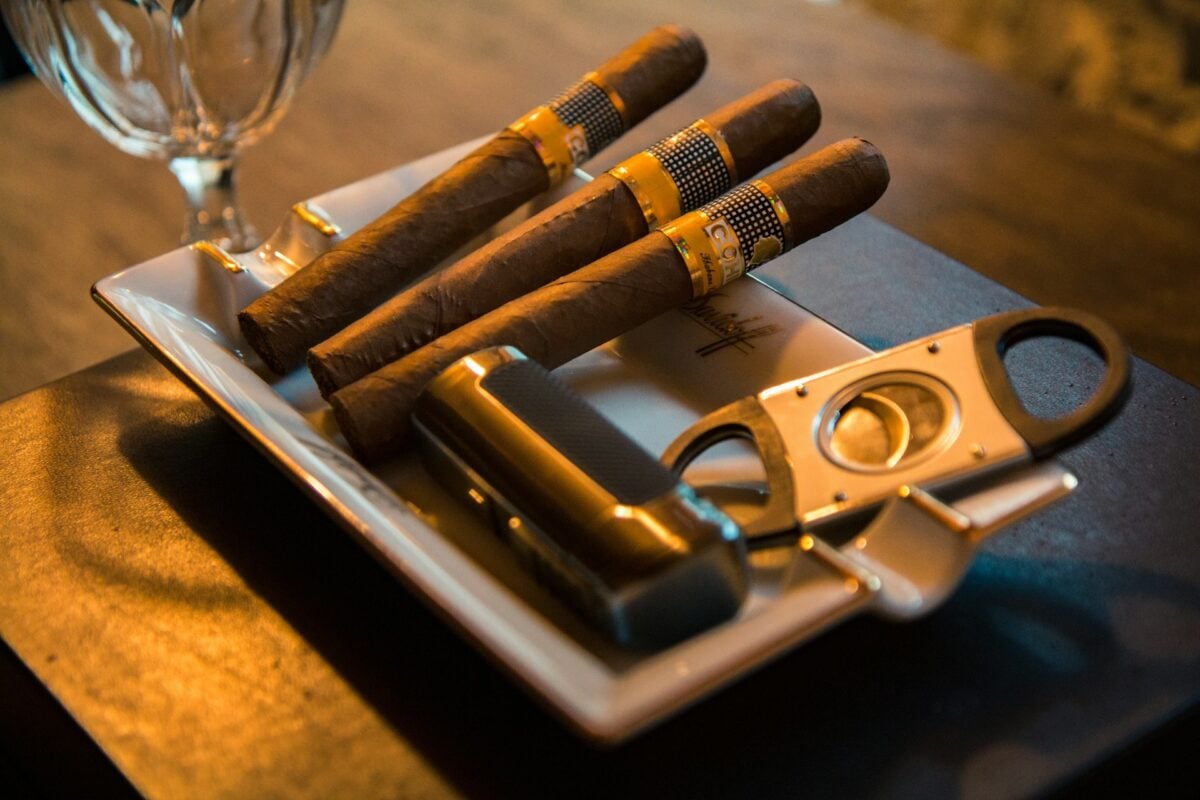
Meir carried an ornate cig holder that she never actually used for its intended purpose. The holder was a gift from a political ally, but by the time she received it, she’d already quit the habit.
Instead of discarding it, she found it useful for pointing at documents, gesturing during conversations, and generally having something to hold during tense negotiations. The holder became part of her signature style — dramatic enough to command attention, practical enough to serve multiple functions, and personal enough to remind her of friendships that transcended politics.
Colleagues learned to pay attention when she pulled it out because it usually meant she was about to make an important point.
Harry Truman’s Poker Chips
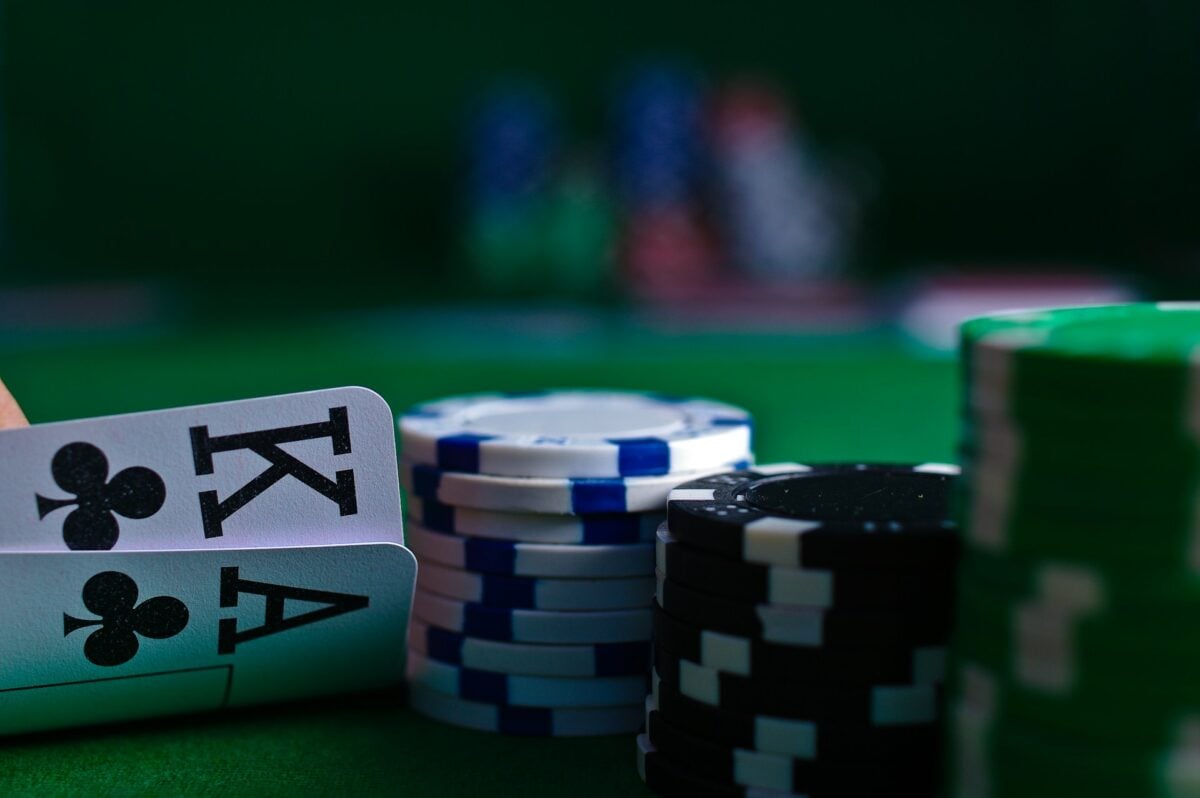
Truman carried a small collection of poker chips from games he’d played throughout his political career. Each chip represented a different election, political alliance, or crucial decision.
The chips weren’t valuable — most were standard clay pieces from local games — but they served as a tactile reminder of the calculated risks that defined his presidency. During cabinet meetings, Truman would stack and restack the chips while listening to briefings.
The quiet clicking sound became so associated with his decision-making process that advisors learned to present their most important points when his hands were still. Movement meant he was still considering options; stillness meant he’d reached a conclusion.
The Weight of Small Things
The strangest aspect of these pocket collections isn’t their oddness — it’s how perfectly they reflect the personalities behind the public personas. Leaders who reshape nations while obsessing over buttons, who navigate global crises while clutching broken compasses, who make history-altering decisions while sorting through jelly beans by color.
These small rituals and talismans suggest that even the most powerful people need something tangible to hold onto when everything else feels uncertain. Perhaps that’s the most human thing about leadership: the quiet acknowledgment that confidence is partly performance, and sometimes the performance requires props.
More from Go2Tutors!

- The Romanov Crown Jewels and Their Tragic Fate
- 13 Historical Mysteries That Science Still Can’t Solve
- Famous Hoaxes That Fooled the World for Years
- 15 Child Stars with Tragic Adult Lives
- 16 Famous Jewelry Pieces in History
Like Go2Tutors’s content? Follow us on MSN.