Vintage Sewing Transfers Found Among Old Linens
Open a cedar chest and the pattern is often the same: tea towels with faded bluebirds, pillowcases with a ring of pale flowers, and a dresser scarf where someone’s careful stitching stops halfway. Behind many of those pieces sits a humble tool, the hot iron transfer.
A sheet of printed lines, pressed with a warm iron, left a pattern ready to embroider. These 18 kinds turn up among old linens and tell a lot about how households once decorated everyday cloth.
Days-of-the-Week Dish Towels
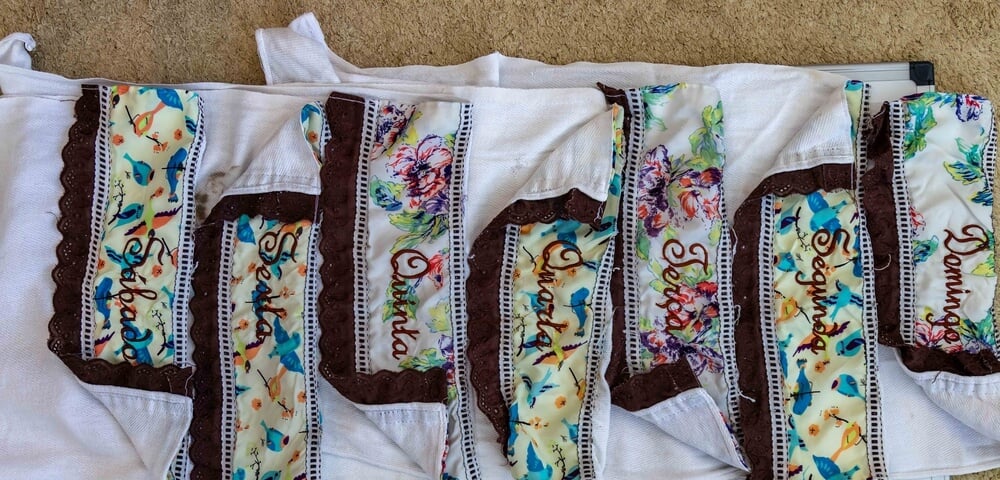
A set of seven towels, one for each day, was among the most popular embroidery projects of the mid-20th century. Each carried a small scene tied to the day’s chore, such as washing on Monday or baking on Saturday.
Complete sets are scarce, so a matched group in clean condition brings more than a single towel.
Sunbonnet Girls
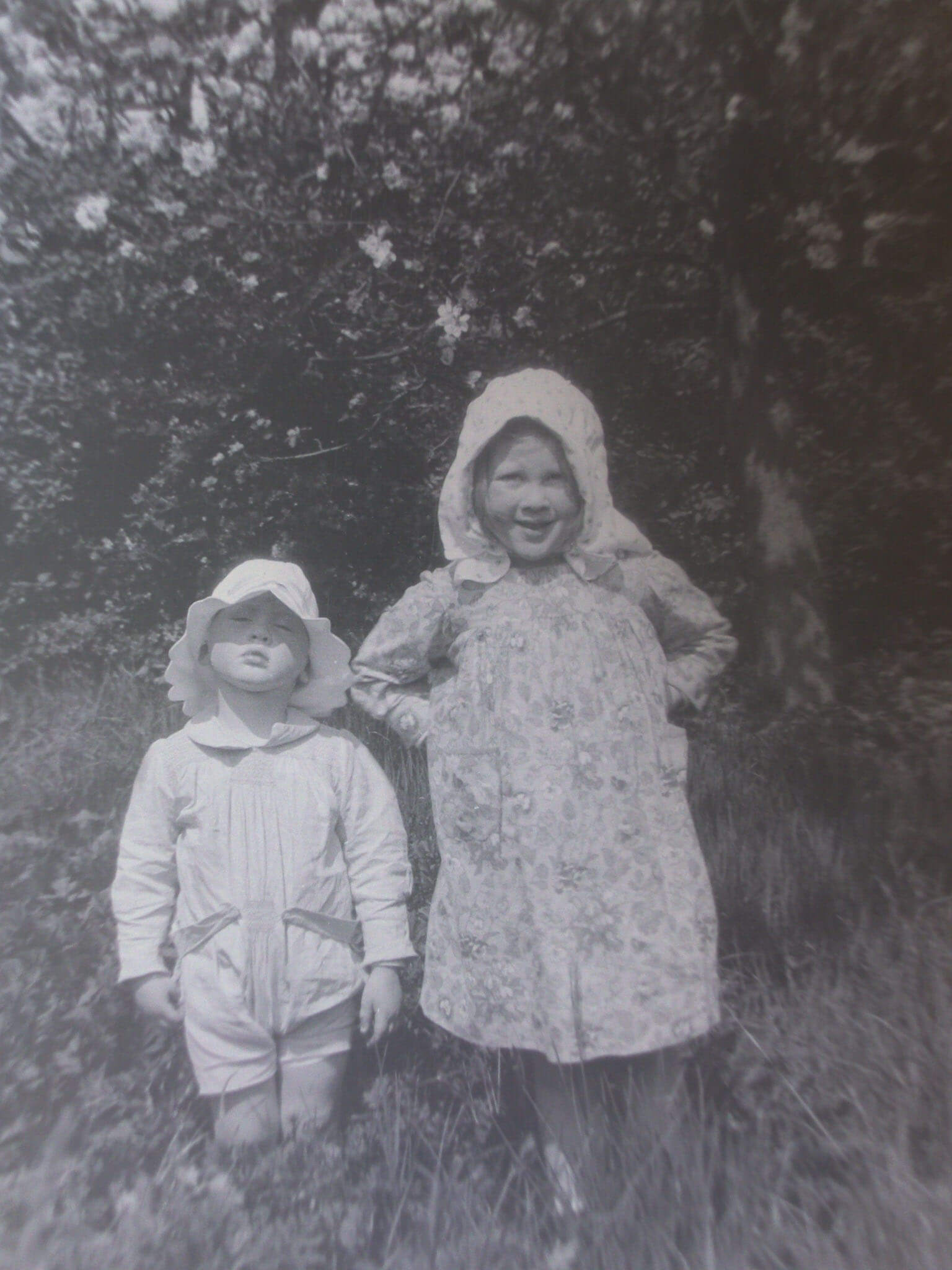
The sunbonnet girl, a faceless child in a wide hat and long dress, appeared on quilts and embroidered linens for decades. Transfers let stitchers outline her in simple lines and fill in the bonnet with color.
Some towels paired her with a watering can or a basket of flowers.
Hot Iron Transfers From Aunt Martha’s
Aunt Martha’s transfers were produced in Kansas City by a company founded in the 1930s by Jack and Clara Tillotson. The sheets were printed in a heat-sensitive ink and sold through stores and mail order.
Original envelopes still turn up uncut, and unused packets in good condition are the most collectible.
Workbasket Transfers
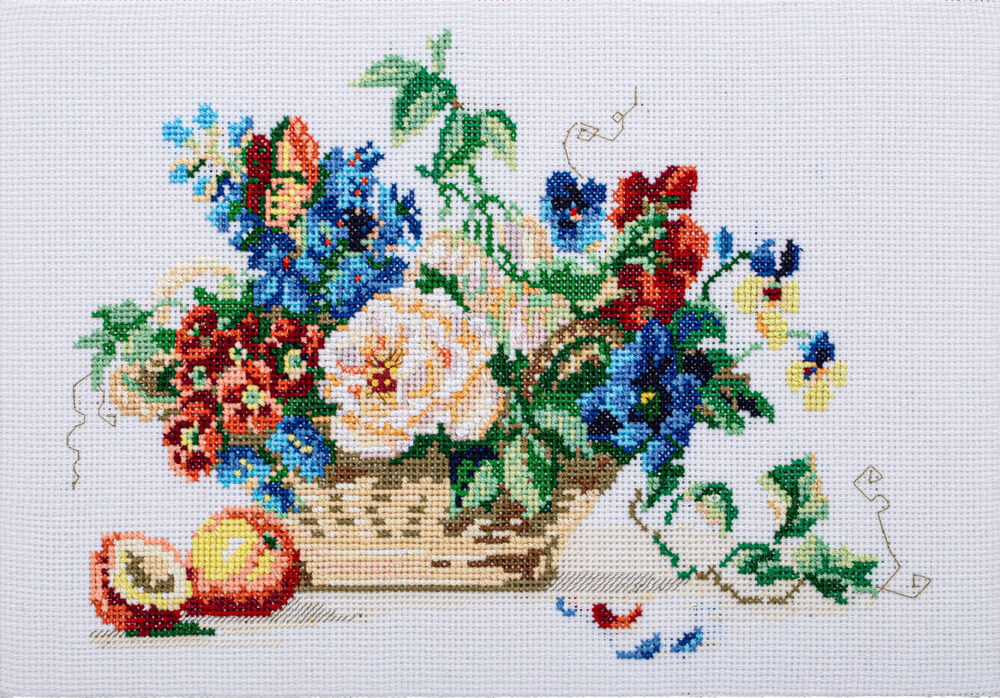
Workbasket transfers came out of Kansas City in 1935 as supplements to the magazine published by Modern Handcrafts. Subscribers received free sheets, and others could order extras by mail.
A bundle of them tucked into a sewing basket often hints at a stitcher’s favorite designs.
Vogart Transfers
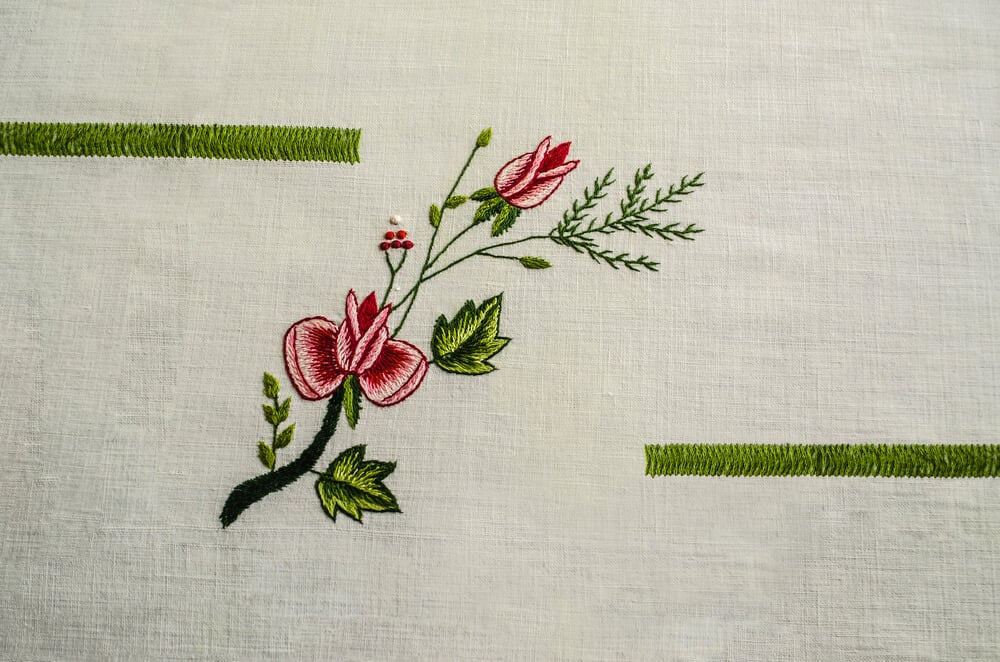
Vogart was another prominent name in iron-on embroidery patterns in the 1930s and 1940s. Its sheets covered motifs for towels, pillowcases, and aprons.
Collectors look for the original packaging, since creases and torn envelopes reduce the value.
Pillowcase Borders
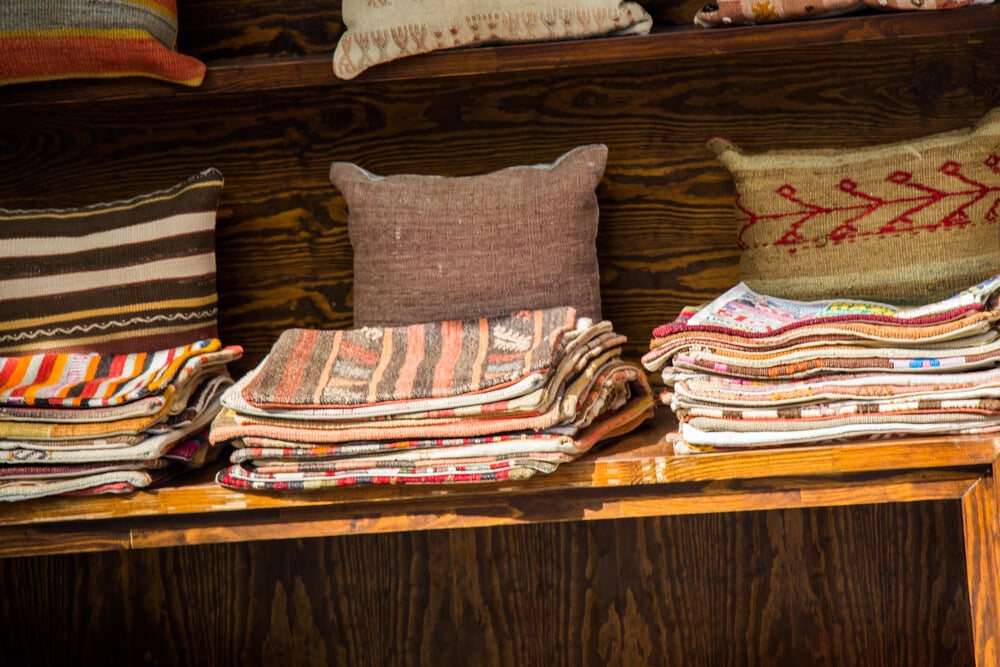
Transfers made for pillowcases usually offered a pair of matching motifs, one for each case. Designs included roses, lazy daisies, and scalloped borders with a bit of lace edging.
Many pairs were finished only partway, which makes them a record of interrupted projects.
Bluebirds and Cherries
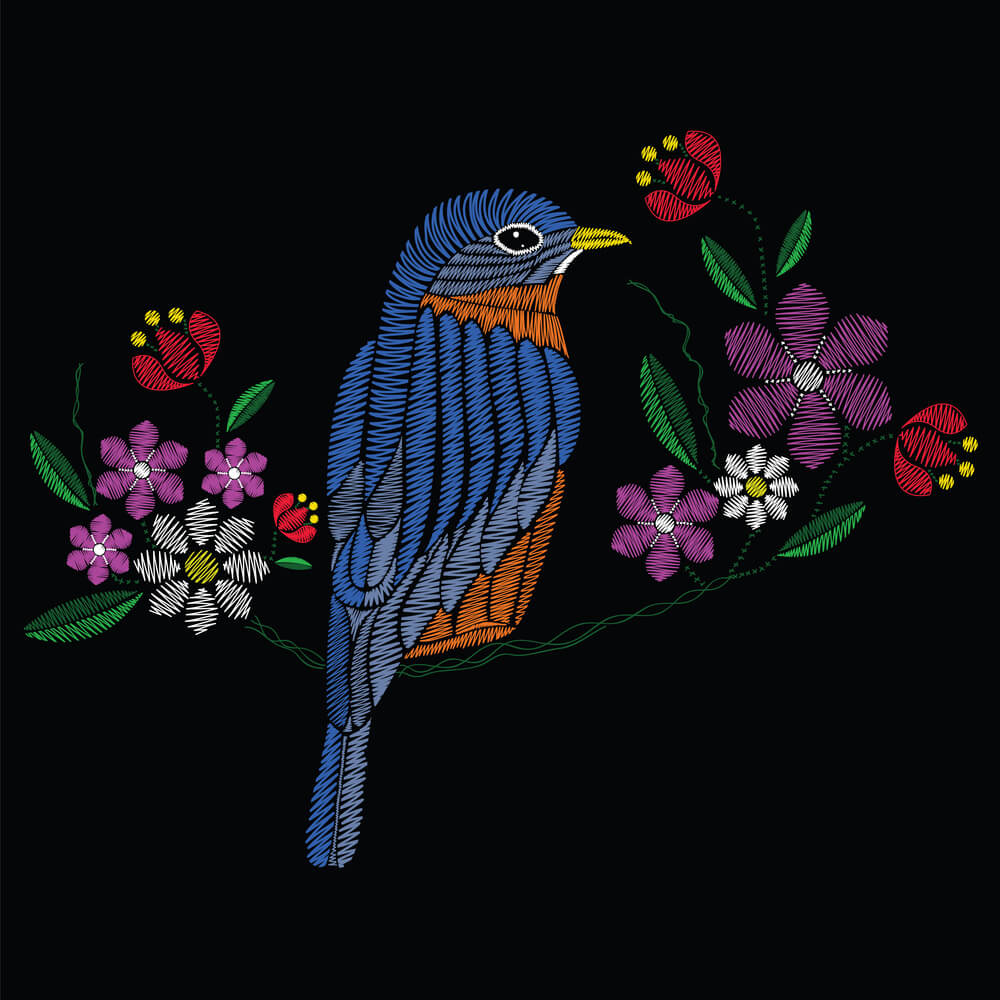
Small birds and fruit were among the most common motifs on tea towels and aprons. The simple shapes were easy for beginners and quick to fill with satin stitch.
Surviving examples often show a few bright threads and a few areas left unstitched.
Kitchen Utensil Sets
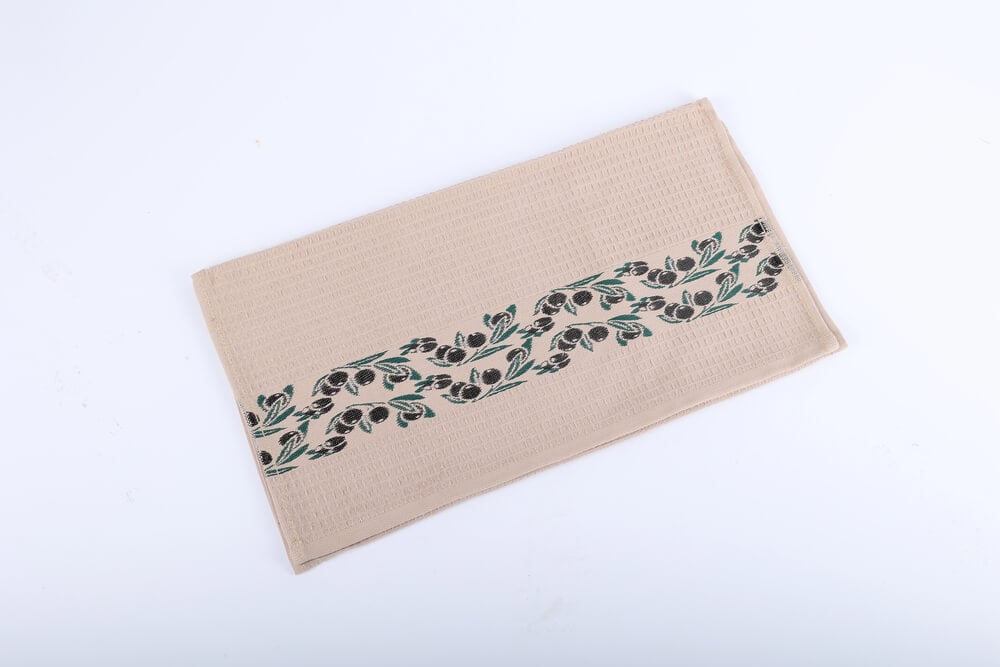
Towels embroidered with whisks, rolling pins, and teapots turned a plain cloth into a small decorative piece. The outlines were bold and easy to follow.
Because they were used, many were laundered until the colors softened.
Dutch Girls and Windmills
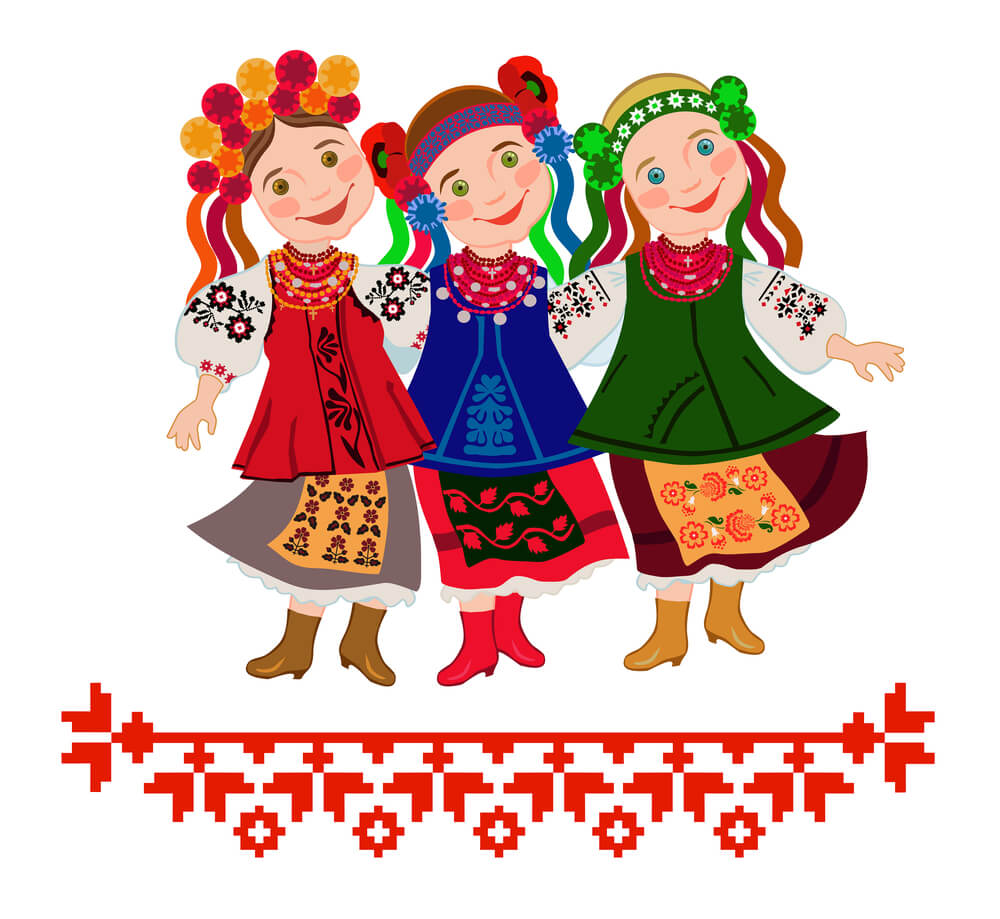
Dutch girls in wooden shoes and tulips beside windmills appeared on aprons, towels, and tablecloths. Their blue-and-white palette suited kitchens of the era.
Faded but intact designs still read clearly from across the room.
Colonial Girls and Boys
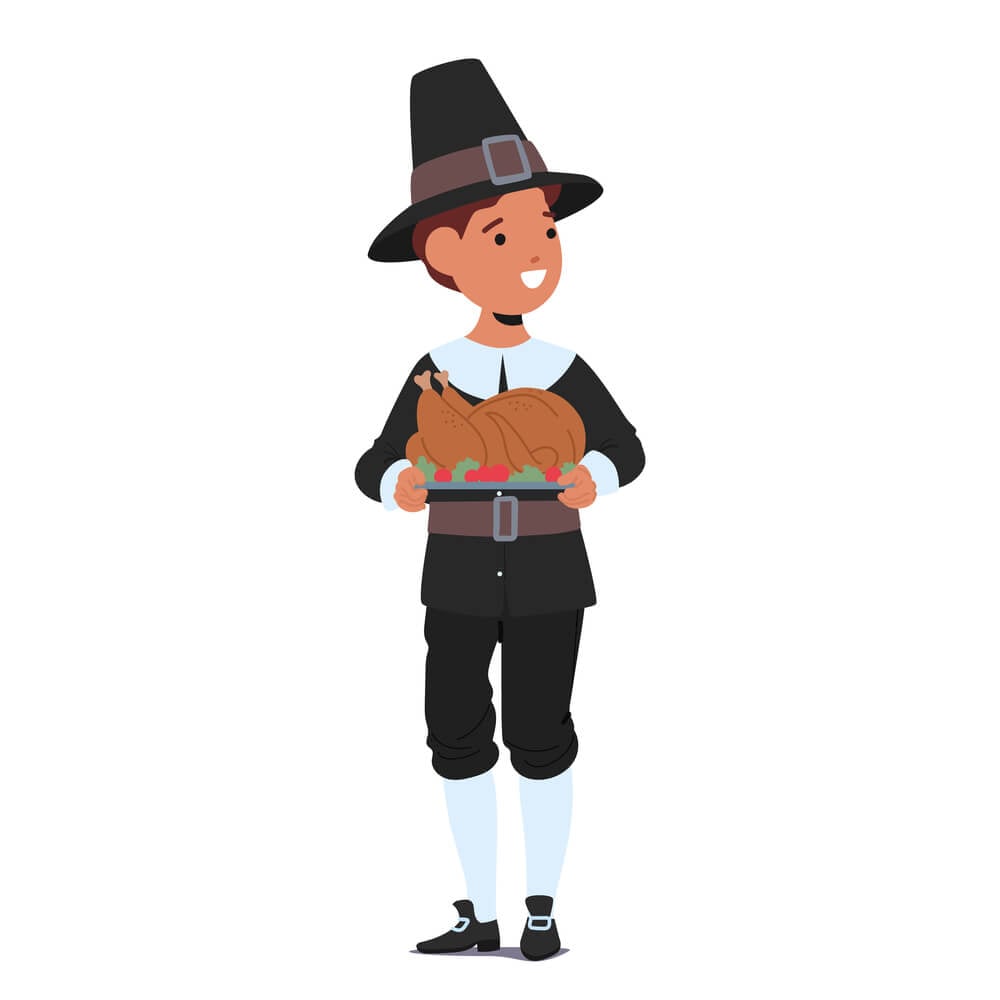
Figures in three-cornered hats and long dresses decorated towels, aprons, and children’s linens. They appealed to households fond of early American themes.
The designs usually included a spinning wheel, a butter churn, or a lantern.
Tablecloth and Runner Patterns
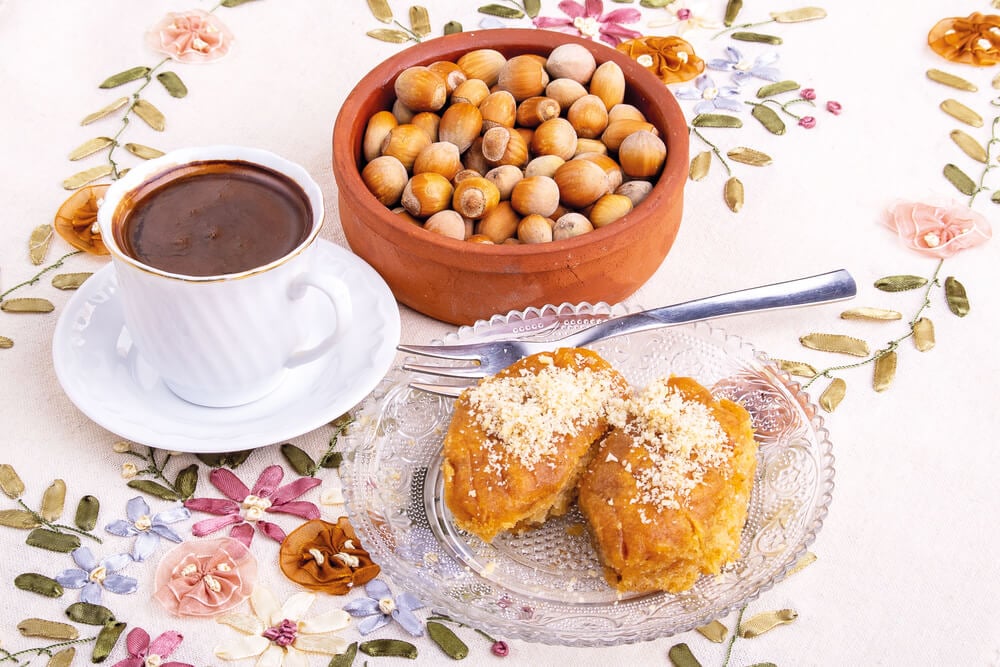
Larger transfers covered the corners of a tablecloth or the ends of a runner with garlands of flowers. They required more time and thread than a towel.
A finished cloth that has survived without stains is a rewarding find.
Bridge Cloth Motifs
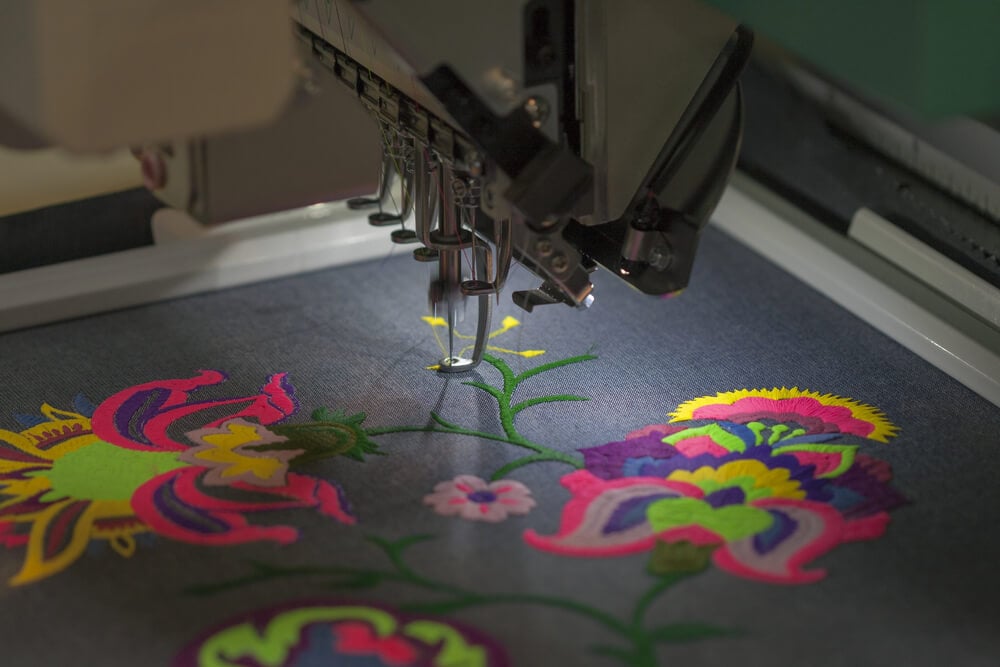
Card table cloths often carried the four suits in the corners, or a spray of flowers with a bridge theme. The pattern was meant to be stitched with care, since the cloth would be seen at parties.
Unfinished examples occasionally appear with a single corner completed.
Monograms and Alphabets
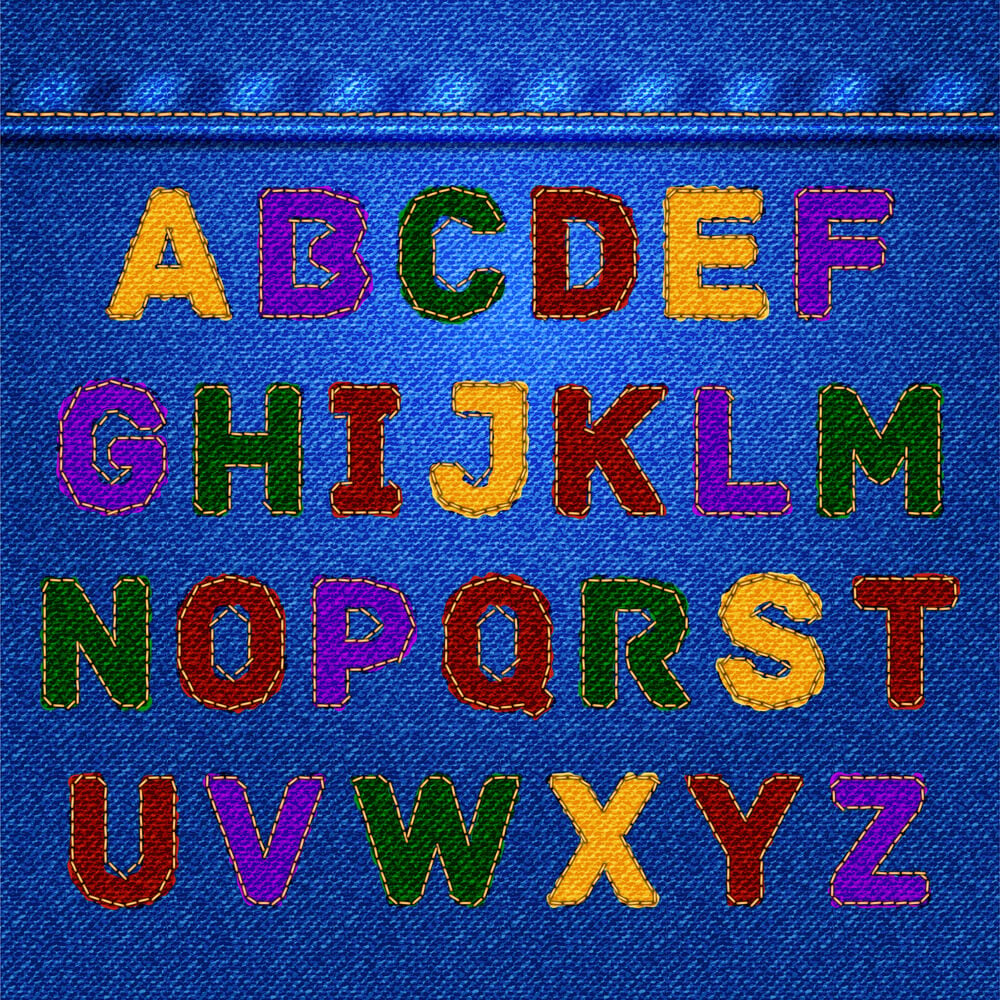
Transfers supplied alphabets in several styles, and a stitcher chose the letters for a family name. Monograms marked sheets, towels, and napkins.
Original sheets with the letters still attached are useful reference for dating a piece.
Tracing Wheels and Dressmaker’s Carbon
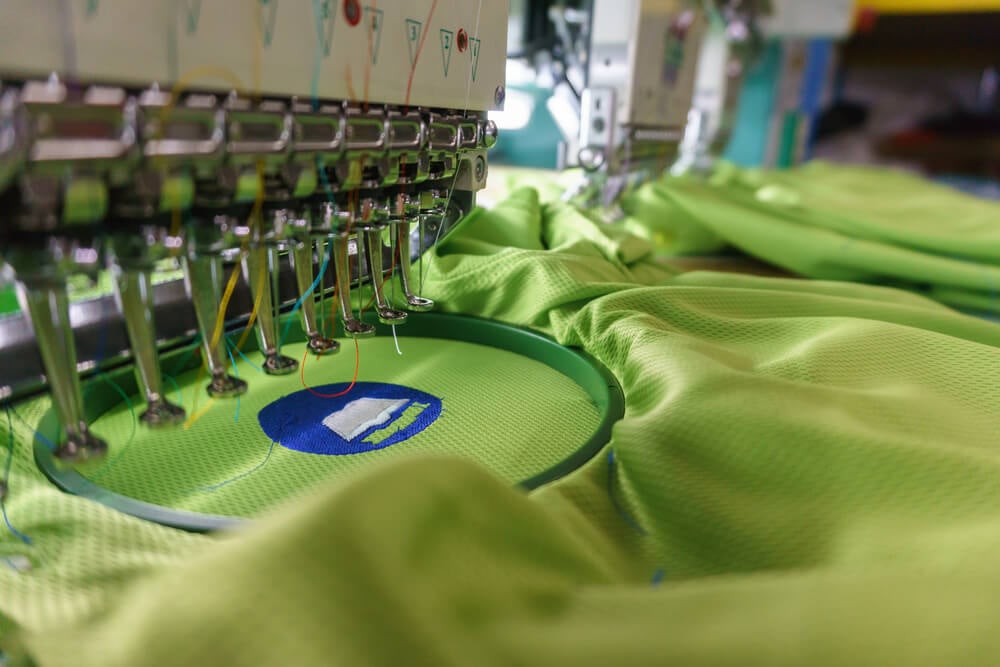
Before iron-on transfers, stitchers used dressmaker’s carbon paper and a tracing wheel to copy a design onto fabric. The paper left colored lines in blue, red, or yellow.
Old sewing boxes often still contain a tracing wheel with a worn wooden handle.
Transfer Pencils
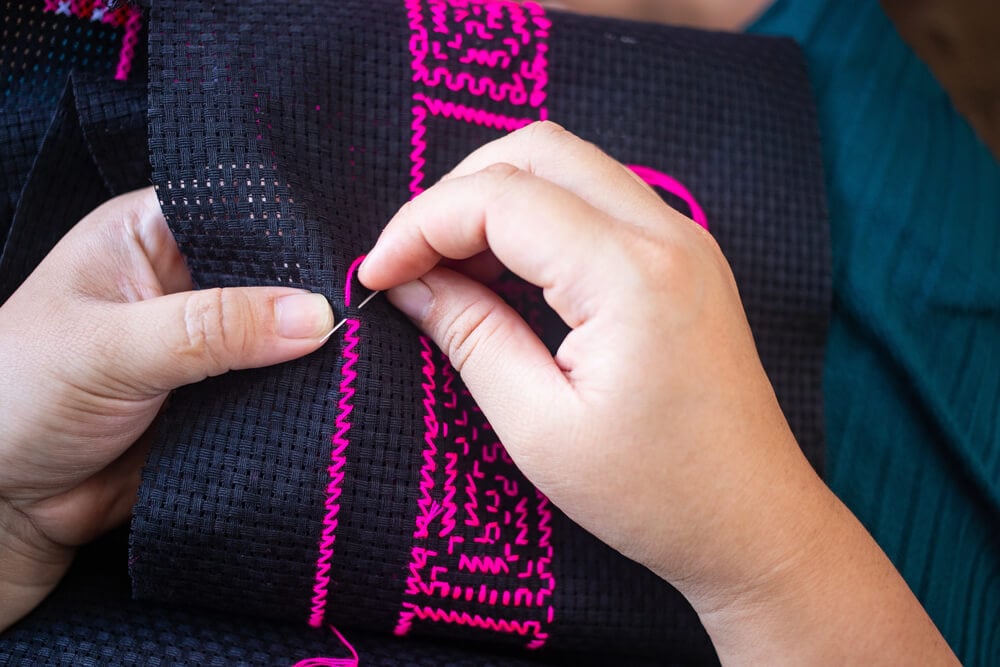
A transfer pencil let a stitcher trace a design on paper, flip it, and press it onto fabric with an iron. The pencils were sold in tins or sleeves, often with a few spare leads.
They allowed a stitcher to create a custom pattern from a drawing.
Faded Blue Lines
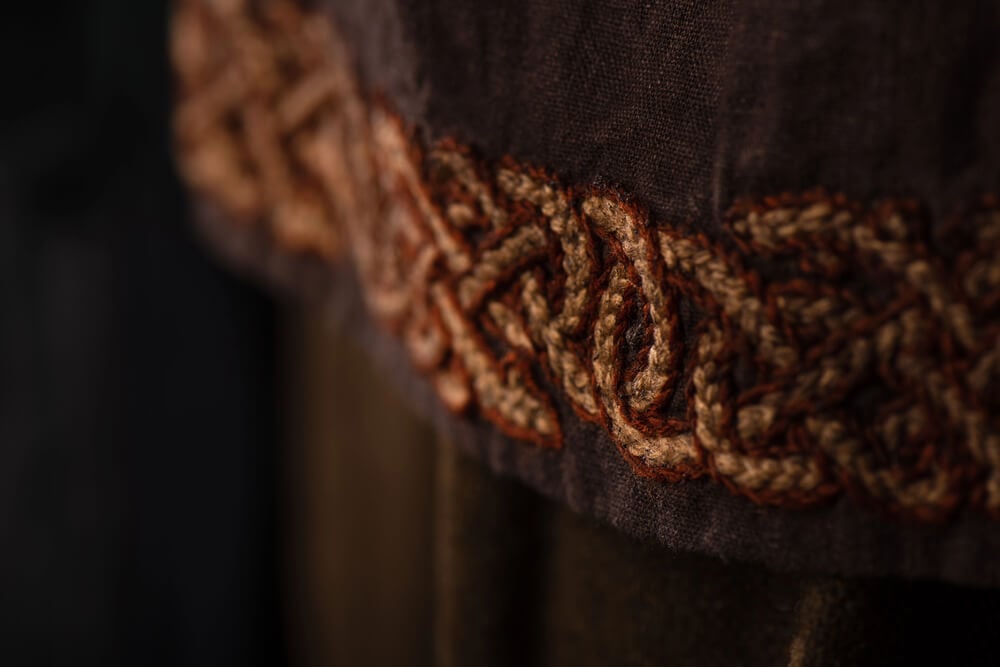
Stitchers often found that blue guide lines stayed visible after the thread was finished. The marks sometimes survived years of laundering and now show where the pattern ran.
Gentle soaking in cool water can fade them, but harsh scrubbing risks damaging the linen.
The Transfer Sheet Itself
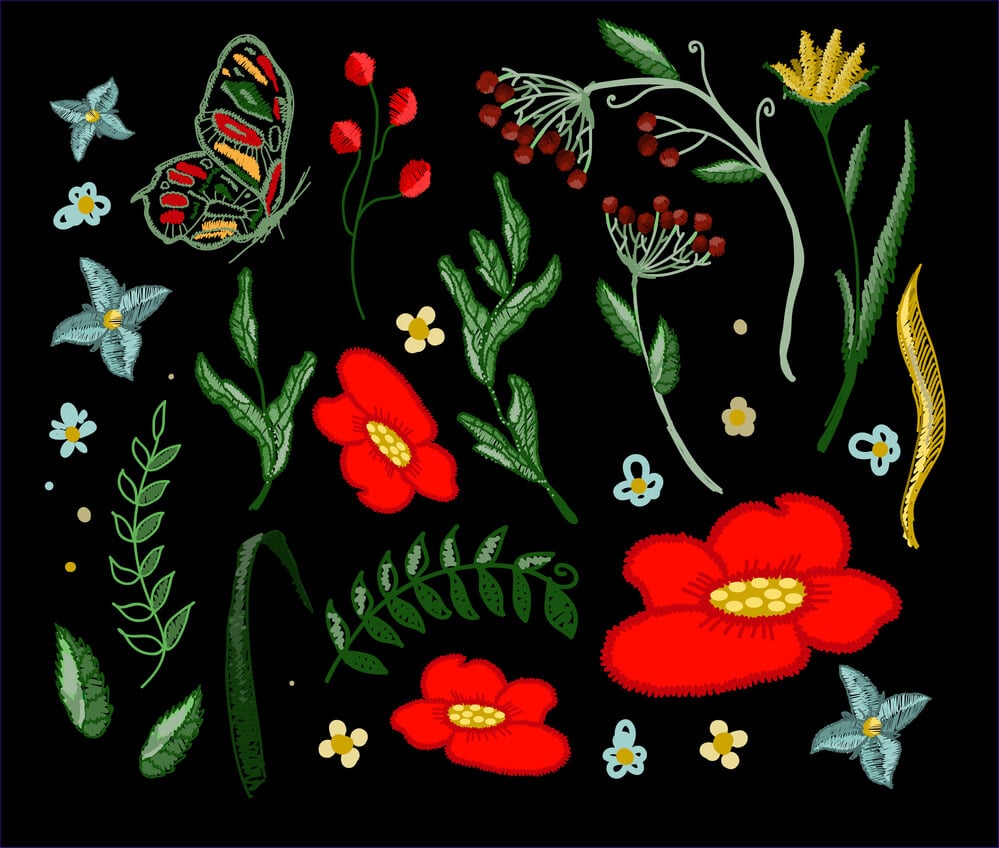
An uncut sheet, covered in overlapping outlines, has a charm of its own. Some collectors frame them as graphic art, while others use them to date a pattern by its printed style.
Value depends heavily on condition, since creased, torn, or already-used sheets are far less desirable.
A Pattern That Was Meant to Be Finished
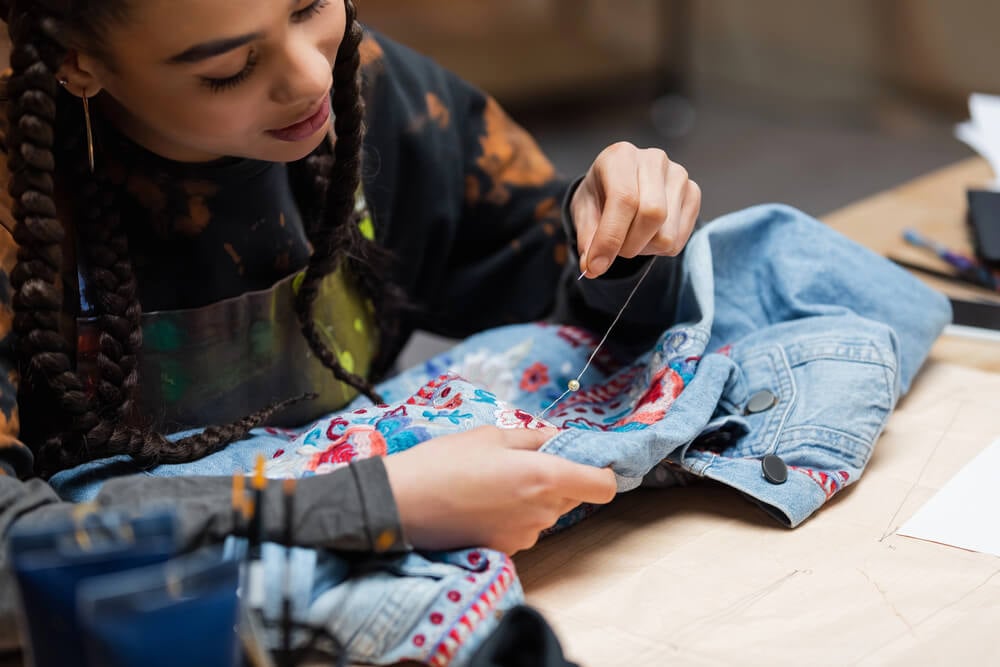
The charm of old transfers is that they promised a future. A woman bought a packet, ironed the design onto a towel, and imagined how it would look in thread.
Many of those pieces were finished and used for decades, while others were set aside for later. The linens that survive are small records of ordinary pride.
Their stitches wander a little, their colors fade, and their corners show the wear of use. In a world of mass-produced decoration, they remain unmistakably personal.
More from Go2Tutors!

- 27 Silver Dollars and Half Dollars Worth Keeping
- 28 Restaurant Menu Items Nobody Orders Anymore
- 17 Places Built in Seemingly Impossible Spots
- 27 Vintage Rings Worth More Than They Look
- 25 Restricted Sites Tourists Can’t Enter
Like Go2Tutors’s content? Follow us on MSN.