30 Vintage Scenes From America’s Bus Depots
Before airports became the default gateway, the bus depot was where America came and went. Soldiers, salesmen, students, and families with cardboard suitcases all passed through the same doors, under the same departure boards, beside the same rows of wooden benches.
A single black-and-white photograph from one of these stations can say a surprising amount about its town. The streamlined curves, the ticket windows, and the waiting rooms were built to impress, and in some places they were also built to divide.
The Iron Range Depot Where Greyhound Found Its Roots
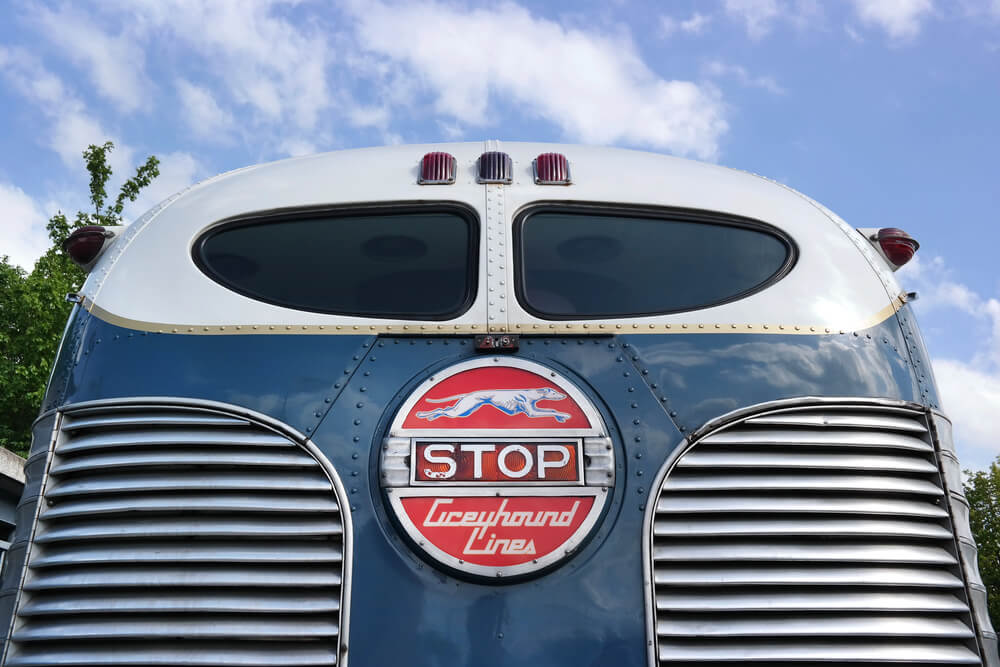
Greyhound traces its roots to Hibbing, Minnesota, a mining town on the Iron Range that seems an unlikely birthplace for a national travel brand. Today the Greyhound Bus Museum in Hibbing preserves that origin story for visitors. A vintage scene here would show early buses idling beside a small-town storefront, long before anyone imagined the sleek terminals that came later. It is a reminder that a national system can begin in a place far from any big city.
The Streamline Terminal on the Ohio in Louisville
— Photo by mkopka
Louisville’s bus station is tied to the architect William Strudwick Arrasmith, whose Greyhound designs set the look of mid-century bus travel. One architectural history of the building is even titled “When Bus Travel Became Beautiful,” crediting the Louisville terminal with launching an architectural movement. The scene to imagine is a curved facade lit at dusk, with passengers lined up beneath a modern canopy. For travelers in the era, stepping into a building like this meant the trip had already begun in style.
The Super-Streamlined Palace in Cleveland
— Photo by BalkansCat
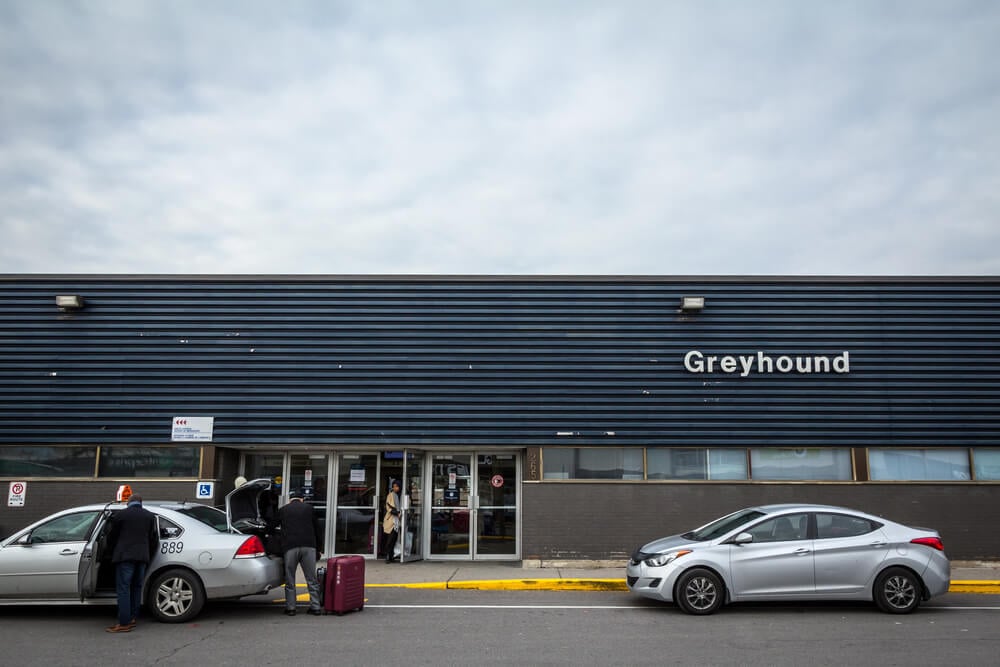
Cleveland’s Greyhound Bus Station is another Arrasmith design, and one preservation writer described it as a super-streamlined terminal. The building is listed on the National Register of Historic Places, which means its sweeping lines are protected rather than just remembered. Picture a vintage photograph of the long, rounded front, with buses nosed in along the side. It has become a textbook example of the Streamline Moderne style in American civic life.
The Art Deco Landmark at 1100 New York Avenue in Washington
— Photo by martince2
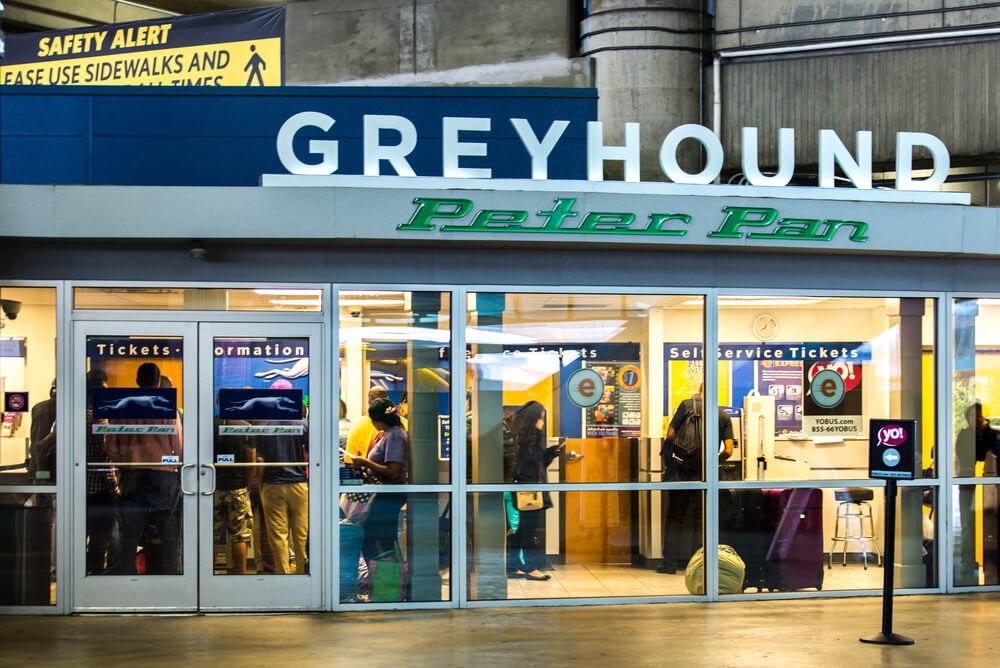
The Old Greyhound Terminal at 1100 New York Avenue in Washington, D.C., drew a public preview in 1940, a rare honor for a bus station. Its Art Deco styling is the subject of the blog series “Washington Deco,” and it was designed by Arrasmith, the architect behind many Greyhound stations across the country. A photograph from the opening years would show crisp lines and polished fixtures designed to make an ordinary departure feel important. Few bus stations have been treated as a civic event, and this one was.
The Postcard Station in Evansville
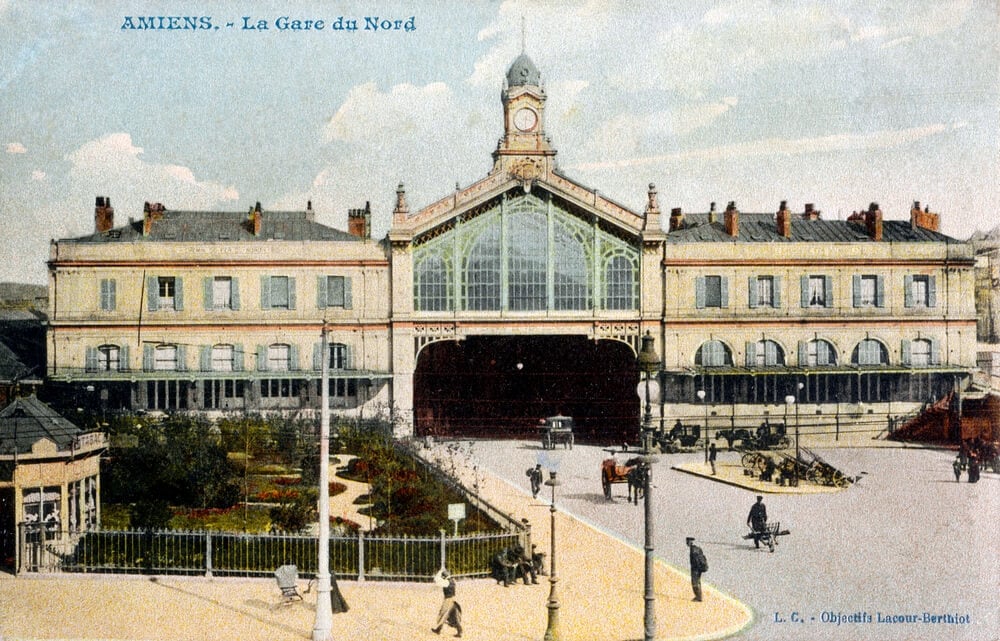
Evansville, Indiana, once sent out postcards of its Greyhound bus station, and a circa 1940 example survives in the Indiana digital library. The station’s Streamline Moderne look made it worth printing and mailing, a bit like a tourist attraction in its own right. The building later found new life as a restaurant, which is how a bus depot ends up serving meals instead of tickets. A vintage image of the original shows passengers beneath the same curved front that diners now walk past.
The Waiting Room Photographed in Pittsburgh in 1943
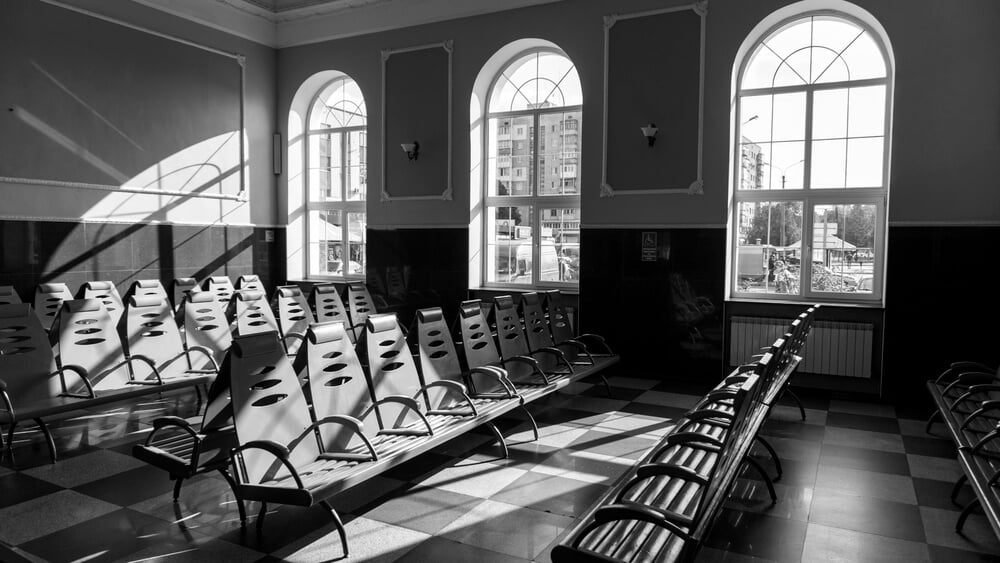
In 1943, the photographer Esther Bubley documented Pittsburgh’s streamline Greyhound station, and the Heinz History Center has written about the images. Her pictures are prized because they catch ordinary people at the exact moment of waiting, rather than the architecture alone. A typical frame would show travelers on benches under the terminal lights, wartime coats still on. The station itself was designed in the Streamline Deco manner that defined Greyhound’s golden age.
The Opening Day at Port Authority in New York
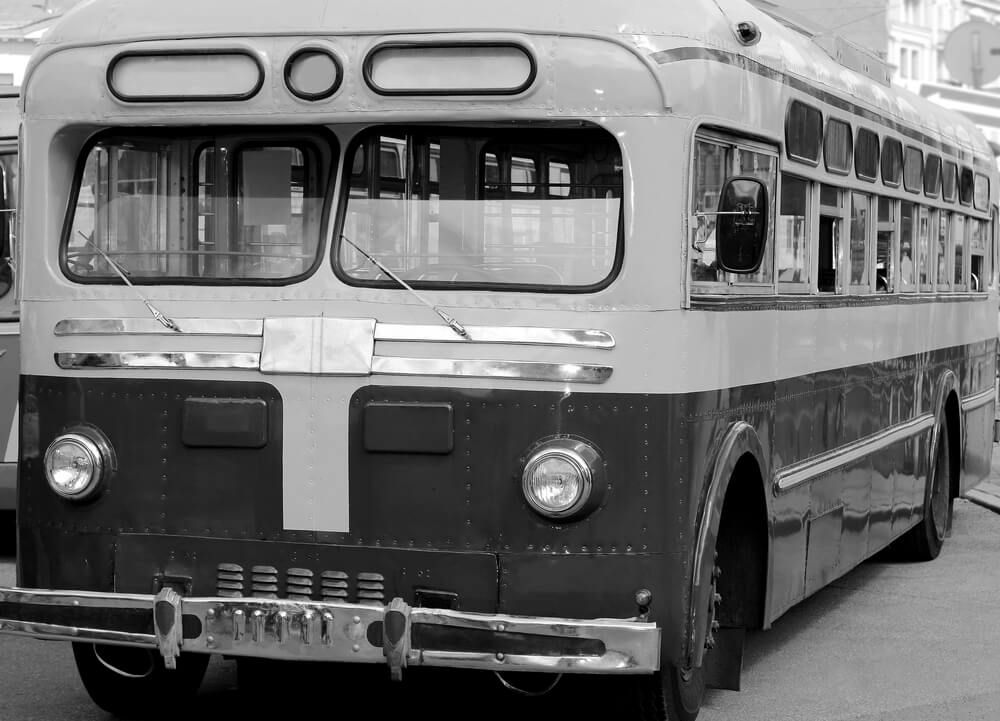
New York’s Port Authority Bus Terminal had its grand opening in 1950, and the occasion was marked as a major moment in the city’s transportation history. A photograph from that first year would show a crowded concourse of commuters and out-of-town travelers moving between gates. It remains a defining image of postwar bus travel at big-city scale.
The Blytheville Station That Became a Preservation Success
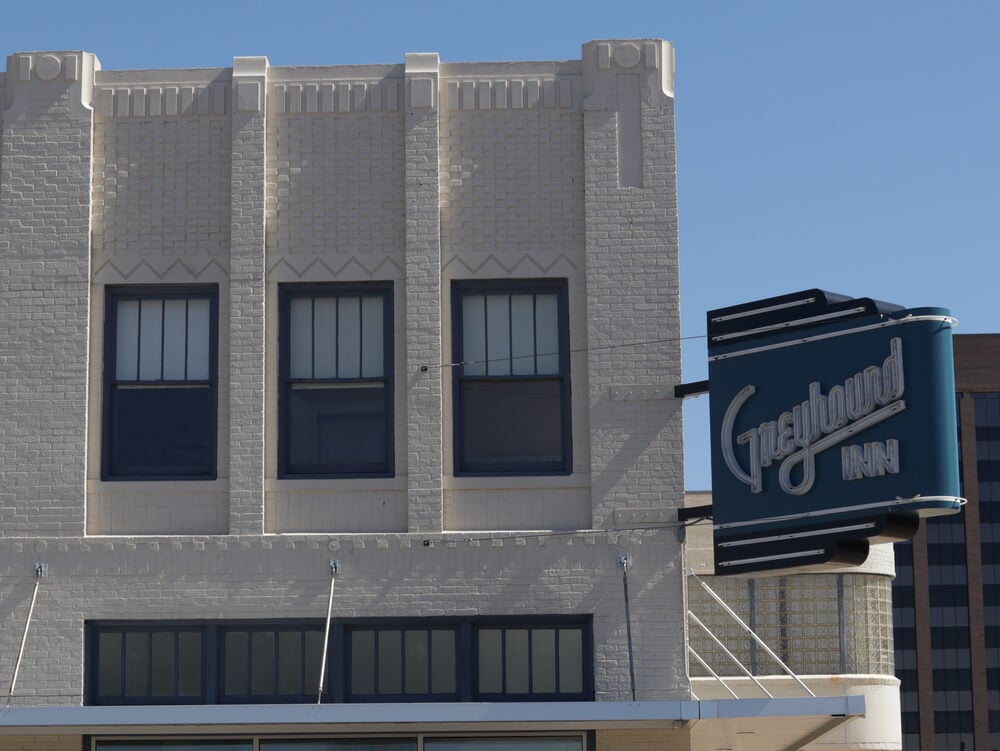
The Blytheville Greyhound Bus Station in Blytheville, Arkansas, is listed on the National Register of Historic Places. A building history of the station has been published by a local group. In a vintage photograph, the compact Streamline Moderne depot would sit quietly on its corner in a small Arkansas town. It shows how a modest-sized stop on the line could carry real architectural ambition.
The Loudon Avenue Terminal in Lexington
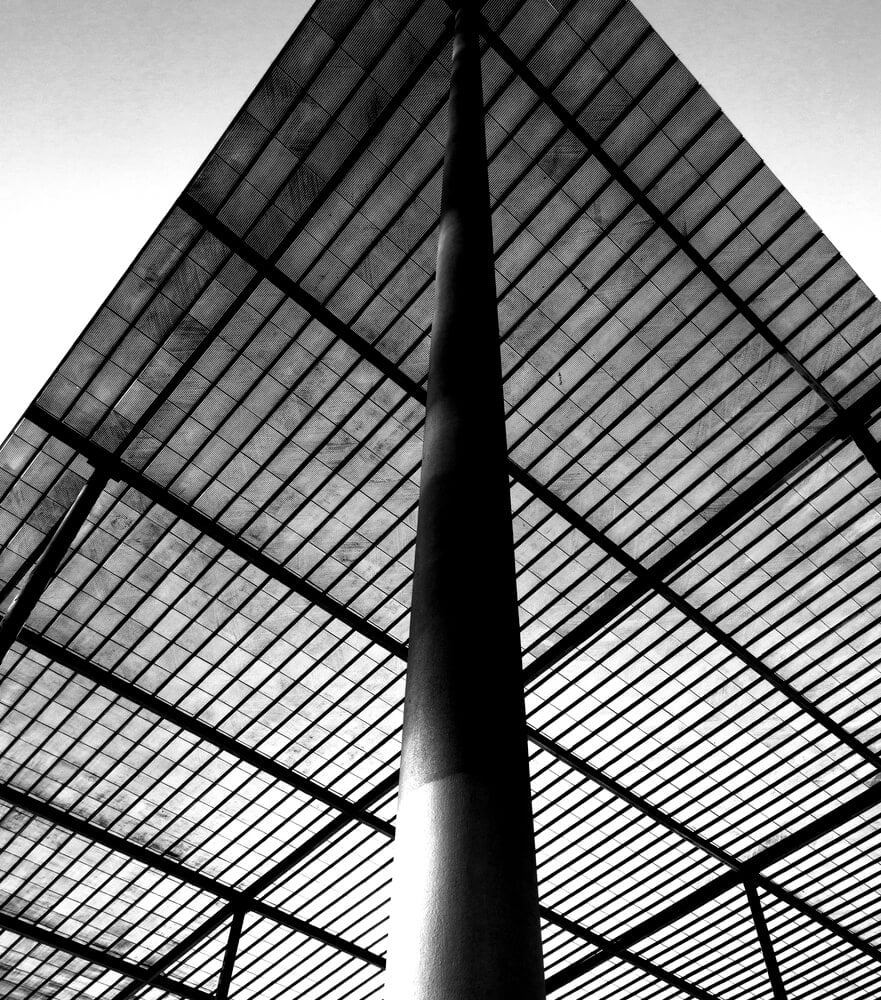
The Southeast Greyhound Line Building on Loudon Avenue in Lexington, Kentucky, was recorded in a National Register application. The building was recorded for the federal register of historic places. A scene from its working years would show buses loading outside a low, modern building in the center of horse country.
The 1939 Depot in Greenwood
— Photo by tiagofernandez
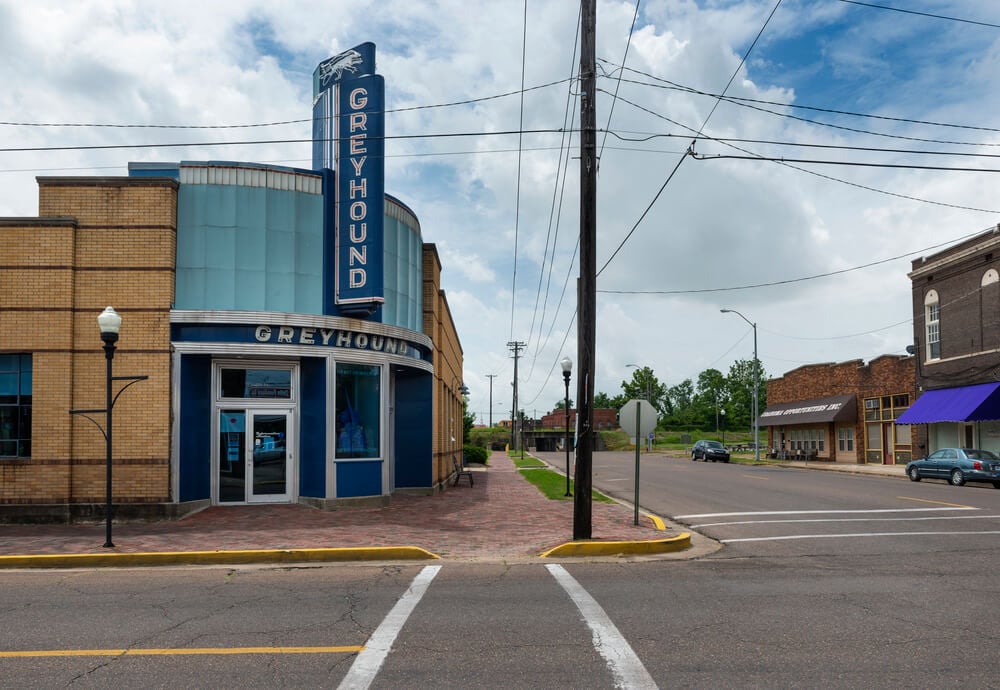
The Greyhound Bus Station in Greenwood, Mississippi, dates to 1939 and belongs to a wave of Art Moderne bus buildings in the state. Mississippi preservationists have written about these depots as a group, calling attention to their style. A picture of the station in its first years would show a clean white facade in a Delta cotton town. It was one stop on a network that linked small Mississippi towns to larger cities.
The Station Where Freedom Rode Into Jackson

The Old Greyhound Bus Station in Jackson, Mississippi, is tied to May 24, 1961, when the Freedom Riders arrived in the city. The arrests of Freedom Riders there are told on a historical marker and on the city’s tourism pages. A photograph from that day would show the same waiting-room doors that segregation had divided into separate spaces. The building is now remembered as a place where the law and the conscience of the country collided.
The Anniston Sites of the 1961 Attack

On May 14, 1961, Freedom Riders were attacked in Anniston, Alabama, in an episode remembered as the Anniston bus burning. A historical marker in the city titled “Trailways Attack” records a second assault, and the area is now part of Freedom Riders National Monument. A vintage news photograph from that day would show a bus engulfed in flames at the roadside. The sites around town are now stops on Anniston’s civil rights trail.
The Birmingham Trailways Station and the Freedom Riders

Birmingham’s Trailways bus depot appears in the accounts of the 1961 Freedom Rides, when riders arrived into a city where violence was feared. The building is documented on the local Birmingham wiki. A scene from that spring would show a nearly empty waiting room and a tense crowd outside. The depot stands for how ordinary bus terminals became unexpected front lines.
The Montgomery Station That Became a Museum
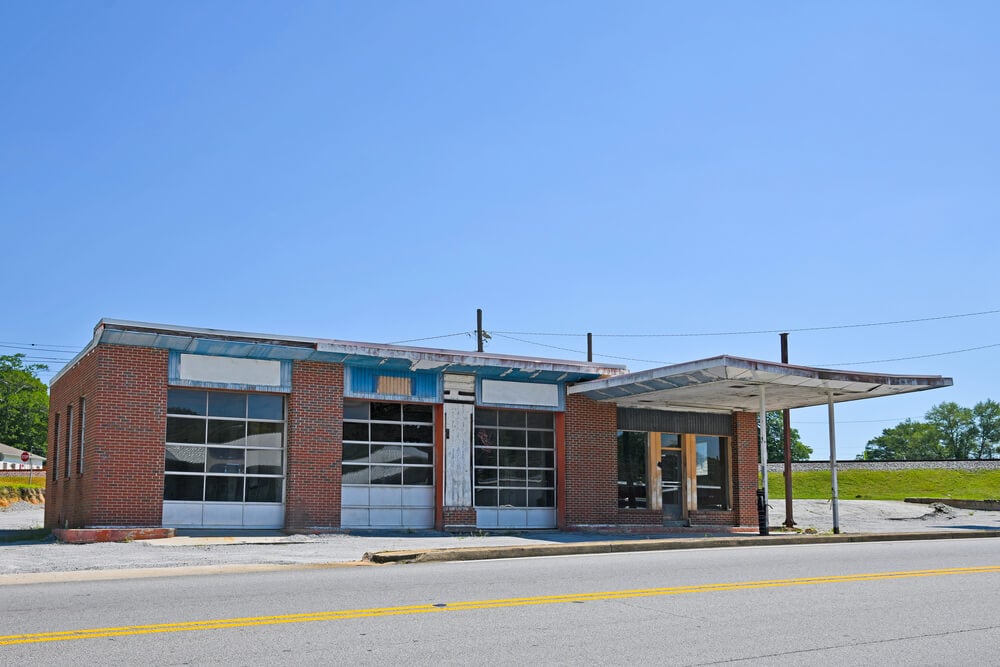
Montgomery, Alabama’s former Greyhound bus station now houses the Freedom Rides Museum. The building was the site of the violent confrontation that met the Freedom Riders in 1961. A vintage photograph would show the modern white station on its corner, looking calm in a way the events of that day were not. Few buildings have changed roles so completely, from a place to board a bus to a place to understand why people did.
The Rock Hill Stop on the Freedom Ride
— Photo by philipus
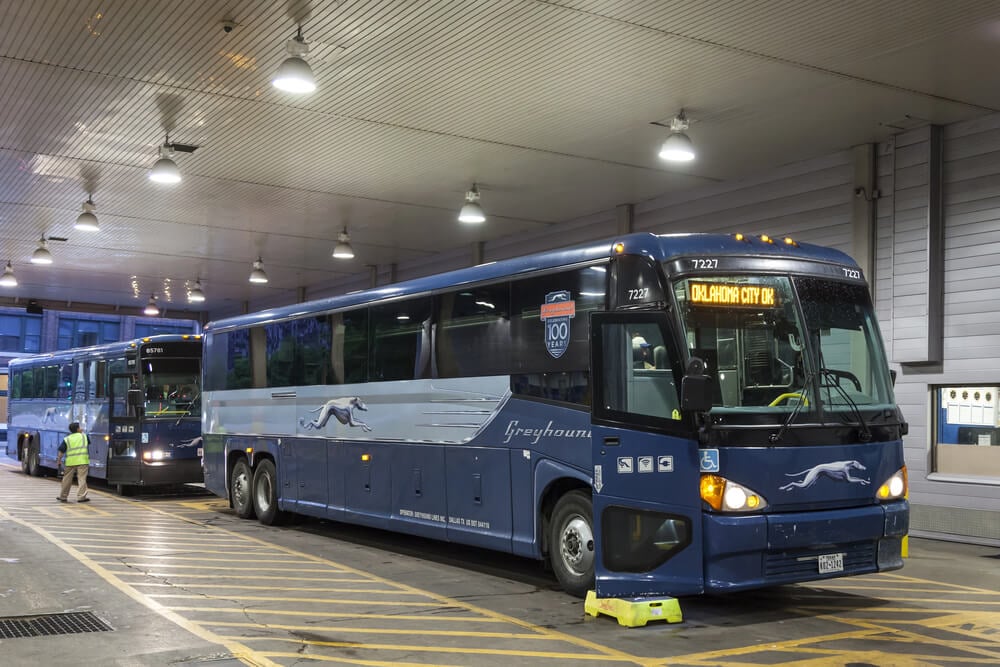
Rock Hill, South Carolina, appears in the story of the 1961 Freedom Rides, and the late Congressman J. Lewis is remembered there for his role in that history. The Greyhound station is documented as a historic site on the Clio history platform. A scene from the early days of the Ride would show a small-town waiting room where the first confrontations occurred. The city has kept that connection alive in its public memory.
The Clarksdale Greyhound Terminal in the Delta
— Photo by BalkansCat
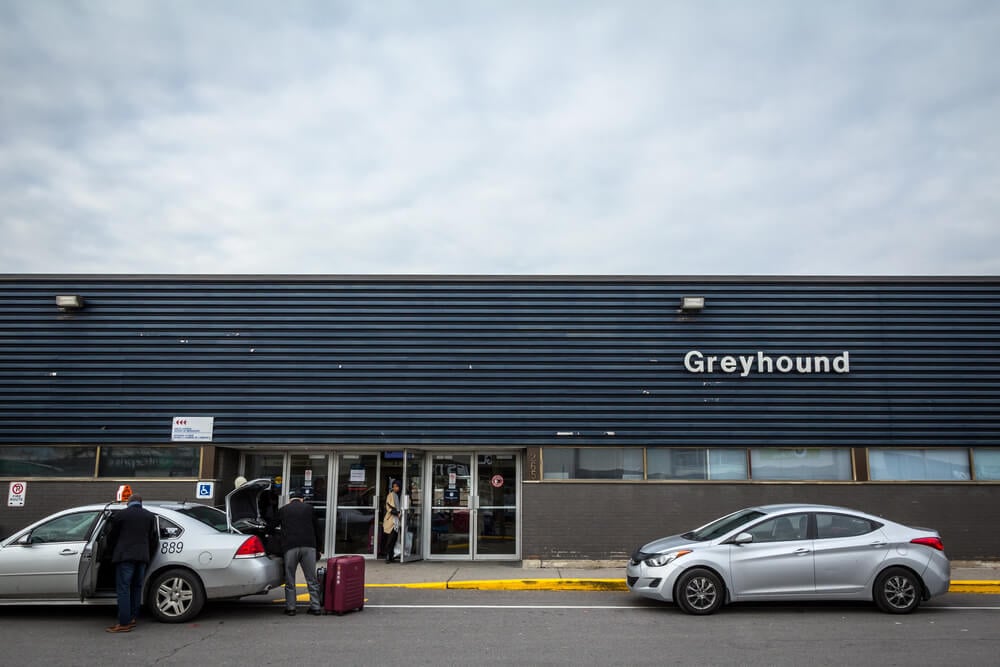
Clarksdale, Mississippi, built a Greyhound terminal that is documented by the Mississippi Heritage Trust and the Society of Architectural Historians. The town is famous for its blues history, and the depot is part of the same landscape of arrival and departure. A vintage photograph would show a compact, curved-front station on a small-town main street. It is a small piece of the travel network that crossed the Delta.
The Greyhound Terminal in Memphis
— Photo by Spitzi
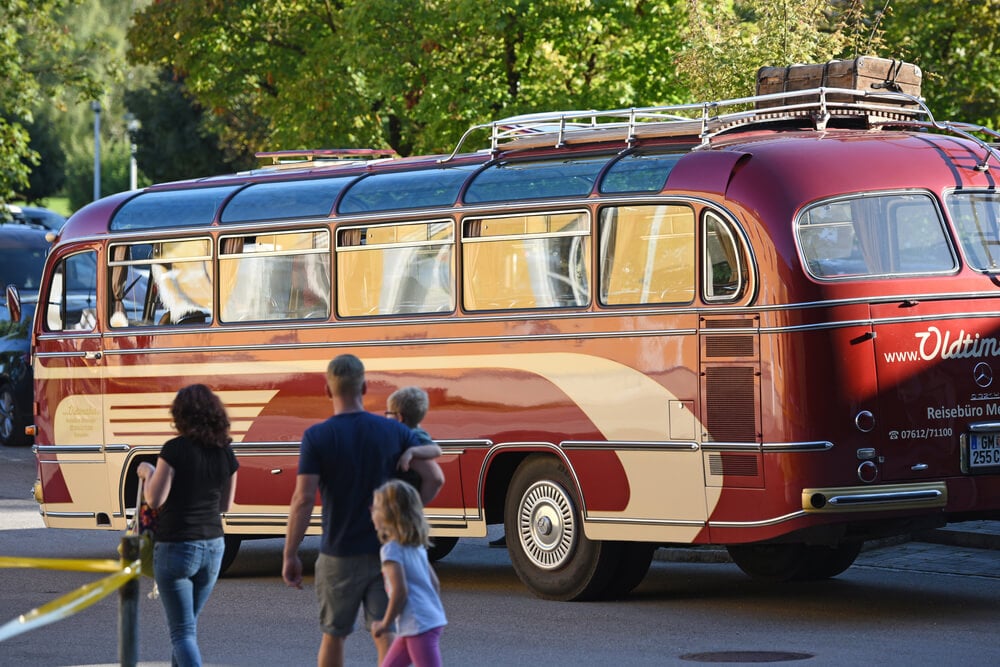
The Dixie Greyhound Bus Lines Complex in Memphis, Tennessee, is listed as a historic place. A scene from the period would show regional buses lined up along a busy platform. Esther Bubley photographed a Greyhound bus trip from Louisville to Memphis in 1943, which makes the city a natural stop in any vintage bus story.
The Columbus Bus Station
— Photo by madvideos.gmail.com
Columbus, Ohio, has a bus station documented by the city’s library and the Society of Architectural Historians. It is often cited alongside other mid-century Greyhound buildings for its Streamline Moderne lines. A vintage photograph would show a low, horizontal front on a busy downtown street. Its low, horizontal front is typical of the style.
The Buffalo Terminal That Became a Theatre
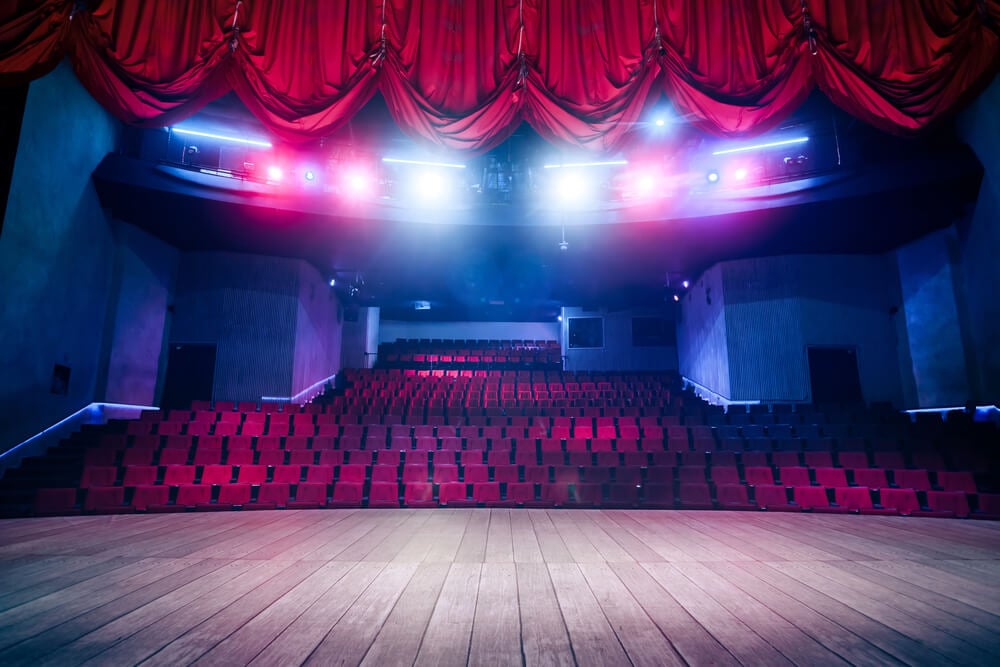
Buffalo, New York, built a Greyhound Bus Terminal at 672 Main Street that is now home to the Alleyway Theatre. Buffalo architecture historians have documented the building, including its interior. In a photograph from its bus days, passengers would walk under a Streamline Moderne facade into the waiting room. Few bus depots have gone on to host live performances.
The Atlantic Greyhound Terminal in Savannah

Savannah, Georgia’s Atlantic Greyhound Bus Terminal was listed on the National Register of Historic Places in 2016. The building has since been reborn as a restaurant called The Grey. A vintage photograph would show the curved Streamline Moderne facade with a line of buses at the curb. It is among the best-known examples of a bus station reused as a destination.
The Greyhound Bus Depot in Columbia
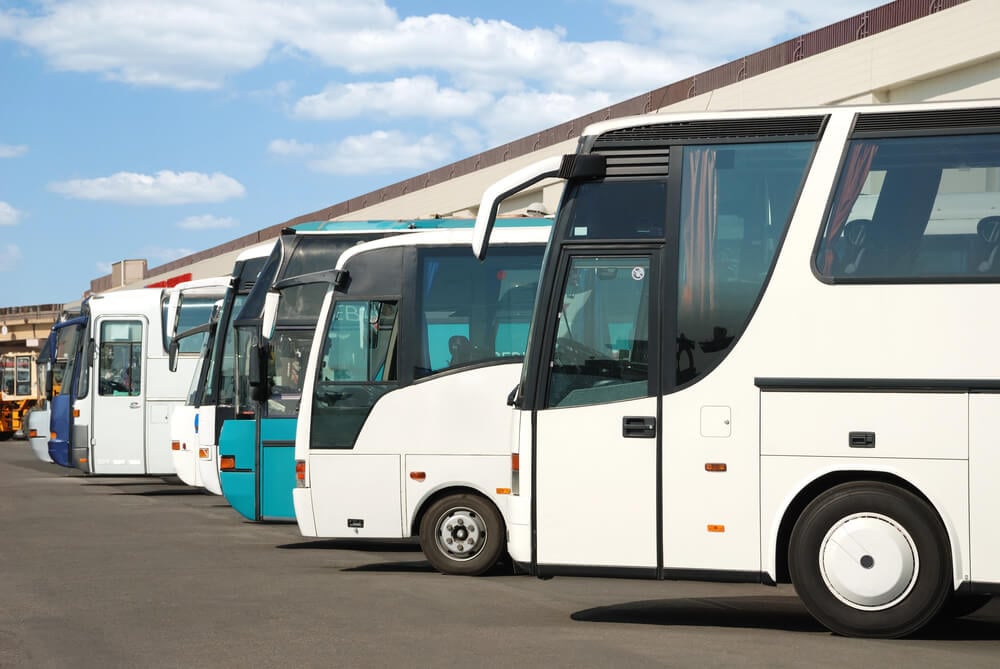
Columbia, South Carolina’s Greyhound Bus Depot is listed on the National Register of Historic Places. It is located at 1200 Blanding Street. A scene from the depot’s working years would show travelers heading in and out of the entrance. Historic Columbia has documented the address as part of its local tours.
The Union Bus Station in Oklahoma City
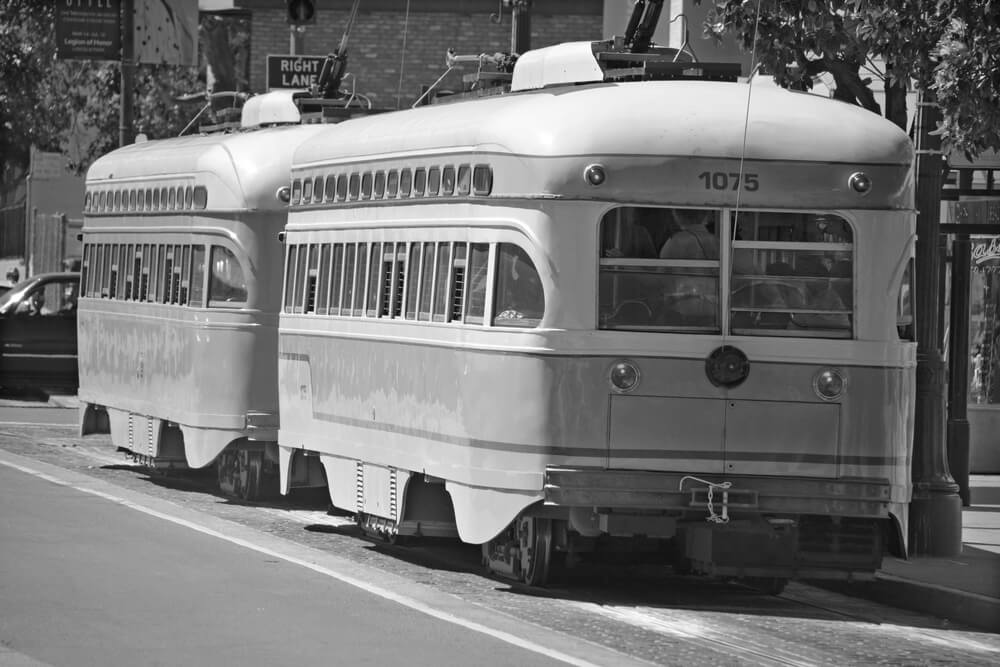
Oklahoma City’s Union Bus Station once served the city and was later listed among endangered historic places. It has since been demolished, leaving only photographs of its Streamline Moderne profile. A vintage image would show a modern terminal on a downtown street with passengers loading. Its fate is a reminder of how many stations survive only in pictures.
The Union Bus Depot in Spokane
— Photo by mkopka
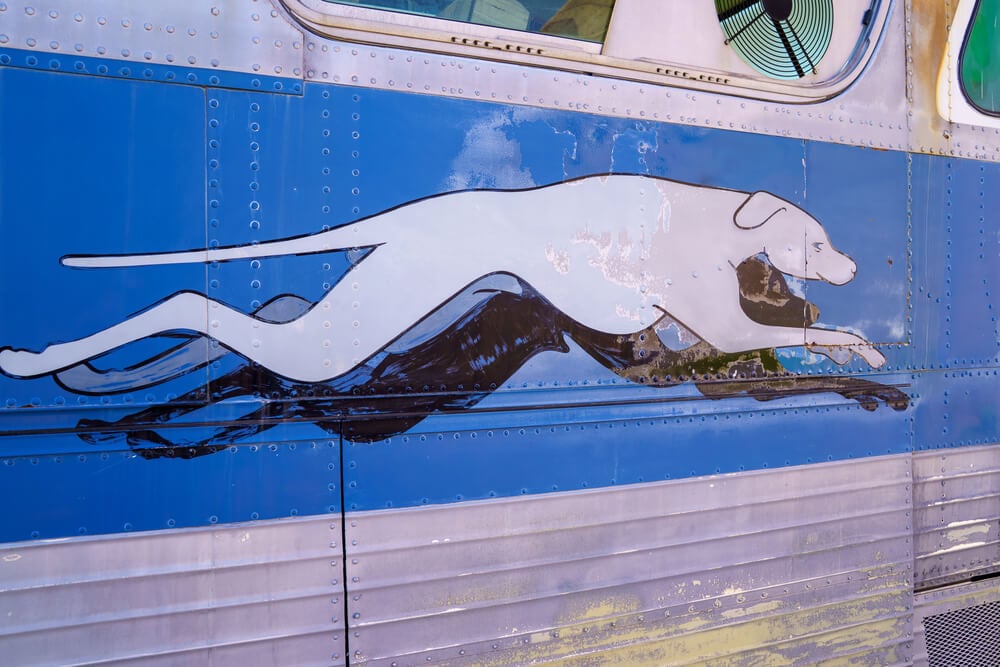
Spokane, Washington, had a Union Bus Depot that is featured in a local Then and Now series. The series pairs a historic photograph with a modern view of the same spot. A vintage picture would show buses and travelers beside the depot. The contrast with the present day is the point of the exercise.
The Art Deco Terminal in Portland
— Photo by jetcityimage2
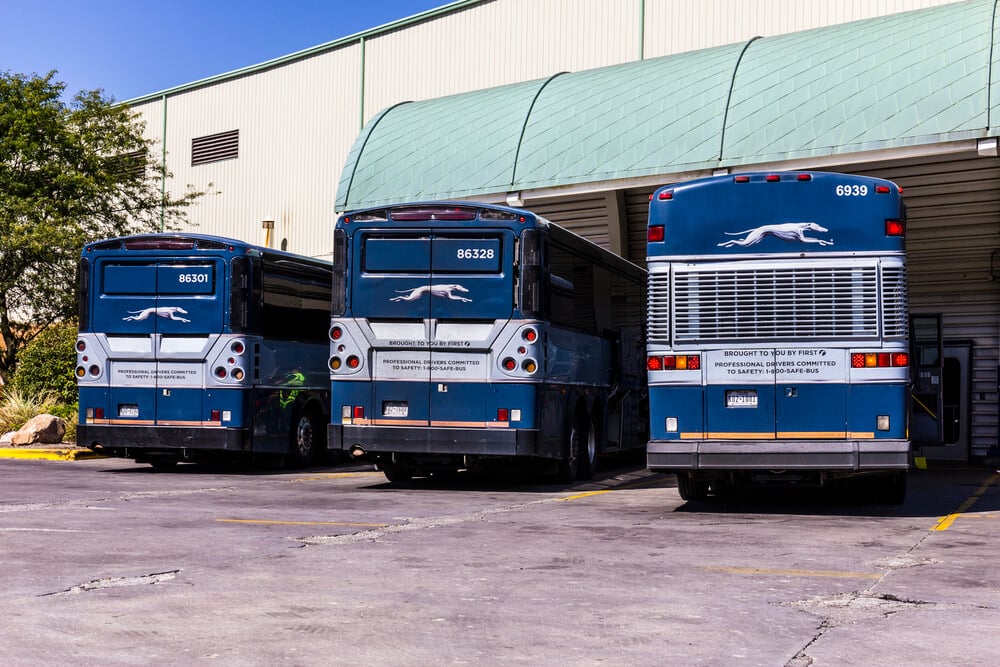
Portland, Oregon’s Greyhound Bus Station is included in the state’s list of Art Deco architecture. The Oregon digital collection also holds a photograph of the Greyhound Bus Terminal. A scene from the station’s active years would show a bold geometric front. It stands as a Pacific Northwest example of the style.
The Oakland Station After the Buses
Oakland, California’s Greyhound bus station has a history that includes use for underground raves after it was abandoned. A local news outlet covered the story, tracing the building’s second act. A vintage photograph of the station in service would show passengers on the sidewalk outside the main entrance. The contrast between its working life and its later nightlife is hard to miss.
The Waiting Room in New York City
— Photo by FashionAnatomy
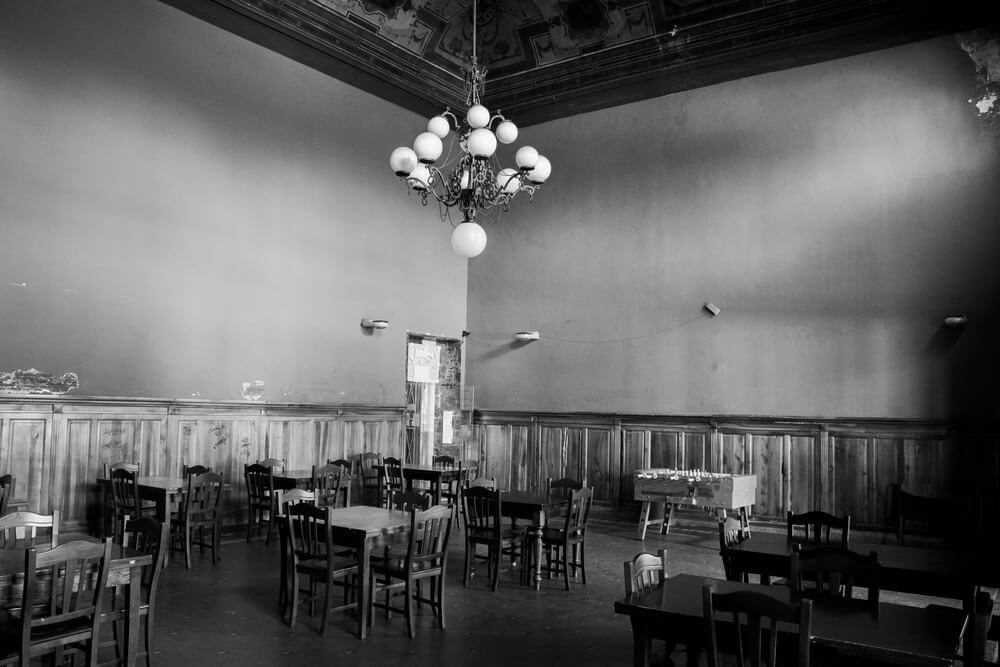
Esther Bubley photographed the waiting room of a Greyhound bus depot in New York City as part of her widely admired bus story. The image is held in the Google Arts and Culture collection. It shows travelers waiting between departures under the glare of terminal lights. Her work gave ordinary waiting a documentary dignity.
Chicago’s Endangered Terminal
— Photo by BalkansCat
Chicago’s Greyhound terminal was the subject of a Planetizen piece describing it as endangered, with a visual history of the building. A vintage photograph would show large windows, polished floors, and rows of departing buses. The building stands as an example of a major city station facing an uncertain future.
The Interior of Baltimore’s Greyhound Terminal
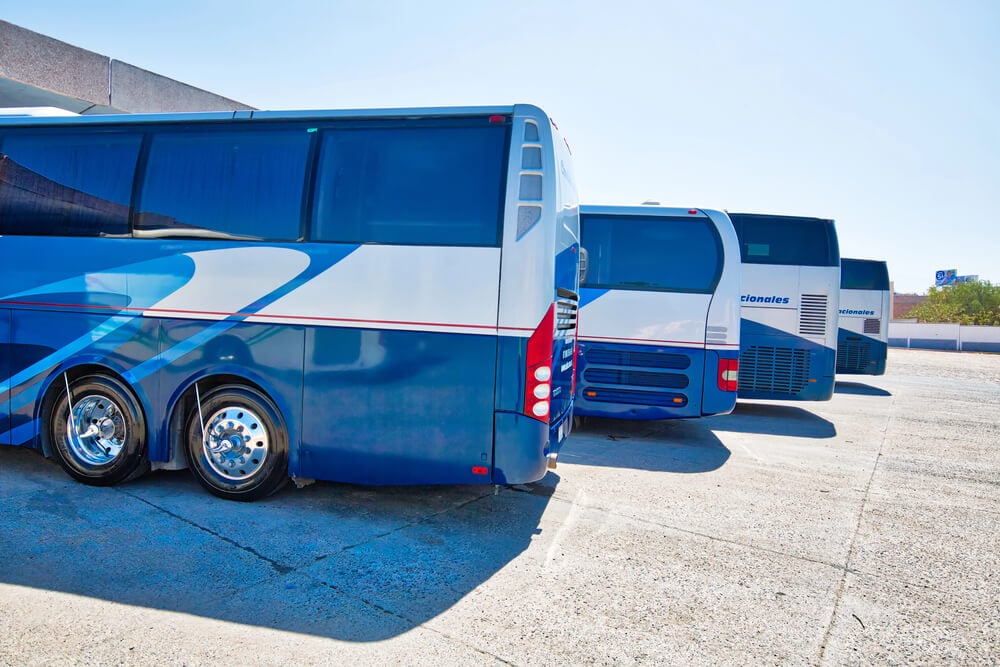
The Maryland Center for History and Culture holds photographs of the interior of Baltimore’s Greyhound bus terminal. They show the waiting room, which was the true center of a station’s life. A scene from the period would include benches, ticket counters, and departing passengers. The collection preserves a side of the building that exterior shots miss.
The Restored Station in Jackson, Tennessee
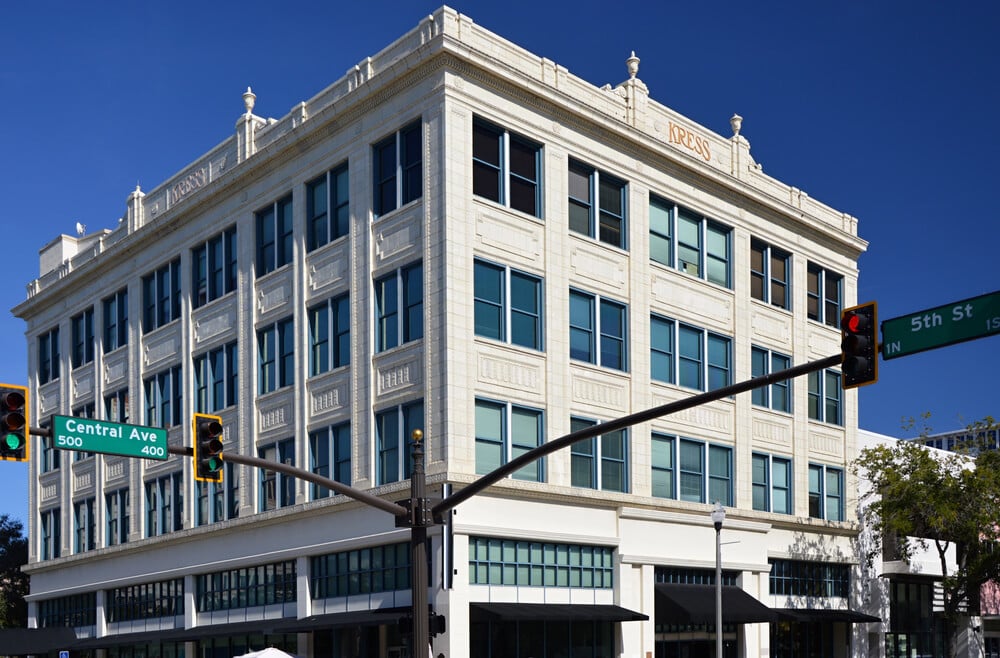
Jackson, Tennessee, has a restored Greyhound bus station that is listed on Roadside America. A vintage scene would show a small-city depot with a modern front. It is one of the stations that survives as a restored landmark.
The Art Deco Greyhound Station on West Trade Street in Charlotte
Charlotte, North Carolina, had an Art Deco Greyhound bus station on West Trade Street. Vintage photographs of it are still shared by local history enthusiasts. A scene from its prime would show a geometric front with buses lined up beside the curb. It is another case of a Southern city giving its bus travelers a stylish front door.
What the Waiting Room Remembers
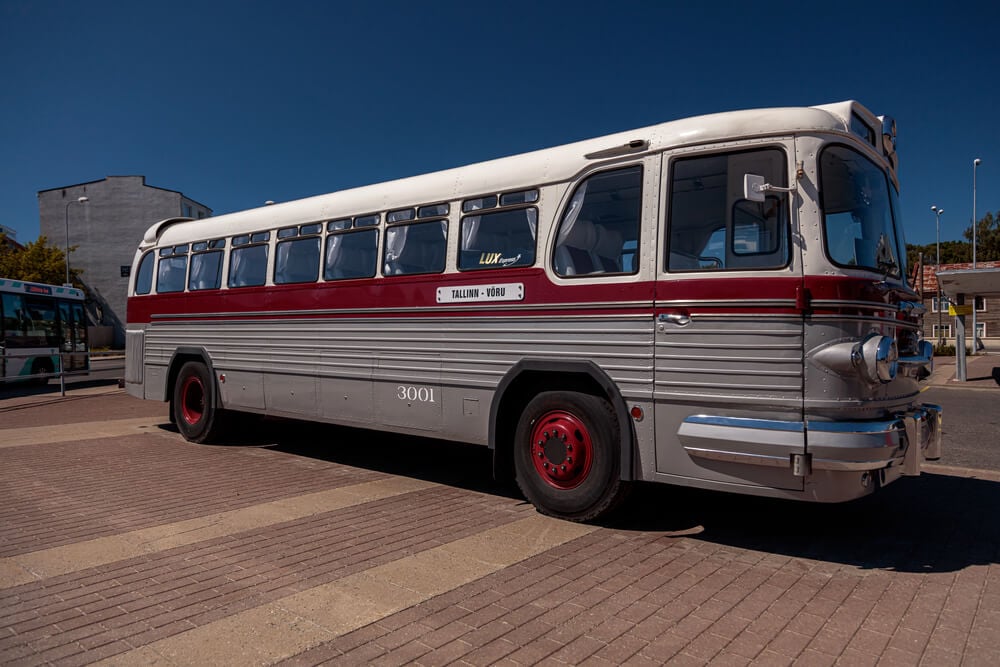
The bus depot was a rare place where nearly everyone in a town eventually showed up. The same benches held soldiers, students, and workers, and the same ticket windows decided who could go where. That mix is why the photographs still hold attention, long after the buses stopped.
The stations also recorded the country’s divisions. Some of the best-known depots are remembered because of what happened inside them, and others because architects gave them such confident shapes. Together they show how much a plain place of waiting can reveal about a nation in motion.
More from Go2Tutors!

- 27 Silver Dollars and Half Dollars Worth Keeping
- 28 Restaurant Menu Items Nobody Orders Anymore
- 17 Places Built in Seemingly Impossible Spots
- 27 Vintage Rings Worth More Than They Look
- 25 Restricted Sites Tourists Can’t Enter
Like Go2Tutors’s content? Follow us on MSN.