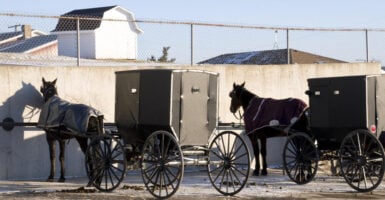
13 Historical Images of Horse-Drawn Delivery Wagons
Before delivery trucks, the neighborhood relied on horses. They hauled milk at dawn, ice on summer afternoons, and beer, groceries, and mail at every hour in between.
The wagons below come from roughly 1875 to the 1940s and show how deliveries worked in a world without refrigerators or reliable roads.
A Butcher’s Wagon
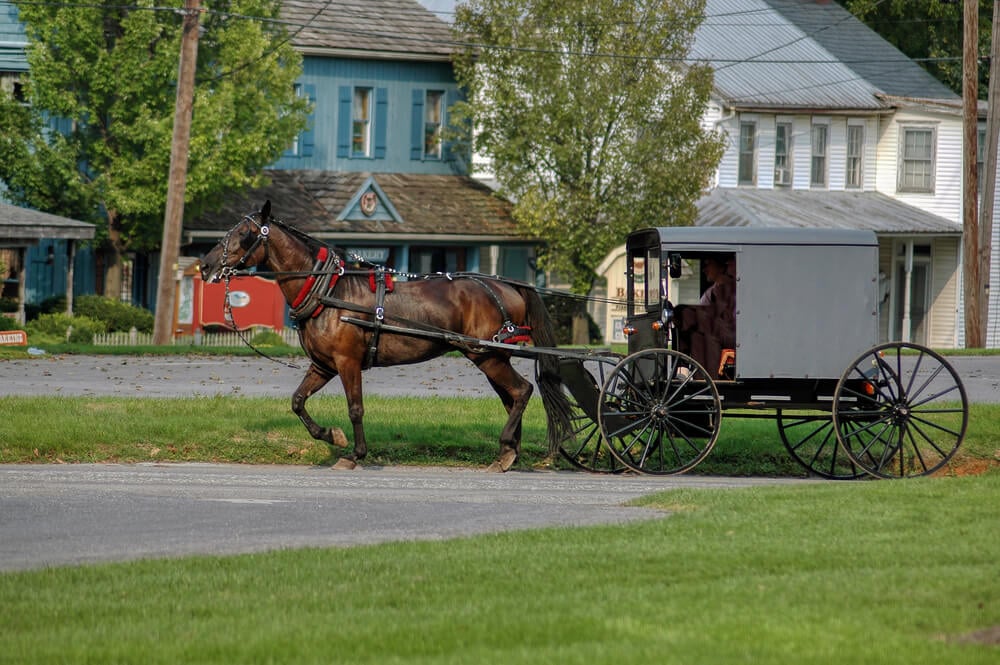
A butcher’s wagon from around 1875 in The Henry Ford’s collection stands among the earliest in its set of horse-drawn deliveries. Even in the 1920s it was not unusual to see milk, ice, or produce delivered by horse, especially in smaller towns.
Before automobiles became practical, horses and horse-drawn vehicles carried goods to places railroads and waterways did not go.
Door-to-Door Milk Delivery
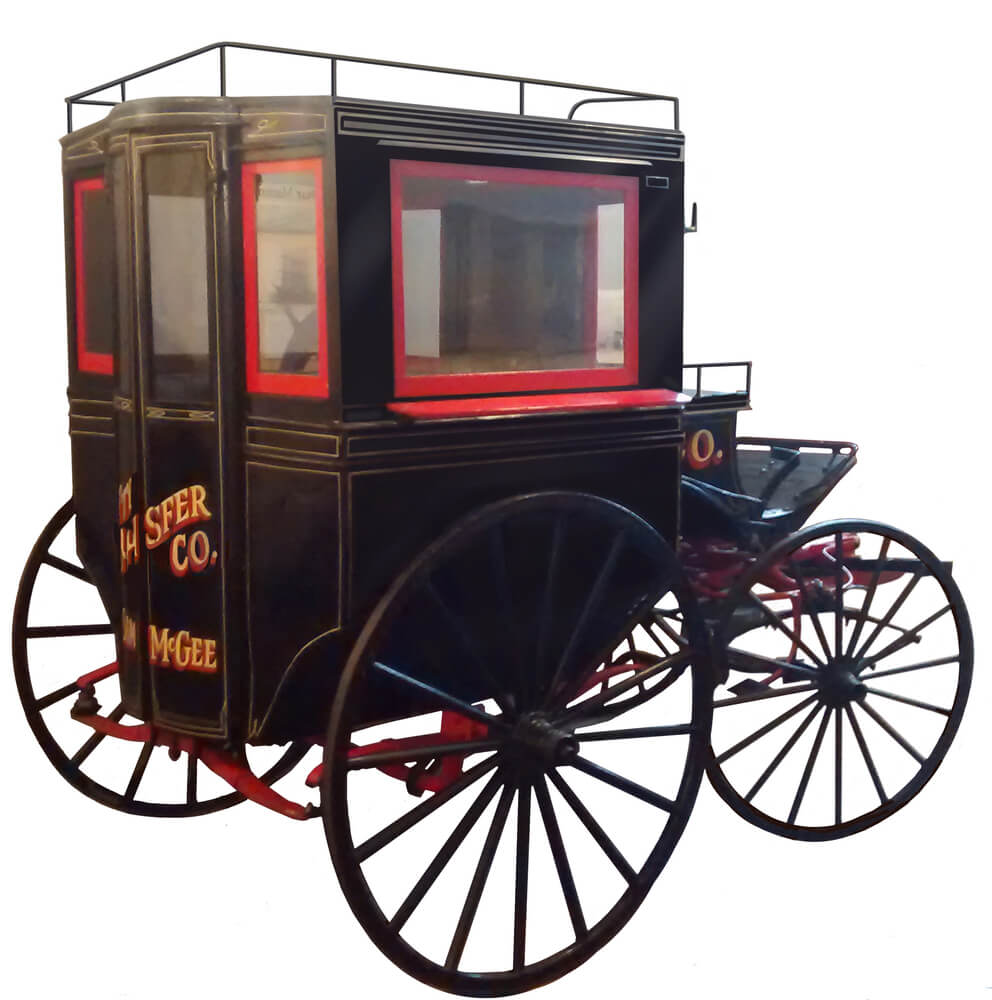
Door-to-door delivery of milk and other dairy products began in the late 1800s. Because milk spoiled quickly and homes had no mechanical refrigerators, fresh bottles were delivered daily.
By the turn of the twentieth century, bottled milk was reaching urban customers by horse-drawn wagon every morning. Horse-drawn dairy delivery continued well into the twentieth century.
The Meadow Brook Dairy Wagon
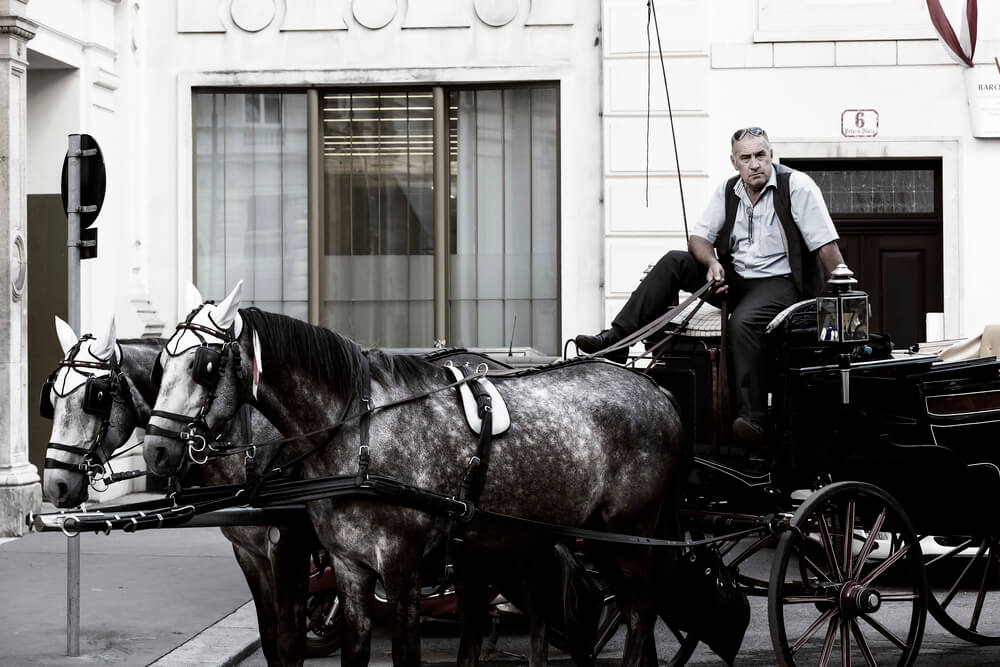
A delivery wagon used by O. O. Ott’s Meadow Brook Dairy Farm around 1912 to 1913 shows how a single dairy served its own customers. Horse-drawn dairy delivery wagons like it were used well into the twentieth century, bringing fresh bottles daily because milk spoiled quickly.
Gridley Dairy of Milwaukee
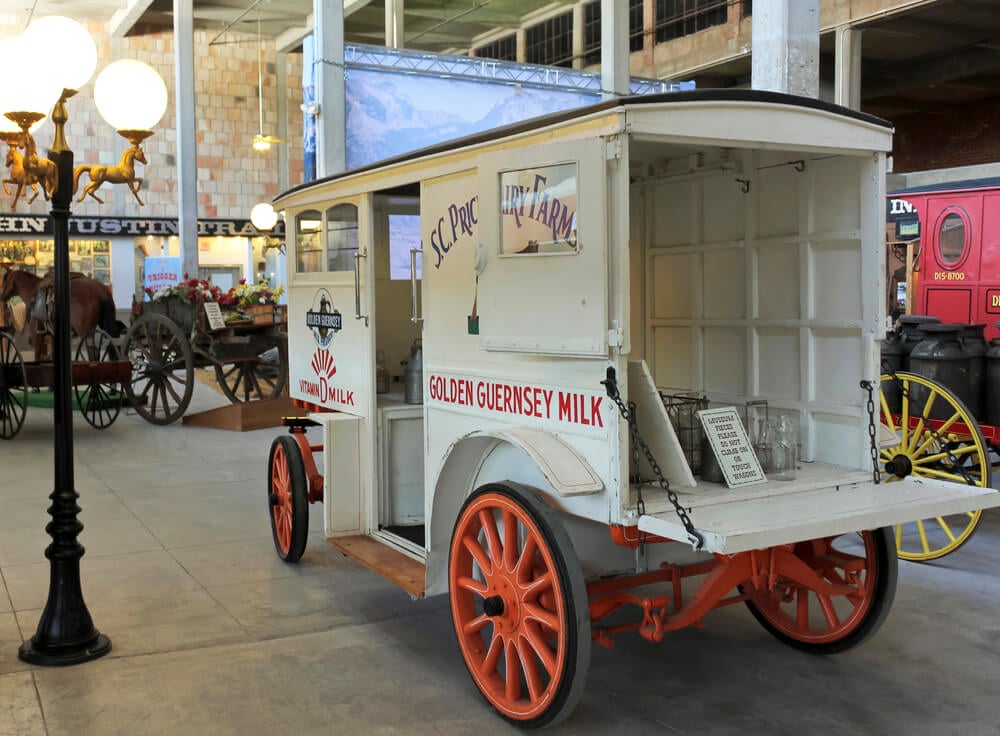
A 1908 photograph of a horse-drawn milk wagon from the Gridley Dairy in Milwaukee captures a common scene. The company was the state’s top butter manufacturer, and its wagons delivered across the city.
Refrigerated trucks would only become affordable later, so wagons like this stayed common until the 1930s.
The Ice Wagon
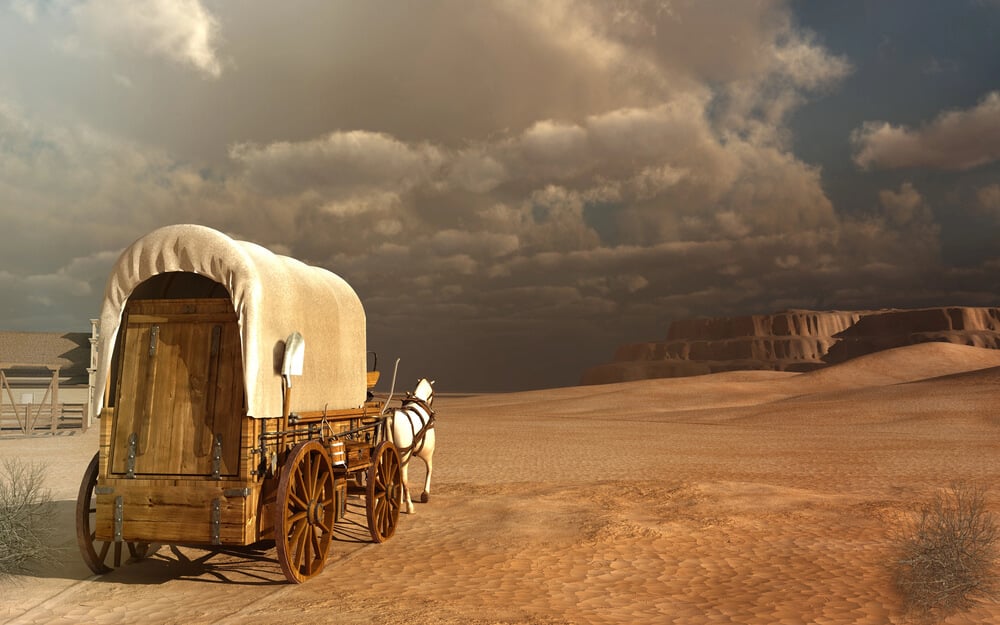
Ice companies stored harvested ice in insulated sheds and delivered frozen blocks to customers in horse-drawn insulated wagons. In Milwaukee, much of the ice was harvested from nearby lakes such as Okauchee Lake.
Before mechanical home refrigerators, the ice wagon kept household food from spoiling.
The Beer Wagon
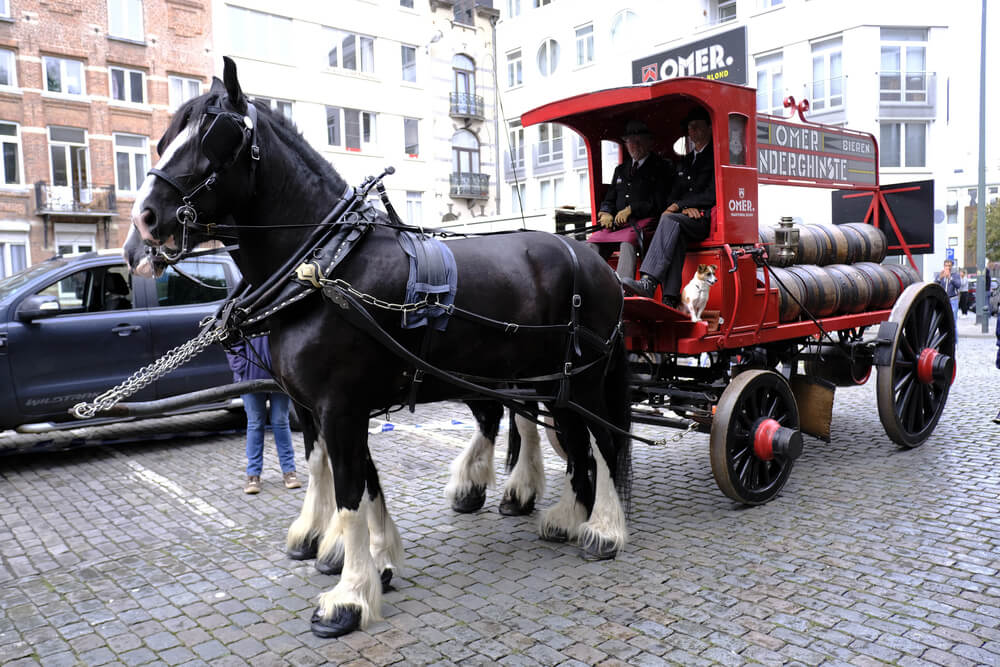
— Photo by Ale_Mi
During the late nineteenth and early twentieth centuries, horse-drawn beer wagons were familiar sights in American cities. Cleveland’s Standard Brewing Company says trucks had replaced its horse-drawn beer wagons by 1912.
Standard Brewing’s Belgians
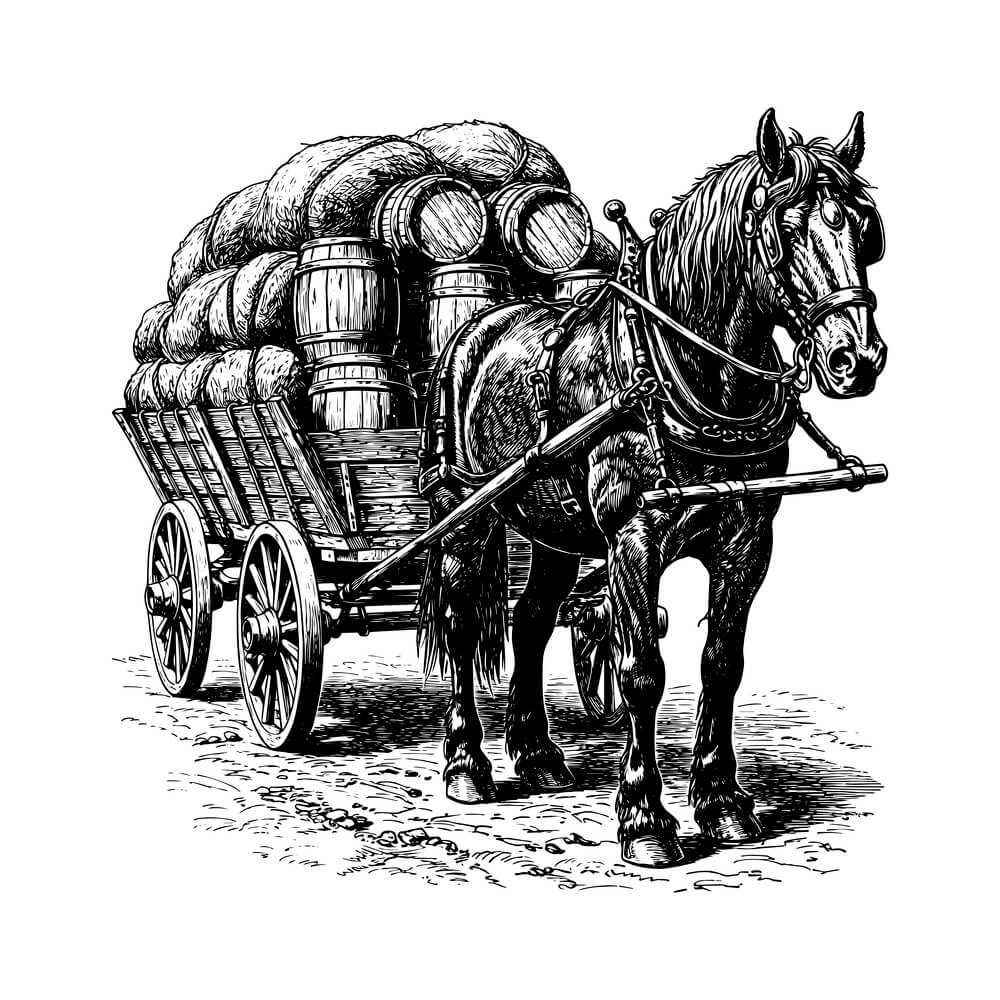
On January 8, 1942, Cleveland’s Standard Brewing Company sent its red roan Belgian horses, Doc and Don, through icy downtown streets to make deliveries. The company had used the horses mainly for advertising after trucks replaced beer wagons, but wartime rubber constraints limited truck use.
During Prohibition, the brewery had sold ice cream and soft drinks, returning to beer in 1933.
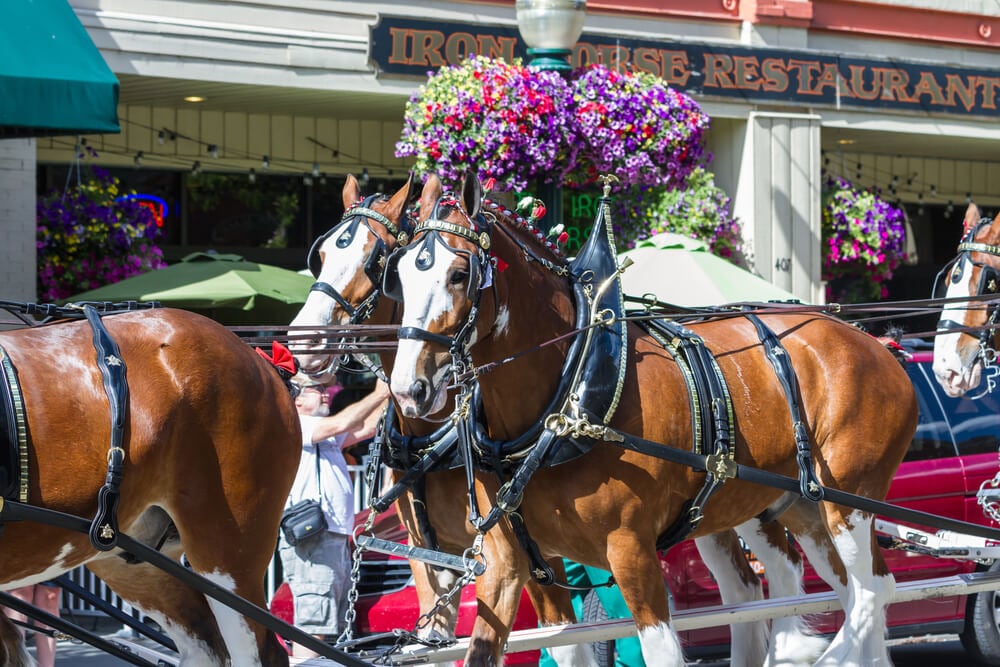
The Budweiser Clydesdales
— Photo by wollertz
The Budweiser Clydesdales first appeared on April 7, 1933, the day Prohibition ended, as a gift from August A. Busch Jr. to his father.
The team hauled a wagon of beer to New York, where a case was delivered to former governor Alfred Smith, then went on to Washington to deliver a case to President Franklin D. Roosevelt on Pennsylvania Avenue. The horses became a permanent advertising fixture.
A Grocery Wagon
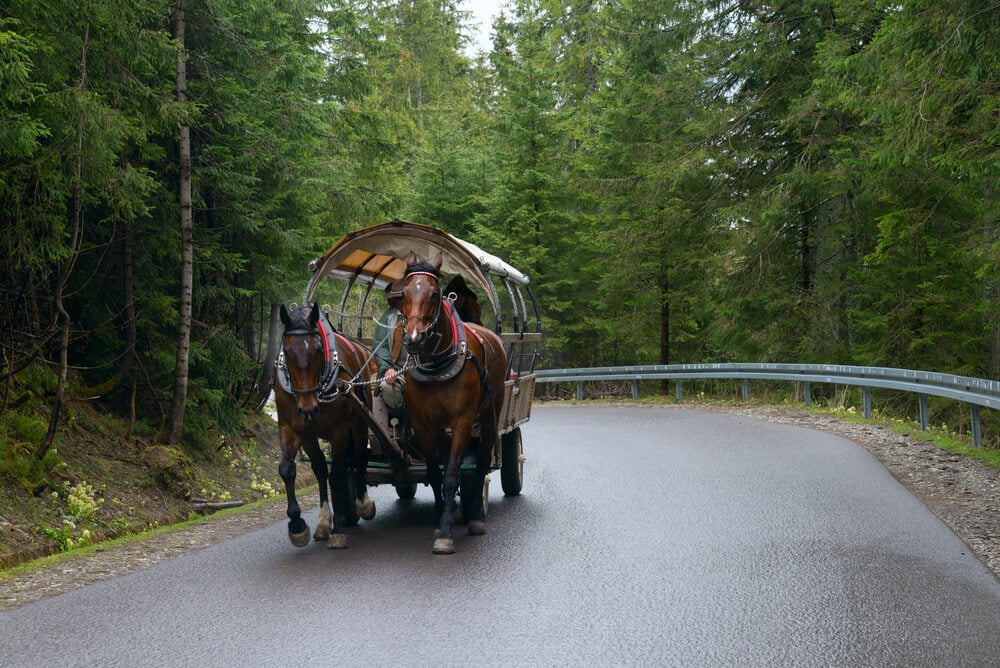
A photograph from around 1900 in The Henry Ford’s collection shows a horse-drawn wagon used to deliver groceries, parked outside a grocery store. Before automobiles became practical, America relied on horses to move people, freight, money, and information.
The wagon was one small part of that system.
The Horse’s Feed Bill
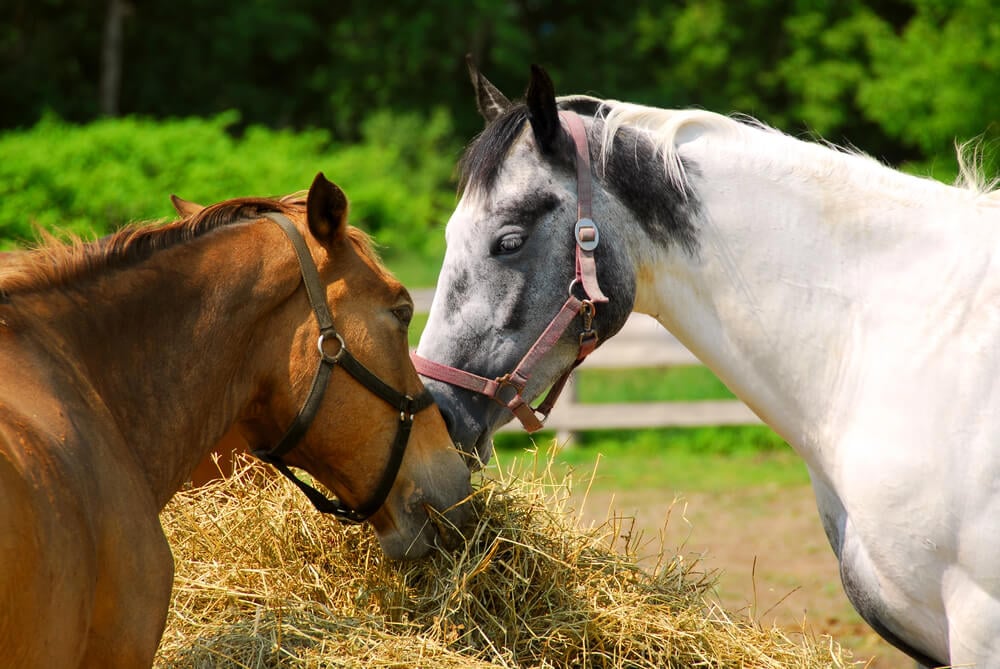
Horses required a great deal of feed, care, cleaning, and special equipment, which made them hard to keep against motorized delivery trucks, according to The Henry Ford. By the 1920s the writing was on the wall for equine delivery operations.
Even so, wagons lingered in smaller towns, where milk, ice, and produce still arrived behind a horse.
The Rural Mail Wagon
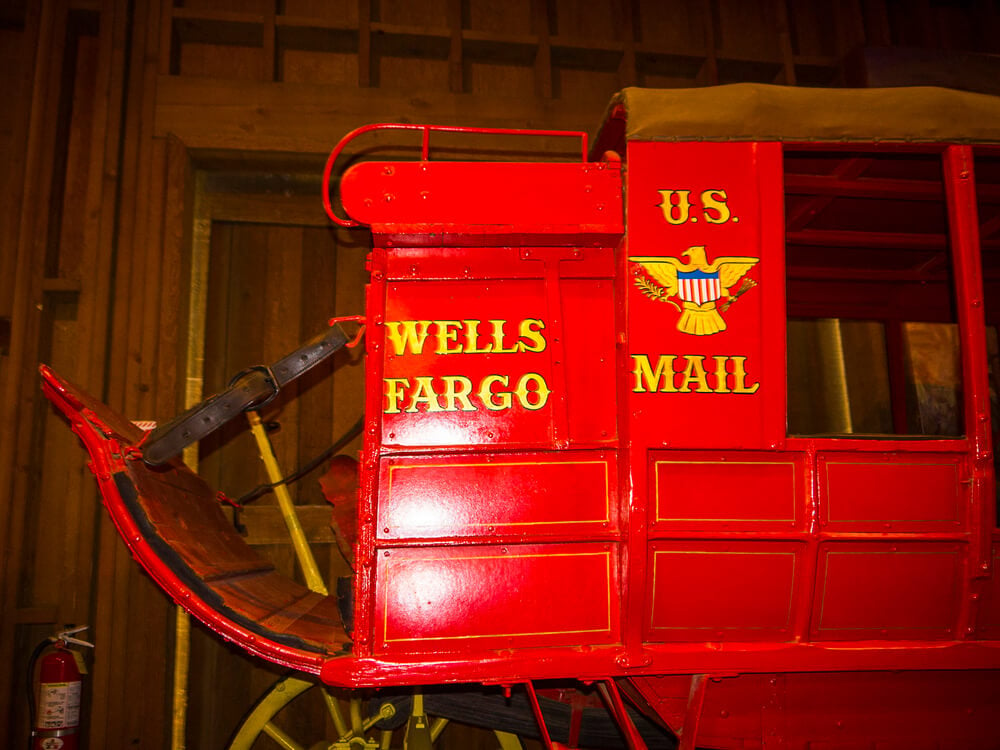
Rural mail carriers often bought their own horse-drawn wagons, and one lightweight mail wagon used by August Edinger of Kimmswick, Missouri, was replaced in 1925 by a Ford Model T. To manage their routes, carriers favored wagons with a cash box, a foot-warmer, and a small sorting desk.
The wagon was a carrier’s office on wheels, moving mail to places railroads never reached.
Milk Cans by Rail
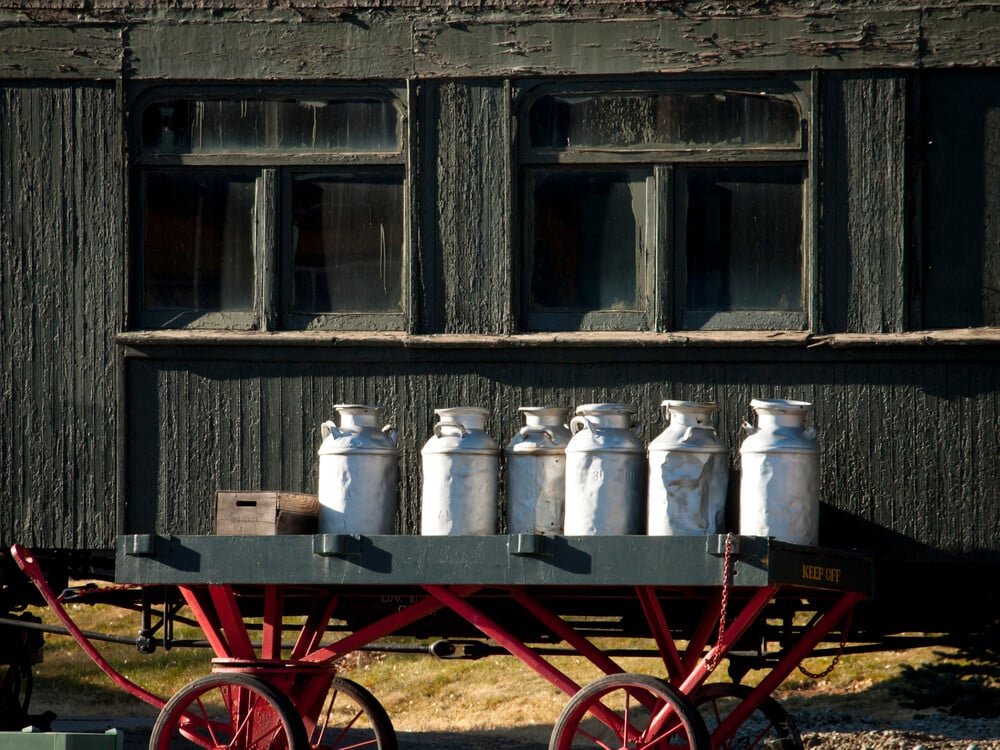
— Photo by urban_light
Moving milk from countryside farms to city processors was beyond what horse-drawn vehicles could manage, so railroads carried it in 10-gallon cans. Milk cars ran with fast passenger trains to avoid spoilage and usually had no ice bunkers.
By the late 1920s, tank trucks took over the farm-to-processor job.
The Truck That Replaced Sixteen Horses
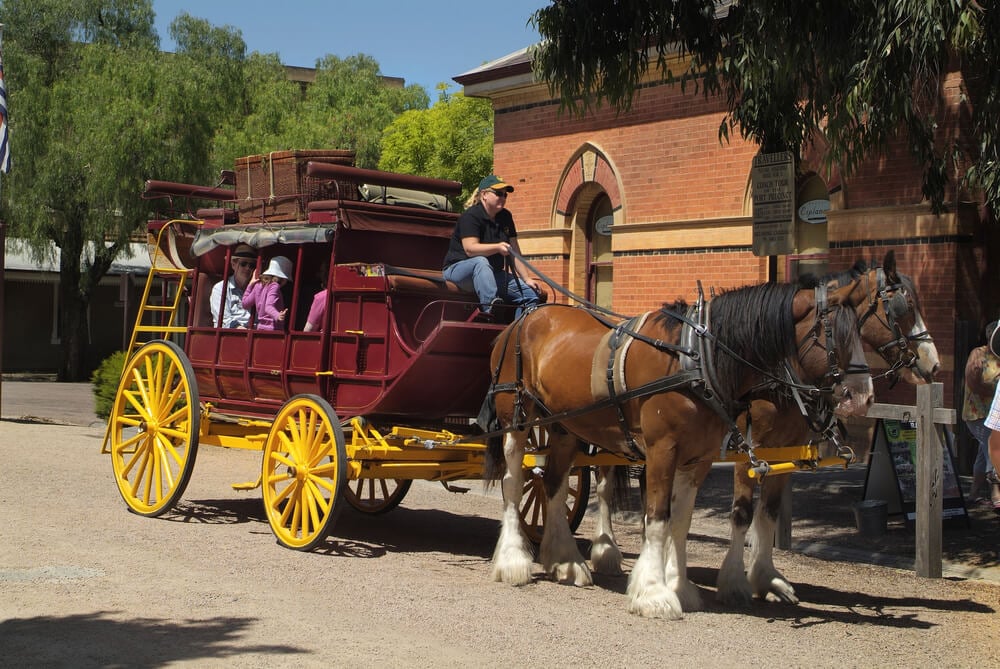
A 1919 General Motors truck advertisement claimed that one truck with one driver could displace 16 horses, four drivers, and four wagons. Trucks were more costly up front but cheaper to operate and maintain over time.
As roads improved, horse-drawn delivery wagons simply could not compete.
The Pace of the Horse
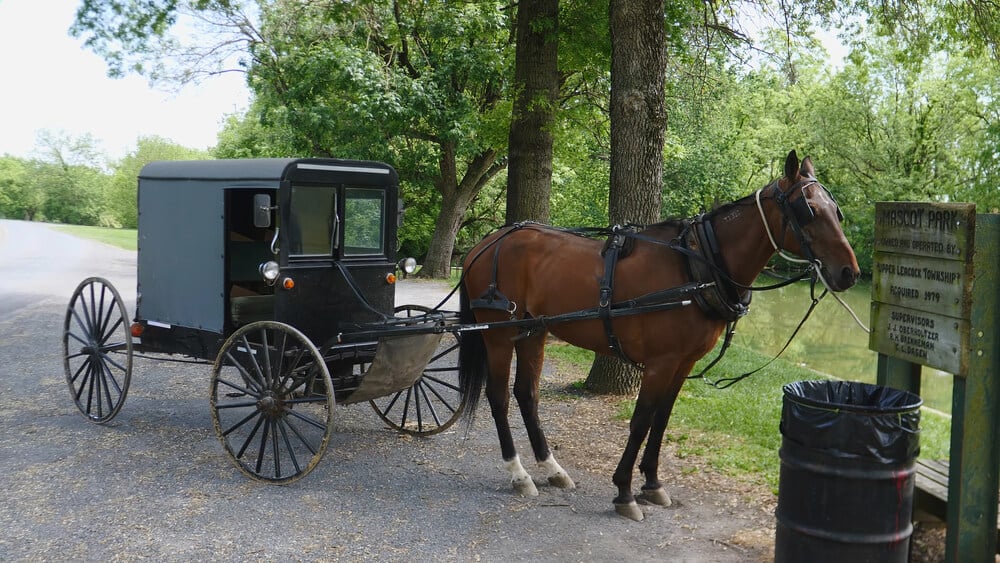
Horses set the rhythm of daily delivery. Their routes were short, their schedules fixed, and their owners were familiar faces on every street.
When trucks arrived, they offered speed and economy that horses could not match. Yet the wagons lingered into the 1920s and beyond in smaller towns, and photographs of them preserve a slower way of moving goods through the neighborhood.
More from Go2Tutors!

- 27 Silver Dollars and Half Dollars Worth Keeping
- 28 Restaurant Menu Items Nobody Orders Anymore
- 17 Places Built in Seemingly Impossible Spots
- 27 Vintage Rings Worth More Than They Look
- 25 Restricted Sites Tourists Can’t Enter
Like Go2Tutors’s content? Follow us on MSN.