16 Natural Disasters That Revealed Hidden Civilizations
Sometimes the most devastating events in human history become unexpected gifts to archaeology. Natural disasters that buried entire cities and civilizations also preserved them in remarkable detail, creating time capsules that archaeologists have discovered centuries or millennia later.
These catastrophic events froze moments in time, offering us unprecedented glimpses into how ancient peoples lived, worked, and died. Here’s a list of 16 natural disasters that inadvertently became some of archaeology’s greatest treasure troves.
Mount Vesuvius and Pompeii
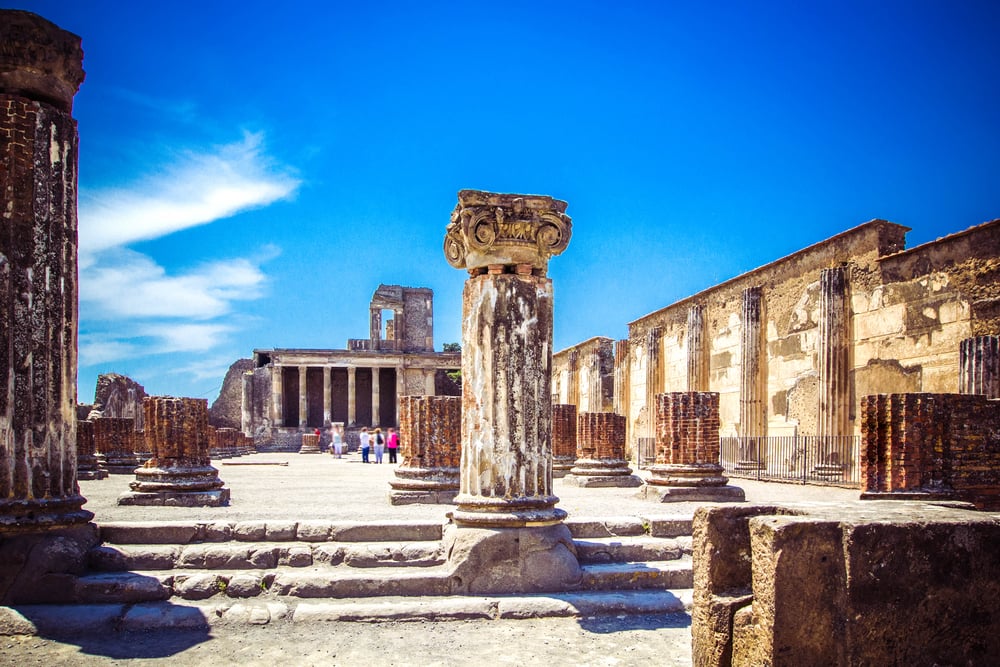
The eruption of Mount Vesuvius in 79 AD didn’t just destroy Pompeii—it created one of the most complete archaeological sites ever discovered. The volcanic ash and pumice buried the city so quickly that it preserved everything from bread still in ovens to the final moments of residents trying to escape.
When archaeologists began systematic excavations in the 18th century, they found an entire Roman city frozen in time, complete with graffiti on walls, mosaics intact, and even the shapes of victims preserved in hardened ash.
The Great Lisbon Earthquake and Tsunami
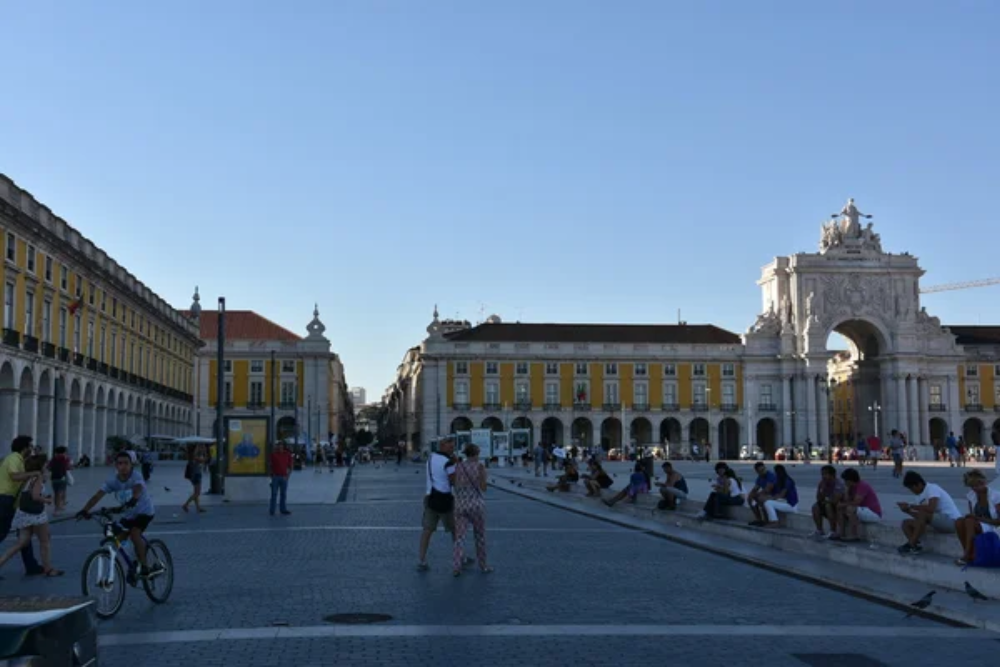
The massive earthquake that struck Lisbon in 1755 was followed by a devastating tsunami that revealed ancient Roman and Moorish structures previously hidden beneath the medieval city. As the waters receded, archaeologists discovered extensive Roman ruins, including baths, mosaics, and foundations that had been buried for over a thousand years.
The disaster essentially peeled back layers of history, exposing multiple civilizations that had built one on top of another.
Hurricane Mitch and Mayan Sites
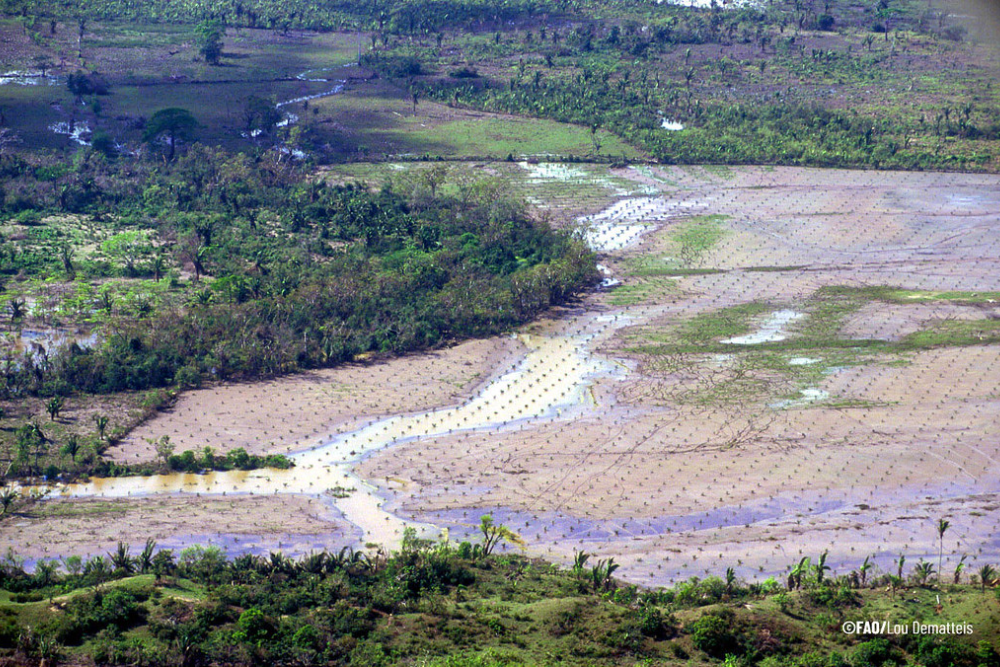
When Hurricane Mitch tore through Central America in 1998, its powerful winds and floods stripped away centuries of jungle growth from numerous Mayan archaeological sites. The storm revealed previously unknown temples, plazas, and residential areas that had been completely hidden by dense vegetation.
In Honduras and Guatemala, archaeologists suddenly had access to sites that would have taken decades to uncover through traditional jungle clearing methods.
The 2004 Indian Ocean Tsunami
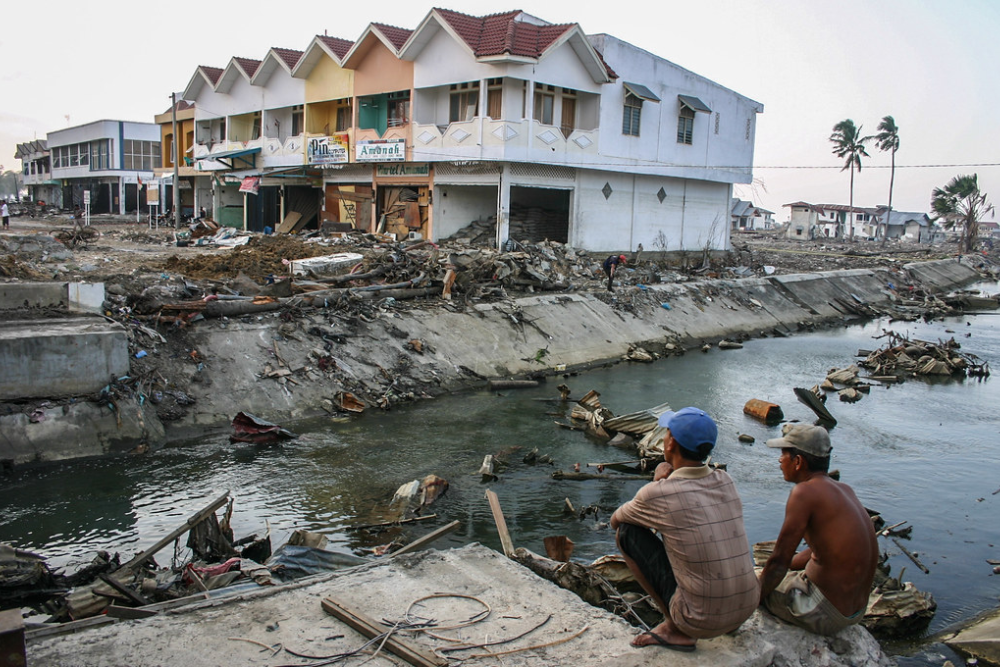
The devastating tsunami that struck Southeast Asia in 2004 had an unexpected archaeological benefit along the coasts of India and Sri Lanka. As the massive waves receded, they revealed ancient port cities, temple complexes, and stone structures that had been buried under sand for centuries.
Near Mamallapuram in India, the tsunami exposed rock carvings and structural remains of what appears to be a lost port city described in ancient texts.
Mount Thera and Akrotiri
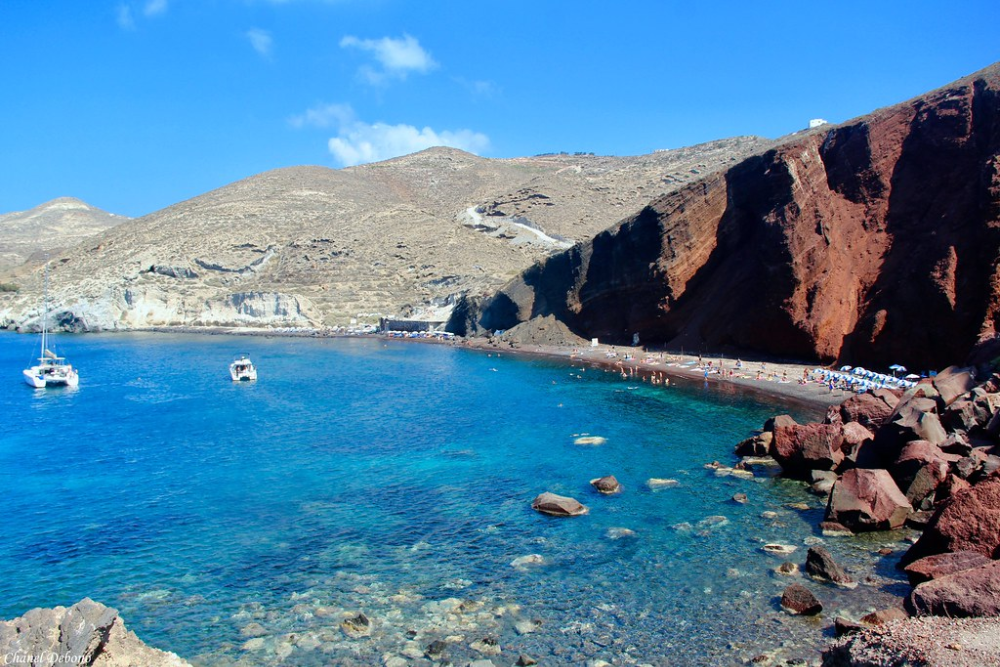
The volcanic eruption of Thera (modern-day Santorini) around 1600 BC buried the Minoan settlement of Akrotiri under layers of volcanic ash. This Bronze Age disaster preserved the city so well that archaeologists have found multi-story buildings with intact frescoes, pottery, and even plumbing systems.
The site provides an incredibly detailed picture of Minoan civilization at its height, showing sophisticated urban planning and artistic achievement.
The Johnstown Flood Discovery
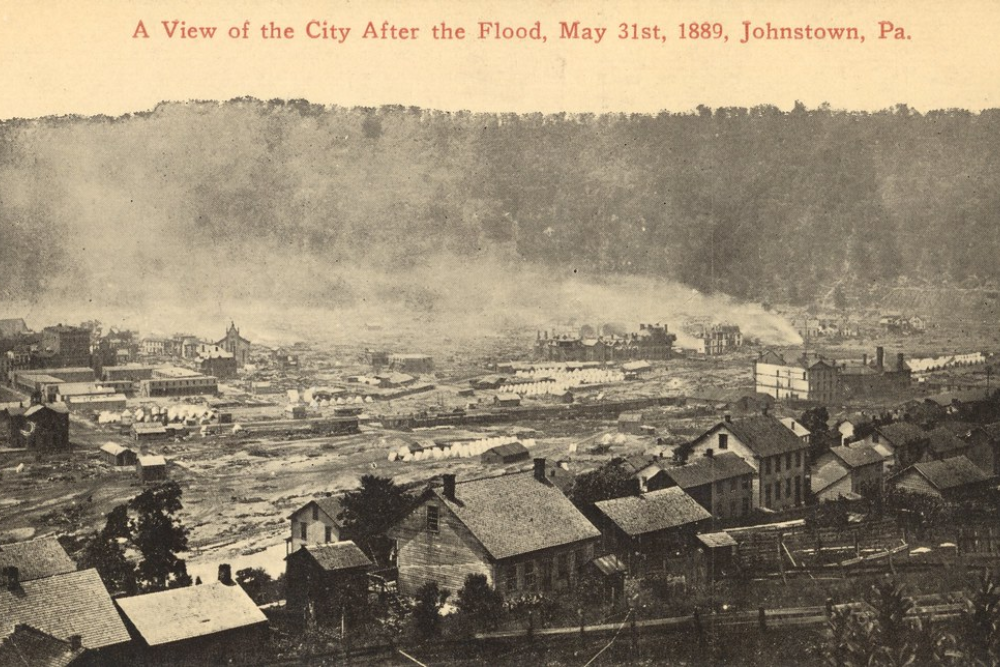
The Great Johnstown Flood of 1889 in Pennsylvania, while primarily remembered for its human tragedy, also scoured away sediment and debris to reveal Native American archaeological sites along the river valleys. The flood’s powerful waters exposed stone tools, pottery fragments, and settlement remains that had been buried for centuries.
These discoveries provided valuable insights into the pre-Columbian inhabitants of the region.
Mount Pelee and Saint-Pierre
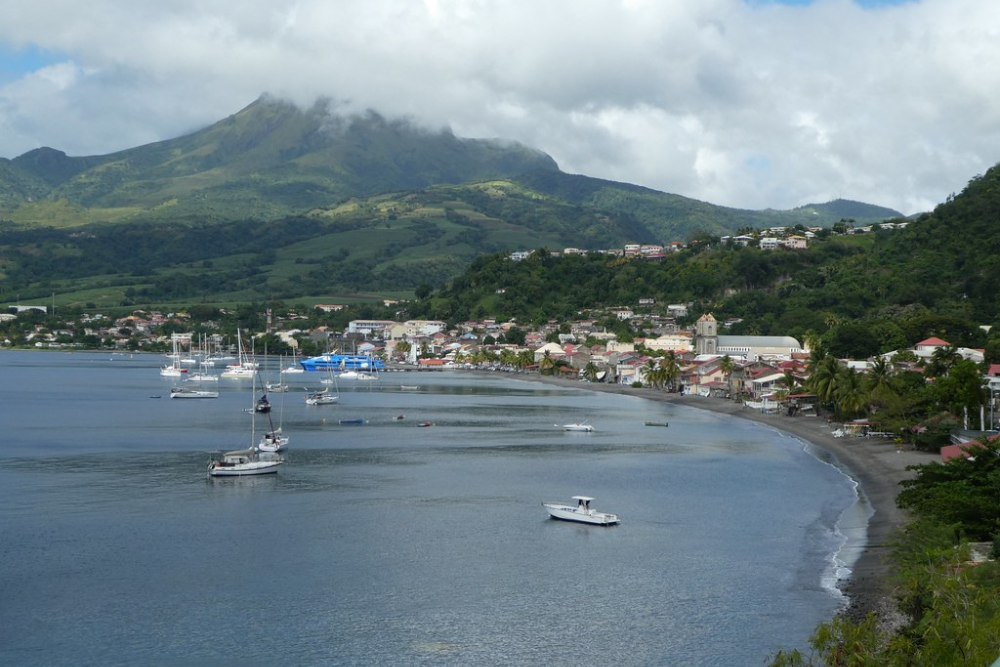
The eruption of Mount Pelee in 1902 destroyed the city of Saint-Pierre in Martinique, but it also preserved important colonial-era structures and artifacts. Archaeological excavations in the decades following the disaster revealed well-preserved examples of French colonial architecture, ceramics, and daily life items that provided detailed information about Caribbean colonial society.
The volcanic deposits created a protective layer that kept these materials in excellent condition.
The Great Galveston Hurricane
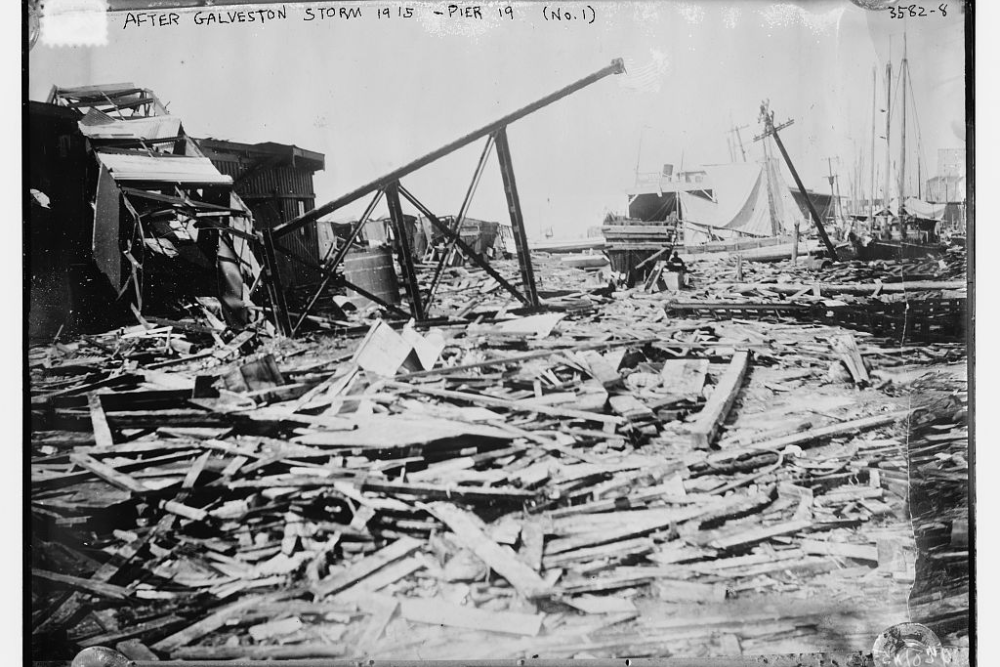
The devastating hurricane that struck Galveston, Texas, in 1900 caused a massive storm surge and flooding that revealed previously unknown 19th-century shipwrecks and coastal settlements. The storm’s powerful waters shifted enormous amounts of sand and sediment, exposing archaeological sites that had been buried along the Gulf Coast.
These discoveries included remnants of early Texas settlements and evidence of pre-Columbian Native American coastal communities.
Cyclone Tracy and Aboriginal Sites
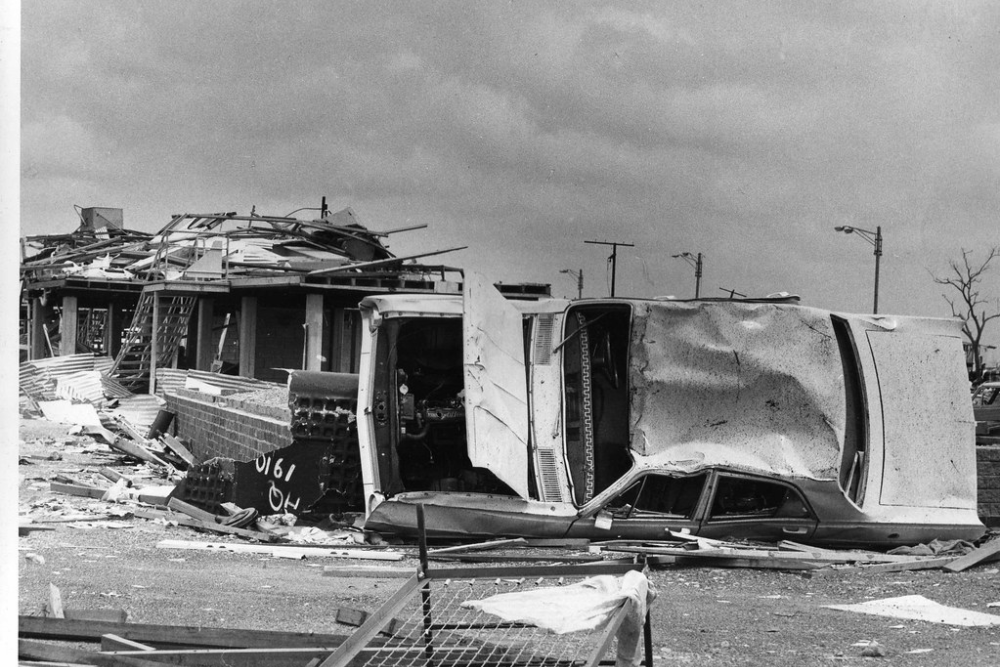
Cyclone Tracy, which devastated Darwin, Australia, in 1974, stripped away vegetation and topsoil across large areas of the Northern Territory. This environmental disruption revealed numerous Aboriginal archaeological sites, including rock art galleries, tool-making locations, and ancient campsites that had been hidden by dense tropical vegetation.
The cyclone essentially created a natural archaeological survey of the region.
The Dust Bowl Revelations
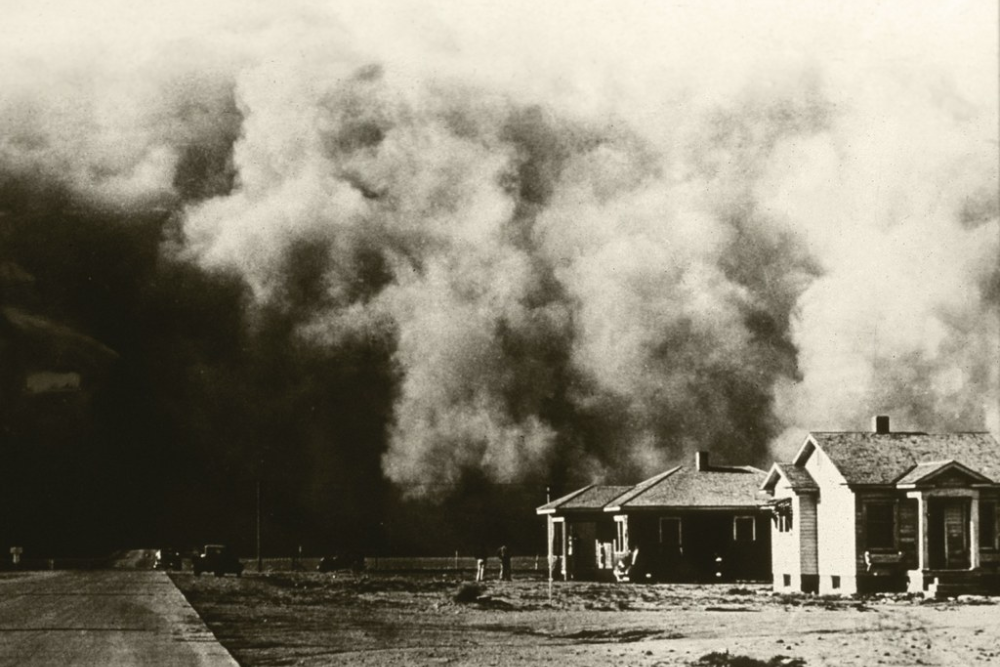
The severe drought and dust storms of the 1930s American Dust Bowl, while primarily an agricultural disaster, also exposed numerous archaeological sites across the Great Plains. As topsoil blew away, previously buried Native American villages, burial sites, and tool caches became visible on the surface.
These discoveries provided important information about Plains Indian cultures and their adaptation to the prairie environment.
Mount Tambora and Indonesian Sites
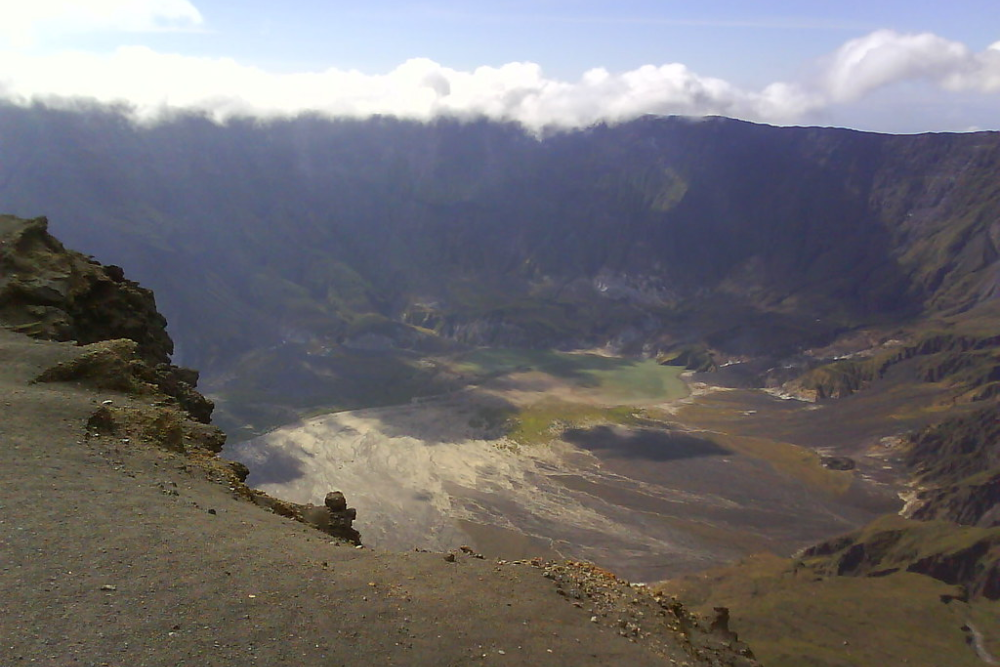
The massive eruption of Mount Tambora in 1815 buried numerous settlements on the Indonesian island of Sumbawa under thick layers of volcanic ash. Recent archaeological excavations have revealed remarkably well-preserved villages, complete with wooden houses, pottery, and agricultural tools.
The volcanic deposits created conditions similar to those at Pompeii, preserving organic materials that normally would have decomposed in the tropical climate.
Hurricane Katrina’s Archaeological Impact
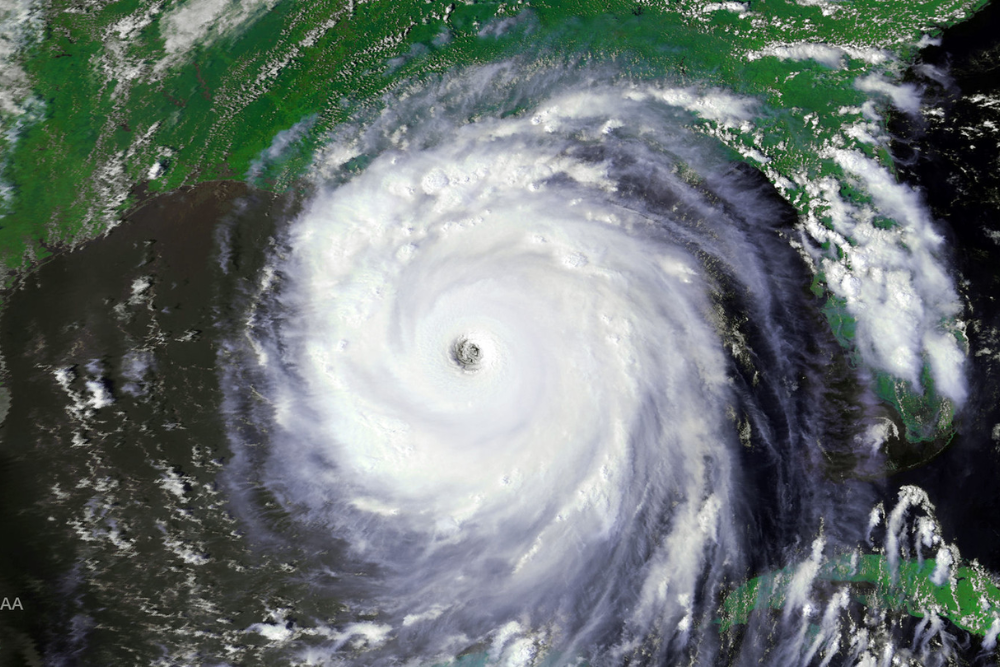
Hurricane Katrina in 2005 caused extensive flooding and land changes along the Gulf Coast that revealed numerous archaeological sites. The storm surge and subsequent erosion exposed shipwrecks, Native American shell middens, and early colonial settlements that had been buried under sediment.
In some areas, the hurricane’s impact was so significant that it essentially reset the archaeological landscape, making previously inaccessible sites suddenly available for study.
The Great Chicago Fire Discoveries
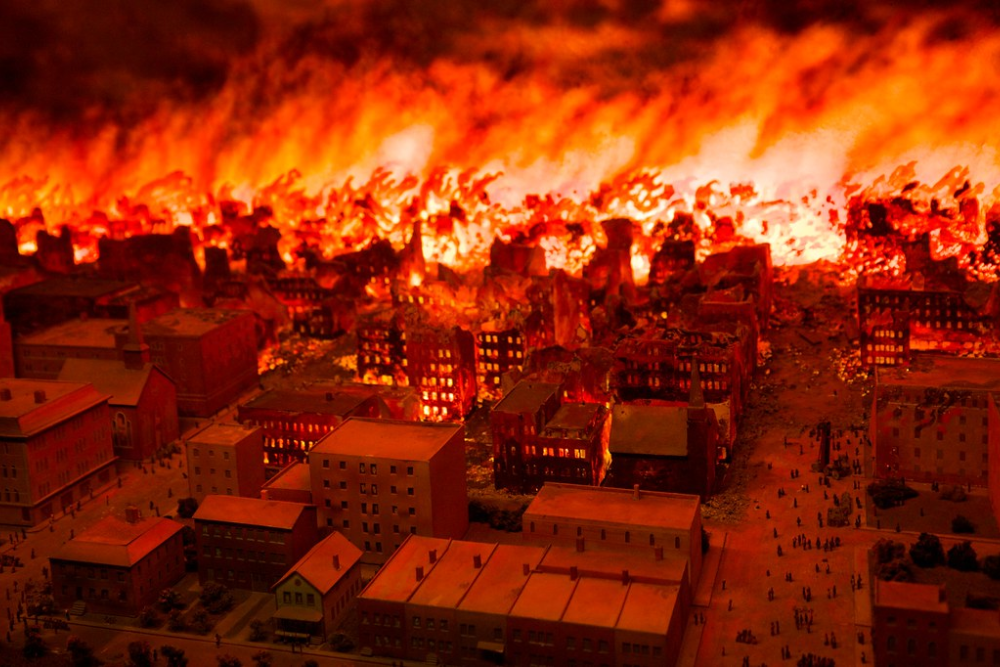
The Great Chicago Fire of 1871, while devastating to the city, created opportunities for archaeological discovery during the rebuilding process. As workers cleared debris and dug new foundations, they uncovered evidence of the area’s pre-fire history, including remnants of Fort Dearborn and artifacts from early Chicago’s development.
The fire essentially provided a clean slate that allowed archaeologists to study the city’s early layers.
Typhoon Haiyan and Philippine Sites
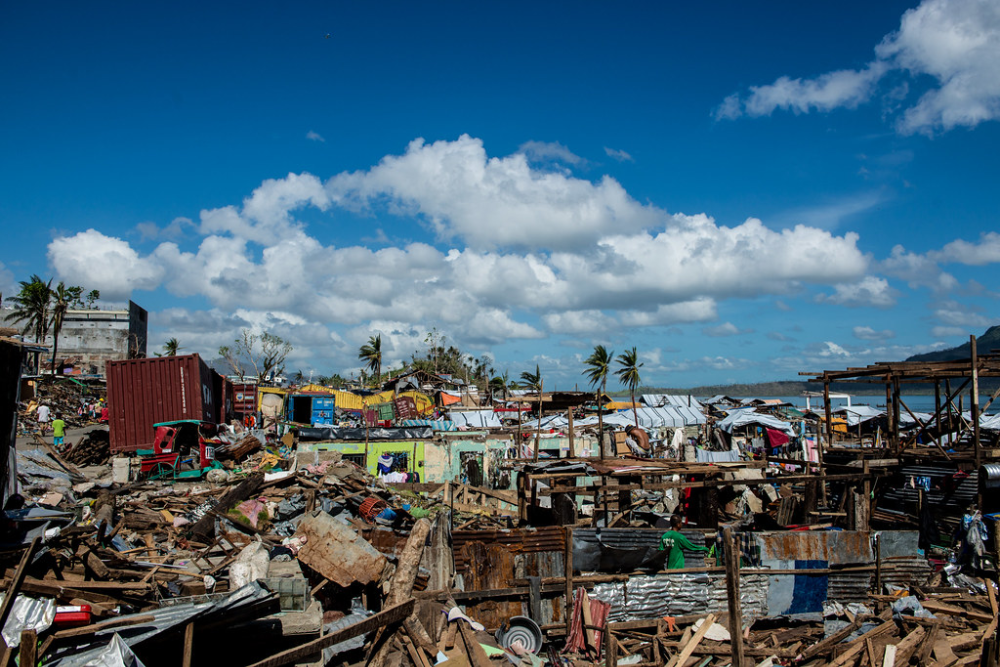
Super Typhoon Haiyan in 2013 caused massive destruction across the Philippines, but it also revealed important archaeological sites that had been hidden by vegetation and coastal sediments. The storm’s powerful winds and storm surge exposed ancient burial sites, pottery kilns, and settlement remains that provided new insights into pre-colonial Filipino cultures.
The typhoon’s impact was so extensive that it uncovered sites across multiple islands.
The New Madrid Earthquakes
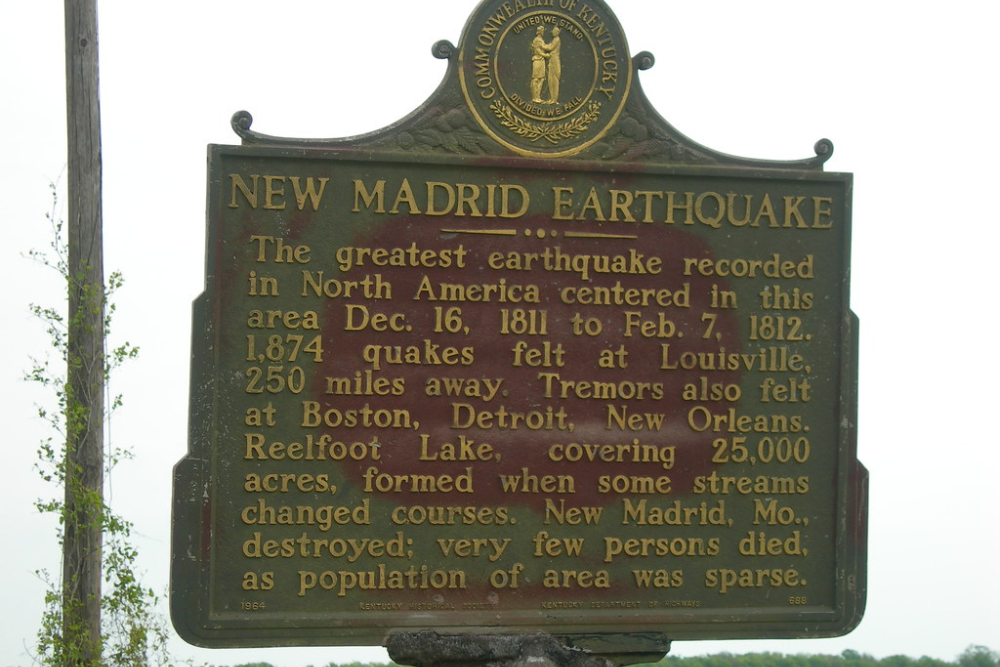
The series of powerful earthquakes that struck the central United States in 1811-1812 caused significant landscape changes that revealed numerous Native American archaeological sites. The earthquakes altered river courses, created new lakes, and exposed previously buried cultural deposits along the Mississippi River valley.
These geological changes provided archaeologists with access to sites that documented thousands of years of Native American occupation.
Mount Unzen and Japanese Villages
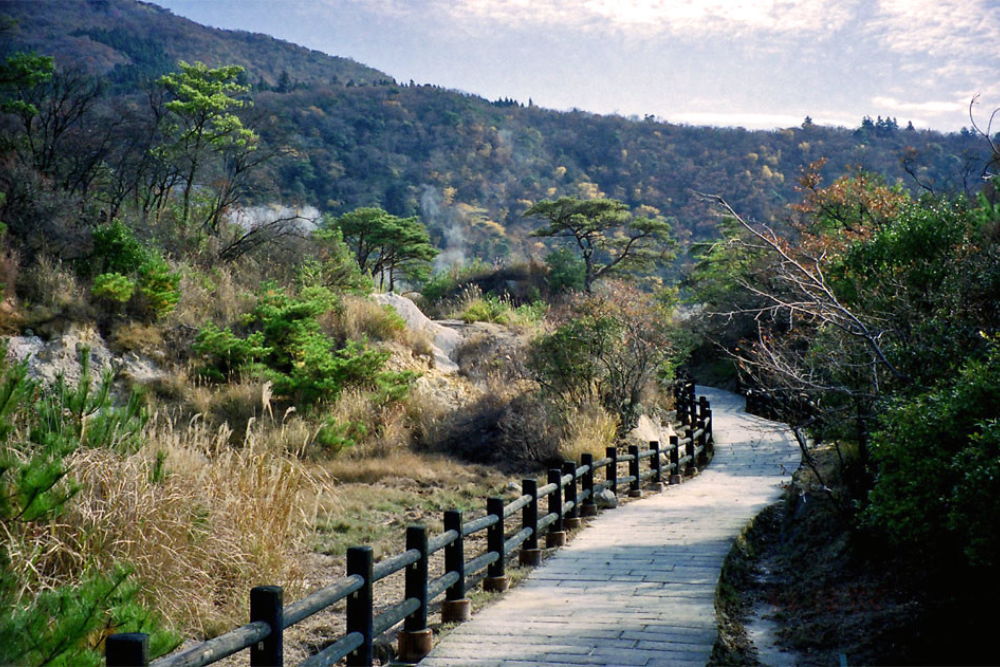
The eruption of Mount Unzen in Japan during the 1990s buried several modern villages but also revealed much older archaeological sites that had been hidden beneath. As volcanic debris was cleared, archaeologists discovered remains of medieval Japanese settlements, including foundations of buildings, pottery, and tools that provided insights into rural Japanese life centuries ago.
The volcanic activity essentially created a stratigraphic sequence that allowed researchers to study multiple time periods in one location.
When Destruction Becomes Discovery
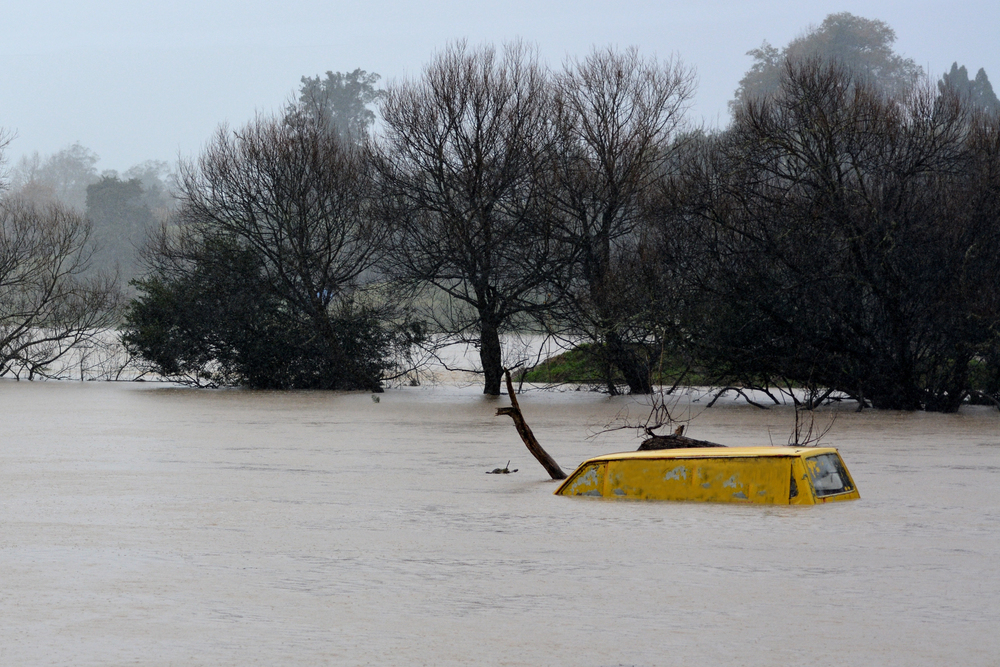
These natural disasters remind us that destruction and discovery often go hand in hand in archaeology. While each of these events caused tremendous human suffering and loss, they also created unique opportunities to understand our past in ways that might never have been possible otherwise.
The preservation conditions created by sudden burial often surpass anything archaeologists could hope to find through conventional excavation. Today’s advanced archaeological techniques allow us to extract maximum information from these disaster-revealed sites, ensuring that the civilizations lost to natural catastrophes continue to teach us about human resilience and adaptation.
More from Go2Tutors!

- The Romanov Crown Jewels and Their Tragic Fate
- 13 Historical Mysteries That Science Still Can’t Solve
- Famous Hoaxes That Fooled the World for Years
- 15 Child Stars with Tragic Adult Lives
- 16 Famous Jewelry Pieces in History
Like Go2Tutors’s content? Follow us on MSN.