15 Rainforests Scientists Are Still Exploring
Deep in the world’s most remote corners, vast stretches of rainforest remain as mysterious today as they were centuries ago. These living laboratories hold secrets that could reshape our understanding of biodiversity, medicine, and evolution itself. While satellites can map every tree from space, the ground-level reality tells a different story—thick canopies hide countless species, and rugged terrain keeps entire ecosystems beyond human reach.
Modern technology has revolutionized forest research, but Mother Nature still guards her most precious treasures fiercely. From the towering dipterocarp trees of Borneo to the mist-shrouded mountains of the Congo Basin, scientists are racing against time to document these biological goldmines before they disappear forever.
Here is a list of 15 rainforests that continue to captivate researchers and yield extraordinary discoveries.
Vale do Javari, Brazil
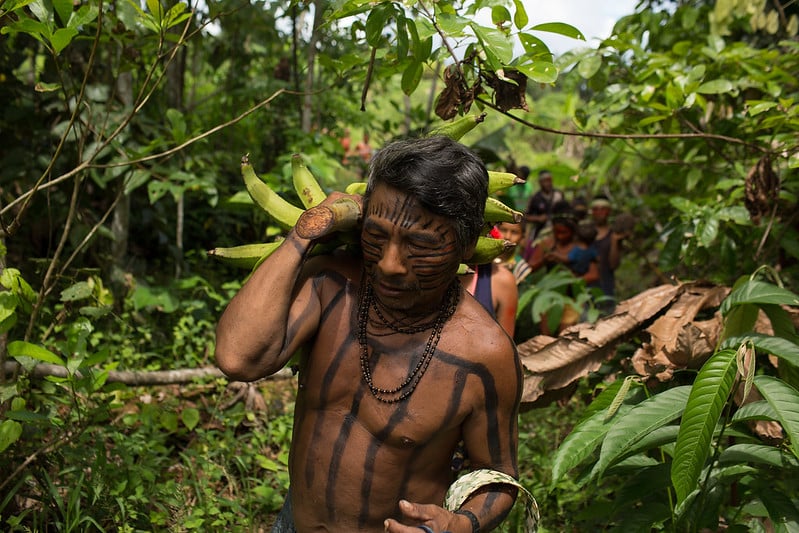
This massive protected area in Brazil’s Amazon spans roughly 33,000 square miles—larger than Austria. Vale do Javari hosts the world’s highest concentration of uncontacted indigenous tribes, and Brazilian law strictly prohibits outsiders from entering without special permission. The region’s isolation has preserved ecosystems that scientists have barely begun to study. Dense jungle and restricted access mean that countless plant and animal species remain unknown to science, making this one of Earth’s last true biological frontiers.
The Heart of Borneo
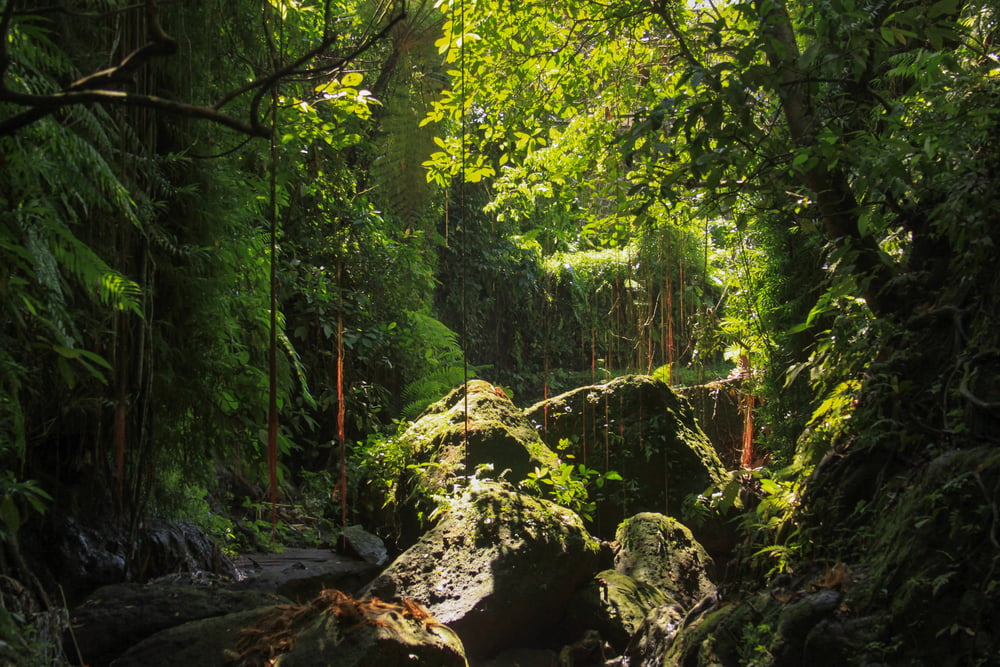
Spanning parts of Malaysia, Indonesia, and Brunei, this 85,000-square-mile region represents one of the world’s most productive discovery zones. Scientists routinely find three new species per month in these ancient forests, which are over 130 million years old. Recent discoveries include a color-changing flying frog and the world’s longest insect. The mountainous terrain and dense canopy create countless microhabitats that shelter species found nowhere else on Earth.
Kabobo Massif, Democratic Republic of Congo
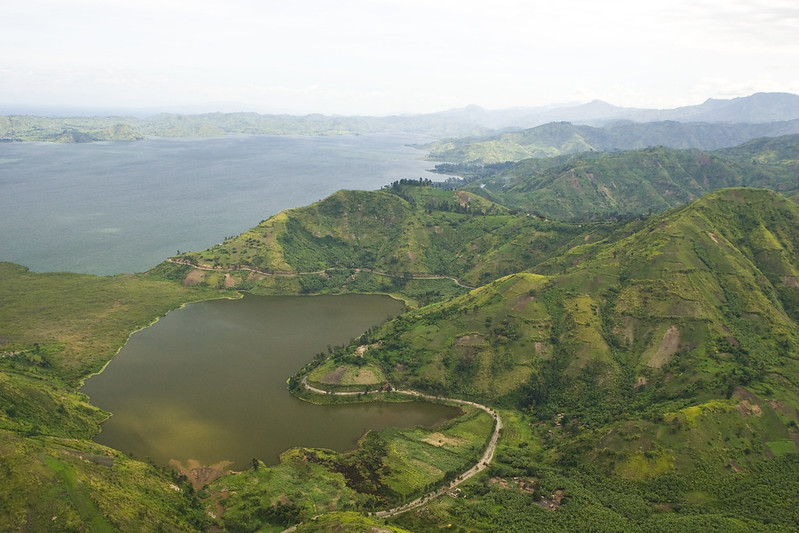
This mysterious mountain range along Lake Tanganyika’s western shore has never received a thorough biological survey. The massif stretches roughly 60 miles and rises to 8,850 feet, creating diverse ecosystems from lowland forest to montane highlands. Scientists believe the area has been isolated for over 10,000 years, providing perfect conditions for unique species to evolve. Recent expeditions have already begun uncovering new species, with researchers expecting many more discoveries in this unexplored wilderness.
Peru’s Alto Mayo Landscape
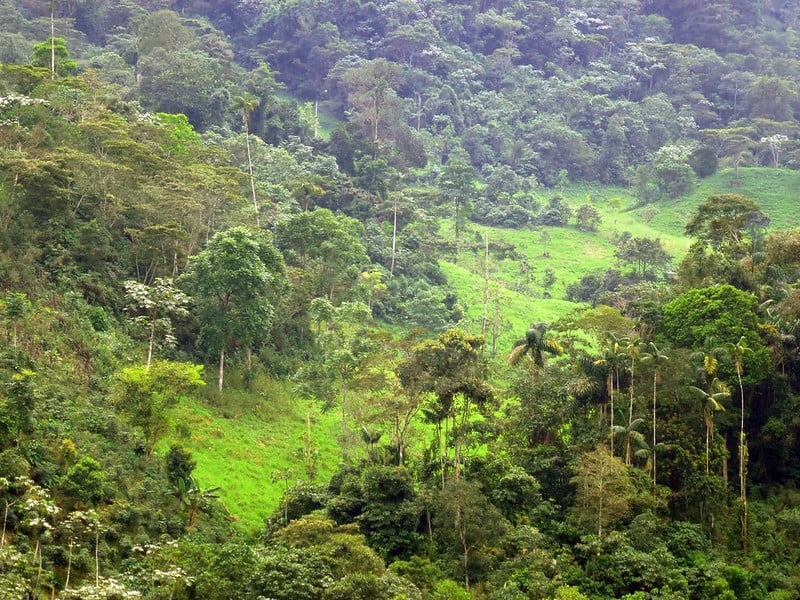
This cloud forest region continues surprising researchers with its biodiversity. A single two-month expedition in 2024 yielded 27 new species, including four mammals previously unknown to science. The area’s elevation changes create multiple climate zones within short distances, from humid lowlands to misty mountain forests. Scientists describe it as a ‘living laboratory’ where evolution has been experimenting for millions of years.
Suriname’s Central Mountains
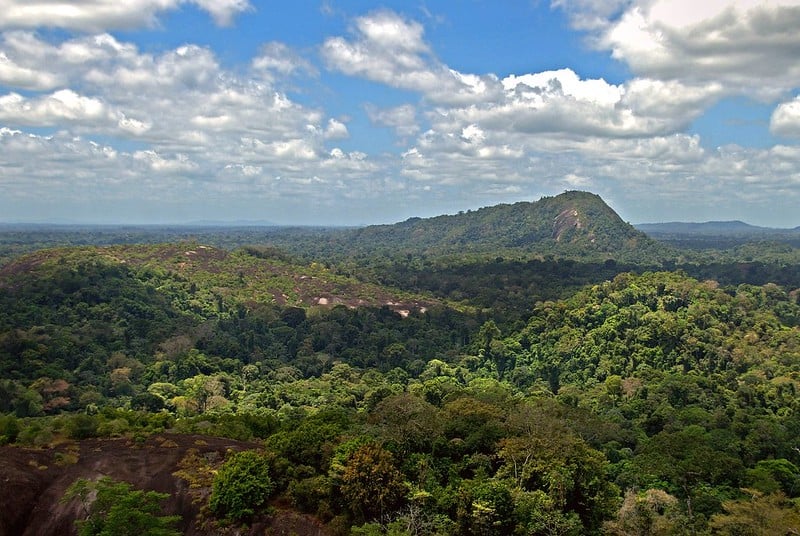
The remote interior mountains of Suriname harbor some of Earth’s most pristine rainforests. A recent expedition discovered 60 new species in these virtually untouched forests, including frogs with unique adaptations and insects with remarkable survival strategies. The region’s isolation from human development has preserved ecosystems that function exactly as they did thousands of years ago. Many areas remain completely inaccessible except by helicopter, keeping vast sections scientifically unexplored.
Congo Basin Central Highlands
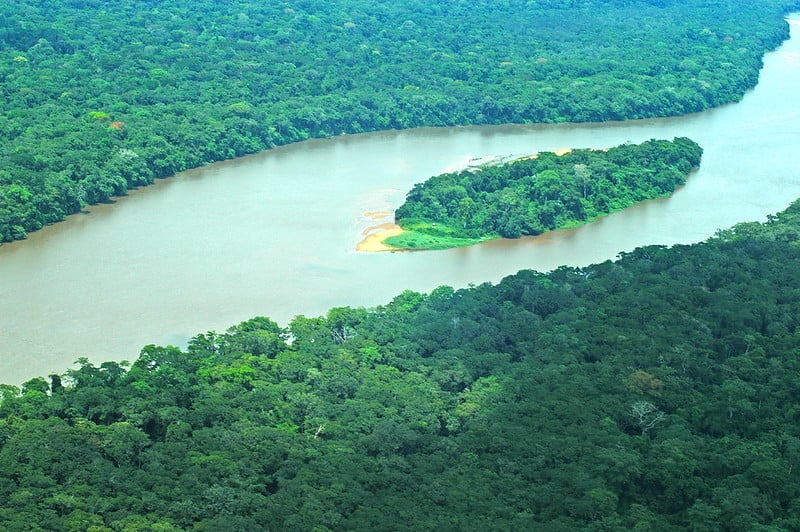
The central regions of Africa’s Congo Basin continue yielding remarkable discoveries. Over the past decade, scientists have documented 742 new species across this vast forest system. The area includes remote mountain ranges and river systems that create isolated pockets of evolution. Many regions remain logistically challenging to reach, requiring weeks of travel through dense forest to access research sites.
Mura Nunka Hills, Ecuador
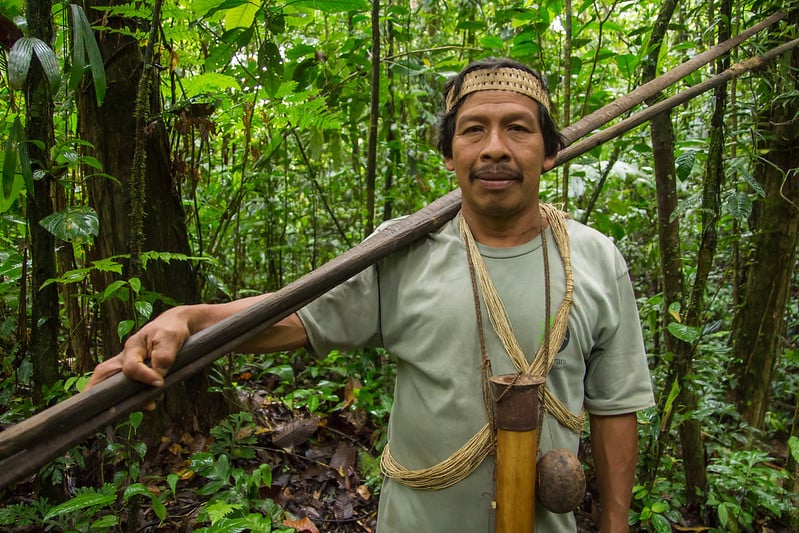
These remote hills in Ecuador’s Amazon represent some of the least explored terrain in South America. The combination of steep terrain and dense vegetation has kept large areas completely off-limits to researchers. Local indigenous communities speak of animal species they’ve observed but that science has never documented. The region’s unique geology creates specialized habitats that likely harbor endemic species waiting for discovery.
Central Kalimantan, Indonesian Borneo
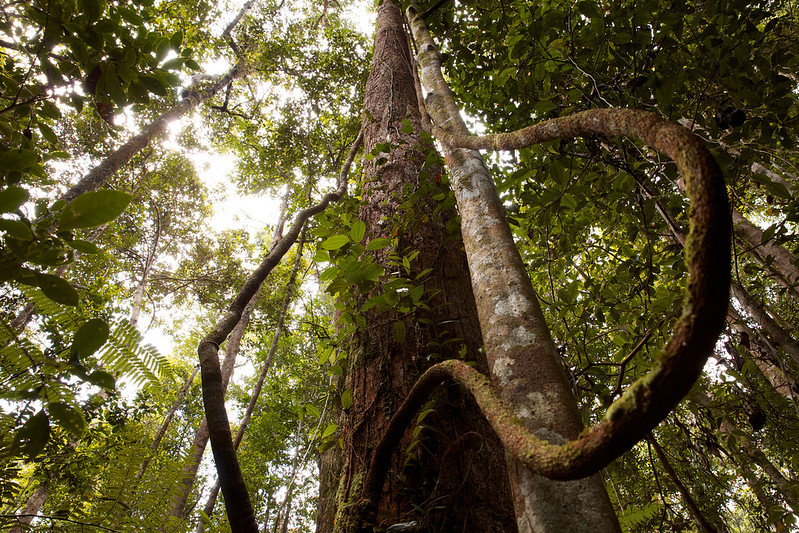
The Indonesian portion of Borneo contains vast unexplored territories, particularly in the mountainous interior. The region’s peat swamp forests and highland areas remain poorly studied due to difficult access and challenging conditions. Scientists estimate that hundreds of species await discovery in these remote forests. The area’s complex river systems create isolated forest islands that have evolved distinct ecological communities.
Cameroon’s Central Mountains
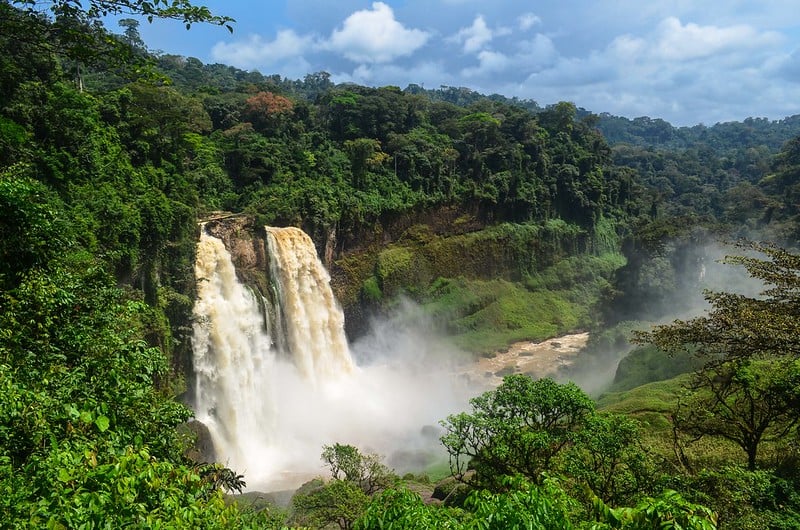
The mountain forests of central Cameroon continue surprising researchers with new species discoveries. These highland areas create unique climate conditions that support specialized plant and animal communities. The steep terrain and dense cloud forests make systematic surveys extremely challenging. Recent discoveries include new species of frogs, reptiles, and plants that have adapted to the mountains’ cool, moist conditions.
Madagascar’s Eastern Rainforests
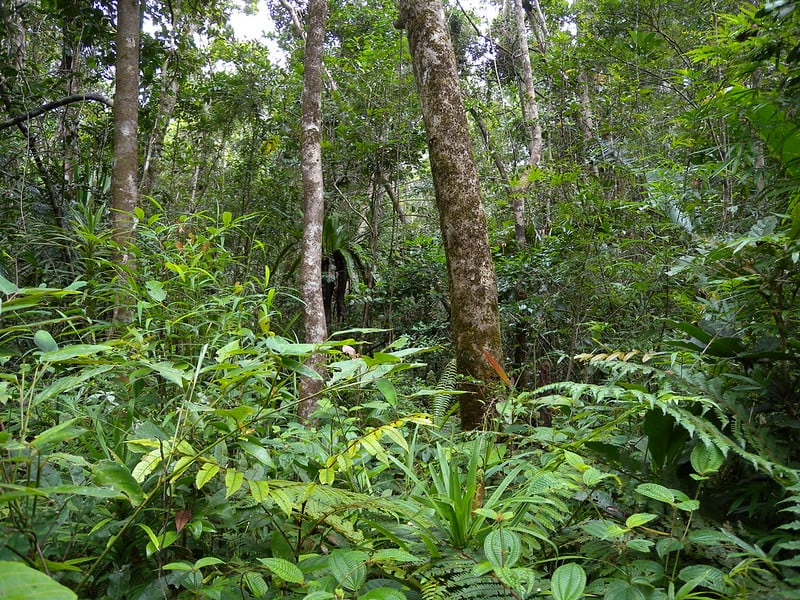
While Madagascar is famous for its unique wildlife, large sections of the eastern rainforests remain scientifically unexplored. The island’s eastern escarpment creates numerous microclimates and isolated valleys that scientists are just beginning to study. New species discoveries happen regularly, with researchers finding animals and plants that evolved nowhere else on Earth. Many remote valleys can only be reached on foot through treacherous terrain.
Papua New Guinea’s Star Mountains
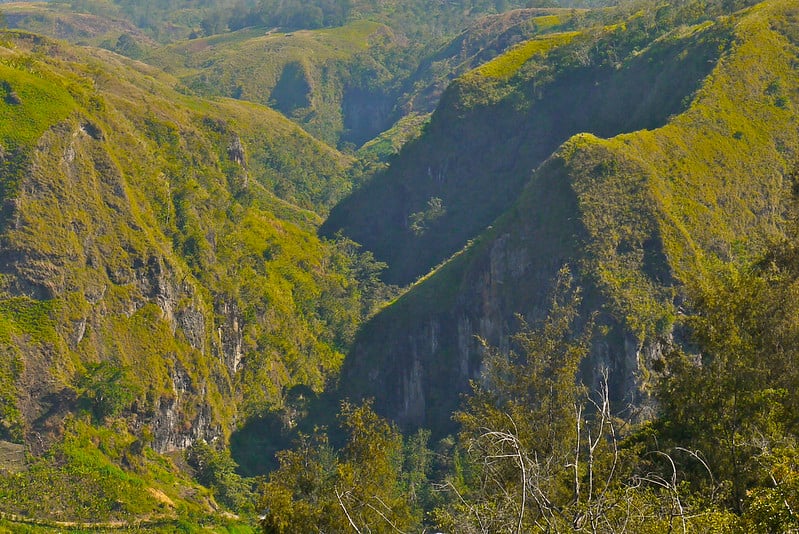
This rugged mountain range reaches heights of 15,600 feet and remains largely unexplored due to its hostile terrain. The mountains create some of the world’s wettest and most humid conditions, supporting unique ecosystems that scientists have barely studied. Local reports suggest the presence of numerous unknown species, but the extreme conditions make research expeditions extremely difficult. Only about 10 people have ever reached the highest peaks since their discovery in 1958.
Colombian Chiribiquete
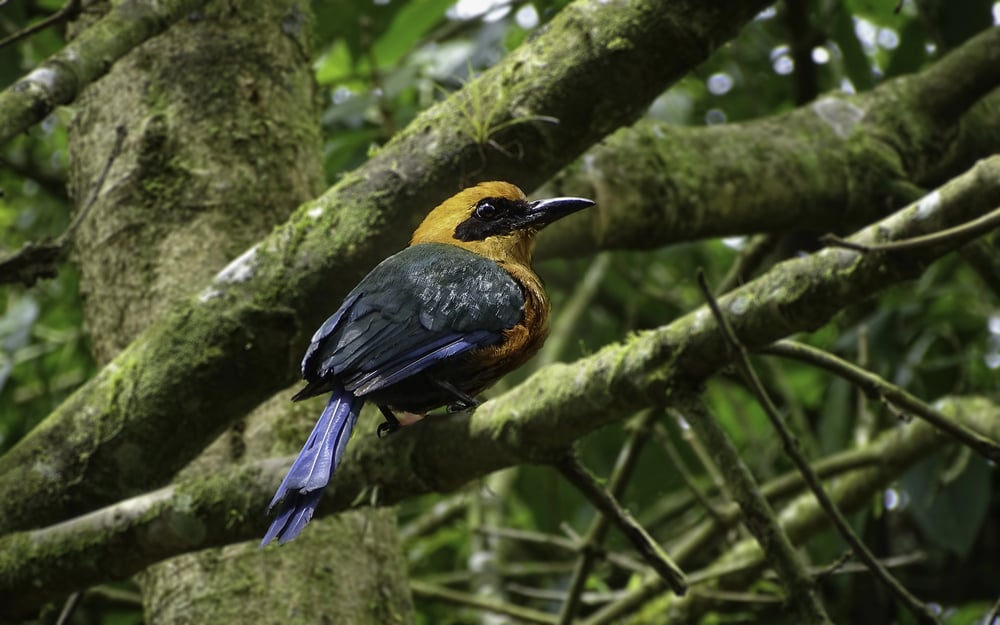
Located in Colombia’s Amazon region, Chiribiquete National Park encompasses remote table mountains called tepuis that rise dramatically from the surrounding forest. These isolated mountain tops have evolved as separate evolutionary laboratories. The park’s remote location and difficult terrain keep vast areas unexplored. Scientists believe the tepuis harbor numerous endemic species that evolved in complete isolation.
Gabon’s Crystal Mountains
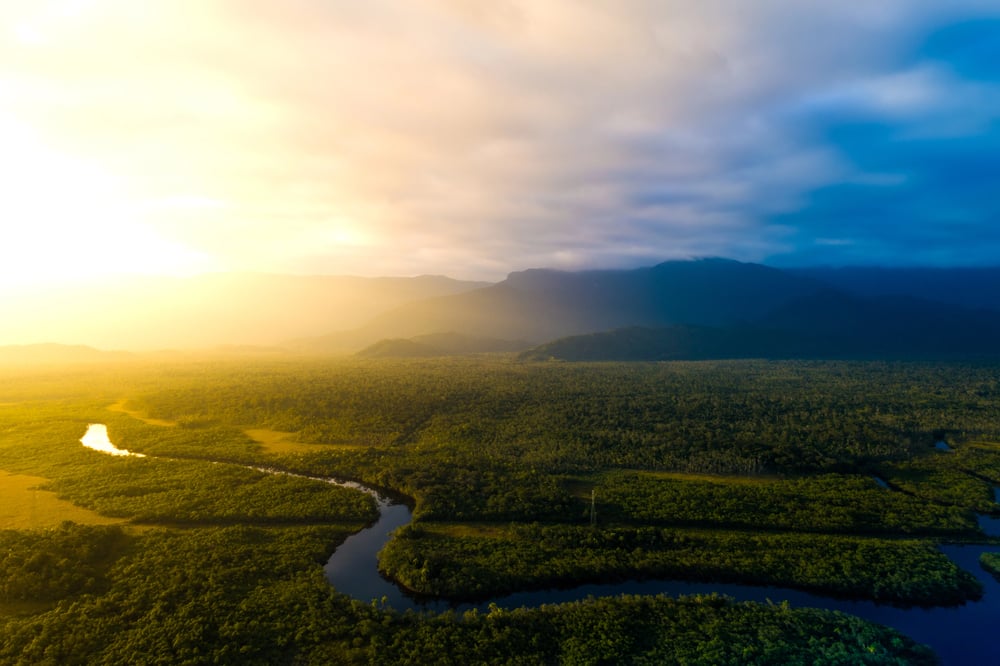
The Crystal Mountains of Gabon contain vast unexplored forest areas characterized by unique granite formations. These mountains create specialized habitats with unusual soil conditions that support distinct plant communities. The region’s remoteness and dense forest cover have prevented comprehensive biological surveys. Scientists working in the area regularly discover species new to science.
North Queensland’s Cape Melville
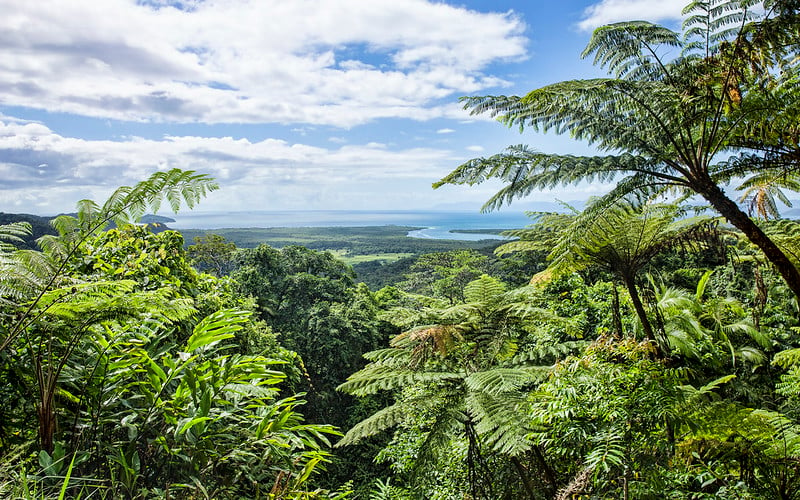
This remote region of tropical Australia recently yielded discoveries that stunned the scientific world. Despite Australia being considered well-explored, Cape Melville’s granite boulder fields had never been properly surveyed. A single expedition discovered three new vertebrate species, including a primitive-looking gecko that scientists called a ‘living fossil.’ The boulder-strewn landscape creates countless hidden caves and crevices that shelter unique species.
Guyana’s Interior Highlands
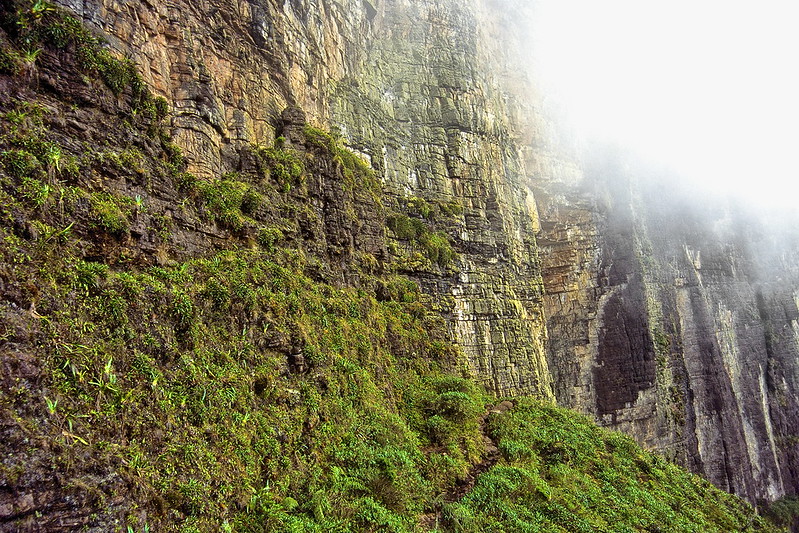
The remote highlands of Guyana contain vast areas of pristine rainforest that remain scientifically unexplored. These ancient mountains rise from the Amazon Basin, creating unique ecological conditions. The region’s isolation and lack of access roads mean that large areas have never seen scientific expeditions. Local indigenous communities describe animals and plants that match no known species, suggesting significant discoveries await future researchers.
Nature’s Last Secret Vaults
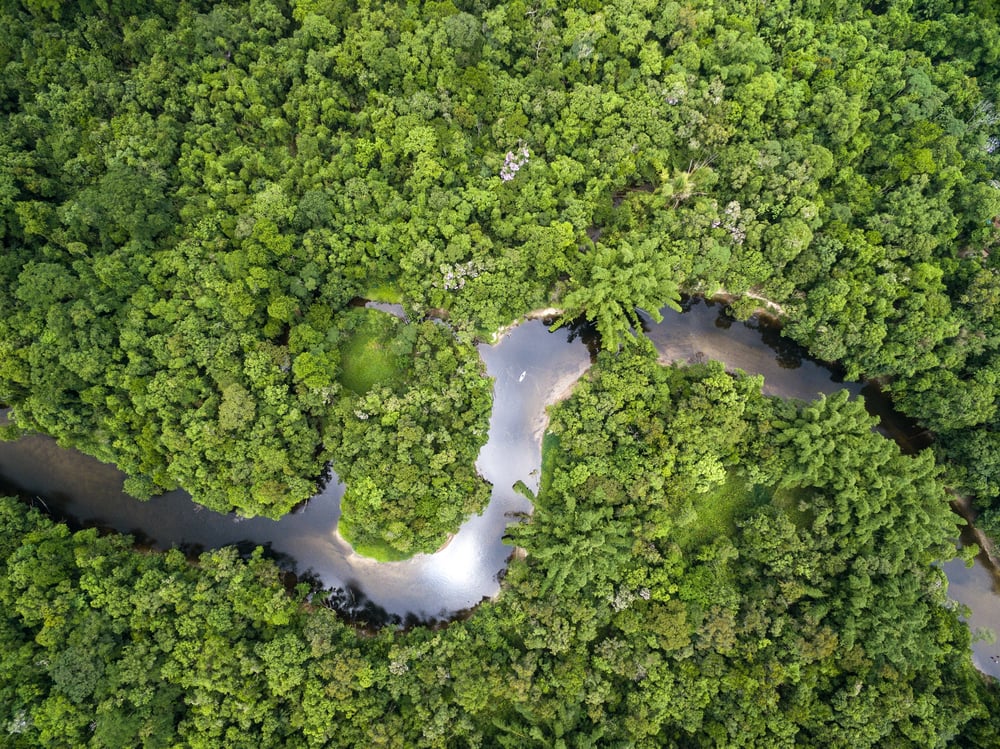
These unexplored rainforests represent more than just scientific curiosities—they’re living libraries containing potential solutions to humanity’s greatest challenges. Every new species discovered might hold the key to revolutionary medicines, sustainable technologies, or deeper understanding of how life adapts and thrives. As deforestation accelerates globally, the race to document these biological treasures becomes increasingly urgent. The species we discover today in these remote forests could determine tomorrow’s medical breakthroughs or ecological insights.
More from Go2Tutors!

- 16 Historical Figures Who Were Nothing Like You Think
- 12 Things Sold in the 80s That Are Now Illegal
- 15 VHS Tapes That Could Be Worth Thousands
- 17 Historical “What Ifs” That Would Have Changed Everything
- 18 TV Shows That Vanished Without a Finale
Like Go2Tutors’s content? Follow us on MSN.


