History of famous snacks you eat every day
Snacks have become part of everyday life. Whether it’s something salty, sweet, crunchy, or chewy, people grab them without thinking twice.
But every snack we enjoy today started somewhere, often with a fun or surprising backstory. Some were made by accident, some on purpose, and a few even started in places you wouldn’t expect.
Let’s take a bite into the history of snacks you probably know well.
Potato chips
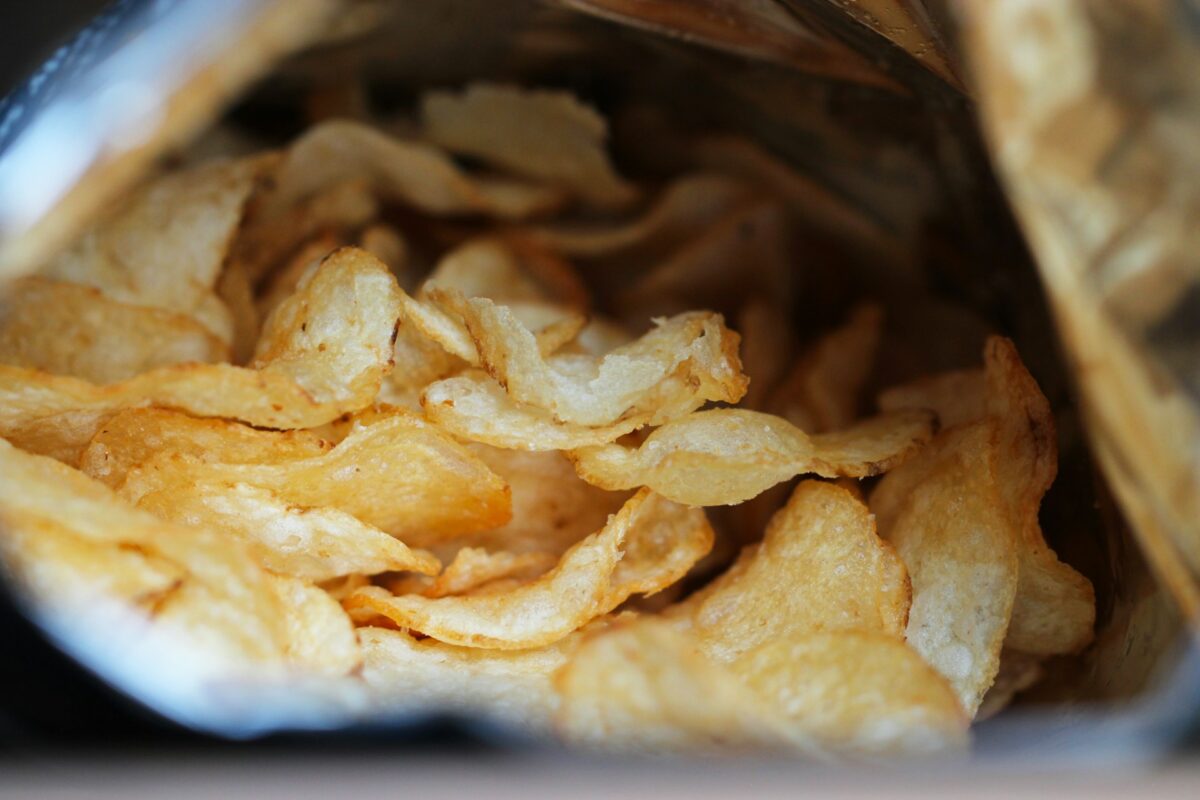
Potato chips were born out of frustration. In 1853, a chef named George Crum got annoyed when a customer kept complaining that his fries were too thick.
So Crum sliced the potatoes super thin, fried them until crispy, and sent them out as a joke. The customer loved them.
Soon, others wanted the same thing, and potato chips became a hit.
Chocolate chip cookies
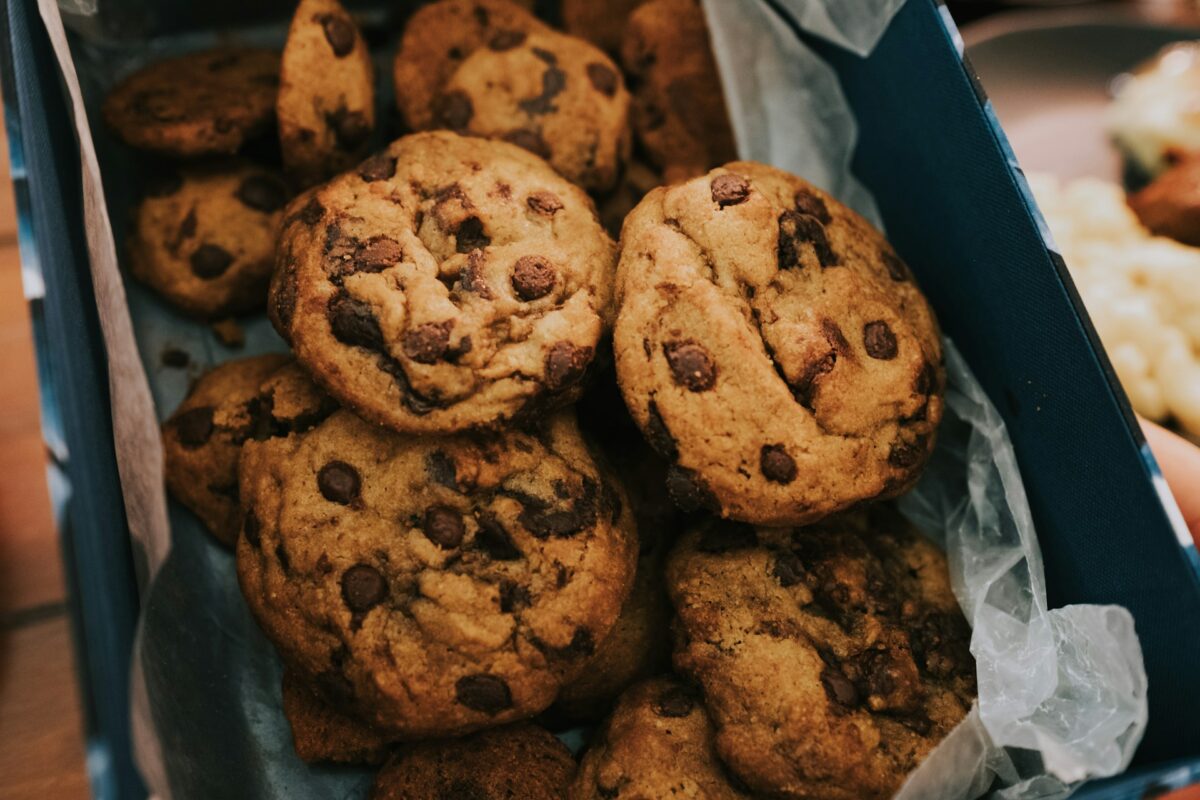
This snack started in the 1930s when Ruth Wakefield, who ran the Toll House Inn, added chopped chocolate to cookie dough. She expected the chocolate to melt, but it stayed in chunks.
The result was so good that her recipe became famous. Nestlé later bought the rights and printed it on their chocolate packaging.
That’s why it’s called the Toll House cookie.
Like Go2Tutors’s content? Follow us on MSN.
Popcorn
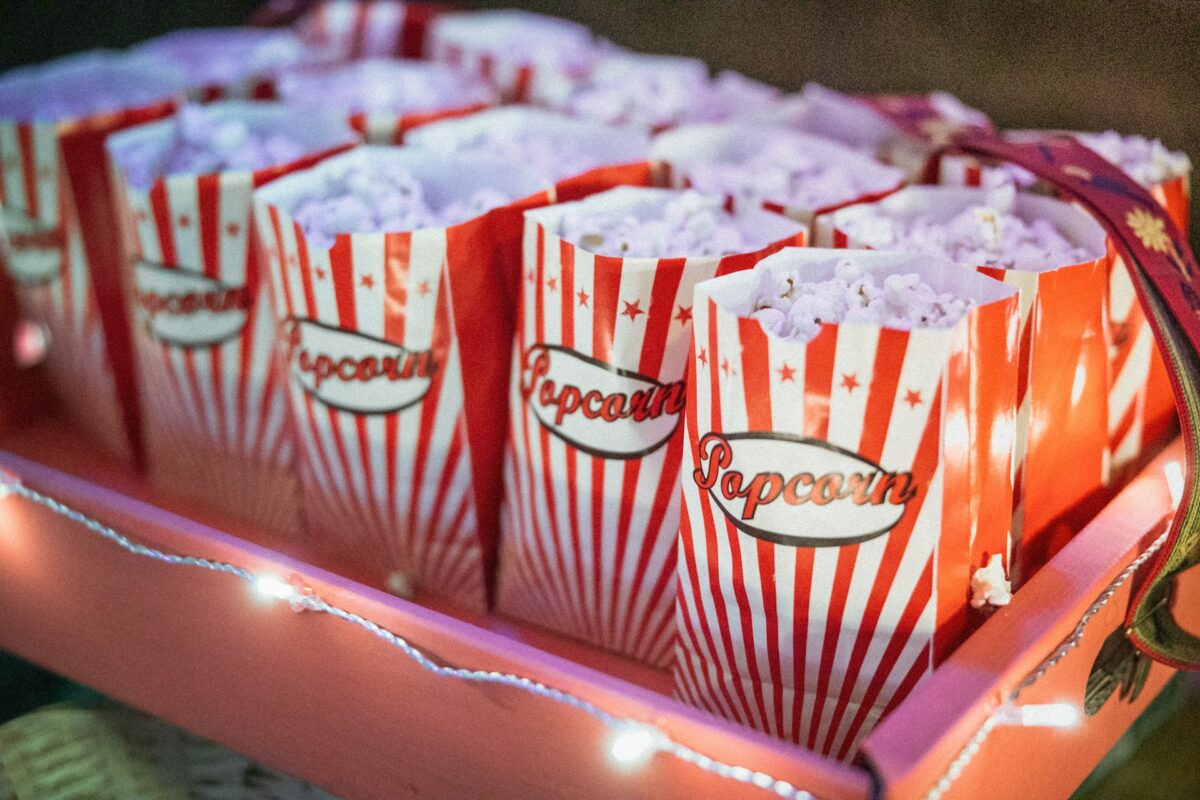
Popcorn has been around for thousands of years. Native Americans were popping corn long before movie theaters existed.
It became a big snack during the Great Depression because it was cheap. When television arrived, popcorn made its way into homes.
Now, it’s almost a must-have during movies.
Peanut butter
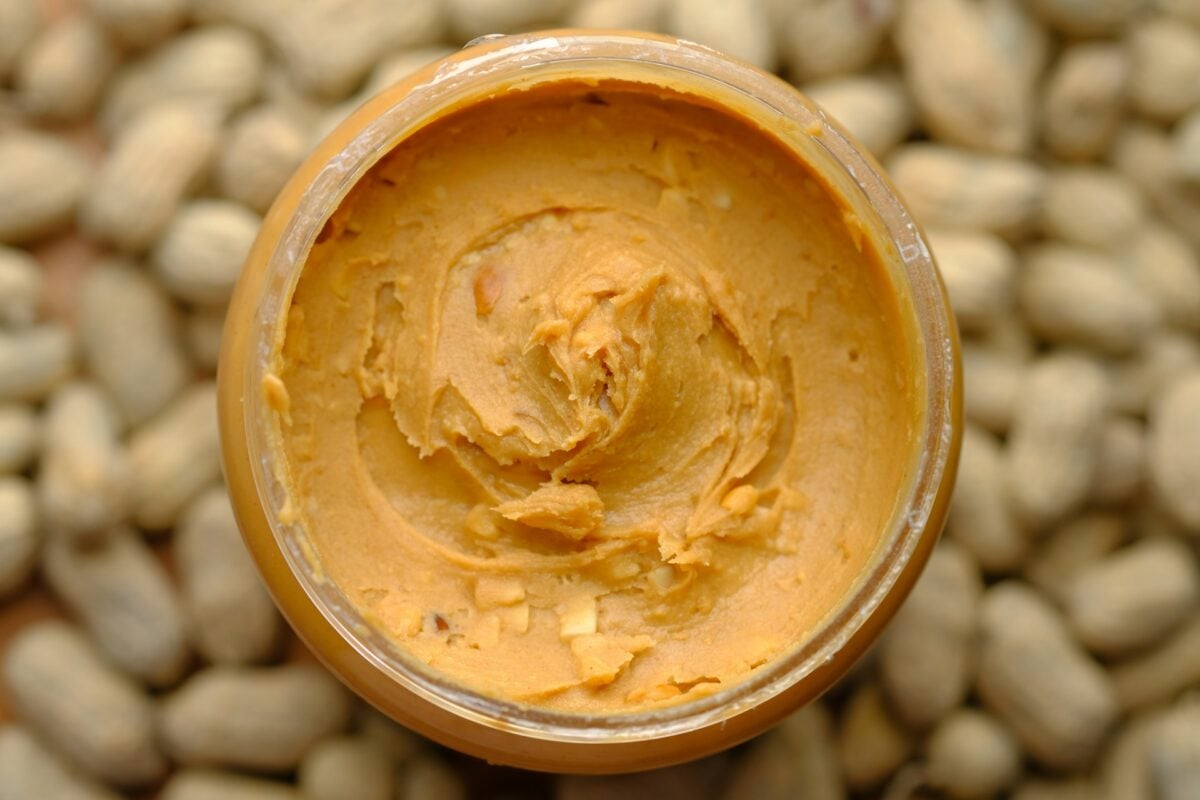
Peanut butter may feel like a modern food, but it actually goes back to the late 1800s. It was first made as a soft food for people who couldn’t chew well.
Dr. John Harvey Kellogg (yes, the cereal guy) created an early version. It became popular during World War I and II because it was high in protein and didn’t spoil easily.
Over time, it turned into a snack staple.
Instant noodles
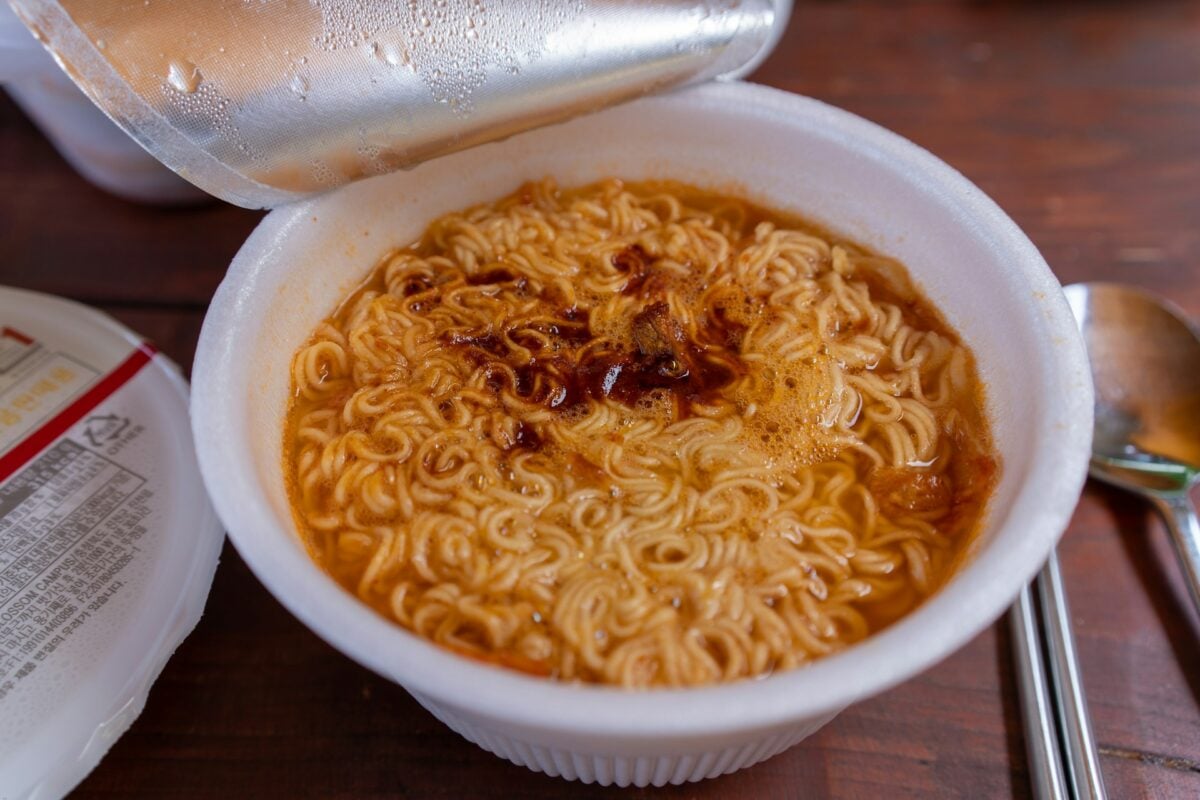
Instant noodles were invented in Japan in 1958 by Momofuku Ando. After seeing how hard it was to find food after World War II, he created a fast and cheap meal that only needed hot water.
It was first sold as a luxury item, but soon became popular across Asia and later the world. College students, busy workers, and travelers still rely on it today.
Like Go2Tutors’s content? Follow us on MSN.
Chewing gum
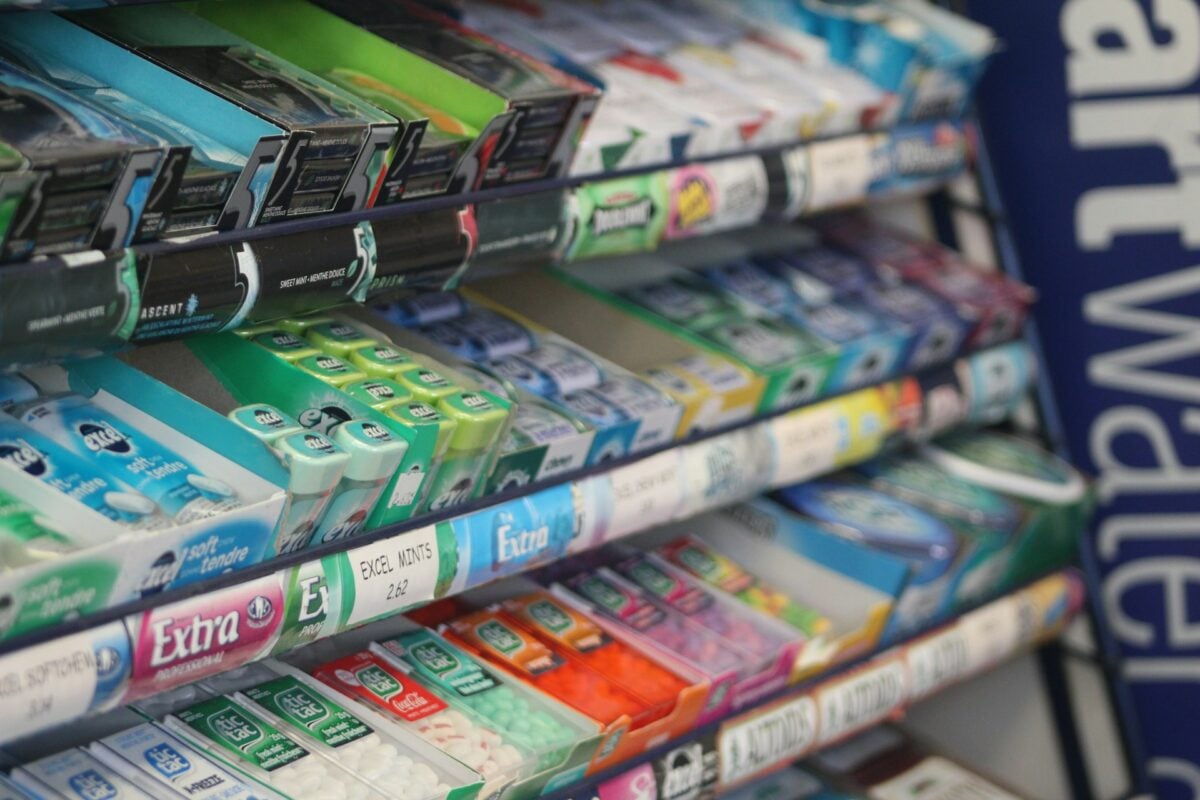
People have been chewing sticky stuff for thousands of years, but modern chewing gum started in the late 1800s. It became popular when a man named Thomas Adams added flavor and made it into sticks.
Gum used to be sold as a breath-freshener and even claimed to help with focus. It’s still chewed all over the world, just with fancier flavors now.
French fries
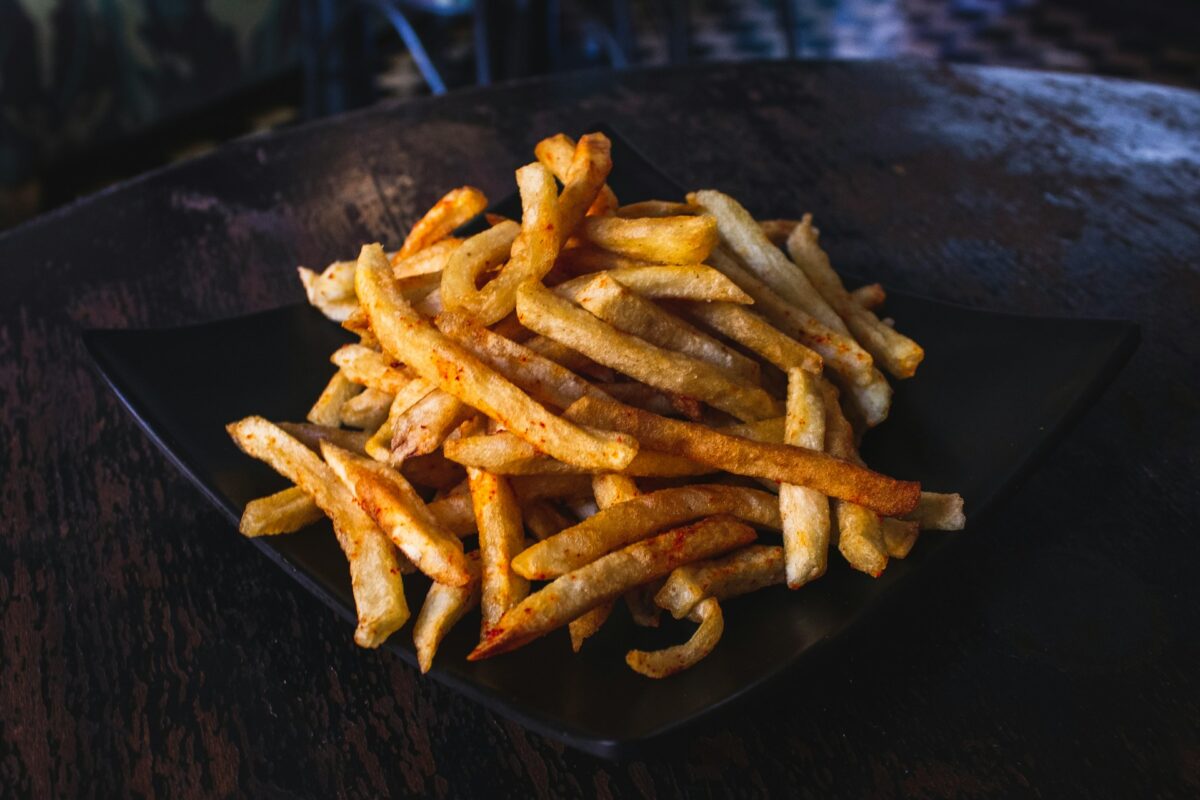
French fries didn’t come from France. They most likely came from Belgium, where people fried potatoes in oil as early as the 1600s.
U.S. soldiers discovered them during World War I and called them “French” because that was the language spoken in the region. Fries became popular fast and spread to diners, fast-food spots, and even school cafeterias.
Granola bars
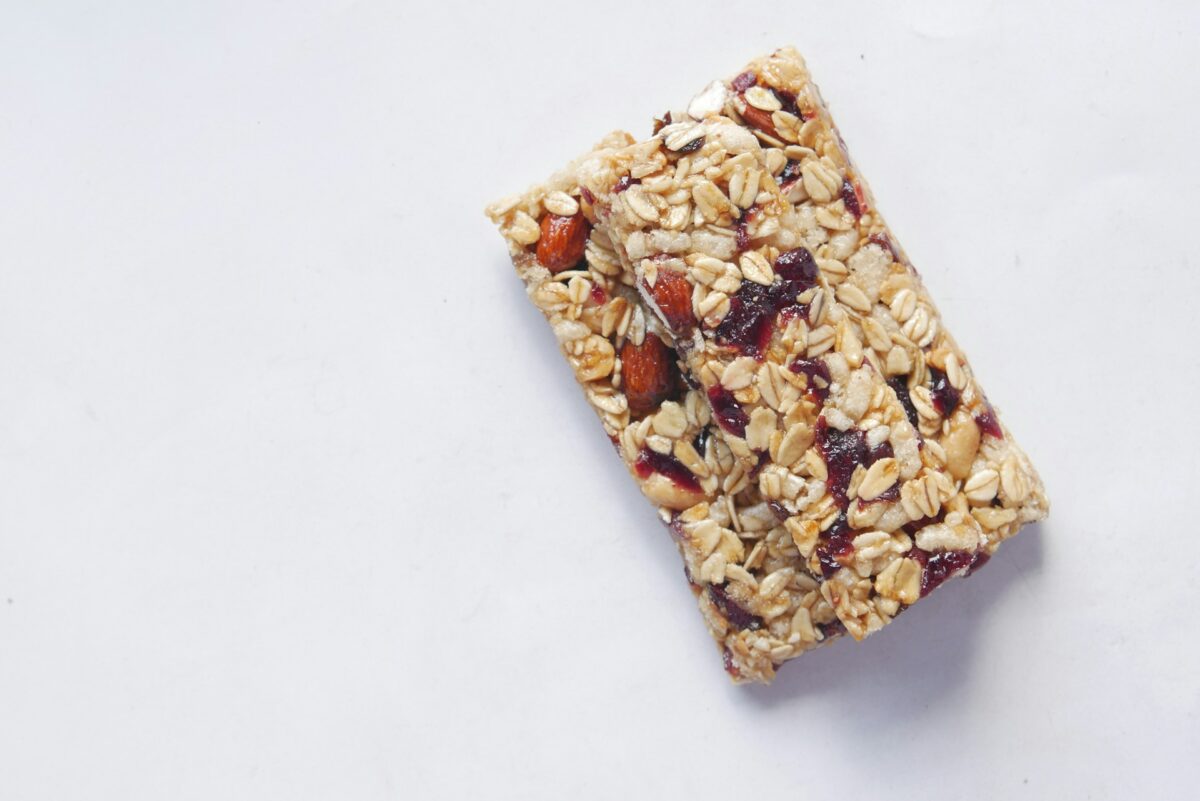
Granola bars grew out of the health food movement in the 1960s and ’70s. Hikers and campers wanted something easy to carry, filling, and long-lasting.
Food companies took the basic granola mix and shaped it into bars. Soon, they were in lunchboxes and vending machines everywhere.
Now they come in all kinds of flavors and styles.
Like Go2Tutors’s content? Follow us on MSN.
Pretzels
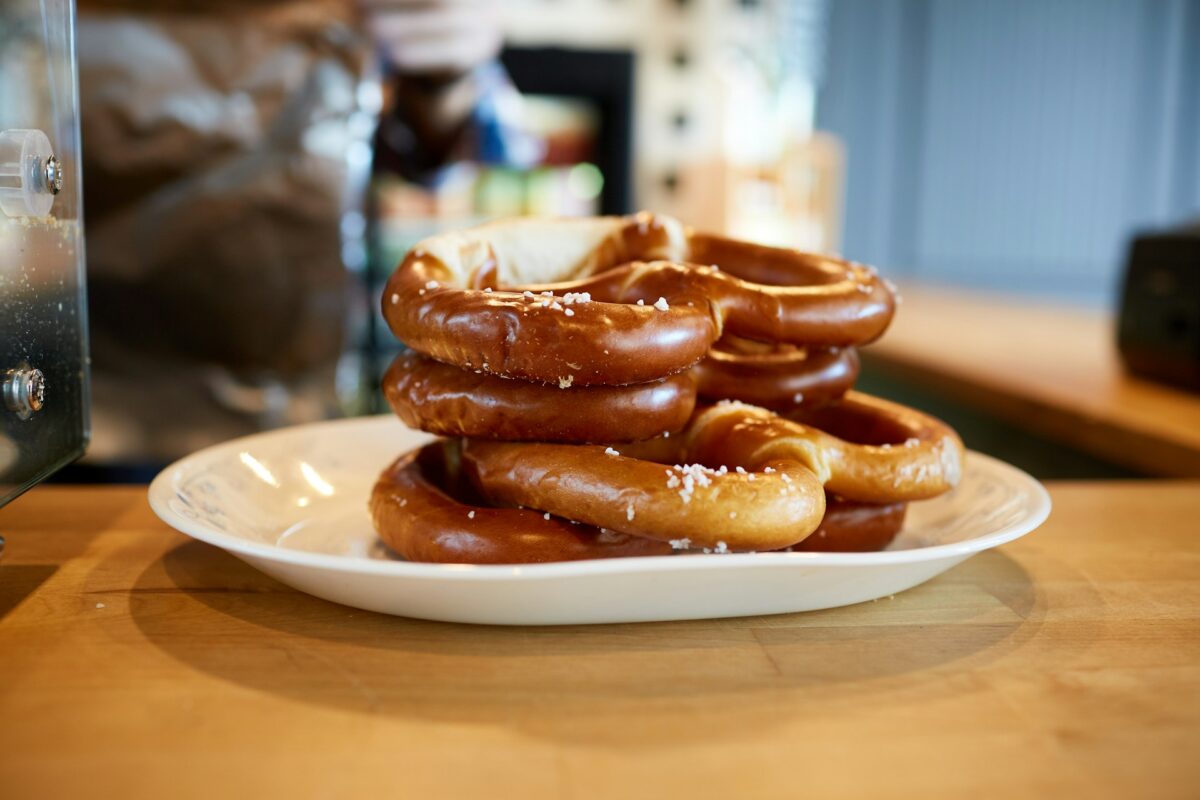
Pretzels have a long history that goes all the way back to medieval Europe. It’s believed monks shaped dough into folded arms to represent prayer.
They gave them to children who memorized prayers or did well in school. Pretzels came to America with German immigrants and slowly became a popular snack.
Ice cream sandwiches
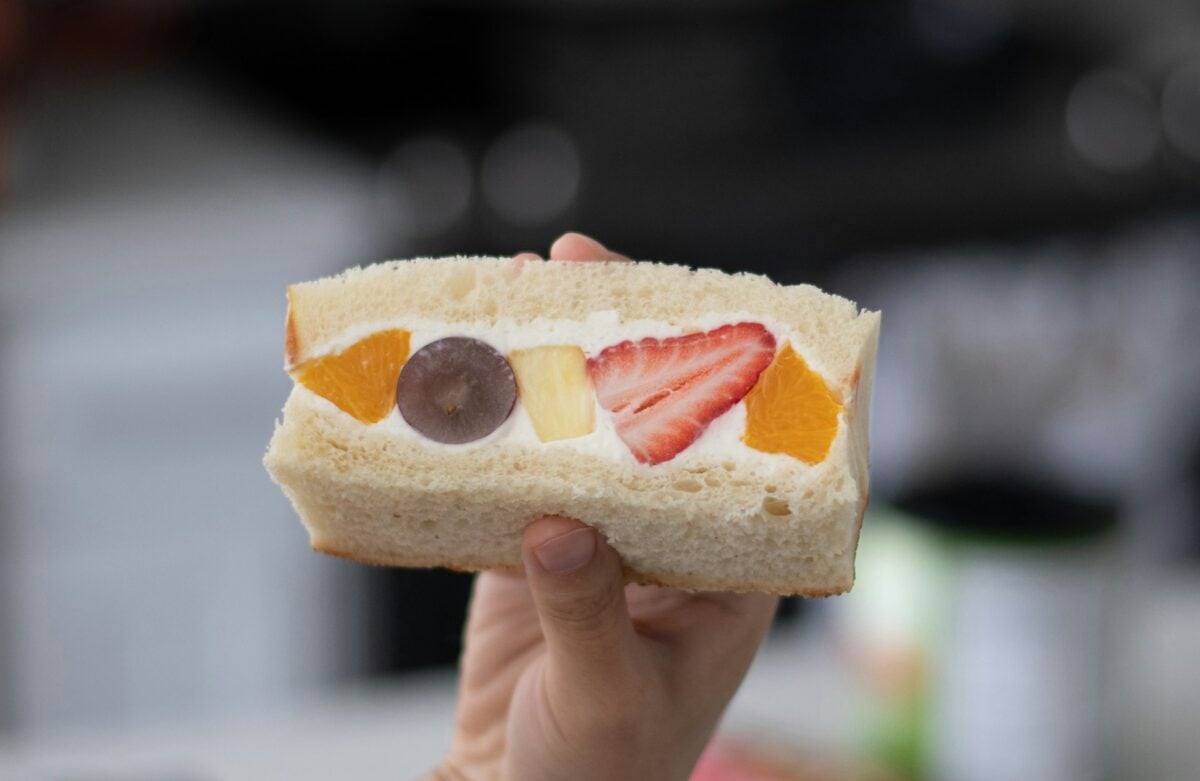
The first ice cream sandwich was sold in New York City around 1900. A street vendor pressed vanilla ice cream between two thin cookies and sold them for a penny.
It was a hit because it was cheap, tasty, and easy to eat on the go. Later, companies started mass-producing them in factories.
They’re still a summer favorite today.
Crackers
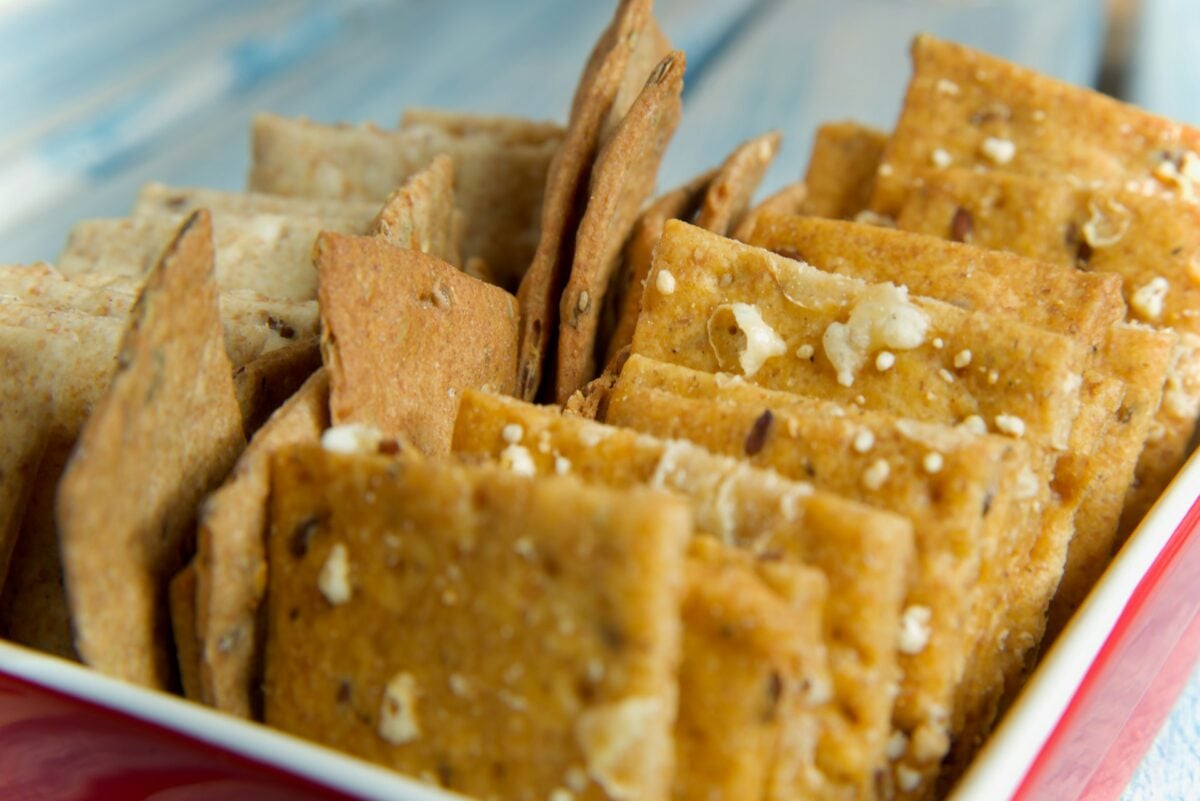
Crackers came from hardtack, a tough bread used during long sea trips. Over time, bakers started adding flavor and making them thinner and crispier.
The Saltine was introduced in the late 1800s and became popular in soups and snacks. Now, crackers are part of cheese boards, school lunches, and everything in between.
Like Go2Tutors’s content? Follow us on MSN.
Gummy bears
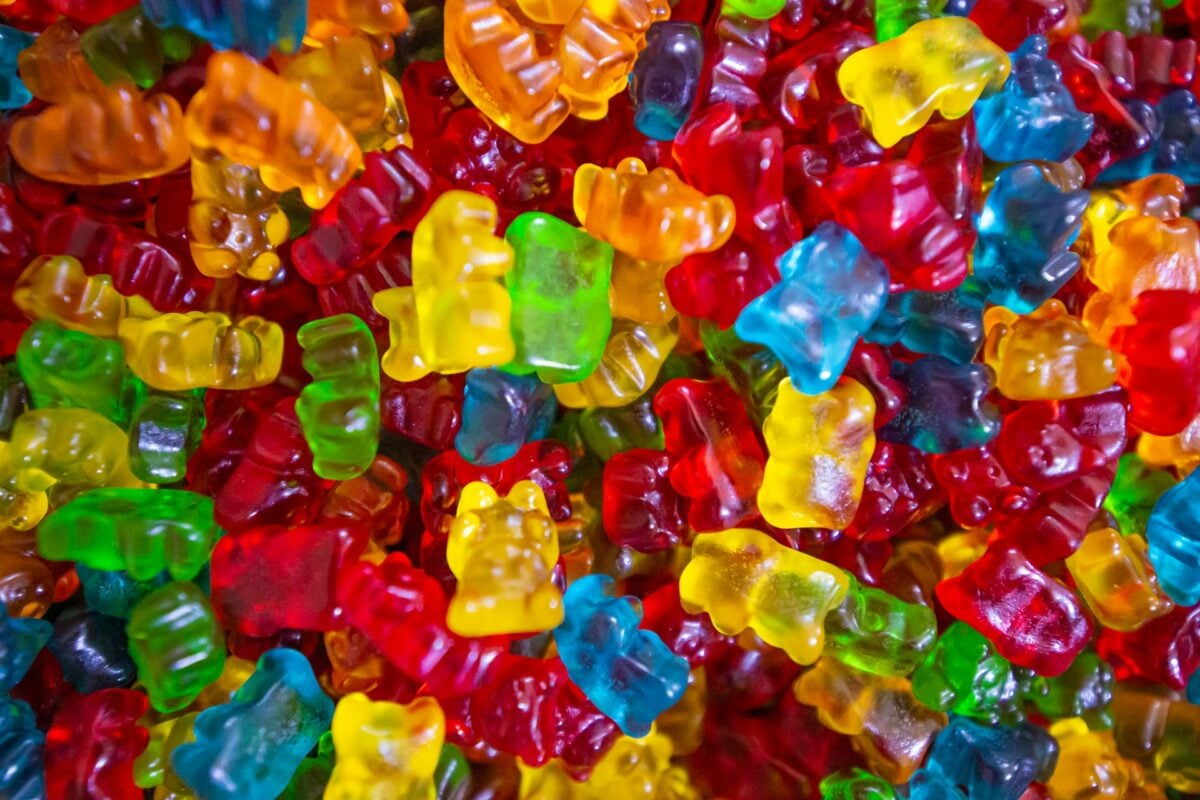
Gummy bears were invented in Germany in the 1920s by a candy maker named Hans Riegel. Inspired by trained dancing bears at festivals, he made small, chewy bear-shaped candies.
They were first sold under the name “Gummibärchen.” Later, they became known worldwide, especially when Haribo brought them to the U.S. Now there are gummy worms, gummy sharks, and even gummy vitamins.
Nachos
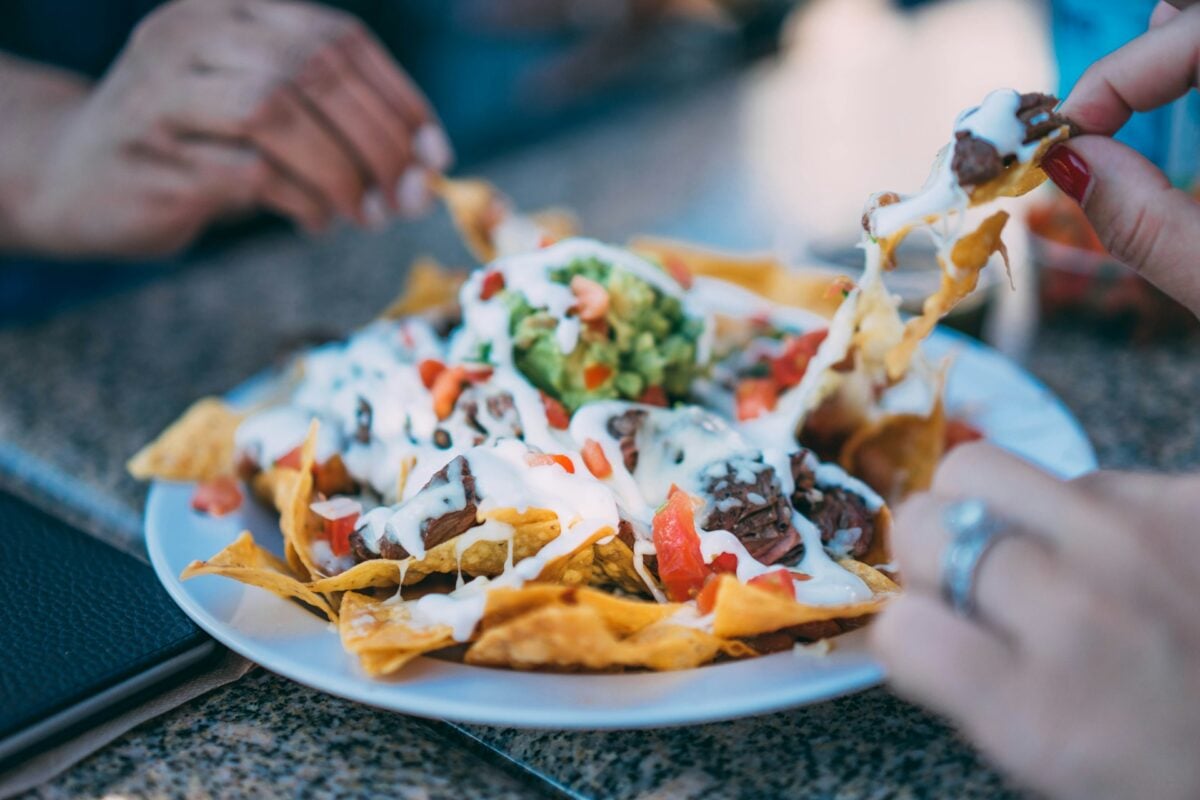
Nachos were created in Mexico in the 1940s by a man named Ignacio “Nacho” Anaya. A group of hungry customers arrived at the restaurant after closing time, so he made a quick snack with what he had: tortilla chips, cheese, and jalapeños.
It became so popular that restaurants started adding their own toppings. Today, nachos are served everywhere—from sports games to parties.
Popsicles
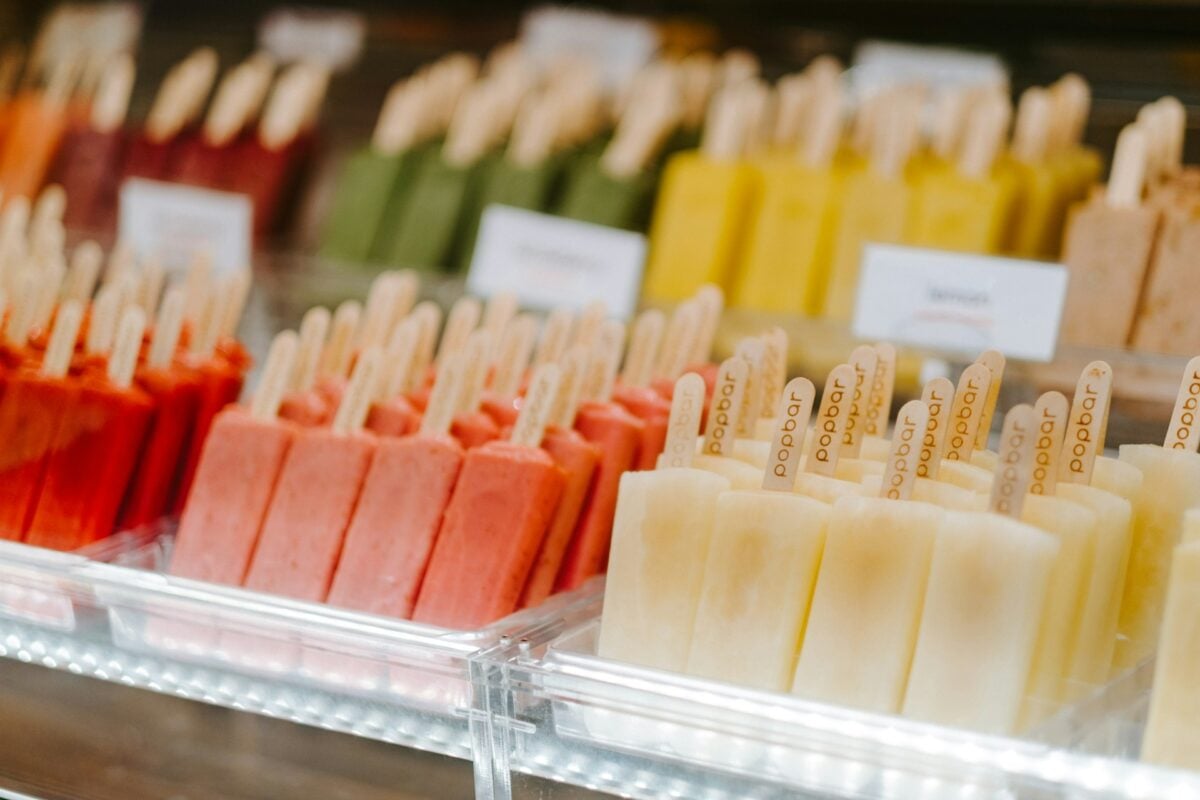
The first popsicle was an accident. In 1905, an 11-year-old boy named Frank Epperson left a cup of soda powder and water outside with a stick in it.
It froze overnight. He enjoyed it and began making more for friends. Years later, he got a patent and turned it into a business. Popsicles became a summertime hit.
Like Go2Tutors’s content? Follow us on MSN.
Trail mix
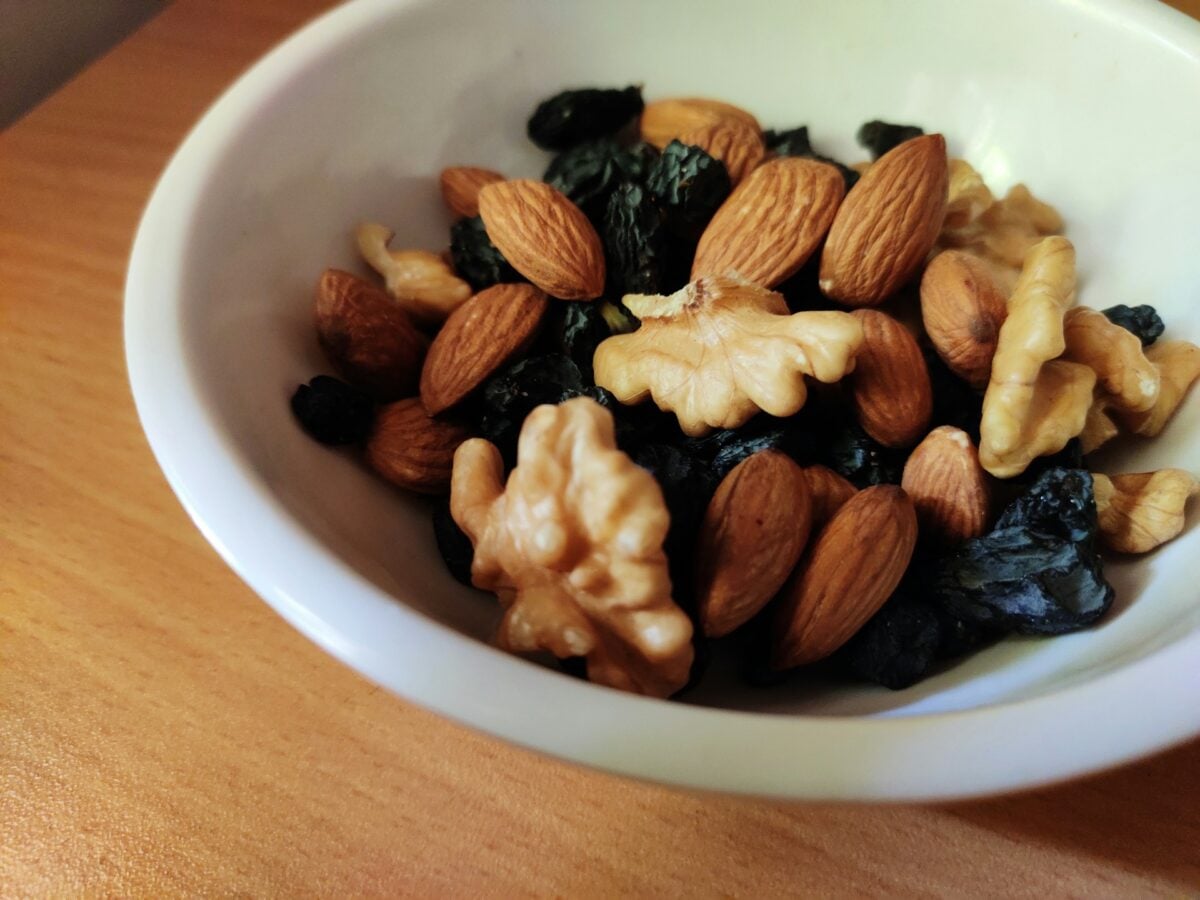
Trail mix began as a handy food for long walks and hikes. It usually included nuts, dried fruits, and sometimes chocolate or seeds.
It was easy to carry, didn’t spoil quickly, and gave people quick energy. Hikers in the U.S. started using it in the 1960s, and it soon moved into stores and lunchboxes. It’s now known as a snack for both the outdoors and the office.
Tortilla chips
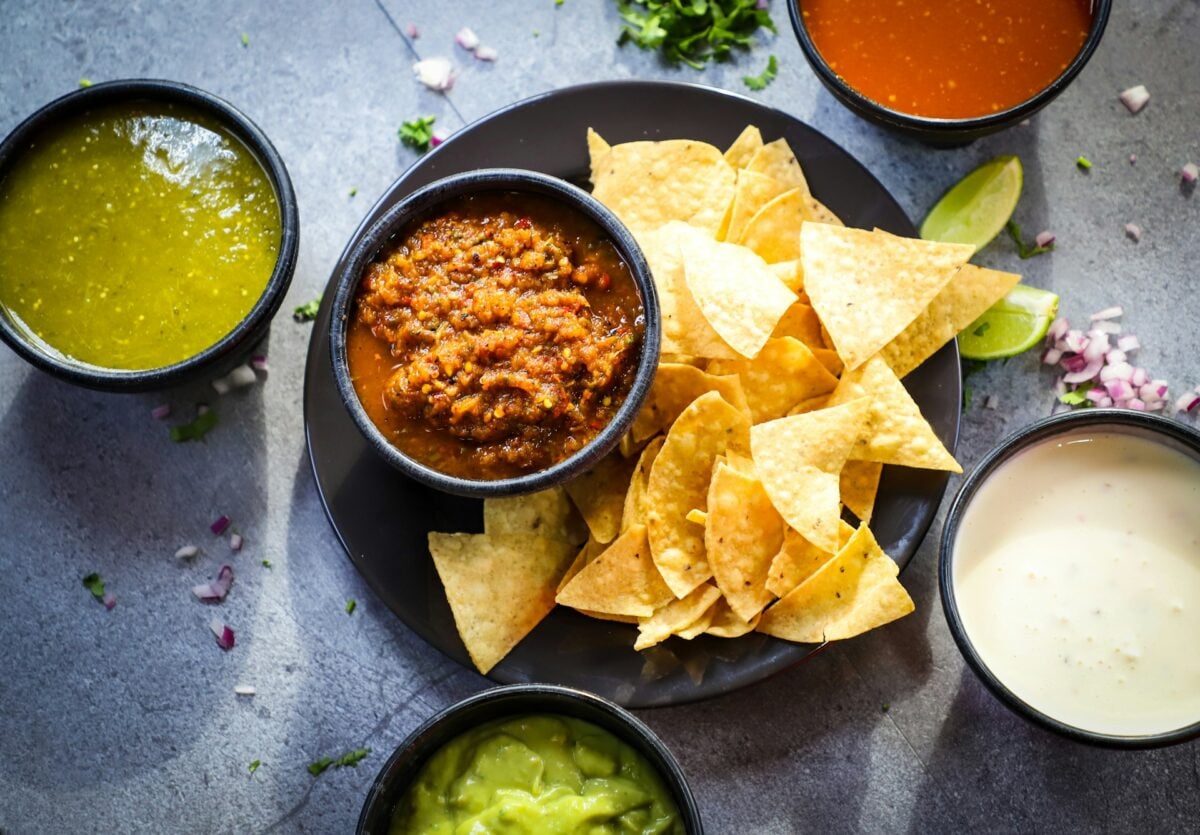
Tortilla chips were invented in Los Angeles in the 1940s. A woman named Rebecca Webb Carranza found a way to use broken pieces of tortillas from her family’s tortilla factory.
Instead of throwing them away, she fried them and sold them as chips. People loved the idea.
They became so popular that they turned into a snack on their own.
Cheese puffs
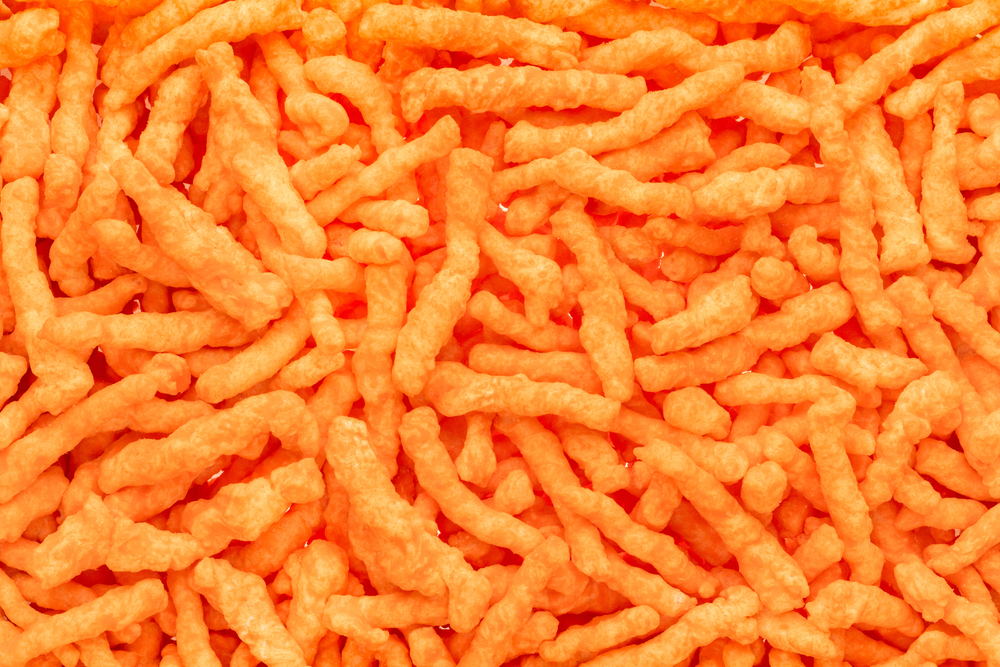
Cheese puffs came by accident in the 1930s when a machine used for animal feed puffed up corn pieces with hot air. A worker added cheese flavoring out of curiosity.
The puffs turned out tasty and crunchy, so they kept making them. This led to the cheesy snack found in lunch bags everywhere today.
Like Go2Tutors’s content? Follow us on MSN.
The snack aisle never sleeps
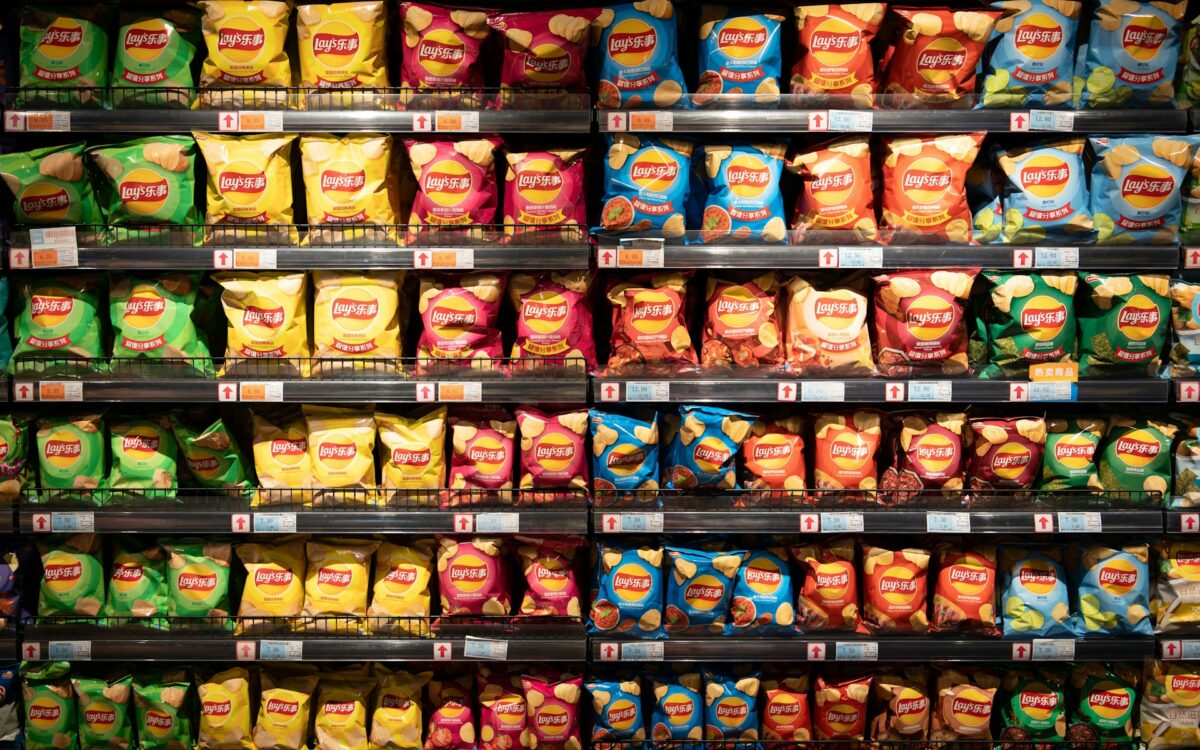
Every snack on the shelf has a past—some started by mistake, others through clever ideas, and a few just by chance. What started in kitchens, camps, or factories has now made its way into daily life.
These stories show how simple ideas can turn into something millions of people enjoy. And who knows? The next big snack might come from someone’s leftovers again..cls-1{fill:#1ed760;stroke-width:0px;}Use Spotify for this answer
More from Go2Tutors!

- 16 Historical Figures Who Were Nothing Like You Think
- 12 Things Sold in the 80s That Are Now Illegal
- 15 VHS Tapes That Could Be Worth Thousands
- 17 Historical “What Ifs” That Would Have Changed Everything
- 18 TV Shows That Vanished Without a Finale
Like Go2Tutors’s content? Follow us on MSN.