The Weirdest Beauty Standards of All Time
Beauty has always been in the eye of the beholder, but sometimes that eye sees some pretty strange things. Throughout history, people have gone to extreme lengths to match what their culture considered attractive, from stretching their necks to painting their faces with toxic substances.
These practices might seem bizarre today, but they were once the height of fashion and desirability. Let’s explore some of the most unusual beauty trends that have shaped how people tried to look their best across different times and places.
Foot binding in China
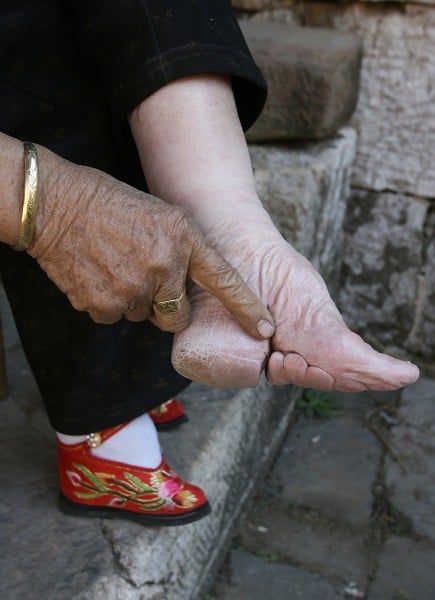
Chinese girls had their feet tightly wrapped to keep them from growing longer than four inches for almost a millennium. When girls were as young as five or six years old, the procedure began, shattering their foot bones and molding them into an abnormal shape.
These small feet, known as “lotus feet,” were seen as more refined and marriageable in women. Walking became extremely painful and challenging, but in some way, that was considered desirable and elegant.
Although it wasn’t formally outlawed until 1912, some families carried on with the practice for many years after that.
Elongated necks in Myanmar
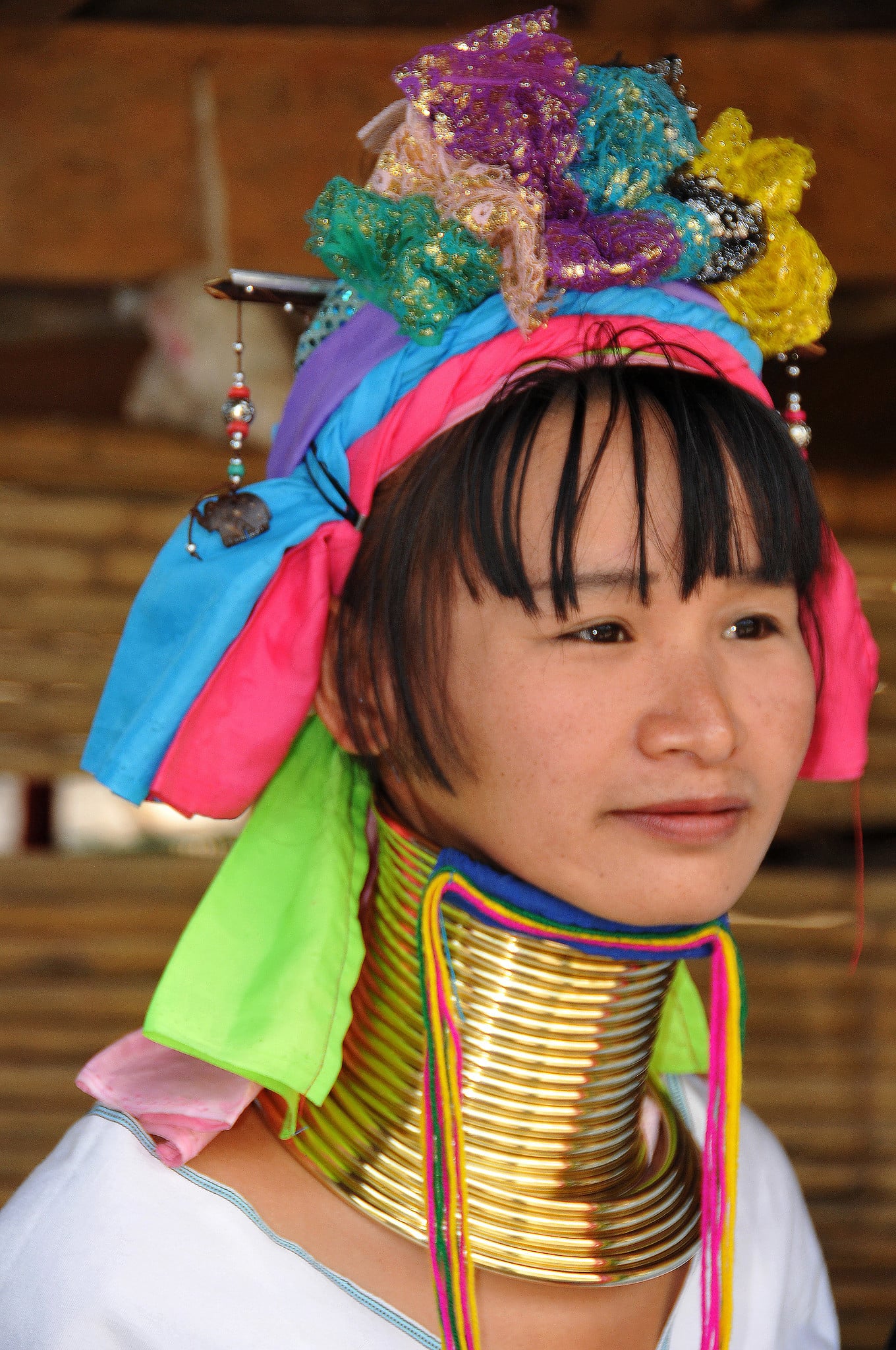
The Kayan women of Myanmar wear heavy brass coils around their necks from childhood, adding more rings as they grow older. These coils can weigh up to 25 pounds and create the appearance of an extremely long neck.
The rings actually push down the collarbone and compress the rib cage rather than stretching the neck itself. Removing the coils after years of wearing them can be dangerous because the neck muscles become too weak to support the head on their own.
Lead-based makeup in Europe
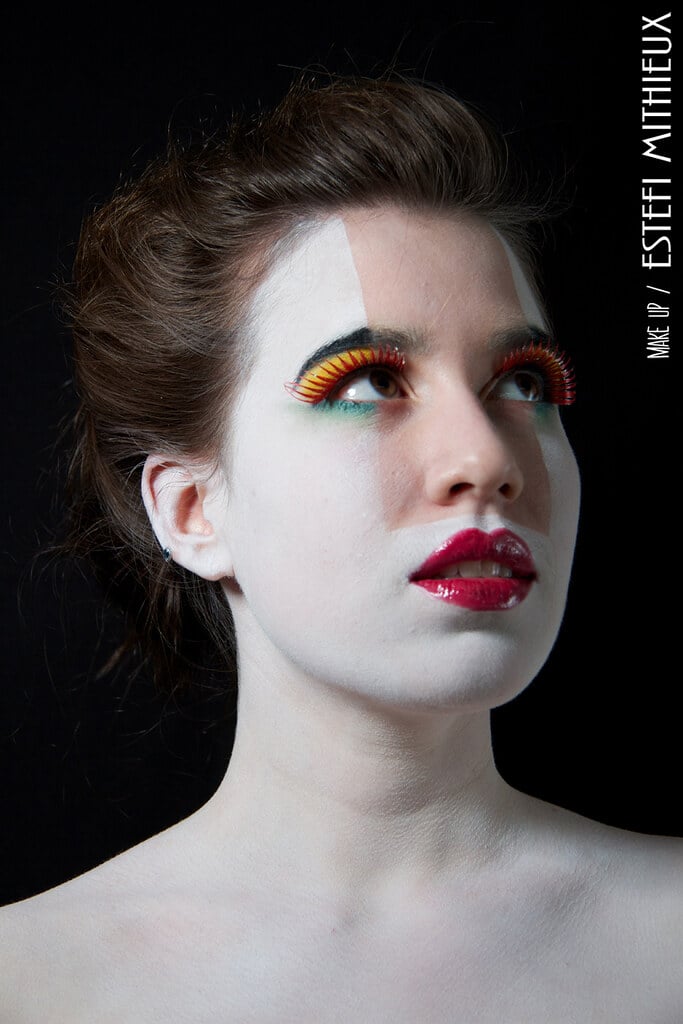
In order to achieve a pale complexion, European aristocrats in the 16th and 17th centuries applied a paste made from white lead and vinegar to their faces. Regular users of this lethal concoction, known as Venetian ceruse, gradually became poisoned.
Lead caused tooth decay, hair loss, and ultimately death, but people continued to use it because pale skin was so desirable. It’s possible that Queen Elizabeth I’s health issues later in life were caused by the toxic makeup she was known for wearing.
Blackened teeth in Japan
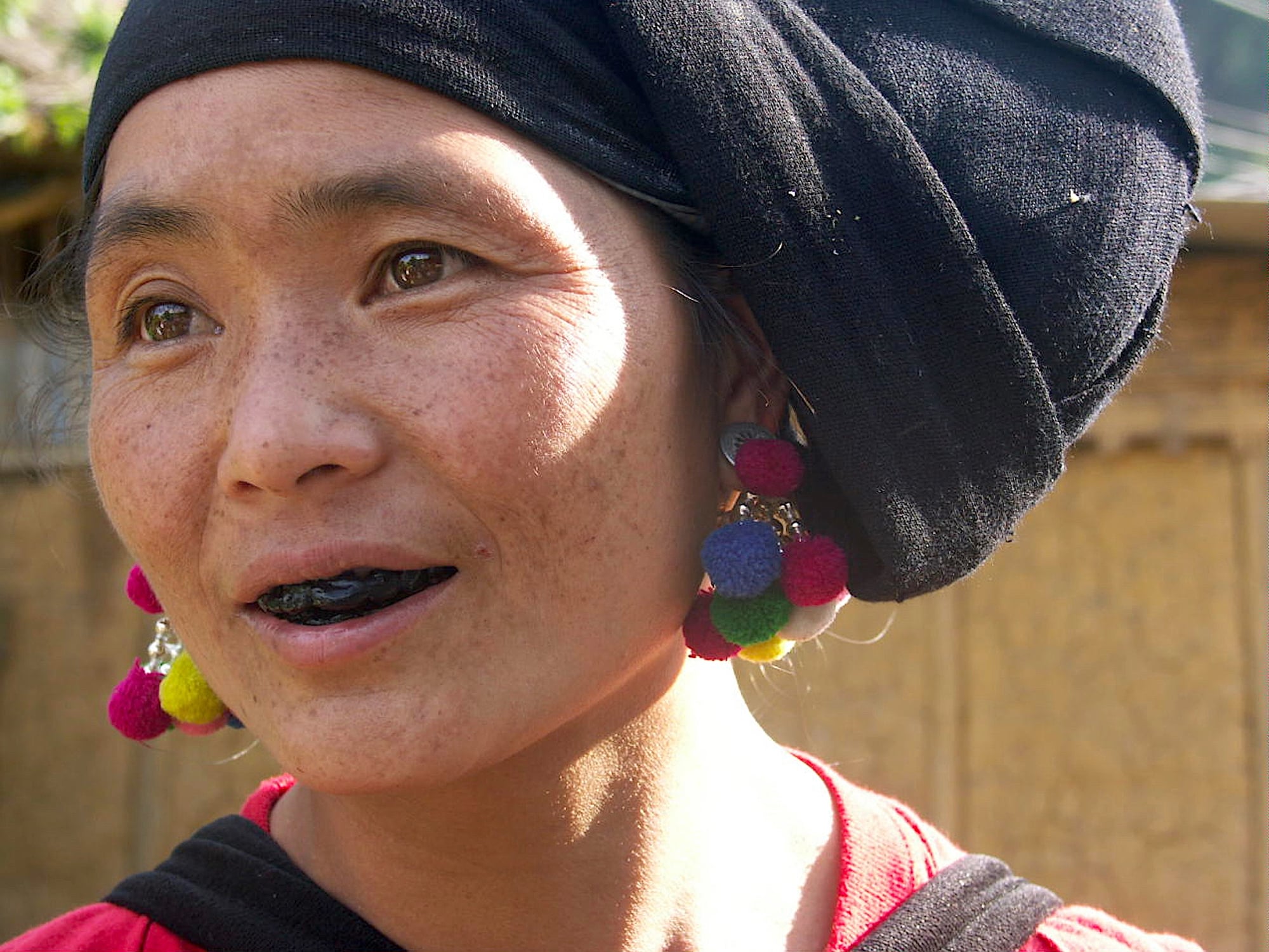
Japanese women once considered blackened teeth the pinnacle of beauty and sophistication. The practice, called ohaguro, involved painting teeth with a solution made from iron filings and vinegar.
Married women and members of the imperial court maintained this look throughout their lives. The black color was thought to make teeth look stronger and more attractive, plus it actually helped prevent tooth decay despite its odd appearance.
Unibrows in ancient Greece
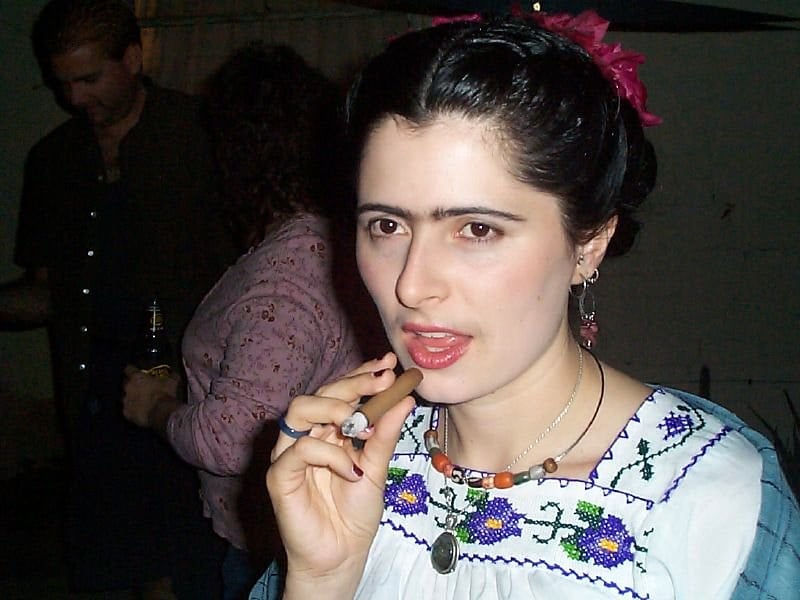
Ancient Greek women who didn’t naturally have eyebrows that met in the middle would use makeup or even glue goat hair to their foreheads to create a unibrow. This connected brow was seen as a sign of intelligence and beauty.
Women without this feature were considered less attractive and less intelligent than their unibrow-sporting peers. The trend was so popular that even young girls were encouraged to develop this look.
Arsenic complexion wafers in Victorian times
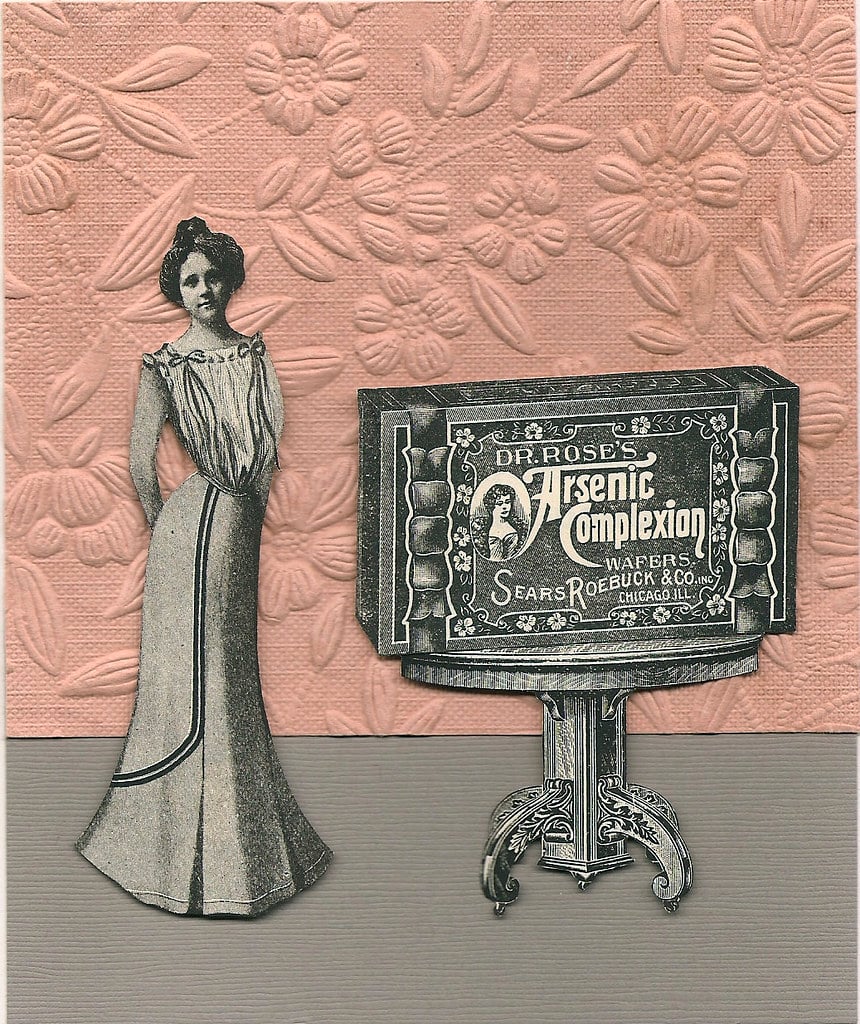
Victorian women ate small amounts of arsenic to achieve a pale, translucent complexion from the inside out. These poison wafers were marketed as beauty products that would give skin a delicate, almost ghostly appearance.
The arsenic did create the desired pale look, but it also caused nausea, hair loss, and organ damage. Some women became so addicted to these wafers that they couldn’t stop taking them even when they realized the harm.
Chopines in Renaissance Venice
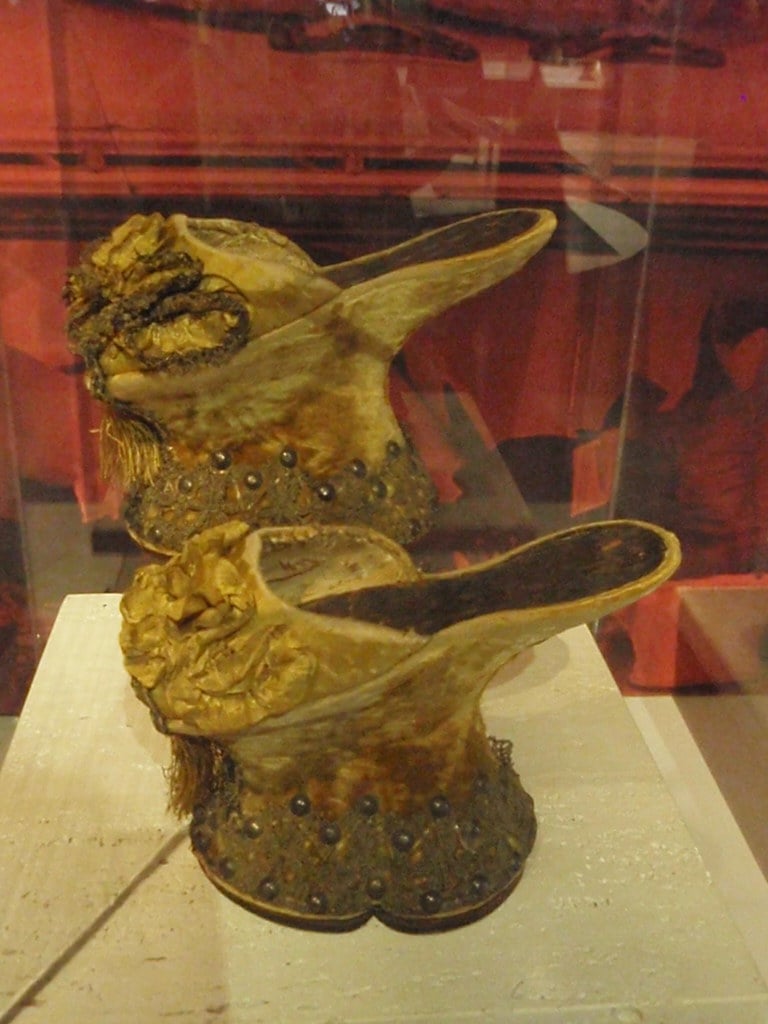
Venetian ladies slipped on thick-soled shoes known as chopines – some hitting 20 inches tall. Because they were so high, moving around meant leaning on servants for support.
Status climbed with height – the taller the shoe, the richer the person looked. Many tumbled and got hurt balancing in those odd stilts, yet folks kept wearing them nonstop for two centuries.
Cranial binding in ancient cultures
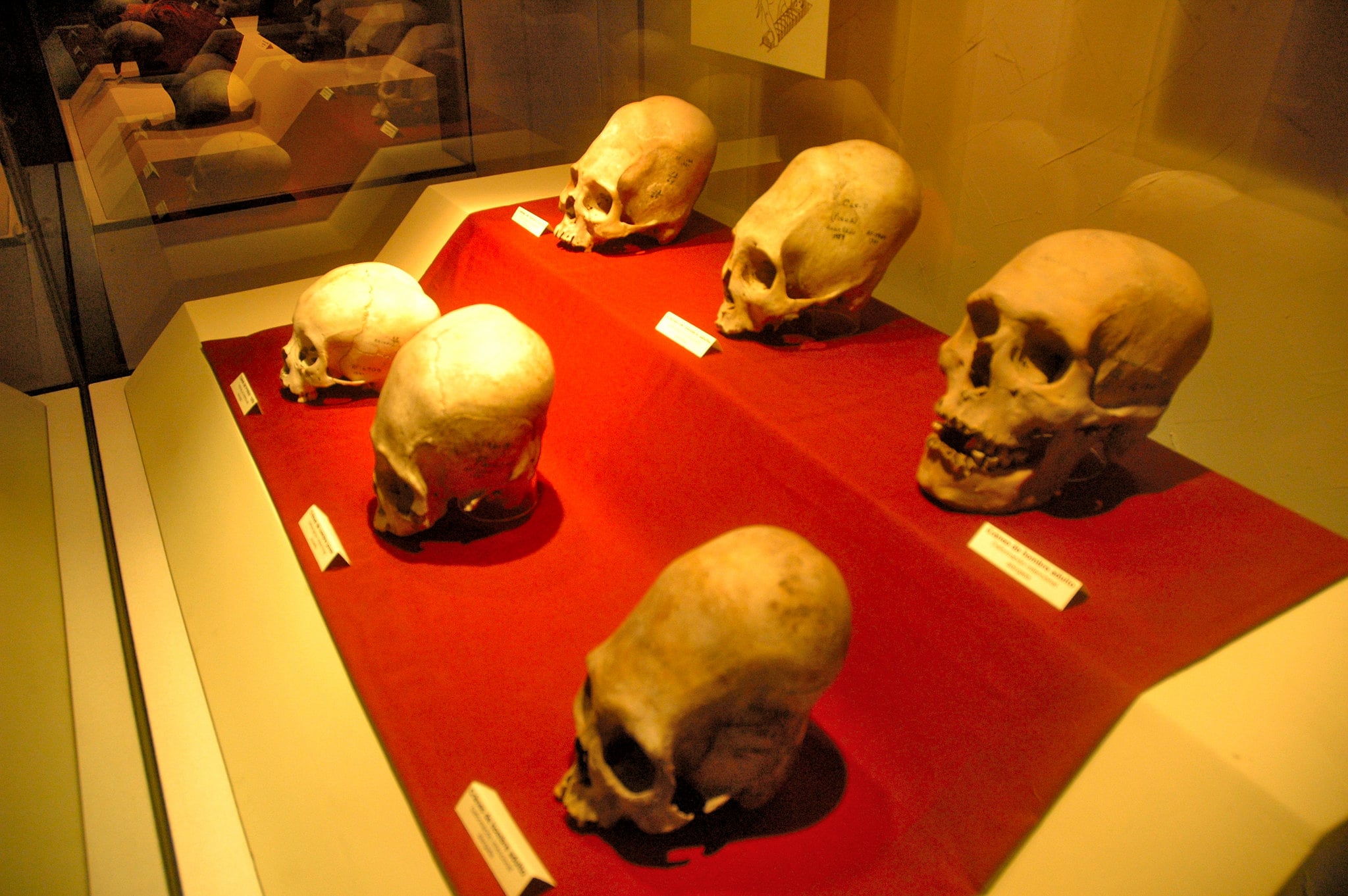
Across different societies – like the Mayans or some groups in Africa – babies’ heads were changed on purpose using tight cloths or wooden planks. Right after being born, once the head bones stayed flexible, they began this method.
A stretched skull often meant high rank, wisdom, or a blessing from gods – it depended who you asked. It didn’t harm the brain, yet the bone structure stayed shifted for life.
Wasp waists in the Victorian era

Women cinched their waists down to sizes as small as 15 inches using extremely tight corsets made of whalebone and steel. This compression moved internal organs out of place and made breathing difficult.
Fainting was so common among corseted women that it became almost expected at social events. Some women even had their lower ribs surgically removed to achieve an even smaller waist measurement.
Maggot therapy for beauty
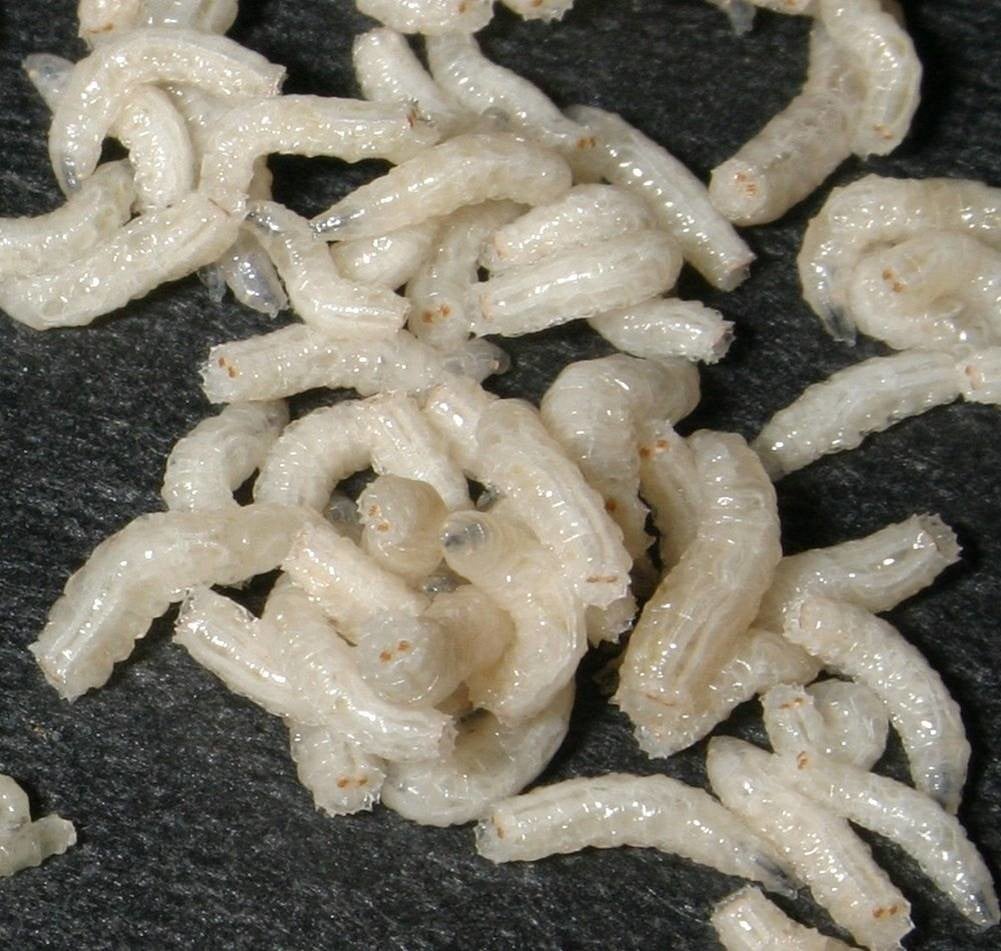
Ancient Egyptians placed live maggots on their skin as a beauty treatment, believing the larvae would eat away dead skin cells and reveal fresher skin underneath. While this sounds disgusting, modern medicine has actually confirmed that medical-grade maggots can clean wounds effectively.
The ancient Egyptians were onto something, even if their beauty application was pretty revolting by today’s standards.
Flour-powdered wigs in 18th century France

French aristocrats wore enormous wigs dusted with flour or starch, sometimes reaching heights of three feet tall. These wigs attracted lice and rats, and the flour would go rancid in hot weather, creating a terrible smell.
Women decorated their towering hairstyles with miniature ships, gardens, and even birdcages with live birds inside. The wigs were so heavy and elaborate that women often slept sitting up to avoid ruining them.
Belladonna eye drops in Renaissance Italy
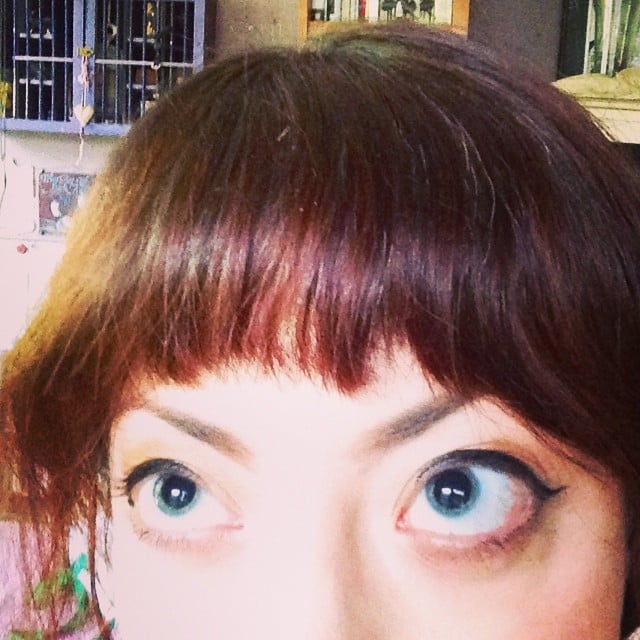
Italian women dripped juice from the poisonous belladonna plant directly into their eyes to make their pupils look larger and more attractive. The name “belladonna” literally means “beautiful woman” in Italian.
These drops caused blurred vision, sensitivity to light, and could lead to blindness with repeated use. Despite the obvious dangers, dilated pupils were considered so alluring that women took the risk.
Tapeworm diet pills in the Victorian era
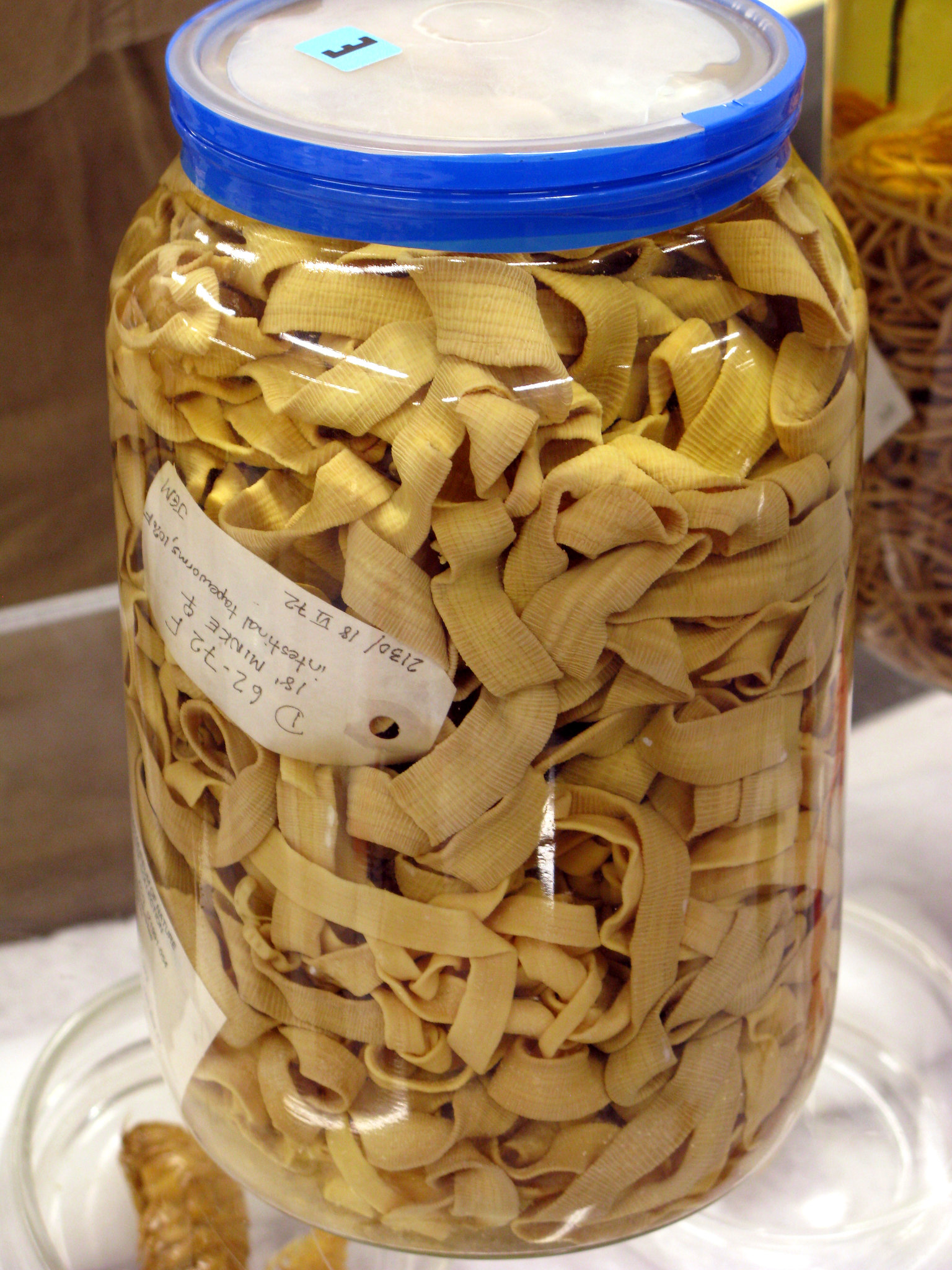
Women swallowed pills containing live tapeworm eggs to lose weight without changing their eating habits. The parasites would grow inside their intestines and consume some of the food they ate.
Once women reached their desired weight, they would take medication to kill and expel the tapeworm. This led to serious health problems including nutrient deficiencies, intestinal blockages, and organ damage.
Teeth filing in Bali
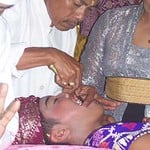
Balinese people filed down their canine teeth to create a flat, even smile as part of a coming-of-age ceremony. Sharp teeth were associated with negative emotions and animal-like behavior.
The painful procedure was done without anesthesia using a metal file. Having perfectly flat teeth showed that a person had control over their base instincts and was ready for adulthood.
Forehead plucking in Elizabethan England
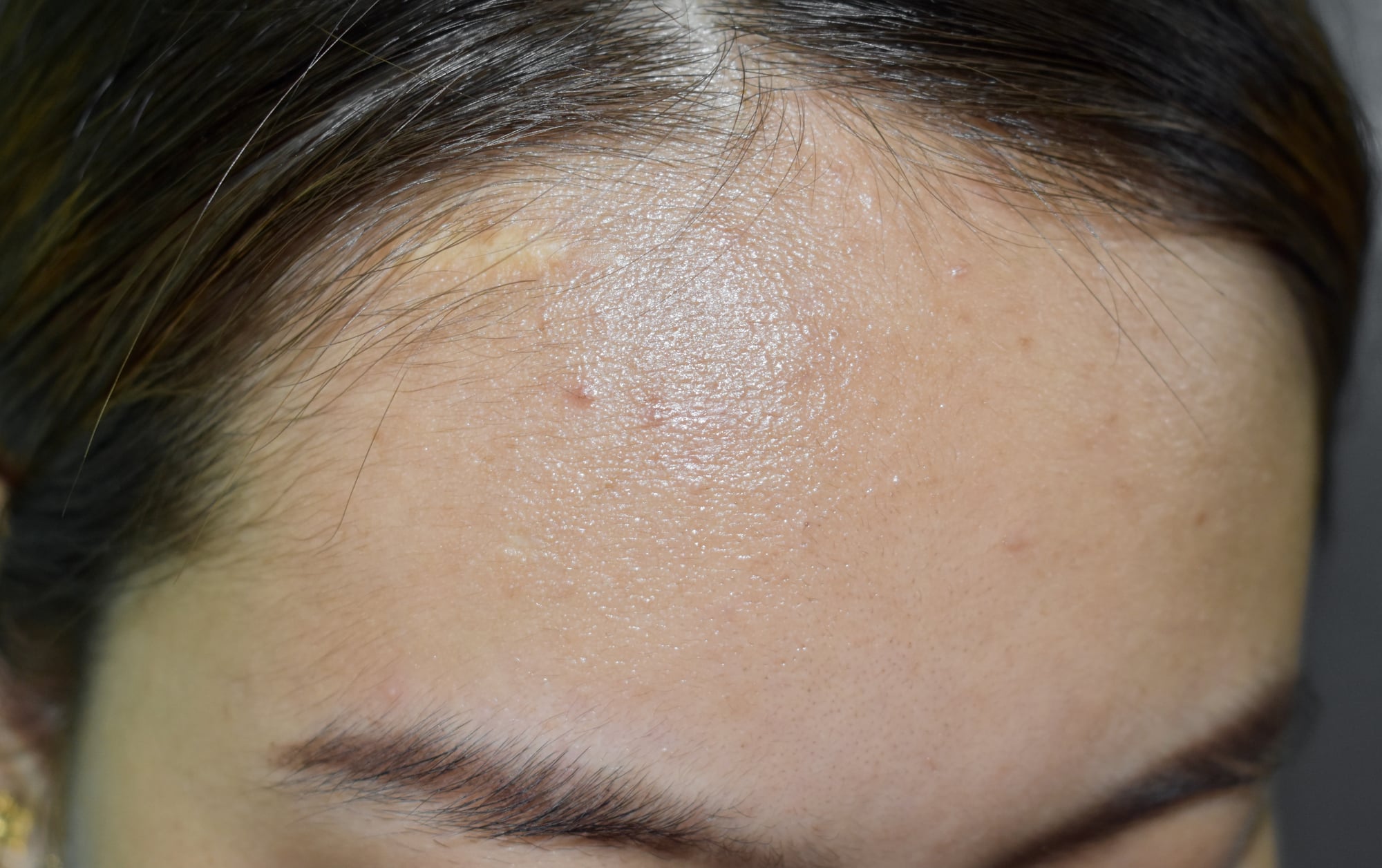
Women pulled their hair further back to show more forehead – seen as classy and smart. Many even got rid of their eyebrows completely.
This gave the face a stretched, elegant shape. Elizabeth I made it famous, so lots of women in England started doing the same thing.
Mercury skin lightening
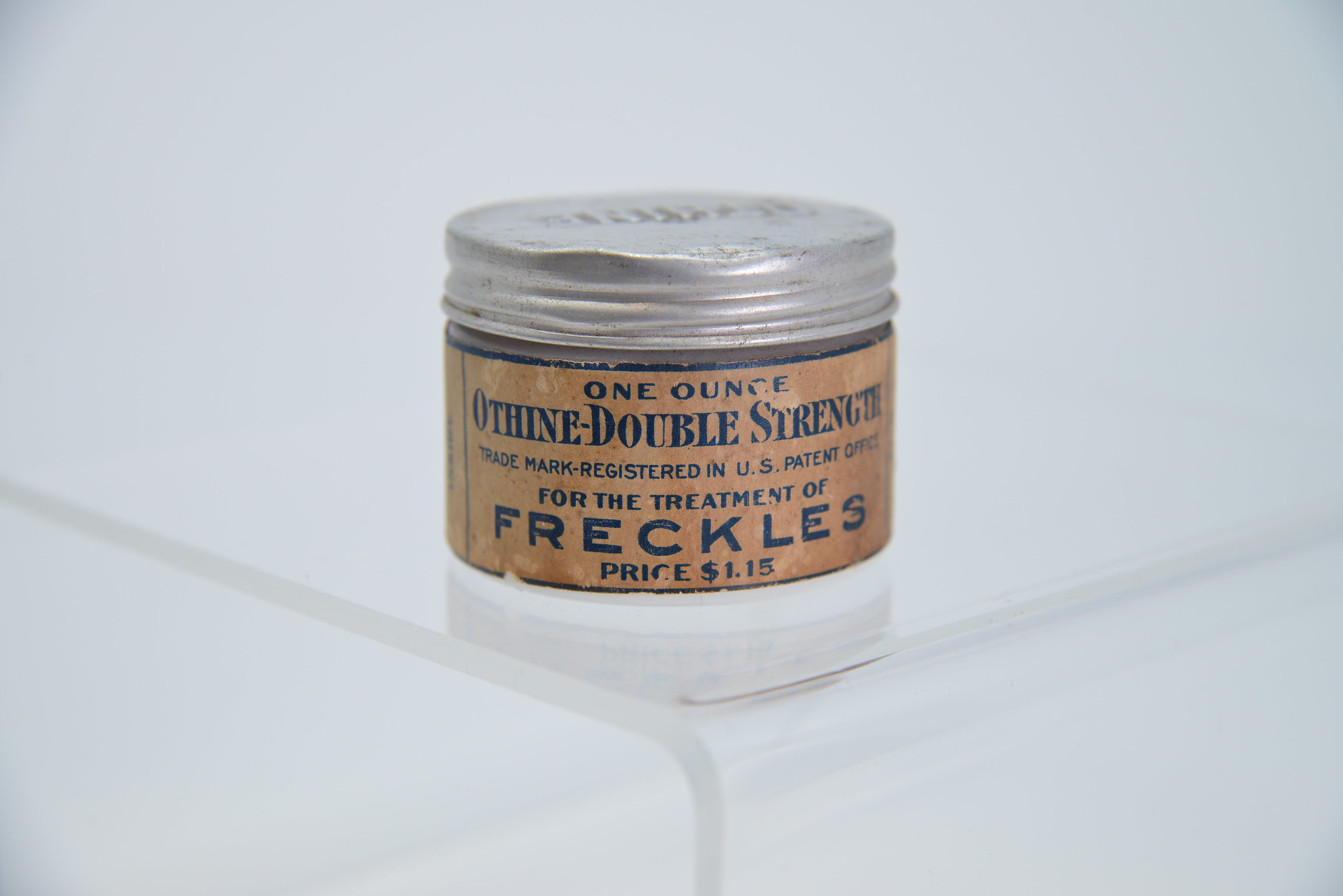
Back in ancient Rome, then again in 18th-century Europe, women used creams with mercury to make their skin lighter. This toxic metal gave them a fair look – yet slowly led to mercury buildup in the body.
Over months or years, they started shaking, forgetting things, struggling with failing kidneys. Despite knowing it harmed them, many kept applying it because being pale mattered more than staying safe.
Bloodletting to get that light complexion

Women in medieval Europe got bled regularly just to look pale and fragile. This happened because people thought less blood made skin seem clearer, almost ghost-like.
Over time, losing so much blood wrecked their health – always feeling weak, often sick. Instead of stopping it, physicians pushed as if it cured illness or improved looks.
The Beauty That Remains
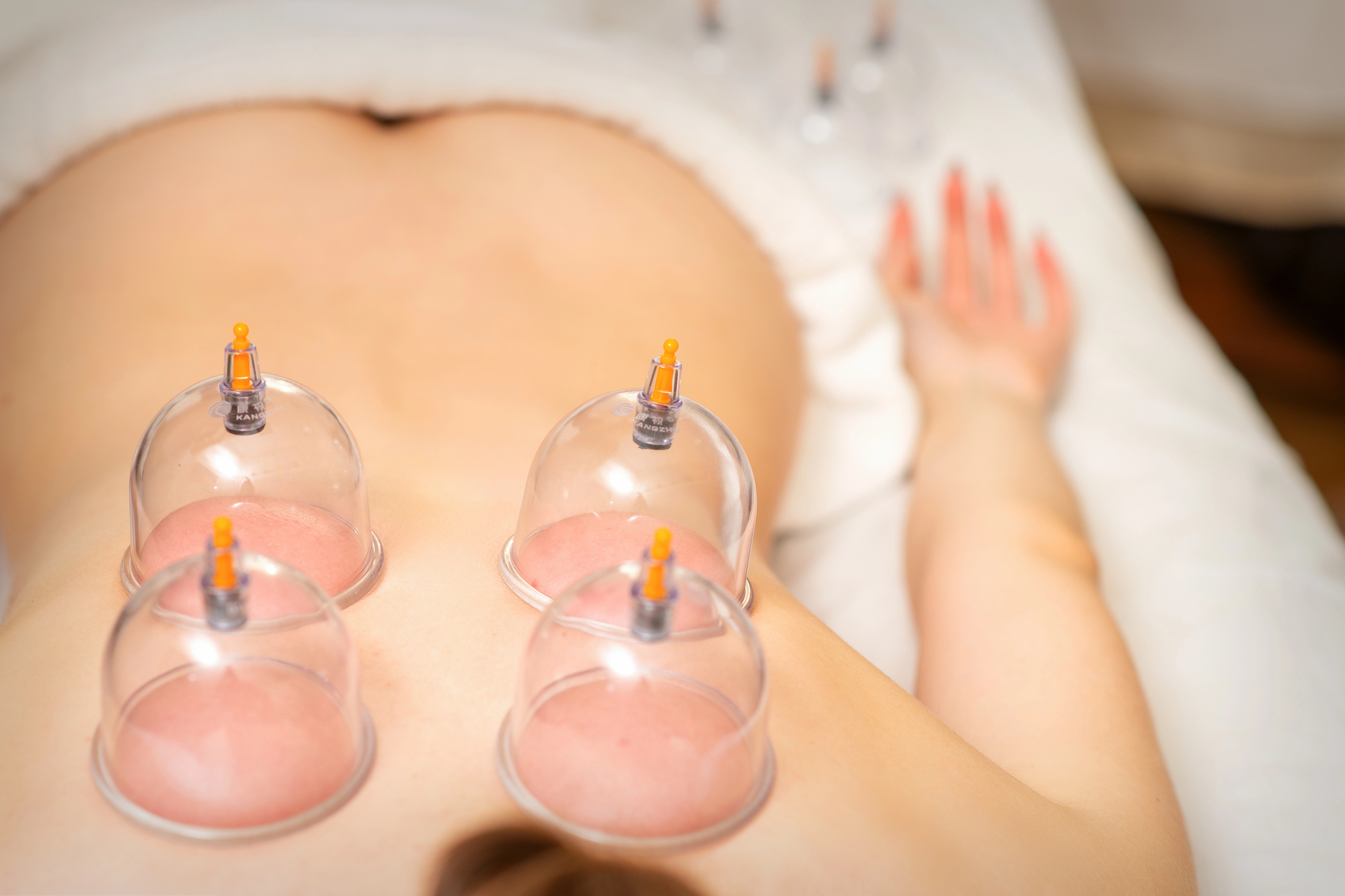
These odd rules show how beauty fads shift – usually ditching logic and well-being along the way. Something seen as essential for looking good back then might strike today’s youth as totally ridiculous.
Chances are folks in 2100 will find our current ideals just as bizarre. One thing never changes: humans keep pushing through awkwardness, risk, or agony to match society’s image of pretty.
More from Go2Tutors!

- The Romanov Crown Jewels and Their Tragic Fate
- 13 Historical Mysteries That Science Still Can’t Solve
- Famous Hoaxes That Fooled the World for Years
- 15 Child Stars with Tragic Adult Lives
- 16 Famous Jewelry Pieces in History
Like Go2Tutors’s content? Follow us on MSN.