Hidden Gems in Overlooked World Geography
These spots have wild landscapes, strange histories, and features that could easily rival the famous ones, yet they sit quietly in the shadows while everyone flocks to the usual destinations. Let’s dig into some of these overlooked places that deserve way more attention than they get.
You’ll find everything from vanishing seas to underground cities that most people have never heard of.
Socotra Island
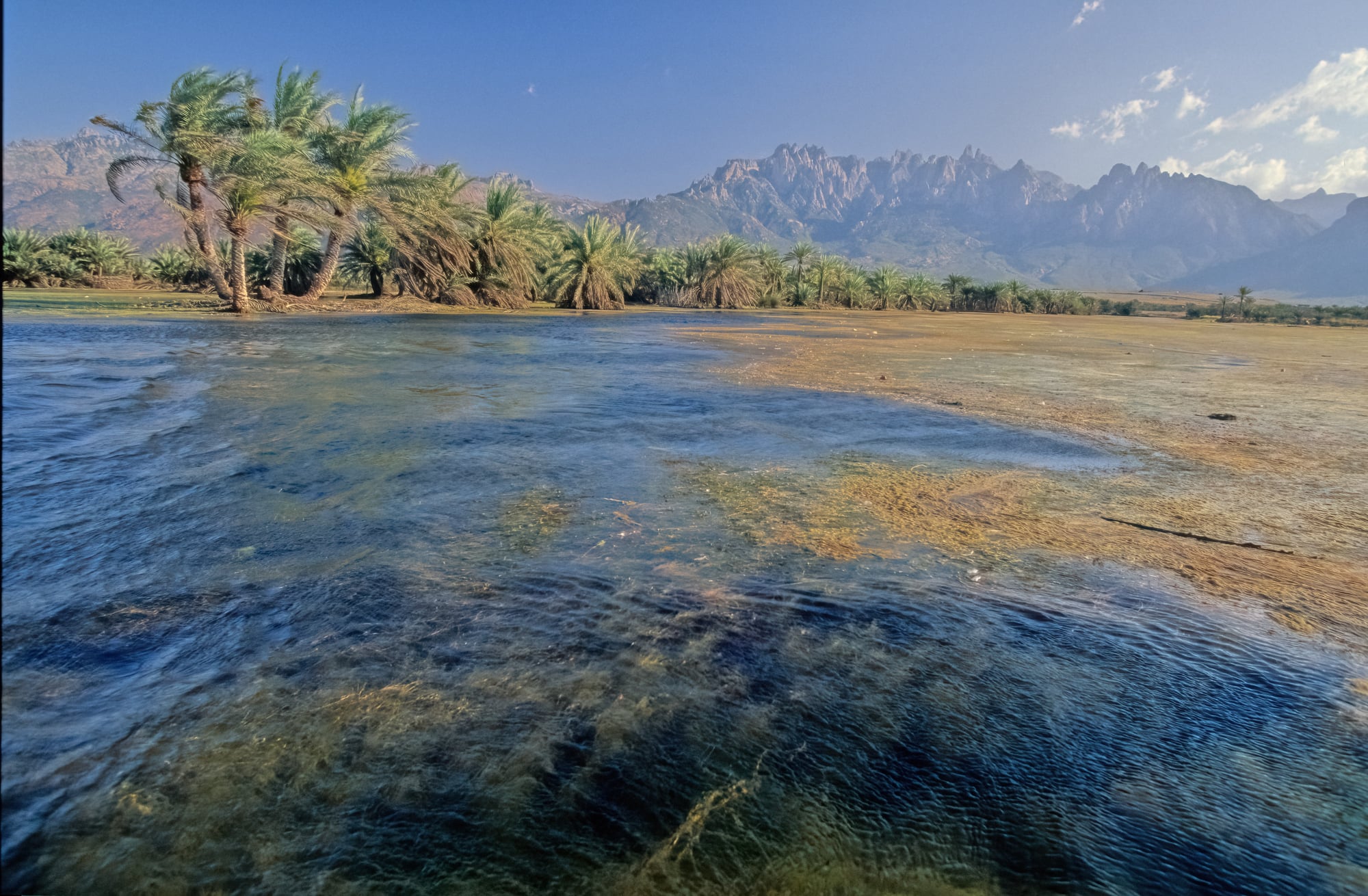
This place looks like it belongs on another planet. Socotra sits off the coast of Yemen in the Indian Ocean, and about a third of its plant life exists nowhere else on Earth.
The dragon’s blood trees are the real showstoppers—they look like giant mushrooms with thick trunks and umbrella-shaped crowns. The trees produce a dark red resin that people have used for medicine and dye for thousands of years.
Getting to Socotra is tricky because of political instability in the region, which keeps it off most traveler’s radars.
The Dry Valleys of Antarctica
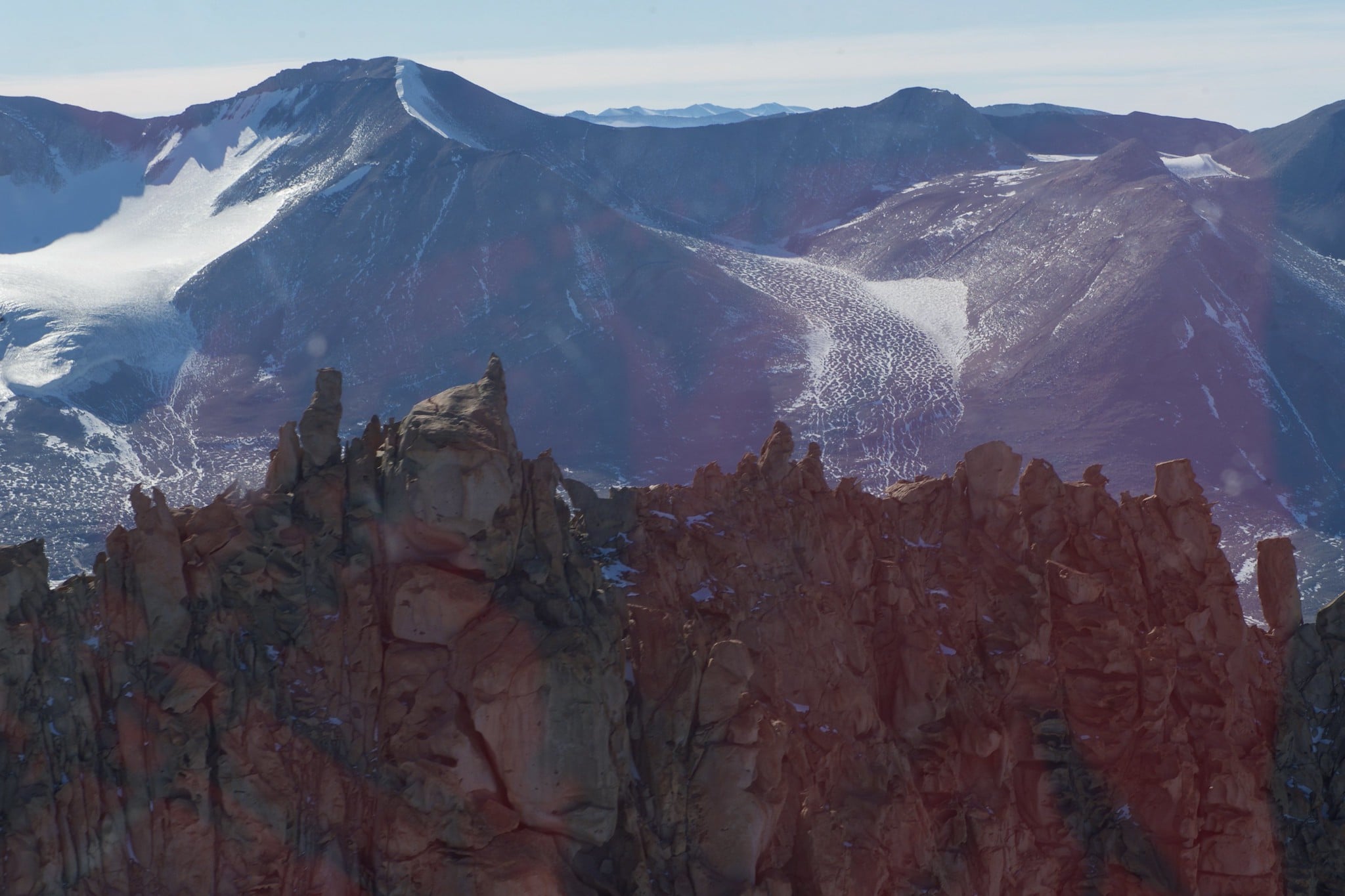
Antarctica isn’t just ice and penguins. The McMurdo Dry Valleys are some of the driest places on Earth, with sections that haven’t seen rain in nearly two million years.
Strong winds blast through at speeds up to 200 miles per hour, evaporating all moisture before it can settle. Scientists study these valleys because they resemble conditions on Mars more closely than anywhere else on our planet.
The landscape is harsh, barren, and strangely beautiful in a way that makes you feel like you’ve stepped onto a different world.
Lake Baikal’s hidden depths
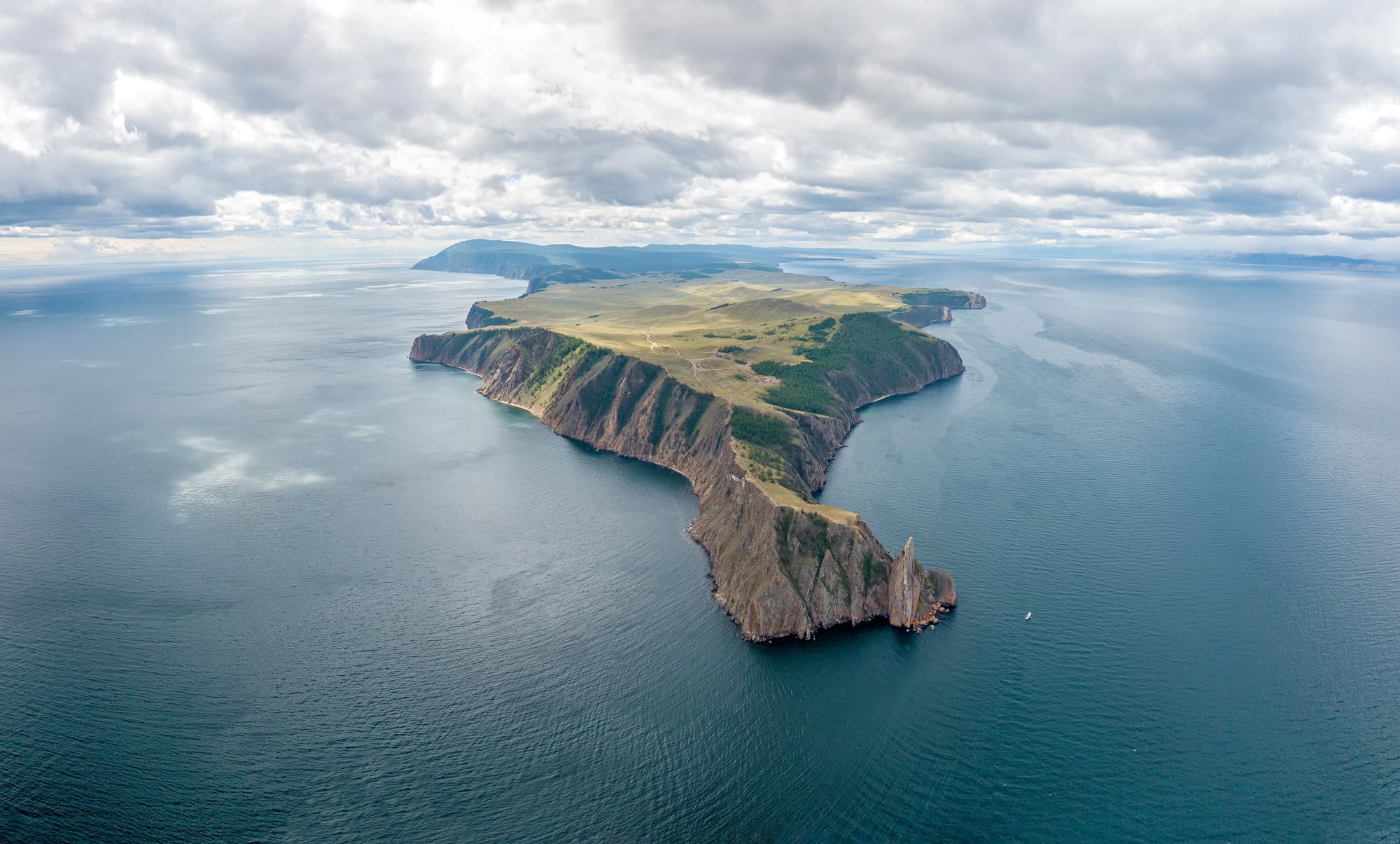
Most people know Lake Baikal in Russia is deep, but they don’t grasp just how extreme it really is. This lake holds about 20% of all the fresh water on Earth’s surface and reaches depths of over 5,300 feet.
It’s also incredibly old—around 25 million years, making it the oldest lake on the planet. The water is so clear that you can see down over 130 feet in some spots.
Unique species like the Baikal seal live here and nowhere else, having adapted to this one specific environment over millions of years.
The Empty Quarter
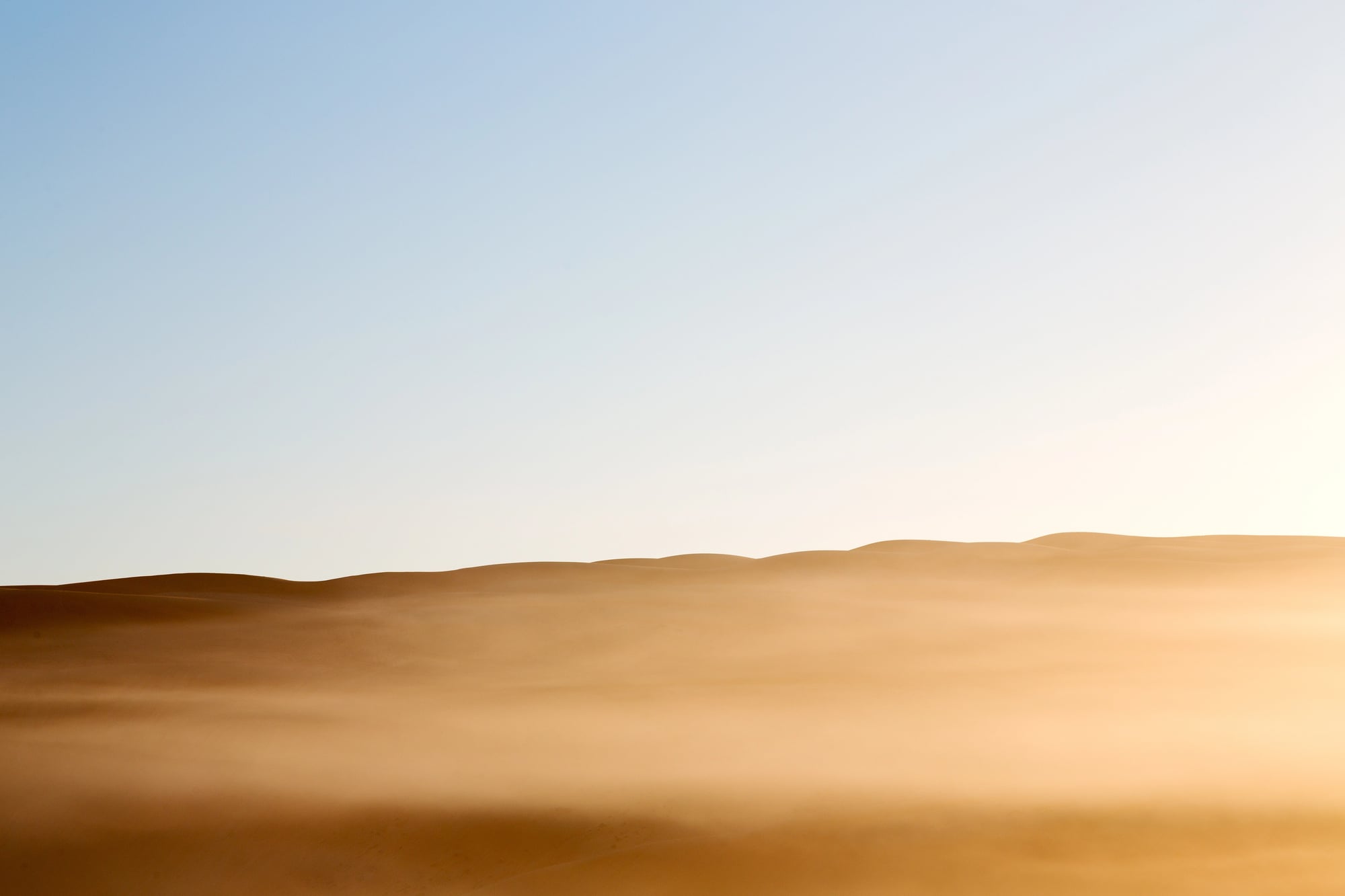
The Rub’ al Khali desert stretches across parts of Saudi Arabia, Oman, Yemen, and the United Arab Emirates. People call it the Empty Quarter for good reason—it’s one of the largest continuous sand deserts in the world, covering about 250,000 square miles.
Some sand dunes reach heights of 800 feet, shifting and moving with the wind like slow-motion waves. Temperatures can hit 130 degrees Fahrenheit during the day and drop dramatically at night.
Ancient trade routes once crossed through here, but now it’s mostly visited by oil explorers and the occasional adventure seeker.
Vanuatu’s underwater post office
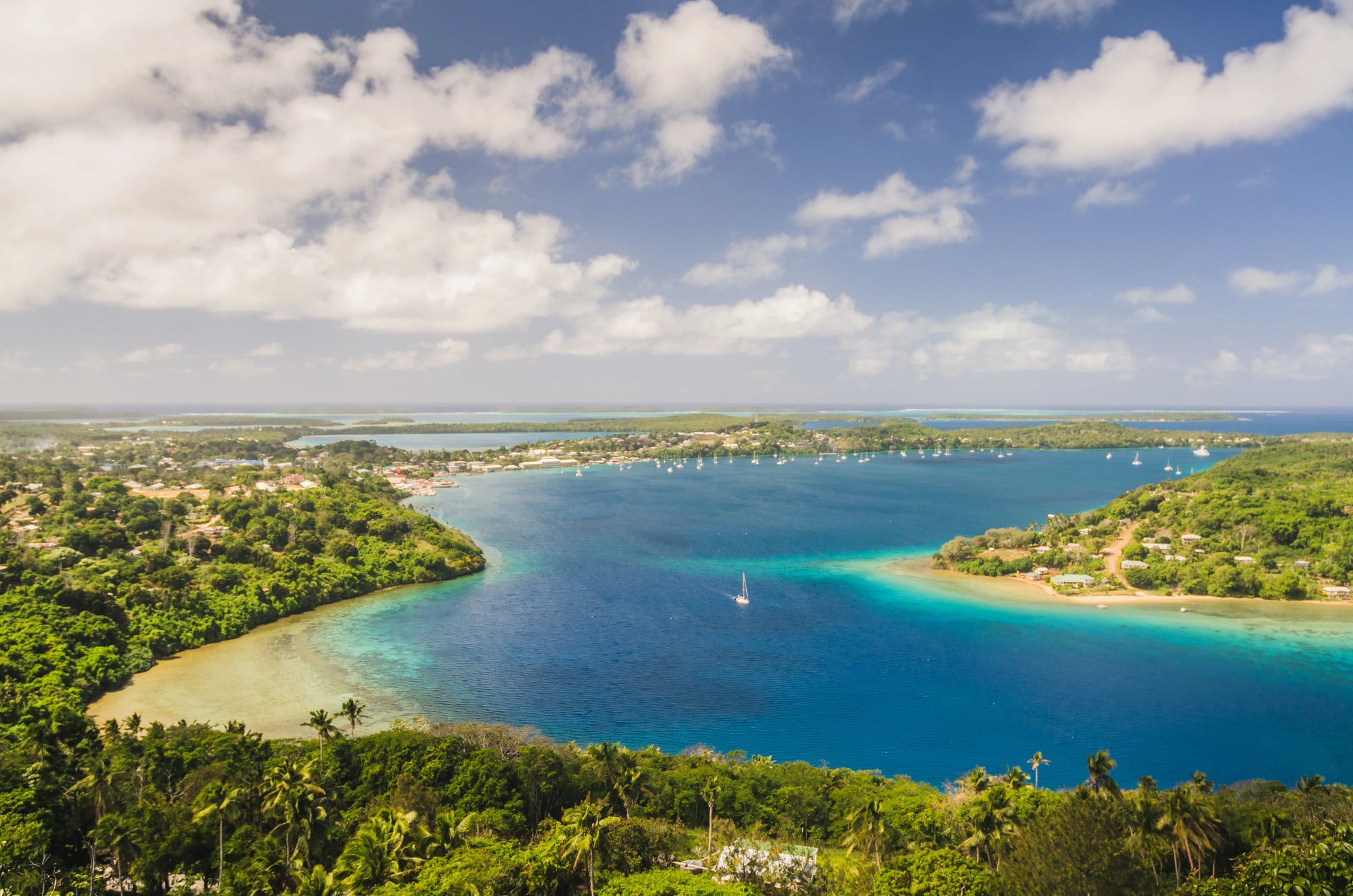
This tiny Pacific island nation has a post office that sits about 160 feet offshore and 10 feet below the water’s surface. Tourists can actually mail waterproof postcards from this submerged location, which has been operating since 2003.
The whole setup was created to draw attention to Vanuatu and boost tourism, and it worked surprisingly well. Divers swim down with special waterproof cards and drop them in the mailbox, where postal workers in scuba gear collect them regularly.
It’s quirky, unusual, and completely real.
The Danakil Depression
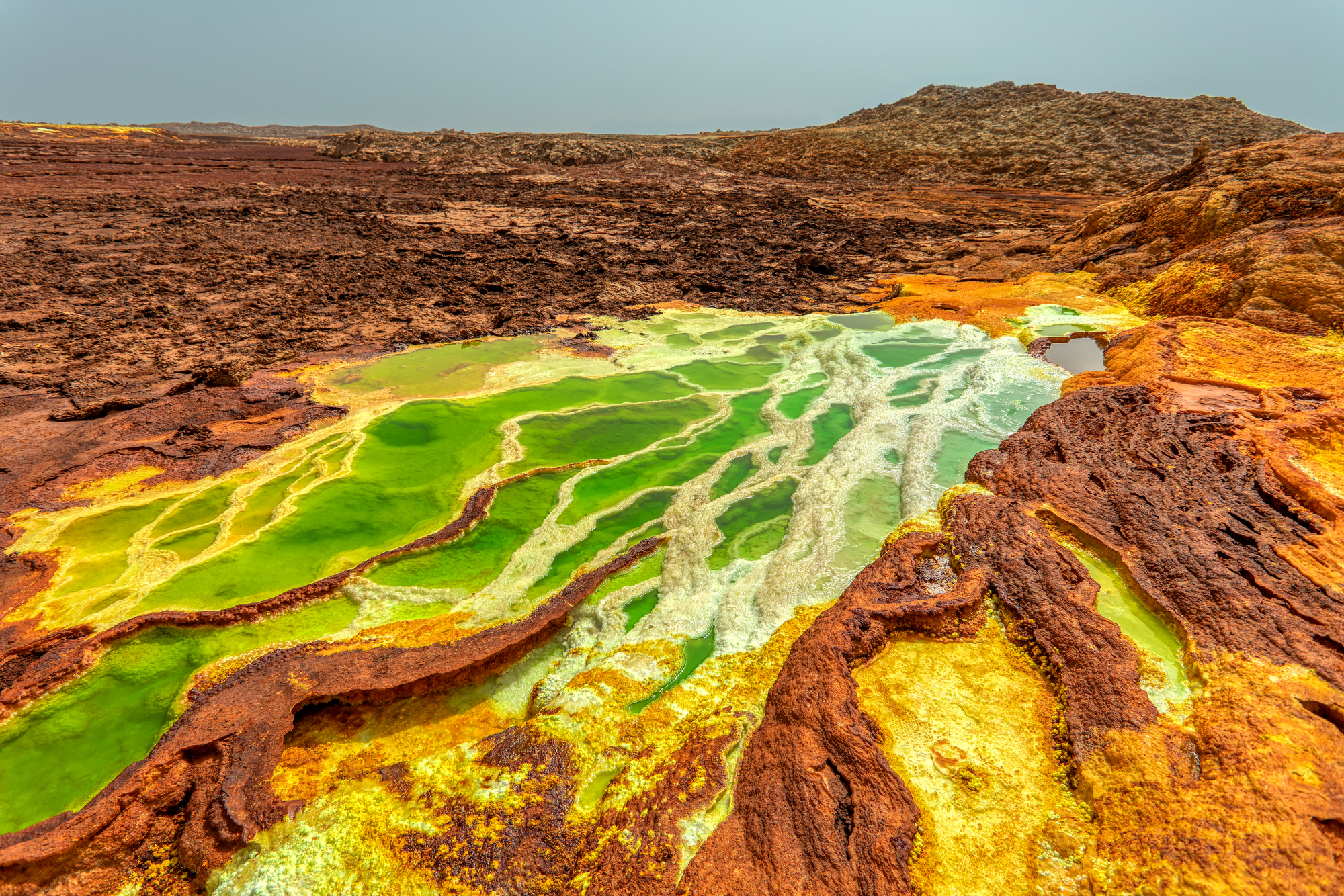
This spot in Ethiopia sits in one of the hottest places on Earth, where temperatures regularly exceed 120 degrees Fahrenheit. The landscape looks like a science fiction movie set, with bright yellow sulfur springs, neon green acid pools, and rust-colored salt flats stretching for miles.
It’s also one of the lowest points on Earth that isn’t covered by water, sitting about 410 feet below sea level. The Afar people mine salt here using methods that haven’t changed much in centuries.
Volcanic activity keeps the whole area unstable and dangerous, but also incredibly unique.
Tristan da Cunha’s isolation
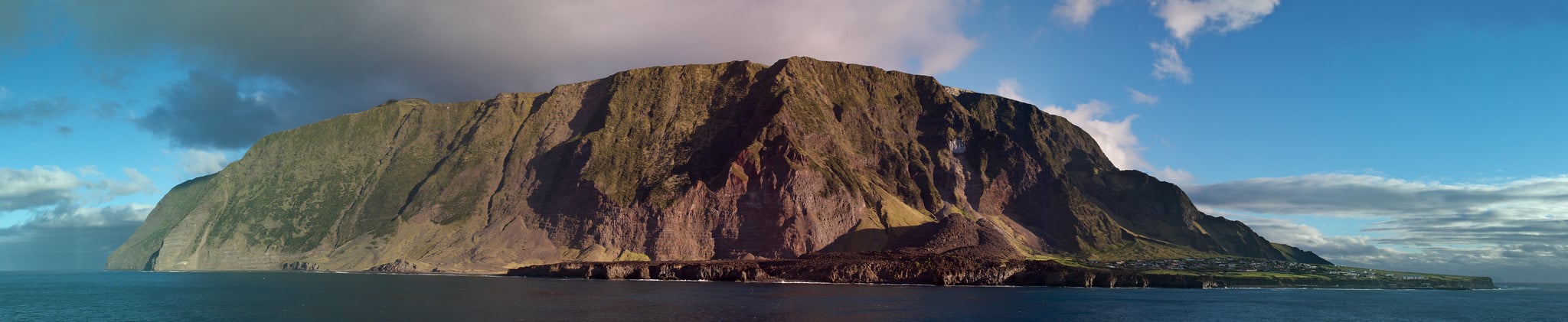
This island sits in the South Atlantic Ocean and holds the title of the most remote inhabited place on Earth. The nearest land is South Africa, about 1,500 miles away.
Only around 250 people live on the island, and they’re mostly descendants of British settlers and shipwreck survivors from the 1800s. There’s no airport, so the only way to reach it is by boat, which takes about six days from South Africa.
The community is tight-knit out of necessity, and they’ve developed their own distinct dialect of English over the years.
The Aral Sea’s disappearance
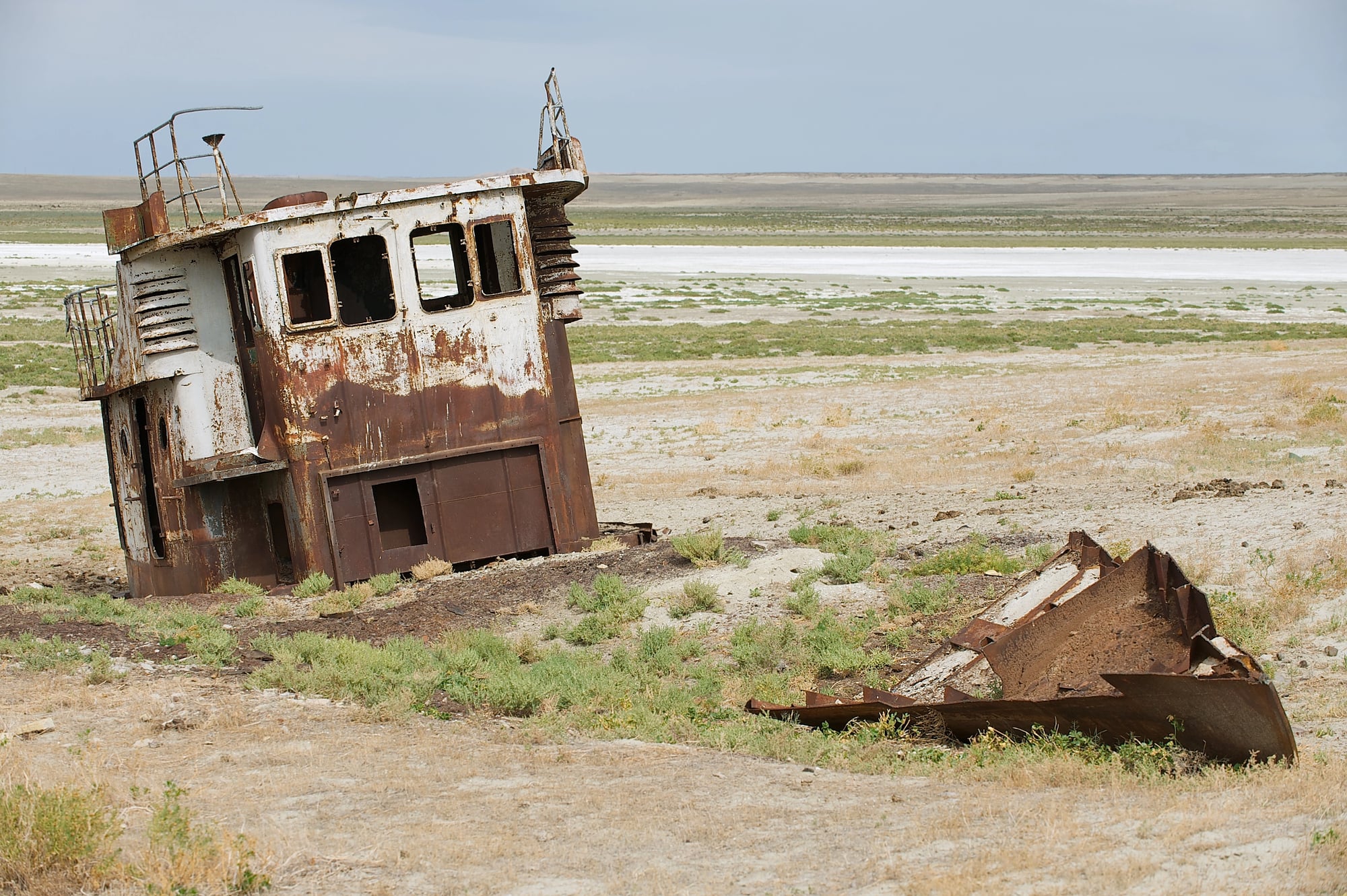
This body of water in Central Asia used to be the fourth largest lake in the world. Soviet irrigation projects diverted the rivers that fed it, and the sea started shrinking in the 1960s.
Now it’s mostly dried up, leaving behind a salty desert dotted with rusting ships that once sailed on water. The fishing communities that depended on it collapsed, and the exposed seabed releases toxic dust into the air.
It’s one of the worst environmental disasters caused by human activity, yet most people outside the region have never heard of it.
Centralia’s eternal fire
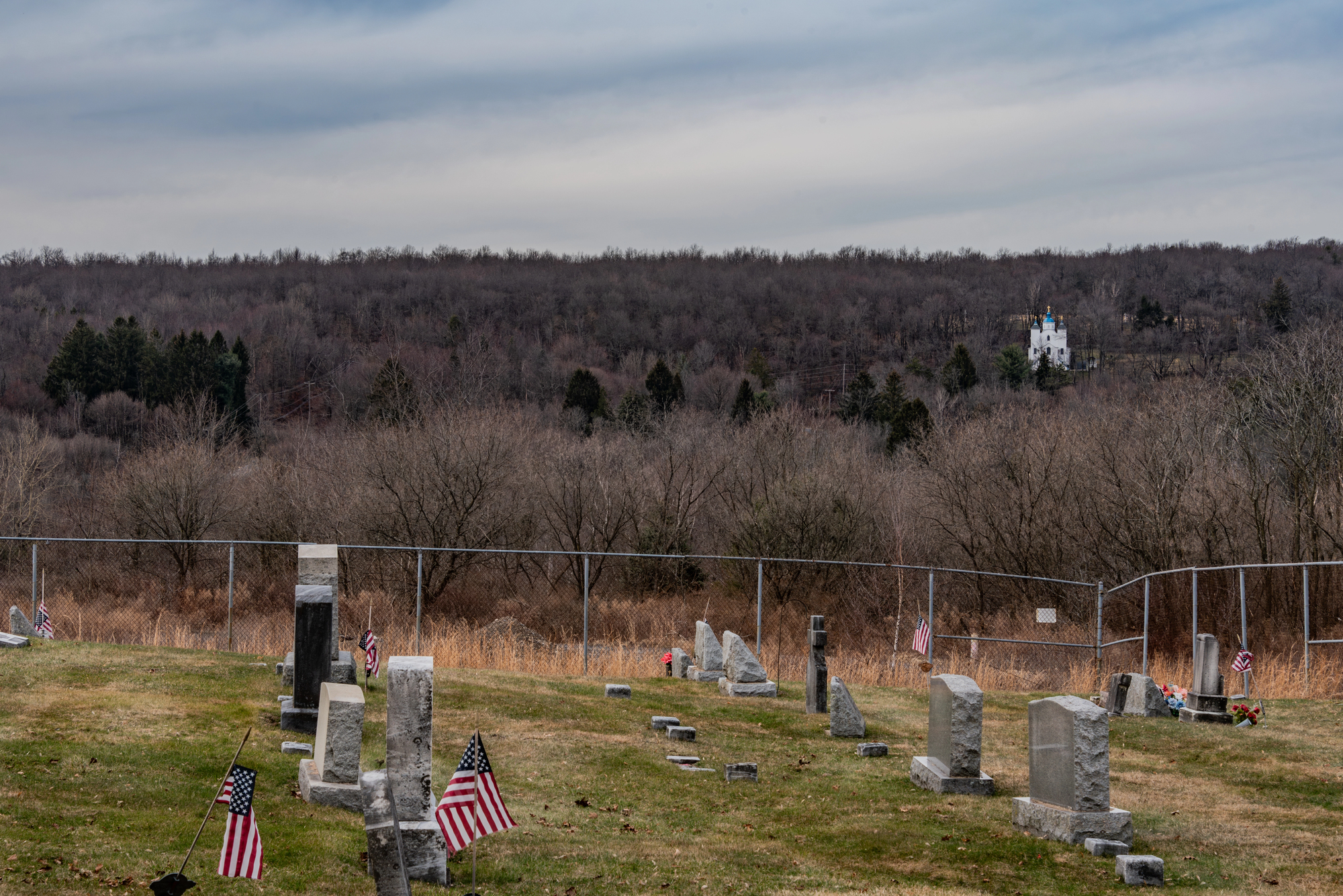
This Pennsylvania town has been burning underground since 1962 when a coal mine fire started and never stopped. The fire spread through the coal seams beneath the town, causing sinkholes to open up and toxic fumes to seep through the ground.
Almost everyone left, and now only about five people remain in a town that once had over 1,000 residents. Smoke still rises from cracks in the ground, and the empty streets inspired the setting for the horror movie Silent Hill.
Experts think the fire could burn for another 250 years.
Salar de Uyuni’s mirror effect
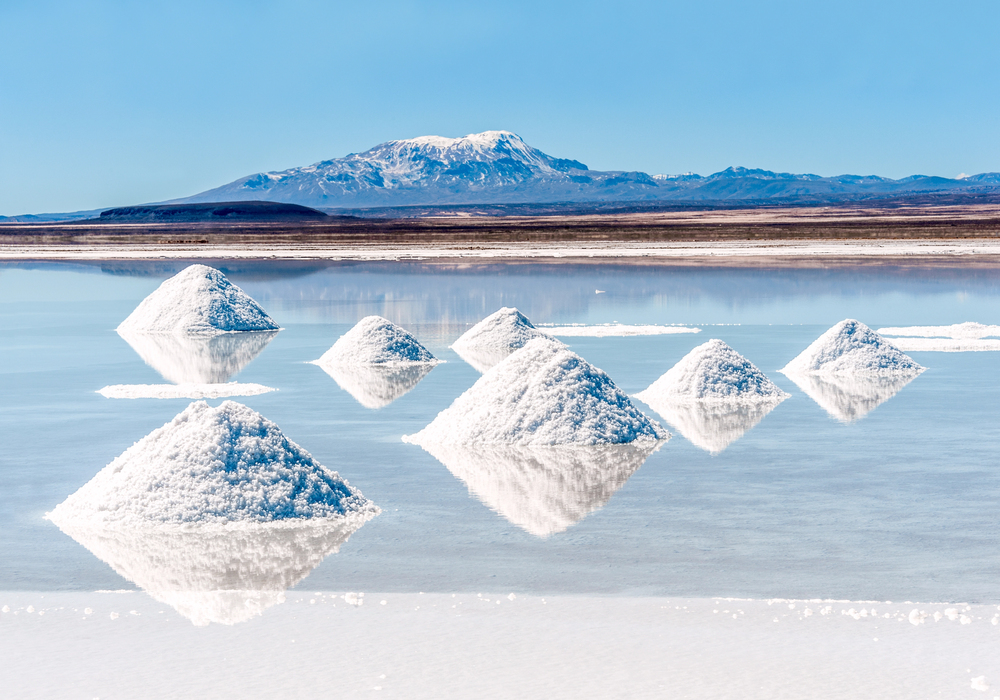
This salt flat in Bolivia becomes the world’s largest natural mirror during the rainy season. When a thin layer of water covers the salt, it creates a perfect reflection of the sky that makes it impossible to tell where the ground ends and the sky begins.
The salt flat covers over 4,000 square miles and sits at an altitude of about 12,000 feet. Beneath the surface lies a huge reserve of lithium, one of the largest in the world.
The stunning visual effect draws photographers and tourists, but it remains far less famous than it deserves to be.
The Door to Hell
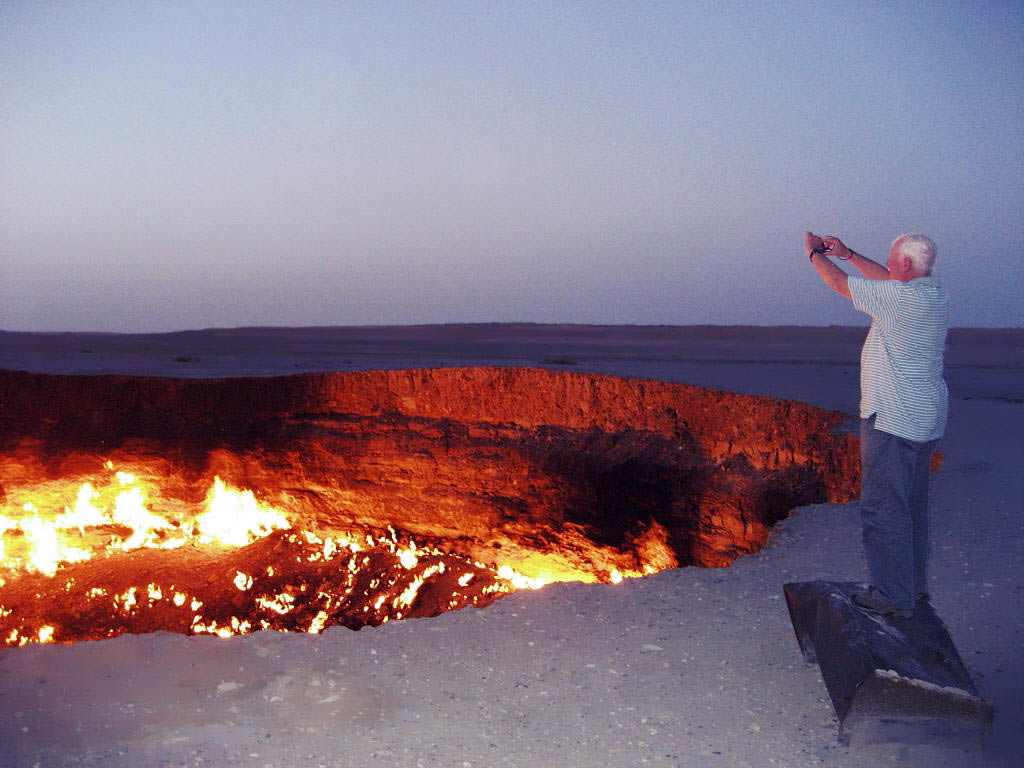
Turkmenistan has a burning gas crater that’s been on fire since 1971. Geologists were drilling for natural gas when the ground collapsed beneath their equipment, creating a crater about 230 feet wide.
They set it on fire to prevent methane from spreading, thinking it would burn out in a few weeks. More than 50 years later, it’s still burning.
The locals call it the Door to Hell, and it glows orange at night like something out of a nightmare. The government wants to put it out to tap the gas reserves, but so far the fire keeps going.
Fingal’s Cave formation
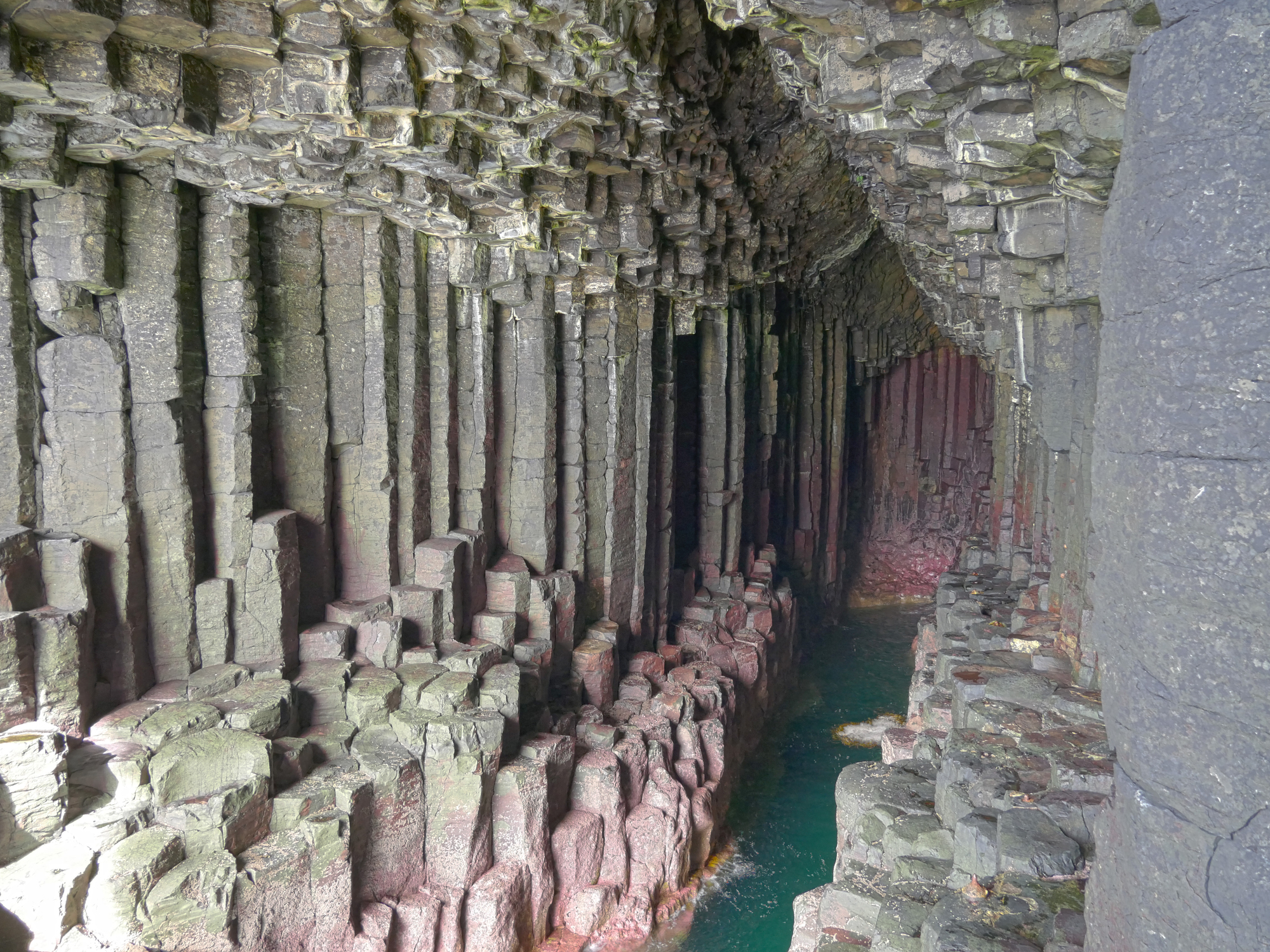
This sea cave on the Scottish island of Staffa has walls made entirely of hexagonal basalt columns that look like they were crafted by hand. The columns formed when lava cooled slowly, creating these perfectly geometric shapes.
The cave’s acoustics are remarkable—waves echoing inside create natural music that inspired composers like Mendelssohn. Vikings gave the cave its name, and Celtic legends claim it was built by giants.
Most people visit Scotland for castles and highlands, so this geological wonder stays relatively unknown.
The Pink Lake mystery
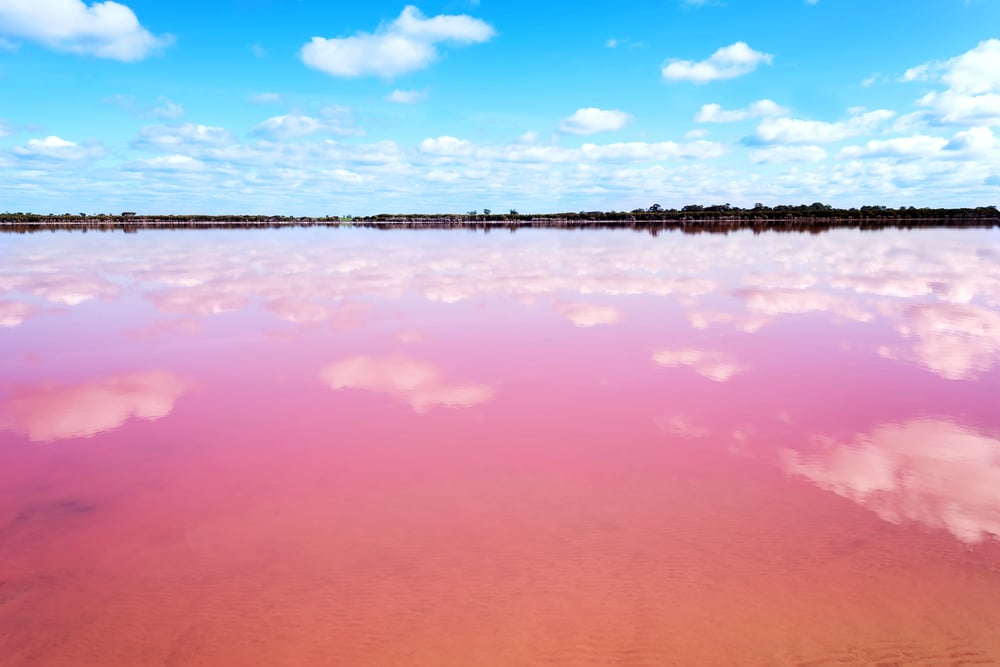
Lake Hillier in Australia is bright pink, and scientists still aren’t completely sure why. The leading theory points to specific algae and bacteria that produce pink pigments in the salty water.
The color stays vivid year-round and doesn’t change even when you take water out of the lake. It sits on Middle Island off the coast of Western Australia, surrounded by eucalyptus forest.
You can only see it properly from the air, which makes it a favorite for aerial tours but keeps it off the ground-level tourist trail.
The Richat Structure’s mystery
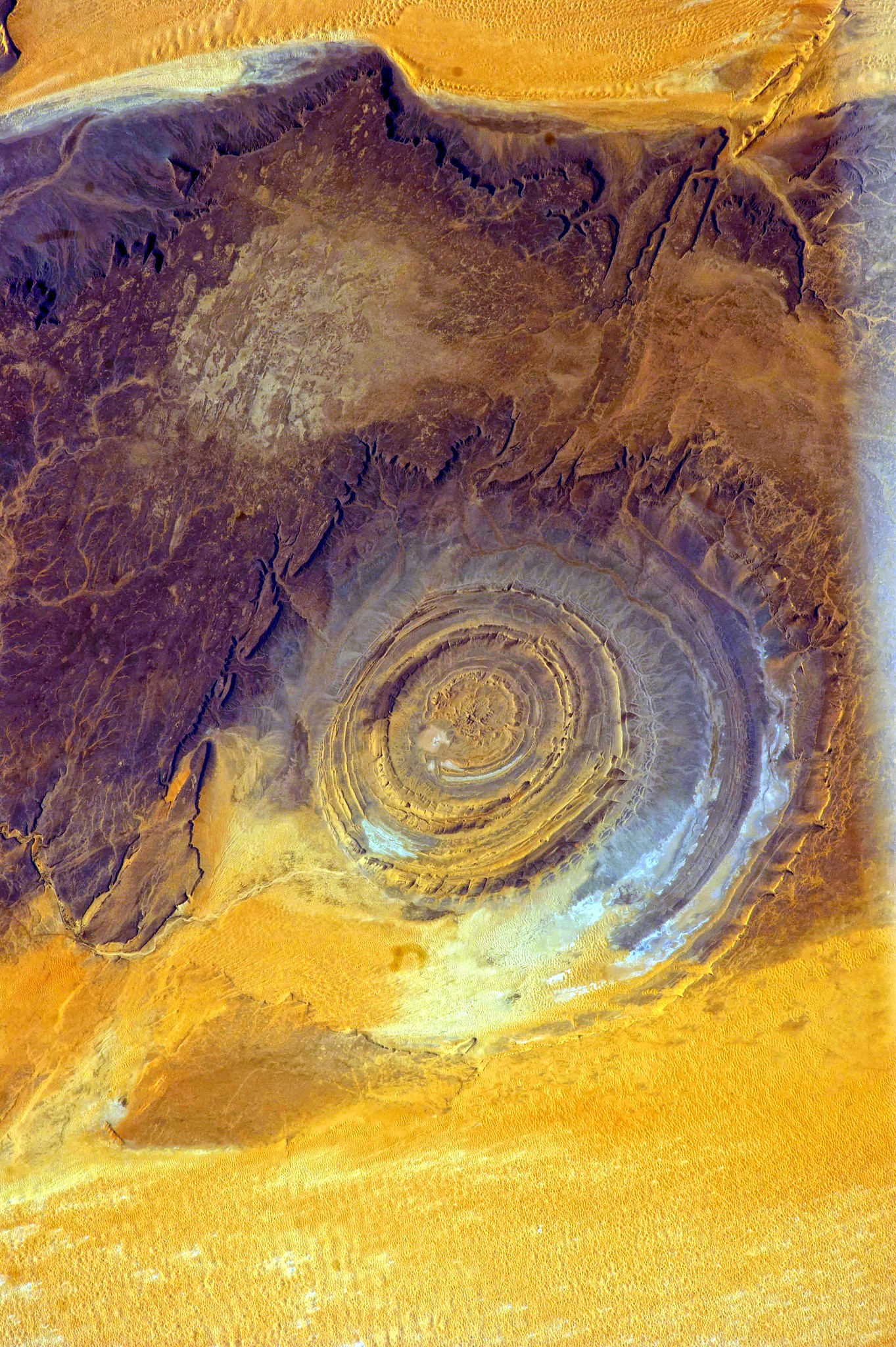
This massive circular formation in Mauritania’s desert spans about 30 miles across and looks like a giant bullseye from space. Scientists initially thought it was an impact crater from a meteor, but studies showed it’s actually a geological dome that eroded over time.
The different colored rings represent different types of rock exposed by erosion. Some people still speculate it might be the lost city of Atlantis, though there’s zero evidence for that.
It’s so remote that most people only see it in satellite photos.
Devon Island’s Mars simulation
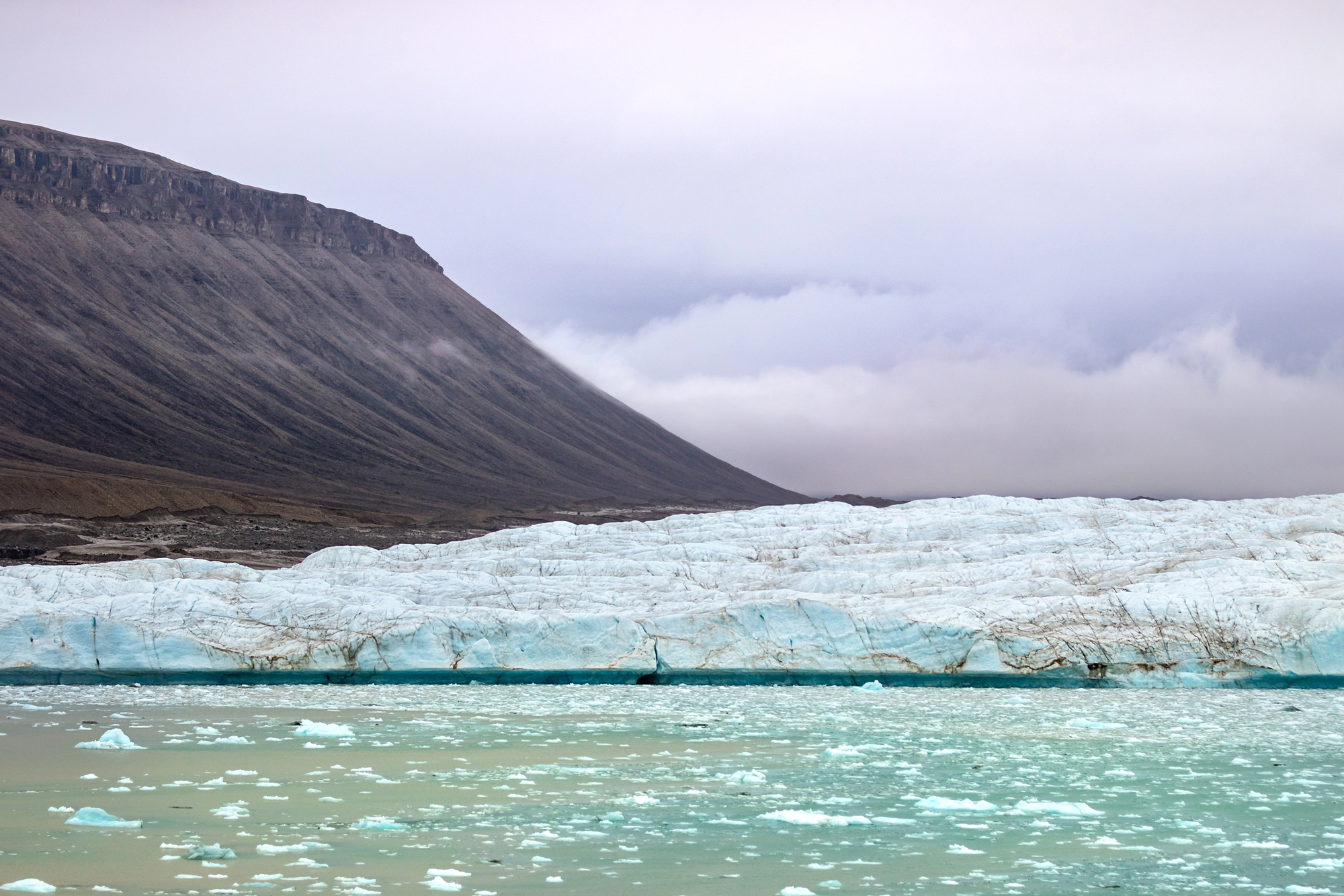
This uninhabited island in the Canadian Arctic is so barren and Mars-like that NASA uses it to test equipment and train astronauts. The Haughton impact crater sits on the island, created by a meteor strike about 39 million years ago.
The harsh conditions, rocky terrain, and isolation make it perfect for simulating space missions. No permanent residents live here, and temperatures stay below freezing most of the year.
It’s the largest uninhabited island on Earth, yet few people outside the scientific community know it exists.
The Chocolate Hills phenomenon
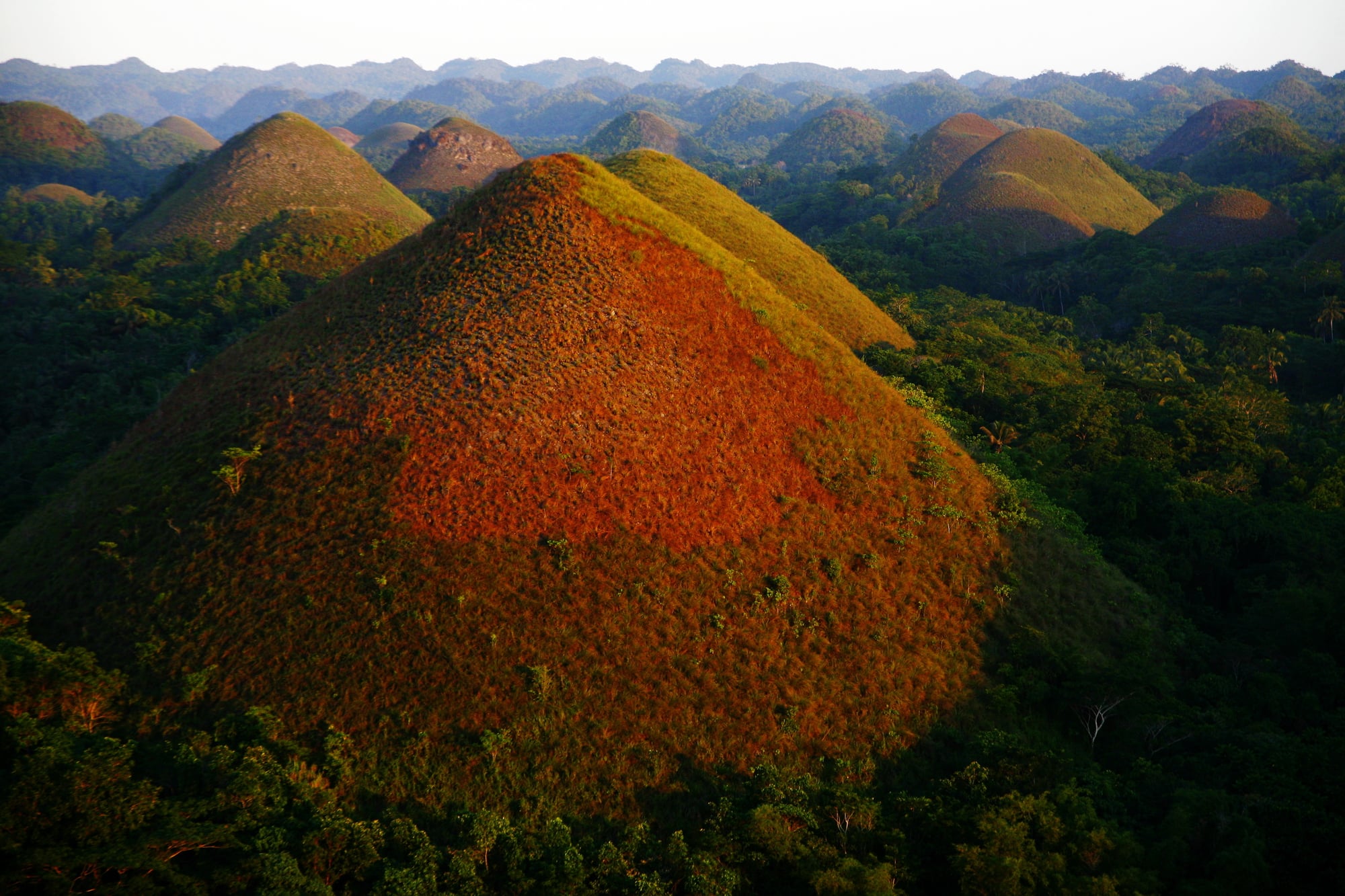
The Philippines has over 1,200 dome-shaped hills that turn brown during the dry season, making them look like giant chocolate drops. They’re spread across about 20 square miles in Bohol province, and geologists think they formed from coral deposits lifted above sea level and shaped by erosion.
Local legends say they’re the tears of a heartbroken giant or the result of a battle between two giants throwing rocks at each other. The hills are all roughly the same size and shape, which adds to their unusual appearance.
They’re a national geological monument but remain overshadowed by the country’s beaches.
Blood Falls in Antarctica
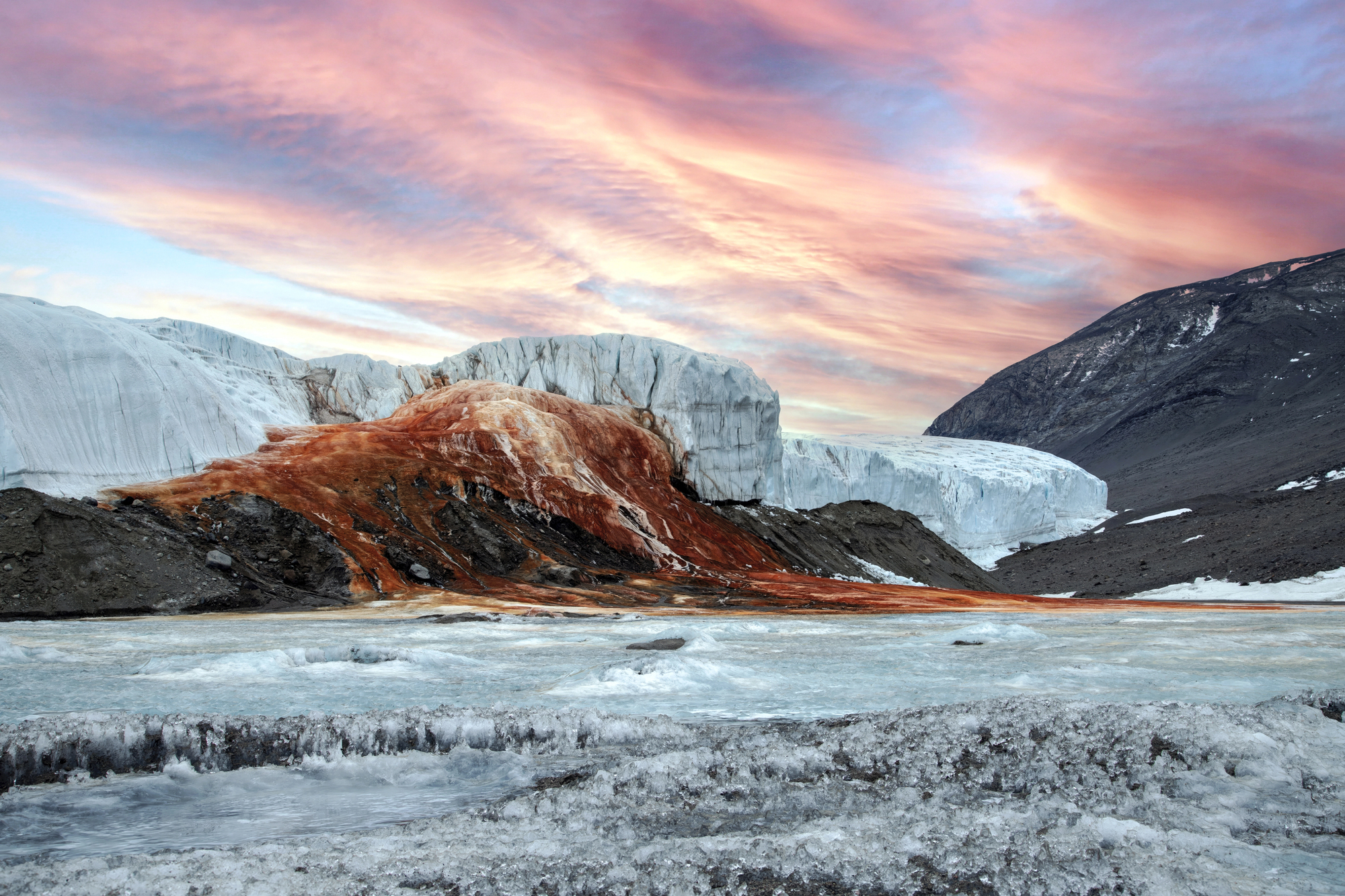
Beneath the pale ice of Antarctica, a cascade spills red like stained glass. Iron-laden brine rises from below, meeting open air where it darkens, much like steel left outside too long.
Locked under Taylor Glacier, an ancient pool has sat untouched nearly two million years. Life clings there – tiny beings surviving in cold darkness with no sunlight, no fresh airflow.
Found back in 1911, the stream kept its secrets well into the modern era before answers finally surfaced.
The Moeraki Boulders origin
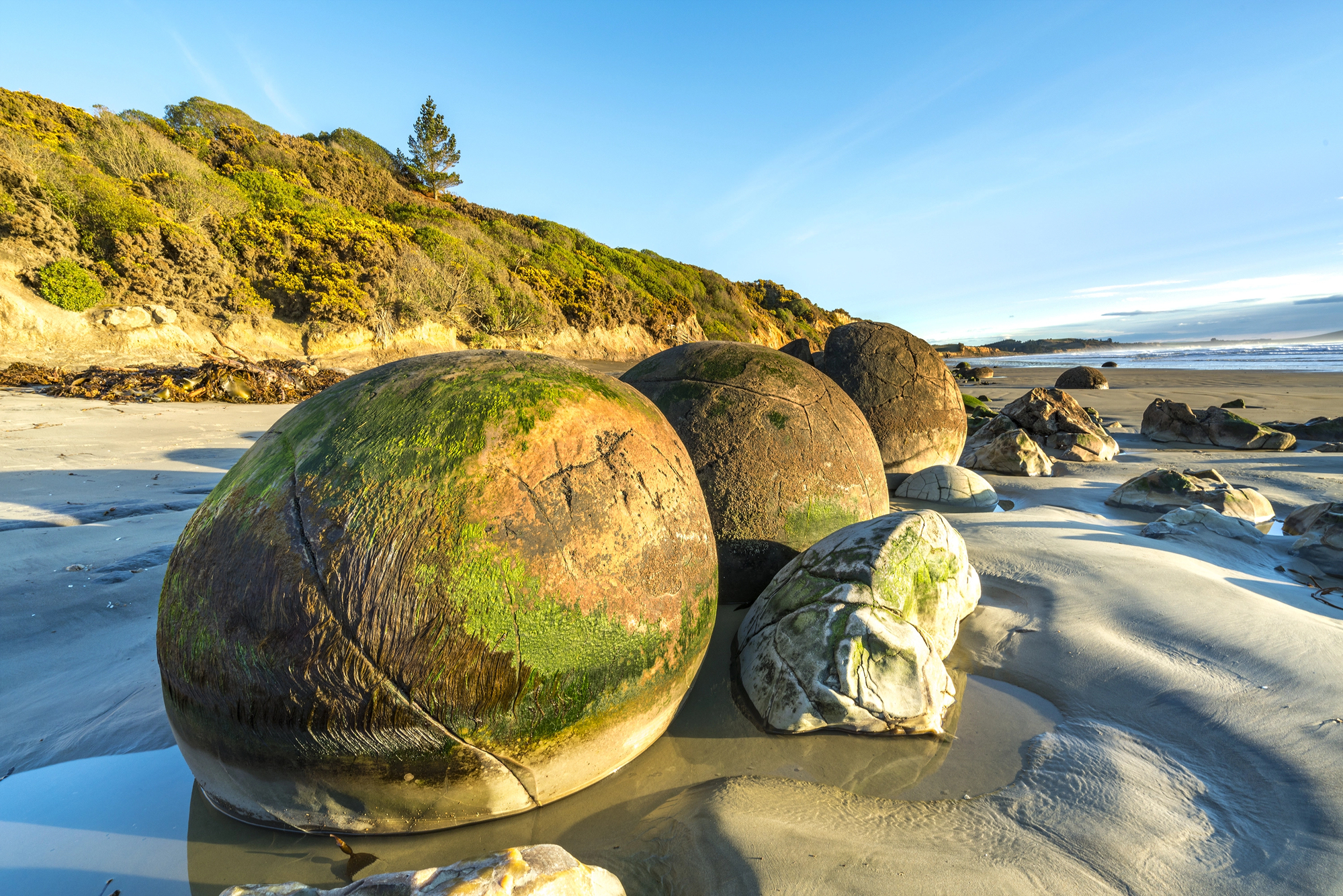
Out here where the land meets the ocean, round stones bigger than people rest in clusters. Long before humans walked these shores, minerals slowly gathered around tiny centers deep under water.
Century after century passed while layers thickened into solid forms beneath the seabed. Time wore away the softer stone that once held them captive.
Then tides, patient and constant, rolled them onto shore. A few stretch wider than three meters, heavy enough to barely shift when storms hit.
Old stories speak of fishing nets turned to stone, lost when a great voyaging boat broke apart nearby. Science explains one thing; memory holds another.
Where these places fit today
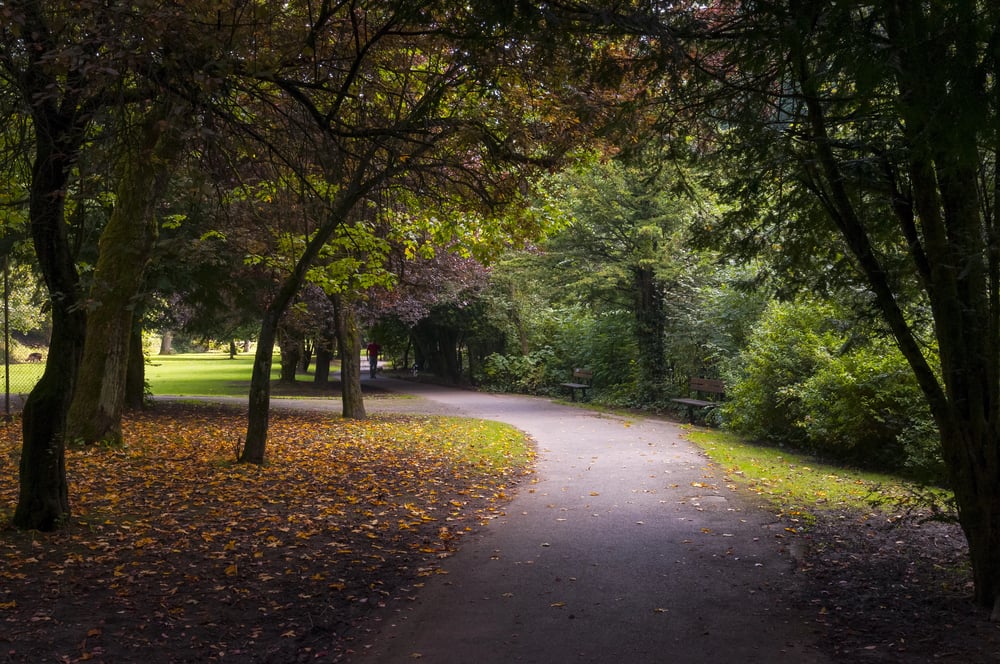
Out here, far from the usual paths, the world still holds secrets no satellite could capture. Even with every corner snapped a thousand ways online, odd corners stay under the radar.
A post might go viral one day and change it all – but right now? Silence wins over noise. Forget rote learning maps; what counts is how oddly beautiful things pop up where you least expect.
When folks start talking about undiscovered spots, these ones actually earn the title.
More from Go2Tutors!

- The Romanov Crown Jewels and Their Tragic Fate
- 13 Historical Mysteries That Science Still Can’t Solve
- Famous Hoaxes That Fooled the World for Years
- 15 Child Stars with Tragic Adult Lives
- 16 Famous Jewelry Pieces in History
Like Go2Tutors’s content? Follow us on MSN.