Towns With Unusual Living Arrangements
Most people live in houses or apartments, but not everyone follows the same script. Around the world, some towns have developed living situations that break all the usual rules.
These places aren’t just quirky tourist stops. They’re real communities where people wake up, go to work, and live their entire lives in ways most of us would never imagine.
Let’s look at some of these towns where normal doesn’t exist.
Coober Pedy
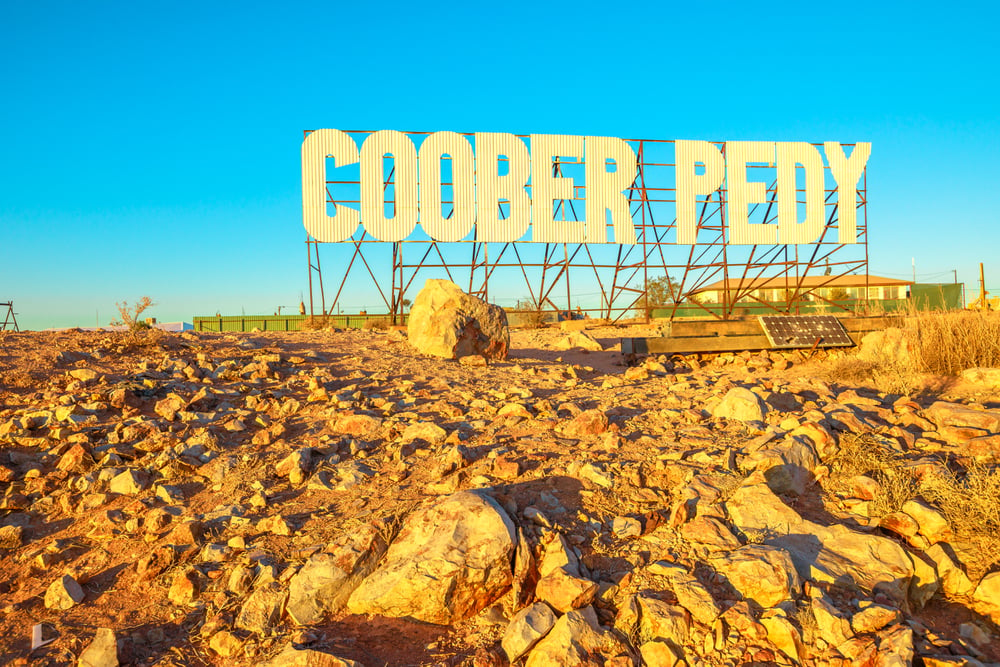
This Australian town sits in the middle of the desert, and nearly half the population lives underground. The heat above ground reaches unbearable levels during summer, so residents carved homes directly into the rock.
These underground houses stay cool year-round without air conditioning. Churches, hotels, and even a golf course exist below the surface, making it one of the most unusual residential setups on Earth.
Whittier
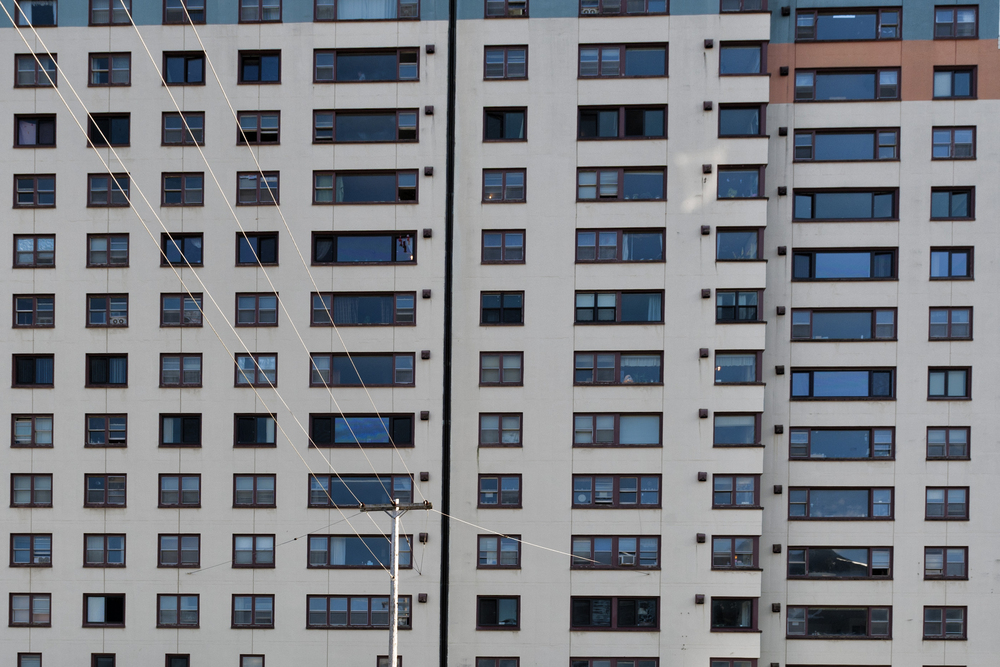
Almost the entire population of this Alaskan town lives in a single building. The Begich Towers house around 200 residents who share the same address, and the building contains everything they need: a school, post office, church, and health clinic.
Winter storms can trap people indoors for days, so having everything under one roof makes sense. The setup feels more like a giant apartment complex than a traditional town.
Setenil de las Bodegas
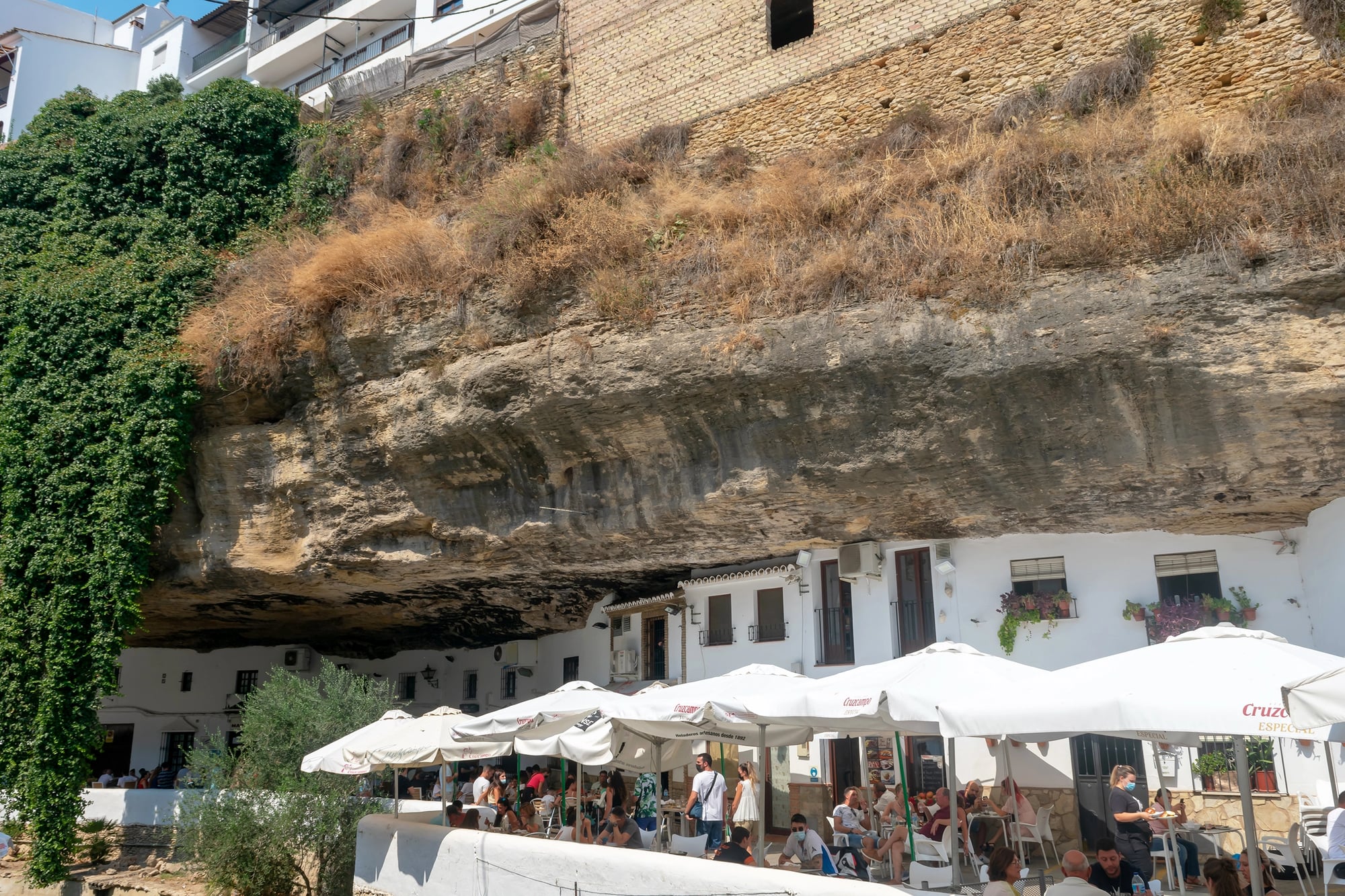
This Spanish town wedged itself under massive rock overhangs instead of building traditional structures. Houses and restaurants sit directly beneath huge stone formations that serve as natural roofs.
People have lived this way for centuries, taking advantage of the protection and insulation the rocks provide. Walking through the streets feels like exploring a cave system with homes built into the walls.
Matmata
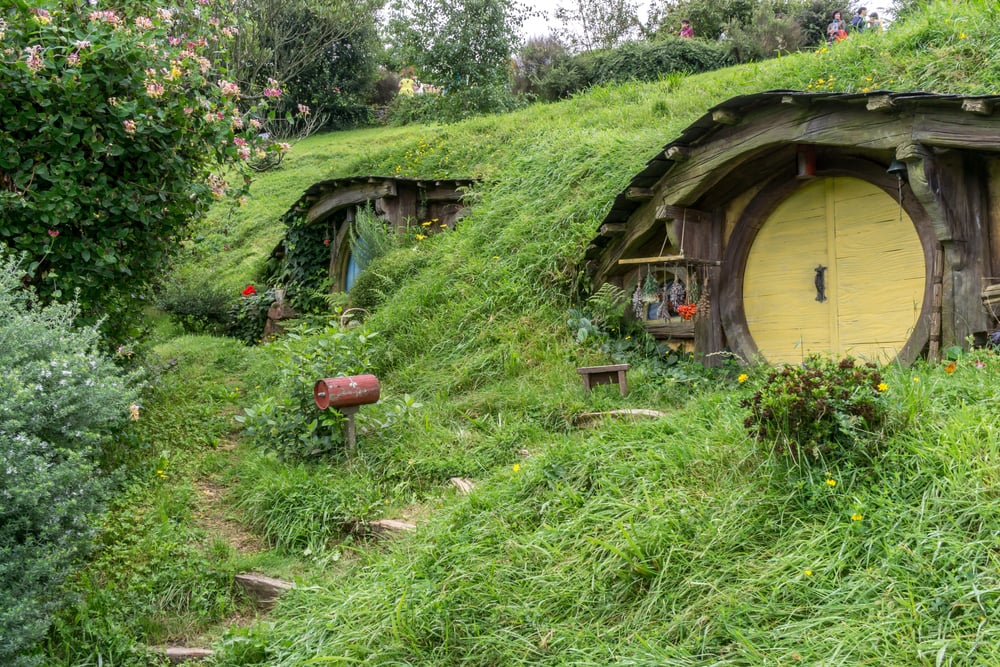
Residents of this Tunisian town live in pit homes dug straight down into the ground. Each dwelling features a central courtyard with rooms carved into the surrounding walls, creating a circular underground compound.
The design keeps homes cool in the scorching desert climate and protected from sandstorms. Some of these pit houses date back hundreds of years, and families still occupy them today.
Svalbard
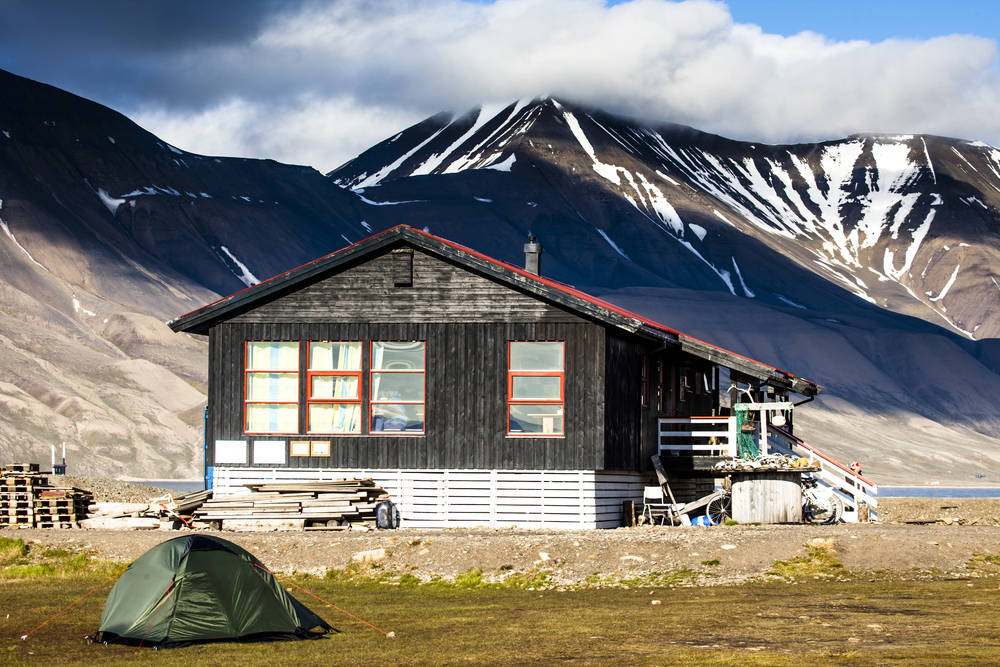
This Norwegian territory requires all residents to carry firearms when leaving town because of polar bear threats. People also can’t legally die or be buried here since bodies don’t decompose in the permafrost.
Anyone who becomes seriously ill gets flown to mainland Norway. The town operates under continuous darkness for months during winter, creating one of the strangest living conditions anywhere.
Tristan da Cunha
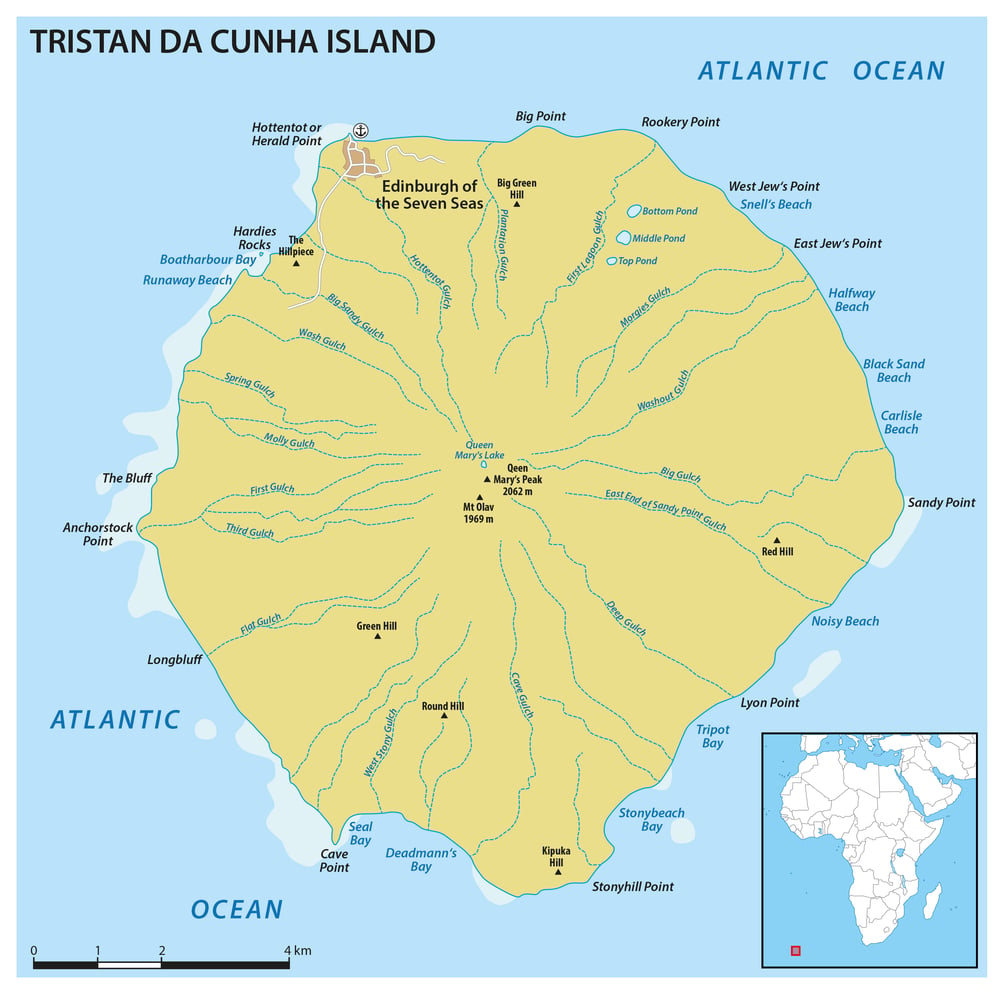
This island community sits 1,500 miles from the nearest inhabited land, making it the most remote permanent settlement on the planet. Only about 250 people live here, and they all share just seven surnames.
Everyone knows everyone, and the entire population lives in one main settlement called Edinburgh of the Seven Seas. Supplies arrive by boat only a few times per year, and the island has no airport.
Aoshima
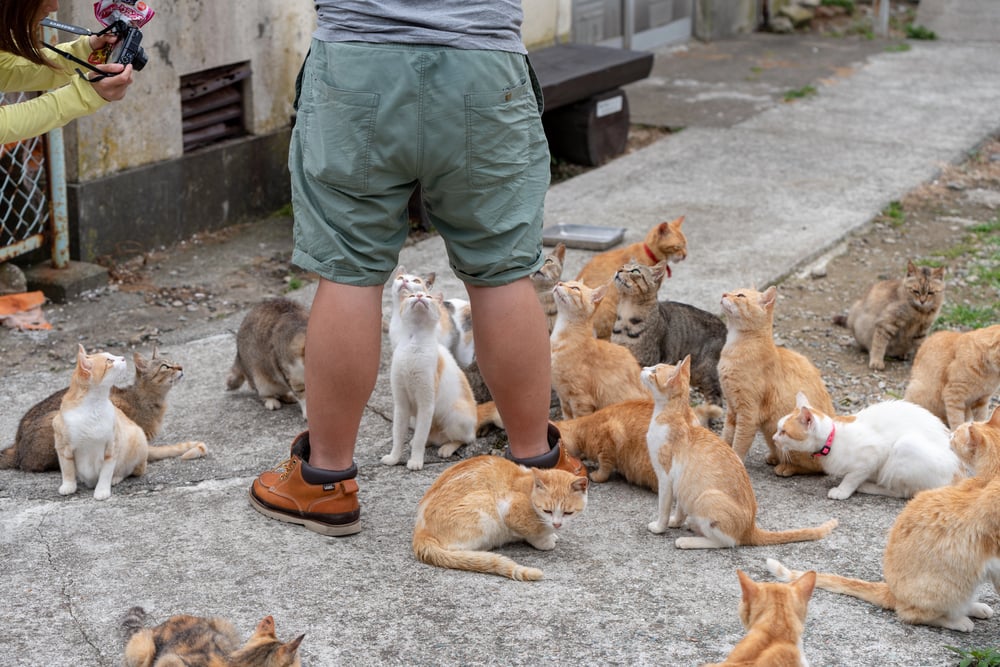
Cats outnumber humans by about six to one on this Japanese island. The feline population exploded after being brought in to control rodents, and now they’ve taken over.
Only a handful of elderly residents remain, living among hundreds of cats that roam freely through the streets. The unusual arrangement has turned the island into a tourist destination for cat lovers.
Longyearbyen
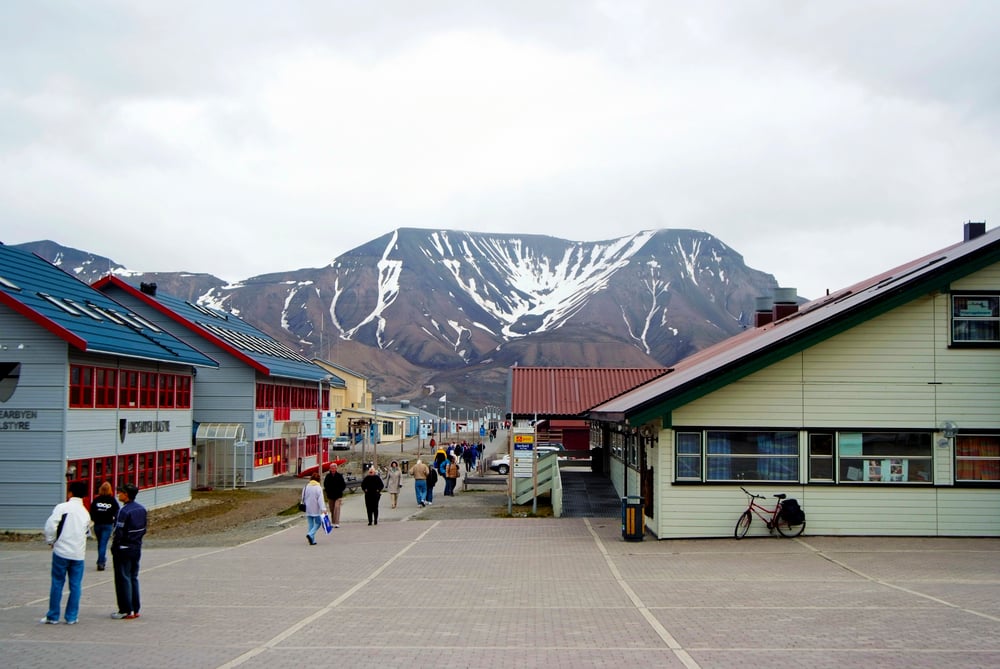
This Norwegian settlement sits further north than almost any other permanent town, and residents follow some bizarre rules. Nobody can keep cats as pets because they might harm the local bird population.
Shoes come off at every entrance to prevent bringing coal dust inside. The sun doesn’t set for months during summer and doesn’t rise at all during winter, creating a lifestyle that defies normal day-night cycles.
Supai
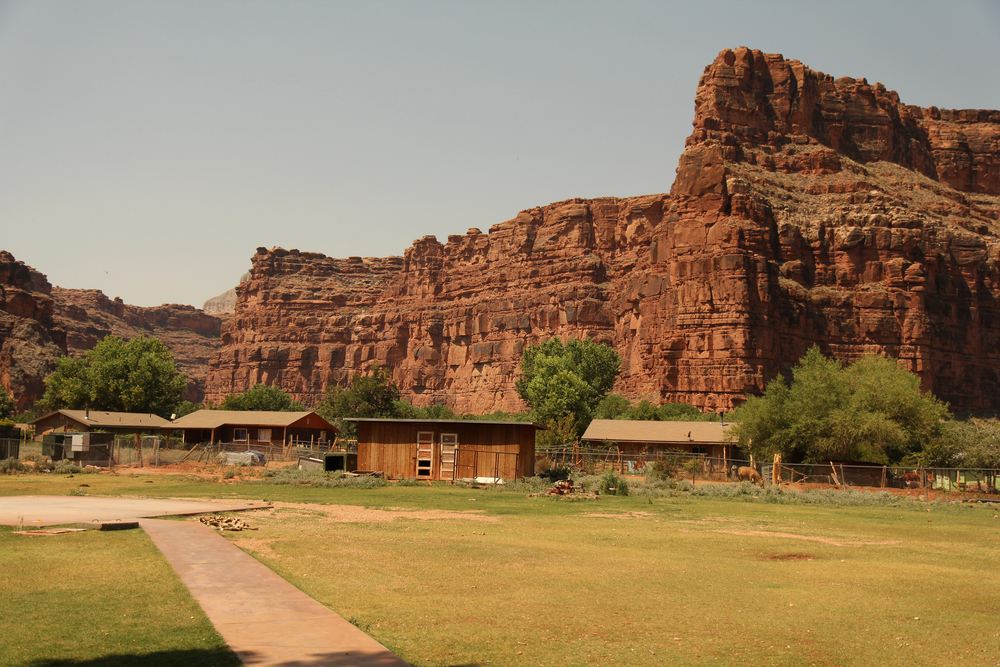
The only way to reach this Arizona village is by helicopter, mule, or an eight-mile hike down into the Grand Canyon. No roads lead to Supai, and residents receive their mail by mule train.
The entire community sits at the bottom of a canyon, surrounded by stunning waterfalls and red rock walls. Living here means accepting that a quick trip to the store isn’t an option.
Nauru
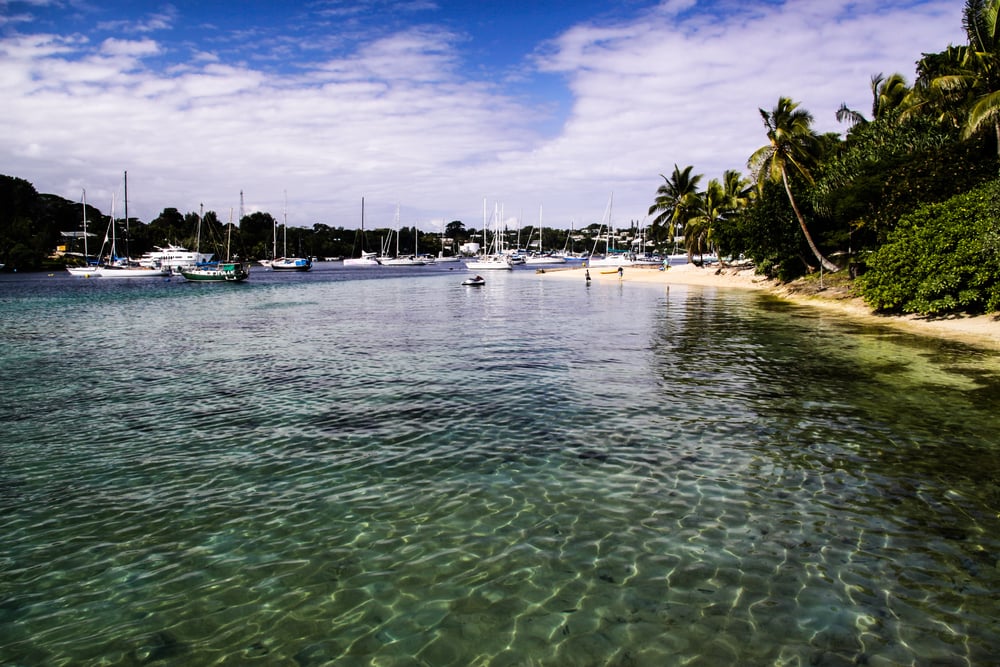
This tiny island nation has no official capital city, and the entire country functions as one continuous urban area. Nearly everyone lives along the coastal ring, while the devastated interior remains largely uninhabitable due to decades of phosphate mining.
The whole population shares one main road that circles the island. Running a lap around the entire country takes less than an hour.
Christiania
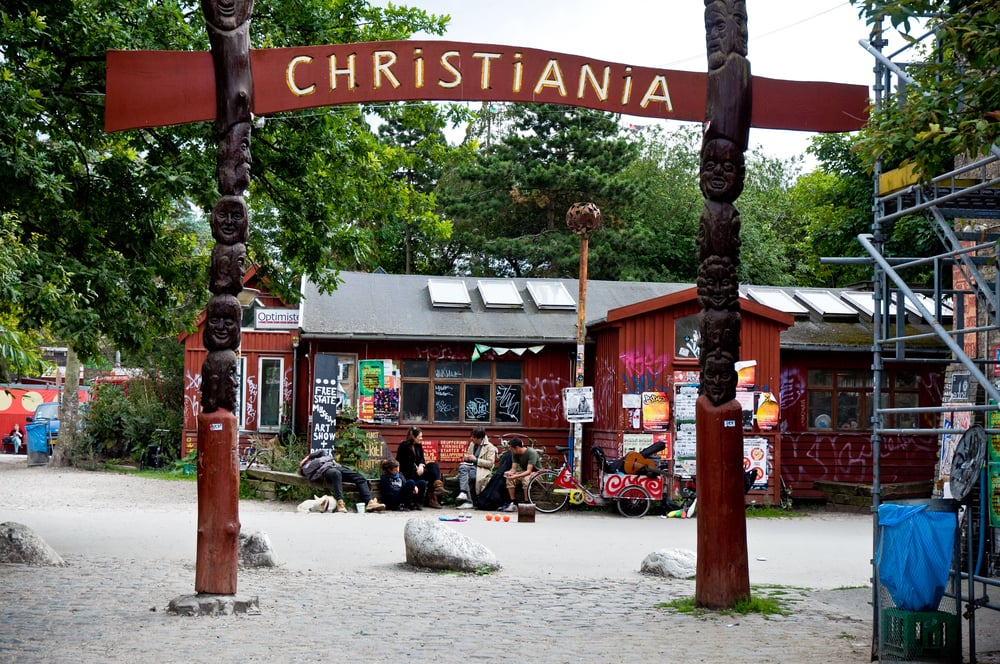
This self-proclaimed autonomous neighborhood in Copenhagen operates outside Danish law to some degree. Around 1,000 residents live in a former military area they took over in 1971.
The community makes decisions collectively and has its own flag and rules. Houses range from colorful painted buildings to repurposed military structures, creating a patchwork living arrangement unlike anywhere else in Europe.
Cappadocia
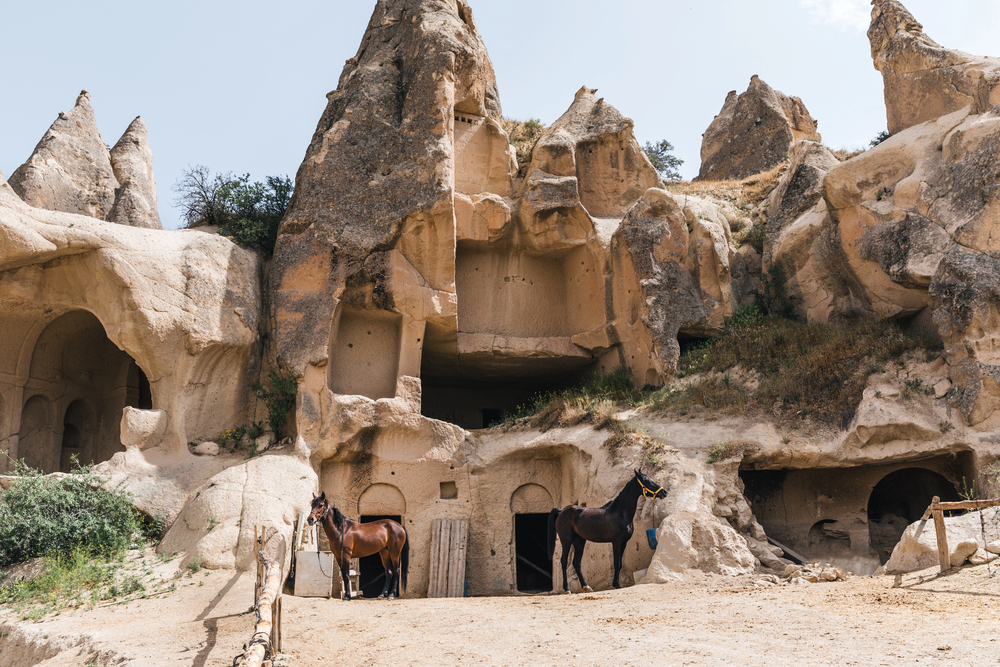
Entire communities in this Turkish region live in ancient cave cities carved into volcanic rock formations. These aren’t primitive shelters but multi-story dwellings with intricate room systems.
Some cave homes have been continuously occupied for thousands of years. Modern residents have added electricity and plumbing while maintaining the original stone architecture, blending ancient living with contemporary life.
Kawachi Fuji Gardens
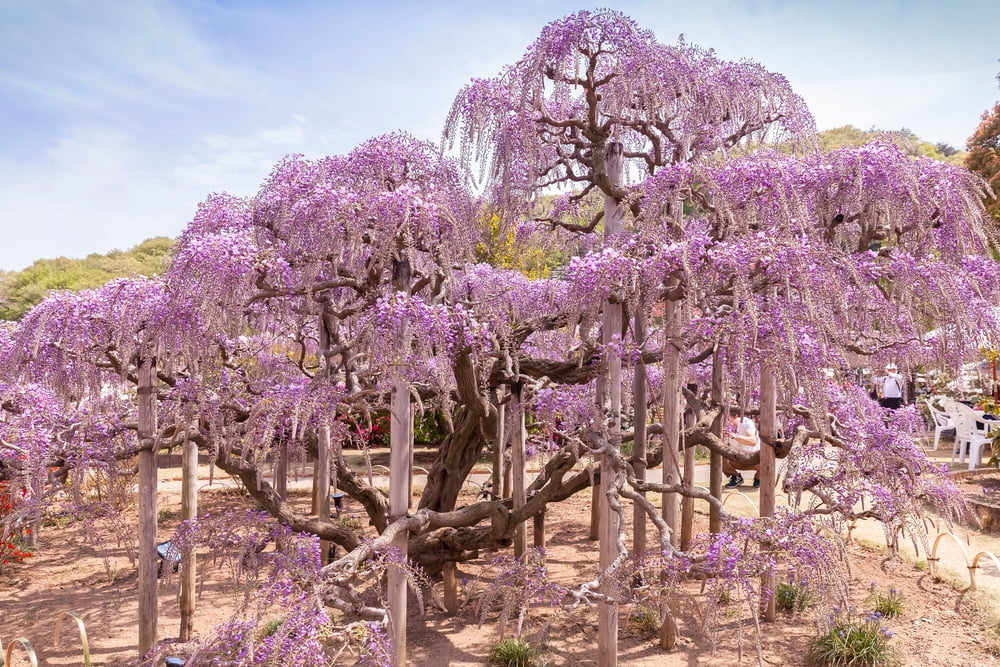
This Japanese town built its residential area around and within an extraordinary wisteria garden. Homes sit tucked between flowering tunnels and beneath cascading purple blooms.
The entire community revolves around the seasonal flowering cycle, and daily life involves walking through dreamlike garden passages. Living arrangements adapt to protect and showcase the plants, making nature the primary architect.
McMurdo Station
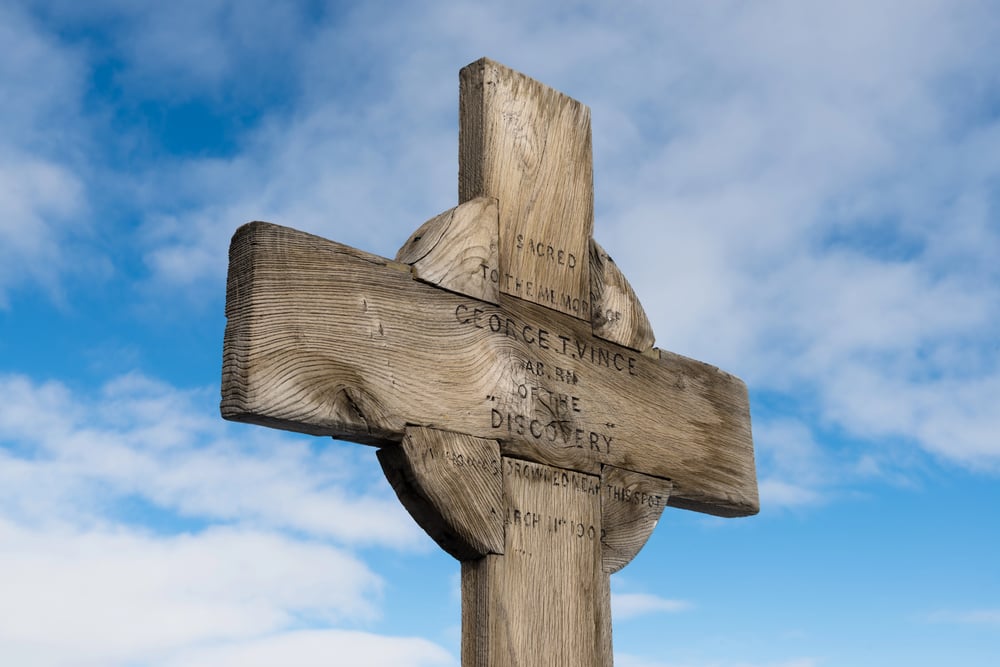
This Antarctic research station houses up to 1,000 people during summer, making it the continent’s largest community. Residents live in dormitories and work rotating shifts in constant daylight or darkness depending on the season.
Nobody owns property here, and everyone works for research programs. The station includes a gym, store, and even a coffee house, creating a temporary town in the world’s harshest environment.
Centralia
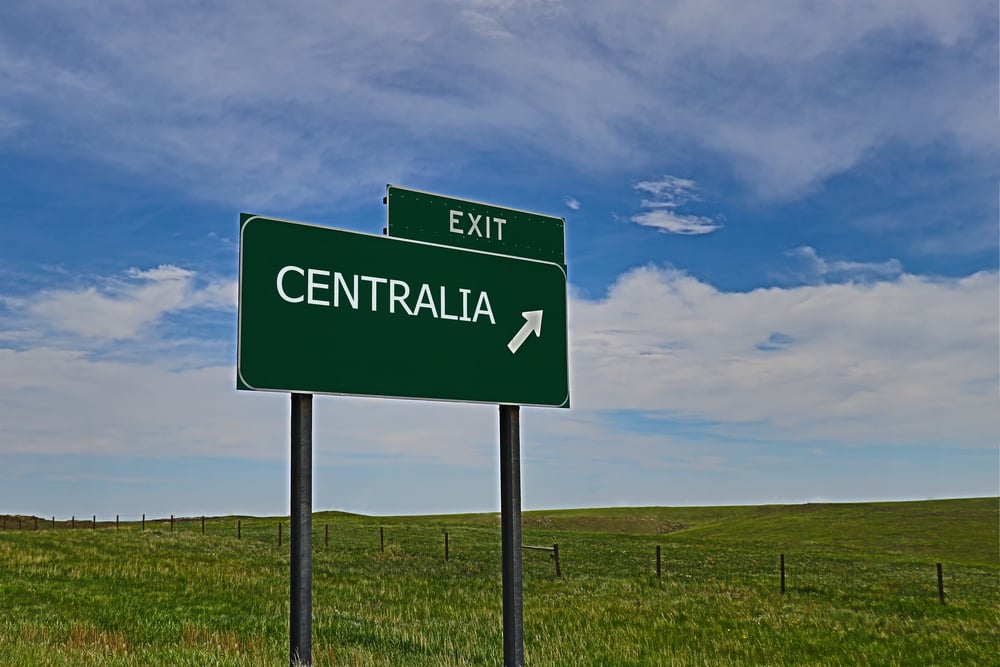
A fire smolders below the town, lit by accident decades ago, still going after all these years. Some folks walked away when the earth started splitting open without warning.
Others chose to remain, even as fumes seep through soil and pits appear overnight. Heat from deep down warps the roads, making sidewalks buckle underfoot.
Mail stopped coming once officials pulled the ZIP code without ceremony. Yet a small group holds on, living where few would dare to settle now.
Strange fits right in here
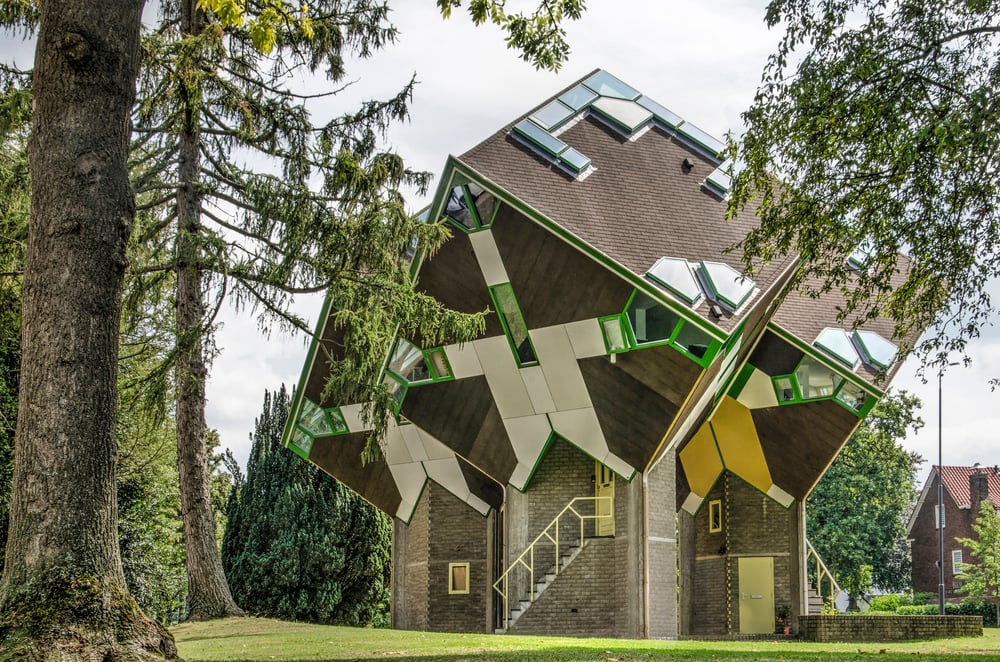
Home looks different depending on where you grow up. Some folks live beneath the ground because that is how it has always been done.
Entire towns fit inside one structure, built that way over time. Others exist far out on water, cut off from everything else.
What seems odd to an outsider feels natural to those who belong there. Strange does not feel like a word they would choose.
To them, it is simply life. Maybe that acceptance is the real story behind such places.
More from Go2Tutors!

- The Romanov Crown Jewels and Their Tragic Fate
- 13 Historical Mysteries That Science Still Can’t Solve
- Famous Hoaxes That Fooled the World for Years
- 15 Child Stars with Tragic Adult Lives
- 16 Famous Jewelry Pieces in History
Like Go2Tutors’s content? Follow us on MSN.