14 Burial Customs That Reveal Forgotten Beliefs
Death has always been humanity’s greatest mystery, and throughout history, different cultures have developed fascinating ways to honor their departed while expressing their deepest beliefs about what comes next. These burial customs weren’t just about saying goodbye—they were windows into entire worldviews, revealing how our ancestors understood life, death, and the great unknown beyond.
From elaborate mummification processes to simple sky burials, these practices tell stories about fear, hope, love, and the human need to make sense of mortality. Here is a list of 14 burial customs that offer remarkable insights into forgotten beliefs and the diverse ways humans have confronted death throughout history.
Mummification in Ancient Egypt
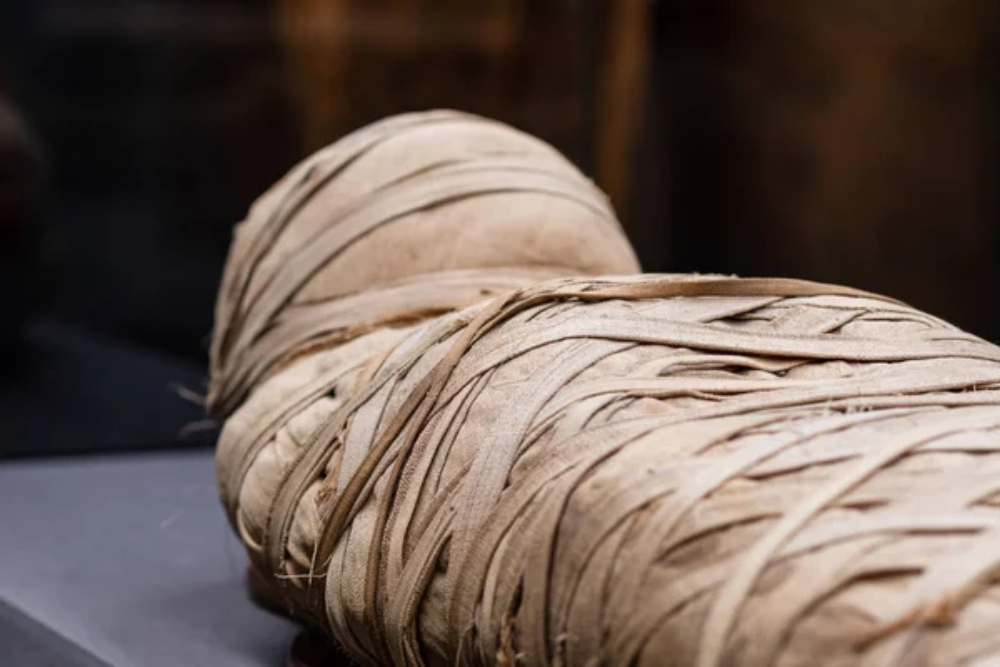
Ancient Egyptians believed the physical body was essential for the afterlife journey, leading them to develop the most sophisticated preservation techniques the world has ever seen. The process could take up to 70 days and involved removing internal organs, drying the body with natron salt, and wrapping it in linen bandages soaked in resin.
This wasn’t just about preservation—it was about ensuring the deceased could navigate the underworld and eventually reunite with their physical form in eternal paradise.
Sky Burial in Tibet
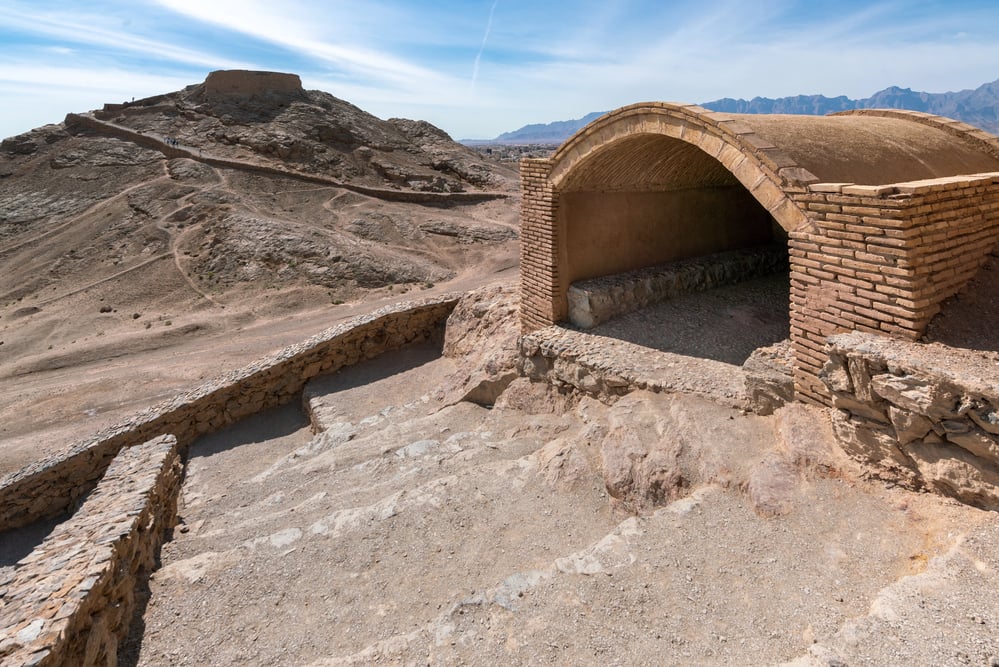
Tibetan Buddhists practice sky burial, where bodies are placed on mountaintops to be consumed by vultures, reflecting their belief that the body is merely a temporary vessel for the soul. This practice stems from the Buddhist concept of impermanence and the idea that feeding scavengers creates positive karma for the deceased.
The ritual is also practical in a region where the frozen ground makes traditional burial nearly impossible, showing how geography and spirituality often intertwine.
Like Go2Tutors’s content? Follow us on MSN.
Ship Burials of the Vikings
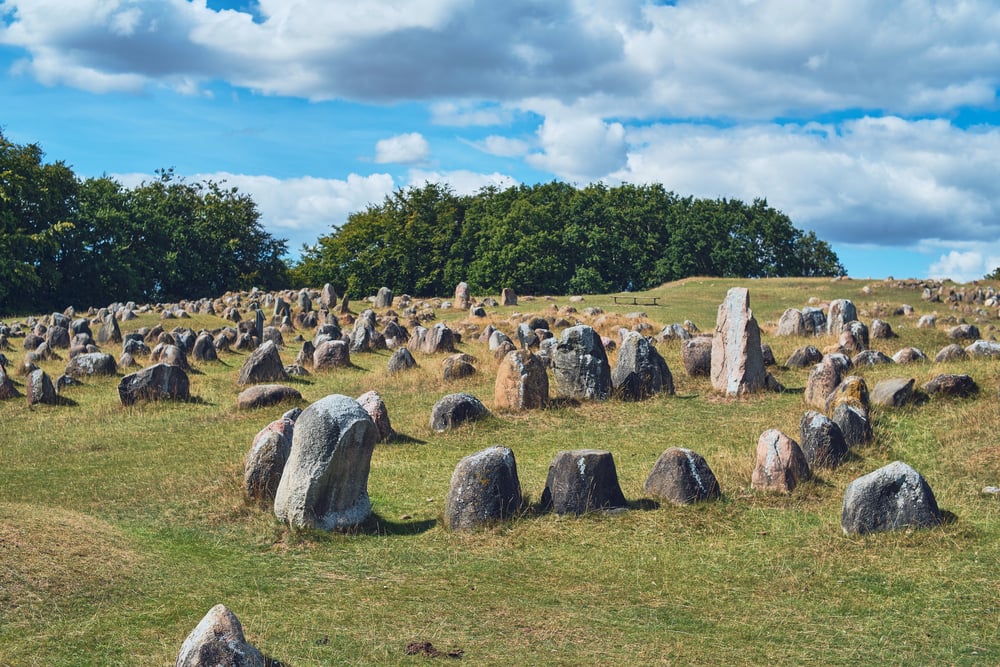
Vikings believed that ships could carry the dead across the waters to the afterlife, leading to elaborate ship burials where the deceased was placed in a vessel along with weapons, tools, and sometimes sacrificed animals or slaves. These burials weren’t always literal ships—sometimes they were stone arrangements shaped like boats—but they all represented the same concept of a final voyage.
The practice revealed the Vikings’ view of death as a journey rather than an ending, with the afterlife being just another destination to reach.
Hanging Coffins in China
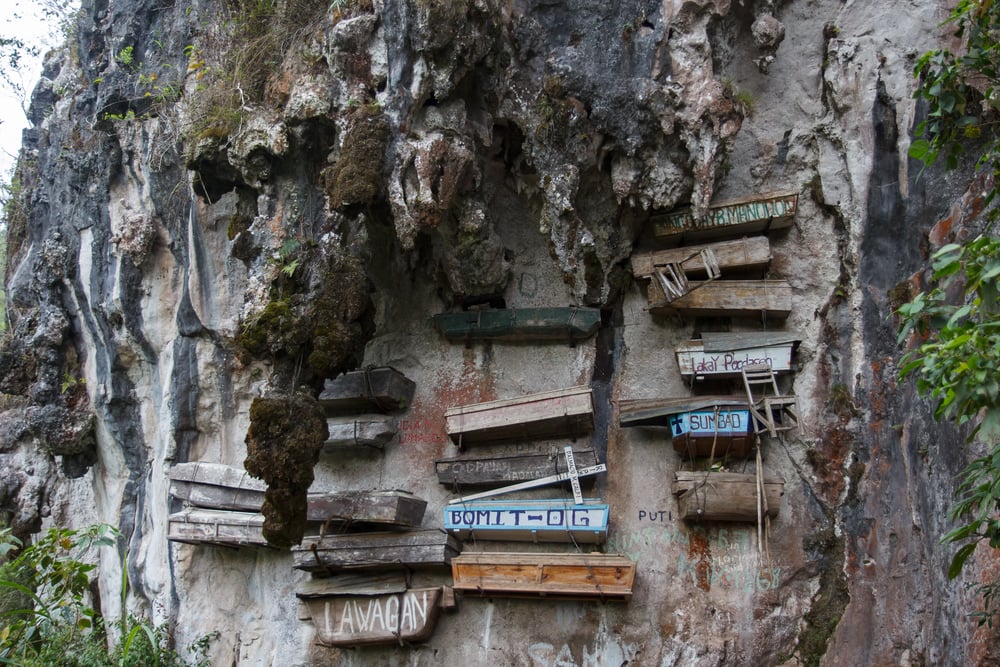
In mountainous regions of China, some ethnic groups practiced hanging coffins, placing wooden coffins on cliff faces hundreds of feet above ground. This custom was based on the belief that the higher the burial, the closer the deceased would be to heaven and the better their chances of becoming an ancestor spirit.
The dangerous and difficult placement of these coffins also demonstrated the living’s dedication to honoring their dead, sometimes taking weeks to position a single coffin safely.
Bog Bodies of Northern Europe
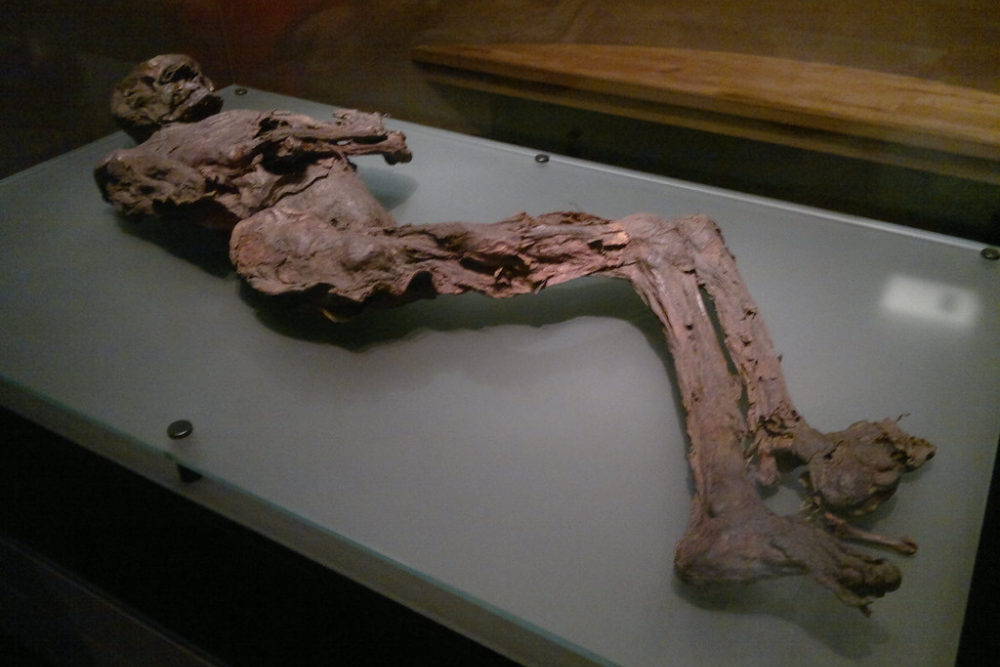
Celtic and Germanic tribes sometimes placed their dead in peat bogs, where the unique chemical conditions naturally mummified the bodies. These bog burials often involved people who had died violent deaths, suggesting they might have been ritual sacrifices or executed criminals whose bodies were placed in bogs as part of religious ceremonies.
The bog environment was considered a threshold between the world of the living and the dead, making it a fitting resting place for those who had crossed over under unusual circumstances.
Like Go2Tutors’s content? Follow us on MSN.
Jade Burial Suits in Han China
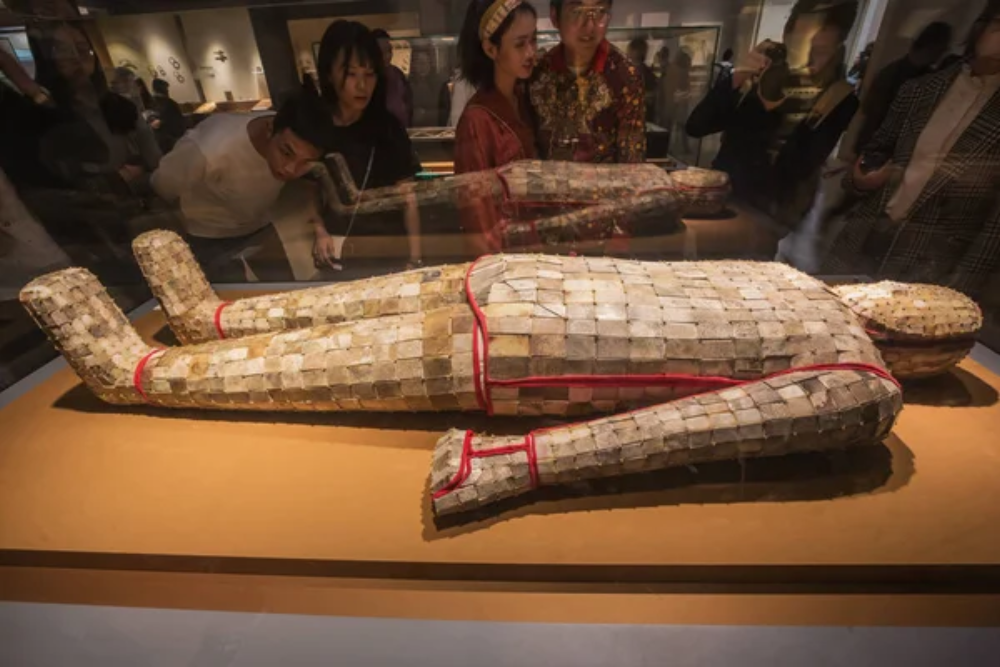
Wealthy Chinese during the Han Dynasty were buried in suits made entirely of jade pieces sewn together with gold or silver wire, believing jade had the power to prevent bodily decay and preserve the soul. These suits could contain over 2,000 individual jade pieces and took years to complete, representing not just wealth but a deep faith in jade’s protective properties.
The custom reflected Chinese beliefs about the afterlife requiring a preserved body and the idea that precious materials could provide spiritual protection.
Sati in Ancient India
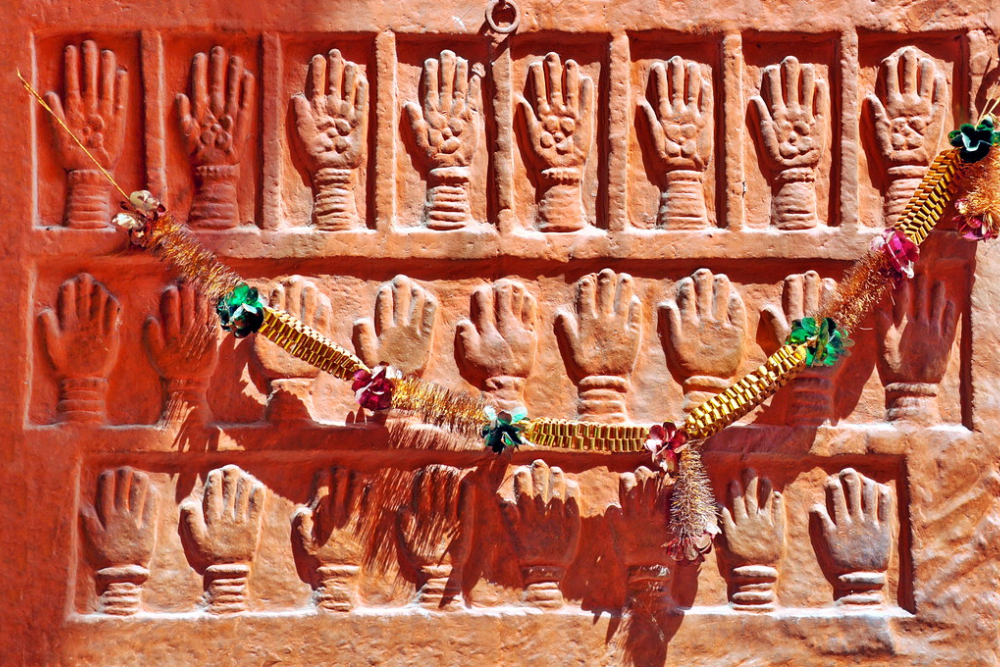
The practice of sati involved a widow throwing herself onto her husband’s funeral pyre, based on the belief that this act would purify both souls and ensure their reunion in the next life. While relatively rare and eventually banned, this custom revealed deep-seated beliefs about marriage extending beyond death and the power of sacrifice to transform spiritual destiny.
The practice also reflected social beliefs about a woman’s identity being inseparable from her husband’s, even in death.
Endocannibalism in South America
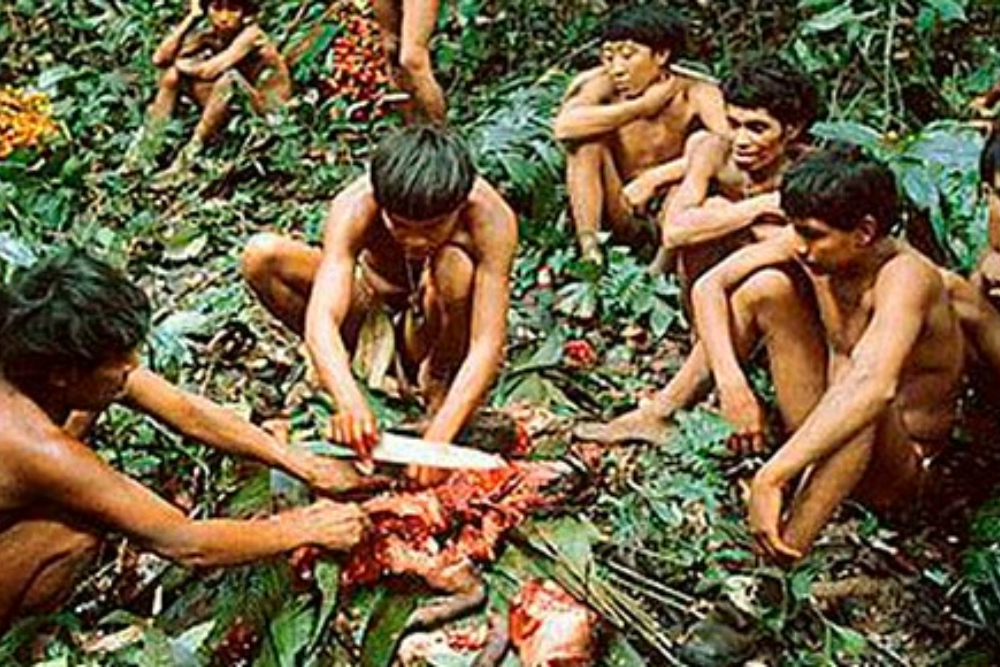
Some Amazonian tribes practiced endocannibalism, consuming the cremated bone ash of deceased relatives mixed with plantain soup, believing this allowed the dead to live on within their loved ones. This wasn’t about hunger or disrespect—it was considered the highest form of honor and a way to keep the deceased’s spirit close to the family.
The practice demonstrated beliefs about the continuity of life and the idea that physical consumption could create spiritual unity.
Like Go2Tutors’s content? Follow us on MSN.
Charnel Houses in Medieval Europe
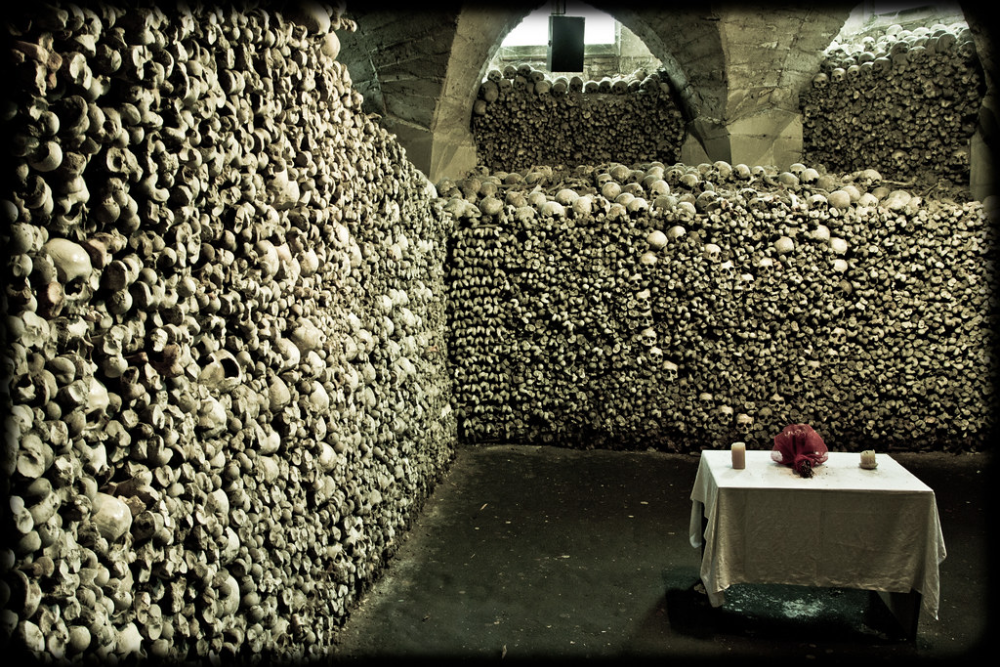
Medieval Europeans built charnel houses—structures filled with human bones arranged in decorative patterns—as reminders of mortality and the equality of all people in death. These bone churches weren’t morbid displays but spiritual teaching tools, designed to help the living remember that death comes to everyone regardless of status or wealth.
The practice reflected Christian beliefs about the temporary nature of earthly life and the importance of preparing for the afterlife.
Platform Burial Among Plains Tribes
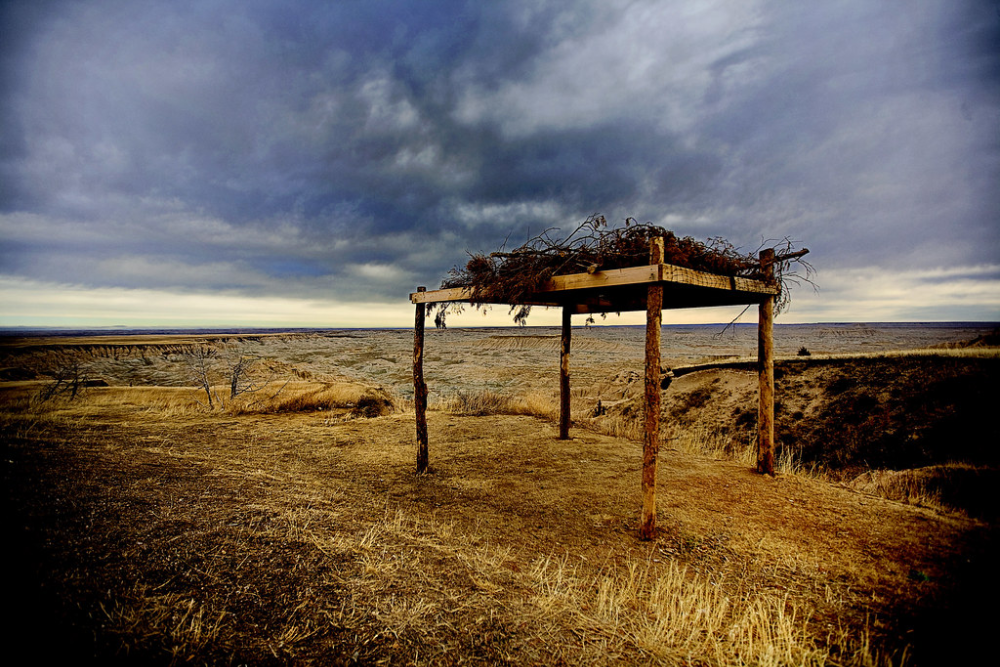
Native American Plains tribes placed their dead on elevated platforms, believing this brought the deceased closer to the spirit world and allowed their souls to travel more easily to the afterlife. The platforms also served practical purposes in regions where ground burial was difficult due to hard soil or seasonal flooding.
This custom showed how indigenous peoples saw death as a return to nature, with the body eventually falling to earth to nourish new life.
Trepanation Burials in Ancient Peru
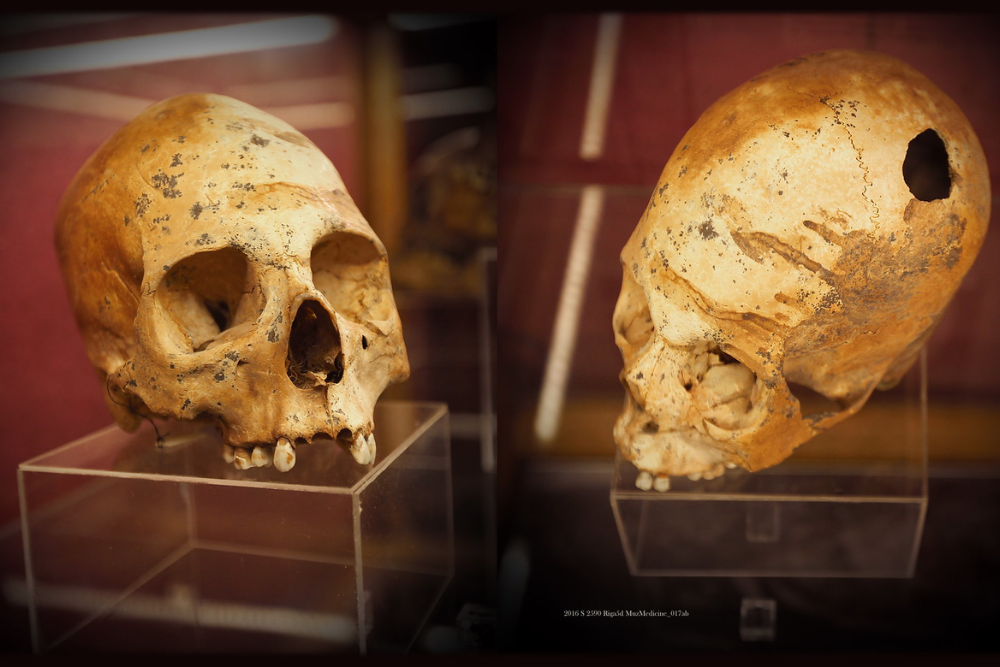
Some ancient Peruvian cultures performed trepanation—drilling openings in skulls—on both living and dead individuals, believing it could release evil spirits or allow the soul to escape more easily. Bodies found with multiple trepanation openings suggest this was sometimes done post-mortem as part of burial rituals.
The practice revealed beliefs about the skull being a gateway for spiritual forces and the idea that physical modifications could influence spiritual outcomes.
Like Go2Tutors’s content? Follow us on MSN.
Water Burial in Pacific Cultures
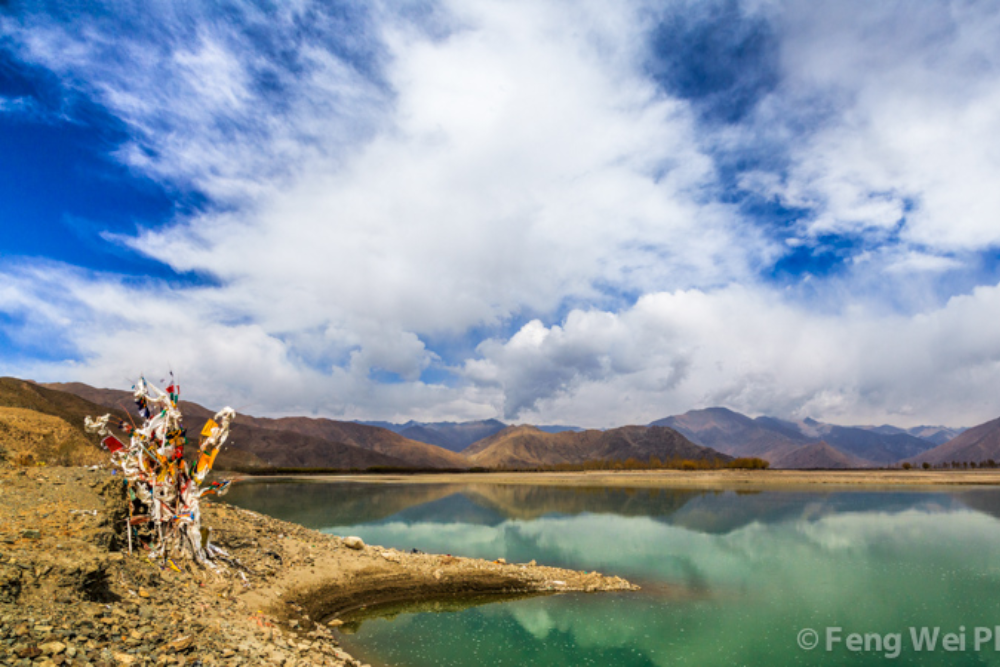
Many Pacific Island cultures practiced water burial, placing bodies in the ocean with the belief that water was the source of all life and the proper place for souls to return. These burials often involved elaborate ceremonies with specific rituals about tides, directions, and offerings to ocean spirits.
The custom reflected deep connections between island peoples and the sea, viewing it not as a barrier but as a highway for spiritual travel.
Mound Builders of North America
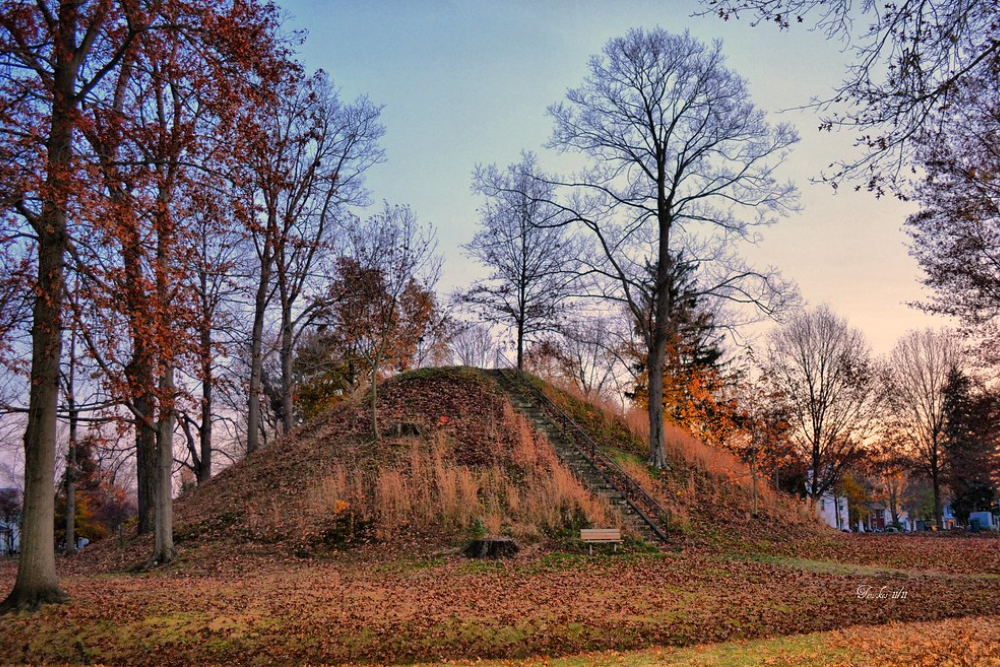
Various Native American cultures built elaborate burial mounds, some containing hundreds of bodies along with precious artifacts, reflecting beliefs about community continuing after death. These mounds weren’t just graves but ceremonial centers where the living could maintain connections with their ancestors.
The practice showed how some cultures viewed death not as separation but as a transformation that required ongoing relationships between the living and the dead.
Cryomation in Ancient Siberia
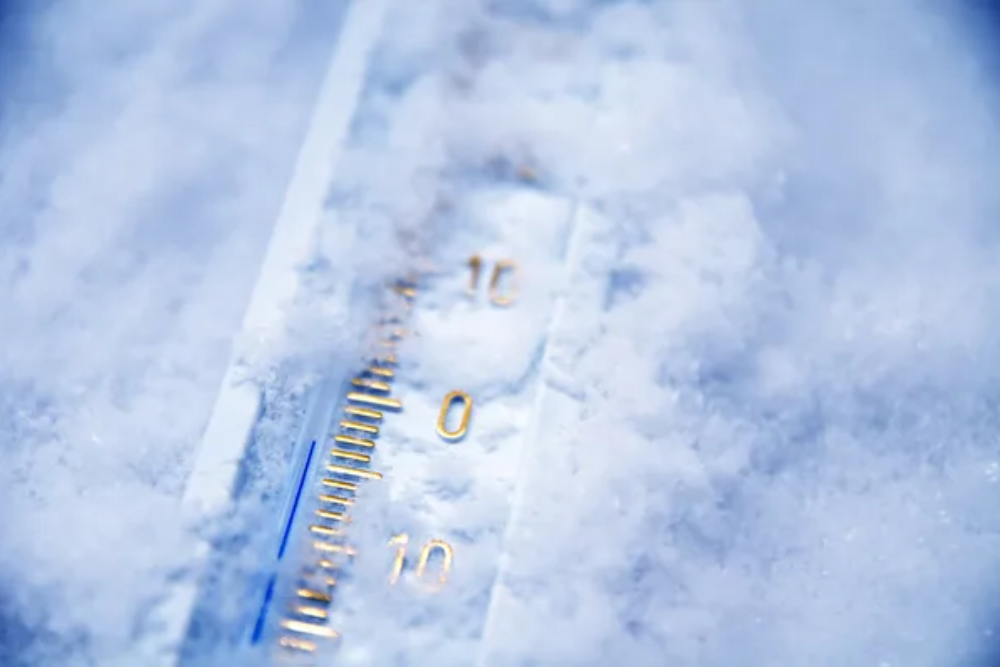
Siberian peoples developed cryomation—using the natural freezing environment to preserve bodies—believing that maintaining physical form was essential for the soul’s journey through the frozen underworld. Bodies were placed in permafrost with elaborate grave goods designed to help navigate the icy afterlife.
This practice demonstrated how extreme environments shaped spiritual beliefs, with the harsh Siberian landscape becoming incorporated into concepts of death and the afterlife.
Like Go2Tutors’s content? Follow us on MSN.
Eternal Connections Through Ancient Wisdom
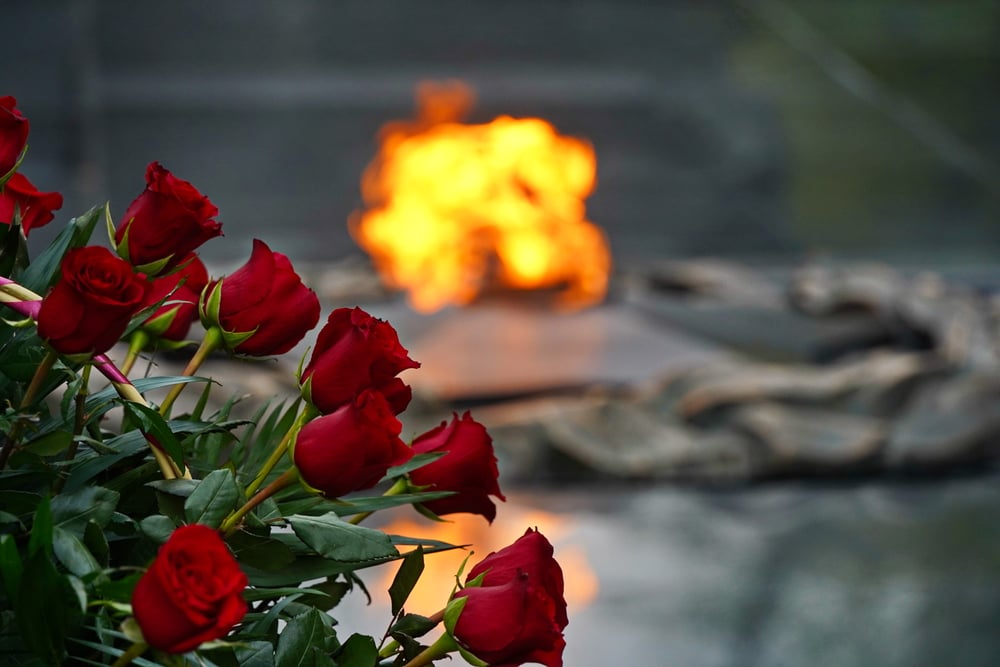
These diverse burial customs remind us that beneath all the different rituals and beliefs, humans have always grappled with the same fundamental questions about what happens when we die. While modern funeral practices have become more standardized, these ancient traditions show us the incredible creativity and spirituality our ancestors brought to honoring their dead.
Understanding these forgotten beliefs doesn’t just teach us about the past—it reveals the timeless human need to find meaning in mortality and hope in the face of the unknown.
More from Go2Tutors!

- 16 Historical Figures Who Were Nothing Like You Think
- 12 Things Sold in the 80s That Are Now Illegal
- 15 VHS Tapes That Could Be Worth Thousands
- 17 Historical “What Ifs” That Would Have Changed Everything
- 18 TV Shows That Vanished Without a Finale
Like Go2Tutors’s content? Follow us on MSN.