15 Best Bands Named After Cities
There’s something interesting about naming your band after a place. It’s a bold move — you’re borrowing the identity of an entire city, country, or continent and making it yours.
Some bands pulled it off perfectly. Others became so well-known that the band name and the place became almost inseparable in people’s minds.
Here are 15 of the best bands that took a city’s name and ran with it.
Chicago
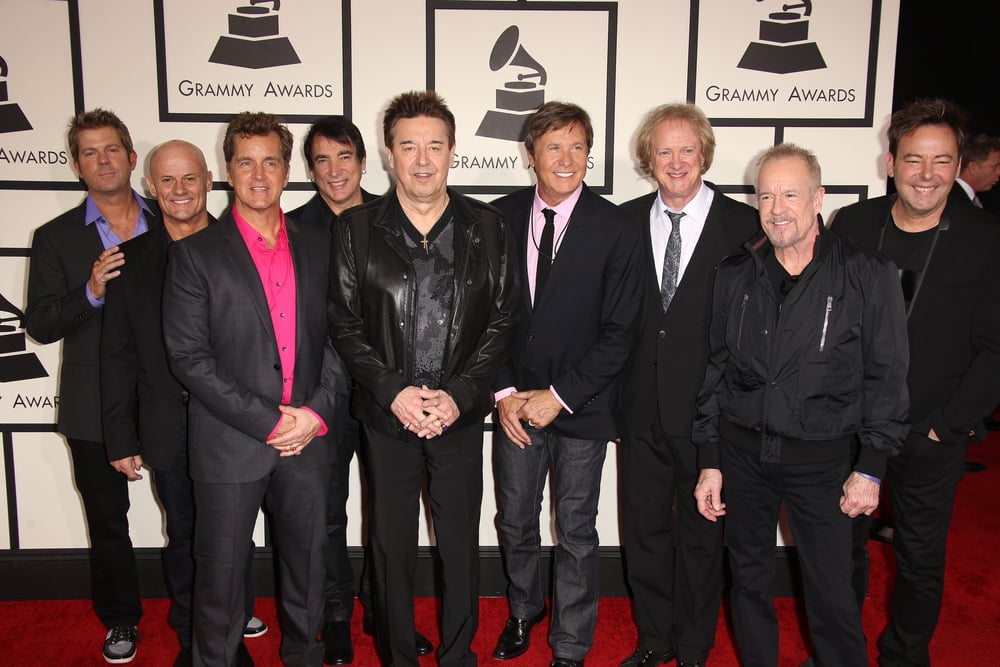
Few bands carry a city’s name with as much swagger as Chicago. Formed in 1967, the group blended rock, jazz, and brass in a way that was genuinely unusual for the time.
Songs like “25 or 6 to 4” and “Saturday in the Park” became radio staples, and the band kept releasing albums well into the 1980s with hits like “Hard to Say I’m Sorry.” They’ve sold over 100 million records worldwide, making them one of the best-selling bands of all time.
The name fits — Chicago is a city that never does things quietly.
Boston
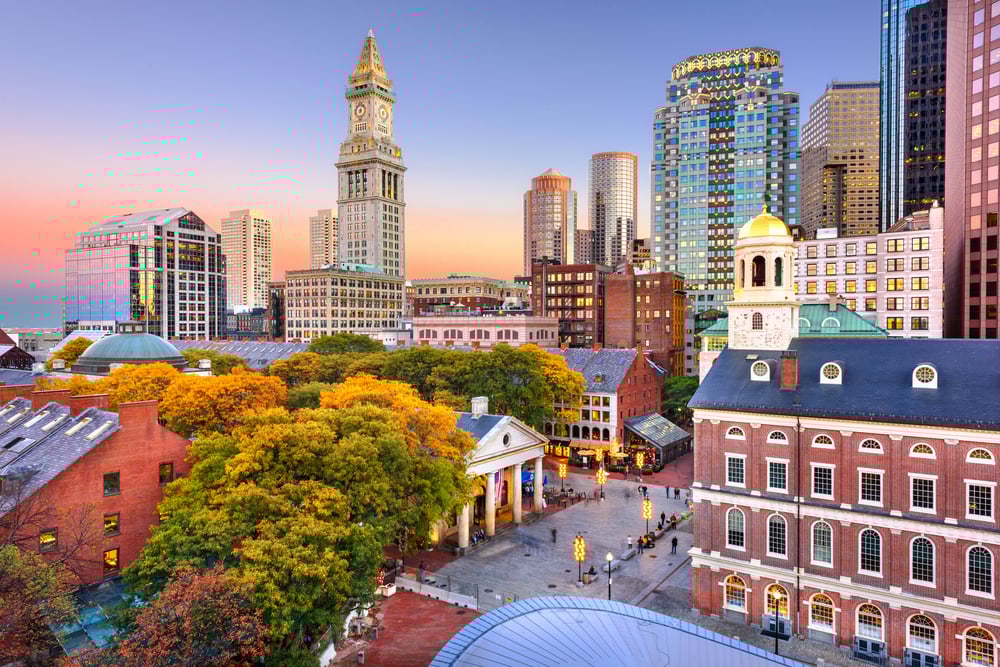
The band Boston sounds exactly like what you’d expect from a group founded by a MIT-educated engineer. Tom Scholz approached music with a technical precision that showed in every guitar tone and layered vocal harmony.
Their debut album from 1976 became one of the best-selling debut albums in rock history. “More Than a Feeling” remains one of the most recognizable opening riffs ever recorded.
Clean, polished, and powerful — very much its own thing.
Berlin
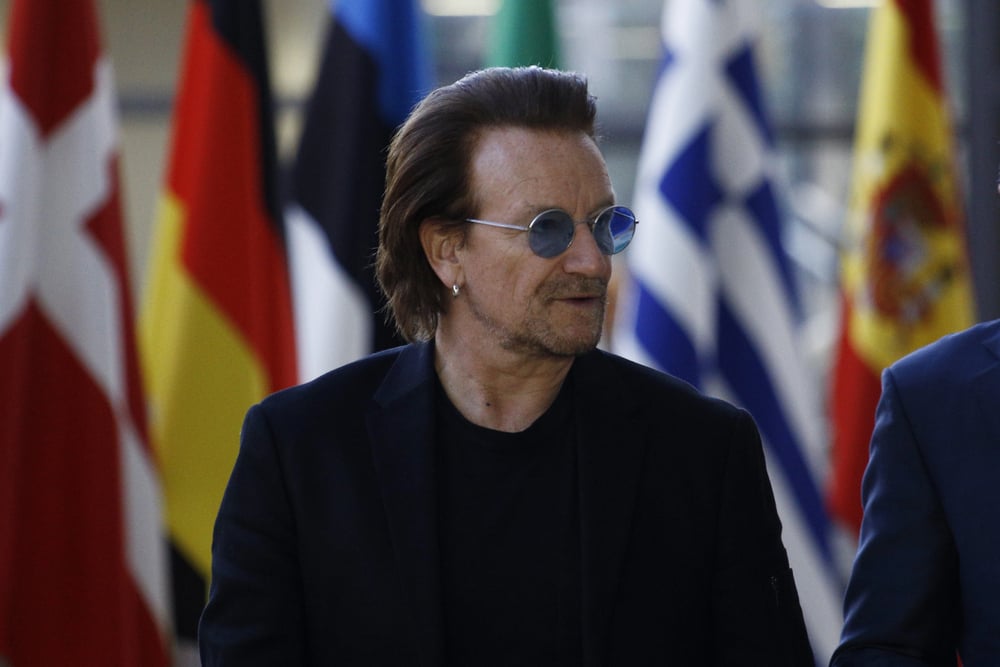
Berlin the band arrived in the early 1980s with a sound that matched the city’s reputation for darkness and edge. The Los Angeles group leaned hard into synth-pop and new wave, with Terri Nunn’s vocals anchoring songs that felt cinematic and slightly dangerous.
Their biggest moment came with “Take My Breath Away,” recorded for the Top Gun soundtrack. It’s a strange legacy for a band that started in the underground, but the song holds up.
Phoenix

Phoenix is a French band that sounds nothing like what most people imagine when they think of French music. Formed in Versailles in the late 1990s, they spent years building a devoted following before breaking wide open with their 2009 album Wolfgang Amadeus Phoenix.
“1901” and “Lisztomania” became instant classics of the indie rock era. The band has a gift for making music that feels effortless — tight arrangements, melodies that stick around for days, and a general sense that everything is exactly where it should be.
New York Dolls

The New York Dolls didn’t just borrow New York’s name — they embodied a specific version of New York that existed in the early 1970s: loud, chaotic, and dressed like it couldn’t care less what anyone thought.
The band’s combination of glam rock theatrics and raw punk energy made them hugely influential on everyone, even though their commercial success during their original run was limited. Their self-titled debut album from 1973 is one of the most important rock records of the decade.
Tokyo Police Club

Canadian indie rock band Tokyo Police Club chose their name partly for how it sounded — odd, a little funny, genuinely memorable. Formed in Newmarket, Ontario in 2005, they released their debut EP A Lesson in Crime to immediate critical attention.
Their sound sits in that energetic, guitar-driven indie space that defined a particular moment in mid-2000s music. Short songs, quick hooks, and lyrics that had a slightly anxious, youthful quality that fit their early output well.
Atlanta Rhythm Section

Atlanta Rhythm Section came out of the same fertile Southern rock scene that produced the Allman Brothers, and they deserve far more credit than they typically get. Formed in 1970, the band had a string of FM radio hits through the late 1970s including “So Into You” and “Imaginary Lover.”
Their sound was smoother than a lot of Southern rock, closer to blue-eyed soul in places, which helped them reach a wider audience without losing any of the craft that made the music worth hearing.
Beirut

Zach Condon started Beirut as a teenager, and the early recordings captured something that felt genuinely unlike anything else in indie music at the time. Drawing on Eastern European brass band traditions, French chanson, and Mariachi influences, the music had a romantic, globe-trotting quality.
The 2006 debut Gulag Orkestar sounded like it had been recorded somewhere far away and a long time ago, even though it was made by a kid from New Mexico. Naming it Beirut — a city with its own complicated beauty — made a kind of sense.
Memphis May Fire

Memphis May Fire brings a harder edge to city-named bands. The Dallas-based metalcore group took the name of one of America’s most historically rich cities and attached it to urgent, heavy music with genuine emotional weight.
Albums like Challenger and Sleepwalking showed the band balancing crushing guitar work with melodic choruses that kept them accessible without softening the impact. They’ve built a loyal following in a genre that tends to chew through bands quickly.
London Grammar

London Grammar formed at the University of Nottingham — not in London, interestingly enough. But the name captured something about the sound: formal, gray, beautiful in a reserved way.
Hannah Reid’s voice is the centerpiece, a deep contralto that sits underneath rather than soars above the music. Their debut If You Wait arrived in 2013 and landed on year-end lists across the board.
The follow-up records showed a band willing to push into bigger, more atmospheric territory without losing the intimacy that made them stand out.
Warsaw (Joy Division)
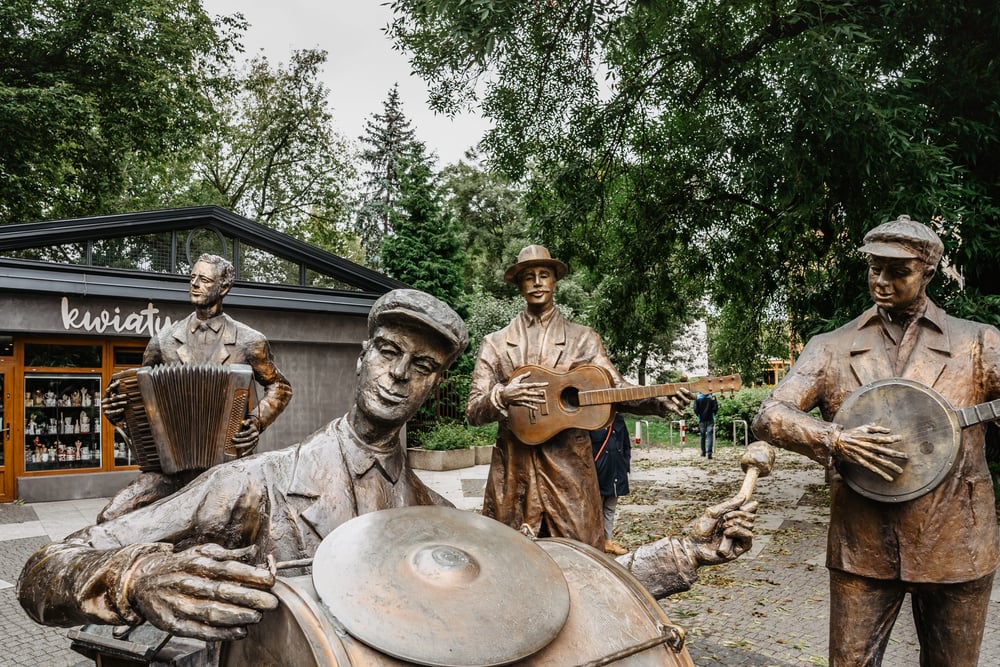
Warsaw came first. Before Joy Division became one of the defining post-punk acts of the late 1970s, Ian Curtis and his bandmates played under that name, taking it from the capital of Poland.
The name change to Joy Division came in 1978, but Warsaw left behind a handful of recordings that showed the band already developing the stark, driven sound that would define their legacy. The Warsaw period is a footnote in a larger story, but it’s a significant one — the raw edges of those early recordings make the transformation feel all the more striking.
Detroit Cobras

The Detroit Cobras are a garage rock and R&B band that operated very much in the spirit of their hometown. Formed in the mid-1990s, they specialized in taking obscure soul and rock and roll songs and stripping them down to something rougher and more immediate.
Rachel Nagy’s voice was the whole show — raw, powerful, and completely uninterested in polish. Their albums felt like collections of songs that had always existed and just needed someone to remind people they were there.
Barcelona

Funny thing, the band named Barcelona isn’t about the place at all. This U.S.-based indie pop act leaned into rich layers of instruments paired with songs that felt real, hitting a nerve with people craving depth.
When their 2008 release Absolutes arrived, more ears began to listen. Sweeping strings met truthful words plus tunes you’d catch yourself humming later – reasons enough why folks kept coming back.
Europe
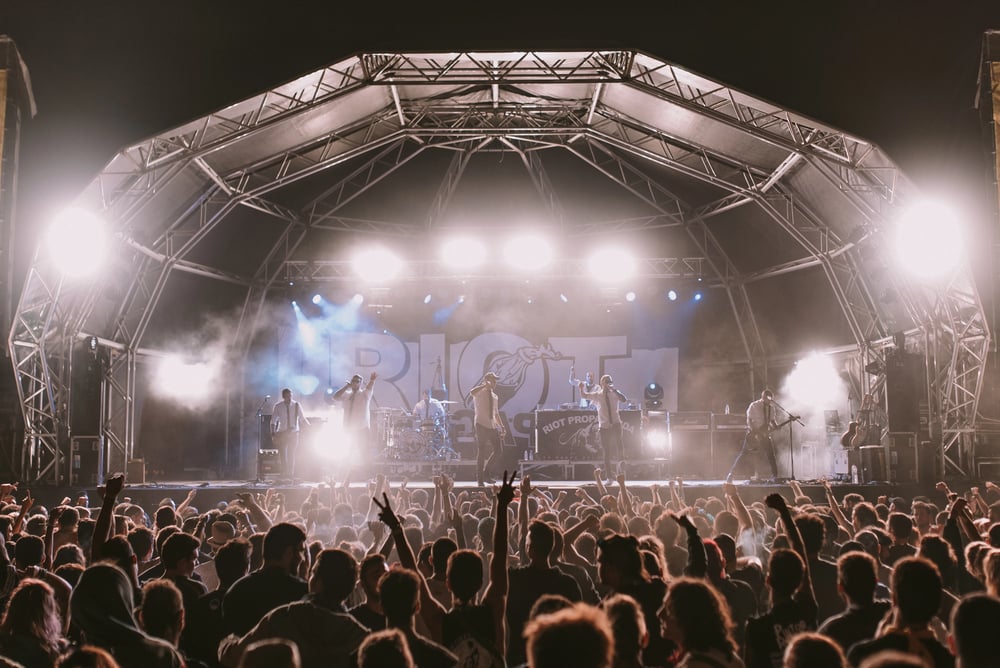
Back in 1986, Europe – a rock group from Sweden – unleashed “The Final Countdown,” its synth opening stuck forever in the heads of everyone breathing near a speaker at the time. Critics shrugged them off, yet crowds roared louder, happy in that odd space where praise skips reviews but fills arenas instead.
Their finest songs wear pride like bold stripes: loud hooks, towering solos, volume turned past sense. Reuniting years later, around the 2000s, they kept touring ever since, proving sound doesn’t need approval if it can shake concrete walls long after release.
Asia

Back when calling a band a supergroup still felt fresh, Asia stepped into view. Four names from big acts – Wetton once roared through King Crimson, Howe shaped soundscapes in Yes, Palmer pounded drums in ELP, Downes wired synths with Buggles – all joined forces near the start of the eighties.
They aimed lower than prog epics on purpose, chasing songs that stuck faster. First record? Ten million buyers found it hard to resist.
One track especially – “Heat of the Moment” – still hums loud at concerts decades later, clean electric fire. Call it what you want, but few could miss its scale: wide as a horizon, shadowed just enough, too bright to look away.
Names With Substance

Something ties those groups together: their name stopped belonging to the place. The songs come to mind before the streets do now.
Not many acts make that shift happen. Either they’ve got a unique way of playing, or they stick around long enough to own it – some even pulled off both at once.
What matters is the weight it gained over time. Perhaps that’s all a group ever really hopes for.
More from Go2Tutors!

- The Romanov Crown Jewels and Their Tragic Fate
- 13 Historical Mysteries That Science Still Can’t Solve
- Famous Hoaxes That Fooled the World for Years
- 15 Child Stars with Tragic Adult Lives
- 16 Famous Jewelry Pieces in History
Like Go2Tutors’s content? Follow us on MSN.



