15 Innovations Born in Home Garages
Some of the world’s most revolutionary companies didn’t start in gleaming corporate headquarters or high-tech incubators. Instead, they began in the most ordinary of places—home garages.
These humble spaces became the birthplace of innovations that would eventually reshape entire industries and change how we live, work, and communicate. The garage startup story has become almost mythical in American business culture, but the reality is even more fascinating than the legend.
Here are 15 groundbreaking innovations that started with little more than an idea, some basic tools, and a concrete floor.
Apple Computer

Steve Jobs and Steve Wozniak launched Apple Computer from the Jobs family garage in Los Altos, California, in 1976. The duo assembled their first 50 Apple I computers by hand, selling them for $666.66 each to local computer enthusiasts.
Wozniak handled the technical wizardry while Jobs focused on the business side, and their partnership in that cramped garage space laid the foundation for what would become the world’s most valuable company.

Larry Page and Sergey Brin started Google in a rented garage in Menlo Park, California, in 1998. Their landlord was Susan Wojcicki, who later became YouTube’s CEO and received stock options instead of rent money—a decision that made her incredibly wealthy.
The search engine that began with a simple mission to ‘organize the world’s information’ grew from algorithms tested on Stanford’s servers to the internet giant we know today.
Like Go2Tutors’s content? Follow us on MSN.
Amazon

Jeff Bezos left his Wall Street job and drove cross-country to Seattle, where he started Amazon in his garage in 1994. He initially focused on selling books online, packing orders himself, and driving packages to the post office in his Honda Accord.
The company name came from his desire to be listed first alphabetically in directories, though he also liked that the Amazon River was the largest in the world—foreshadowing his company’s eventual dominance.
Microsoft

Bill Gates and Paul Allen founded Microsoft in a garage in Albuquerque, New Mexico, in 1975. They developed their first product, a BASIC interpreter for the Altair 8800 computer, without even owning the machine they were programming for.
Instead, they used a simulator Allen created, and their software worked perfectly when they finally tested it on the actual hardware.
Disney

Walt Disney started his animation studio in his uncle’s garage in Los Angeles in 1923. With just $40 in his pocket and a few drawing supplies, he began creating the animated shorts that would eventually lead to Mickey Mouse and the Disney empire.
The garage served as both studio and office, where Disney hand-drew thousands of frames for his early cartoons.
Like Go2Tutors’s content? Follow us on MSN.
Hewlett-Packard

Bill Hewlett and Dave Packard launched their electronics company in a Palo Alto garage in 1939, with just $538 in startup capital. Their first product was an audio oscillator, which they sold to Disney for use in the production of ‘Fantasia.’
The garage where they worked is now recognized as the birthplace of Silicon Valley, complete with a California Historical Landmark plaque.
Harley-Davidson

William Harley and Arthur Davidson built their first motorcycle in a small shed behind the Davidson family home in Milwaukee in 1903. The 10×15-foot wooden structure barely qualified as a garage, but it housed the creation of America’s most iconic motorcycle brand.
Their first bike had a three-horsepower engine and could reach the blazing speed of 25 miles per hour.
Mattel

Ruth and Elliot Handler started Mattel in their garage workshop in 1945, initially making picture frames. When Elliot began using frame scraps to make dollhouse furniture, the business pivoted toward toys.
Ruth later created Barbie, inspired by watching her daughter play with paper dolls and wanting to give her a three-dimensional adult figure to project dreams onto.
Like Go2Tutors’s content? Follow us on MSN.
Nike

Phil Knight started Blue Ribbon Sports, which later became Nike, by selling running shoes out of his car trunk at track meets in 1964. While not technically a garage, Knight stored his initial inventory in his parents’ basement and garage in Portland, Oregon.
He imported Tiger shoes from Japan and sold them with the help of his former track coach, Bill Bowerman, who experimented with shoe designs in his own garage workshop.
Dell

Michael Dell started Dell Computer from his University of Texas dorm room in 1984, but the real work happened in his parents’ garage during breaks. He began by upgrading and customizing computers for fellow students, eventually dropping out to focus on his direct-to-consumer computer business.
His garage served as the assembly line where he built custom PCs to order, revolutionizing how computers were sold.
YouTube

Chad Hurley, Steve Chen, and Jawed Karim developed the initial concept for YouTube in a garage in Menlo Park in 2005. The three former PayPal employees wanted to create a simple way to share videos online after struggling to share clips from a dinner party.
Their garage brainstorming sessions led to the platform that would fundamentally change how we consume and create video content.
Like Go2Tutors’s content? Follow us on MSN.
Lotus Cars
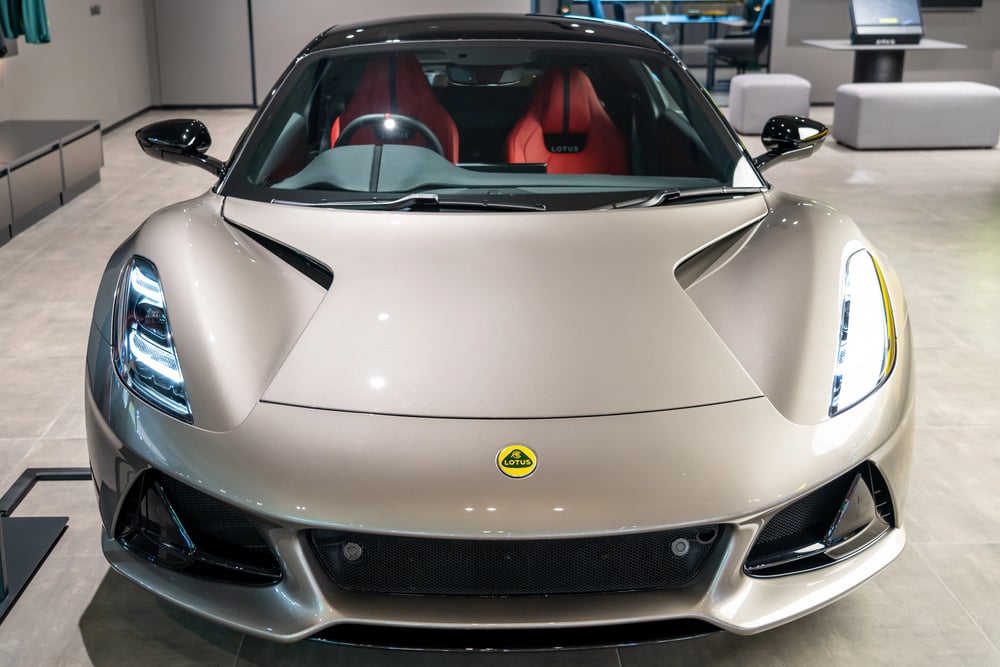
Colin Chapman founded Lotus Engineering in a stable behind his girlfriend’s pub in North London in 1952, but the company’s most innovative work happened in his father’s garage. Chapman built his first racing car, the Lotus Mk1, using Austin 7 parts and his own engineering genius.
The lightweight, innovative design philosophy he developed in that garage would influence sports car manufacturing for decades.
The Home Depot

Bernie Marcus and Arthur Blank conceived The Home Depot concept in a coffee shop, but they refined their revolutionary home improvement retail model in Marcus’s garage in 1978. They spent months planning their warehouse-style stores that would offer both professional contractors and DIY homeowners everything they needed under one roof.
Their garage sessions created the blueprint for transforming home improvement from small hardware stores to massive retail destinations.
Under Armour

Kevin Plank started Under Armour in his grandmother’s basement in Washington, D.C., in 1996, but the garage served as his shipping and receiving center. As a former University of Maryland football player, Plank was frustrated with cotton T-shirts that stayed wet and heavy during practice.
He created moisture-wicking shirts using synthetic fabrics and sold them directly to college and professional teams from his makeshift garage operation.
Like Go2Tutors’s content? Follow us on MSN.
Yankee Candle

Mike Kittredge started Yankee Candle in 1969 when he was just 16 years old, melting crayons in his parents’ garage to make a candle as a Christmas gift for his mother. When a neighbor offered to buy it, Kittredge realized he had stumbled onto something special.
He continued making candles in the garage, gradually expanding his scented candle business until it became America’s largest candle manufacturer.
From Concrete Floors to Corporate Towers

These garage-born innovations share more than just humble beginnings—they represent the American entrepreneurial spirit at its finest. Each story demonstrates how transformative ideas don’t require fancy facilities or massive funding, just determination and the willingness to start small.
The garage has become a symbol of possibility, proving that world-changing companies can emerge from the most unexpected places. Today, as technology continues to democratize access to tools and markets, the next revolutionary idea might very well be taking shape in a garage near you.
More from Go2Tutors!

- 16 Restaurant Chains That Went Too Fast
- 12 Things Sold in the 80s That Are Now Illegal
- 15 Strange Things People Have Tried to Ban (And Failed)
- 16 Collectibles People Tossed Out Too Soon
- 17 Myths from Your Childhood That Were Actually Based on Real Things
Like Go2Tutors’s content? Follow us on MSN.