15 Little-Known Facts About Festive Wreaths
Every December, circles of greenery appear on front doors across the neighborhood. The wreath has become so familiar that most people hang one without thinking much about where the tradition came from or what the shape actually means.
But this simple decoration carries a surprisingly rich history that stretches back thousands of years, touching everything from ancient athletic competitions to goblin superstitions.
The Original Olympic Prize Wasn’t a Medal

Before gold, silver, and bronze medallions became the standard Olympic reward, ancient Greek athletes competed for something far simpler: a crown of leaves. At the original Olympic Games held at Olympia beginning in 776 BCE, victors received a wreath made from wild olive branches called kotinos.
The Pythian Games at Delphi awarded laurel wreaths, while the Nemean Games handed out crowns of wild celery and the Isthmian Games gave wreaths of pine. When the Persian King Xerxes asked why Greek men were willing to fight so hard at Thermopylae, he learned they were competing in athletic games.
What was the prize? An olive wreath.
One of his generals reportedly exclaimed that the Greeks must be extraordinary men if they contended not for money but for glory alone.
Ancient Greeks Believed Wreaths Could Ward Off Drunkenness
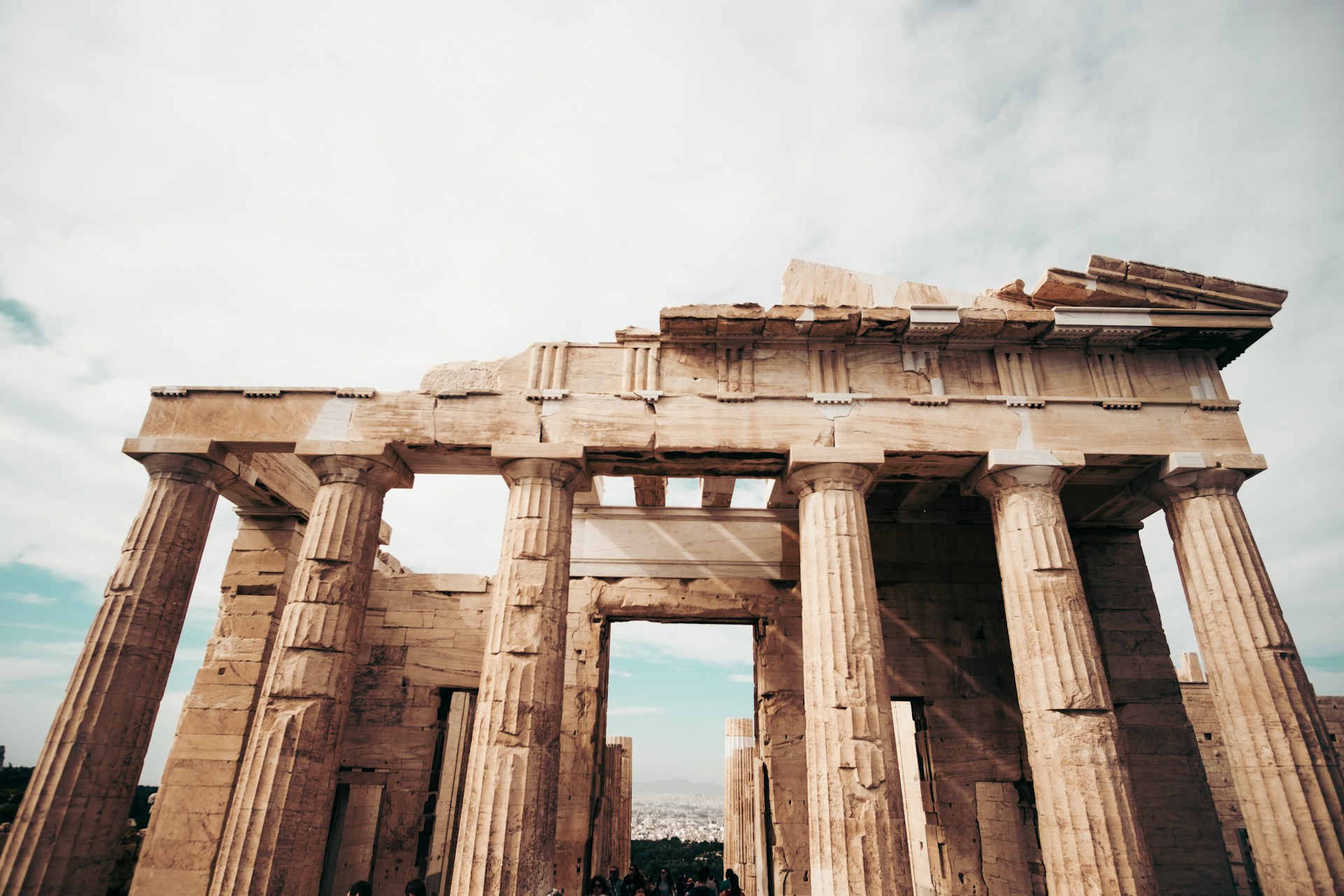
At aristocratic Greek drinking parties called symposia, guests wore wreaths on their heads for reasons beyond decoration. According to ancient sources, the god Dionysus himself introduced this practice, wearing an ivy wreath to ward off the ill effects of wine.
These drinking wreaths started out made from wool but eventually incorporated flowers, roses, violets, myrtle, and parsley. Parsley was thought to help mask the smell of alcohol.
Whether the practice actually worked remains doubtful, but it persisted for centuries across Greek and later Roman social gatherings.
A Wagon Wheel Sparked the Modern Advent Wreath
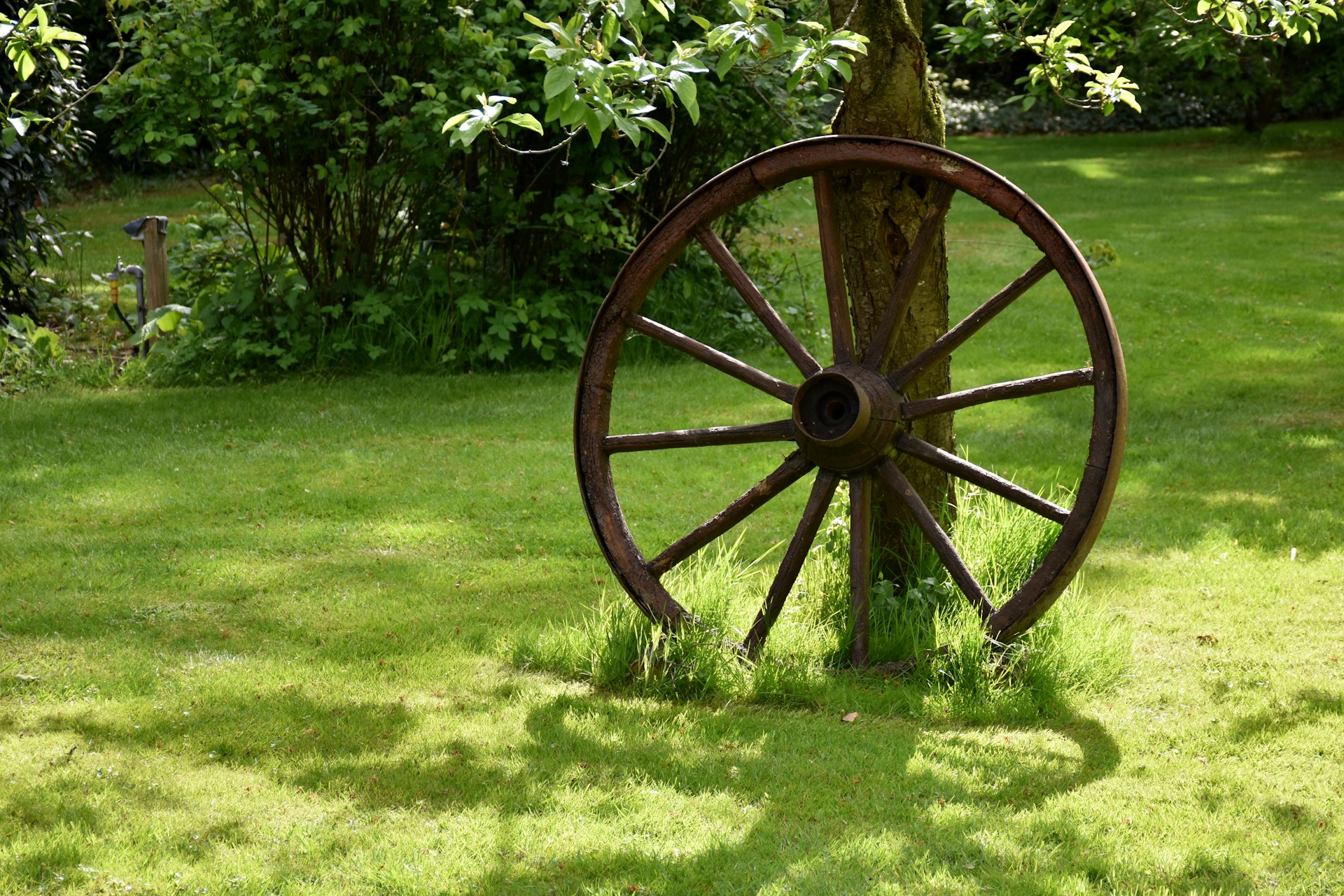
In 1839, a Protestant theologian named Johann Hinrich Wichern ran an orphanage called the Rauhe Haus (Rough House) in Hamburg, Germany. The children kept asking him how many days remained until Christmas.
His solution was to create a visual calendar they could understand. Wichern took a large wooden wagon wheel and mounted it with candles—four large white ones for the Advent Sundays and smaller red ones for each weekday in between.
Every day, the children lit another candle, watching the light grow as Christmas approached. The number of red candles varied from 18 to 24 depending on when the first day of Advent fell that year.
Fir branches didn’t adorn the wreath until around 1860. The modern four-candle version emerged later as a practical concession to smaller living spaces.
Holly Wreaths Were Supposed to Repel Witches
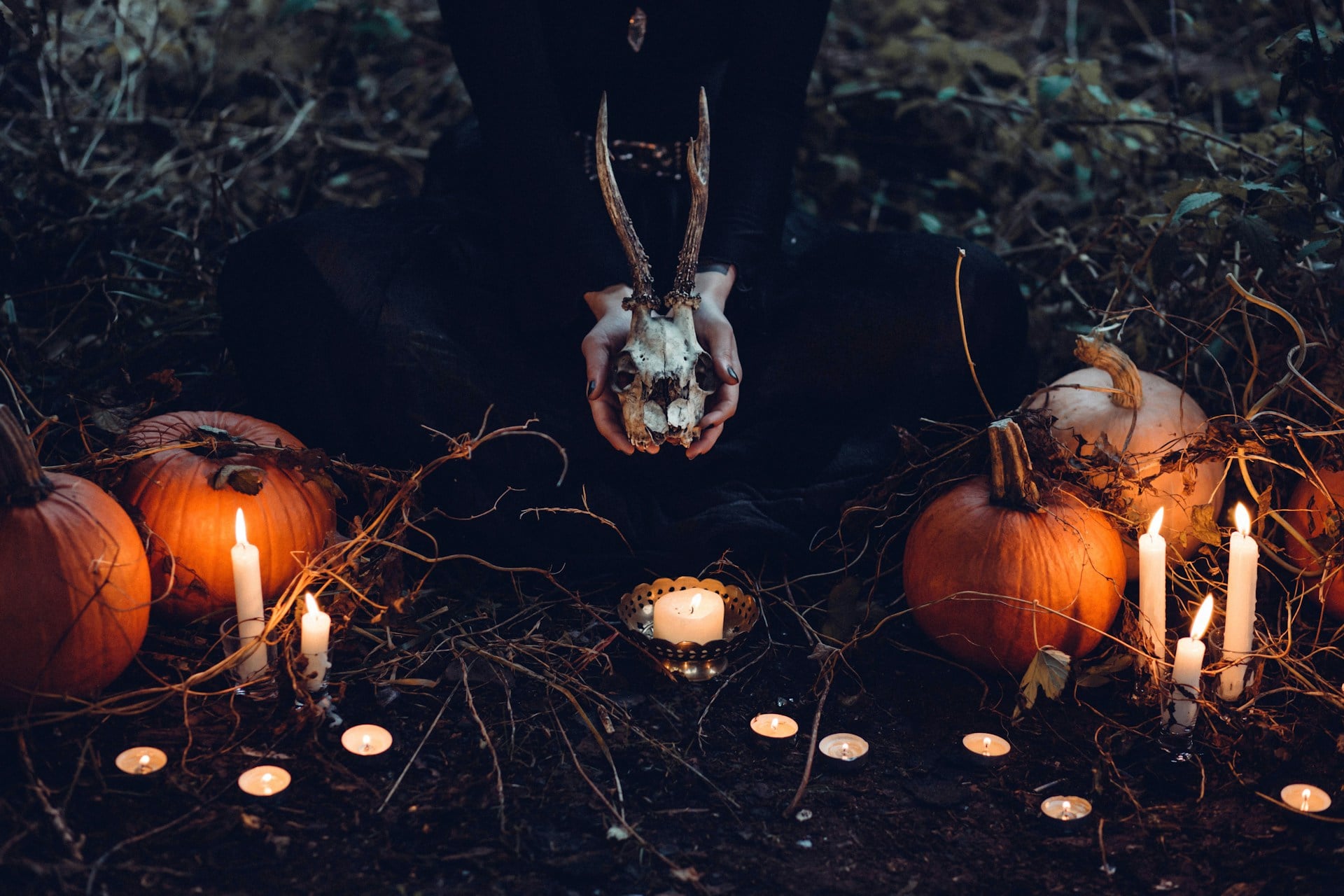
Medieval superstition held that holly possessed powerful protective properties against evil spirits, demons, and witches. The Druids believed holly could repel all manner of malevolent forces, and this belief persisted well into the medieval period.
People kept holly in their homes and wore it in their clothing as protection against witchcraft. Builders even crafted cottage doorsteps from holly wood so that witches couldn’t cross the threshold.
Old holly hedges around country cottages were often deliberately planted for the same protective purpose. And according to folklore, witches running along the tops of hedges would be stopped by holly’s sharp leaves.
The Christmas Tree Actually Gave Birth to the Wreath

The modern holiday wreath emerged as a byproduct of Christmas tree preparation. In 16th-century Germany, when families began bringing evergreen trees indoors for decoration, they needed to prune branches to make the tree fit their rooms or achieve a more uniform shape.
Rather than waste the trimmings, thrifty Germans wove the excess greenery into circular wreaths. These people lived in an era when nothing was discarded until it was completely used up.
The leftover branches from one decoration became another decoration entirely.
Different Olympic Games Awarded Different Plants

The ancient Greeks didn’t use the same plant for every athletic competition. Each of the four great Panhellenic Games had its own designated wreath.
The Olympics used olive because the tree was sacred to Zeus and supposedly planted by Hercules himself at Olympia. Laurel crowned winners at the Pythian Games because that plant was sacred to Apollo, who the games honored.
Wild celery was sacred to both Zeus and Poseidon and was associated with death and mourning, making it the crown for victors at the Nemean Games. Pine leaves adorned the heads of champions at the Isthmian Games held near Corinth in honor of Poseidon.
Goblins Supposedly Inhabited Forgotten Greenery

An old superstition warned that Christmas decorations left up past certain dates would become inhabited by goblins. The 17th-century poet Robert Herrick wrote about this belief in his poem “Ceremony Upon Candlemas Eve,” cautioning that for every leaf left behind after decorations came down, that many goblins would appear.
Some versions of the superstition claimed that every forgotten pine needle left in the house after the tree departed would bring a goblin encounter. Medieval tradition held that decorations must come down by Candlemas Eve on February 1st to avoid this supernatural trouble.
A Maine Wreath Company Started a National Movement

In 1992, a wreath company owner named Morrill Worcester had a surplus of Christmas wreaths at the end of the season. Remembering a childhood trip to Washington, D.C., where he’d visited Arlington National Cemetery, he arranged to have the extra wreaths placed on headstones in an older section of the cemetery.
This quiet gesture continued privately for more than a decade. Then in 2005, a photograph of snow-covered wreaths at the cemetery circulated across the internet and thrust the project into the national spotlight.
People everywhere wanted to do something similar at their local cemeteries. Wreaths Across America became an official nonprofit in 2007.
Today, the organization coordinates wreath-laying ceremonies at thousands of locations across all 50 states, with millions of wreaths placed annually to honor fallen service members.
Greek Weddings Still Use Ancient Victory Wreaths
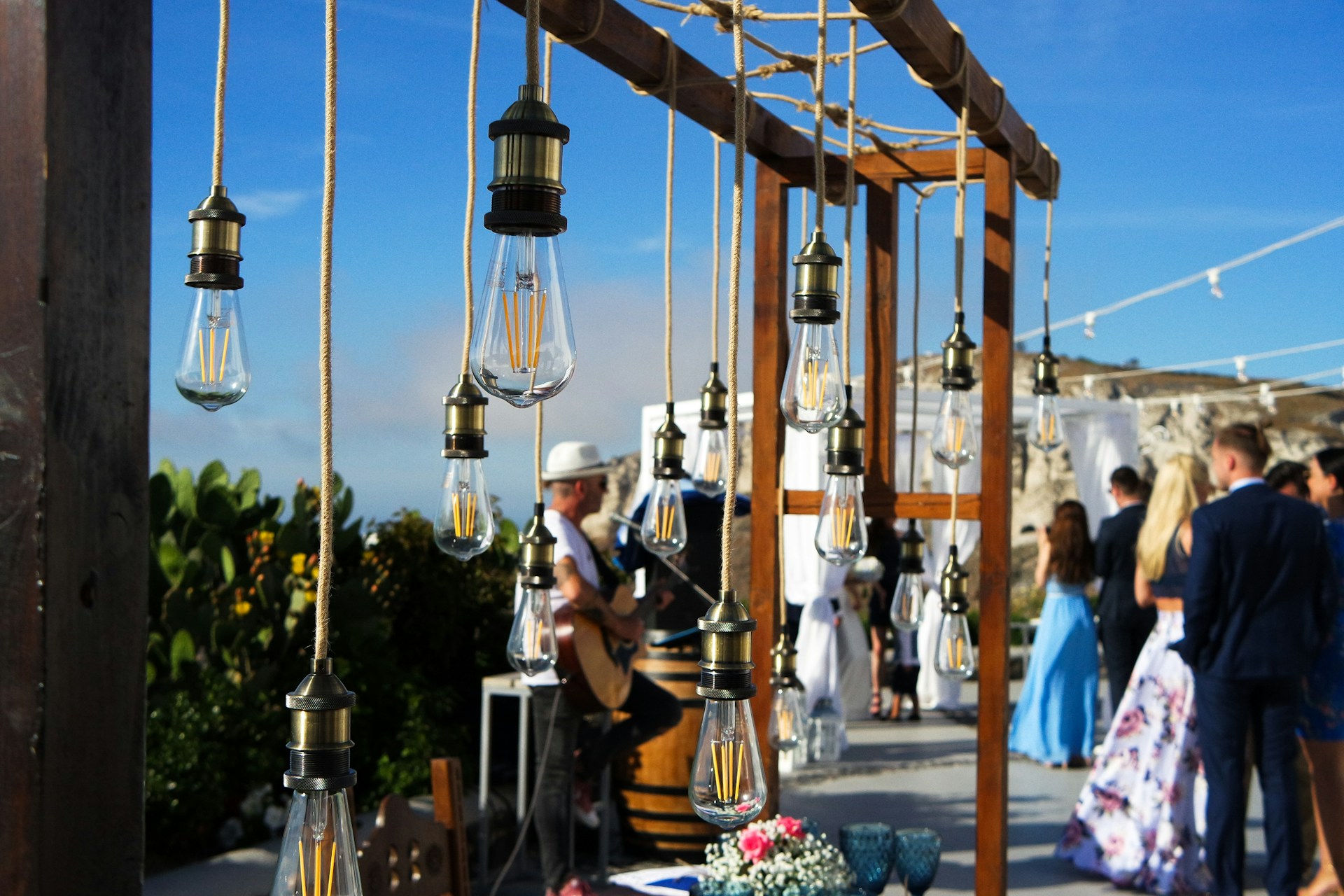
The ceremonial crowns worn by couples during Greek Orthodox wedding ceremonies directly descend from the victory wreaths of ancient athletic competitions. Called stefana, these wedding wreaths are placed on the heads of both bride and groom during the ceremony, connected by a ribbon symbolizing their eternal bond.
The best man or maid of honor exchanges the crowns three times above the heads of the newlyweds. This tradition stretches back roughly 2,500 years, transforming the ancient symbol of athletic triumph into one of matrimonial union.
In Serbian, the connection is even clearer linguistically: the word for wedding, venčanje, derives directly from venac, meaning wreath.
Victorian Britain Made Wreaths Elaborate
Before the Victorian era, Christmas wreaths were relatively simple affairs. But Victorian Britain brought a flair for ornamentation that transformed the humble wreath into something far more elaborate.
Victorians added holly, ivy, fir, pinecones, cinnamon sticks, dried oranges, and berries to their wreaths. These natural additions served practical purposes beyond aesthetics—they filled homes with the scent of the season.
Victorian wreaths became handmade expressions of personality, proudly displayed for neighbors and visitors to admire. The classic Christmas wreath design recognized today largely dates to this period.
The Largest Christmas Wreath Weighed 9,000 Pounds

In 1992, Ryan’s Tree Farm in Union Bridge, Maryland, constructed a Christmas wreath that measured 116 feet wide and weighed 9,000 pounds. The massive creation consisted of 200 pine trees woven into a steel wire and pine wood frame, decorated with roughly 300 feet of ribbon.
This feat earned the farm recognition in the Guinness Book of World Records for the world’s largest Christmas wreath. The farm had previously held and lost the record before regaining it with this enormous creation.
Wreaths Originally Hung from Ceilings, Not Doors

The Advent wreaths created by Johann Hinrich Wichern and his followers weren’t meant for doors at all. These early wreaths hung from the ceilings of prayer rooms and churches.
Their wagon-wheel size made them far too large and heavy for household doorways. The shift to front-door placement came later, during the 19th century, as the wreath design shrank to accommodate private homes.
Victorian-era “welcome rings” made of holly, ivy, pinecones, and ribbons were among the first Christmas wreaths specifically designed for door display.
Poland Uses Straw Wreaths as Manger Reminders
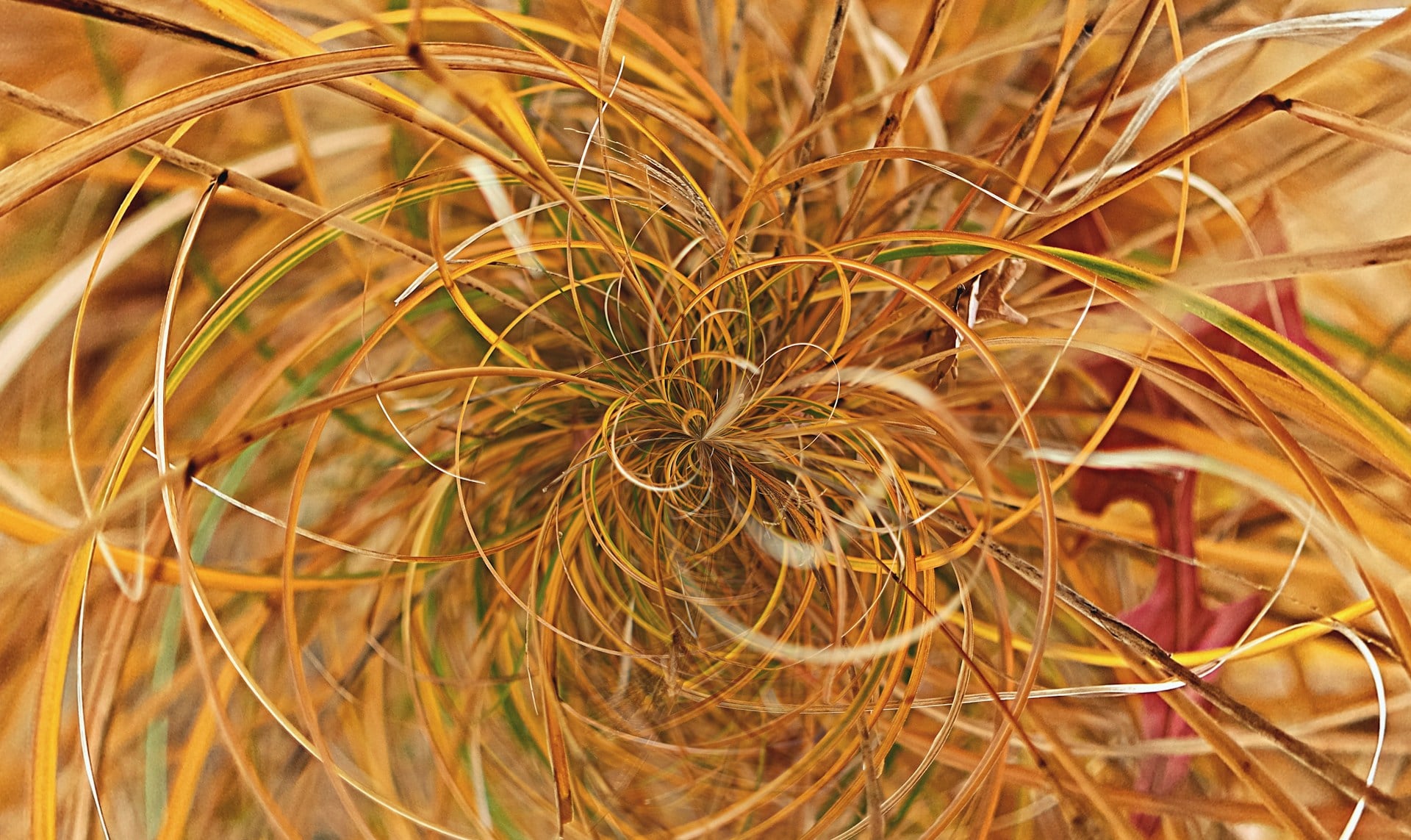
Not all Christmas wreaths feature evergreen branches. In Poland and other parts of Central Europe, Christmas wreaths are traditionally made from straw and hay as a reminder of the manger where Jesus was born.
These straw wreaths represent a completely different aesthetic from the pine and fir creations common in Western Europe and North America. The material choice directly connects the decoration to the Nativity story rather than to the evergreen symbolism of eternal life.
Certain Plants in Wreaths Predicted Household Power

Medieval English superstition assigned gender to holly leaves. Prickly-leaved holly was considered male, while smooth-leaved holly was female.
Whichever type of holly was first brought into a house at Christmas would determine whether the man or woman of the household would rule in the coming year. This belief gave the otherwise simple act of gathering greenery a competitive edge, as family members might race to bring in their preferred variety first.
The Circle Shape Predates Christianity Entirely

Long before Christians adopted the wreath as a religious symbol, ancient cultures recognized the circle as something special. A shape with no beginning and no end naturally suggested eternity and the cyclical nature of existence.
Ancient Germanic and Scandinavian peoples created evergreen wreaths during the winter solstice to represent hope for the sun’s return and the coming of spring. The wheel-like form reminded them that even the darkest days would give way to light again.
When Christianity spread through Europe, believers adopted this circular symbolism and reinterpreted it to represent God’s eternal nature and the promise of everlasting life through faith. The wreath’s meaning changed, but its fundamental shape carried the same message across vastly different belief systems.
A Circle on Your Door

Hanging a wreath on your front door in December connects you to traditions that span millennia and cultures. That simple circle of greenery carries the echoes of Olympic champions, Roman party guests, medieval superstitions, German orphans counting down to Christmas, and countless generations who found comfort in the idea that some things never end.
The wreath remains one of the few decorations that has survived relatively unchanged through centuries of shifting customs and beliefs. Its enduring appeal lies in its simplicity—a circle of living green against the cold darkness of winter, promising that warmth and light will return again.
More from Go2Tutors!

- The Romanov Crown Jewels and Their Tragic Fate
- 13 Historical Mysteries That Science Still Can’t Solve
- Famous Hoaxes That Fooled the World for Years
- 15 Child Stars with Tragic Adult Lives
- 16 Famous Jewelry Pieces in History
Like Go2Tutors’s content? Follow us on MSN.



