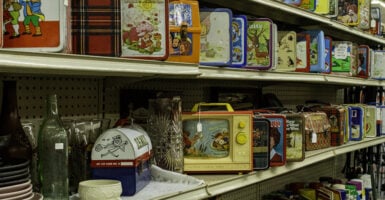
15 Most Collected Items in the World
People have been gathering and organizing things they love for thousands of years. Some collections start by accident, while others become lifelong passions that take over entire rooms or even whole houses.
The items people choose to collect reveal something about human nature and what we value. Here’s a look at what millions of people around the globe are hoarding, trading, and proudly displaying.
Stamps
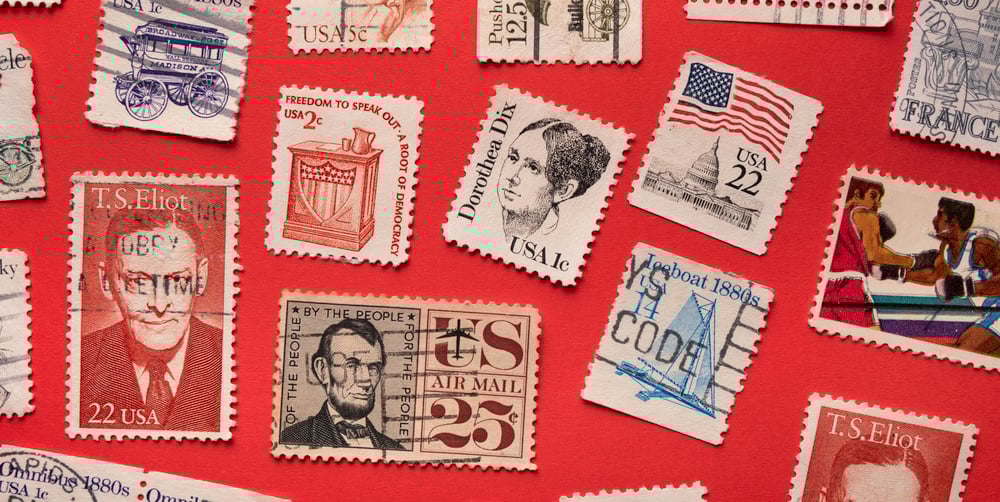
Stamp collecting became popular in the 1840s, just a few years after the first postage stamps were created. People started saving these tiny pieces of paper because they represented far-off places and historical moments.
Some stamps are worth millions of dollars today, like the British Guiana One-Cent Magenta that sold for nearly $10 million in 2014. The hobby attracted everyone from Queen Elizabeth II to Franklin D. Roosevelt, who both maintained serious collections throughout their lives.
Coins
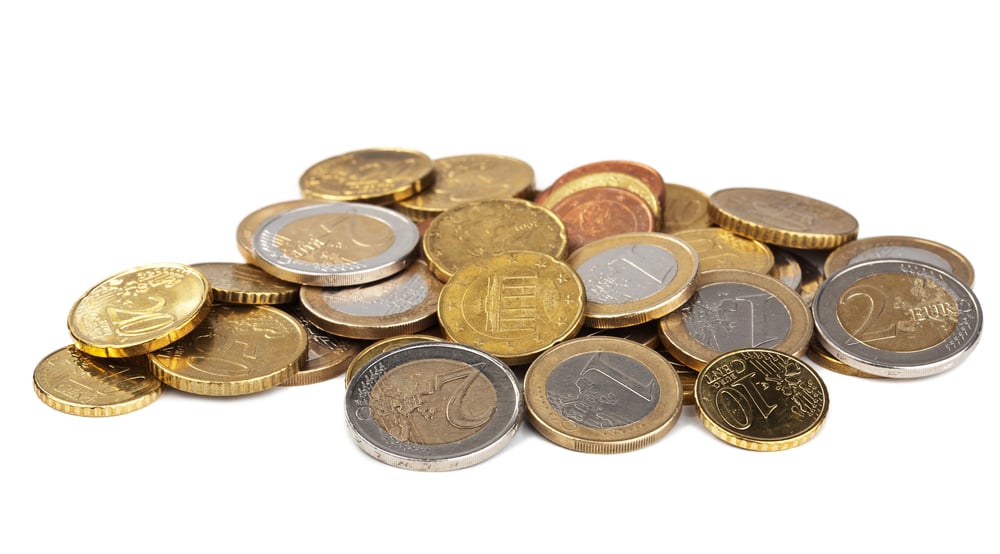
Coins have been collected for over 2,000 years, making this one of the oldest hobbies in recorded history. Ancient Roman emperors collected Greek coins, and the practice spread across every culture that used currency.
Modern coin collectors hunt for rare mint errors, limited editions, and historical pieces that tell stories about empires that no longer exist. A single 1933 Double Eagle gold coin sold for over $18 million, proving that what jangled in someone’s pocket decades ago might fund a retirement today.
Comic books
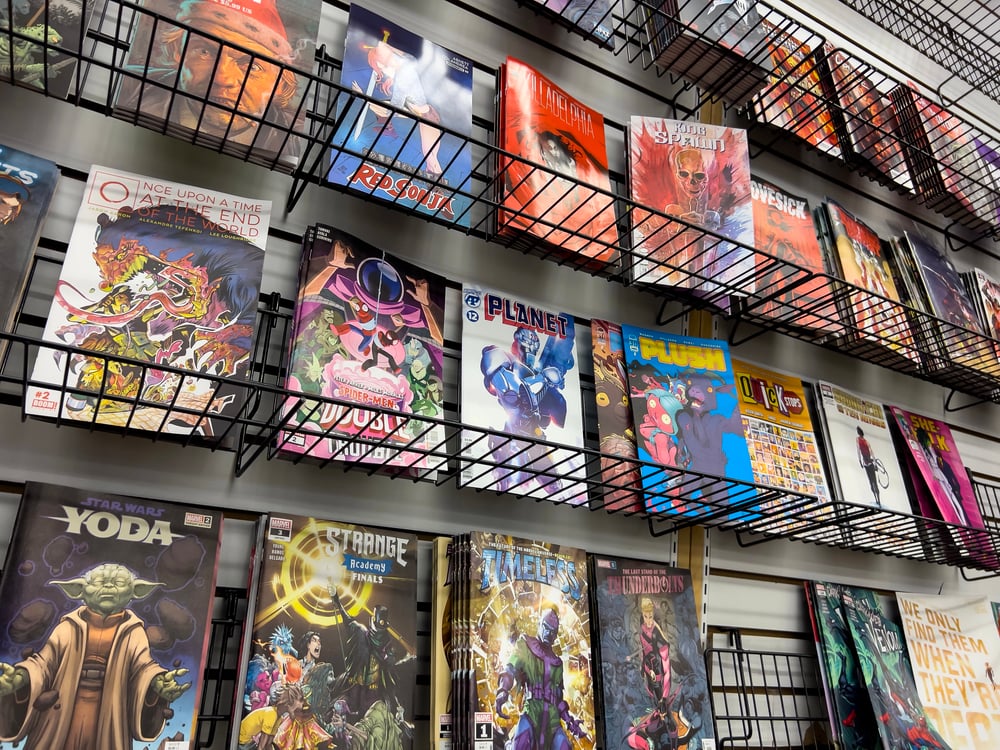
What parents once threw away during spring cleaning now sells for enough money to buy a house. The first appearance of Superman in Action Comics #1 from 1938 has sold for over $3 million at auction.
Comic book collecting exploded in the 1960s when fans realized these throwaway entertainment magazines might actually be worth keeping. Today, collectors obsess over condition grades, first appearances of characters, and the artists who drew the pages, turning childhood entertainment into serious investment portfolios.
Vinyl records
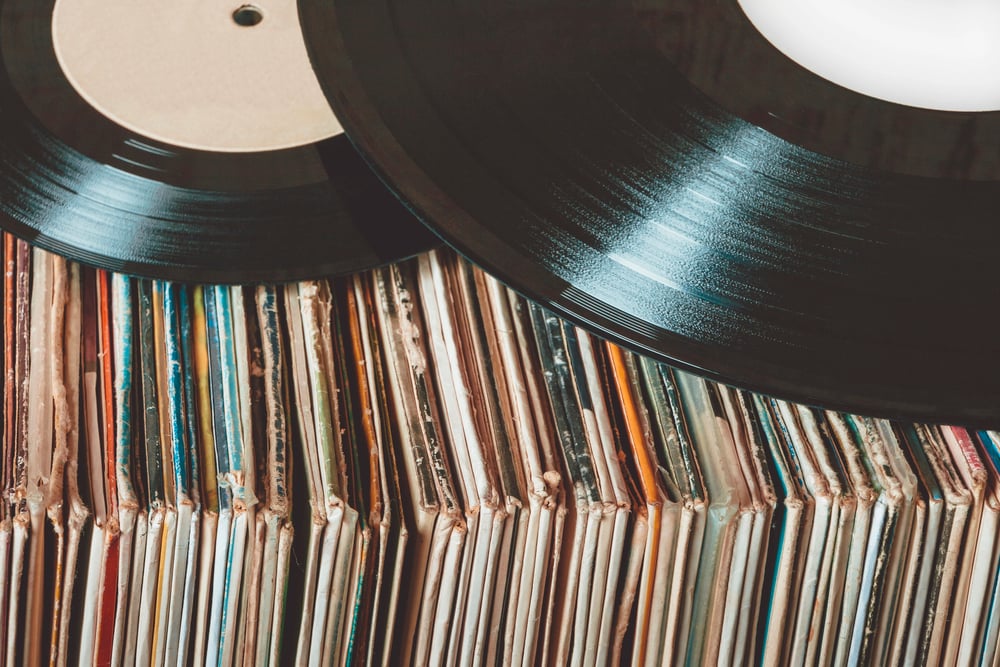
Record collectors never really went away, even when CDs and digital music tried to kill the format. Vinyl sales have actually increased every year since 2006, with people paying premium prices for original pressings and rare releases.
The tactile experience of holding album artwork and dropping a needle on wax appeals to something digital files can’t replicate. Some Beatles albums in mint condition sell for thousands of dollars, while obscure jazz and soul records from tiny labels command even higher prices among serious collectors.
Baseball cards
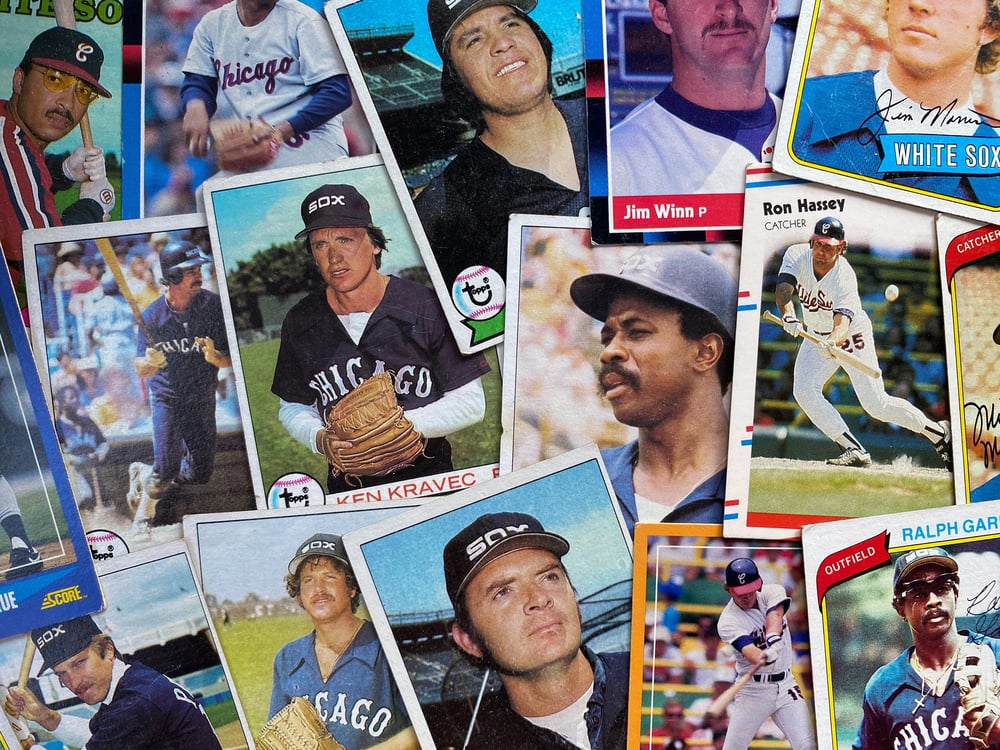
A piece of cardboard with a picture of a baseball player shouldn’t be worth a fortune, but the 1909 Honus Wagner card sold for $6.6 million in 2021. Kids started collecting these cards in the late 1800s when nicotine companies included them in cig packs as stiffeners to protect the product.
The hobby peaked in the late 1980s and early 1990s when speculation drove prices crazy, then crashed when the market became oversaturated. Modern collectors focus on rookie cards, autographed versions, and players who had Hall of Fame careers.
Action figures
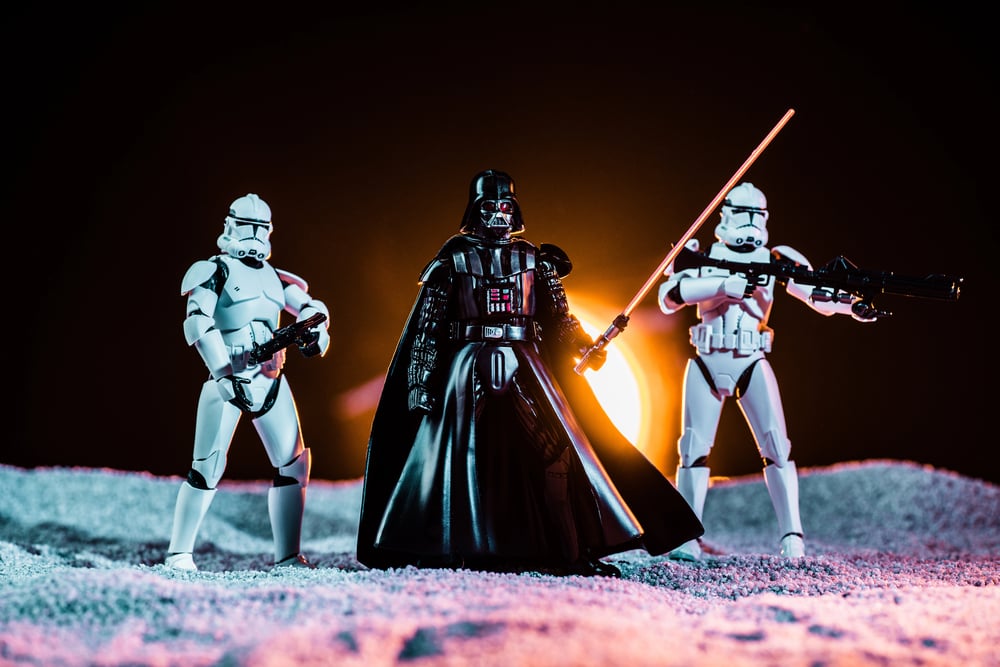
Star Wars changed everything when those first action figures hit store shelves in 1977. What started as toys for children became a billion-dollar collector market where mint-condition figures still in original packaging sell for thousands.
G.I. Joe pioneered the concept in 1964, but Star Wars turned collecting into a cultural phenomenon. Adult collectors now drive the market, hunting for rare variants, factory errors, and limited convention exclusives that never even make it into kids’ hands.
Books

First editions of classic novels sit in climate-controlled rooms, protected like museum artifacts. A first edition of ‘The Great Gatsby’ in good condition can sell for over $200,000, while Shakespeare folios have topped $10 million at auction.
Book collectors seek signed copies, rare printings, and editions with historical significance or unique bindings. Some people collect specific authors, others focus on topics like exploration or science, and a dedicated few hunt for every book published in a particular year.
Dolls
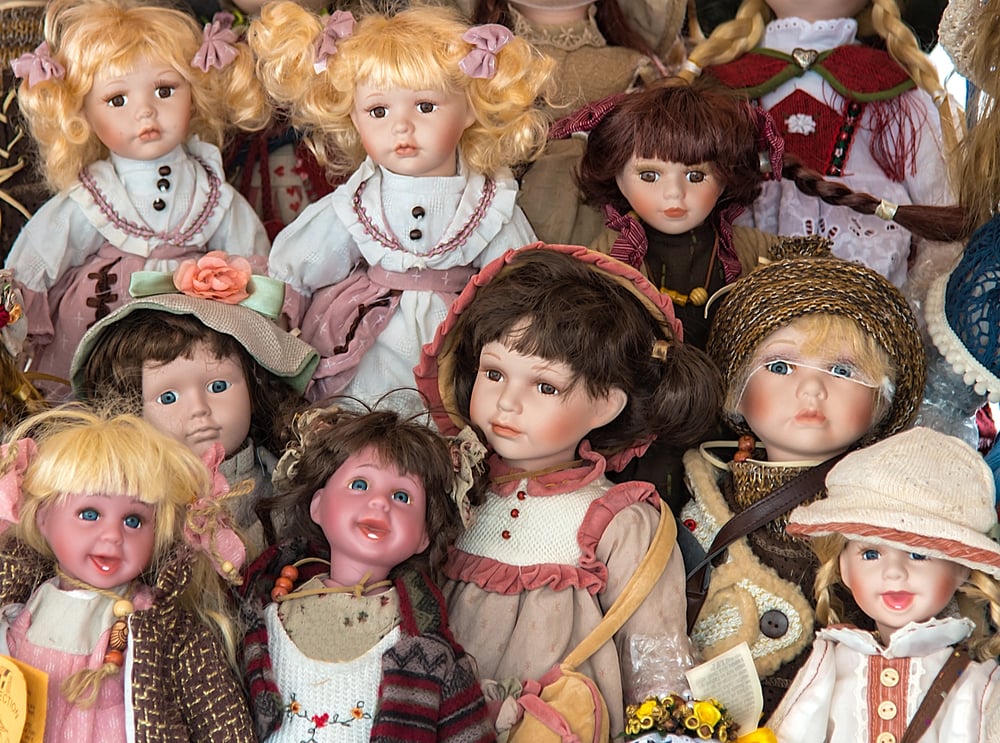
Antique dolls from the 1800s can sell for over $300,000, especially rare French bisque dolls made by companies like Jumeau and Bru. Barbie dolls launched in 1959 and created their own collector market, with some rare versions worth over $25,000 today.
The combination of nostalgia, craftsmanship, and historical value drives the doll collecting world. Some collectors focus on specific eras, manufacturers, or types, filling entire rooms with porcelain faces staring out from glass cases.
Video games

A sealed copy of Super Mario Bros. for the original Nintendo sold for $2 million in 2021, shocking even seasoned collectors. Video game collecting grew from people holding onto childhood nostalgia to investors recognizing untapped value in early gaming history.
Games from the 1980s and 1990s drive the highest prices, especially rare titles that didn’t sell well when they were new. Condition matters tremendously, with sealed games commanding exponentially more money than opened copies, even if the opened version was never actually played.
Model cars
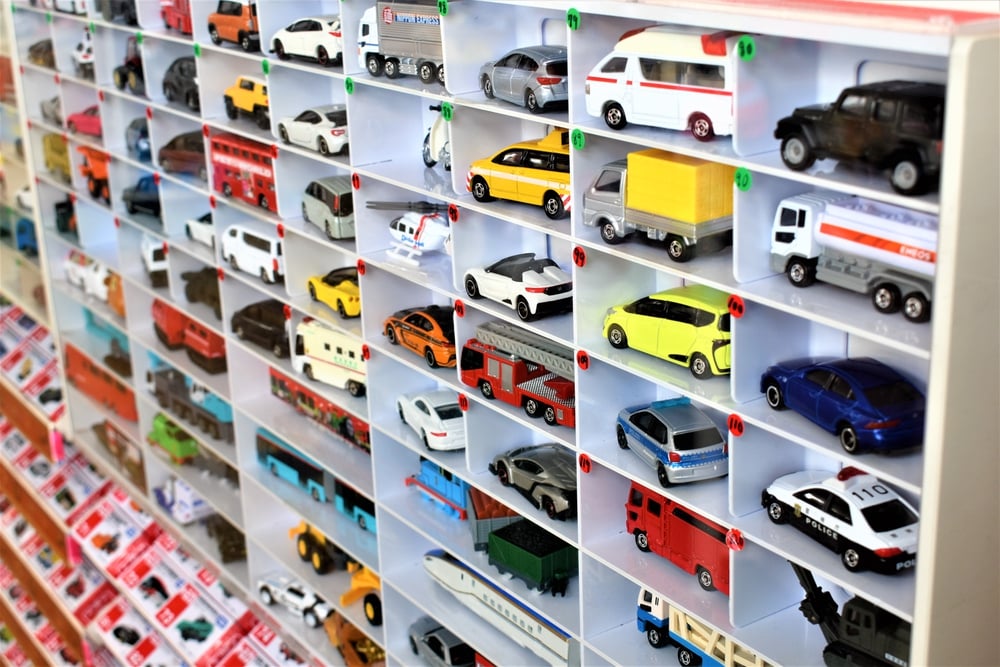
Tiny replicas of real vehicles range from cheap toys to museum-quality miniatures worth thousands of dollars. Hot Wheels launched in 1968 and became one of the most collected toy lines ever created, with rare models from the first year selling for over $150,000.
Die-cast collectors obsess over accurate paint colors, proper decals, and authentic wheel designs that match real cars. Some people build entire miniature cities to display their collections, complete with roads, buildings, and parking lots.
Watches
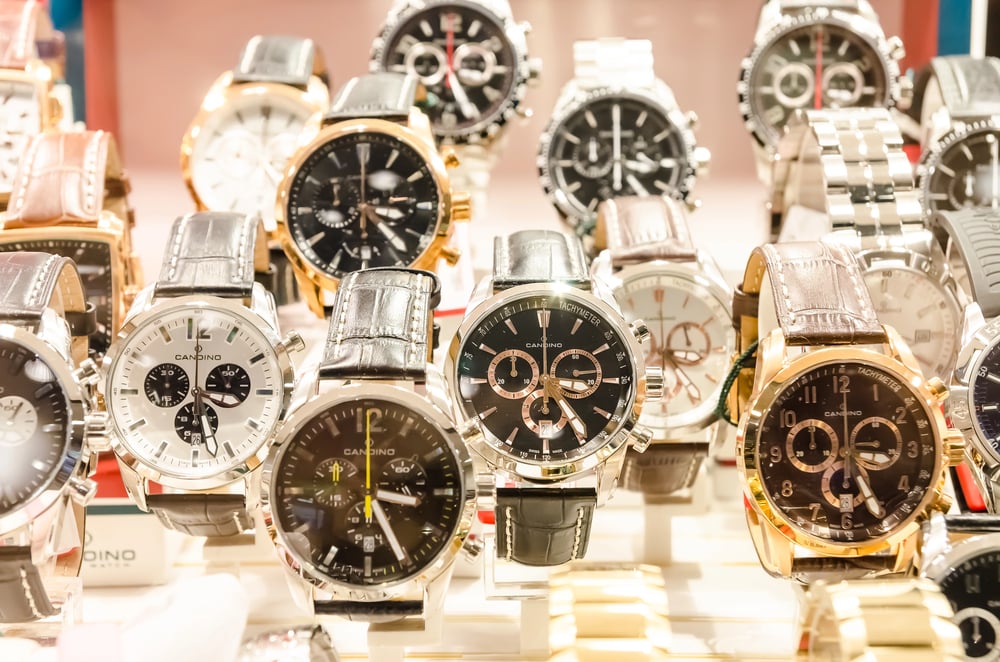
Luxury watch collecting combines fashion, engineering appreciation, and investment potential into one wearable hobby. Vintage Rolex watches regularly sell for hundreds of thousands of dollars, with Paul Newman’s personal Daytona bringing $17.8 million at auction.
Collectors study movement types, case materials, and brand histories like scholars examining ancient texts. Limited production runs and discontinued models drive prices higher, creating a market where wearing a watch on your wrist means carrying the equivalent of a down payment for a house.
Sneakers
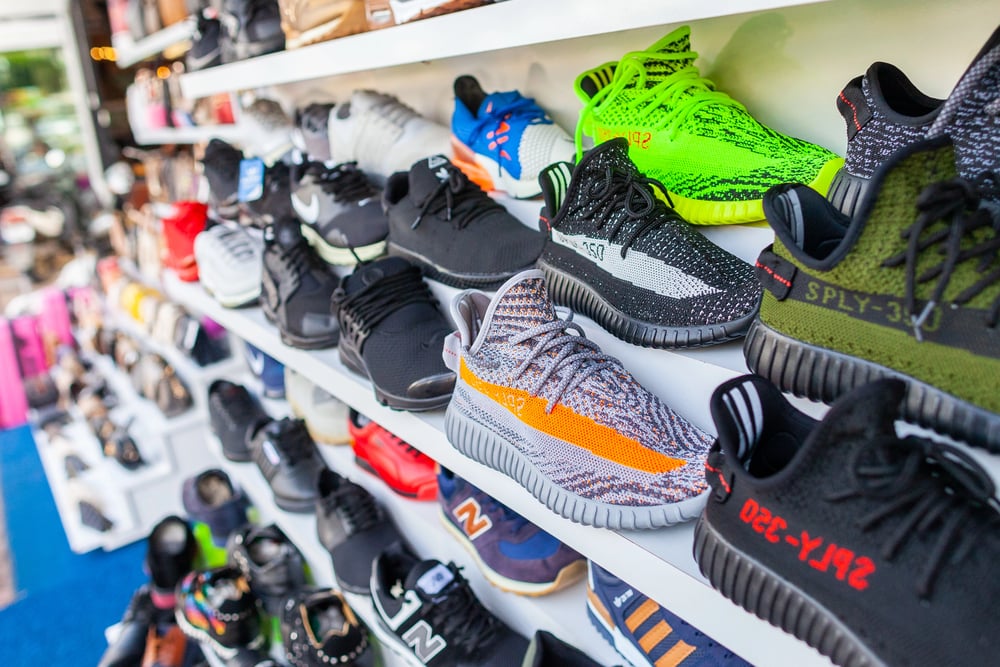
What people wear on their feet became a collector obsession worth billions of dollars annually. Limited edition Nike Air Jordans and collaborations between brands and celebrities sell out instantly, then appear on resale markets for ten times the original price.
Some collectors never wear their shoes, keeping them pristine in boxes like precious artifacts. A pair of Nike Air Yeezy worn by Kanye West sold for $1.8 million, proving that footwear collecting has reached levels that would have seemed absurd 30 years ago.
Antique furniture
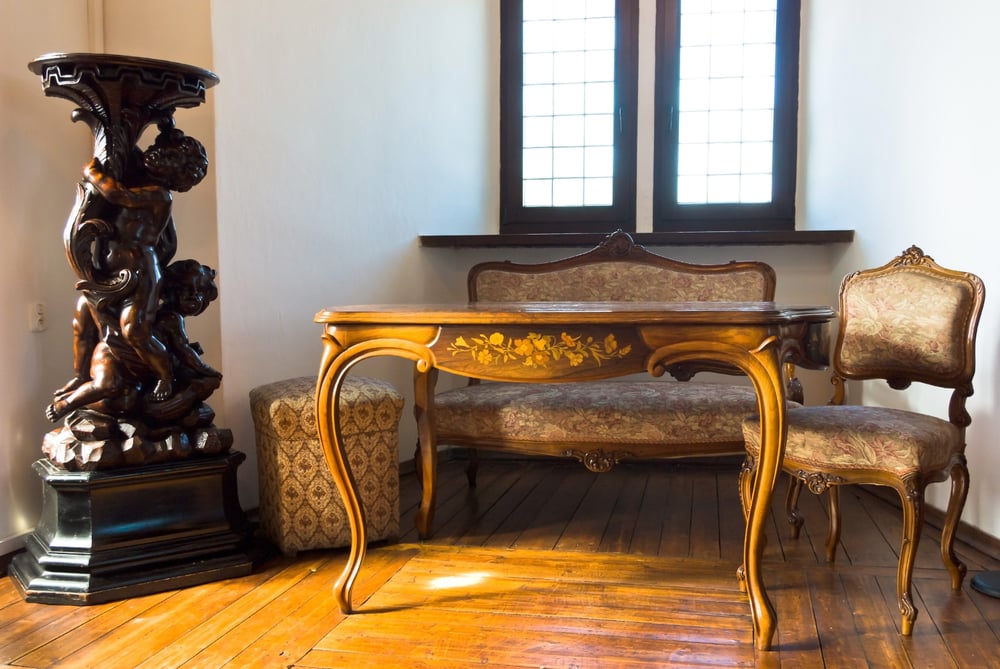
Chairs, tables, and cabinets from centuries past fill auction houses and antique stores around the world. A Newport desk-and-bookcase from the 1700s sold for over $12 million, while Chippendale furniture regularly commands six-figure prices.
Collectors study construction techniques, wood types, and maker’s marks to authenticate pieces and determine value. The furniture you inherit from grandparents might be worth more than the house it’s sitting in, especially if it was crafted by known artisans from specific periods.
Sports memorabilia

Jerseys worn during games, gear with signatures, trophies from title wins – these form an industry worth billions. A Yankees uniform Babe Ruth wore between 1928 and 1930 fetched more than $5.6 million; later, Maradona’s ‘Hand of God’ match shirt reached $9.3 million when bid on.
What drives buyers isn’t merely ownership of athlete-used objects, but links to defining athletic events. Because fake memorabilia spreads fast, verification now makes all the difference – one item becomes treasure, another junk, depending on proof.
Experts pore over details, papers matter, and without them value vanishes overnight.
Porcelain and ceramics
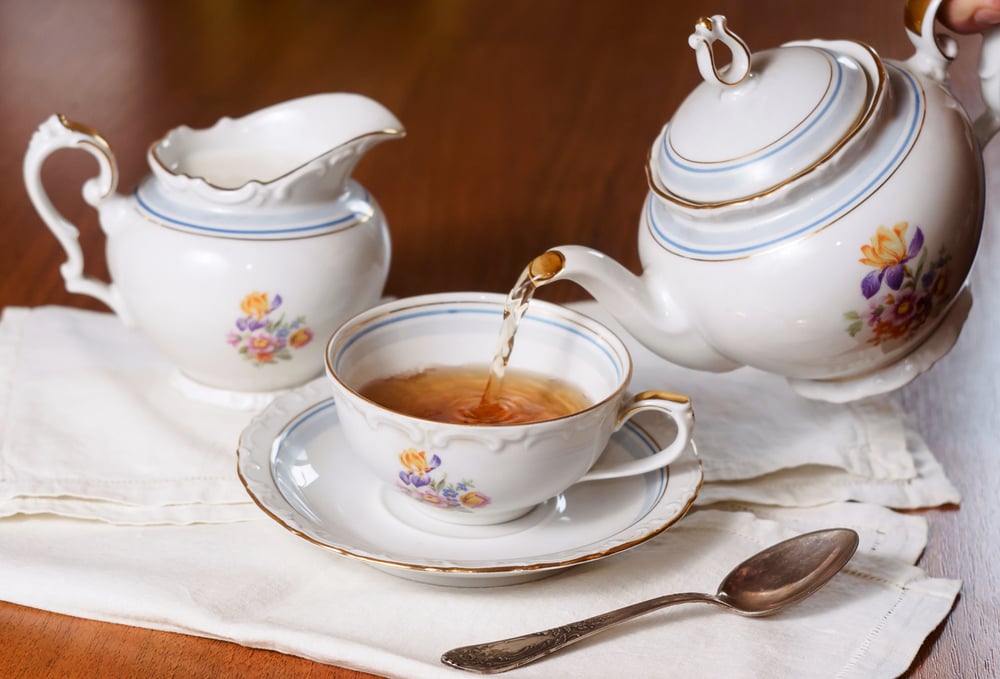
That tiny Ming cup fetched more than thirty six million dollars back in two thousand fourteen – still a high mark for fired clay treasures. Centuries of gathering fine plates and ornate jars continue today, some old wares from early cultures now valued at staggering sums.
Royals once guarded works by Meissen and Sèvres; those same objects quietly rest in display cases or hidden vaults. When something survives fire, time, and handling without breaking, it gains weight in worth.
Whole pots lasting hundreds of winters untouched are harder to find every year.
What we keep and why
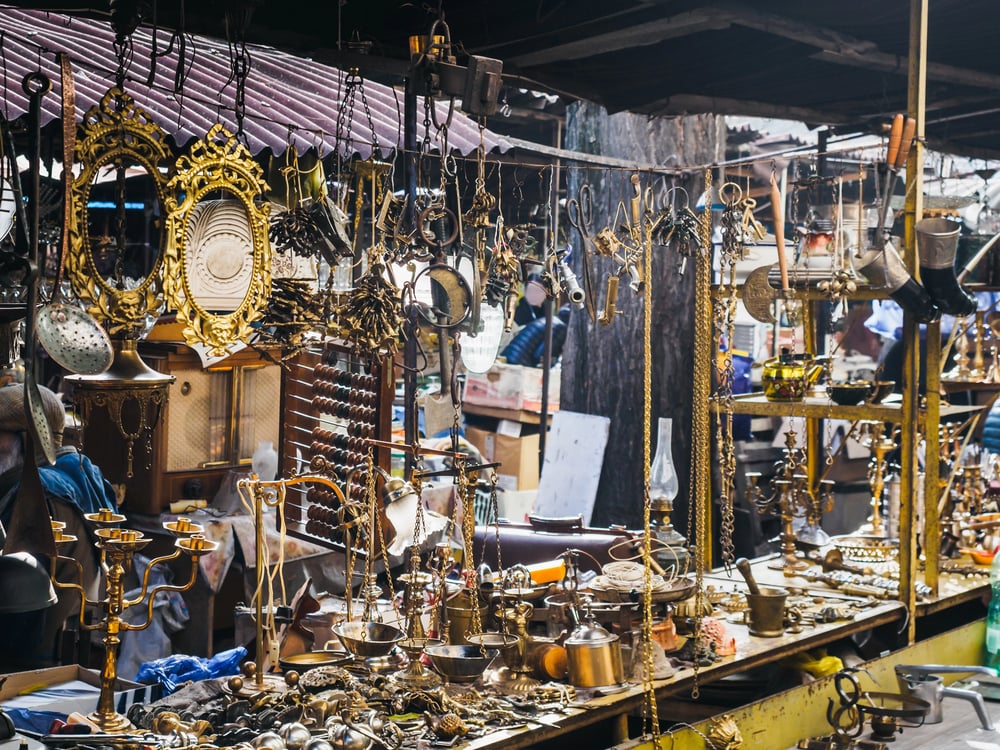
Stuff piled in closets and storage spaces might look random at first glance. Yet these groupings often tie us to the past, holding pieces of culture that tell deeper stories.
Enthusiasts gather around them, sharing insights you would not expect from casual interest. To some, it looks excessive – yet behind each item lies attention, purpose.
Objects kept safe, handed on later – they mirror what a person believes deserves to last. Hidden in those choices is a quiet statement about value.
More from Go2Tutors!

- The Romanov Crown Jewels and Their Tragic Fate
- 13 Historical Mysteries That Science Still Can’t Solve
- Famous Hoaxes That Fooled the World for Years
- 15 Child Stars with Tragic Adult Lives
- 16 Famous Jewelry Pieces in History
Like Go2Tutors’s content? Follow us on MSN.