15 Most Iconic Movie Costumes Ever Designed
Some costumes happen to do more than just dress a character.
It tops up to become symbols.
Cultural touchstones.
And most times even more recognizable than the actors wearing them.
Oftentimes, we see how the right outfit can define an entire film.
Spark fashion movements.
Or lodge itself so deeply in our collective memory that decades later, a single glance brings the whole story flooding back.
These are not just simple basic clothes stitched together by talented designers.
They’re visual storytelling at its finest, where fabric and form communicate personality, power, and even a deep sense of vulnerability.
From golden age glamour to dystopian armor, certain costumes transcend their films and take on lives of their own.
Here’s a closer look at fifteen designs that changed the game.
Dorothy’s Ruby Slippers
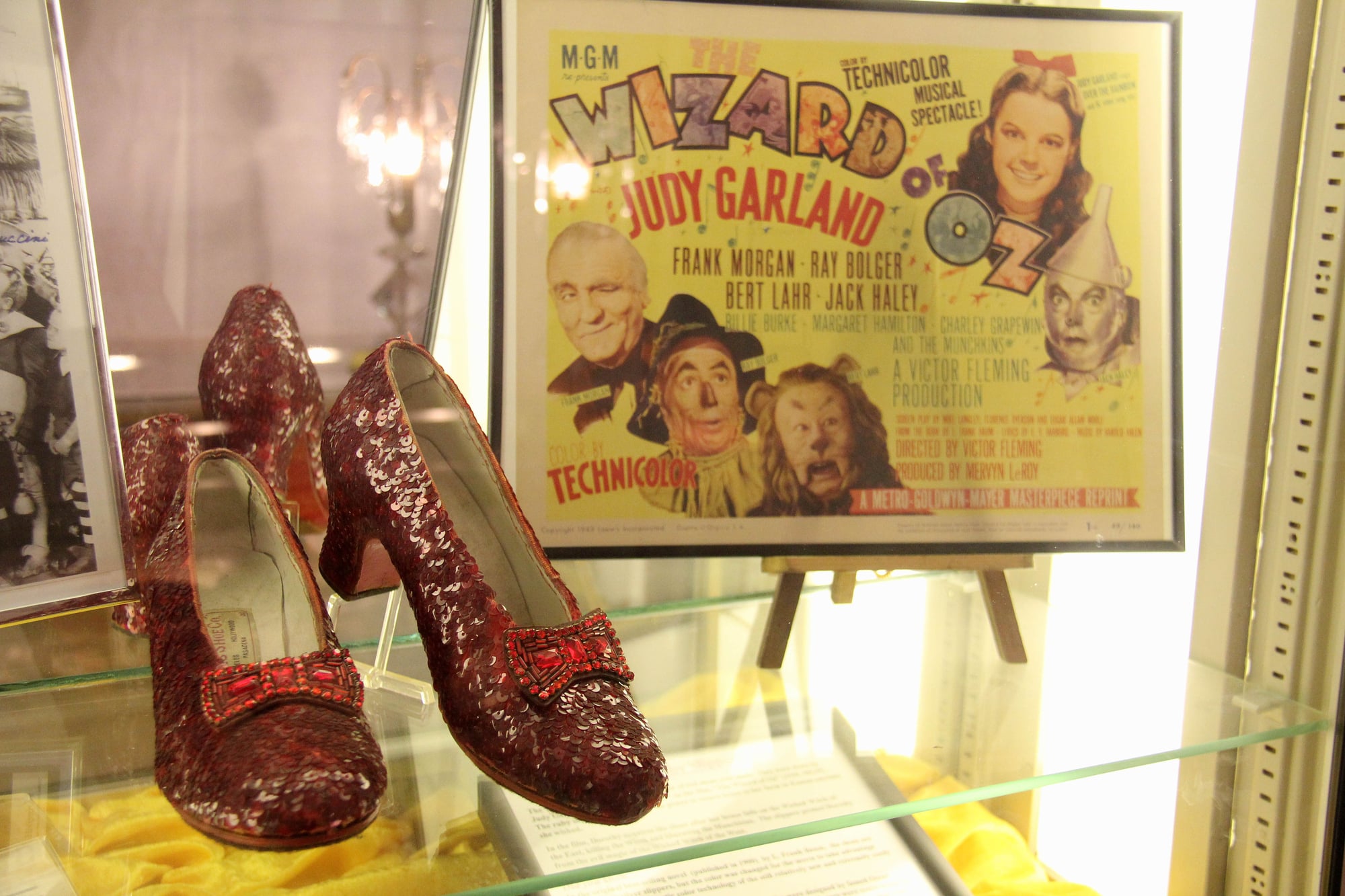
When costume designer Adrian swapped L. Frank Baum’s original silver shoes for glittering ruby slippers in 1939’s The Wizard of Oz, he made a practical choice that became pure movie magic.
The vibrant red popped beautifully against the yellow brick road in Technicolor, a relatively new technology at the time.
Those sequined pumps — actually several pairs made for Judy Garland during production — transformed into one of cinema’s most coveted artifacts.
One pair sold at auction for over six hundred thousand dollars in 2000.
Another pair was stolen from a museum in 2005, only to be recovered by the FBI thirteen years later.
They’re more than footwear.
They’re a symbol of home, hope, and the idea that sometimes what you’re searching for was with you all along.
Darth Vader’s Armor
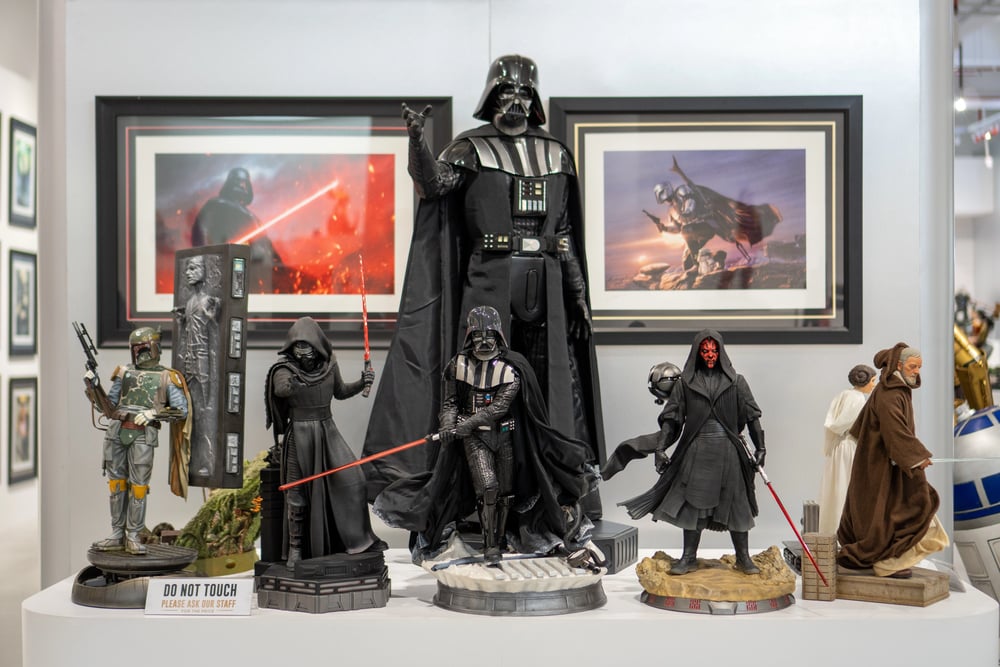
Ralph McQuarrie’s conceptual designs and John Mollo’s execution gave us a villain whose silhouette alone triggers instant recognition.
The black armor, flowing cape, and that glossy helmet with its skull-like faceplate turned Darth Vader into an imposing figure of pure menace in 1977’s Star Wars.
The costume’s genius lies in its blend of samurai armor aesthetics, Nazi imagery, and medieval knight influences.
It created something that feels both ancient and futuristic.
The mechanical breathing apparatus and chest panel controls added a layer of tragic humanity beneath all that intimidating gear.
George Lucas wanted a costume that would make Vader seem larger than life.
The design delivered a character who became the blueprint for cinematic villains for generations.
Audrey Hepburn’s Black Dress
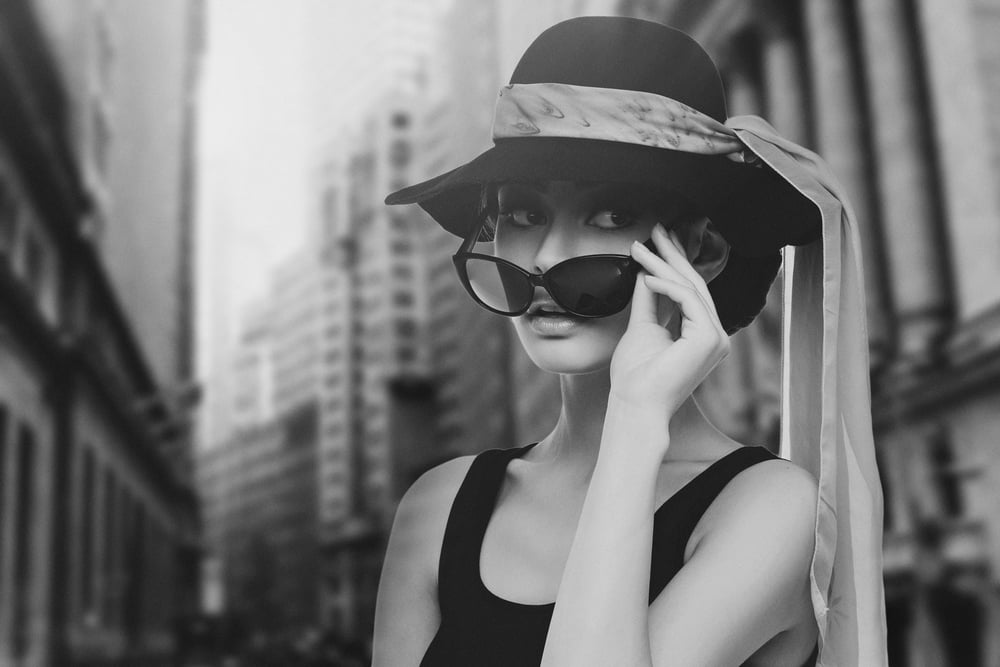
Hubert de Givenchy’s little black dress in Breakfast at Tiffany’s wasn’t just an outfit.
It was a statement.
When Audrey Hepburn glided onto screen in 1961 wearing that sleeveless, floor-length Givenchy gown with opera gloves and layered pearls, she redefined elegance for a new era.
The dress perfectly captured Holly Golightly’s aspirational glamour and vulnerability.
Someone playing dress-up in a life she desperately wanted to belong to.
That opening scene, with Hepburn nibbling a pastry while gazing into Tiffany’s windows at dawn, became one of cinema’s most imitated moments.
The dress itself sold at auction in 2006 for nearly a million dollars.
It proved that simplicity, when executed with perfect taste and fit, could outshine the most elaborate gown in the room.
Marilyn Monroe’s White Dress
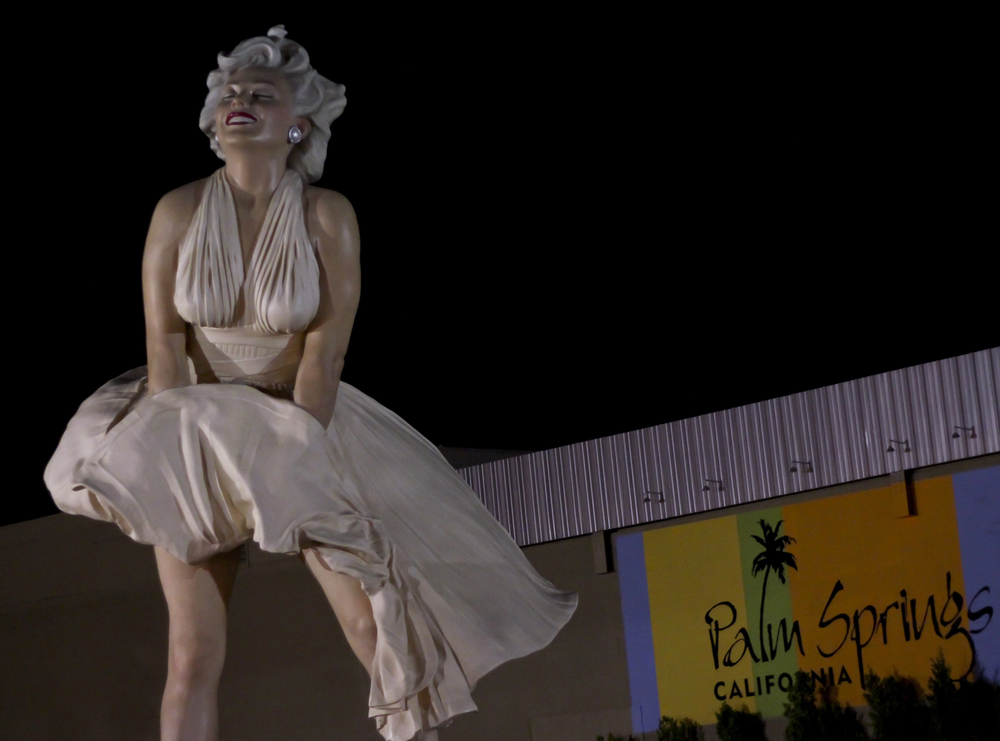
William Travilla designed dozens of costumes for Marilyn Monroe, but the ivory pleated halter dress from The Seven Year Itch became his most famous creation.
That 1955 moment when Monroe stood over a subway grate, dress billowing up around her legs, turned into possibly the most iconic image in film history.
The dress itself was deceptively simple — a white pleated number with a halter neckline — but its movement and the sheer joy on Monroe’s face created cinematic lightning in a bottle.
The scene was so memorable that the actual mechanics of it became Hollywood legend.
Travilla later said he designed it to move beautifully, never imagining it would become a symbol of Monroe herself and 1950s Hollywood glamour.
Princess Leia’s Gold Bikini
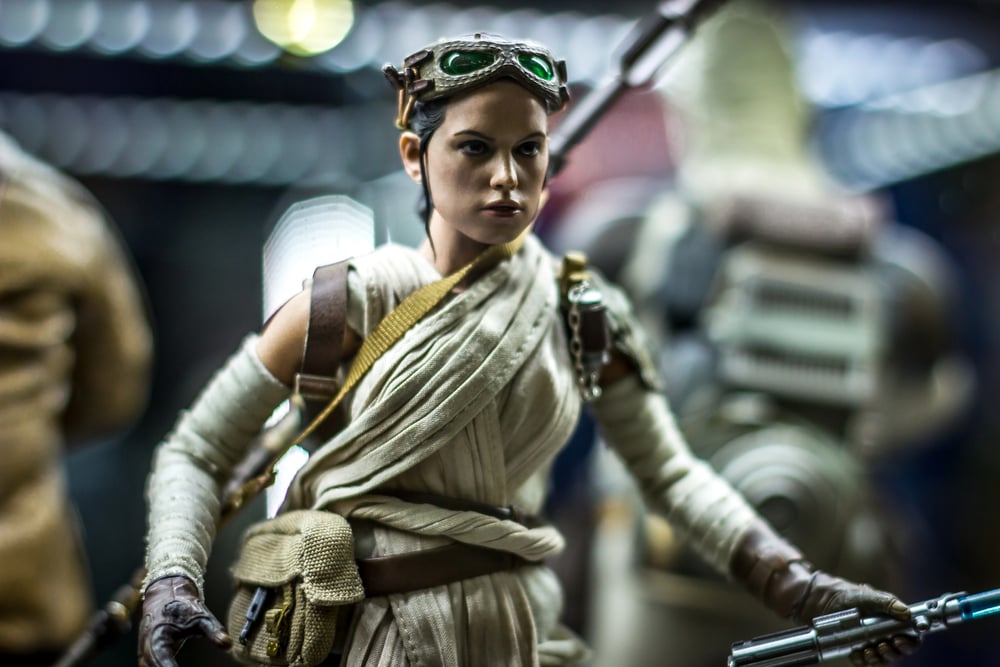
The metal bikini Carrie Fisher wore in Return of the Jedi sparked decades of debate, but there’s no denying its cultural impact.
Costume designers Aggie Guerard Rodgers and Nilo Rodis-Jamero created the outfit for Leia’s captivity scenes in Jabba’s palace, and it instantly became one of the most discussed costumes in sci-fi history.
Fisher herself had complicated feelings about the costume, later joking about its absurdity while acknowledging its strange cultural permanence.
The brass-colored metal pieces, draping chains, and red fabric created a look that was equal parts ancient slave girl and space-age fantasy.
Love it or loathe it, the costume demonstrated how even controversial design choices can become permanently embedded in pop culture consciousness.
The Dude’s Bathrobe

Sometimes iconic doesn’t mean elaborate.
Jeff Bridges’ character in The Big Lebowski wore a ratty bathrobe over a t-shirt and shorts, and somehow costume designer Mary Zophres turned shabby into unforgettable.
That beige terrycloth robe with its faded pattern became inseparable from The Dude’s entire philosophy of life — comfortable, unconcerned, and utterly unpretentious.
Paired with his jelly sandals and ever-present sunglasses, the costume communicated everything about the character before he spoke a word.
The Coen Brothers wanted someone who looked like he’d just rolled out of bed, and Zophres delivered a look so perfectly lived-in that it spawned countless Halloween costumes and an actual religion.
Proof that the right ratty robe can achieve cinema immortality.
Holly Hunter’s Corset in The Piano
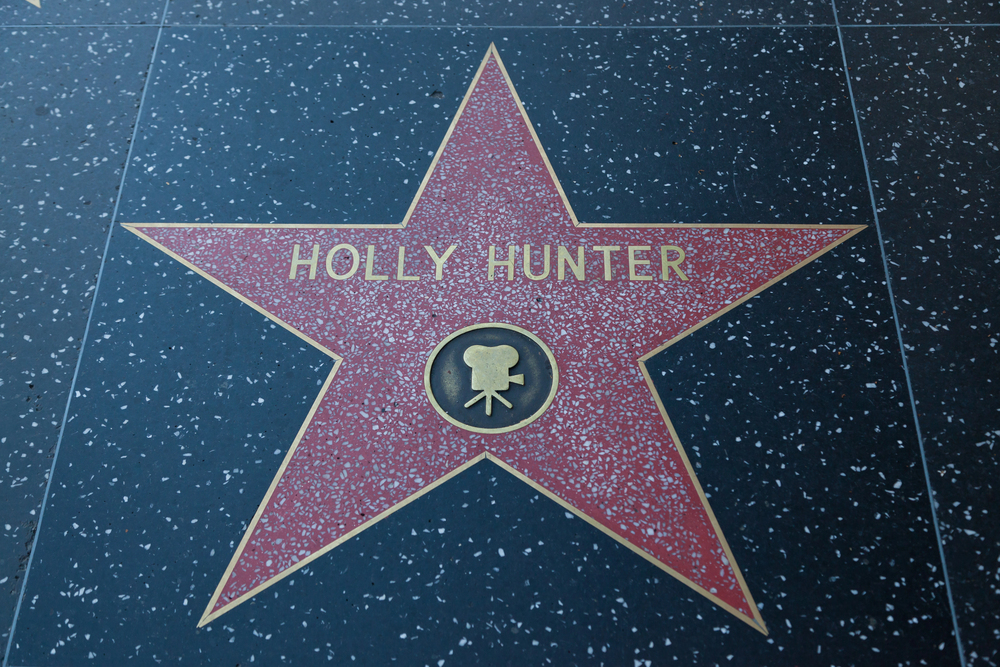
Janet Patterson’s costume design for The Piano won her an Academy Award, and with good reason.
The 1850s-era corsets, layered Victorian dresses, and restrictive bonnets that Holly Hunter wore throughout the 1993 film weren’t just period accurate.
They were narrative devices.
Every tightly laced corset and heavy woolen skirt reinforced the suffocating social expectations crushing her mute protagonist.
The mud-stained hems and sea-weathered fabrics told their own story of survival and displacement.
Patterson’s work showed how historical costume design could move beyond mere authenticity to become a physical manifestation of a character’s psychological state.
The costumes quite literally constricted and weighed down the character, making her eventual liberation all the more powerful.
Neo’s Trench Coat

Kym Barrett’s costume design for The Matrix in 1999 launched a thousand imitations and reshaped action movie aesthetics.
Neo’s floor-length black leather trench coat, paired with fitted shirts and slim sunglasses, created a silhouette that screamed cyberpunk cool.
The flowing coat wasn’t just stylish.
It moved beautifully during the film’s groundbreaking action sequences, adding drama to every spin kick and bullet-dodge.
Barrett drew inspiration from comic books, anime, and high fashion, creating a look that felt both futuristic and timeless.
The entire cast’s sleek black leather uniforms became so influential that ‘Matrix-style’ entered the fashion vocabulary.
Long leather coats suddenly appeared everywhere from runways to suburban malls.
Jack Sparrow’s Pirate Getup
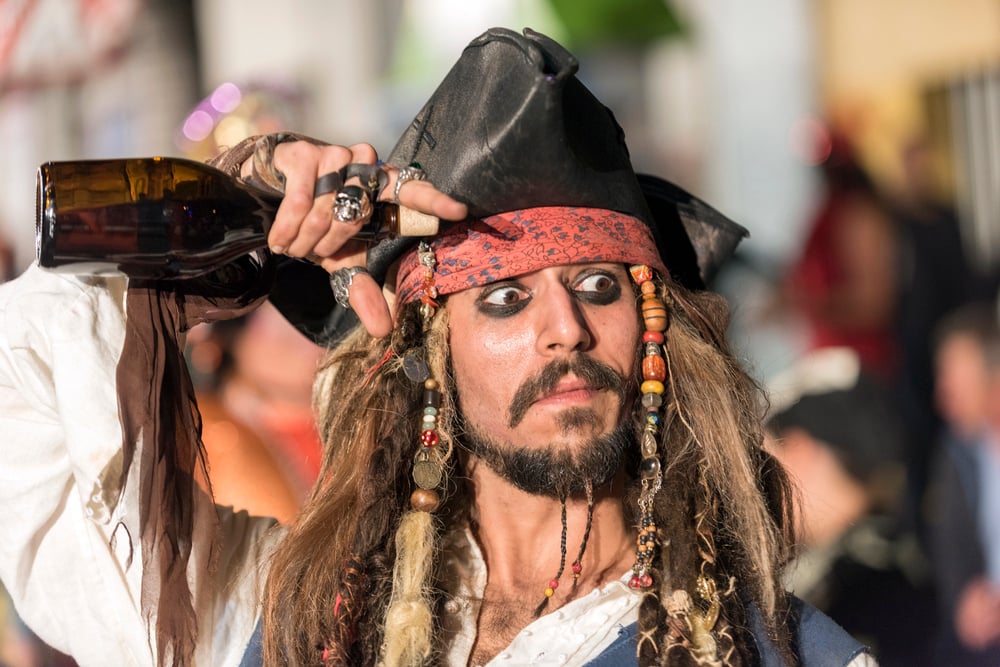
Penny Rose faced a challenge when designing Johnny Depp’s costume for Pirates of the Caribbean in 2003.
Create a pirate that felt authentic but not clichéd.
What emerged was Captain Jack Sparrow’s magnificently disheveled look — layers of weathered fabric, dangling trinkets, that iconic tricorn hat with beads and coins woven into his dreadlocks.
Depp collaborated heavily on the design, adding personal touches like the kohl-lined eyes and gold teeth.
The costume looked like it had survived decades of sun, salt, and rum-soaked adventures.
Every piece told a story, from the faded red bandana to the effects-enhanced leather boots.
Rose’s work proved that even familiar archetypes could feel fresh with enough creativity and character-specific detail.
Edith Head’s Designs for Grace Kelly
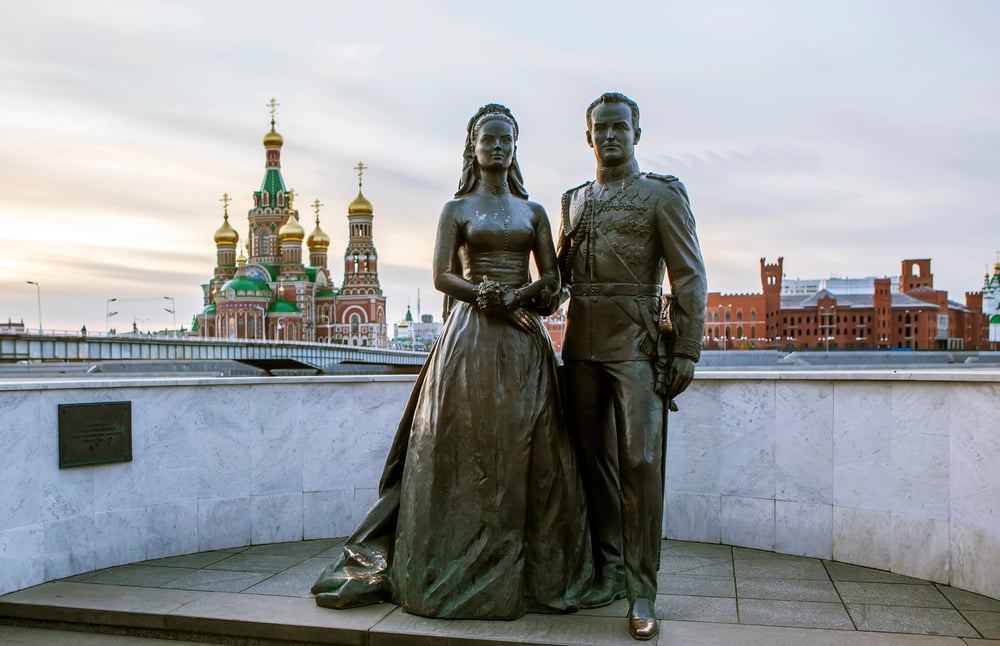
Choosing just one Grace Kelly costume feels impossible, but her powder blue chiffon dress from To Catch a Thief stands out even in a career full of stunning outfits.
Legendary designer Edith Head created costumes for Kelly that defined 1950s sophistication — elegant, understated, and impossibly chic.
The To Catch a Thief wardrobe showcased Kelly in a series of jewel-toned dresses that made her look like modern royalty, years before she actually became a princess.
Head understood that Kelly’s cool blonde beauty needed costumes that were refined rather than flashy, letting her natural elegance shine through.
Their collaboration across multiple Hitchcock films essentially created a blueprint for how to dress the perfect Hitchcock blonde.
Sandy’s Transformation Outfit
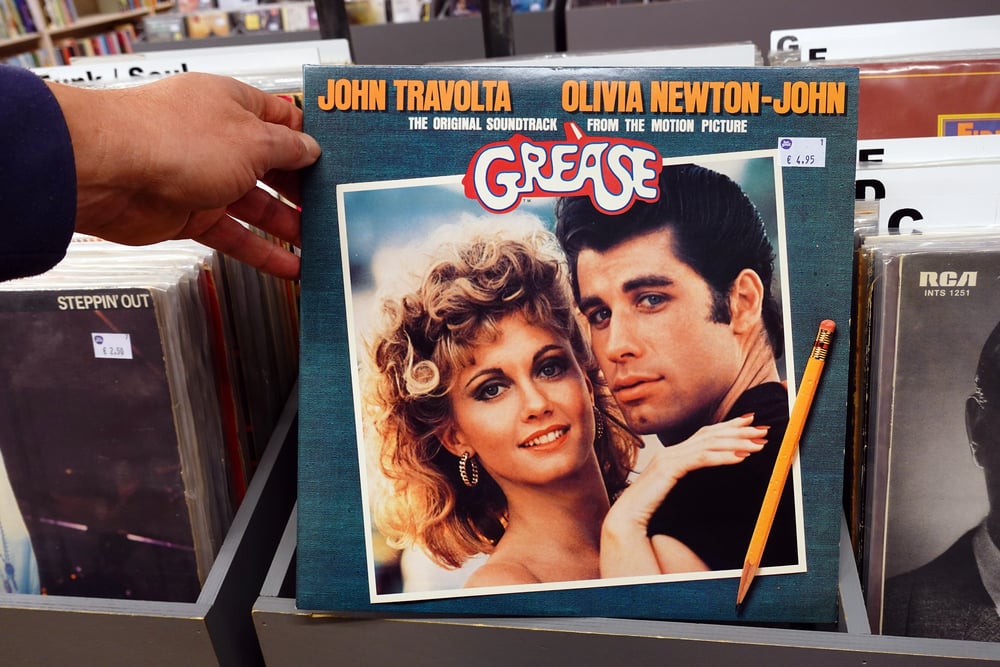
When Olivia Newton-John appeared in those tight black pants, off-the-shoulder top, and red heels at the end of Grease, costume designer Albert Wolsky created an instant pop culture moment.
Sandy’s transformation from sweet girl-next-door to leather-clad rebel perfectly captured the film’s 1978 message about reinvention and rebellion.
The black pants were so tight Newton-John had to be sewn into them.
Those red stilettos became as iconic as Dorothy’s ruby slippers.
The costume represented a complete character shift in a single outfit change.
From pastel cardigans to dangerous curves.
From ‘Sandra Dee’ to ‘the one that I want.’
Wolsky’s design gave the film’s finale its visual punch and launched a million Halloween costumes.
Vivien Leigh’s Green Dress
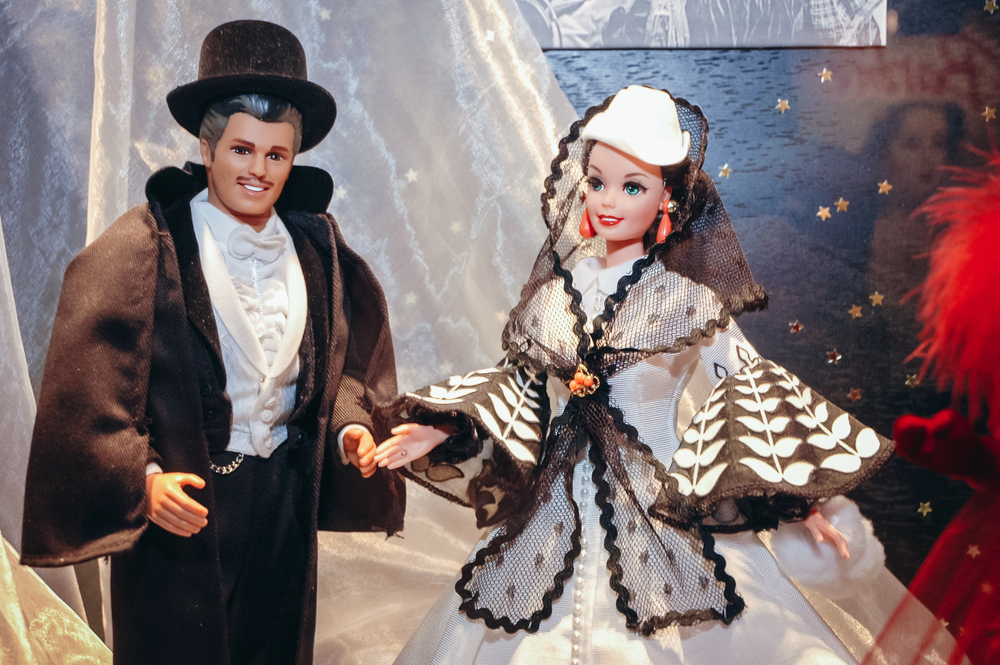
Walter Plunkett created hundreds of costumes for Gone with the Wind, but Scarlett O’Hara’s green sprigged muslin dress stands above them all.
Not the famous curtain dress — though that’s memorable too — but the green and white outfit she wears at the Twelve Oaks barbecue, where Scarlett’s world changes forever.
The dress, with its dropped shoulders and tiny waist, epitomized antebellum Southern belle fashion while also revealing character.
Plunkett designed it to show Scarlett’s vanity and her willingness to use appearance as a weapon.
The color green appears throughout Scarlett’s wardrobe, reinforcing her connection to Tara and the land.
Plunkett’s meticulous historical research and psychological costuming helped Gone with the Wind become a visual spectacle that still influences period film design.
The Bride’s Yellow Tracksuit
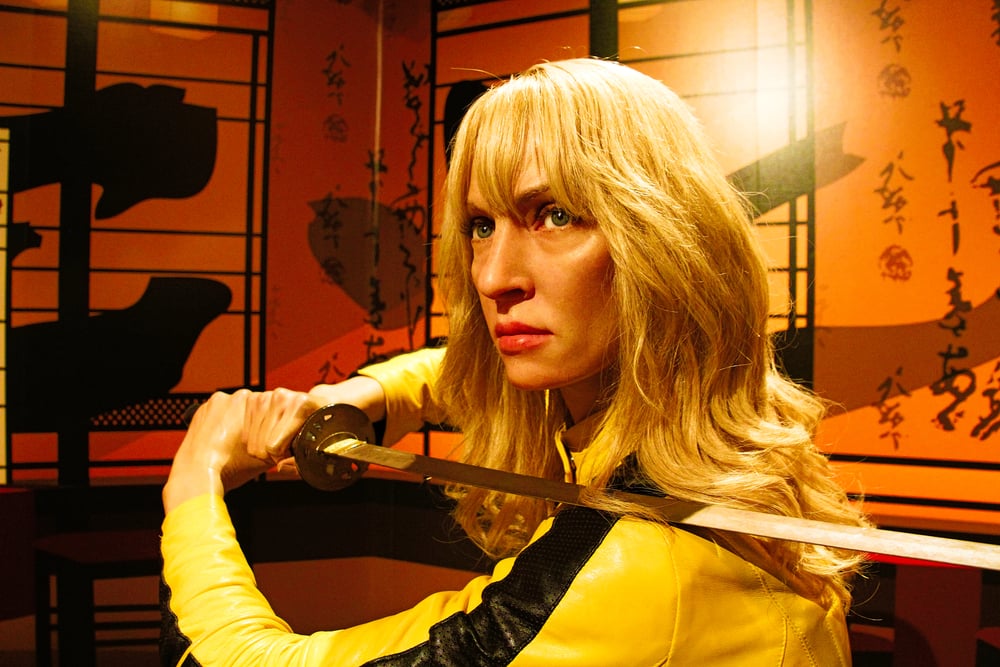
When Uma Thurman strode into frame wearing that yellow motorcycle suit with black racing stripes in Kill Bill, costume designer Catherine Marie Thomas and Kumiko Ogawa created instant visual shorthand.
Quentin Tarantino specifically requested a yellow tracksuit as homage to Bruce Lee’s yellow jumpsuit from Game of Death, and the result was even better than expected.
The bright yellow made The Bride visible and vulnerable.
Nowhere to hide.
The racing stripes added speed and aggression.
Paired with her white sneakers and samurai sword, the costume became one of the 2000s’ most recognizable film looks.
It transformed a simple athletic suit into a symbol of revenge, badassery, and Tarantino’s particular brand of pop culture remix.
Cate Blanchett’s Elizabeth Costumes
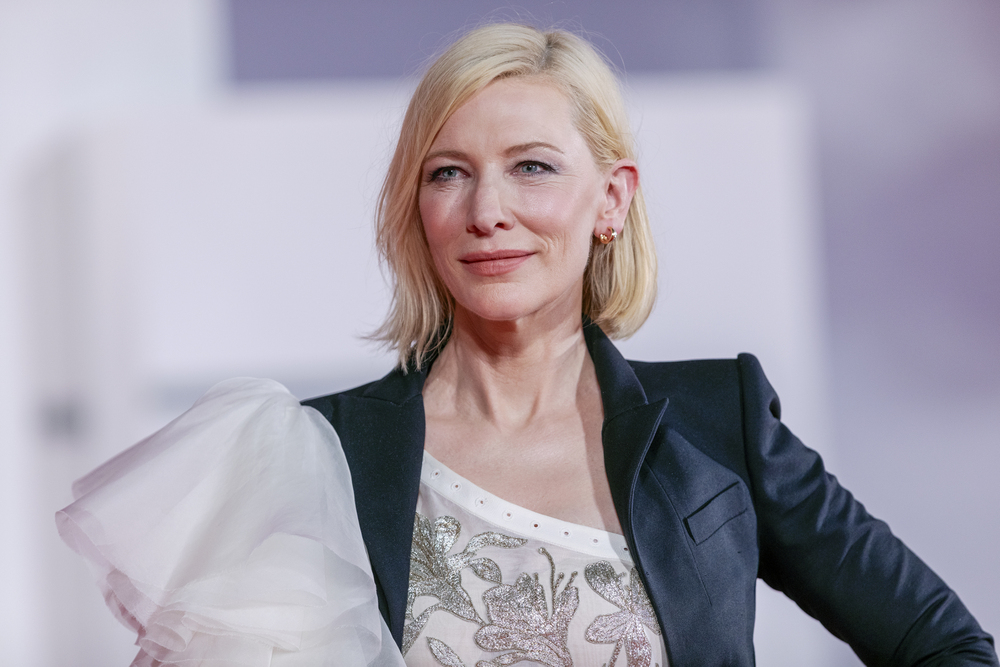
Alexandra Byrne won an Oscar for costuming Elizabeth: The Golden Age, but her work across both Elizabeth films showed a costume designer at the peak of her powers.
Cate Blanchett’s transformation from uncertain young queen to the armored, white-faced icon of power was charted entirely through costume.
The increasingly elaborate ruffs, the cloth-of-gold gowns, and that final white makeup and wig ensemble portrayed Elizabeth literally transforming herself into a living symbol.
Byrne researched Elizabethan portraiture extensively, then elevated historical accuracy into visual poetry.
Each costume reflected Elizabeth’s political position and emotional state.
The armor-like dresses weren’t just beautiful.
They were strategic.
Indiana Jones’ Leather Jacket
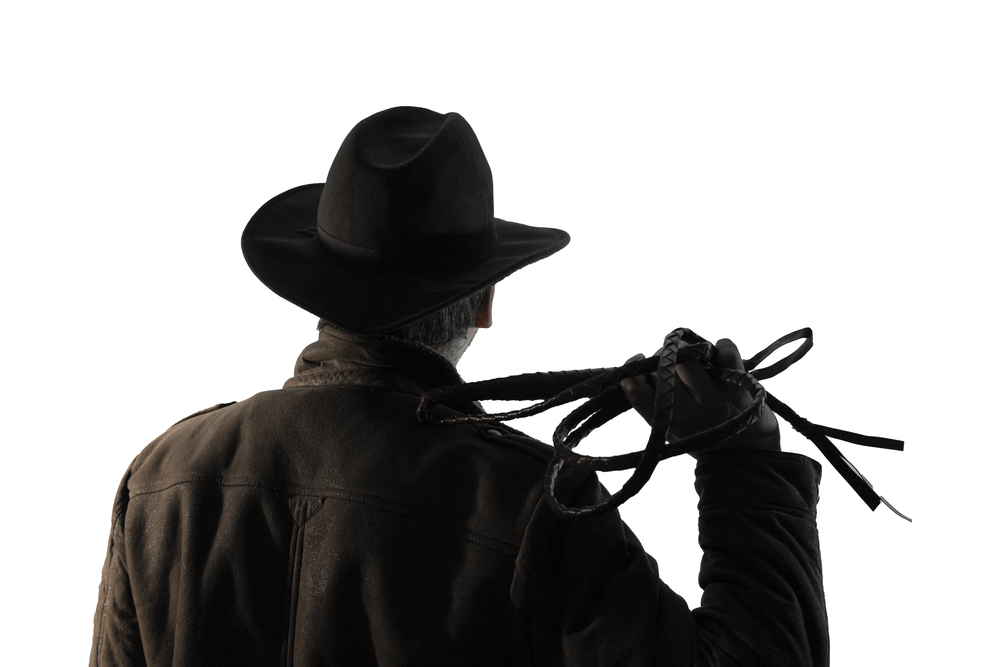
Deborah Nadoolman Landis designed Indiana Jones’ costume for Raiders of the Lost Ark with a specific goal.
Create an adventurer who looked practical, not pretty.
The brown leather jacket, worn fedora, khaki shirt, and weathered boots suggested someone who’d actually been digging in tombs and running from boulders.
Landis chose leather specifically because it would age beautifully and move well during action scenes.
The fedora was carefully distressed to look like it had survived years of adventures.
Harrison Ford’s costume became so synonymous with adventure that it influenced how we imagined archaeologists, professors, and action heroes for decades afterward.
The jacket alone has been analyzed, replicated, and obsessed over by fans who want to capture that same worn-in, ready-for-anything aesthetic.
Why They Endure
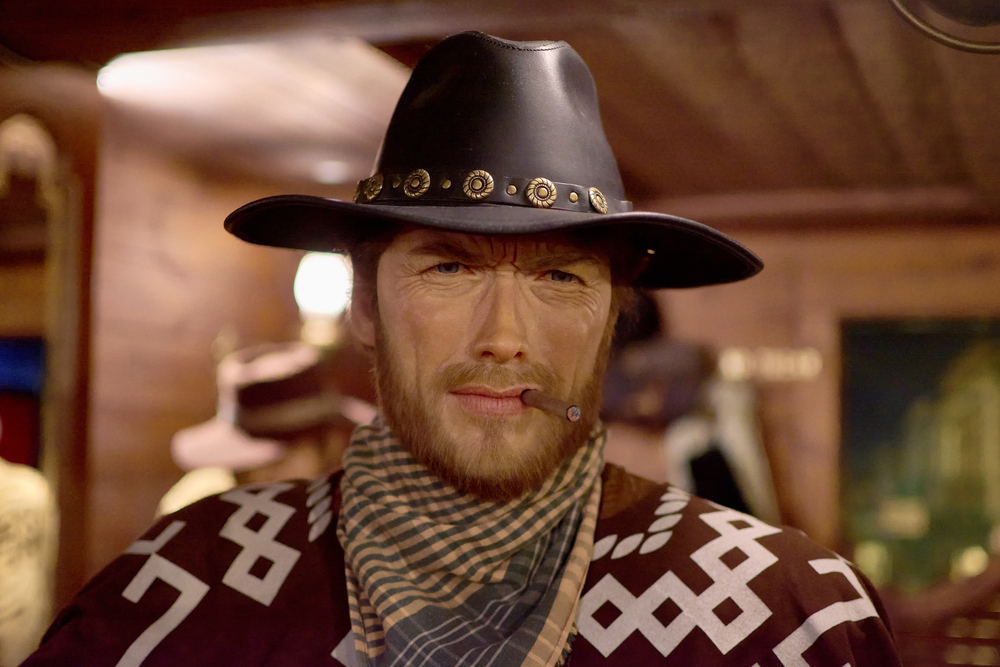
These costumes share something beyond craftsmanship or beauty.
They achieved that rare synthesis where design becomes inseparable from character and story.
They prove that costume design isn’t just about making actors look good or maintaining historical accuracy.
The best work transforms cloth and thread into visual language, communicating personality, theme, and emotion without a single line of dialogue.
Whether it’s ruby slippers clicking together or a leather jacket surviving impossible odds, these designs remind us that sometimes what characters wear matters just as much as what they say or do.
They’ve outlasted their films to become cultural artifacts.
Instantly recognizable symbols that connect us across generations to the stories we love.
More from Go2Tutors!

- The Romanov Crown Jewels and Their Tragic Fate
- 13 Historical Mysteries That Science Still Can’t Solve
- Famous Hoaxes That Fooled the World for Years
- 15 Child Stars with Tragic Adult Lives
- 16 Famous Jewelry Pieces in History
Like Go2Tutors’s content? Follow us on MSN.