16 Secret Missions That Almost Started World Wars
Throughout history, covert operations conducted in the shadows have brought the world dangerously close to global catastrophe. These secret missions—whether involving intelligence gathering, sabotage, or assassination attempts—created diplomatic crises that nearly escalated into full-scale international warfare.
Some were unauthorized operations by rogue agents, while others represented calculated risks taken by governments that almost spiraled completely out of control. The razor-thin line between espionage success and diplomatic disaster has been crossed countless times, yet humanity has somehow managed to step back from the brink.
Here is a list of 16 secret missions that almost started world wars.
The Zimmermann Telegram Interception
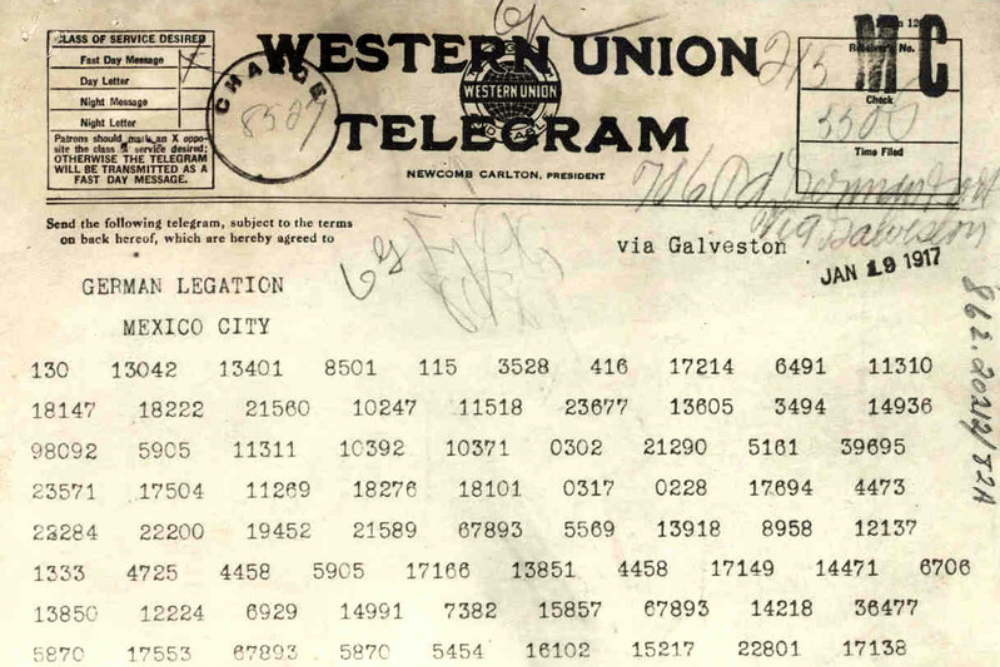
British intelligence intercepted and decoded a secret German diplomatic cable in 1917 that proposed a military alliance between Germany and Mexico against the United States. The telegram promised Mexico the return of Texas, Arizona, and New Mexico if they joined Germany in case America entered World War I.
When British agents leaked this explosive document to American newspapers, public outrage helped push the previously neutral United States into the war, fundamentally altering the conflict’s outcome.
The U-2 Spy Mission That Backfired
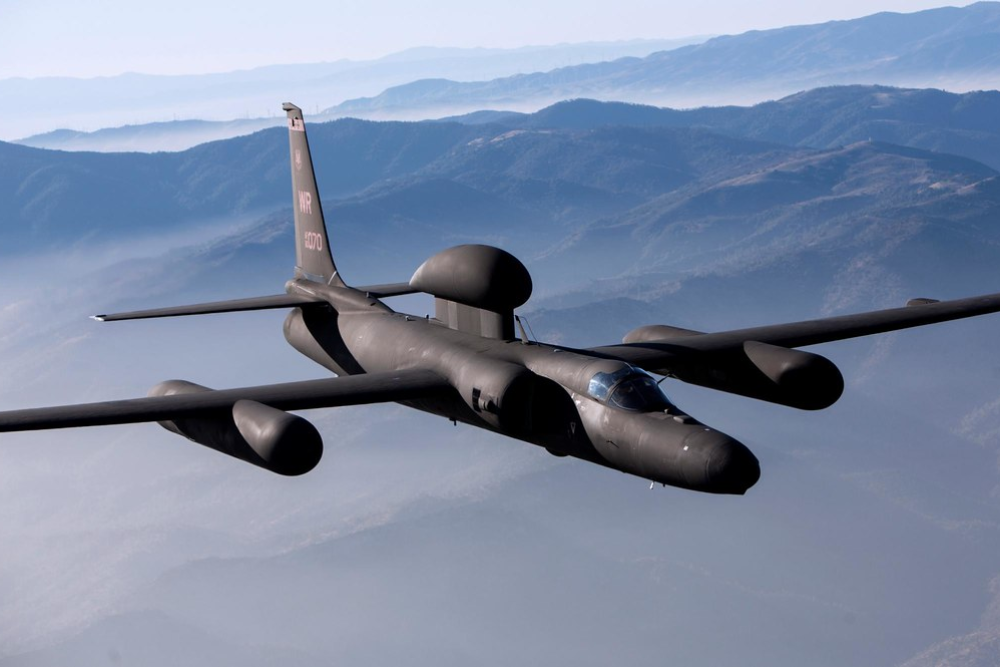
In 1960, the CIA continued high-risk U-2 reconnaissance flights deep into Soviet territory, despite growing evidence that Soviet missile technology had advanced enough to shoot them down. These missions, flown at altitudes previously thought untouchable, provided critical intelligence but carried massive diplomatic risk.
That gamble collapsed on May 1, when pilot Francis Gary Powers was shot down over the USSR. President Eisenhower initially denied the mission’s existence, but Soviet leader Nikita Khrushchev produced both the pilot and the wreckage, exposing American deception to the world.
The incident not only humiliated the United States but also destroyed a critical U.S.–Soviet summit in Paris and derailed nuclear disarmament talks. The U-2 shootdown revealed just how extensive American espionage capabilities had become—and how close a single secret mission could bring two superpowers to the brink of direct conflict.
The Bay of Pigs Invasion
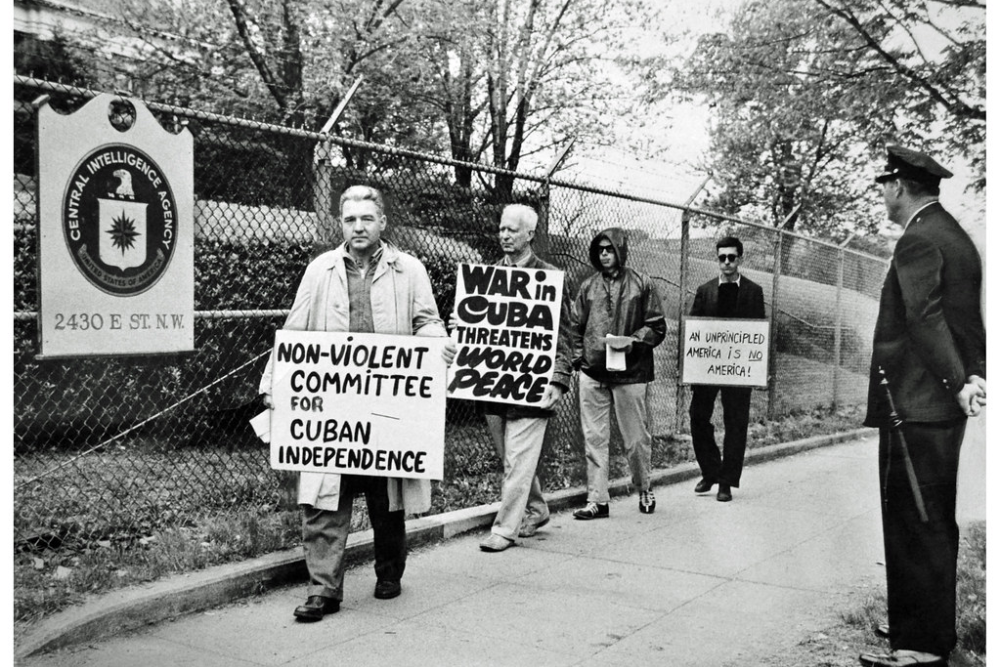
The CIA’s secret mission to overthrow Fidel Castro in 1961 using Cuban exiles trained in Guatemala almost triggered a superpower confrontation in the Caribbean. Though Kennedy refused to provide air support when the invasion faltered, the operation’s failure pushed Cuba firmly into the Soviet sphere of influence.
This covert action directly led to the Cuban Missile Crisis a year later, bringing the world closer to nuclear war than any other single event.
Black Tom Island Explosion
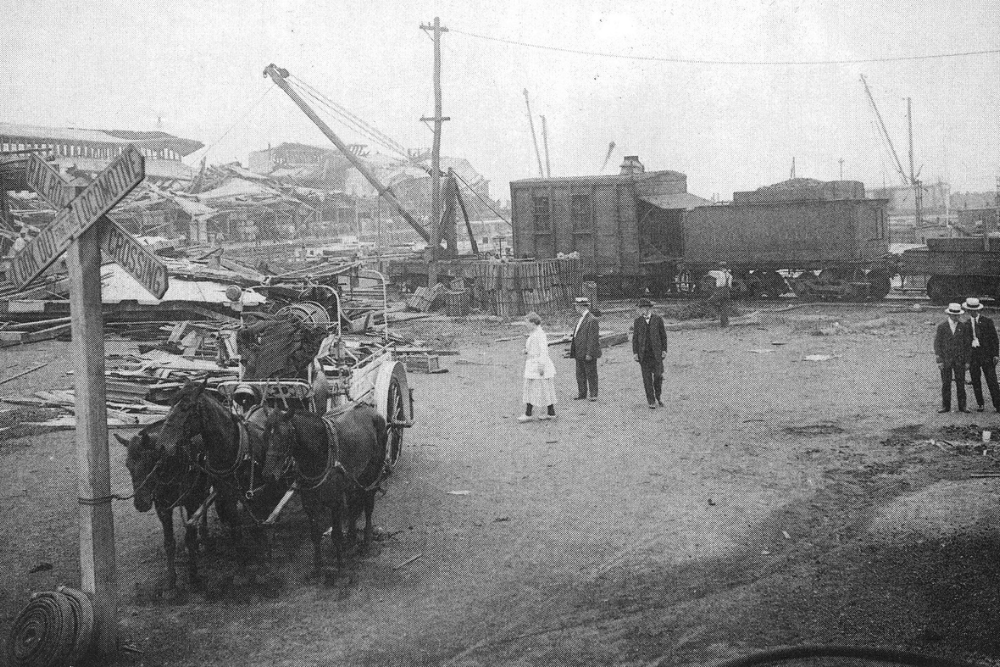
German saboteurs detonated a massive ammunition depot in New York Harbor in 1916, creating an explosion so powerful it damaged the Statue of Liberty and shattered windows across Manhattan. The secret mission destroyed millions of dollars worth of munitions destined for Allied forces, while killing several people and injuring hundreds more.
Though America remained officially neutral at the time, this act of sabotage on American soil nearly forced immediate entry into World War I.
The Lusitania’s Secret Cargo
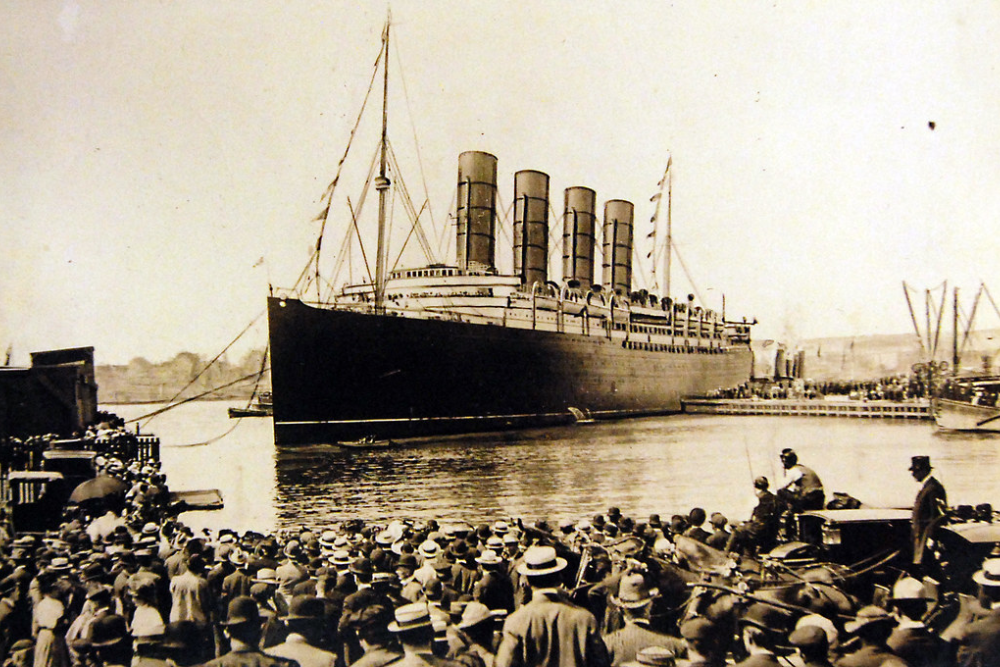
British intelligence orchestrated a covert operation in 1915 that involved loading the passenger liner Lusitania with military supplies while maintaining its civilian status. German U-boats torpedoed the ship off Ireland’s coast, killing nearly 1,200 passengers, including 128 Americans.
The sinking—combined with revelations about the ship’s hidden munitions cargo—created intense pressure for American entry into World War I, though the U.S. wouldn’t join the conflict for another two years.
Operation Vengeance
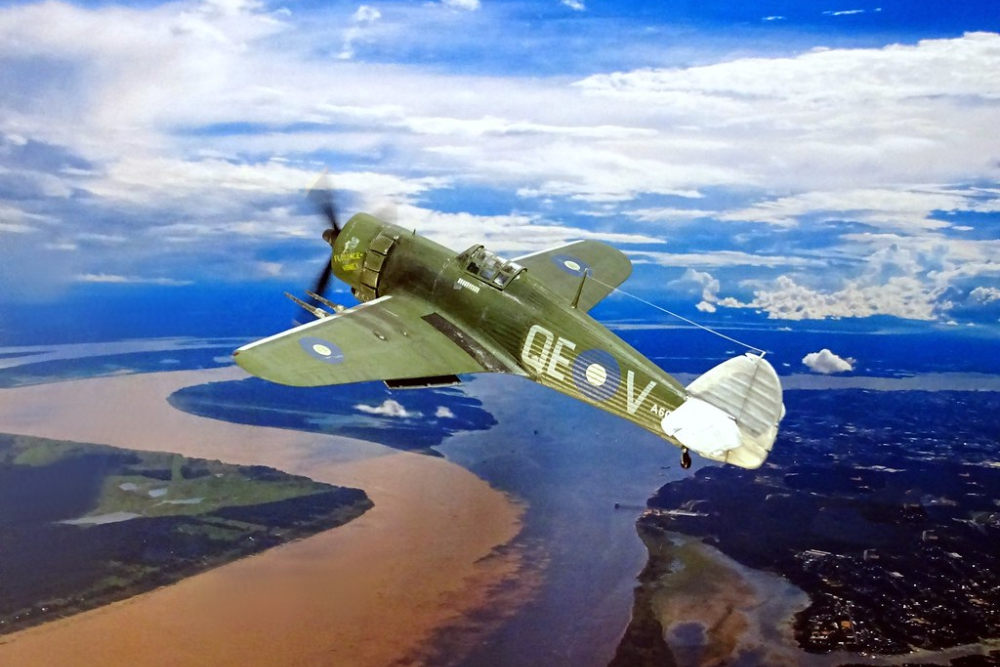
The American mission to assassinate Japanese Admiral Yamamoto in 1943 represented one of the most successful yet dangerous targeted killings of World War II. Using decoded Japanese communications, American P-38 fighters intercepted Yamamoto’s transport aircraft over the Solomon Islands, shooting down the architect of Pearl Harbor.
Though militarily justified, this targeted assassination set a precedent that could have escalated warfare into the systematic elimination of enemy leadership.
The Pueblo Incident
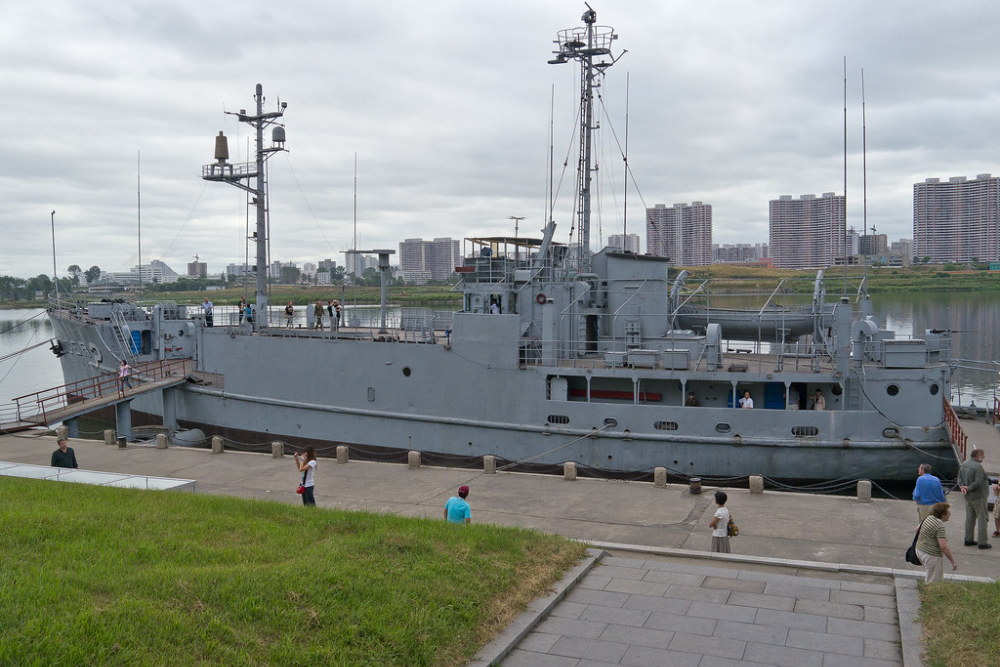
North Korea’s capture of the USS Pueblo intelligence vessel in 1968 created an 11-month crisis that nearly resulted in a second Korean War. The crew’s secret mission involved electronic surveillance of North Korean communications, yet their capture provided the communist regime with sensitive cryptographic equipment and classified materials.
President Johnson seriously considered military action to retrieve the crew—a move that could have reignited full-scale conflict on the Korean Peninsula.
Franz Ferdinand’s Intelligence Network
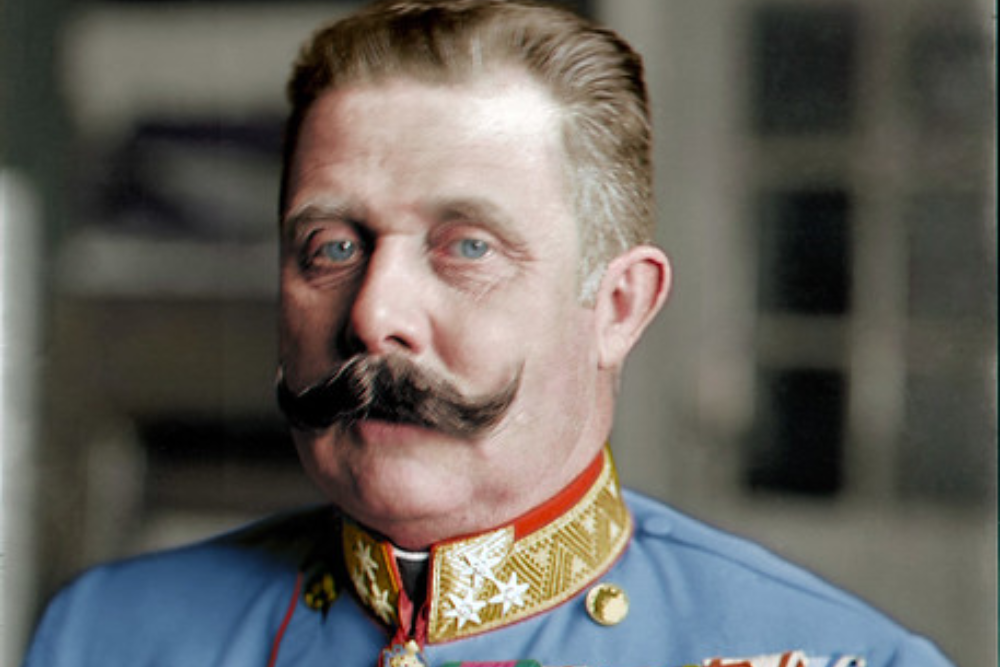
Archduke Franz Ferdinand’s secret mission to reform the Austro-Hungarian Empire’s treatment of Slavic minorities inadvertently triggered the assassination that started World War I. Serbian intelligence discovered his plans to grant autonomy to Bosnia and Herzegovina, viewing this as a threat to their goal of uniting all South Slavs under Serbian leadership.
The resulting conspiracy to kill Franz Ferdinand during his 1914 Sarajevo visit succeeded, setting off the chain reaction that engulfed the entire world in warfare.
The Liberty Incident
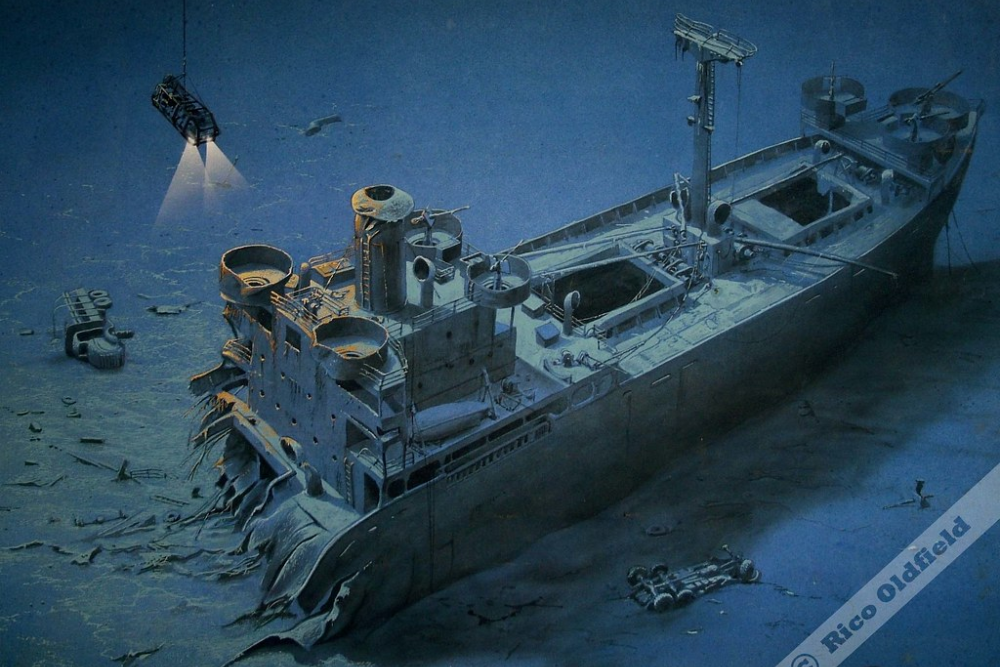
Israel’s attack on the USS Liberty during the 1967 Six-Day War nearly triggered American military retaliation against a key ally in the Middle East. The intelligence-gathering ship was conducting secret surveillance operations when Israeli aircraft and torpedo boats attacked, killing 34 American sailors and wounding 171 others.
Though Israel claimed mistaken identity, many American officials suspected deliberate targeting, creating a crisis that could have fundamentally altered U.S.-Israeli relations and Middle Eastern geopolitics.
Operation Mongoose
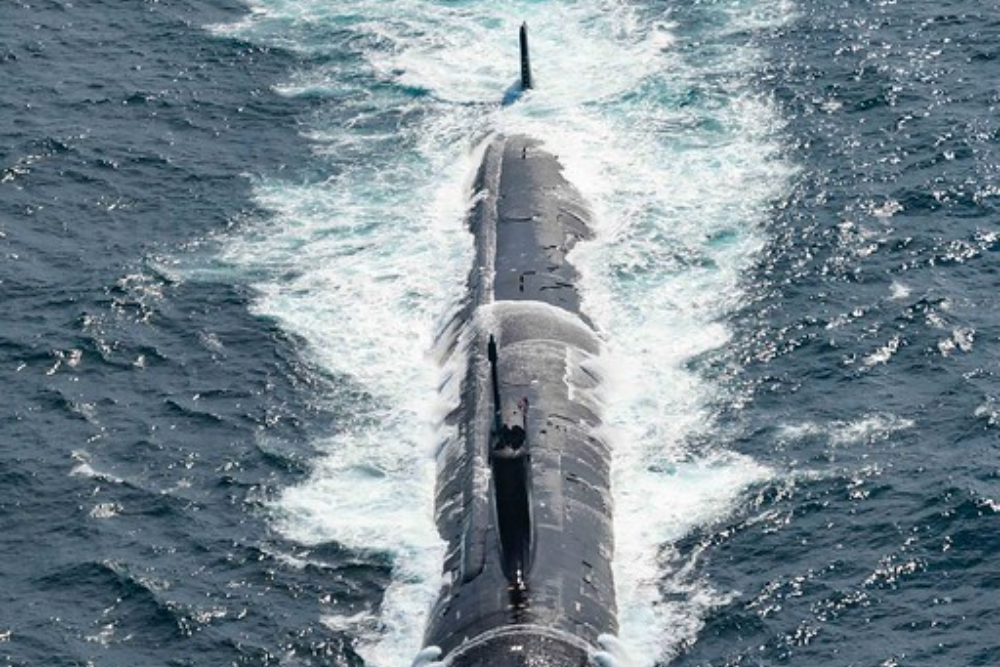
The CIA’s extensive covert campaign against Castro’s Cuba from 1961 to 1965 included numerous assassination attempts and sabotage operations that kept tensions dangerously high throughout the early Cold War. These secret missions ranged from bizarre schemes involving exploding cigars to serious attempts using Mafia connections and poison.
The operation’s aggressive nature contributed to Soviet decisions to place nuclear missiles in Cuba, directly leading to the October 1962 crisis that brought humanity to the brink of nuclear war.
The Dogger Bank Incident
The Russian Baltic Fleet’s paranoid attack on British fishing vessels in 1904 nearly triggered war between two major European powers during the Russo-Japanese conflict. Russian naval officers, convinced they were under attack by Japanese torpedo boats, opened fire on English fishing trawlers in the North Sea, killing several innocent fishermen.
The incident created such outrage in Britain that the government considered declaring war on Russia, which could have dramatically altered the balance of power in both Europe and Asia.
Abel and Powers Exchange Negotiations
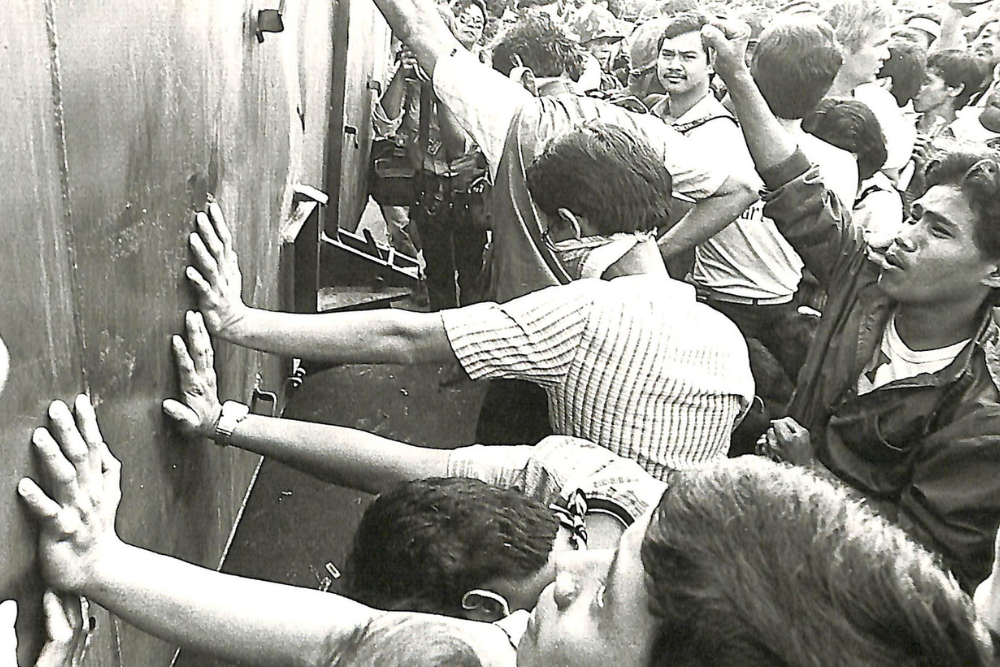
The secret negotiations to exchange captured Soviet spy Rudolf Abel for downed U-2 pilot Gary Powers in 1962 nearly collapsed when hardliners on both sides pushed for more aggressive responses. American officials wanted to simply hold Abel indefinitely, while Soviet leaders considered putting Powers on trial for espionage and executing him as a war criminal.
The delicate diplomatic dance required to arrange the Berlin bridge exchange came close to failure multiple times, with each breakdown threatening to escalate Cold War tensions even further.
The Katyn Forest Cover-up
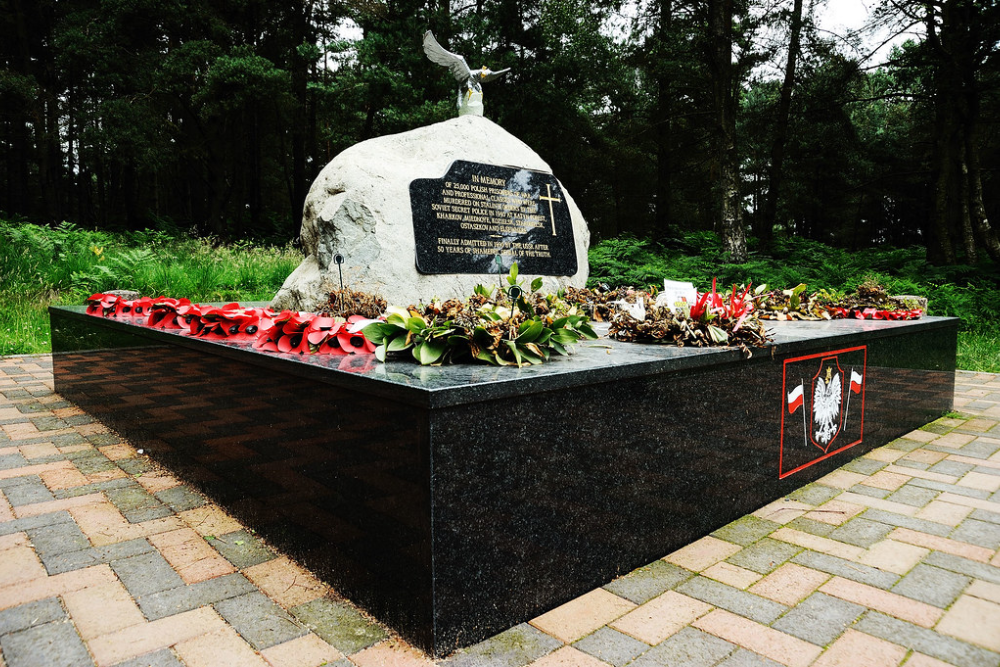
Soviet secret police systematically executed over 20,000 Polish officers and intellectuals in 1940, then engaged in an elaborate cover-up operation that nearly destroyed the Allied coalition during World War II. When German forces discovered mass graves in 1943 and blamed the Soviets, Stalin accused the Nazis of both the murders and a propaganda campaign.
The crisis over responsibility for Katyn almost led to Poland’s government-in-exile breaking completely with the Allies, which could have fundamentally altered the war’s political outcome.
The Tehran Embassy Takeover Planning

Iranian Revolutionary Guards’ seizure of the American Embassy in Tehran in 1979 involved extensive secret planning that nearly triggered direct military confrontation between the United States and Iran. The operation’s organizers deliberately chose to hold American diplomatic personnel as hostages, knowing this would create an international crisis.
President Carter’s failed rescue mission, Operation Eagle Claw, came close to success, and its failure nearly led to more aggressive military action that could have destabilized the entire Middle East.
Operation Gold Berlin Tunnel
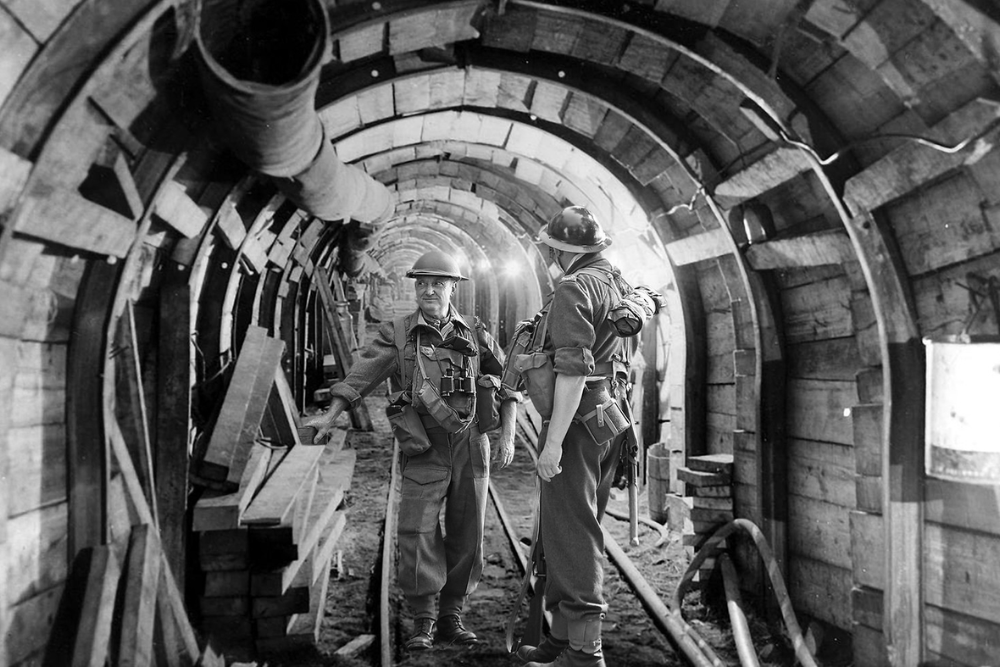
The CIA and British intelligence jointly constructed a secret tunnel beneath East Berlin in the 1950s to tap Soviet military communications lines. The operation required enormous resources and risked exposure that could have provided the Soviets with justification for military action against West Berlin.
Though the tunnel operated successfully for nearly a year before discovery, its exposure created a major intelligence embarrassment and demonstrated Western capabilities that surprised and alarmed Soviet leadership.
The Vincennes Incident
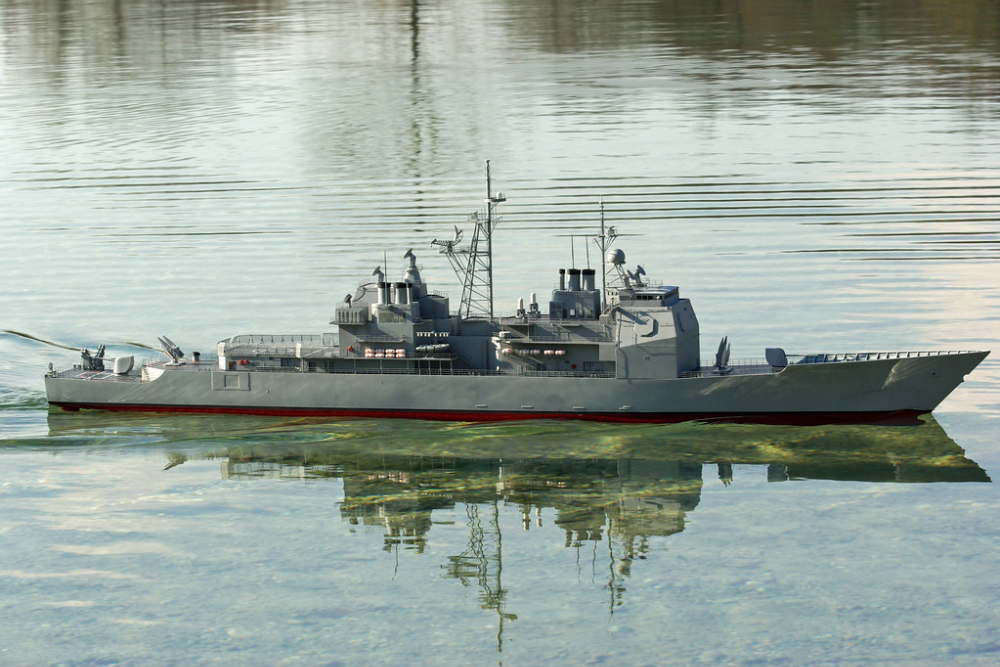
The USS Vincennes’ accidental shootdown of Iran Air Flight 655 in 1988 nearly triggered a wider conflict in the Persian Gulf during the Iran-Iraq War. The warship’s crew mistakenly identified the civilian airliner as an attacking Iranian fighter jet, firing missiles that killed all 290 people aboard.
Iran’s government considered the action a deliberate act of war, and only careful diplomatic management prevented the incident from escalating into direct military confrontation between Iran and the United States.
When Shadows Nearly Consumed the World
These seventeen operations demonstrate how easily covert actions can spiral beyond their original scope, transforming limited intelligence missions into catalysts for global catastrophe. The common thread running through each incident isn’t just miscalculation or bad luck—it’s the fundamental unpredictability that occurs when secret operations collide with international politics and national pride.
While some of these missions achieved their immediate objectives, they all shared the dangerous characteristic of pushing great powers toward conflicts that could have consumed entire civilizations, reminding us that in the shadowy world of espionage, success and disaster often separate by the thinnest of margins.
More from Go2Tutors!

- The Romanov Crown Jewels and Their Tragic Fate
- 13 Historical Mysteries That Science Still Can’t Solve
- Famous Hoaxes That Fooled the World for Years
- 15 Child Stars with Tragic Adult Lives
- 16 Famous Jewelry Pieces in History
Like Go2Tutors’s content? Follow us on MSN.