17 Movies That Triggered Fashion Backlash
Fashion and film have always shared a complicated relationship, with costume designers wielding the power to influence millions of viewers worldwide. Sometimes, though, what looks stunning on screen translates poorly to real life — creating trends that society later regrets or actively rebels against.
From impractical footwear to controversial cultural appropriation, these films sparked intense debates about style, taste, and social responsibility. Here is a list of 17 movies that triggered significant fashion backlash and changed how we think about cinema’s influence on what we wear.
The Matrix

The all-black leather aesthetic from The Matrix became instantly recognizable. Yet it also sparked criticism for promoting a goth-industrial look that many found too dark and aggressive for mainstream fashion.
Critics argued that the film’s costume choices encouraged young people to adopt an overly militaristic appearance — one that felt inappropriate for everyday wear. The long leather coats, in particular, became associated with school violence incidents in the early 2000s, leading to dress code restrictions at many institutions.
Borat
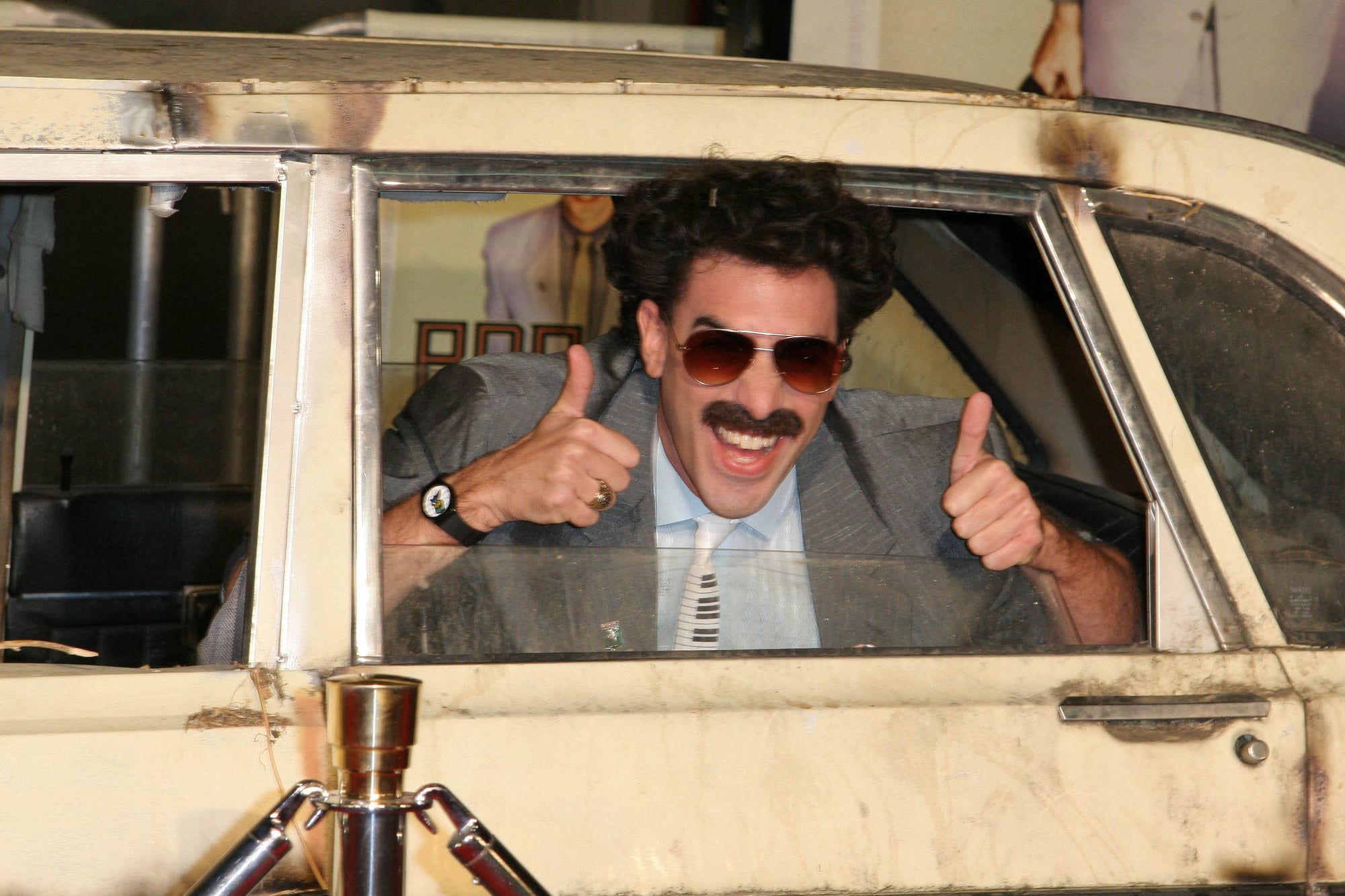
Sacha Baron Cohen’s mankini became one of the most controversial costume pieces in film history. It generated widespread disgust and led to bans at beaches and public pools worldwide.
The lime-green one-piece swimsuit was deemed so offensive that many countries passed specific legislation prohibiting its public display — tourism boards across Europe launched campaigns specifically warning visitors not to wear similar attire. This showed how deeply the film’s fashion choices affected public policy.
Avatar

The Na’vi-inspired tribal fashion trend that followed Avatar’s release faced immediate backlash from indigenous communities who accused the film of trivializing sacred cultural elements. Fashion brands quickly pulled Native American-inspired accessories and clothing lines after protests highlighted the problematic nature of turning spiritual symbols into trendy accessories.
The controversy forced major retailers to reconsider their approach to culturally-inspired fashion — leading to more stringent guidelines about cultural appropriation in design.
Fifty Shades of Grey

The film’s promotion of BDSM-inspired fashion, including chokers, leather accessories, and bondage-style clothing, triggered fierce debates about the mainstreaming of adult themes in fashion. Parent groups organized boycotts against retailers selling similar items.
They argued that the trend was inappropriate for younger consumers — while many fashion critics also condemned the poor quality and design of the merchandise, calling it exploitative of both the film’s popularity and consumer desires.
Black Panther
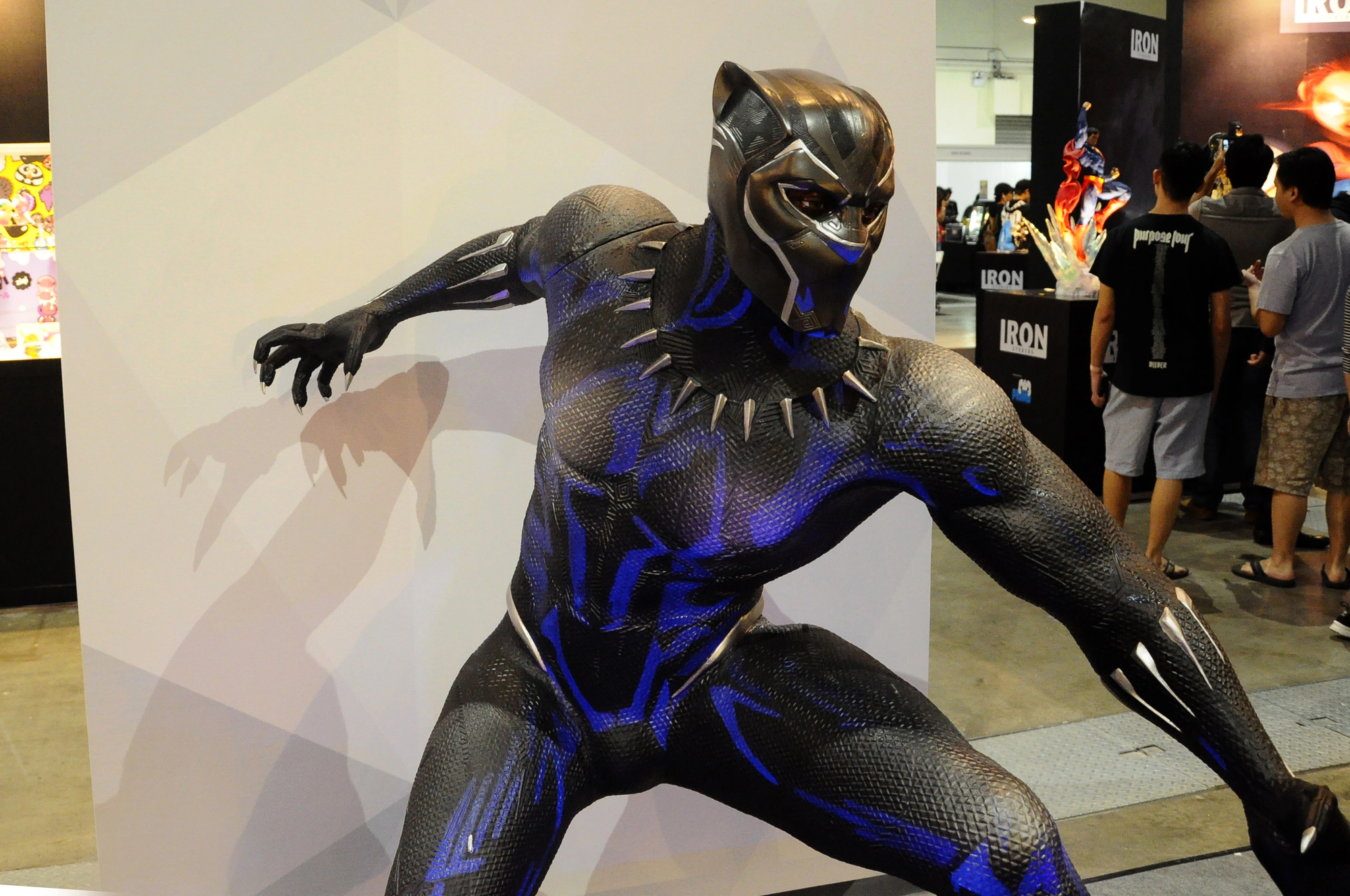
While generally praised, Black Panther faced backlash when non-African people began wearing traditional African clothing and accessories without understanding their cultural significance. Fashion critics and African cultural leaders expressed concern about the commodification of sacred garments — particularly the lack of proper attribution to their origins.
The controversy highlighted the fine line between cultural appreciation and appropriation, even when the original intent was positive.
Twilight

The vampire-goth fashion trend inspired by Twilight received harsh criticism for promoting an unhealthy obsession with darkness among teenagers. Mental health professionals worried that the all-black clothing, pale makeup, and dramatic accessories were encouraging depressive behaviors.
School administrators reported increased incidents of students wearing inappropriate gothic attire — leading to stricter dress codes nationwide.
The Devil Wears Prada

Ironically, this film about fashion industry excess triggered backlash against the very luxury culture it portrayed. Critics argued that it promoted materialism and unrealistic beauty standards — the movie’s glamorous depiction of designer clothing sparked debates about income inequality and the fashion industry’s environmental impact.
Many viewers began boycotting luxury brands featured in the film, leading to a broader conversation about conscious consumption.
Zoolander
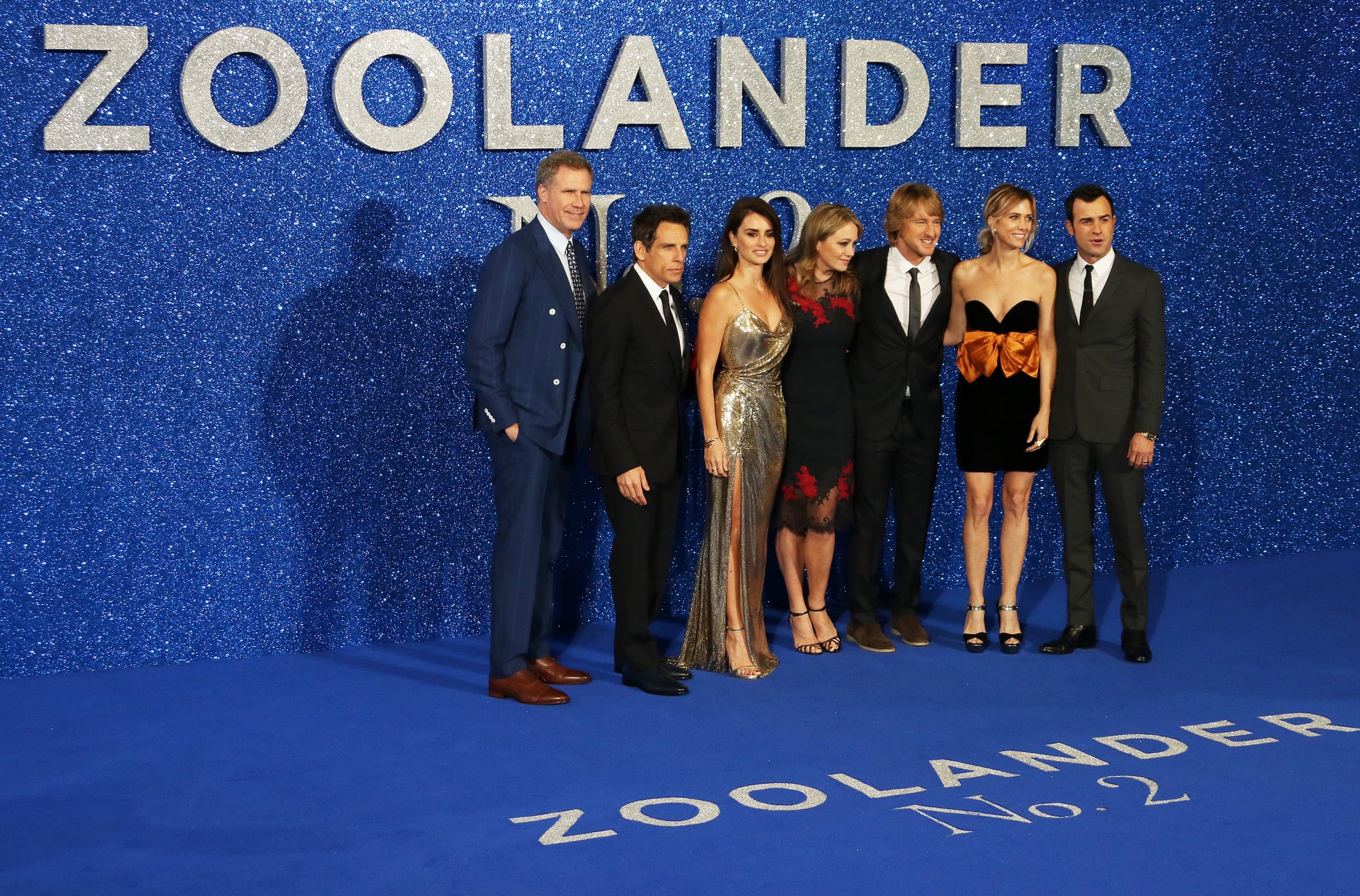
The male model fashion parody in Zoolander inadvertently inspired real fashion trends that critics found ridiculous and impractical for everyday wear. The film’s exaggerated masculine poses and tight-fitting clothing became genuine style choices for some men — drawing ridicule from fashion professionals.
Critics argued that the movie’s satire was lost on audiences who adopted its absurd fashion elements seriously.
Casino Royale

The extremely tight-fitting suits worn by Daniel Craig’s James Bond sparked controversy when men began wearing similarly restrictive clothing that fashion experts deemed unflattering and uncomfortable. Tailors reported increased requests for ‘painted-on’ suits that restricted movement and looked awkward on most body types.
The trend was criticized for promoting an unrealistic masculine ideal — one that prioritized appearance over comfort and practicality.
Mean Girls

The film’s portrayal of high school fashion cliques triggered backlash from educators and parents who felt it reinforced harmful stereotypes about appearance and social status. The movie’s emphasis on designer clothing and beauty standards was blamed for increasing bullying incidents in schools across the country.
Fashion brands that capitalized on the film’s popularity faced criticism for targeting impressionable teenagers with expensive, trend-driven merchandise.
The Hunger Games
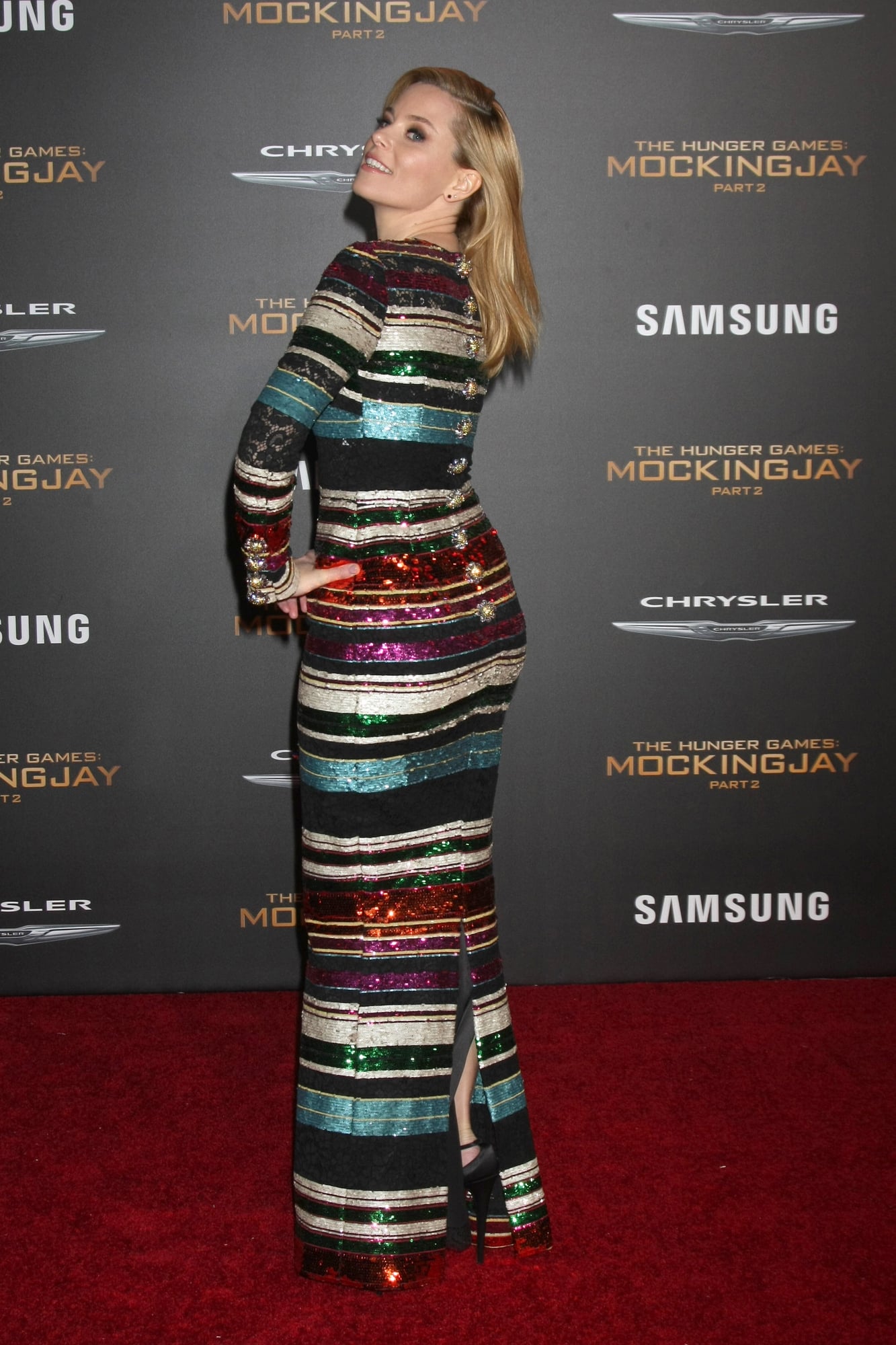
The Capitol’s outrageous fashion choices, while intended as dystopian satire, inspired real-world trends that critics found disturbing and inappropriate. Fashion Week shows began featuring similarly extreme designs that many felt trivialized the film’s anti-authoritarian message.
The controversy intensified when luxury brands created expensive versions of the Capitol’s oppressive aesthetic, completely missing the point of the original social commentary.
Clueless

The film’s preppy, privileged fashion aesthetic faced renewed criticism years after its release for promoting classist attitudes and unrealistic spending habits among young women. Critics argued that the movie’s clothing choices reinforced harmful stereotypes about wealth and social status.
The resurgence of ’90s fashion inspired by the film was condemned for ignoring the economic privilege required to achieve such looks.
And Just Like That

The movie’s excessive focus on luxury fashion and conspicuous consumption triggered intense backlash during the 2008 financial crisis when such displays of wealth seemed particularly tone-deaf. Fashion critics condemned the film for promoting materialistic values and unrealistic lifestyle expectations.
The controversy deepened when viewers struggled to afford the designer items featured prominently throughout the movie, highlighting growing income inequality.
Pocahontas

Disney’s animated portrayal of Native American clothing sparked decades of criticism for its historical inaccuracies and cultural insensitivity. The film’s romanticized depiction of indigenous dress influenced Halloween costumes and fashion trends that many found deeply offensive.
Native American advocacy groups launched campaigns against retailers selling ‘Pocahontas-inspired’ clothing, arguing that such items perpetuated harmful stereotypes and cultural appropriation.
Wall Street

The power suit aesthetic from Wall Street became synonymous with 1980s excess and corporate greed. Eventually, it triggered backlash when the financial industry’s unethical practices became widely known.
Fashion critics began condemning the aggressive, masculine styling that the film popularized as symbolic of toxic capitalism. The movie’s influence on business attire was later seen as contributing to a culture of ruthless ambition and moral compromise.
The Great Gatsby
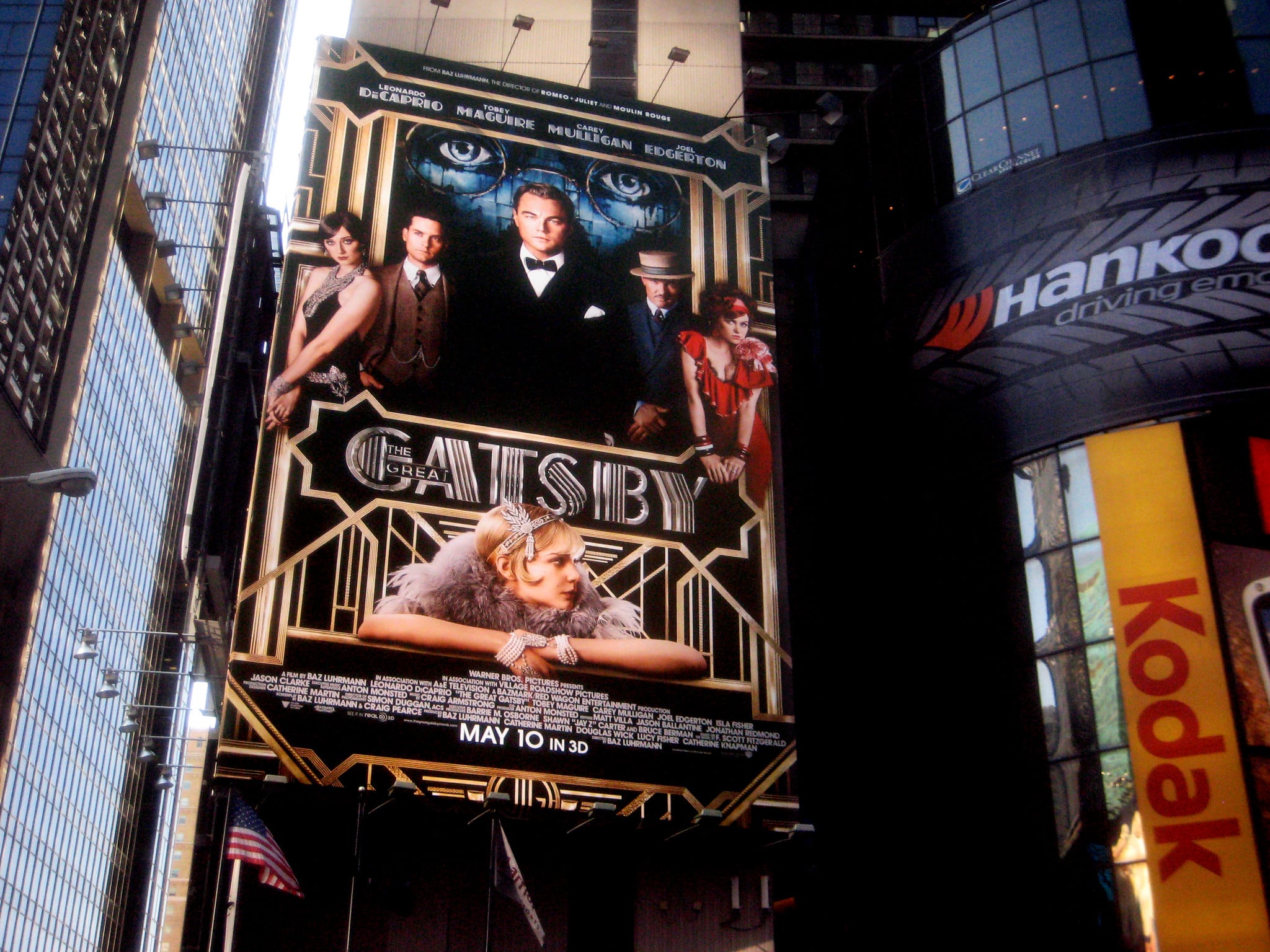
Baz Luhrmann’s adaptation sparked controversy when luxury brands used the film’s glamorous aesthetic to promote expensive merchandise during a period of economic hardship. Critics argued that the movie’s opulent fashion choices completely missed F. Scott Fitzgerald’s critique of wealth and excess.
The resulting ‘1920s revival’ was condemned for celebrating the same materialism that the original novel criticized.
Spring Breakers
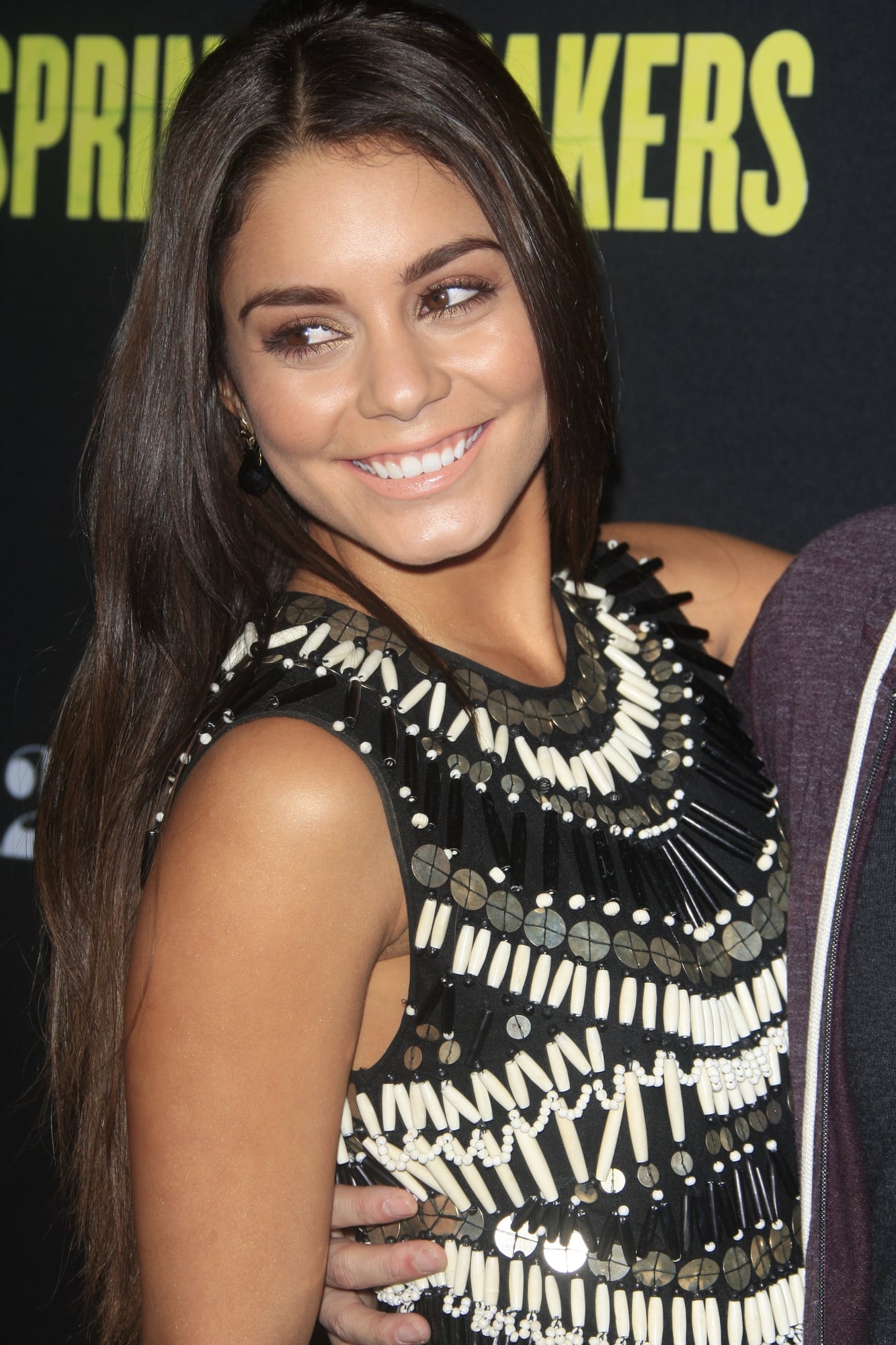
The film’s highly stylized bikini and party fashion triggered intense backlash from parents and educators who felt it promoted dangerous behavior among college students. Critics condemned the movie’s aesthetic for encouraging young women to adopt revealing clothing and party culture.
The controversy intensified when spring break destinations reported increased incidents of inappropriate behavior linked to the film’s influence on fashion and lifestyle choices.
When Fashion Reflects More Than Style
These films demonstrate how deeply movies can influence public perception and behavior, sometimes in ways their creators never intended. The backlash against these fashion choices reveals our ongoing struggles with cultural appropriation, class consciousness, and the responsibility that comes with creative influence.
While some controversies seem overblown in hindsight, others have sparked important conversations about representation, respect, and the power of visual media to shape social norms.
More from Go2Tutors!

- The Romanov Crown Jewels and Their Tragic Fate
- 13 Historical Mysteries That Science Still Can’t Solve
- Famous Hoaxes That Fooled the World for Years
- 15 Child Stars with Tragic Adult Lives
- 16 Famous Jewelry Pieces in History
Like Go2Tutors’s content? Follow us on MSN.



