17 Patterns in Nature That Repeat Everywhere
Nature operates on surprisingly consistent principles. The same mathematical patterns and geometric forms appear across completely different scales and environments — from the microscopic structures of cells to the spiral arms of entire galaxies. These recurring designs aren’t coincidental; they represent fundamental laws of physics, chemistry, and mathematics working together to create the most efficient solutions to universal problems.
What makes these patterns even more fascinating is how they bridge the gap between art and science. The same spirals that appear in seashells also show up in hurricanes, while the branching patterns of rivers mirror those found in our circulatory systems. Here is a list of 17 patterns in nature that repeat everywhere.
Fibonacci Spirals

The Fibonacci sequence creates spirals that appear throughout nature — from nautilus shells and sunflower seed arrangements to galaxy formations and hurricane structures. This mathematical pattern emerges because it represents the most efficient way to pack elements into circular spaces while maintaining structural integrity.
Pine cones, flower petals, and even human DNA follow these same spiral proportions.
Branching Networks

Tree branches, river systems, blood vessels, and lightning all follow similar branching patterns that maximize surface area while minimizing energy expenditure. These fractal networks appear identical whether you’re looking at leaf veins under a microscope or satellite images of river deltas.
The pattern emerges because nature consistently finds the most efficient way to distribute resources or energy.
Like Go2Tutors’s content? Follow us on MSN.
Hexagonal Structures
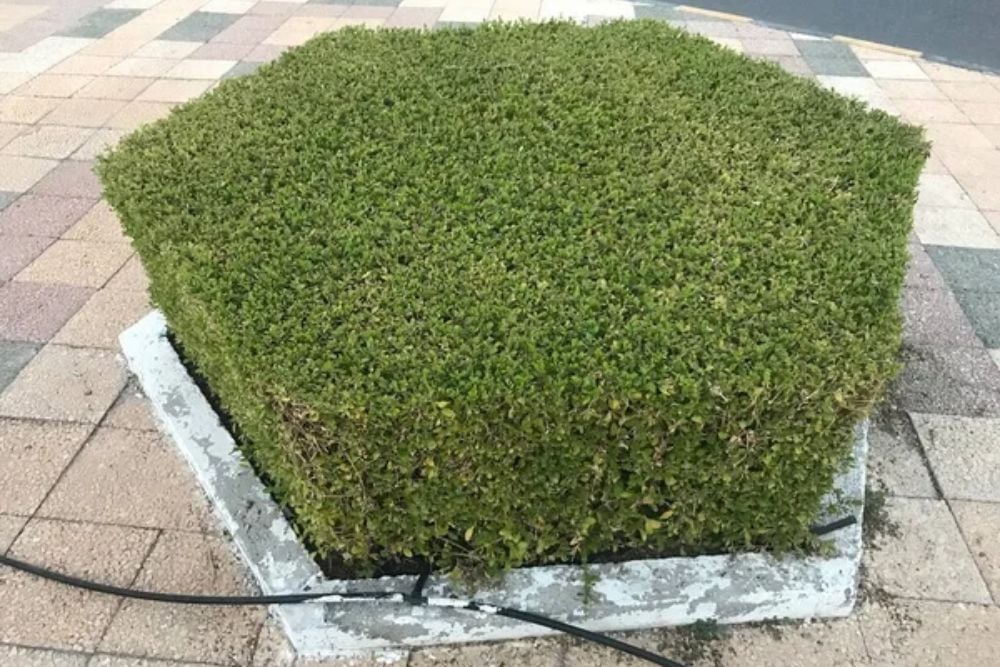
Honeybees create hexagonal cells not by choice but because physics dictates this shape as the most efficient way to store maximum volume with minimum material. The same hexagonal pattern appears in soap bubbles, basalt columns, dragonfly eyes, and even the molecular structure of graphite.
Nature repeatedly discovers that hexagons provide optimal space utilization and structural strength.
Wave Patterns
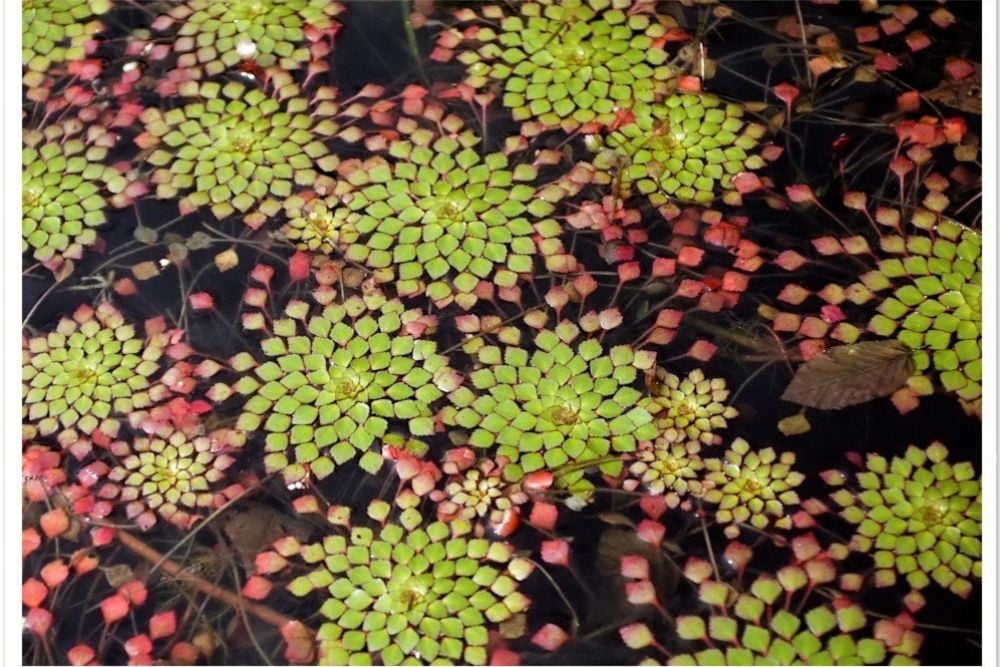
Sand dunes, water ripples, and sound waves all follow similar mathematical principles that create repeating curved formations. These patterns emerge from the interaction between flowing materials and resistance forces, whether wind against sand or water against obstacles.
The same wave mathematics describes everything from ocean swells to the aurora borealis dancing across polar skies.
Symmetrical Forms
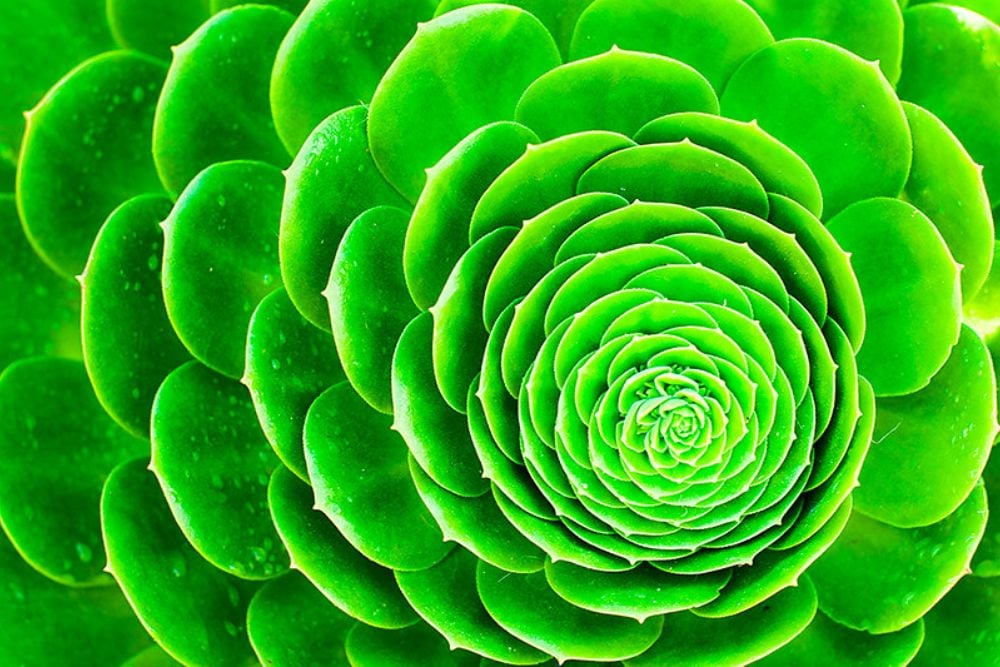
Bilateral symmetry appears across species because it provides evolutionary advantages in movement, balance, and mate selection. Butterflies, human faces, and flower petals all demonstrate this pattern, while radial symmetry dominates in starfish, flowers, and snowflakes.
These symmetrical designs emerge because they represent stable, efficient configurations that natural selection consistently favors.
Like Go2Tutors’s content? Follow us on MSN.
Fractal Geometry
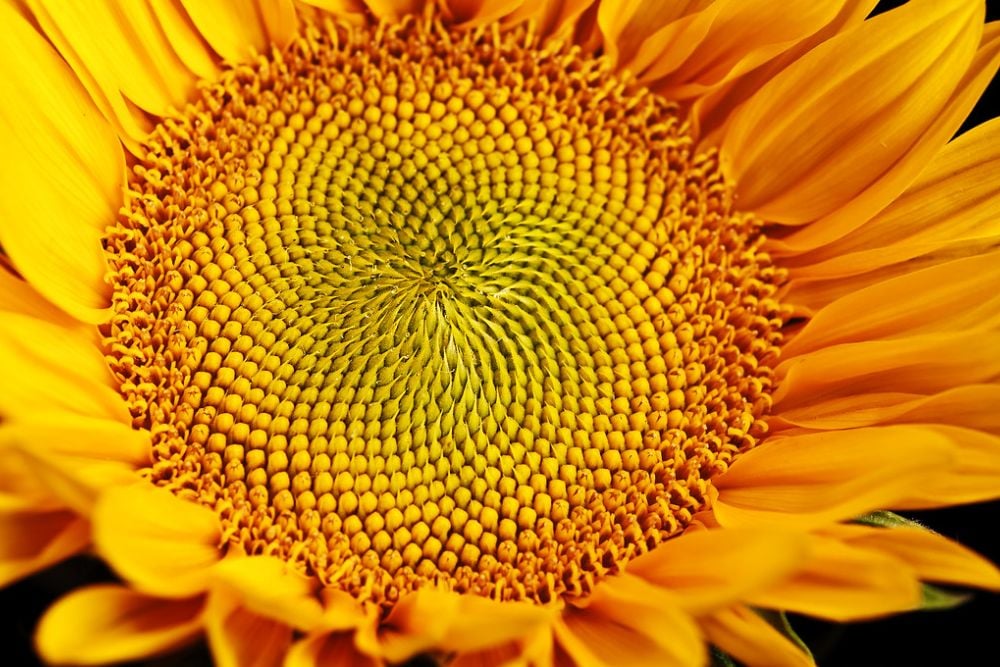
Coastlines, mountain ranges, and tree structures all display fractal properties, patterns that repeat at every scale of magnification. A small section of coastline looks similar to the entire shoreline, while individual branches mirror the overall tree structure.
This self-similarity emerges because the same forces that shape large formations also operate at smaller scales.
Golden Ratio Proportions
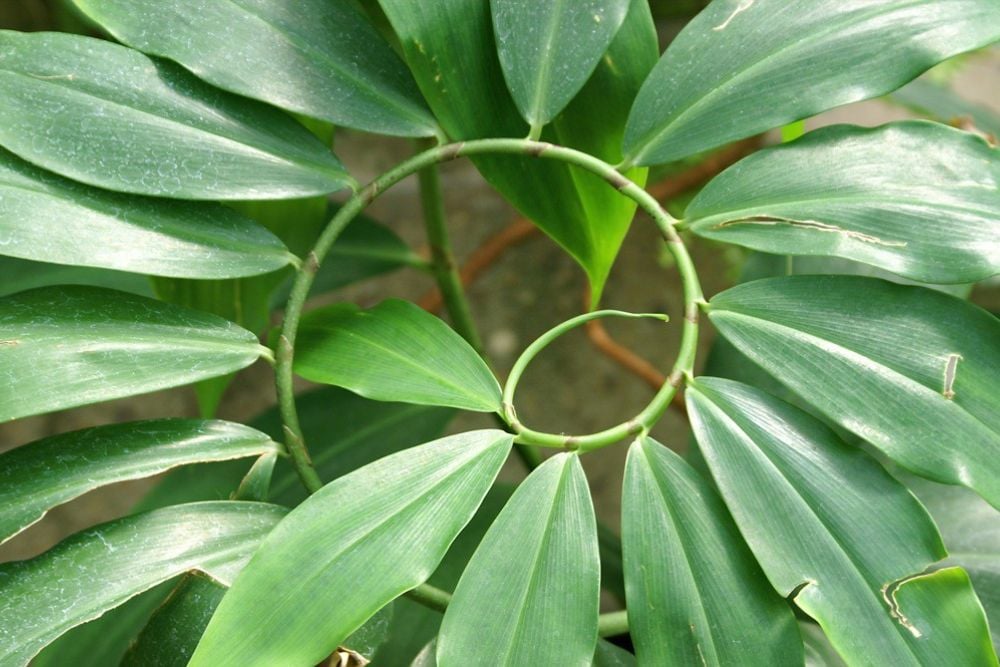
The golden ratio (1.618:1) appears throughout nature in flower petal arrangements, shell spirals, and even human body proportions. This ratio creates aesthetically pleasing and structurally stable forms, which explains why artists and architects have used it for millennia.
The pattern emerges because it represents mathematical relationships that optimize both beauty and function.
Crystalline Patterns
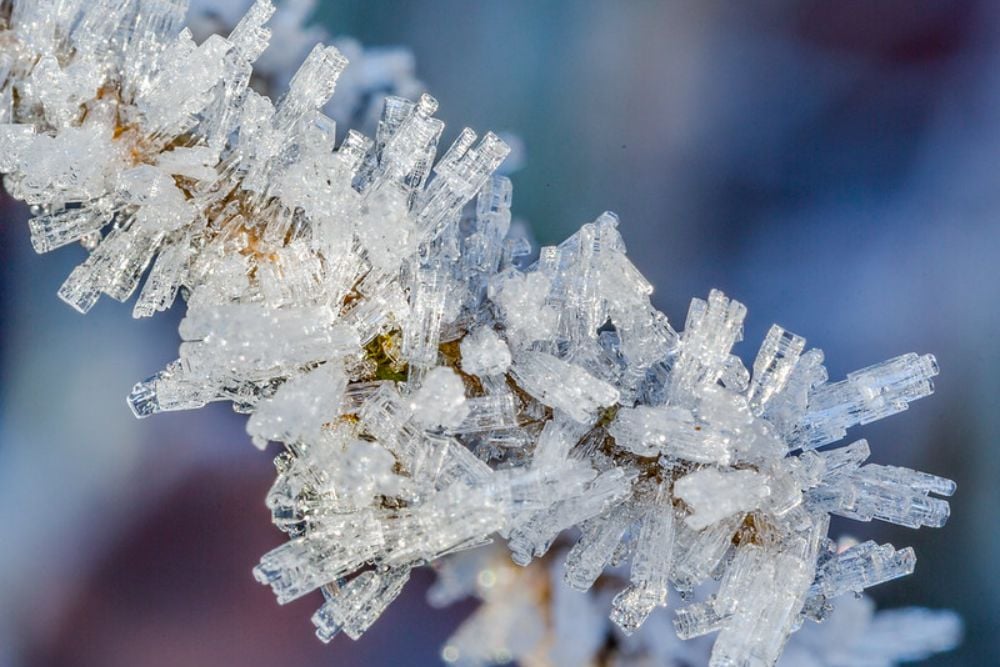
Salt crystals, snowflakes, and mineral formations all follow geometric patterns determined by atomic structure and molecular bonding. These repetitive arrangements create the strongest possible structures given the available materials and environmental conditions.
The same principles that govern crystal formation also appear in cell division and protein folding.
Like Go2Tutors’s content? Follow us on MSN.
Spiral Galaxies
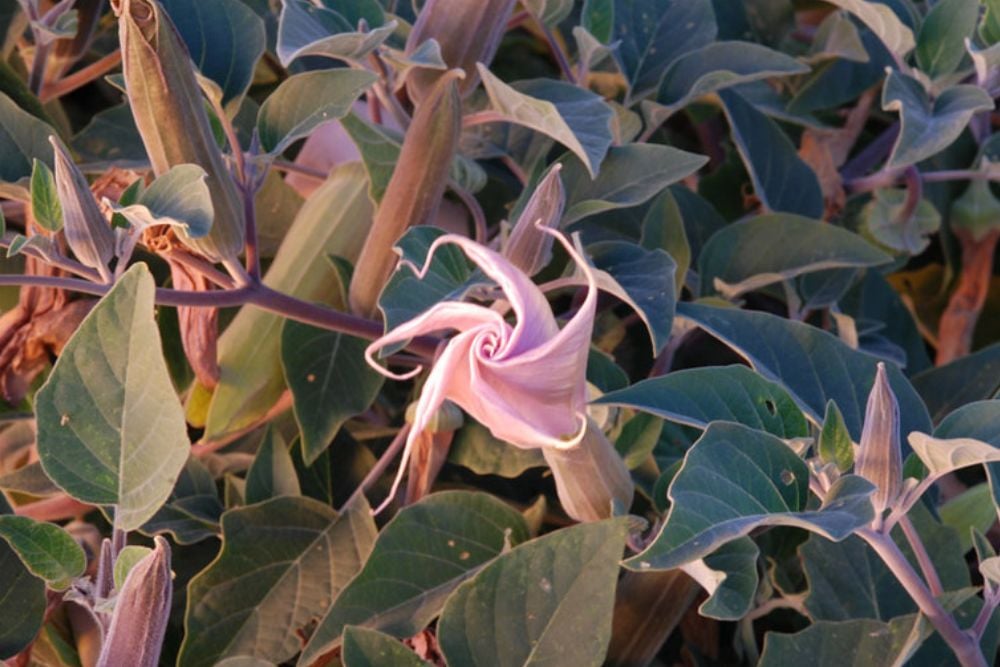
The spiral arms of galaxies follow the same mathematical principles as nautilus shells and sunflower patterns, demonstrating how universal physical laws operate across vastly different scales. Gravitational forces and rotational dynamics create these cosmic spirals — while similar forces shape everything from whirlpools to DNA helices.
The pattern appears wherever rotational energy meets resistance.
Tessellation Tiles
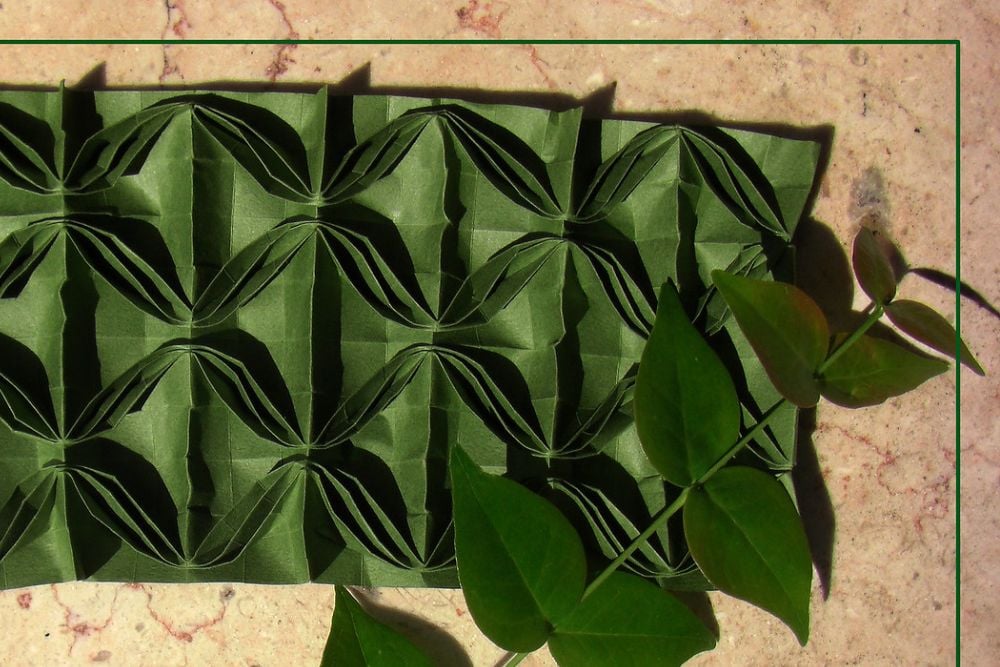
Turtle shells, giraffe spots, and dried mud all crack or grow into tessellation patterns that efficiently fill space without gaps or overlaps. These geometric arrangements emerge because they represent the lowest-energy configuration for materials under stress.
The same mathematical principles govern everything from soap film boundaries to territorial animal markings.
Vortex Formation
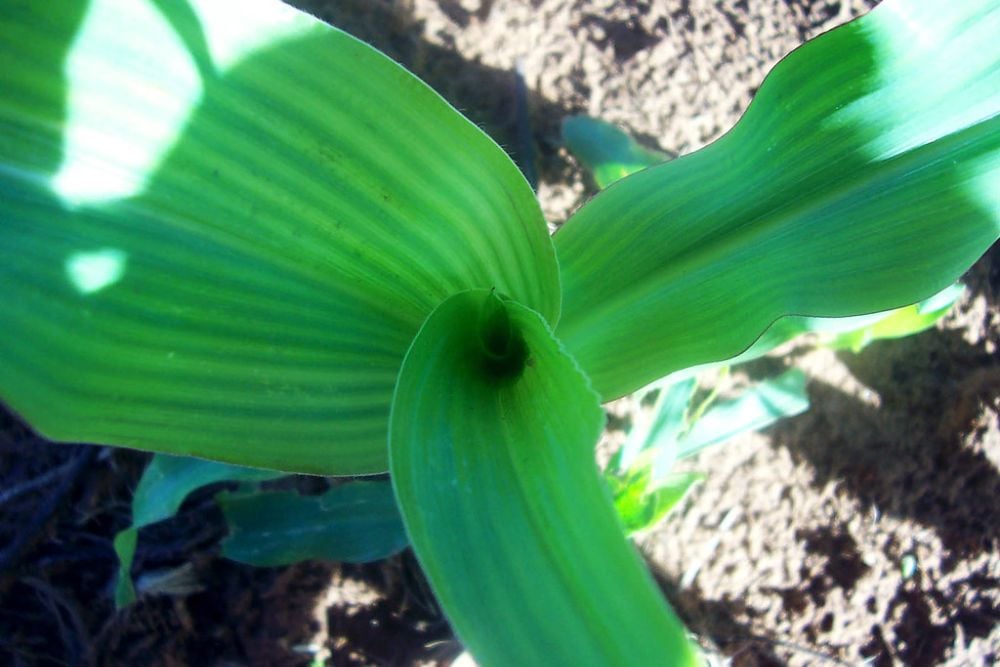
Tornadoes, whirlpools, and air currents all form vortices because this shape most efficiently moves fluids around obstacles or through pressure differentials. The spiral structure minimizes energy loss while maximizing flow rates — which explains why vortices appear in everything from draining bathtubs to massive storm systems.
Even atomic particles follow similar rotational patterns.
Like Go2Tutors’s content? Follow us on MSN.
Parabolic Curves
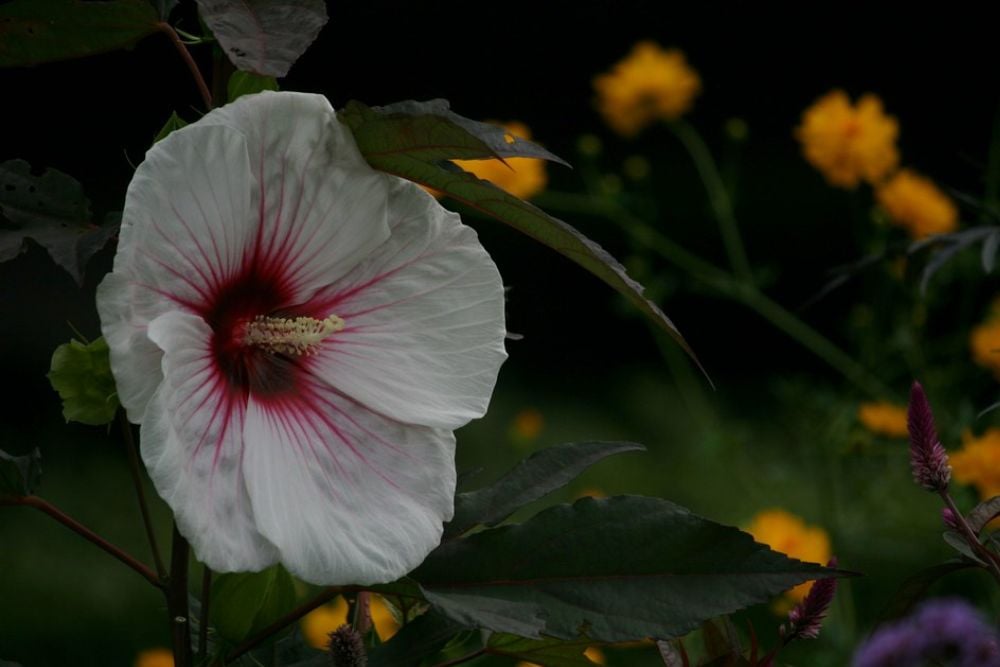
The trajectory of thrown objects, satellite dish shapes, and plant stems reaching toward sunlight all follow parabolic curves dictated by gravitational forces and optimization principles. These mathematical curves represent the most efficient paths between points given various constraints.
The same parabolic mathematics appear in everything from waterfall trajectories to architectural arches.
Logarithmic Growth
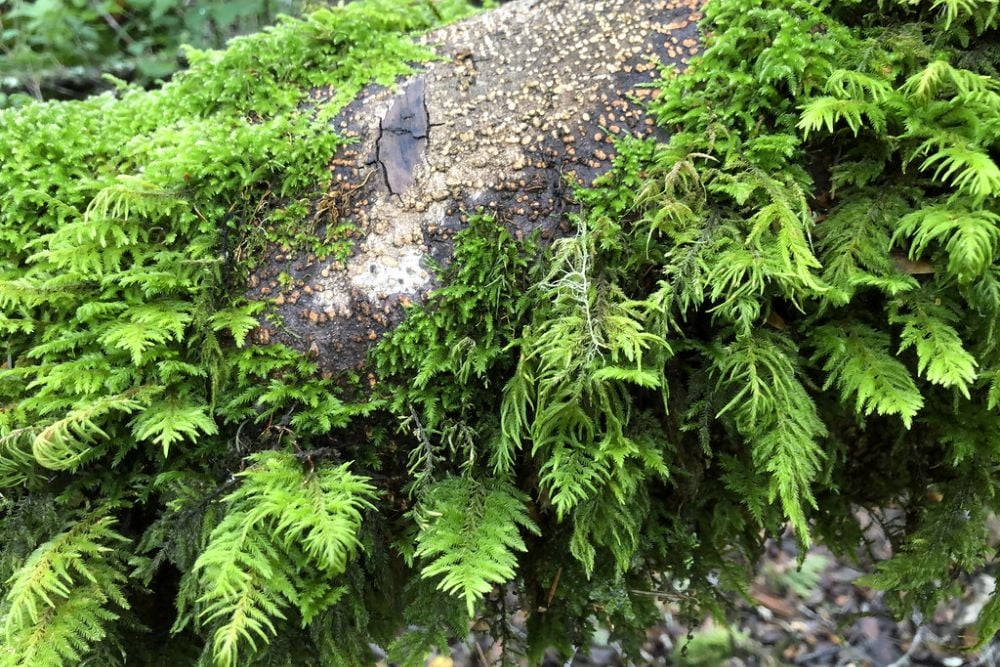
Population growth, radioactive decay, and compound interest all follow logarithmic patterns that appear throughout biological and physical systems. These exponential curves emerge whenever growth rates are proportional to current quantities — creating the characteristic J-shaped or S-shaped curves seen in everything from bacterial colonies to economic markets.
Parallel Lines
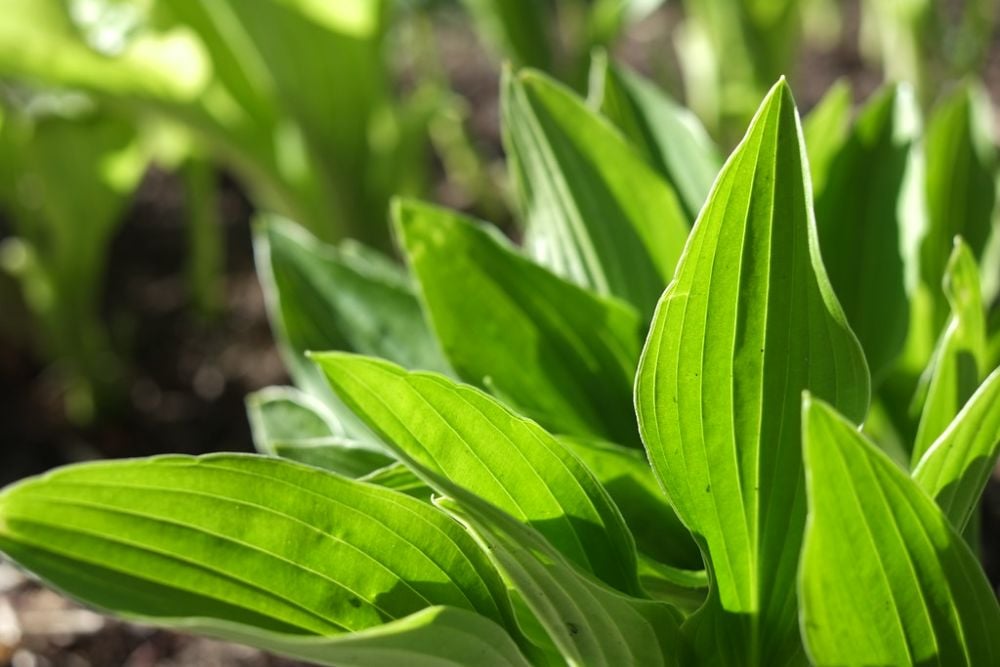
Rock strata, tree rings, and magnetic field lines all form parallel patterns because they represent stable equilibrium states under consistent forces. These linear arrangements emerge when materials or energy flows encounter uniform conditions over time.
The same principles create everything from sedimentary layers to the aurora’s curtain-like displays.
Like Go2Tutors’s content? Follow us on MSN.
Circular Orbits
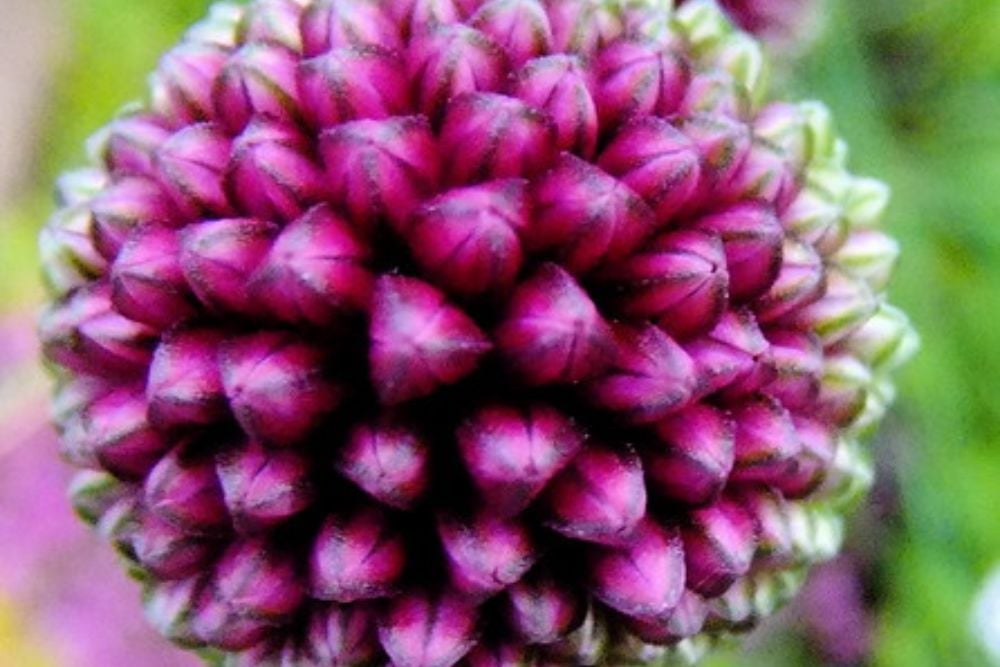
Planets, electrons, and water droplets all form circular or elliptical patterns because circular motion represents stable energy states in rotating systems. These orbital patterns emerge from the balance between centrifugal forces and attractive forces — whether gravitational, electromagnetic, or surface tension.
The same mathematics governs everything from atomic structure to planetary motion.
Meandering Curves
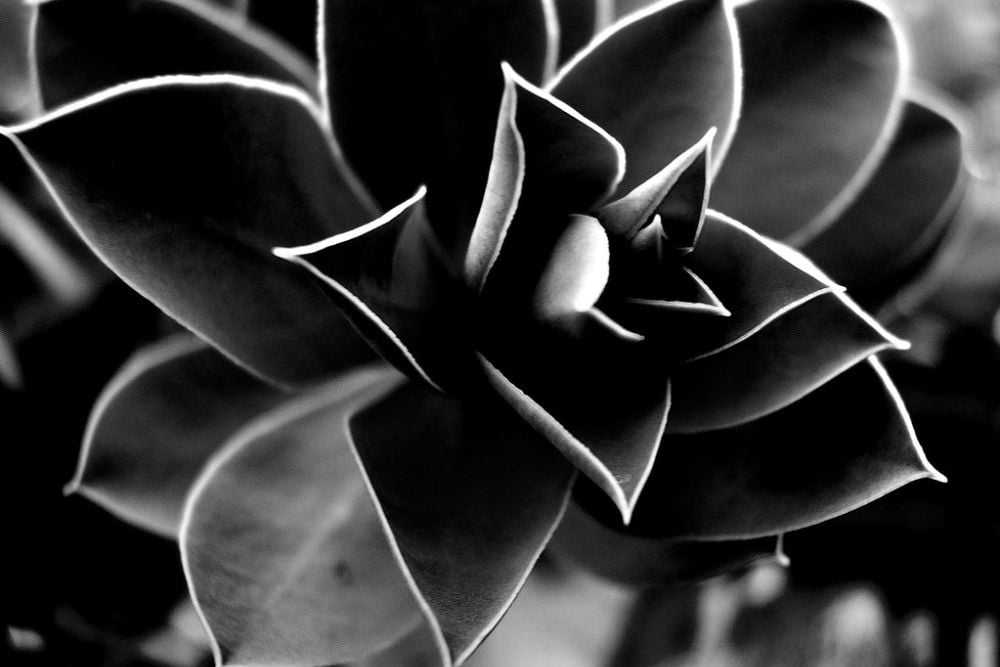
Rivers, intestines, and brain coral all develop meandering patterns because curved paths are more energy-efficient than straight lines when dealing with obstacles or varying terrain. These serpentine curves emerge naturally when flowing systems seek the path of least resistance.
The same principles create everything from mountain roads to blood vessel networks.
Cellular Divisions
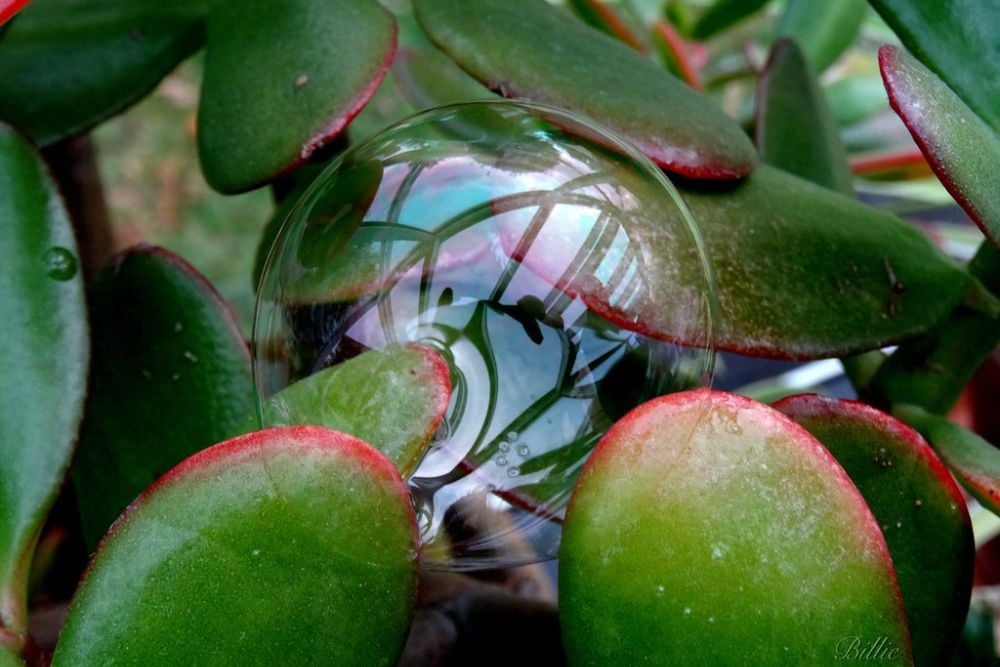
Soap bubbles, plant cells, and animal territories all divide space using similar geometric principles that minimize energy while maximizing efficiency. These cellular patterns emerge because they represent optimal solutions to packing problems and resource distribution challenges.
The same mathematical relationships govern everything from urban planning to molecular structure.
Like Go2Tutors’s content? Follow us on MSN.
The Universal Language

These recurring patterns reveal that nature operates according to fundamental mathematical and physical laws that transcend individual species, environments, or scales. What appears as endless diversity on the surface actually follows surprisingly consistent underlying principles, suggesting that the universe itself speaks a mathematical language.
Understanding these patterns helps us appreciate the deep connections between seemingly unrelated phenomena and reminds us that art, science, and nature all draw from the same universal design principles. The next time you notice a spiral seashell or hexagonal snowflake, remember you’re observing the same patterns that govern galaxies and govern the very atoms that make up your body.
More from Go2Tutors!

- 16 Restaurant Chains That Went Too Fast
- 12 Things Sold in the 80s That Are Now Illegal
- 15 VHS Tapes That Could Be Worth Thousands
- 17 Historical “What Ifs” That Would Have Changed Everything
- 18 TV Shows That Vanished Without a Finale
Like Go2Tutors’s content? Follow us on MSN.



