17 Sporting Events Decided by Coin Tosses
In the world of sports, we expect champions to be crowned through athletic performance, strategic brilliance, and competitive spirit. Yet occasionally, when competition reaches its limit and athletes remain deadlocked, officials turn to the oldest and simplest method of breaking ties—the coin toss.
These moments transform sporting history from contests of skill to games of chance in an instant. Here’s a list of 17 sporting events where the final outcome was literally decided by the flip of a coin.
1968 European Championship Semifinal

Italy and the Soviet Union battled to a 0-0 draw in their 1968 European Championship semifinal, with neither team able to score even after extra time. With no penalty shootout system yet established in the tournament rules, officials resolved the deadlock with a coin toss in the stadium tunnel.
Italian captain Giacinto Facchetti correctly called tails, sending Italy to the final, where they defeated Yugoslavia to win their only European Championship.
1965 CONCACAF Championship Final

Mexico and Costa Rica reached the final of the 1965 CONCACAF Championship (now known as the Gold Cup), finishing with identical records in the final group stage that determined the champion. After playing to a 1-1 draw in their head-to-head match, CONCACAF officials used a coin toss to determine the regional champion.
Mexico won the flip and was crowned champion, taking home the trophy despite the teams’ equal performance on the field.
1993 Women’s Cricket World Cup Semifinal
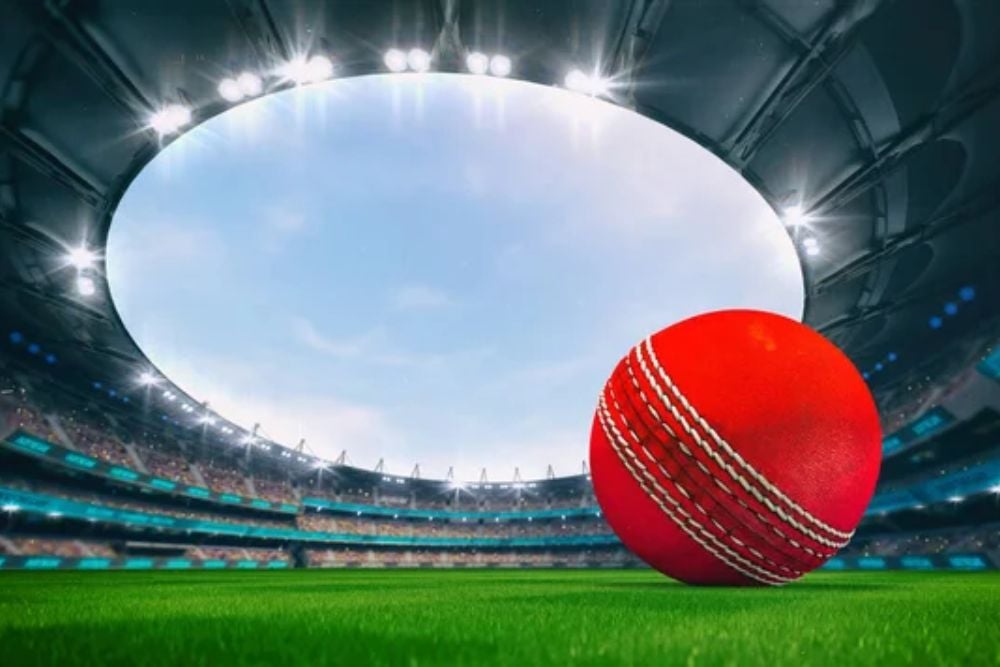
In the 1993 Women’s Cricket World Cup semifinal between England and New Zealand, heavy rain forced the match to be abandoned before play could begin. With no reserve day or tiebreaker rules in place, tournament officials used a coin toss to determine which team would advance to the final.
England won the flip and moved on to face New Zealand again in the final, where they went on to win the championship. The outcome of a major international tournament was thus partially shaped by pure luck, marking a rare and controversial moment in cricket history.
1968 Mexico Olympics Hockey Semifinal
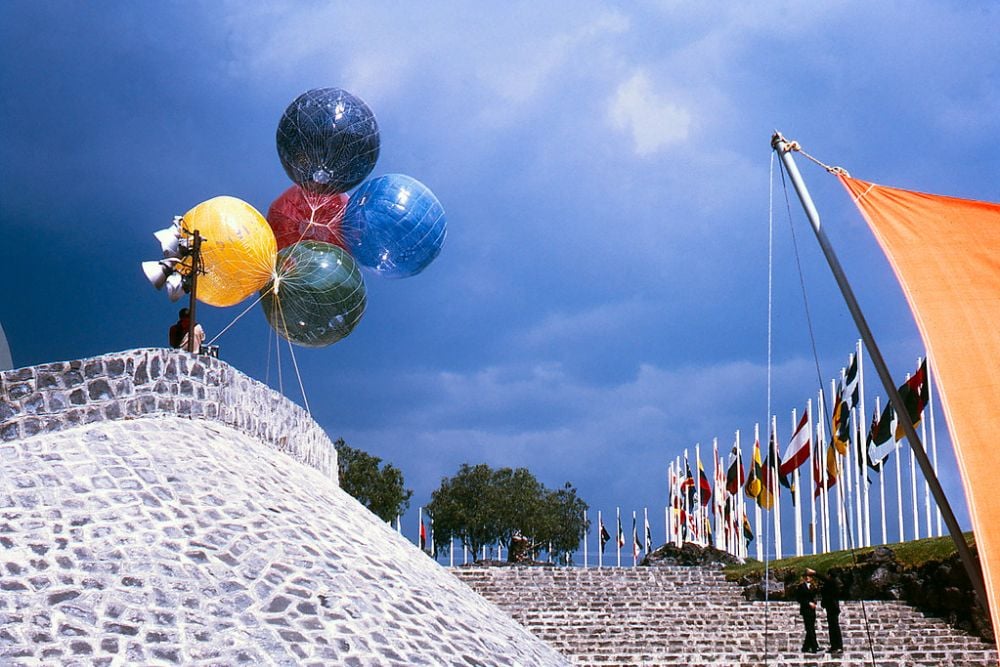
The Netherlands and Pakistan finished with identical records in their group at the 1968 Olympic hockey tournament in Mexico City. With no goal difference tiebreaker in place, officials conducted a coin toss to determine who would advance to the gold medal match.
Pakistan won the coin flip and went on to defeat Australia in the final to claim the gold medal, while the Netherlands had to settle for competing in the bronze medal match.
1962 European Cup Quarterfinal

Dundee FC and Sporting Lisbon finished level at 4-4 on aggregate after two legs in their 1962 European Cup quarterfinal. With no away goals rule yet established, officials decided the quarterfinalists with a coin toss on the pitch immediately after the second leg.
Dundee won the flip in what manager Bob Shankly called “the most important toss of a coin in the club’s history,” sending the Scottish club to the semifinals of Europe’s premier club competition.
1957 Malaysian FAM Cup Final

Perak and Selangor competed to a 1-1 draw after extra time in the 1957 Malaysian FAM Cup final. With no penalty shootout procedure in place, tournament officials used a coin toss on the pitch to determine the champion as thousands of fans watched in suspense.
Perak won the toss and was awarded the trophy, giving them their first major soccer championship through an act of pure chance rather than sporting merit.
1966 World Bowling Championship

In the 1966 World Bowling Championship in Malmö, Sweden, American bowler Jim Stefanich and Netherlands bowler Wim Bechis finished with exactly the same pinfall after the regulation frames in the men’s singles final. Tournament rules called for a coin toss rather than extra frames to break the tie, and Stefanich won the flip to claim the world title despite the competitors’ identical performance on the lanes.
1972 Olympic Wrestling Match

In a preliminary round Olympic wrestling match in Munich, competitors from Mongolia and Bulgaria finished with an identical number of points and technical criteria. With all tiebreakers exhausted, officials used a coin flip to determine which wrestler would advance in the tournament.
The Mongolian wrestler won the toss and continued to the next round, while his Bulgarian opponent was eliminated despite their equal performance on the mat.
1970 World Badminton Championship
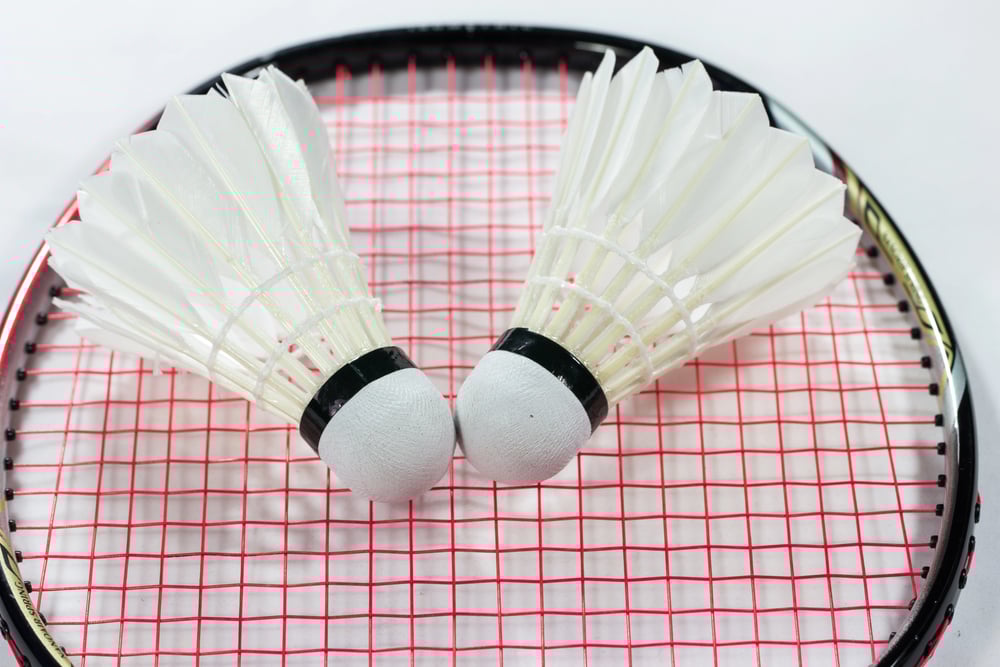
Indonesia and Malaysia featured in the 1970 Thomas Cup (World Badminton Championship) final, with the teams tied at 4-4 after all scheduled matches were completed. Rather than scheduling additional matches, tournament officials used a coin toss to determine the world champion.
Indonesia won the flip and took home the prestigious Thomas Cup trophy, capturing their sixth title through chance rather than by outplaying their opponents.
1976 NCAA College Baseball Regional

Clemson and South Carolina finished in a tie at the 1976 NCAA Atlantic Regional baseball tournament with identical records in round-robin play. With time constraints preventing a playoff game, tournament officials conducted a coin toss to determine which team would advance to the College World Series.
Clemson won the flip and moved forward in the tournament, while South Carolina’s season ended despite their equal performance on the field.
1961 European Cup Winners’ Cup Match

Fiorentina and Rapid Vienna finished their European Cup Winners’ Cup first-round tie in a deadlock after two legs. With the aggregate score tied and no away goals rule in place, the referee organized an immediate coin toss on the field after the second leg.
Fiorentina won this flip and advanced to the next round of the competition, continuing their European campaign thanks to a favorable call of heads or tails.
1973 Japanese High School Baseball Tournament

Two high schools in the 1973 Japanese Koshien tournament played to a draw in their semifinal match, with the game ending tied after the regulation innings. Tournament officials, facing scheduling constraints, used a coin toss to determine which team would advance to the championship game.
The winning school progressed to the final, while their opponents were eliminated despite their equal performance in what remains one of the most controversial moments in Japanese high school sports.
1958 County Cricket Championship Match
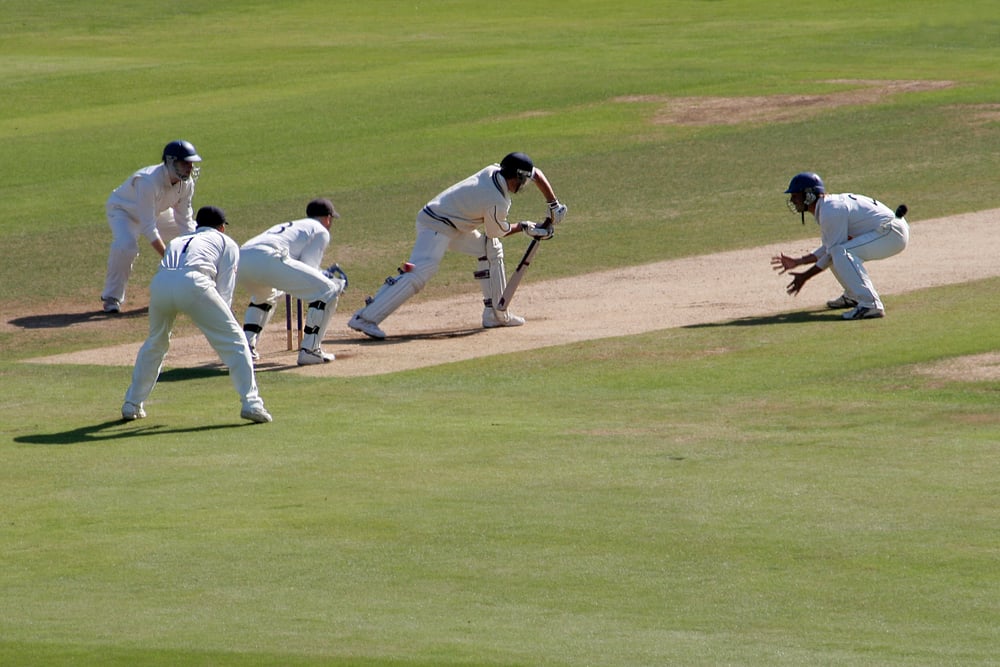
Lancashire and Hampshire finished with precisely the same number of runs in a County Cricket Championship match in 1958, creating a true tie after all innings were completed. League rules at the time dictated that tied matches would be decided by a coin toss if time did not permit a tiebreaker.
The umpires conducted the toss on the pitch, with Lancashire winning and being awarded the victory points despite the teams’ identical performance.
1969 Greek Football Cup Match
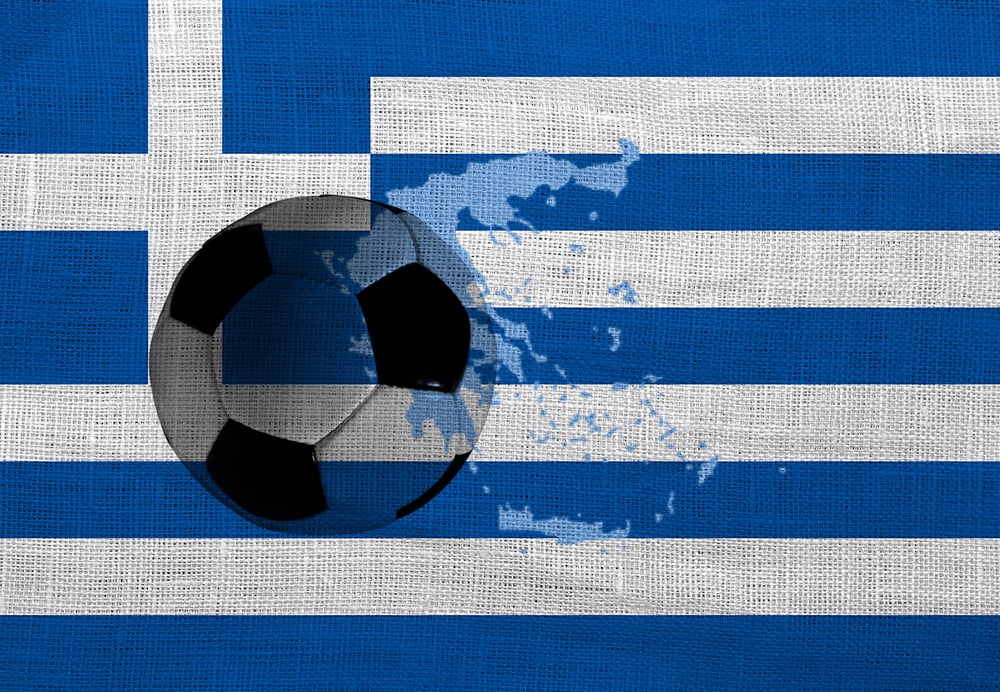
Panathinaikos and Olympiacos played to a scoreless draw after extra time in their 1969 Greek Cup knockout match. Rather than scheduling a replay, Greek football officials used a coin toss to determine which team would advance in the tournament.
Panathinaikos won the flip and continued their cup run, eventually reaching the final that season thanks in part to their lucky call in this random moment of sporting history.
1967 Canadian Curling Championship
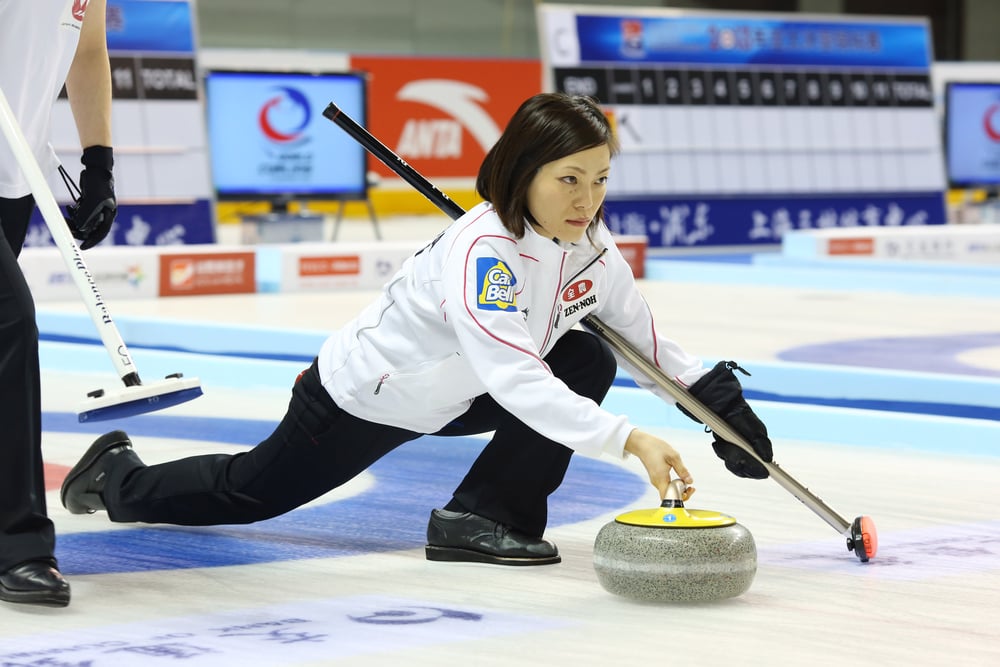
Two provincial champions at the 1967 Canadian Curling Championship (the Brier) finished with identical records in round-robin play, creating a tie for the final playoff position. Tournament officials, facing time constraints, used a coin toss to determine which team would advance to the knockout stage.
The Manitoba rink won the flip and moved forward in the tournament while their equally performing opponents were eliminated from championship contention.
1963 Nordic Ski Championship

At the 1963 Nordic Ski Championships in Finland, two competitors finished with identical times in a cross-country skiing event, down to the hundredth of a second. With timing technology unable to separate them further, officials used a coin toss to determine the medal positions.
The Norwegian skier won the flip and was awarded the gold medal, while the Finnish competitor received silver despite their exactly equal performance on the snow.
1971 Minor League Baseball Playoff
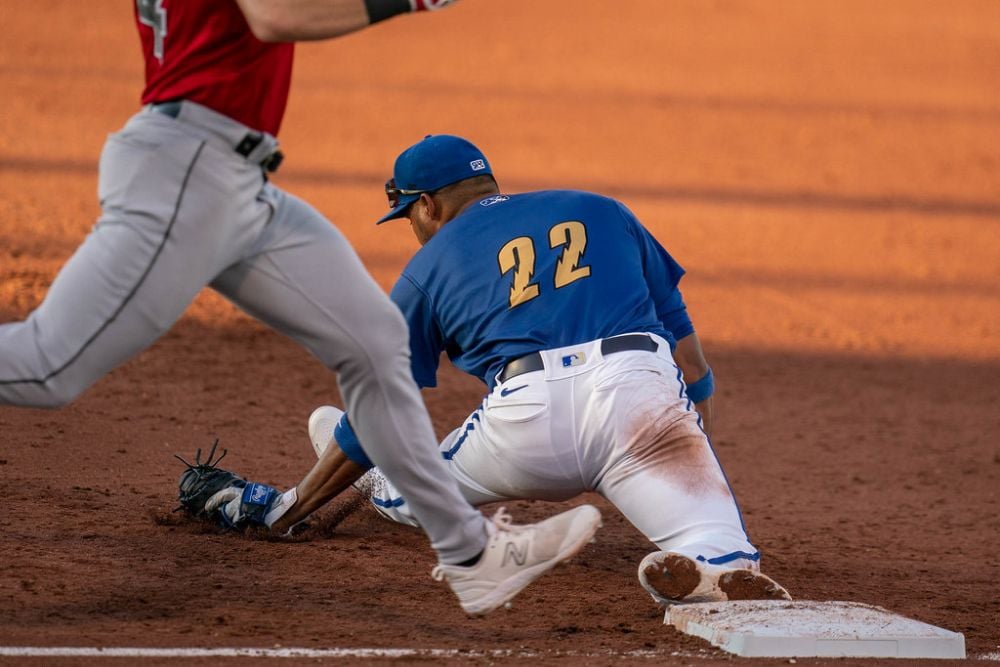
Two teams in the 1971 Florida State League finished with identical records and head-to-head results, creating a tie for the final playoff spot. League officials, unable to schedule an extra tiebreaker game due to approaching hurricane weather, used a coin toss to determine which team would advance to the postseason.
The St. Petersburg Cardinals won the flip and continued their season while their opponents watched from home despite their equal performance throughout the season.
Fate Over Skill

These remarkable instances show how the simplest tool of chance sometimes determined sporting outcomes that months of training and hours of competition couldn’t resolve. While modern sports have largely eliminated coin tosses as tiebreakers in favor of penalty shootouts, extra innings, or statistical tiebreakers, these historical moments remind us of times when championships hung literally on the flip of a coin.
The sporting world’s evolution away from such arbitrary decisions reflects our collective desire to see titles won through performance rather than probability, ensuring that skill and effort—not luck—determine who takes home the trophy.
More from Go2Tutors!

- The Romanov Crown Jewels and Their Tragic Fate
- 13 Historical Mysteries That Science Still Can’t Solve
- Famous Hoaxes That Fooled the World for Years
- 15 Child Stars with Tragic Adult Lives
- 16 Famous Jewelry Pieces in History
Like Go2Tutors’s content? Follow us on MSN.



