18 Fruits That Change Color as They Ripen
Nature has designed fruits as mobile seed packages, complete with brilliant marketing strategies to attract the right customers at the perfect moment. One of the most fascinating tactics involves dramatic color transformations that signal ripeness to hungry animals and humans alike. These living advertisements shift from greens and whites to vibrant reds, purples, and yellows as their sugar content peaks and seeds become ready for dispersal.
This color-changing phenomenon isn’t just beautiful — it’s an evolutionary masterpiece that ensures seeds get transported at exactly the right time for maximum survival chances. Here is a list of 18 fruits that undergo remarkable color transformations as they journey from unripe to perfectly ready for consumption.
Bananas

Bananas start their journey as deep green, starchy packages that gradually transform into golden yellow as they ripen. The chlorophyll breaks down while natural sugars develop — turning the once-bitter fruit into a sweet, creamy treat. Overripe bananas continue their color evolution to brown, developing an even sweeter flavor profile that’s perfect for baking.
Tomatoes

These popular fruits begin life as firm, green orbs that slowly transition through various shades before reaching their final red glory. The transformation involves chlorophyll breakdown while lycopene — the compound responsible for red coloration — develops and concentrates. Though many varieties exist in different final colors, the classic green-to-red progression remains the most recognizable ripening process.
Avocados
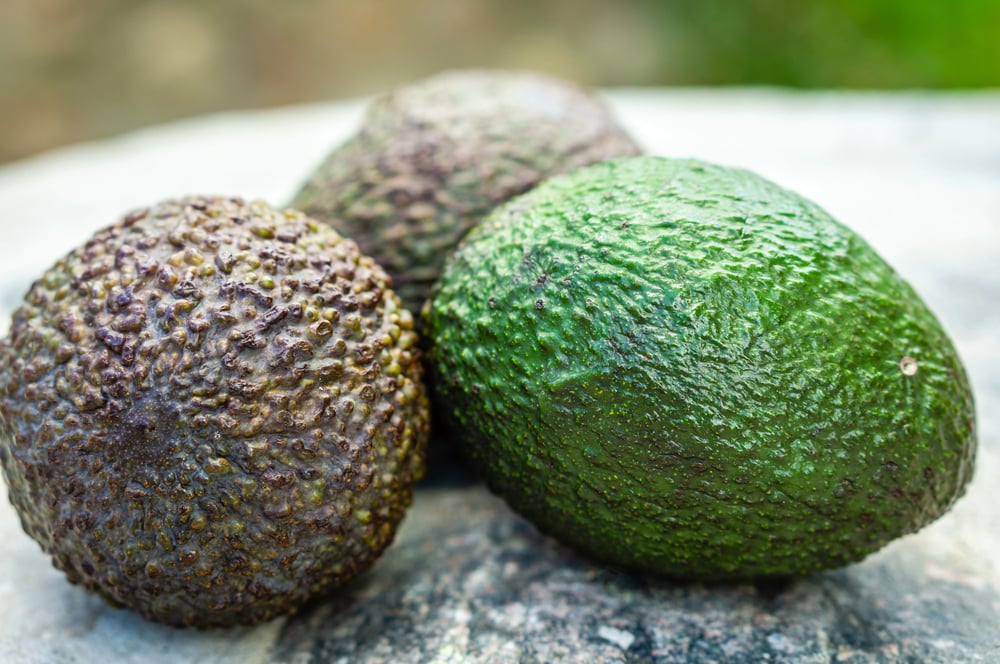
Avocados maintain their dark green exterior throughout most of their ripening journey, though the flesh inside undergoes dramatic changes from firm and pale to creamy and rich. Some varieties like Hass avocados actually darken from green to nearly black as they ripen. The fruit’s texture becomes buttery while oils develop — creating the perfect consistency for everything from guacamole to toast toppings.
Blackberries
These aggregate fruits start as small, hard, green clusters that gradually transform through white and red stages before reaching deep purple-black maturity. Each tiny droplet changes color individually — creating a beautiful mosaic effect as the berry develops. The final deep color indicates maximum sweetness and optimal antioxidant content.
Strawberries

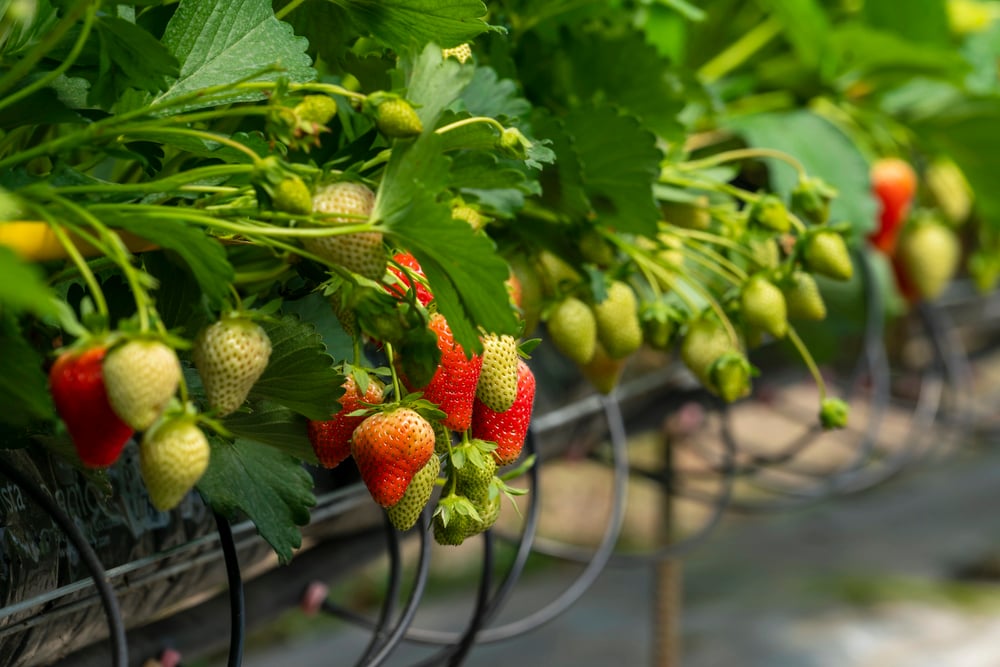
Strawberries begin as small white flowers that develop into firm, green fruits before transitioning to their signature red color. The seeds on the outside (technically making strawberries not true berries) remain visible throughout the color change process. As red pigments develop, the fruit becomes sweeter while developing its characteristic aroma and soft texture.
Blueberries
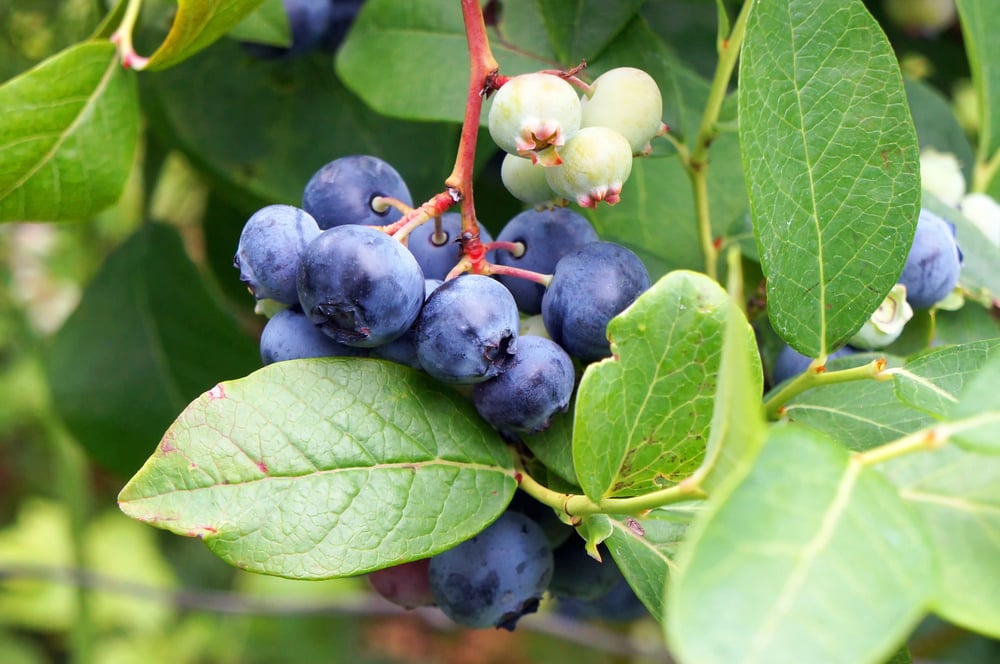
These small powerhouses start as tiny green orbs that gradually shift through pink and light blue stages before achieving their deep blue-purple final color. The waxy coating called bloom — which gives ripe blueberries their slightly dusty appearance — develops during the final ripening stage. This transformation signals peak antioxidant levels and maximum sweetness.
Peaches

Peaches emerge as small, green, fuzzy fruits that gradually develop their characteristic peachy-pink blush as they ripen on the tree. The background color shifts from green to cream or yellow while red and pink tones intensify on sun-exposed areas. The fuzzy skin softens considerably as sugars concentrate and the flesh becomes juicy and aromatic.
Apples

Most apple varieties begin as small, green fruits that develop their mature coloration — whether red, yellow, or combinations thereof — as they ripen throughout the growing season. Red varieties often start completely green before developing their characteristic crimson hues on sun-exposed sides. The skin becomes waxy while the flesh transforms from firm to sweet and crisp.
Grapes
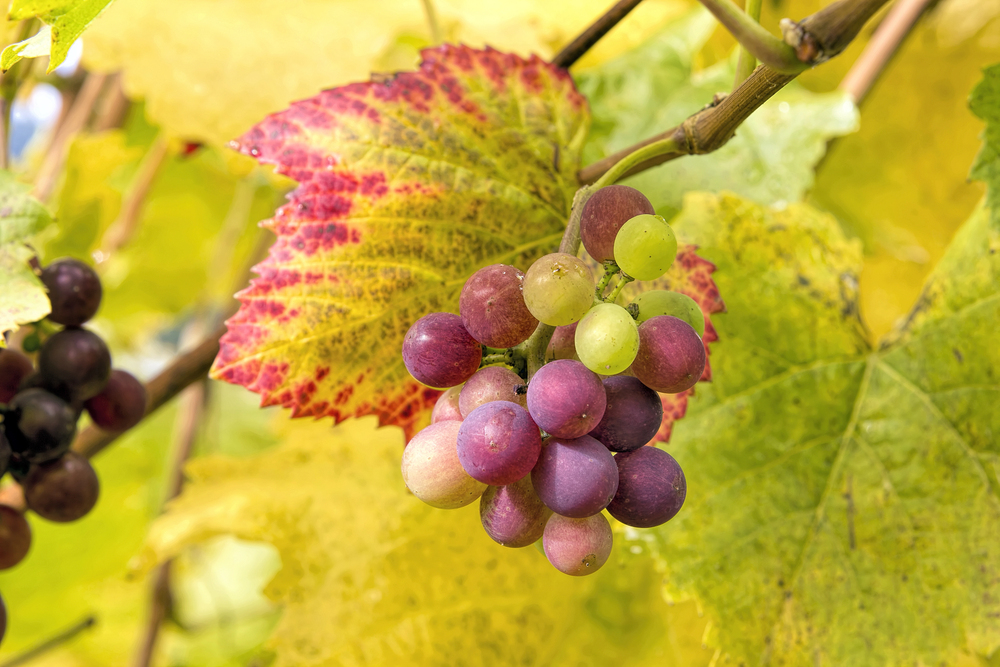
Grape clusters start as tiny, hard, green beads that undergo dramatic transformations depending on their variety — shifting to deep purple, golden yellow, or remaining green as they ripen. The skin develops a waxy bloom while sugar content increases dramatically during the final ripening weeks. This color change has been crucial for winemakers throughout history in determining optimal harvest timing.
Pears
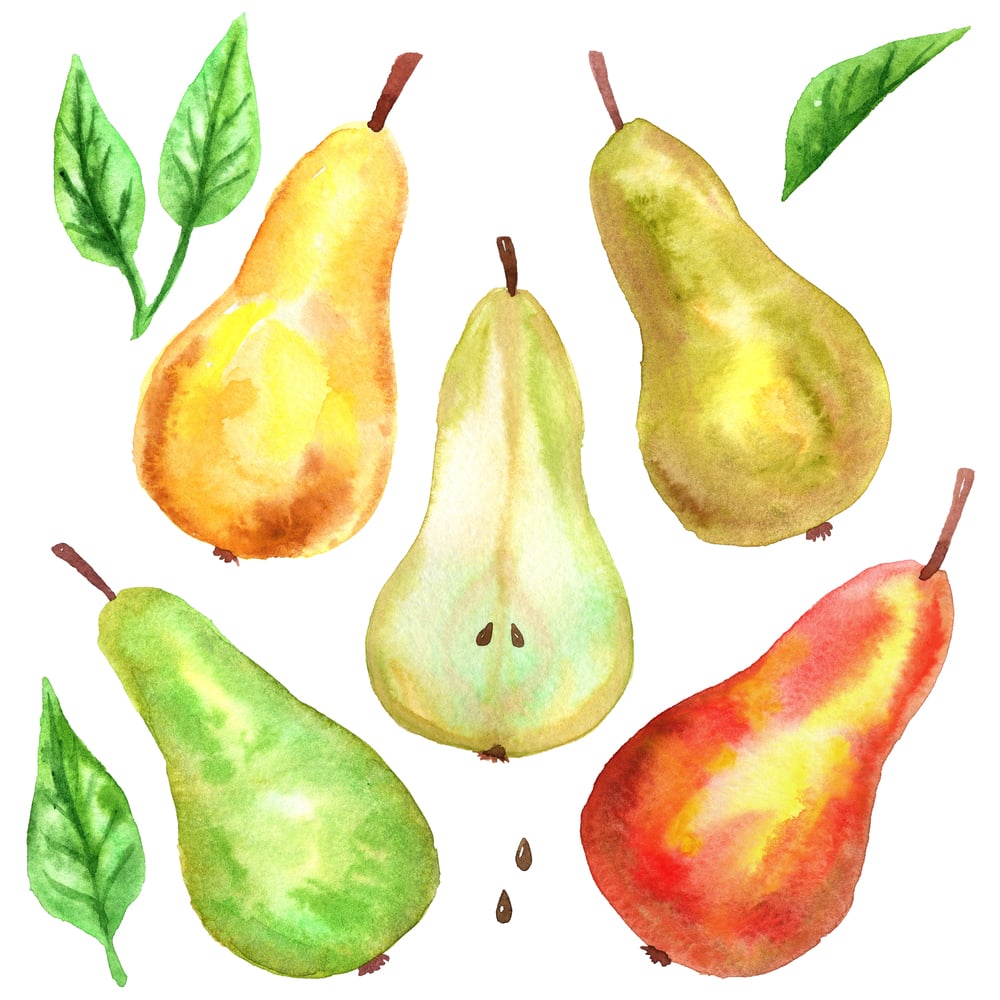
Pears typically begin as small, green fruits that gradually develop their mature coloring — ranging from golden yellow to red-blushed varieties as they approach ripeness. Unlike many fruits, pears often continue ripening after harvest, with the skin sometimes developing brown speckles or russeting. The flesh transforms from hard and astringent to soft, sweet, and aromatic during this process.
Cherries
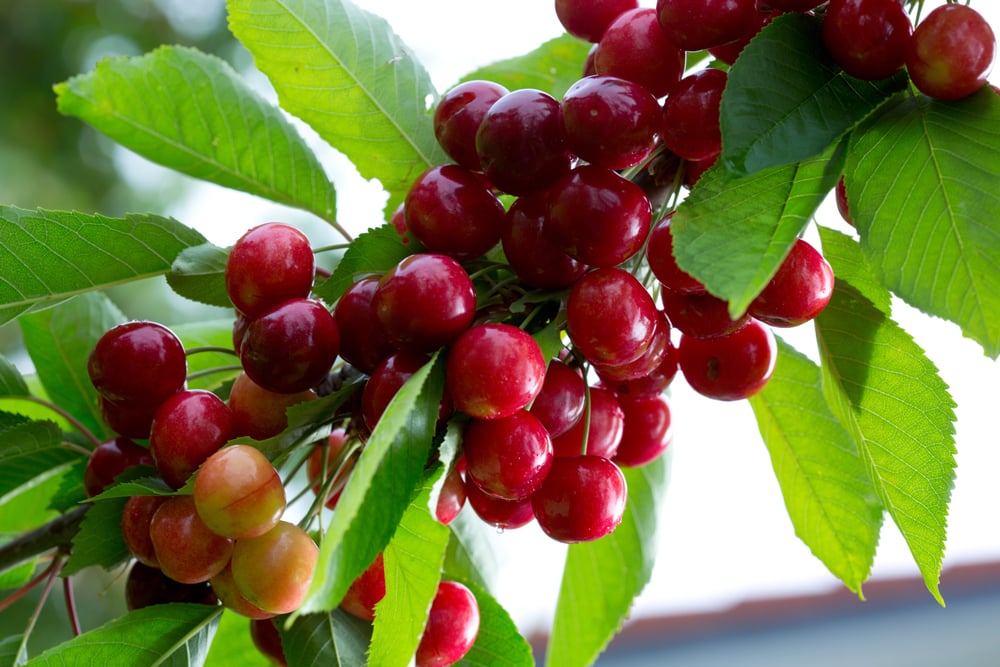
Cherry fruits start as small, green, hard spheres that gradually transition through yellow and pink stages before reaching their final red or dark purple coloration. Sweet cherry varieties often develop deep red or nearly black colors while sour cherries may remain bright red when fully ripe. The stem end often provides the best indicator of ripeness as it darkens along with the fruit.
Plums
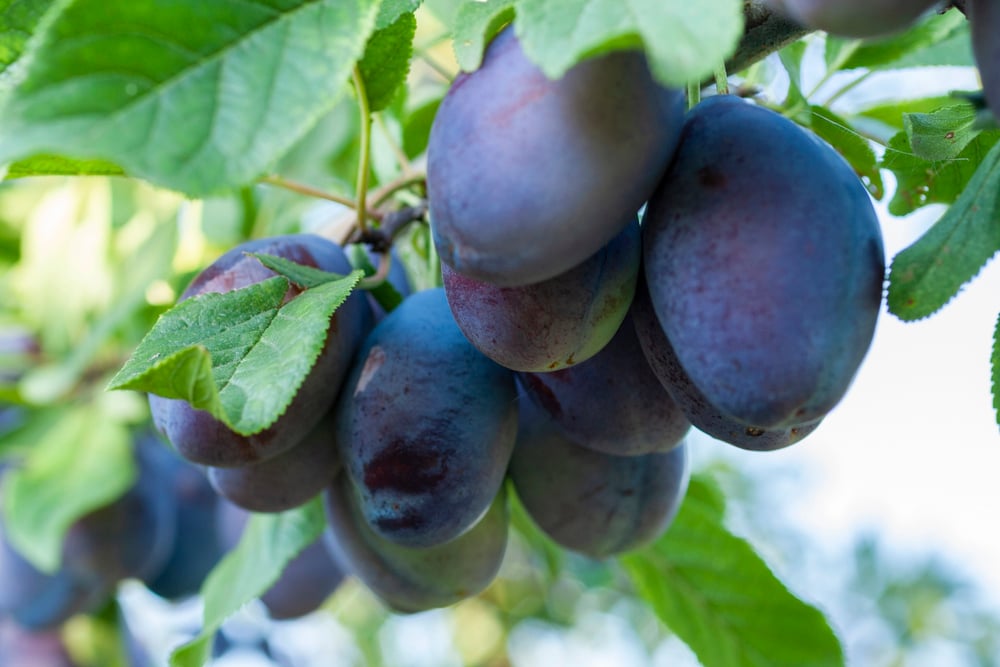
These stone fruits begin as small, green, hard ovals that develop into various final colors depending on variety — from golden yellow to deep purple-black as they ripen. The skin often develops a waxy coating while the flesh becomes sweet and juicy. Many plum varieties show dramatic color transitions that make them particularly striking in orchards during harvest season.
Oranges

Contrary to their name, oranges actually start green and gradually develop their characteristic orange coloration as chlorophyll breaks down and carotenoids become dominant. In tropical climates, oranges may remain partially green even when fully ripe due to warm nighttime temperatures. The color change often begins at the stem end and progresses toward the blossom end as ripening occurs.
Mangoes
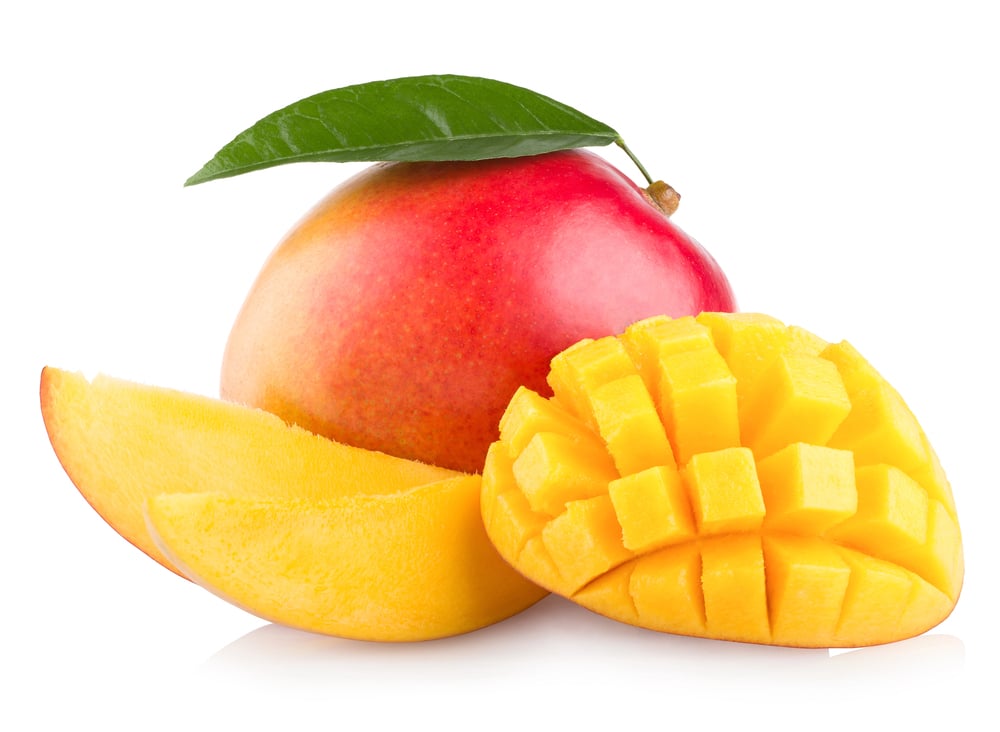
These tropical treasures begin as small, green fruits that undergo spectacular color transformations as they ripen — developing combinations of yellow, orange, and red depending on the variety. The skin often develops a beautiful blush while the flesh transforms from hard and sour to incredibly sweet and aromatic. Some varieties remain green even when ripe, making touch and aroma better ripeness indicators than color alone.
Papayas
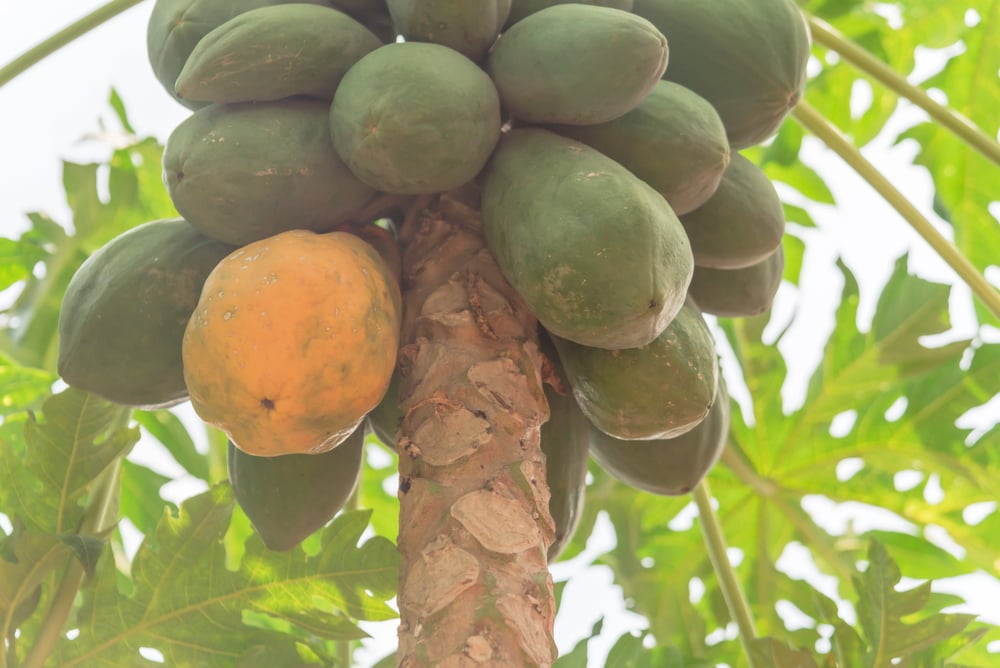
Papayas start as large, green, oval fruits that gradually transition to golden yellow or orange as they ripen on the tree. The flesh inside transforms from white and firm to orange or red while developing incredible sweetness. The color change typically begins at the blossom end and progresses upward toward the stem during the ripening process.
Kiwi Fruit

These fuzzy brown fruits maintain their exterior appearance throughout ripening, but the flesh inside undergoes a remarkable transformation from white and hard to pale green and incredibly soft. The tiny black seeds become more prominent as the fruit ripens while the flavor develops from astringent to sweet and tropical. Gentle pressure testing works better than visual cues for determining kiwi ripeness.
Passion Fruit

Passion fruits begin as smooth, green ovals that gradually develop their characteristic wrinkled, purple or yellow skin as they ripen and begin to dehydrate slightly. The wrinkling actually indicates optimal ripeness rather than deterioration. Inside, the pulp becomes more aromatic and flavorful while the seeds become easier to separate from the flesh.
Pomegranates
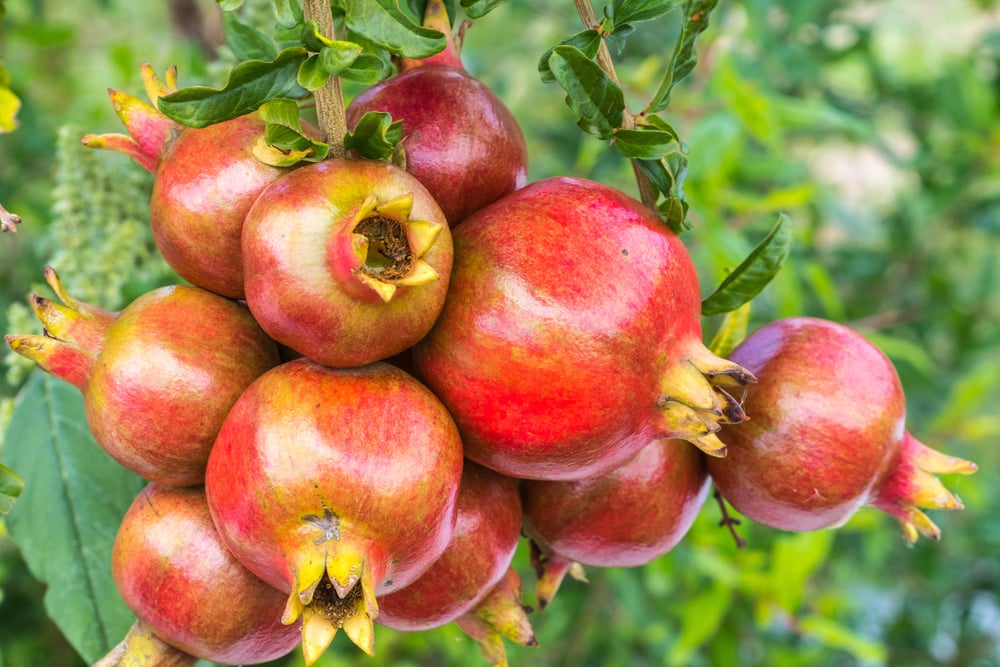
These ancient fruits start as pale green or yellowish spheres that gradually develop deep red or pink-red coloration as they mature on the tree. The skin becomes slightly leathery while the interior arils transform from white or pale pink to deep red jewel-like seeds. The color intensity often correlates directly with antioxidant levels and flavor development.
Rainbow Harvest
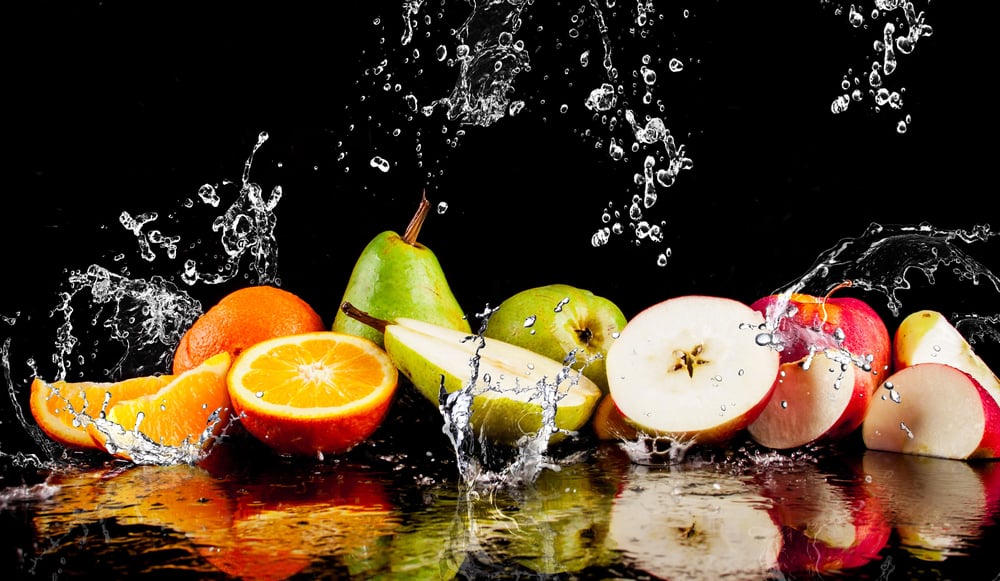
These remarkable color transformations represent millions of years of evolutionary fine-tuning designed to ensure survival through successful seed dispersal. Each hue change signals specific chemical processes occurring within the fruit — from starch converting to sugars to antioxidants reaching peak concentrations. Understanding these natural color codes helps modern consumers select fruits at their nutritional and flavor peaks while appreciating the sophisticated biological marketing strategies that have sustained plant species across countless generations.
More from Go2Tutors!

- 16 Historical Figures Who Were Nothing Like You Think
- 12 Things Sold in the 80s That Are Now Illegal
- 15 VHS Tapes That Could Be Worth Thousands
- 17 Historical “What Ifs” That Would Have Changed Everything
- 18 TV Shows That Vanished Without a Finale
Like Go2Tutors’s content? Follow us on MSN.



