18 Tidbits About Pixar Movies That Are Hard to Forget
Pixar has been making movies long enough that most people feel like they know the studio well. You’ve seen the lamp, you know the jingle, and you’ve probably cried at something you weren’t expecting to cry at.
But behind every film there are details, decisions, and little accidents of history that most audiences never hear about. Some of these are technical, some are personal, and a few are just plain strange.
Toy Story Almost Starred a Much More Annoying Woody
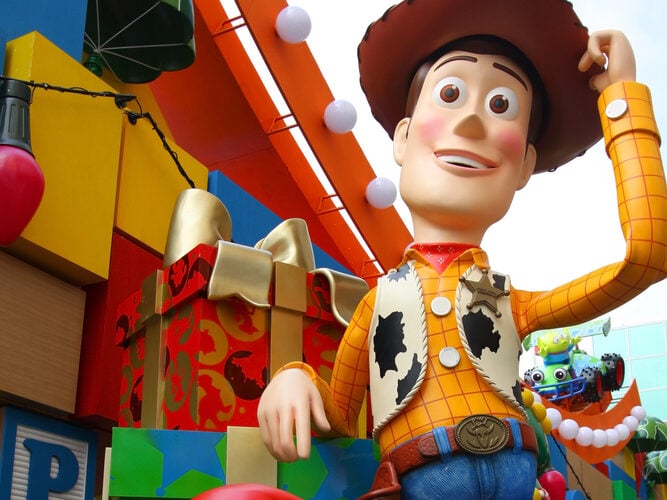
The original version of Woody in the early Toy Story script was sarcastic, mean-spirited, and not particularly likable. Disney executives reviewed an early cut in 1993 and hated it so much that they shut down production.
Pixar had to completely rework the story and reimagine Woody as someone you’d actually root for. That intervention — as painful as it must have been — probably saved the film.
A Bug’s Life and Antz Came Out the Same Year
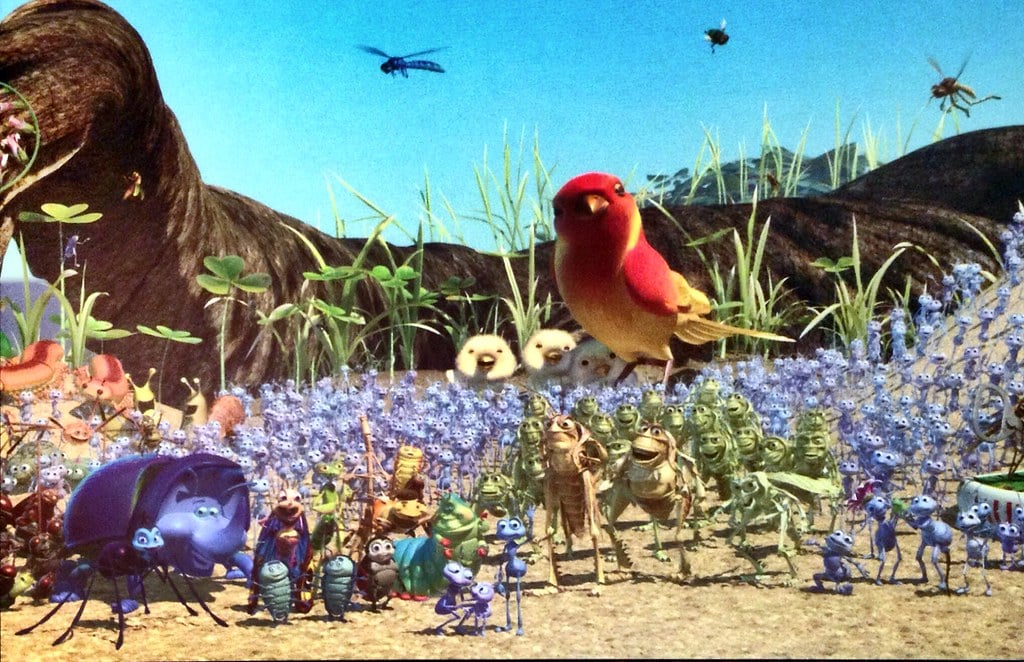
Late in 1998, movie screens got swarmed – two bug-themed animations arrived close together. Pixar followed up their first full-length effort with A Bug’s Life. Across town, DreamWorks released Antz, a project pushed by Jeffrey Katzenberg.
He’d just walked away from Disney, tension thick behind him. This wasn’t some random collision of release dates.
Maybe one team copied the idea; maybe both just landed on ants at once – it sparked something longer lasting anyway. Rivalry took root then, quietly feeding competition that stretched far beyond insects.
The Pizza Planet Truck Shows Up in Nearly All the Films
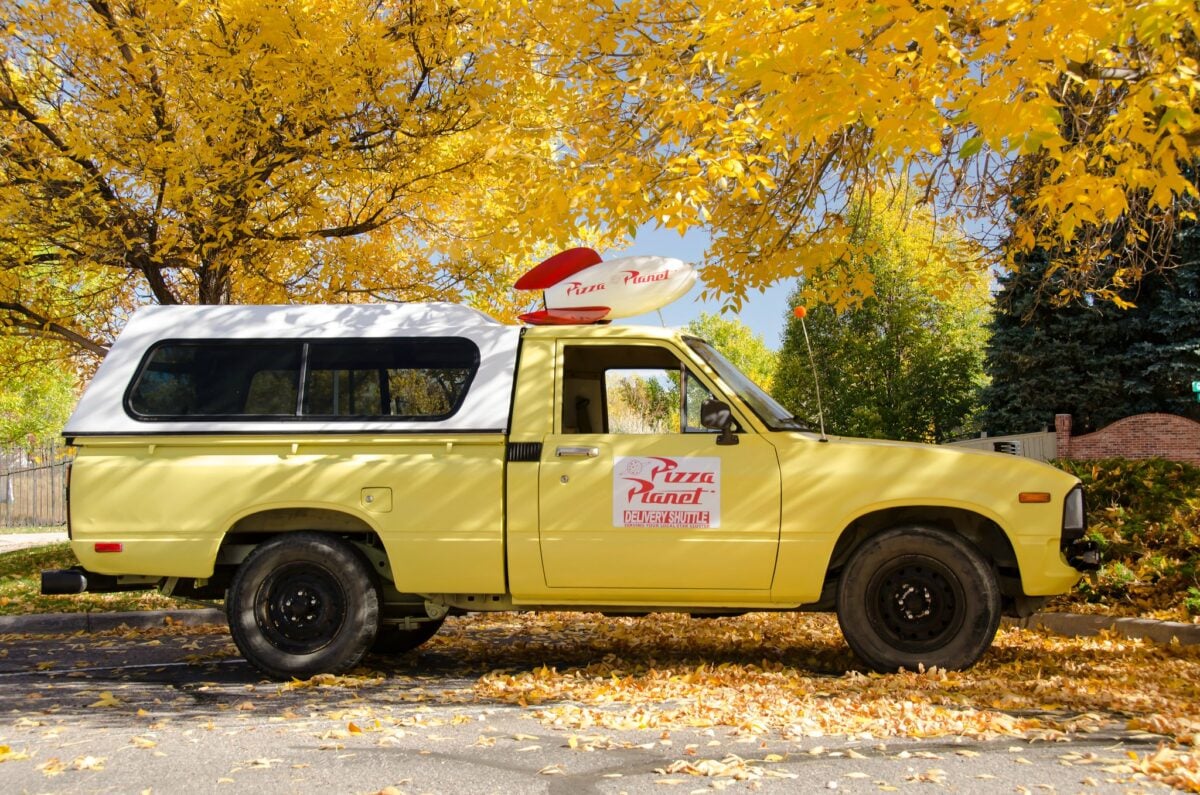
A rusted yellow delivery van, known as the Pizza Planet truck, sneaks into most Pixar films after first showing up in Toy Story. This tiny detail runs through almost every release like a quiet thread.
One exception stands out: The Incredibles skips it entirely – except maybe not, if you’re watching a certain edition.
Few traditions last that long without being noticed.
Up’s Opening Made To Make Adults Cry
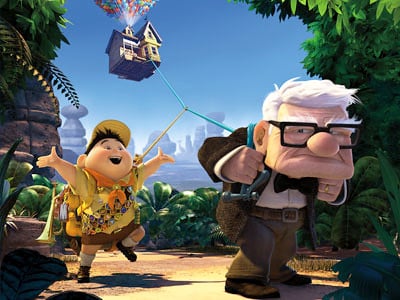
Silence fills the first four minutes of Up as images trace Carl and Ellie growing up, growing close, then growing apart through life’s turns. No words are spoken, yet Pixar understood its weight – aiming not to twist hearts but to build ground for why viewers might follow an irritable widower into flight.
Pete Docter, leading the project, framed it plainly: make every later moment feel deserved. Emotion arrived without force.
Now, years after release, that quiet stretch still surfaces when people name cinema moments that quietly break them.
Boo’s Voice Came Out Mostly Unscripted
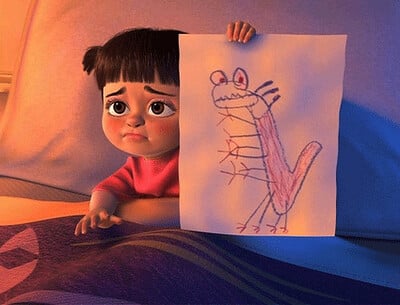
Little Mary Gibbs, only two years old, lent her voice to the child character in Monsters, Inc. Since asking a toddler to act when told rarely works, crew members trailed behind her at the studio, mic in hand, catching every spontaneous noise.
Much of what made it into the movie – the laughter, odd phrases, sudden squeals – was simply picked up as it happened.
Finding Nemo Influenced Clownfish Purchases
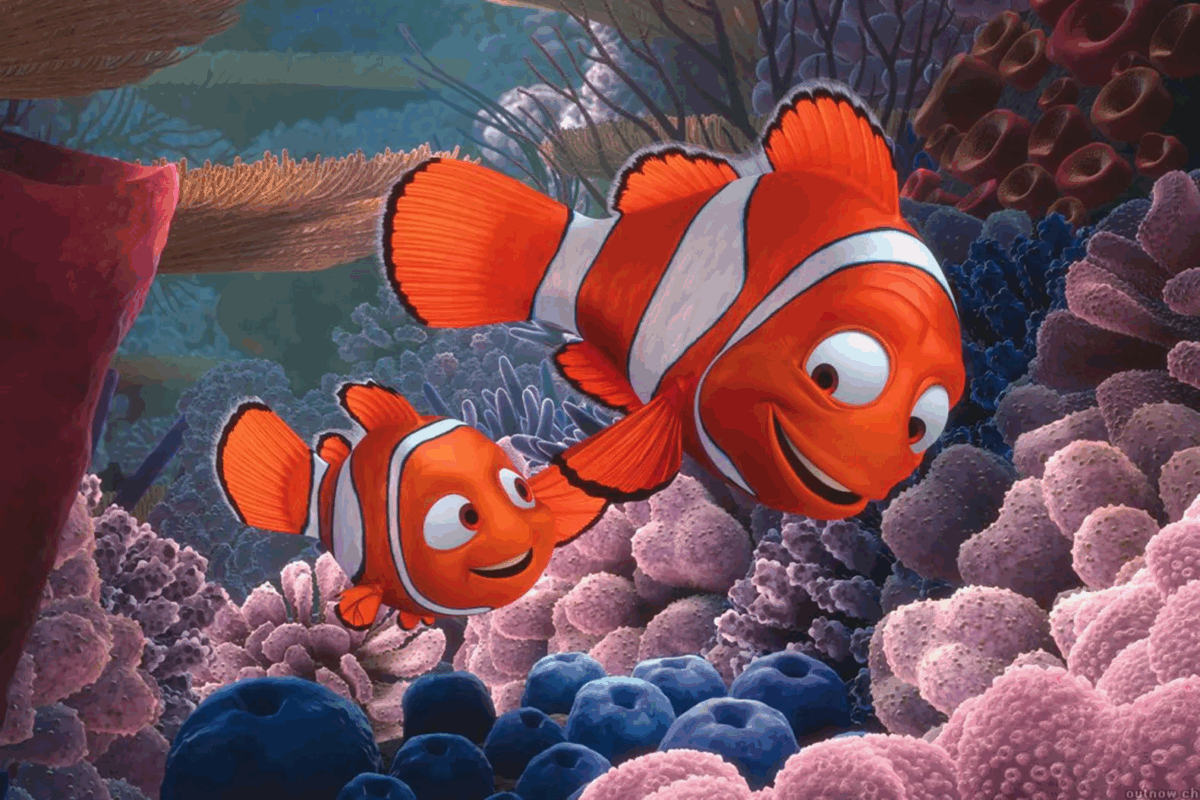
When Finding Nemo came out in 2003, people suddenly wanted clownfish for home aquariums like never before. Strange thing? That movie’s whole point shows fish should stay free in the sea instead of behind glass.
This sudden interest changed things underwater – clownfish numbers fell in certain spots as traders took too many from coral homes. Because of that, Pixar now thinks harder about what happens when they make movies starring real animals.
The Studio Originally Didn’t Want to Make Sequels

For much of its early history, Pixar resisted sequels. John Lasseter, one of the studio’s founders, felt that sequels were often just ways to cash in on success without bringing anything new.
That’s why there’s a notable gap between Toy Story in 1995 and Toy Story 2 in 1999 — and why Toy Story 2 was initially being developed as a straight-to-video release before Pixar insisted on making it a proper theatrical film.
WALL-E Has Almost No Dialogue for Its First Half Hour
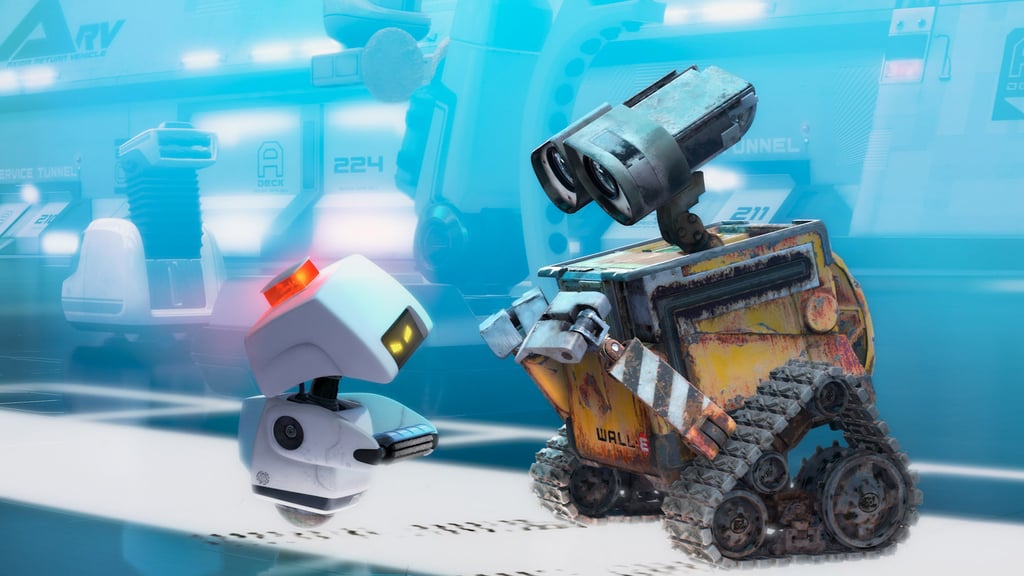
The first act of WALL-E is essentially a silent film. The title character communicates through sounds and expressions, and the storytelling is almost entirely visual.
The writing team had to find ways to make audiences understand a robot’s entire personality and emotional world without words. It’s considered one of the most technically demanding scripts Pixar has ever produced.
Ratatouille’s Director Started Over From Scratch
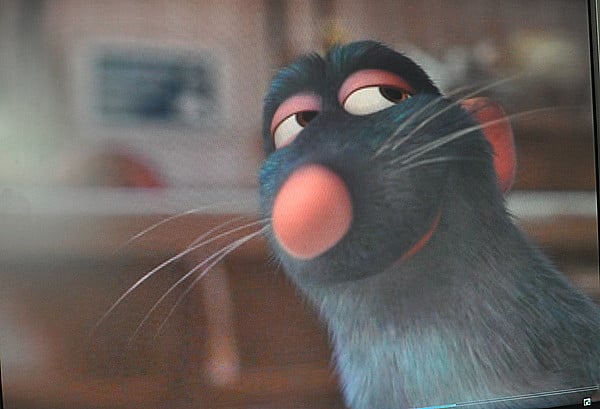
Brad Bird didn’t create Ratatouille — he inherited it. Jan Pinkava had been developing the film for years before the studio brought in Bird to take over.
Bird rewrote nearly everything and changed the central focus of the story. What ended up on screen in 2007 is almost entirely different from the earlier version.
Pinkava still shares a story credit, but the film audiences saw was essentially a different project.
Inside Out Is Based Partly on Real Neuroscience
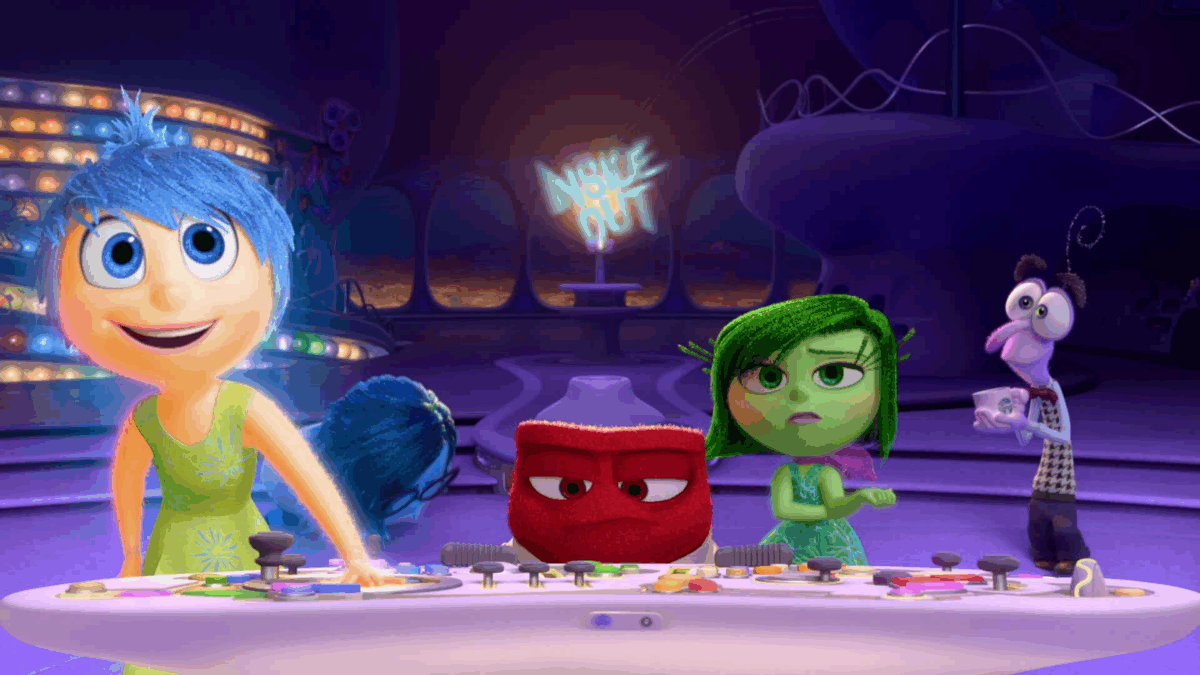
The emotional characters in Inside Out — Joy, Sadness, Fear, Disgust, and Anger — weren’t just invented for narrative convenience. Director Pete Docter and his team consulted with psychologists and neuroscientists, including Paul Ekman, who spent decades studying human emotions across cultures.
The decision to make Sadness valuable to Riley’s wellbeing (rather than just an obstacle to overcome) came directly from those conversations.
Coco Was Nearly Sabotaged Before It Opened
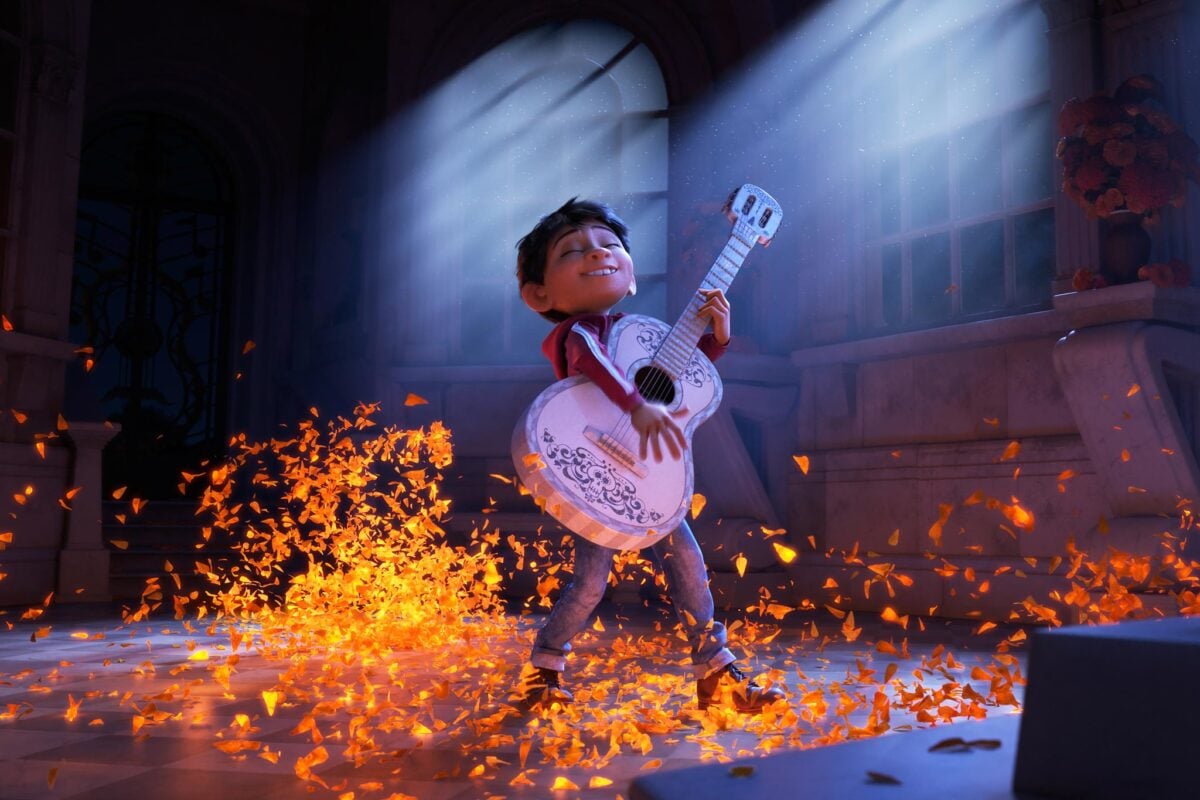
A few months before Coco released in 2017, a company attempted to trademark the phrase “Día de los Muertos” — the Mexican holiday the film is centered on. The backlash was immediate and fierce.
The trademark was abandoned quickly, but the episode created real tension about whether Pixar was treating the cultural subject matter seriously. The film’s eventual reception — particularly in Mexico, where it broke box office records — suggested the storytelling itself had earned its place.
The Incredibles Has a Very Different Kind of Villain
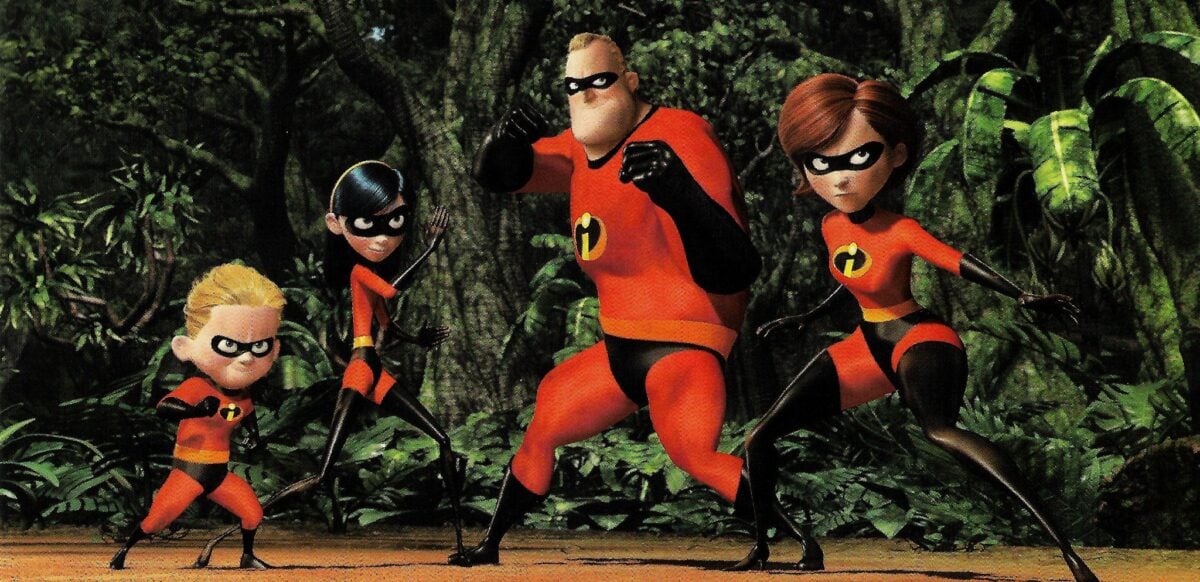
Most Pixar villains are either misunderstood figures or obvious external threats. Syndrome in The Incredibles is something else: a former fan who became a supervillain because his hero rejected him.
Brad Bird has talked about Syndrome as a critique of a specific kind of entitled entitlement — the person who feels owed recognition they didn’t earn. It’s a sharp characterization that holds up in a way a lot of animated villains don’t.
Soul Almost Got a Completely Different Ending
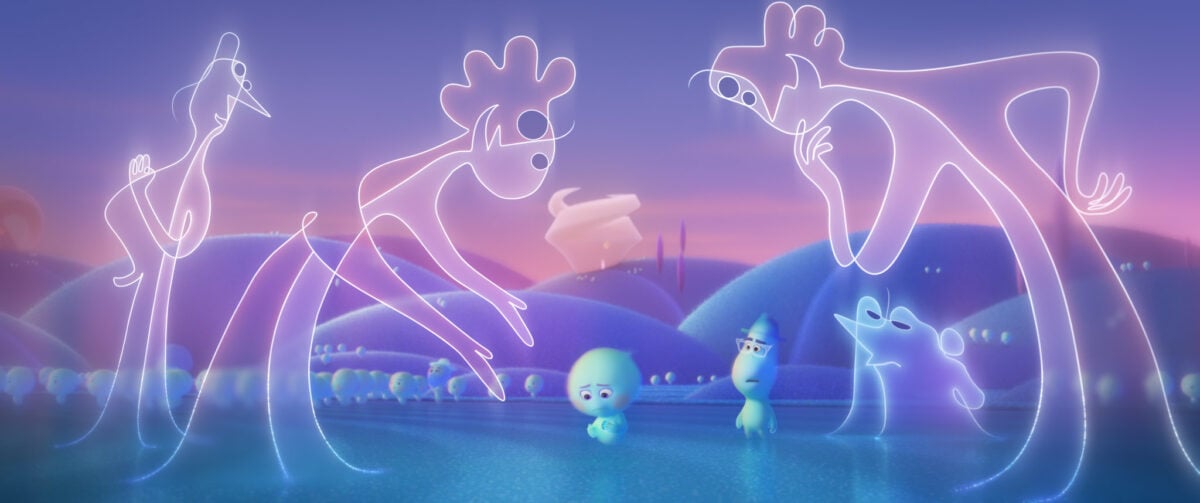
Early versions of Soul had a much more ambiguous conclusion. The version that ended up in theaters — where Joe is given a chance to return to his life — wasn’t always guaranteed.
The filmmakers went back and forth for a long time about whether the film should end on something more open, without resolution. The decision to give Joe that second chance was made relatively late in production.
Cars Is the Highest-Grossing Pixar Franchise in Merchandise
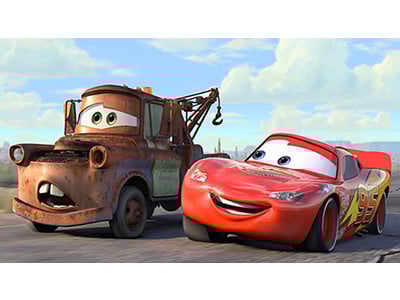
Cars is not among the most critically acclaimed Pixar films. But in terms of merchandise sales, it has generated more revenue than almost any other franchise the studio has ever produced.
At one point, the Cars-branded toys and products were doing billions of dollars in annual sales. That’s part of why a third film got made even as critics questioned whether the franchise had run out of ideas.
Brave Was Pixar’s First Film With a Female Lead
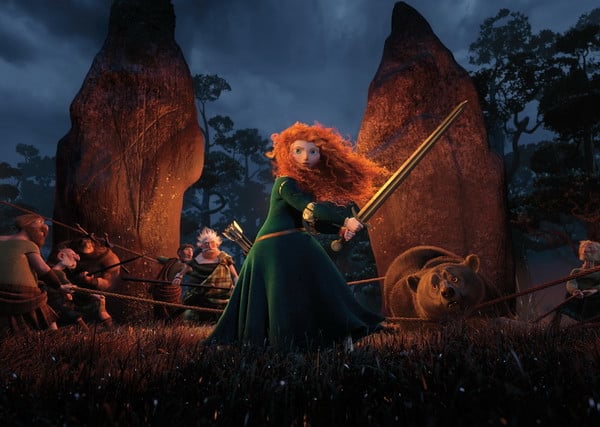
Despite releasing films for nearly two decades, Pixar didn’t have a female protagonist until Brave in 2012. The film also went through a turbulent production — original director Brenda Chapman was replaced mid-production by Mark Andrews, which sparked a public conversation about creative control and representation in animation.
Chapman had conceived the story based partly on her relationship with her own daughter.
The Luxo Jr. Lamp Has Been Around Since 1986
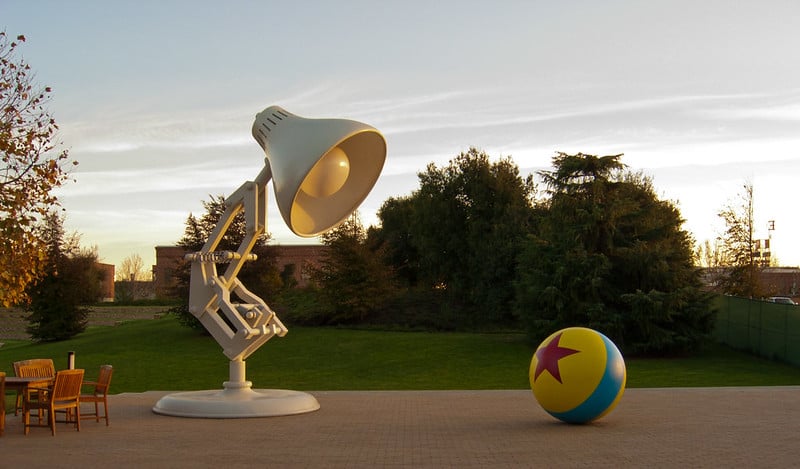
Long before full-length movies came out of Pixar, tiny animated clips filled their early years. Hopping into view in 1986, Luxo Jr. – a brief two-minute piece starring a playful desk lamp – marked a turning point.
This small creation later turned up in the studio’s official logo. It earned a rare honor: the first computer-generated short ever up for an Oscar.
The design of the lamp? Taken straight from a real one on John Lasseter’s worktable. No guessing needed – the object sat right there, ordinary until animation brought it to life.
Taking Place in 2002 on Purpose
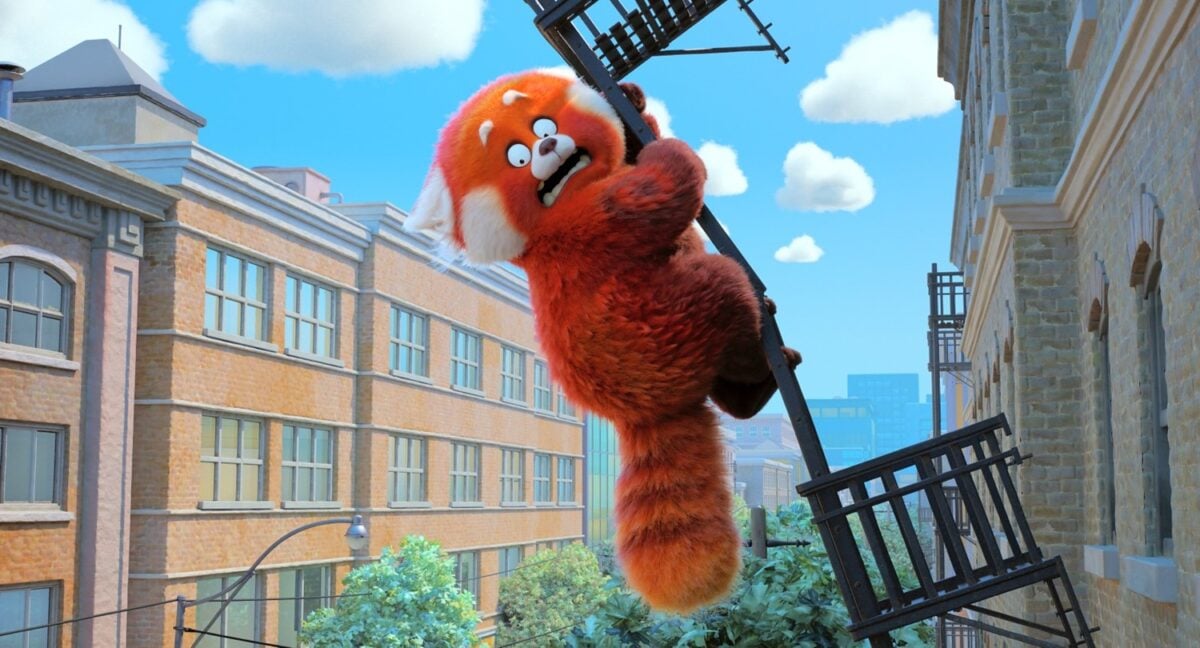
Back in 2002, Toronto came alive on screen through Turning Red, shaped by director Domee Shi’s teenage years. That year wasn’t picked at random – her youth unfolded then.
Boy bands fill the soundtrack, flip phones snap shut, sparkly trinkets cover lockers – not just throwbacks, but pieces of her life. Growing up there gave her a clear picture of what felt true.
Instead of painting the past with broad strokes, she leaned into details only someone who lived it would know. This movie carries more of herself than anything else Pixar has released.
Elemental Nearly Wasn’t Made
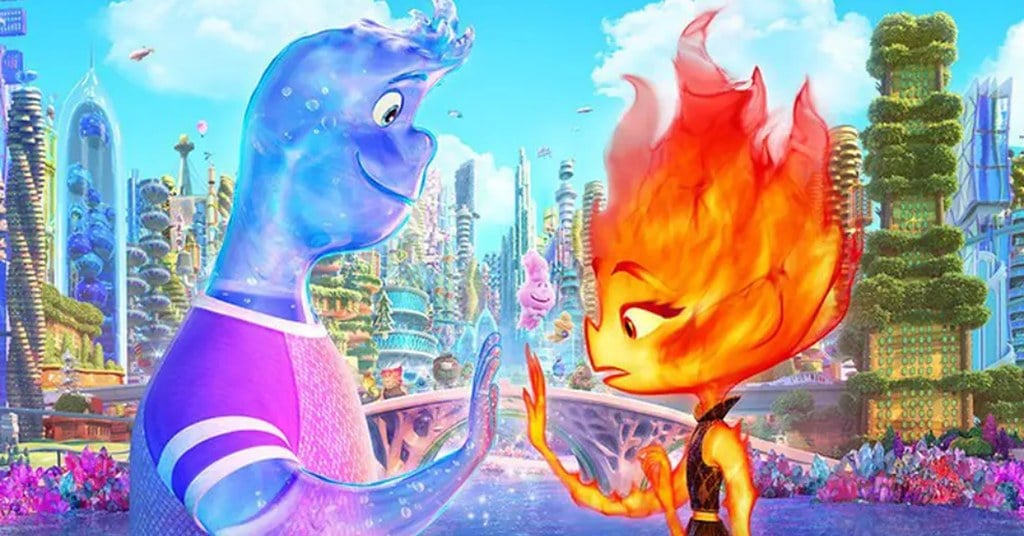
A quiet start marked Elemental when it arrived in 2023, slipping into theaters with less fanfare than any Pixar movie in ten years. Yet behind the scenes, Peter Sohn had carried the idea like a secret for ages, shaped by growing up in New York with parents from Korea.
Instead of fading fast, something odd happened – people kept showing up. Week two brought more viewers, then week three added even more, growth unseen since older Pixar days.
Studio insiders pointed to families far from their home countries, seeing pieces of themselves on screen. Money came back slowly, unevenly, but enough.
Profit followed – not loud, not flashy, just there.
The Lamp Keeps Standing
Doing what Pixar has pulled off over almost forty years isn’t as easy as it seems. While movies come and go – some hit right, others miss – the work never stops.
Faces shift, tools evolve, yet each tale still digs beneath bright surfaces toward something true. A forgotten plaything, a kitchen-dreaming rodent – these ideas linger because they carry weight.
Such depth doesn’t follow a pattern. It grows where creators truly mind the craft.
More from Go2Tutors!

- The Romanov Crown Jewels and Their Tragic Fate
- 13 Historical Mysteries That Science Still Can’t Solve
- Famous Hoaxes That Fooled the World for Years
- 15 Child Stars with Tragic Adult Lives
- 16 Famous Jewelry Pieces in History
Like Go2Tutors’s content? Follow us on MSN.



