20 Movies That Were Almost Never Made (and How They Survived)
The glittering world of cinema often hides the chaotic, nail-biting struggles that happen behind the scenes before a film ever reaches the silver screen. Many beloved classics and box office hits came perilously close to remaining unmade, their stories untold and their cultural impact erased from history.
Here is a list of 20 iconic films that nearly didn’t exist, and the remarkable stories of how they overcame seemingly impossible odds to become the memorable movies we know today.
Star Wars

George Lucas’s space epic was rejected by several major studios who couldn’t grasp his vision, with United Artists and Universal both passing on what they saw as a confusing, expensive gamble. Fox executive Alan Ladd Jr. was the only one who believed in Lucas’s concept, granting him a modest budget after every other studio had shown him the door.
Lucas even took a pay cut in exchange for merchandising rights—a decision that would make him a billionaire through toy sales alone.
The Godfather

Due to conflicts with director Francis Ford Coppola, who battled continuously with the company over casting choices, Paramount almost abandoned this iconic movie. Given the former challenging nature of Marlon Brando and the latter too short and unknown, the studio rejected both actors.
Coppola persisted by covertly filming a screen test of Pacino and threatening to leave should his casting decisions not be approved, therefore producing what many see as the best movie ever produced.
Back to the Future
Because of the mother-son plot, this cherished time-travel tale was turned down more than forty times by studios who felt it was too subdued for an adult audience but too improper for children. Disney called it entirely improper for their brand and explicitly rejected it due to the alleged incestuous storyline.
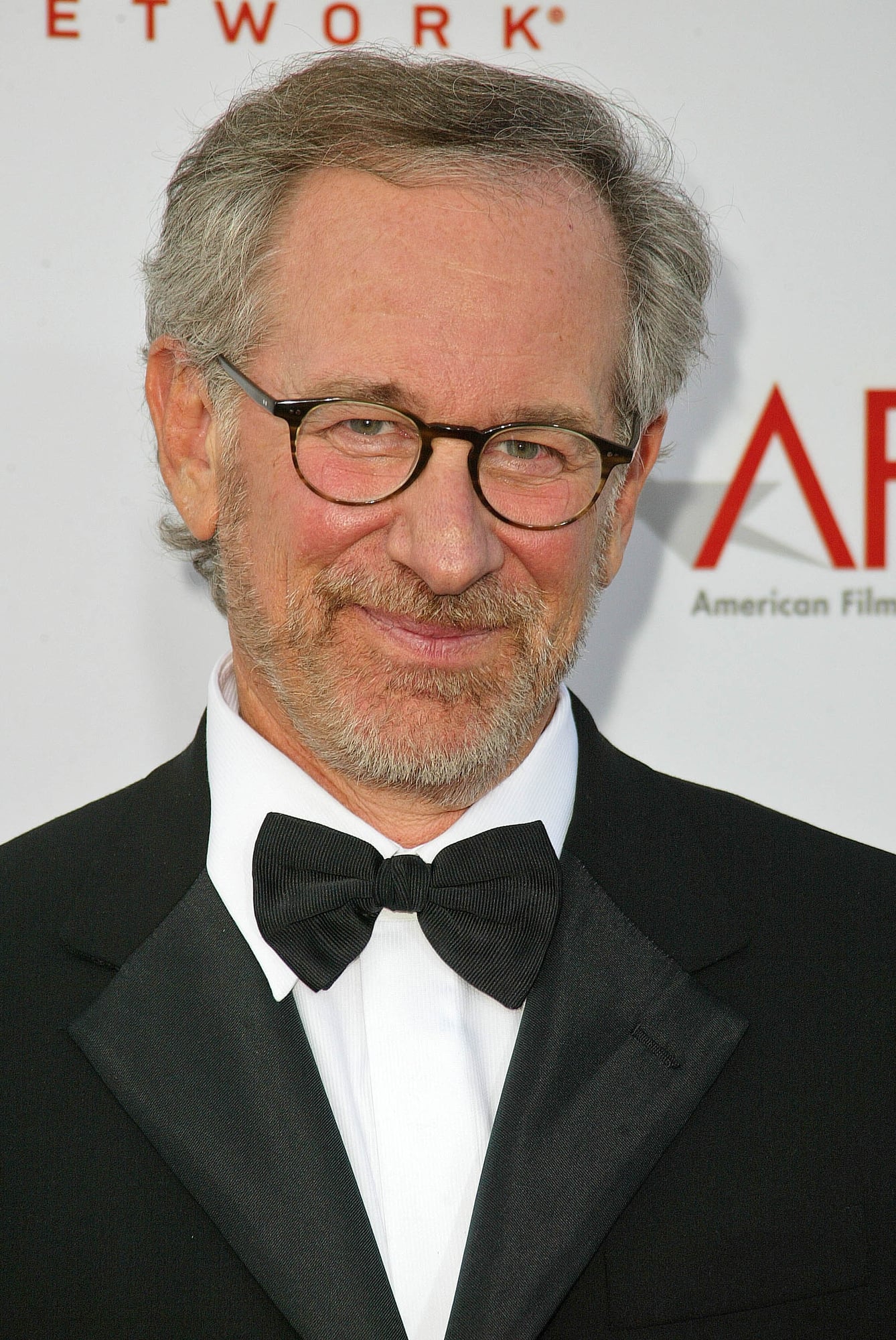
Steven Spielberg used his weight at Universal to get the movie greenlit after years of refusal, so Director Robert Zemeckis at last secured backing.
Titanic
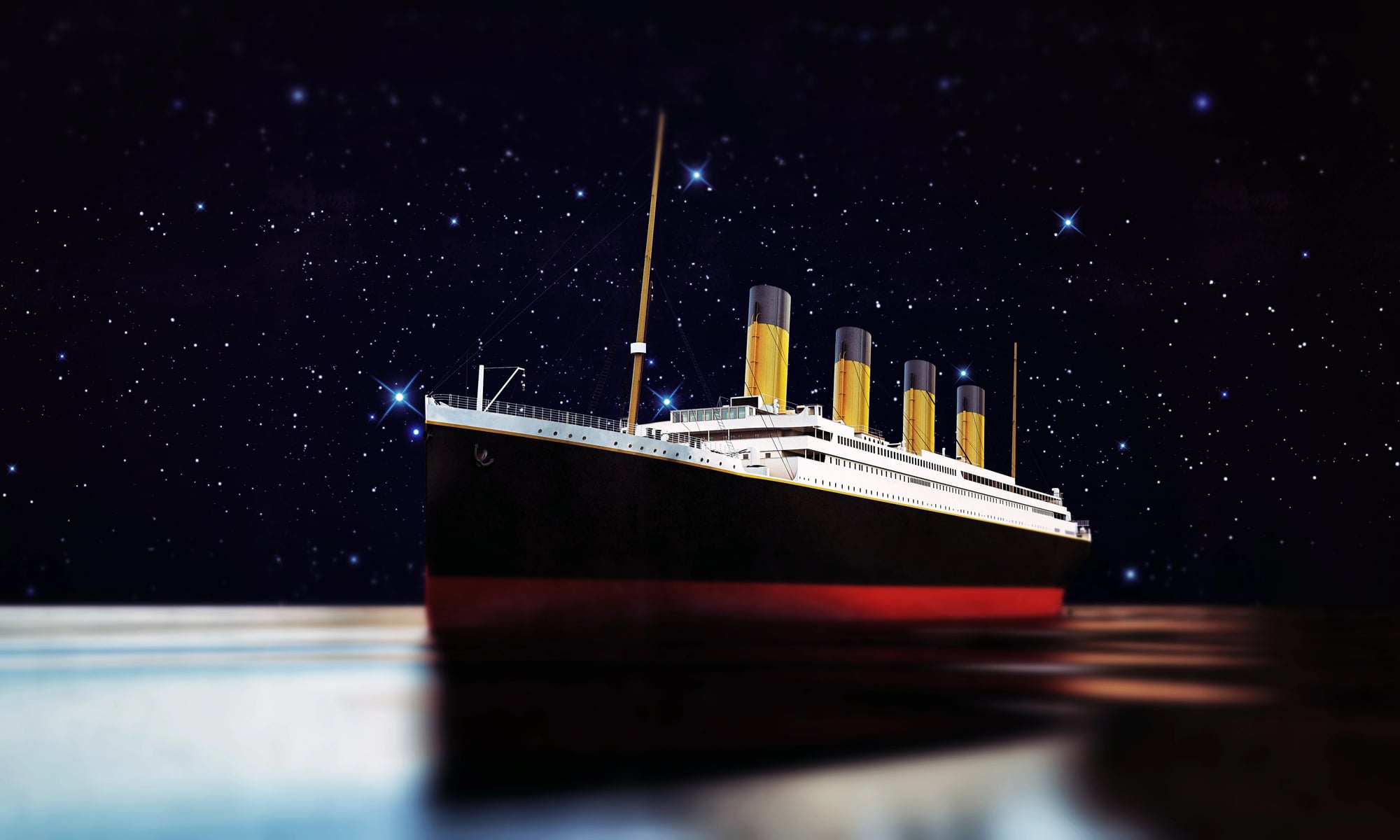
James Cameron’s epic nearly sank before completion when the budget ballooned to an unprecedented $200 million, forcing two studios (Paramount and Fox) to partner just to cover costs. The production faced countless disasters including food poisoning that affected 50 crew members, Cameron’s notorious perfectionism requiring 45 takes for simple scenes, and studio executives who wanted to cut the three-hour runtime.
Cameron famously gave up his directing fee and backend points when costs spiraled, betting his entire paycheck on the film’s success.
Mad Max: Fury Road
This action masterpiece spent over 15 years in development purgatory, facing canceled productions, lost funding, and even a war. Director George Miller had to relocate the entire production from Australia to Namibia after unprecedented rainfall, which turned the planned desert filming location into a flower-covered meadow.
The notoriously difficult 120-day shoot featured constant clashes between stars Tom Hardy and Charlize Theron, who barely spoke to each other on set yet created cinematic magic together.
The Wizard of Oz

This timeless classic faced multiple director changes, dangerous on-set accidents, and a troubled production that went wildly over budget. MGM executives nearly pulled the plug when costs spiraled and the original director was fired just two weeks into production.
The film cycled through five different directors, and its elaborate special effects were unprecedented for the time. Margaret Hamilton, who played the Wicked Witch, suffered severe burns during a stunt when her copper-based makeup caught fire.
Apocalypse Now
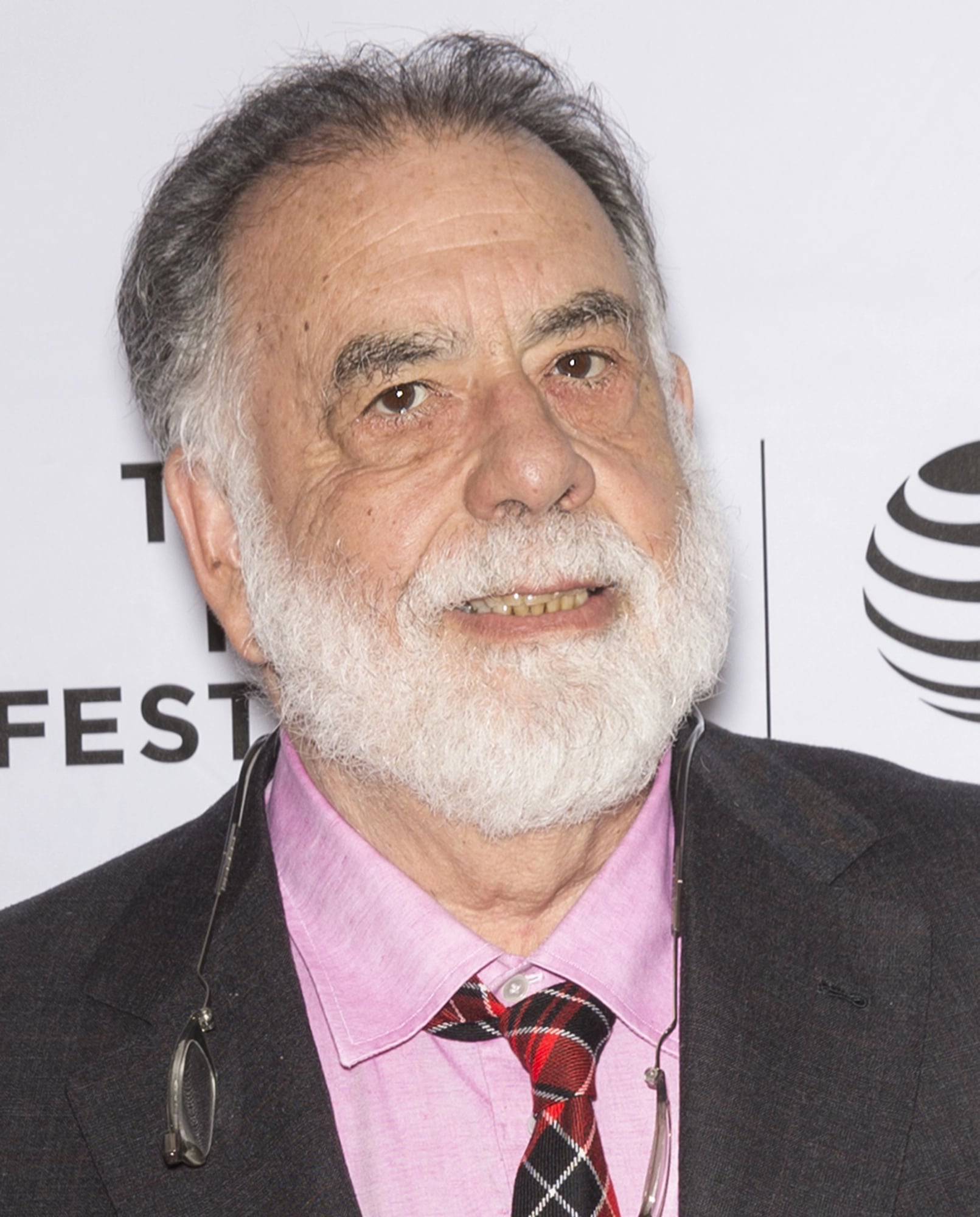
Francis Ford Coppola’s Vietnam War epic nearly destroyed the director financially and mentally during its troubled three-year production. The filming in the Philippines encountered a devastating typhoon that destroyed expensive sets, leading to a six-week production delay.
Star Martin Sheen suffered a heart attack during filming, and Marlon Brando arrived on set overweight, unprepared, and demanding a $3 million advance for what amounted to less than 20 minutes of screen time.
Jaws
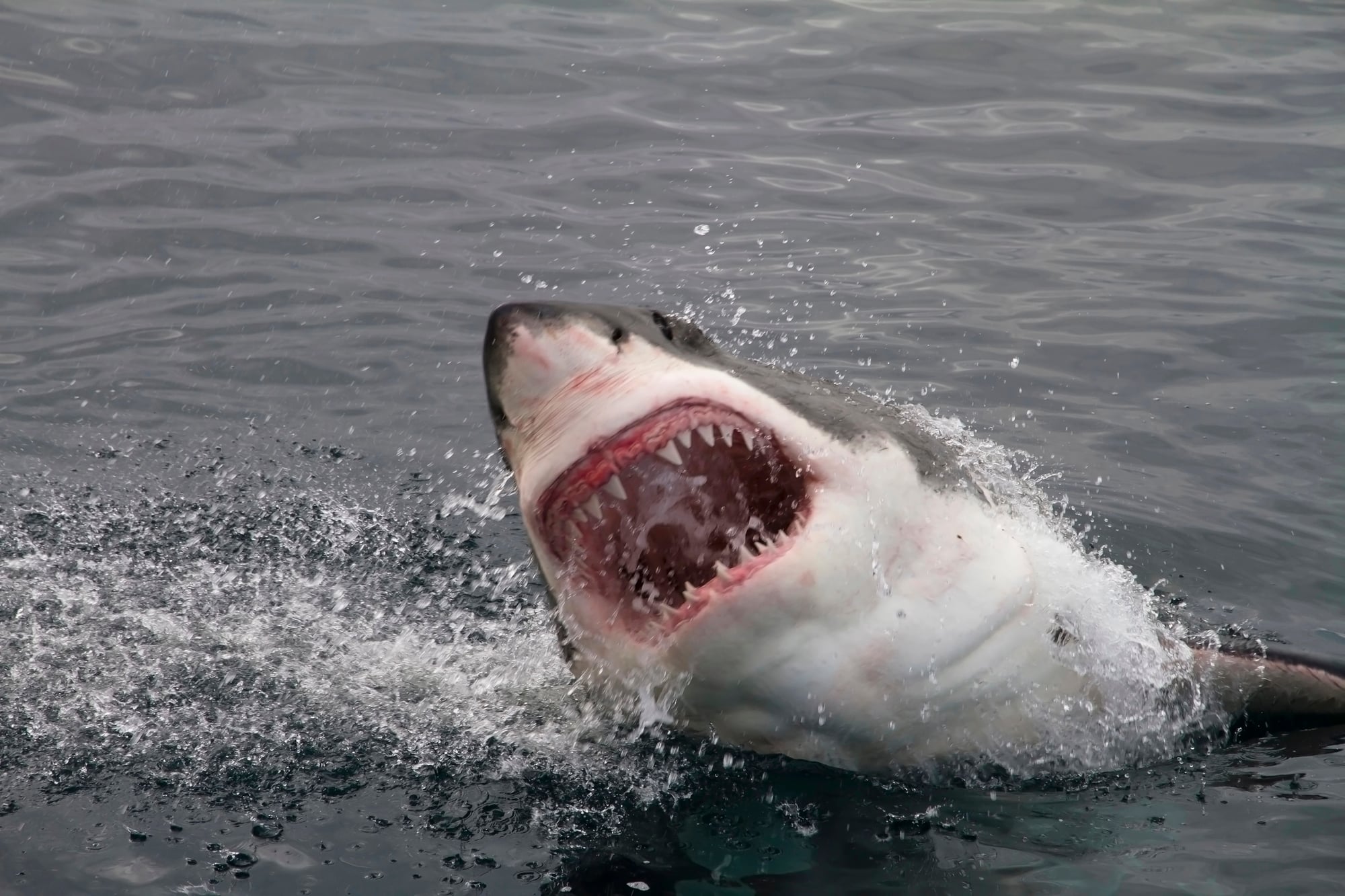
Steven Spielberg’s breakthrough film ran 100 days over schedule when the mechanical sharks (nicknamed ‘Bruce’) repeatedly malfunctioned in salt water. Universal nearly shut down production as the budget doubled from $4 million to $9 million, with studio executives furious at the young, inexperienced director.
The technical limitations ultimately forced Spielberg to show the shark less frequently, inadvertently creating the suspenseful approach that made the film so terrifying.
The Lord of the Rings Trilogy
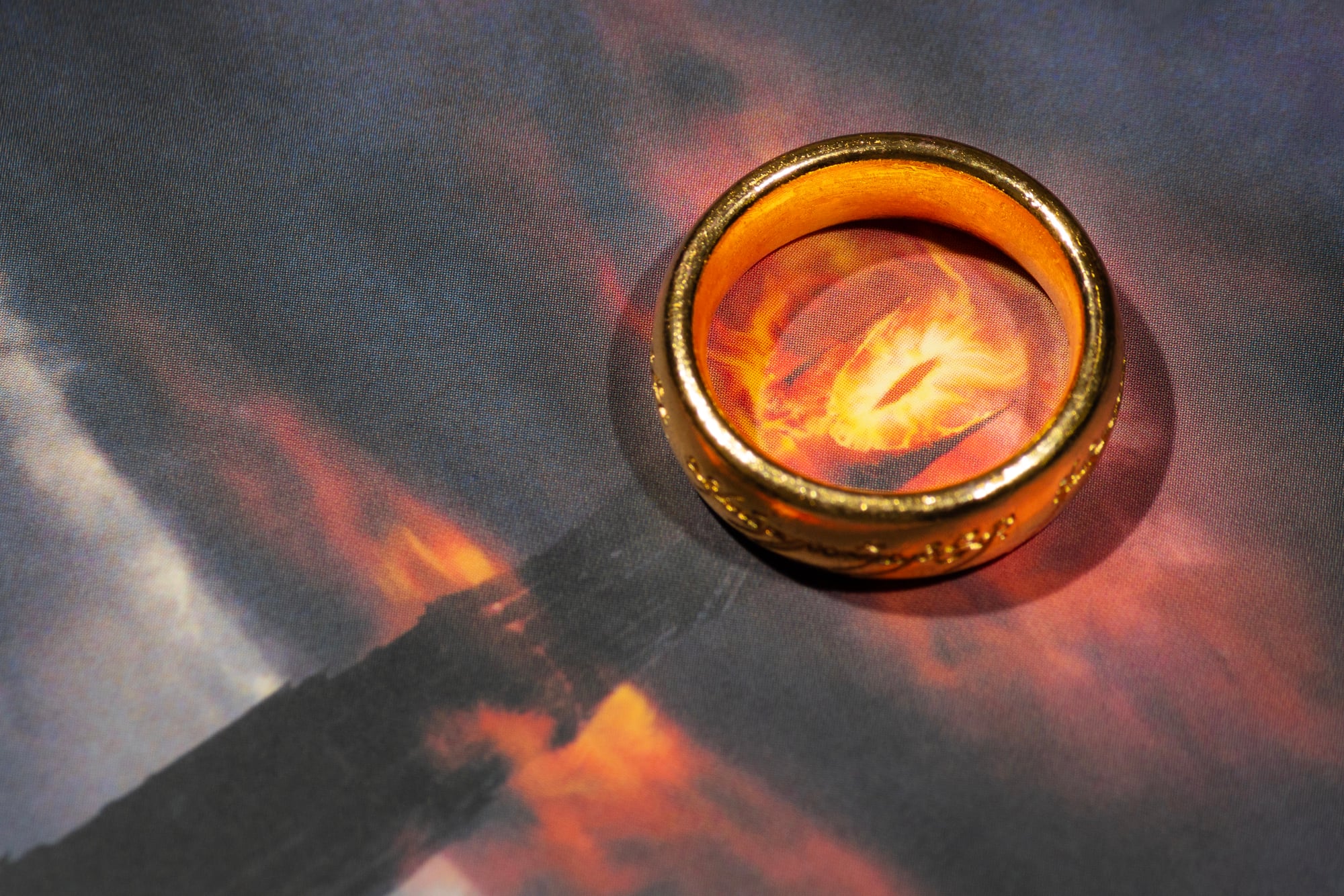
Peter Jackson’s epic adaptation was initially pitched to Miramax, who demanded he condense Tolkien’s trilogy into a single two-hour film—an impossible task that would have gutted the story. When Jackson refused, Miramax gave him just four weeks to find another studio before they would reclaim the project and assign another director.
New Line Cinema’s Bob Shaye took the extraordinary risk of greenlighting three films shot simultaneously, a gamble that paid off with 17 Academy Awards and nearly $3 billion in box office earnings.
Toy Story 2
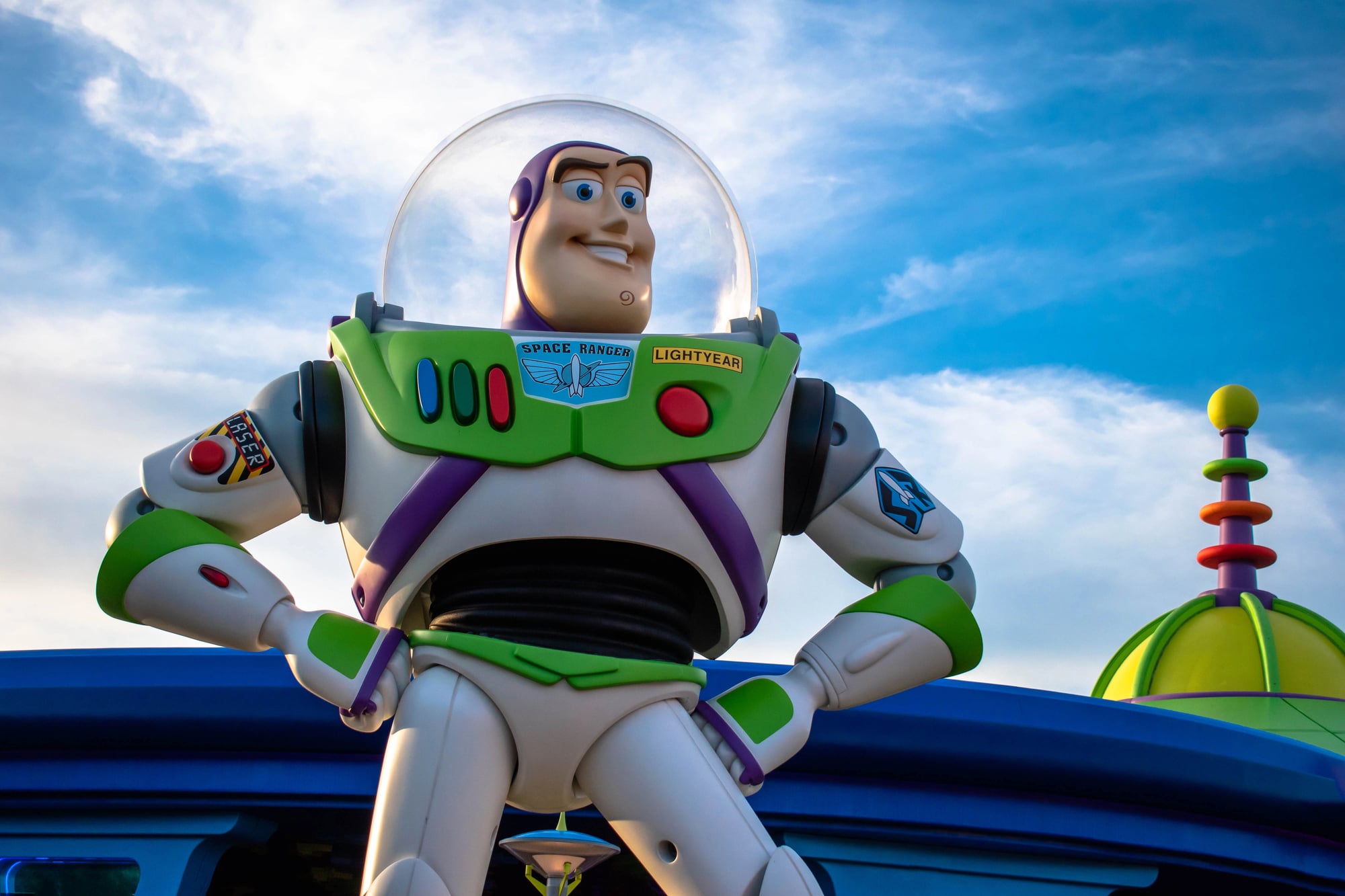
Pixar’s beloved sequel was originally planned as a direct-to-video release that Disney considered unworthy of theatrical distribution. Even worse, someone at Pixar accidentally ran a command that deleted 90% of the film’s files during production, and the backup system had failed.
A technical director who had been working from home due to a new baby happened to have a copy of the movie on her home computer, literally saving the film from digital oblivion.
Raiders of the Lost Ark

Indiana Jones’s first adventure was rejected by every major studio except Paramount, with executives unable to understand the appeal of an old-fashioned adventure serial in the modern era. Even after securing funding, the production battled dysentery that affected 150 crew members during the Tunisia shoot, with Harrison Ford among those who fell ill.
Director Steven Spielberg saved time and created an iconic moment by allowing an exhausted Ford to shoot the swordsman rather than film an elaborate fight sequence.
Rocky
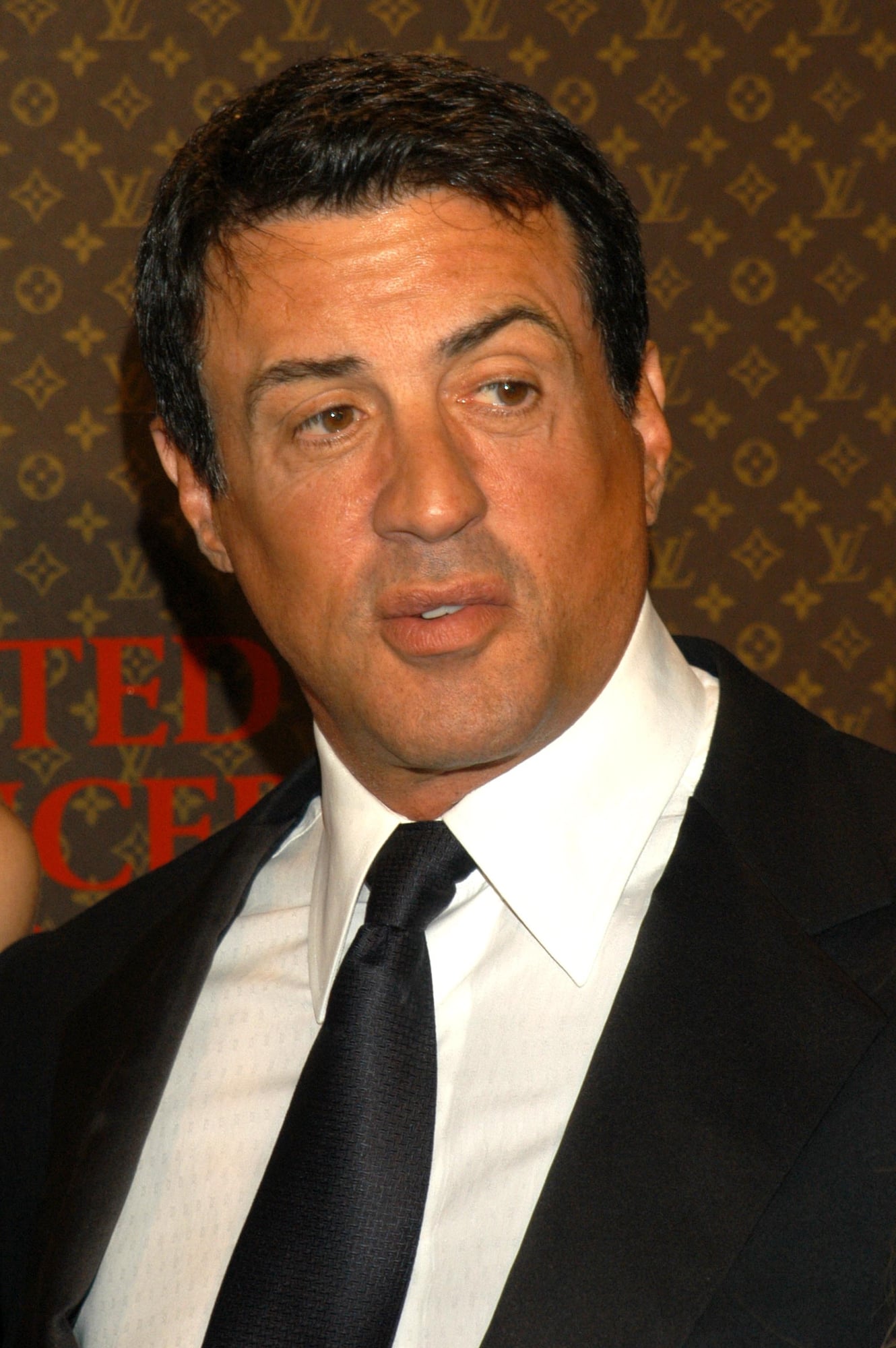
Sylvester Stallone wrote this underdog story while broke and struggling to feed his family, then turned down substantial offers for the screenplay unless he could star in the film. Studio executives wanted an established star like Ryan O’Neal or Burt Reynolds, considering Stallone completely unmarketable as a leading man.
The compromise solution gave Stallone the starring role but with a drastically reduced budget of just $1 million, forcing the production to employ family members as extras and shoot in just 28 days.
Blade Runner

Ridley Scott’s science fiction masterpiece faced studio interference, budget problems, and such a contentious production that crew members made T-shirts reading ‘Will Rogers never met Ridley Scott.’ The director’s perfectionism drove everyone to exhaustion during night shoots in constant artificial rain, while the studio later mandated significant changes including a happy ending and voiceover narration that Harrison Ford deliberately performed poorly in hopes it wouldn’t be used.
E.T. the Extra-Terrestrial

Spielberg’s heartwarming alien tale began as a horror film called ‘Night Skies’ about malevolent aliens terrorizing a family. Columbia Pictures eventually passed on the project, considering it ‘a wimpy Walt Disney movie’ that wouldn’t appeal to audiences.
Spielberg reshaped the concept into a more personal story about childhood loneliness after his parents’ divorce, securing backing from Universal only after agreeing to give the studio a portion of the profits from his previous hit ‘Raiders of the Lost Ark.’
Pulp Fiction
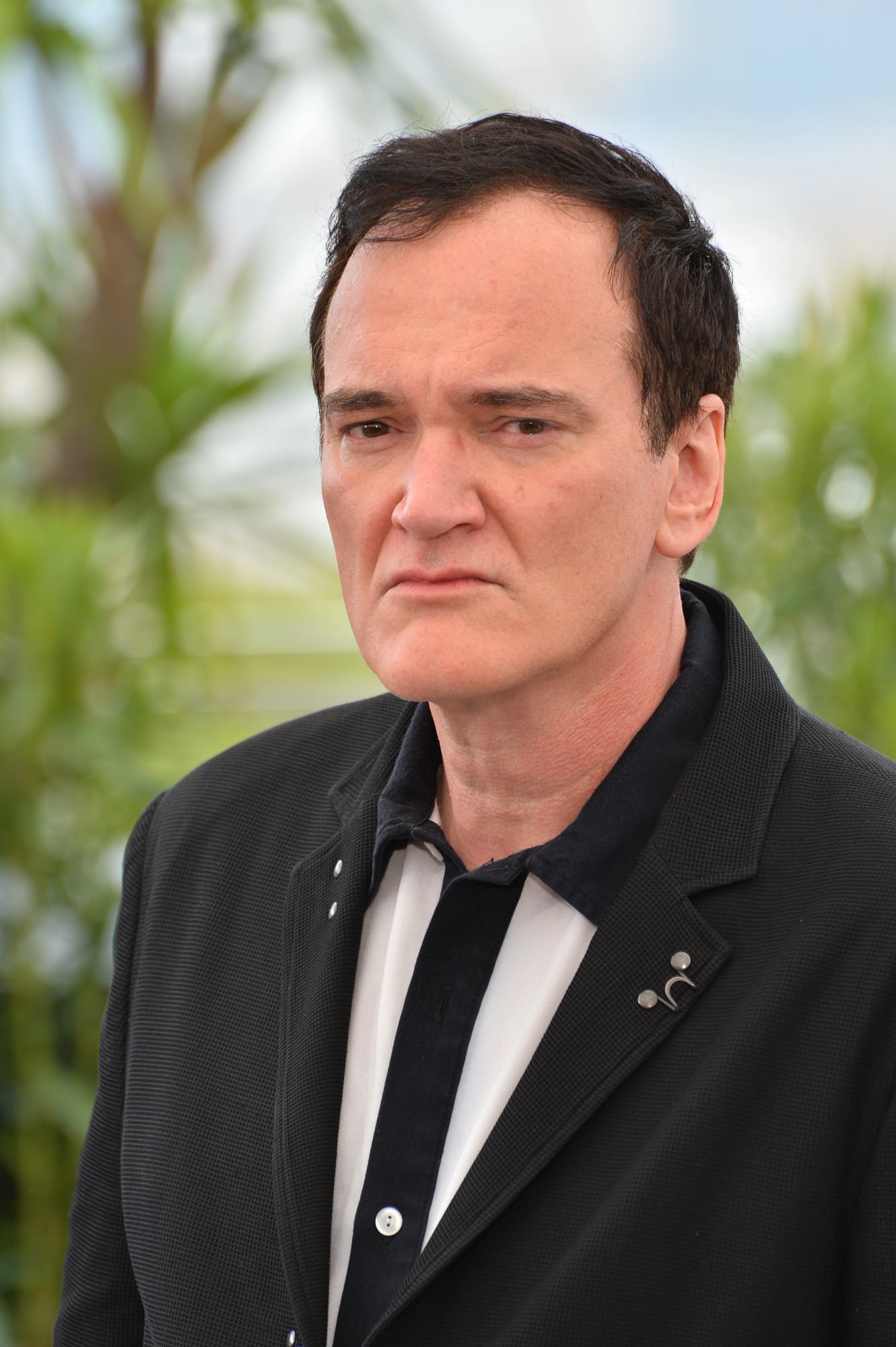
Quentin Tarantino’s groundbreaking film was initially set up at TriStar Pictures, who balked after reading the completed script with its non-linear storytelling, graphic violence, and controversial overdose scene. The studio demanded numerous changes that Tarantino refused to make, leading them to turn the project around.
Miramax’s Harvey Weinstein saw the potential and purchased the rights, allowing Tarantino complete creative control despite the risky subject matter.
Forrest Gump
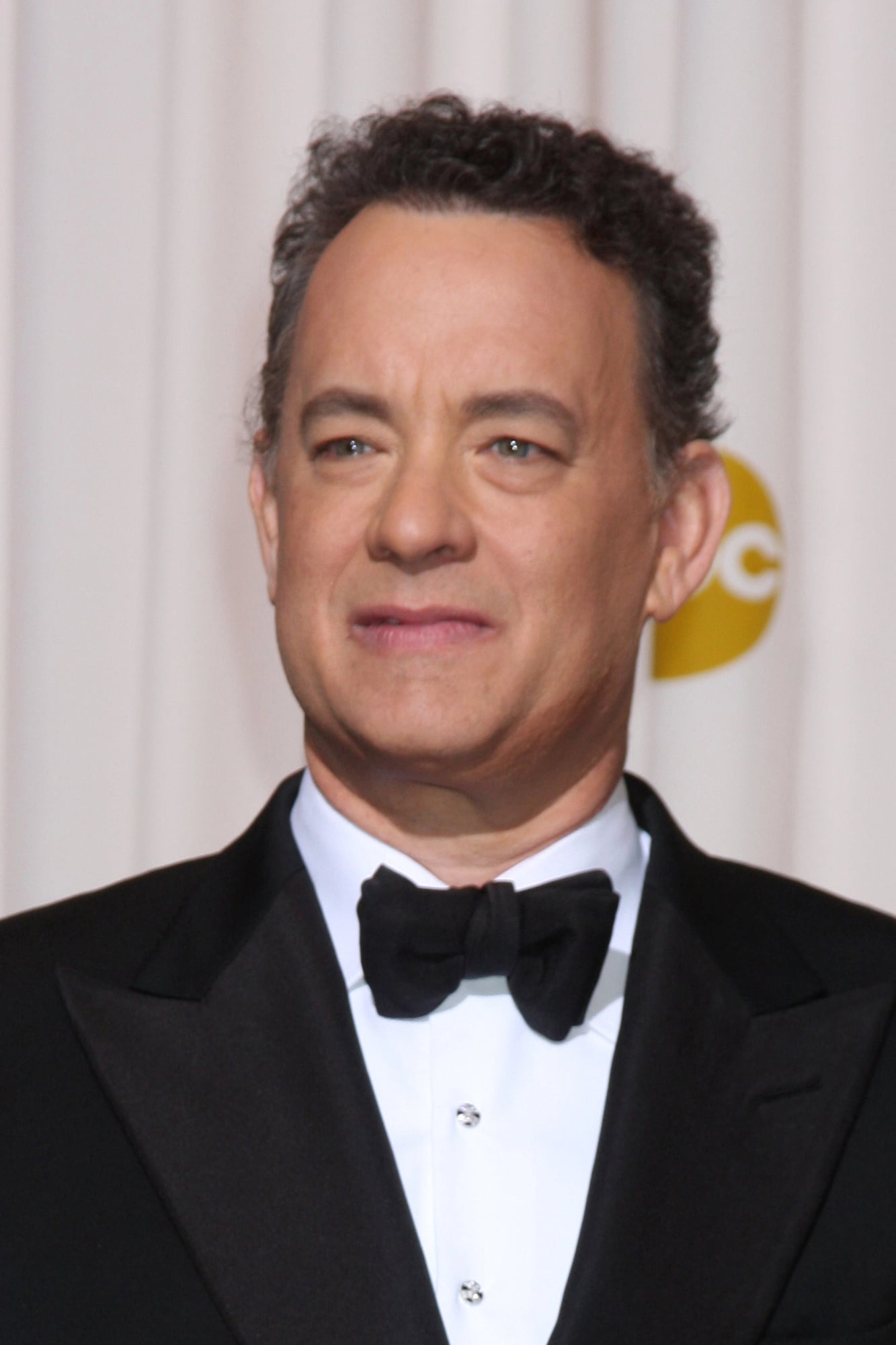
This beloved film nearly collapsed during production when the budget couldn’t cover critical scenes showing Forrest throughout American history. Director Robert Zemeckis believed so strongly in the project that he and star Tom Hanks agreed to forego their salaries in exchange for percentage points at the box office—a financial gamble that eventually earned them over $30 million each when the film became a global phenomenon.
The Exorcist

William Friedkin’s horror classic faced numerous production delays including a studio fire that destroyed the main set, injuries to multiple cast members, and filming that ran months over schedule. The film’s disturbing nature led to persistent rumors of the production being cursed, especially after several people associated with the movie died during production.
Warner Bros. executives initially hated the film’s slow pace and considered re-editing it entirely before reluctantly releasing Friedkin’s version.
Alien
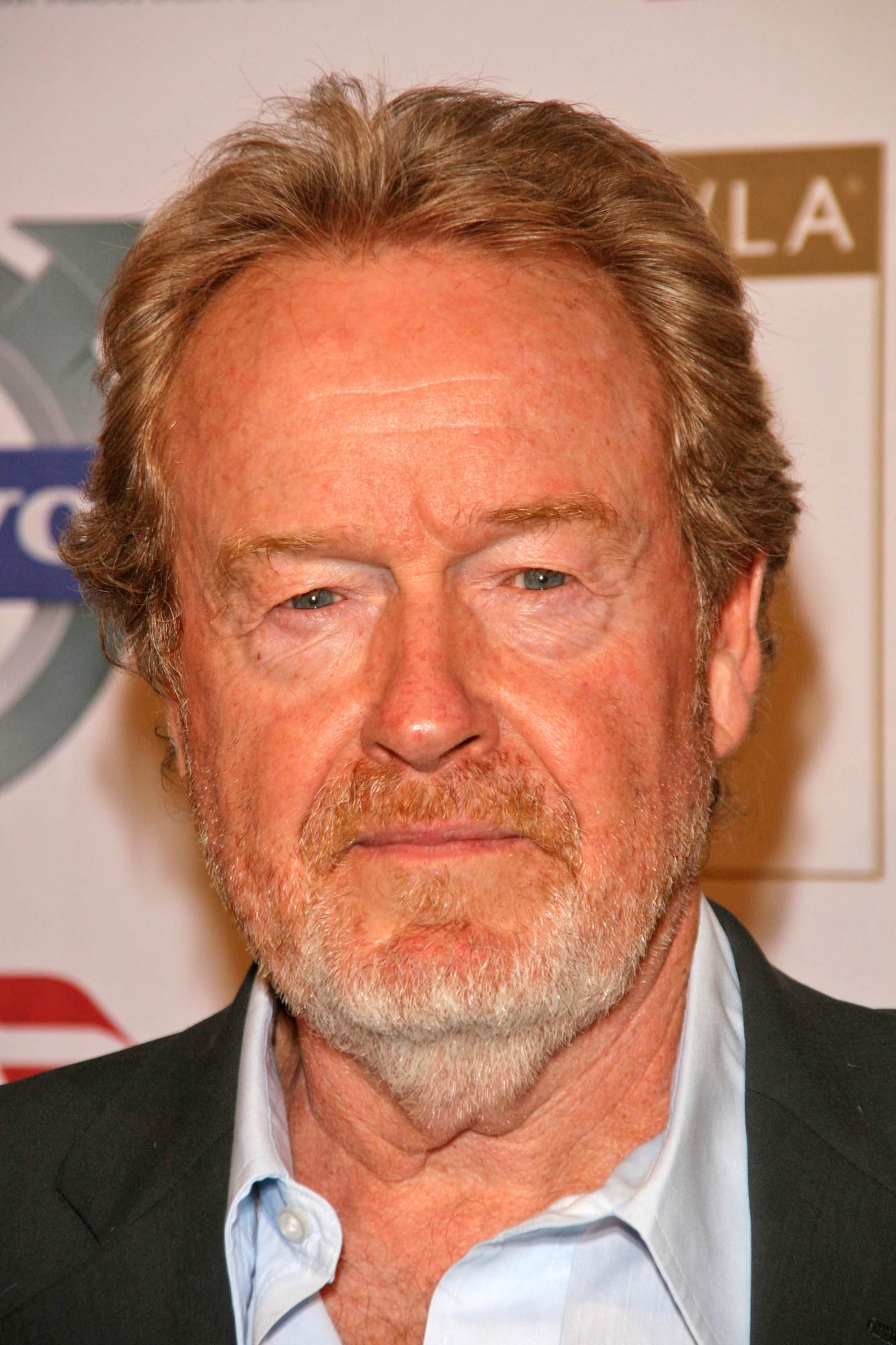
Ridley Scott’s space horror was dismissed as a ‘B movie in space’ before being greenlit, with 20th Century Fox only approving the project after the success of ‘Star Wars’ created demand for science fiction. The studio consistently pressured Scott to cut costs and questioned the slow pace of his shooting style, nearly replacing him during production.
The iconic alien design by H.R. Giger was considered too disturbing by some executives, who pushed for a more conventional movie monster.
It’s a Wonderful Life
Frank Capra’s Christmas classic had major financial challenges, which drove the director to establish an independent studio including other directors just to have it produced. While Capra’s obsession on building a realistic winter hamlet complete with creative artificial snow drove production expenses upward, many questioned the commercial viability of the film’s gloomy themes and portrayal of death.
Originally released, the movie did not do well at the box office; until decades later, television shows helped to make it a beloved classic.
The Shawshank Redemption
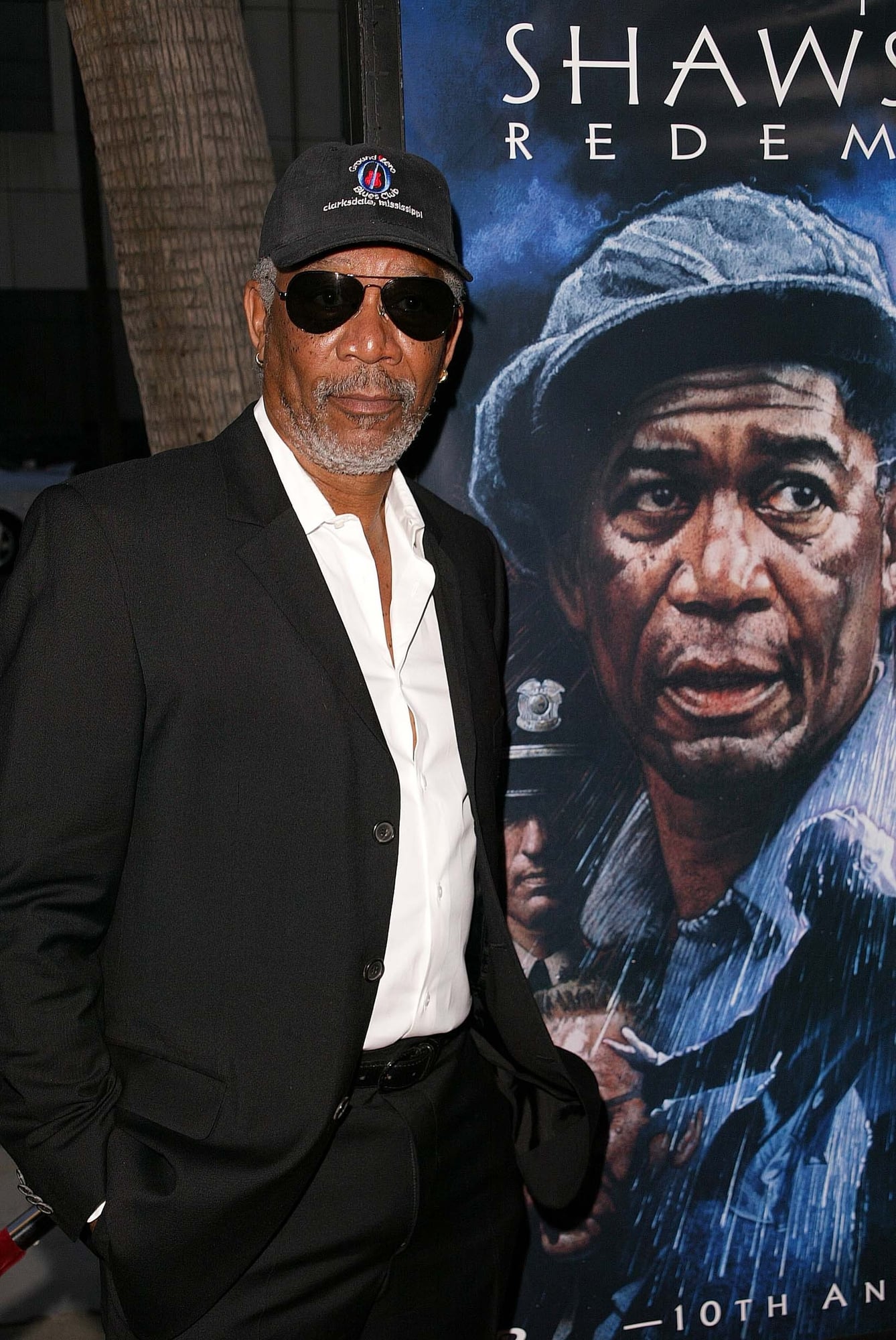
This prison drama was considered too long, too depressing, and too uncommercial by most studios, with Castle Rock Entertainment finally agreeing to a modest budget. The film’s initial box office performance was disastrous, earning just $16 million during its theatrical run despite critical acclaim.
Director Frank Darabont declined to reshoot the ending to make it more upbeat, maintaining his artistic vision even as the film seemed destined for obscurity before finding its audience through home video and cable television.
From Crisis to Classic: Cinema’s Triumph Against the Odds

These films demonstrate how some of the most treasured cinematic experiences emerged from chaotic productions, studio doubts, and seemingly insurmountable obstacles. The creative vision that powered these projects through financial crises, logistical nightmares, and industry skepticism serves as a testament to filmmaking’s unpredictable alchemy—where sometimes the most troubled productions yield timeless classics that audiences cherish for generations.
More from Go2Tutors!

- 16 Historical Figures Who Were Nothing Like You Think
- 12 Things Sold in the 80s That Are Now Illegal
- 15 VHS Tapes That Could Be Worth Thousands
- 17 Historical “What Ifs” That Would Have Changed Everything
- 18 TV Shows That Vanished Without a Finale
Like Go2Tutors’s content? Follow us on MSN.