29 Products Banned in America but Sold Everywhere Else
There’s something quietly strange about walking into a grocery store in London or Paris and finding products on the shelf that would never make it past U.S. customs. Not because they’re exotic or rare — but because they’re completely ordinary there and flatly prohibited here.
The U.S. has some of the most aggressive consumer protection regulations in the world, which sounds like a good thing, and often is. But the list of banned products tells a more complicated story: one about lobbying, inconsistency, and the occasional regulatory overreach that leaves Americans wondering why the rest of the world seems perfectly fine.
Kinder Surprise Eggs
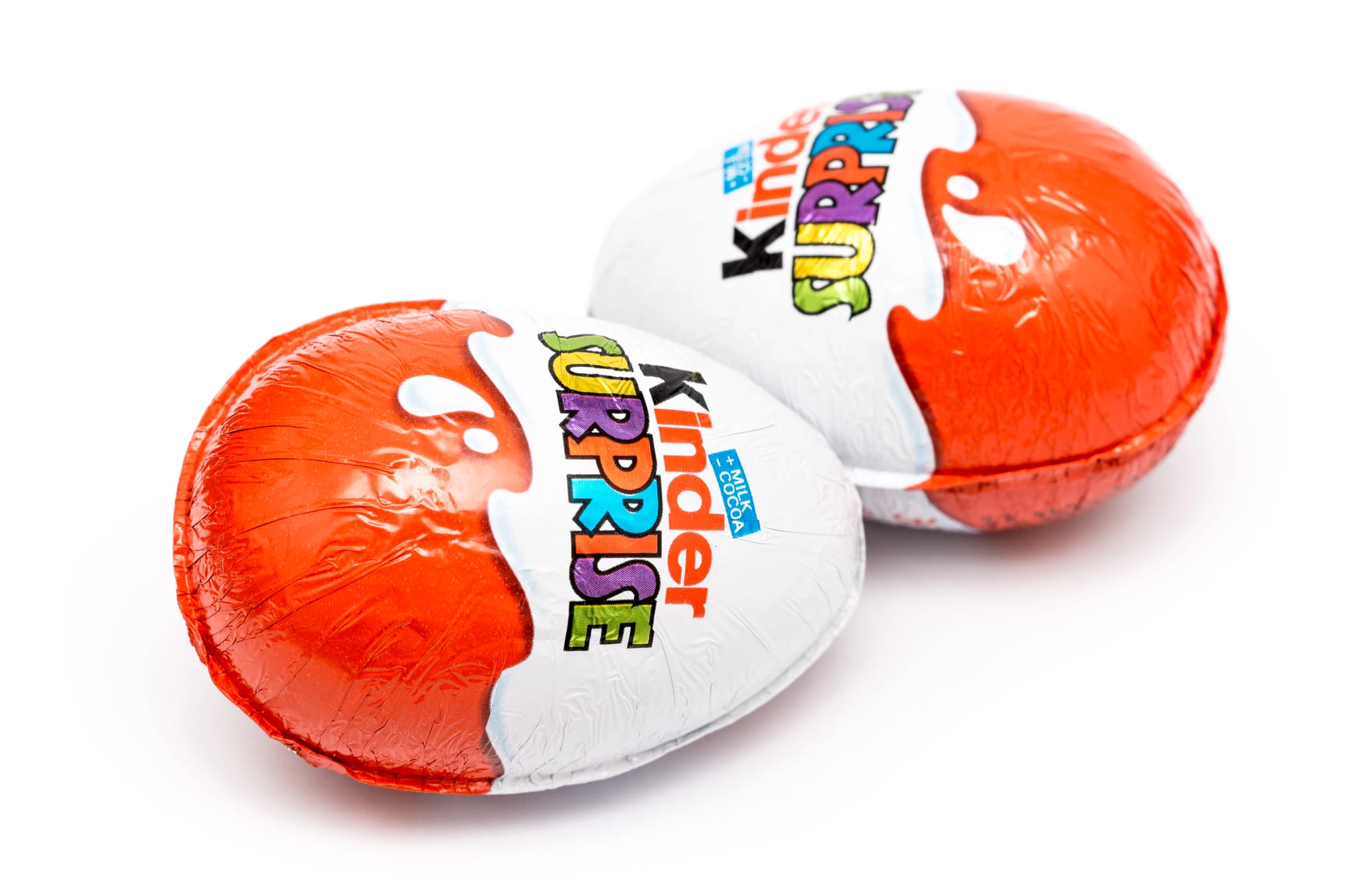
Kinder Surprise eggs are banned in the United States under a 1938 law that prohibits embedding non-food items inside confectionery. The logic is that a child could choke on the toy hidden inside the chocolate shell.
Everywhere else on earth — Europe, Canada, Latin America, Australia — children have been cracking these open for decades without the sky falling.
Haggis
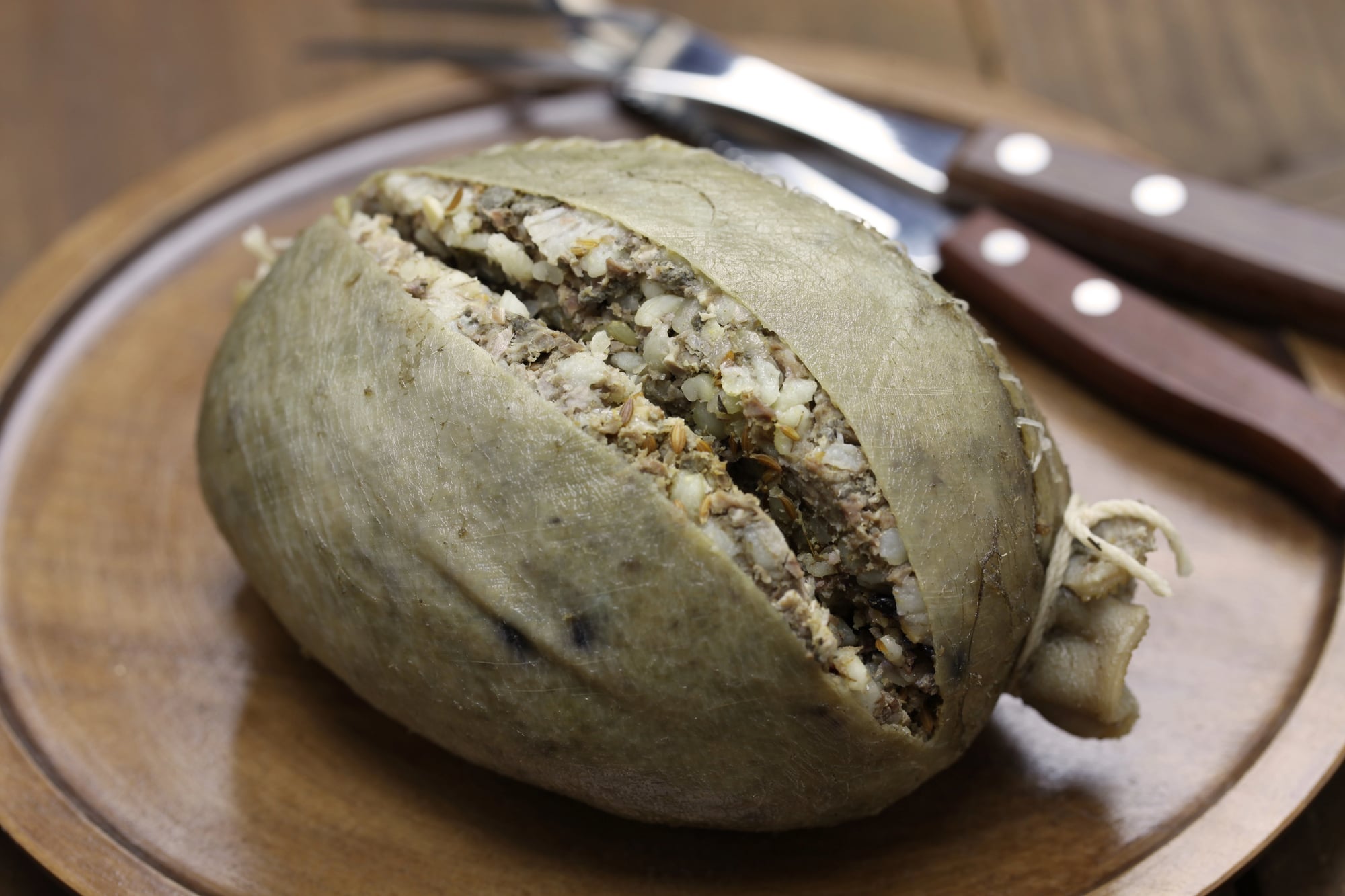
Scotland’s national dish is effectively illegal in its traditional form in the U.S. because it contains sheep lung, which the USDA banned from human consumption in 1971. The ban applies specifically to livestock lungs on the grounds of potential contamination during slaughter.
Scotland finds this deeply unimpressive, and the haggis exports to America remain blocked regardless of how many Scottish expats loudly object.
Casu Marzu
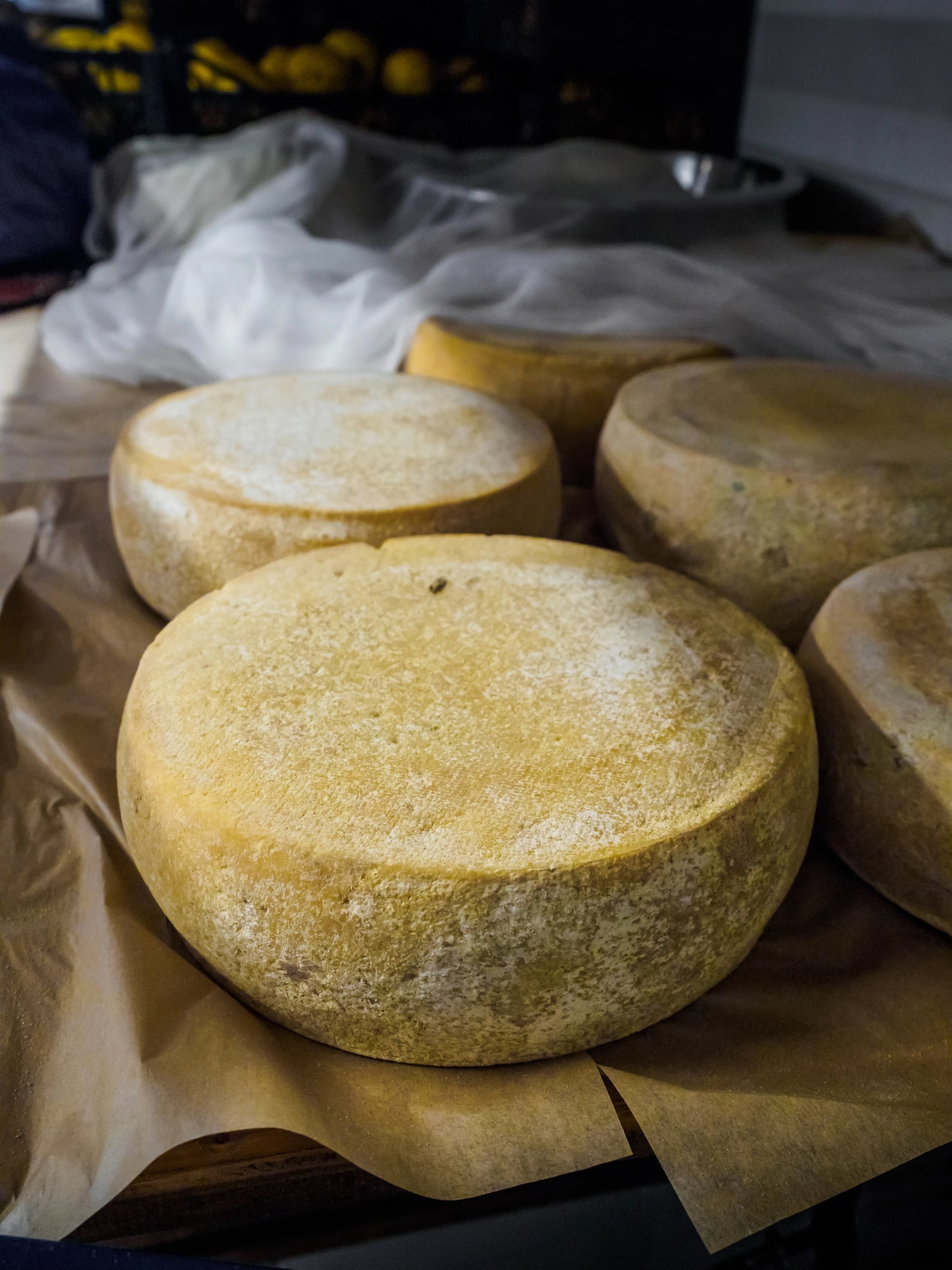
Casu marzu — a Sardinian cheese that contains live insect larvae — is banned in the U.S. by the FDA on the not-entirely-unreasonable grounds that it contains living organisms that weren’t supposed to be in the food. It’s technically also illegal under EU food safety law, which makes Sardinia something of an outlier even by European standards.
And yet in the villages where it’s made, it has been eaten continuously for centuries.
Raw Milk
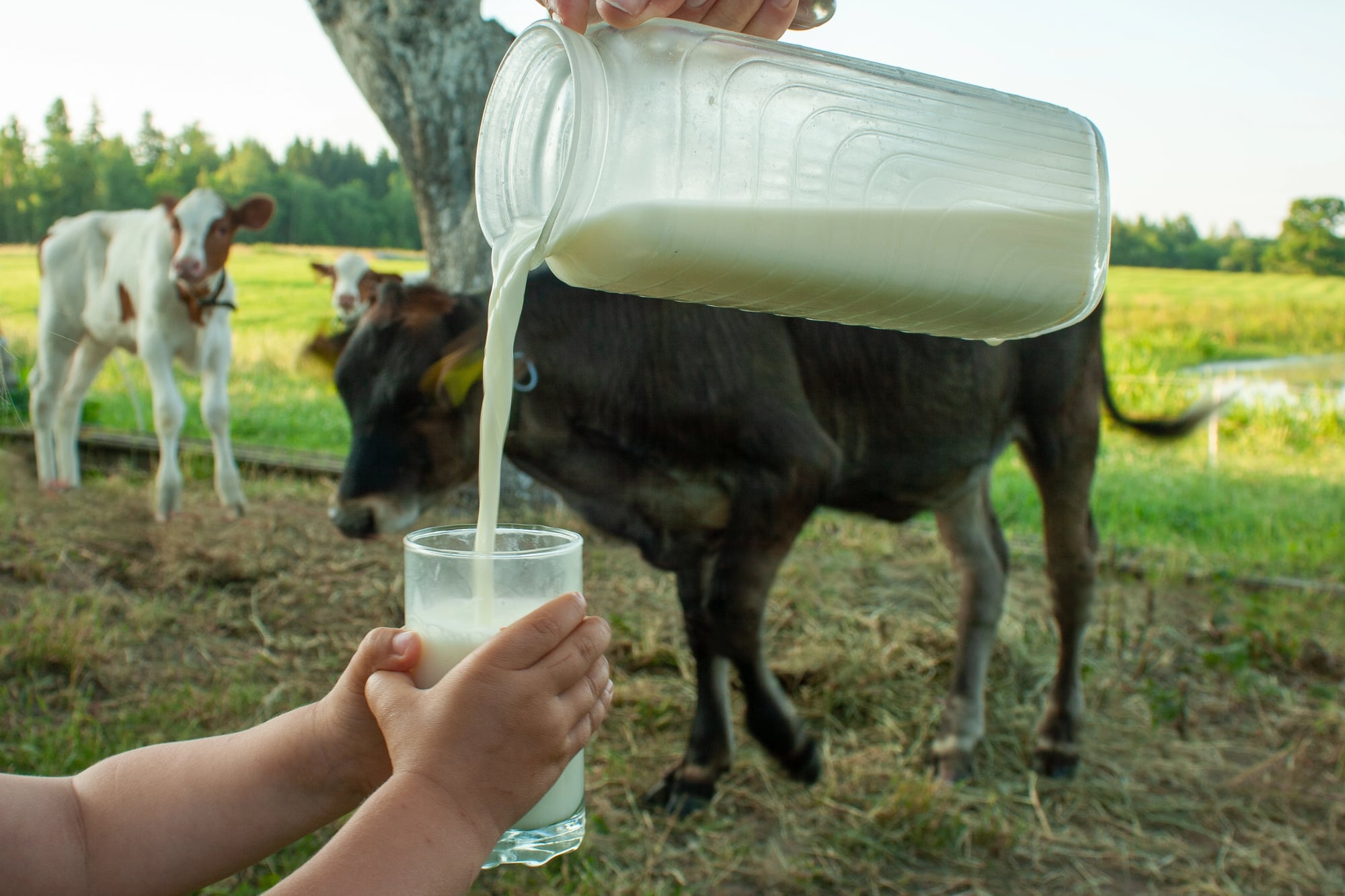
Raw, unpasteurized milk is legal to sell in roughly 30 countries with minimal restriction, but in the U.S. it’s illegal to sell across state lines and banned outright in many states. The FDA’s concern is bacterial contamination — salmonella, E. coli, listeria — and the risk is real, not invented.
Even so, an increasingly vocal community of Americans drives considerable distances to farms in states where it’s still permitted, which is its own kind of statement.
Certain British Crisps and Snacks
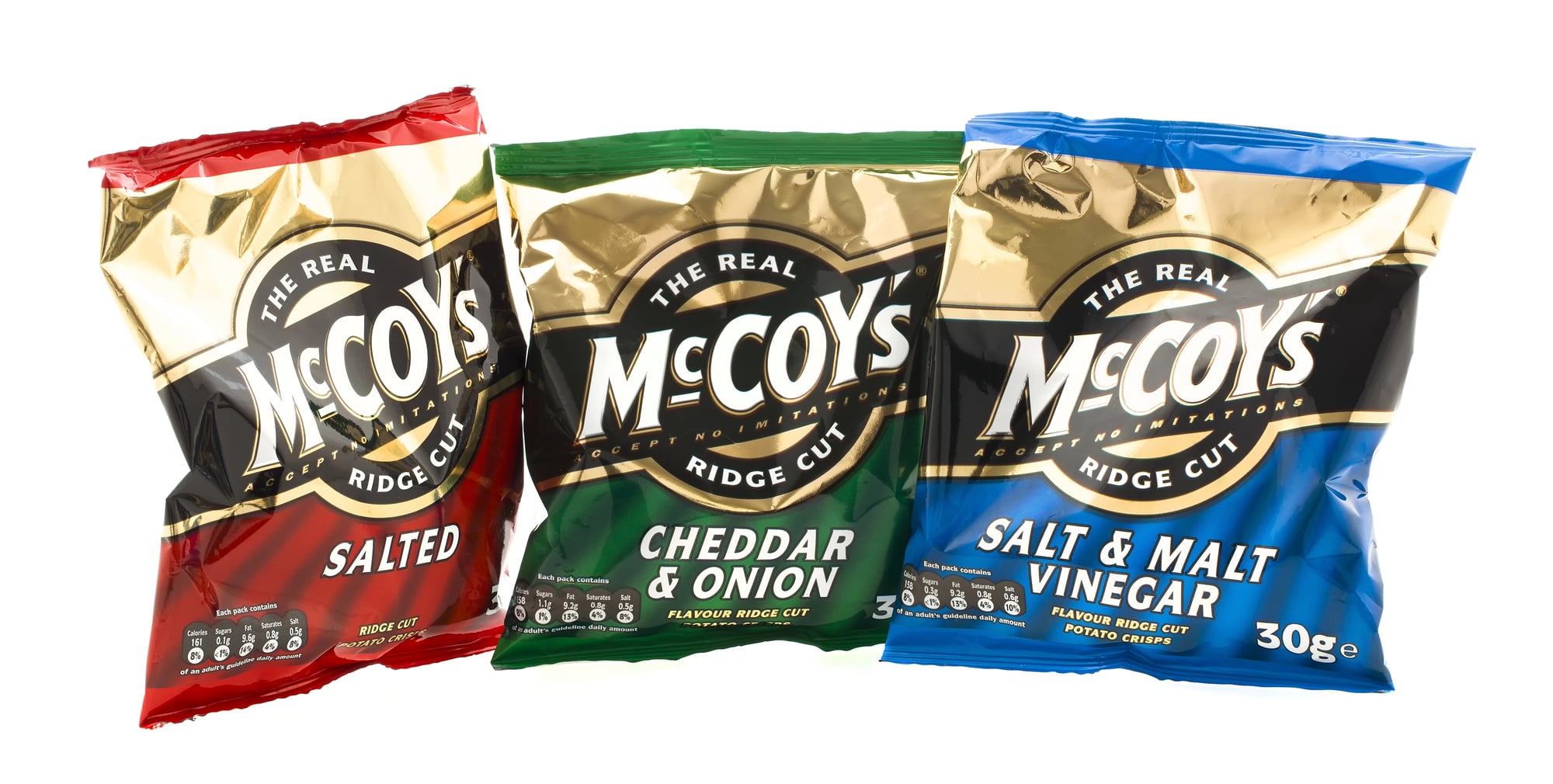
Some British snack products — particularly those using certain artificial colorings like tartrazine or certain additives — run into FDA approval issues that keep them off American shelves as standard commercial imports. The irony is that the EU itself has moved toward restricting some of those same colorings, yet the products remain freely sold throughout the UK.
American fans of Wotsits and certain crisp varieties know this frustration intimately.
Ackee Fruit
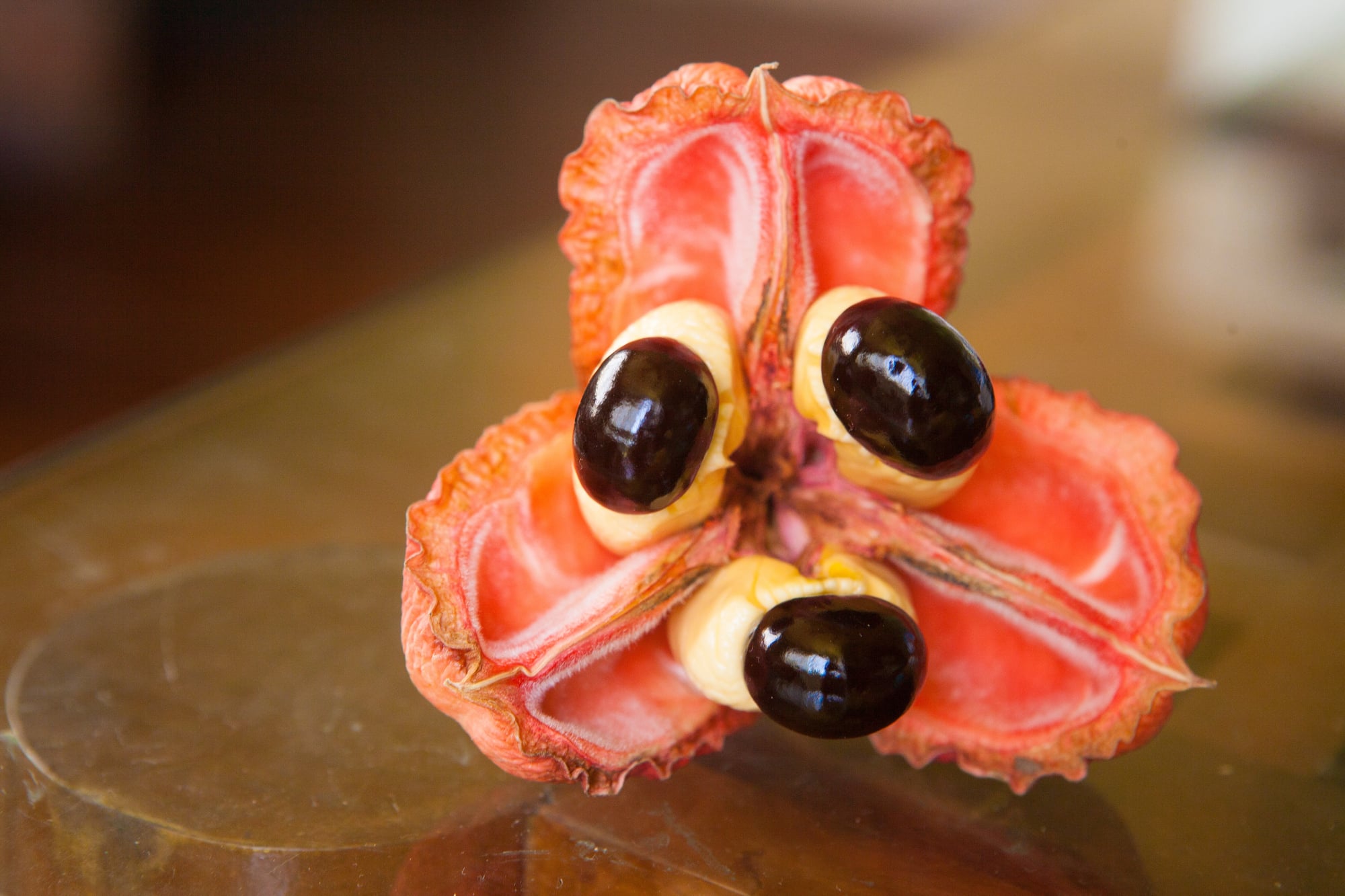
Ackee — the national fruit of Jamaica — is banned in its fresh or improperly prepared form in the United States because unripe ackee contains a toxin called hypoglycin A that can cause vomiting and, in serious cases, death. Canned, properly processed ackee is available in the U.S. under FDA guidelines, but the fresh fruit that Jamaicans eat casually and constantly remains restricted.
It’s one of those cases where the ban is technically defensible, even if it still strikes Jamaican immigrants as excessive.
Beluga Caviar
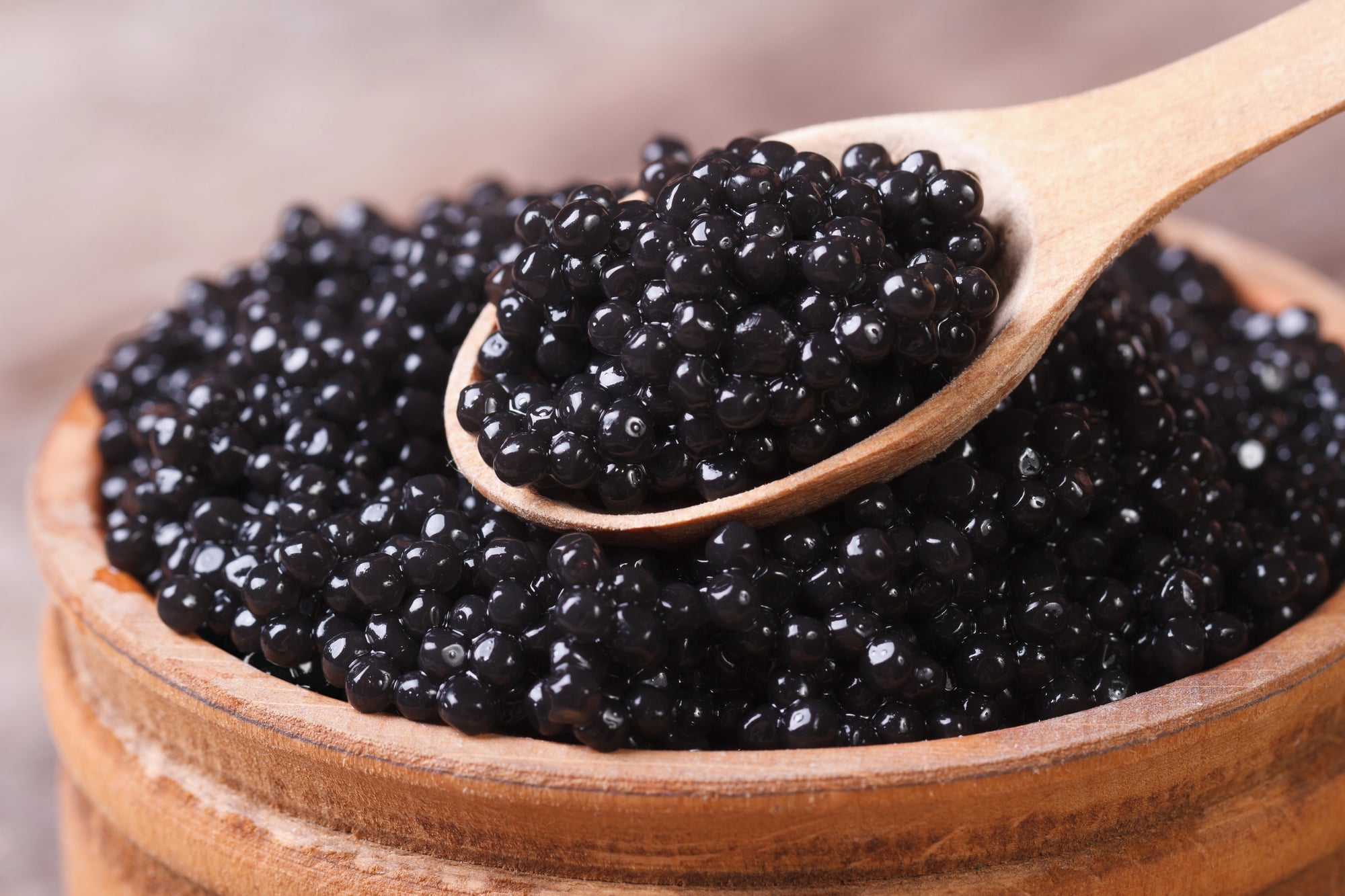
The U.S. banned the import of beluga caviar from the Caspian Sea in 2005 under the Endangered Species Act, citing the catastrophic decline of beluga sturgeon populations. Russia, Iran, and several other Caspian nations continued exporting it legally to Europe and elsewhere throughout that period.
The ban has broad conservation support, but it does mean that American fine dining is missing the one caviar that’s genuinely considered the benchmark.
Unpasteurized Cheese Aged Under 60 Days
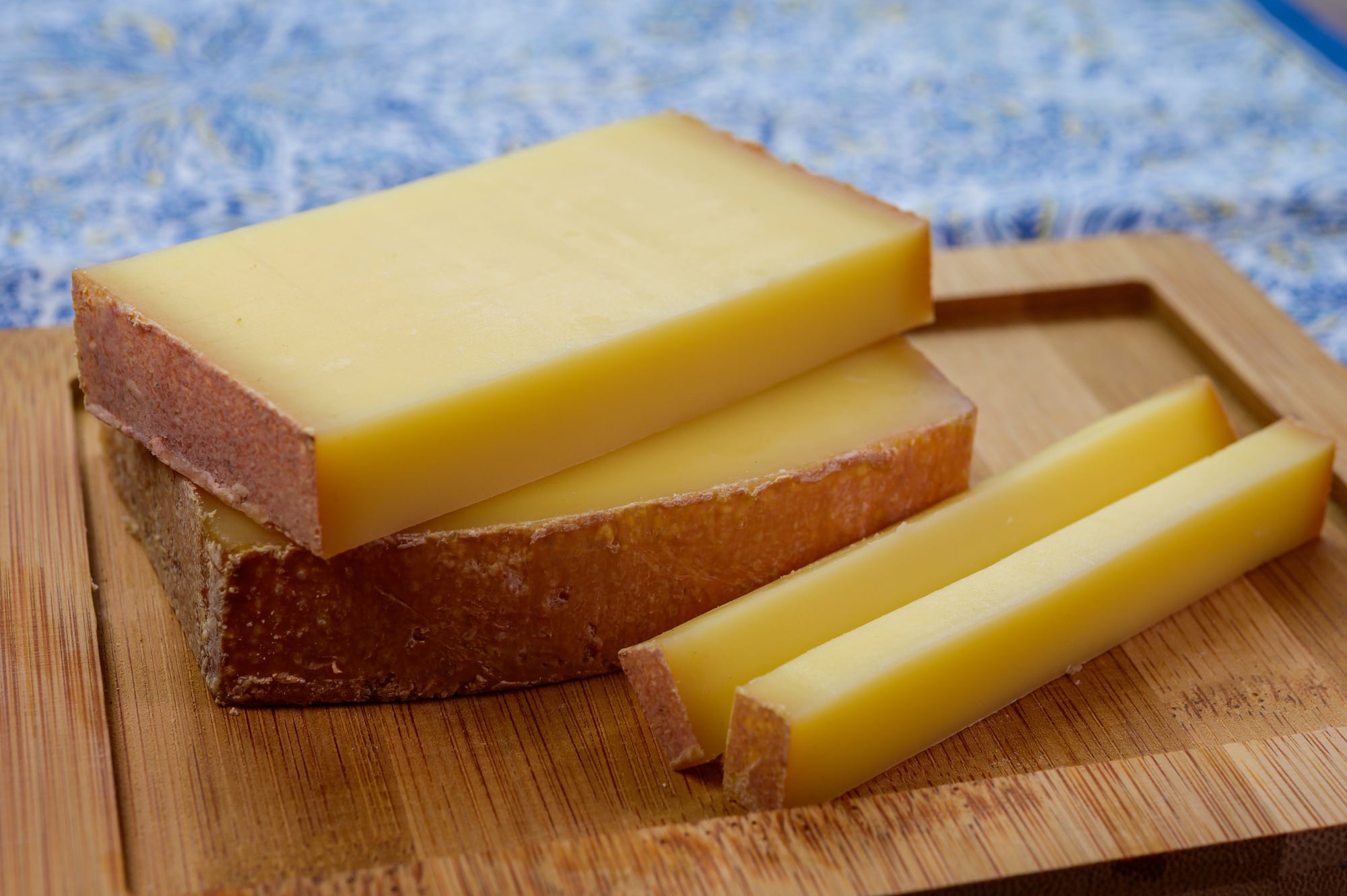
The FDA requires that any cheese made from unpasteurized milk be aged for a minimum of 60 days before it can be sold in the United States. This rules out a long list of celebrated soft and fresh cheeses — certain French bries, camemberts made in the traditional manner, and various artisan varieties that European consumers take for granted.
French cheesemakers have complained about this regulation for decades, and the authentic versions of some of the world’s most iconic cheeses simply cannot be legally imported here.
Mirabelle Plums
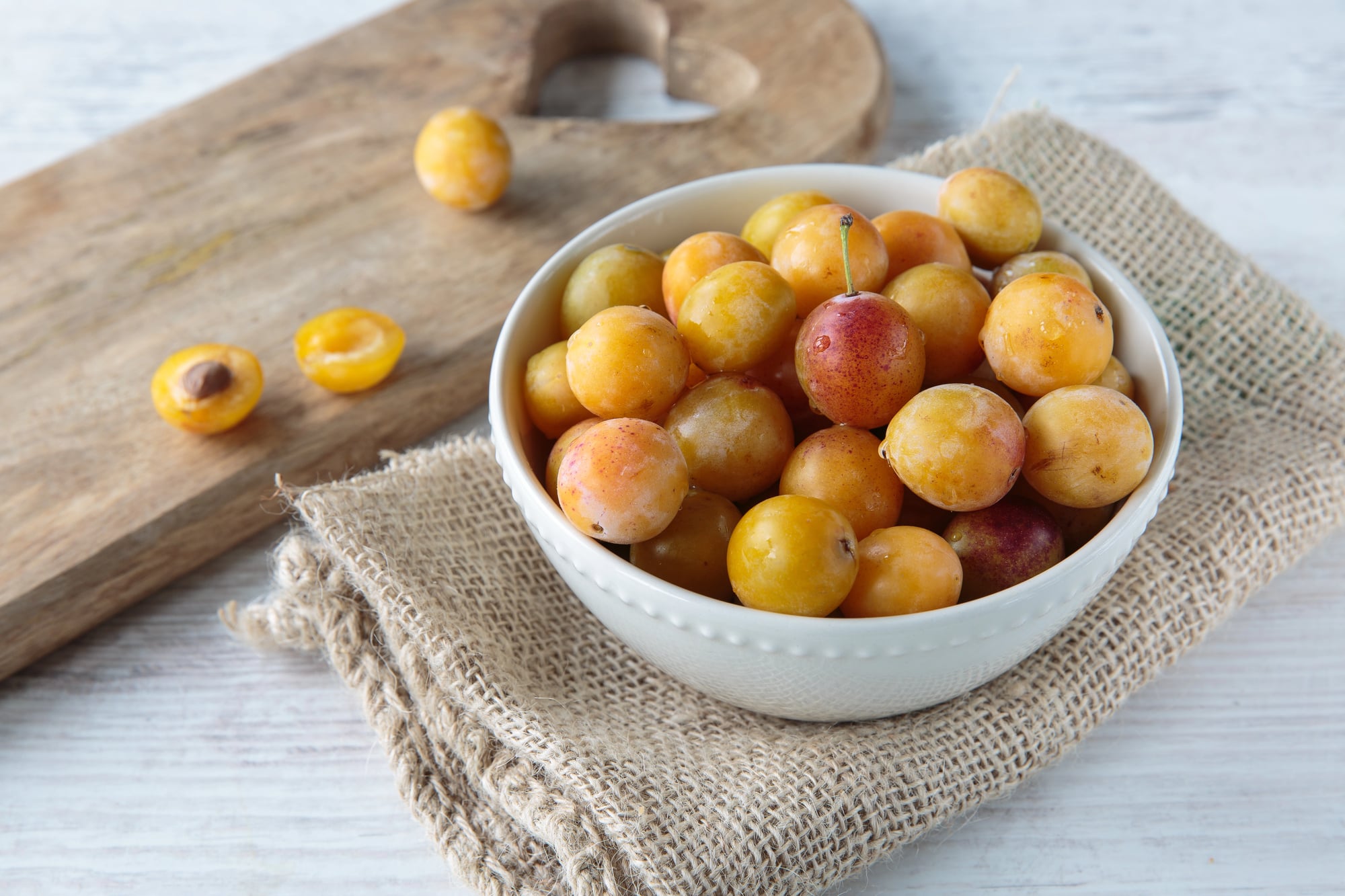
Mirabelle plums — small, golden, intensely sweet fruit grown almost exclusively in the Lorraine region of France — are effectively banned from import into the U.S. through a combination of agricultural import restrictions designed to protect American fruit growers and phytosanitary regulations. France actually enforces a protected geographical indication on the fruit, and between that and U.S. import rules, fresh mirabelles don’t make it across the Atlantic.
Americans who’ve encountered them in France tend to remember the experience.
Sassafras Oil
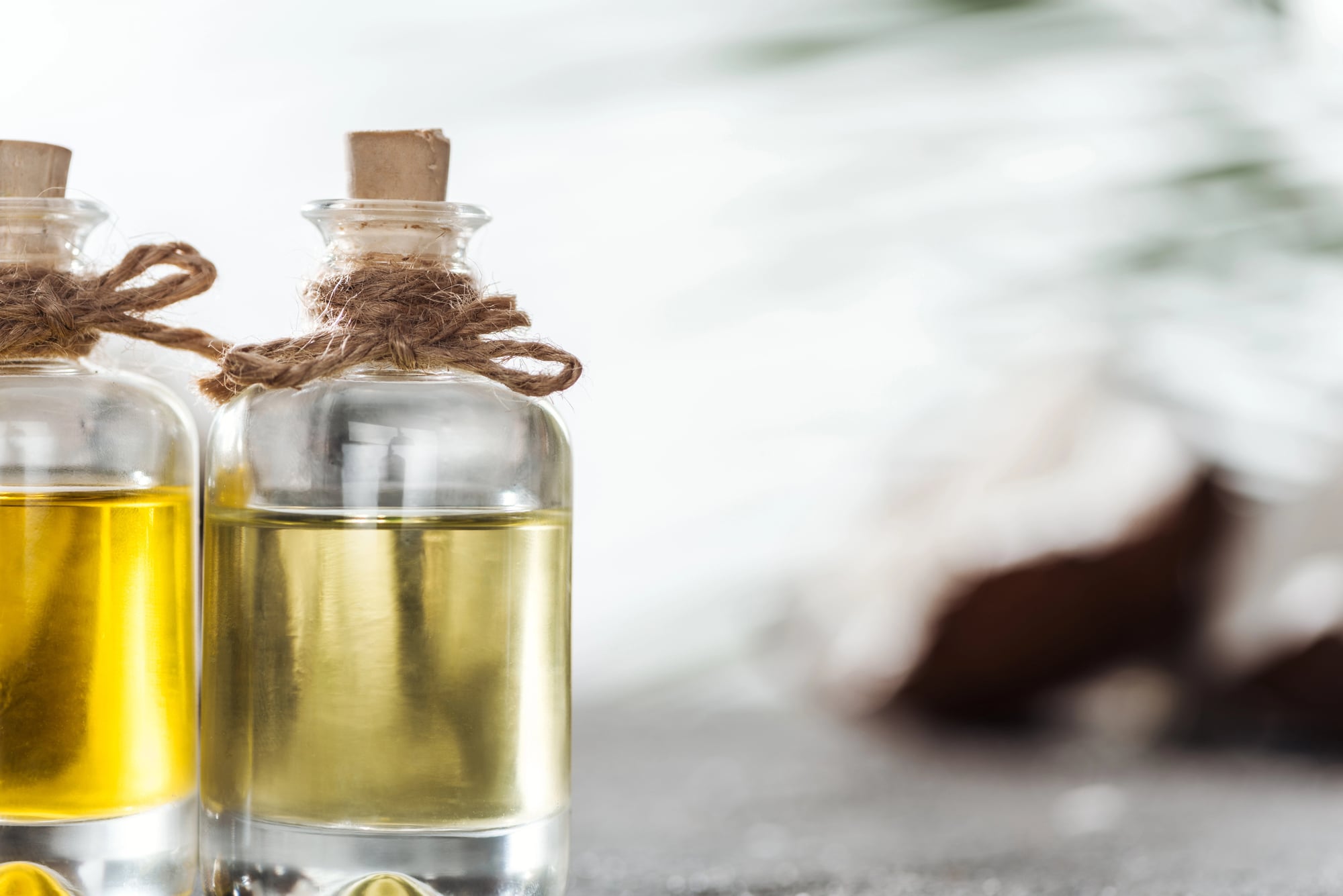
Sassafras oil — once used to flavor root beer and various traditional medicines — was banned by the FDA in 1976 after studies linked safrole, its primary compound, to liver cancer in rodents. Root beer manufacturers switched to artificial flavoring as a result, which is why modern American root beer tastes noticeably different from the original.
The oil remains available in various forms in other countries and in traditional herbal markets globally.
Brominated Vegetable Oil (BVO)
Brominated vegetable oil was used as an emulsifier in certain citrus-flavored drinks in the U.S. for decades before the FDA finally revoked its authorization in 2024, citing concerns about bromine accumulating in the body. European countries and Japan had already banned it years earlier.
It’s a case where the rest of the world moved faster, which doesn’t happen often enough to feel routine.
Certain Poppy Seeds
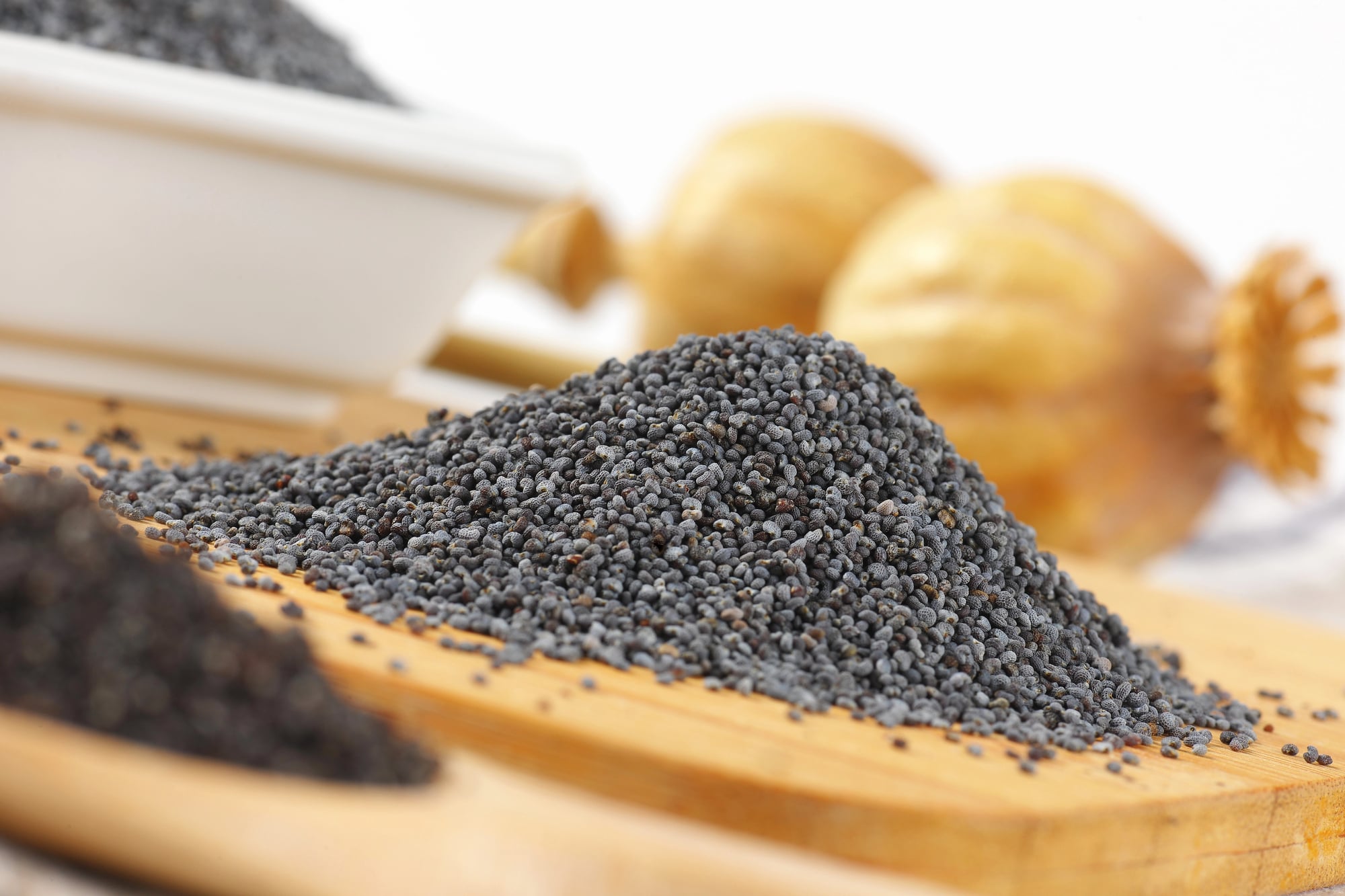
Raw, unwashed poppy seeds — a standard pantry item in much of Central Europe, used in pastries, breads, and traditional desserts — exist in a regulatory gray area in the U.S. because they can retain trace amounts of morphine and codeine from the poppy plant. The DEA has taken an inconsistent approach to them over the years, and while culinary poppy seeds are sold in American stores, the high-concentration unwashed varieties common in European baking are effectively unavailable.
Austrian and German bakers would find the whole situation confusing.
Cyclamates
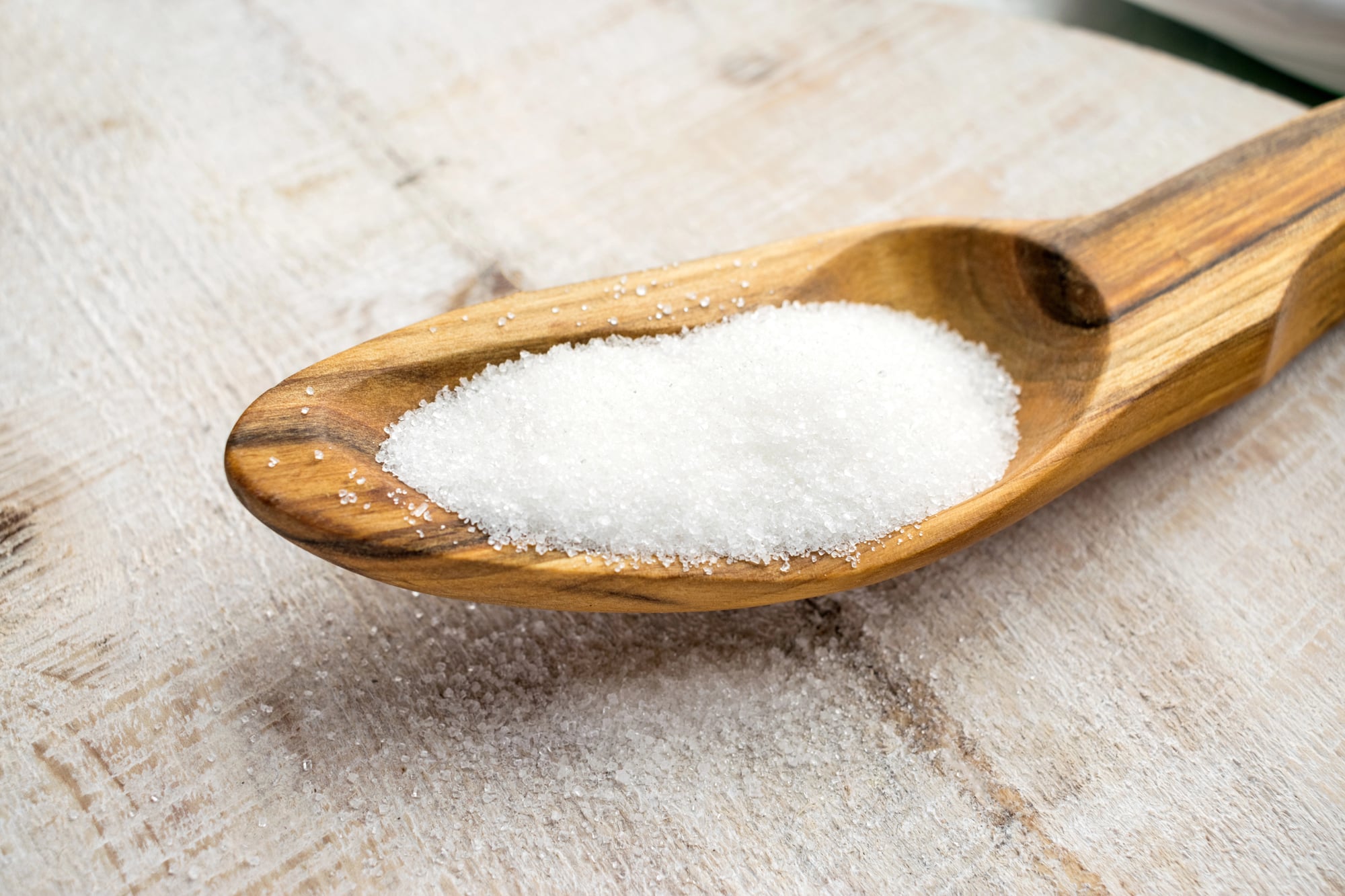
Cyclamates — artificial sweeteners widely used across Europe, Canada, and Australia as a low-calorie sugar alternative — were banned by the FDA in 1969 after a study suggested a link to bladder cancer in rats. Subsequent research largely failed to replicate those findings, and the World Health Organization considers them safe, but the FDA has never reversed the ban.
It’s been over 50 years, which is a long time to be waiting on a regulatory update.
Shark Fins
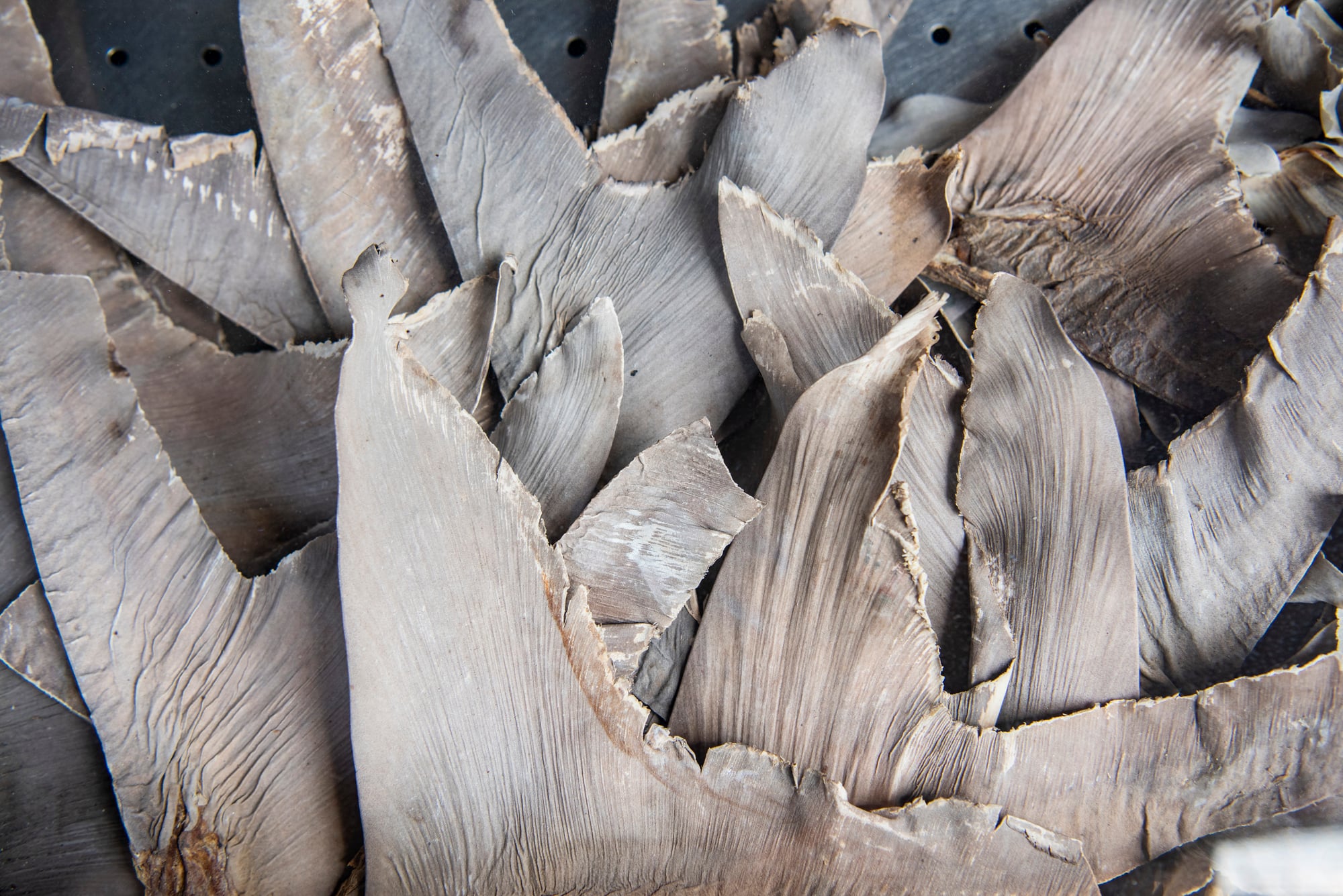
The sale of shark fins is banned in 12 U.S. states and federally restricted under the Shark Fin Sales Elimination Act passed in 2023, making the U.S. one of the stricter countries on the issue. In much of Asia and in several other markets, shark fin soup remains a legal and culturally significant dish at formal occasions.
The U.S. ban is driven by conservation concerns over shark population collapse from finning practices.
Horse Meat
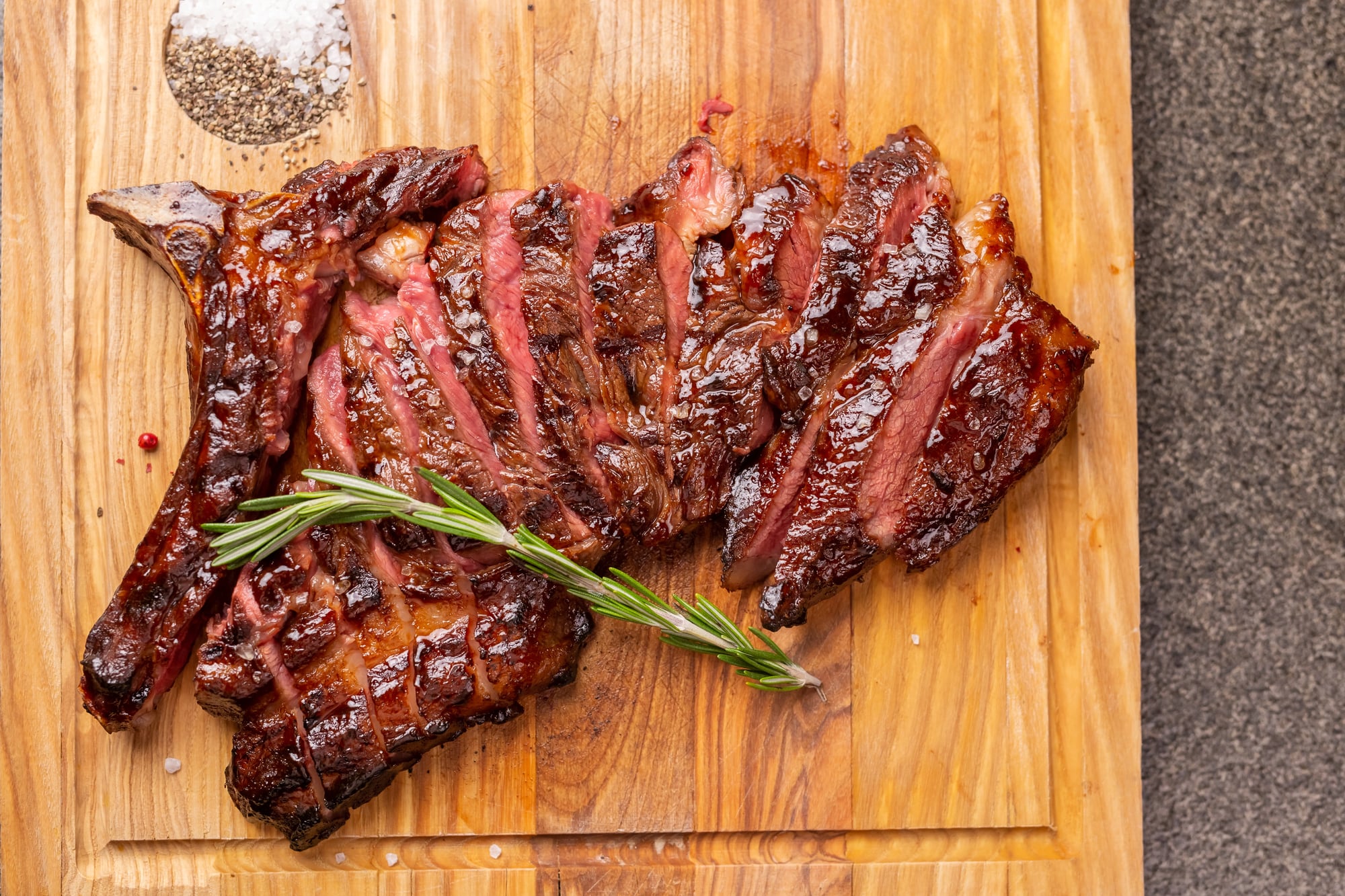
Horse meat is not explicitly illegal under federal law in the United States, but the last horse slaughter facility closed in 2007 after Congress defunded USDA inspections of horse slaughter plants, which effectively made commercial horse meat production non-viable. In France, Belgium, Japan, and Kazakhstan, horse meat is a perfectly ordinary protein found in butcher shops and restaurants.
The American cultural attachment to horses as companions rather than livestock is the real force behind its absence from the market.
Foie Gras
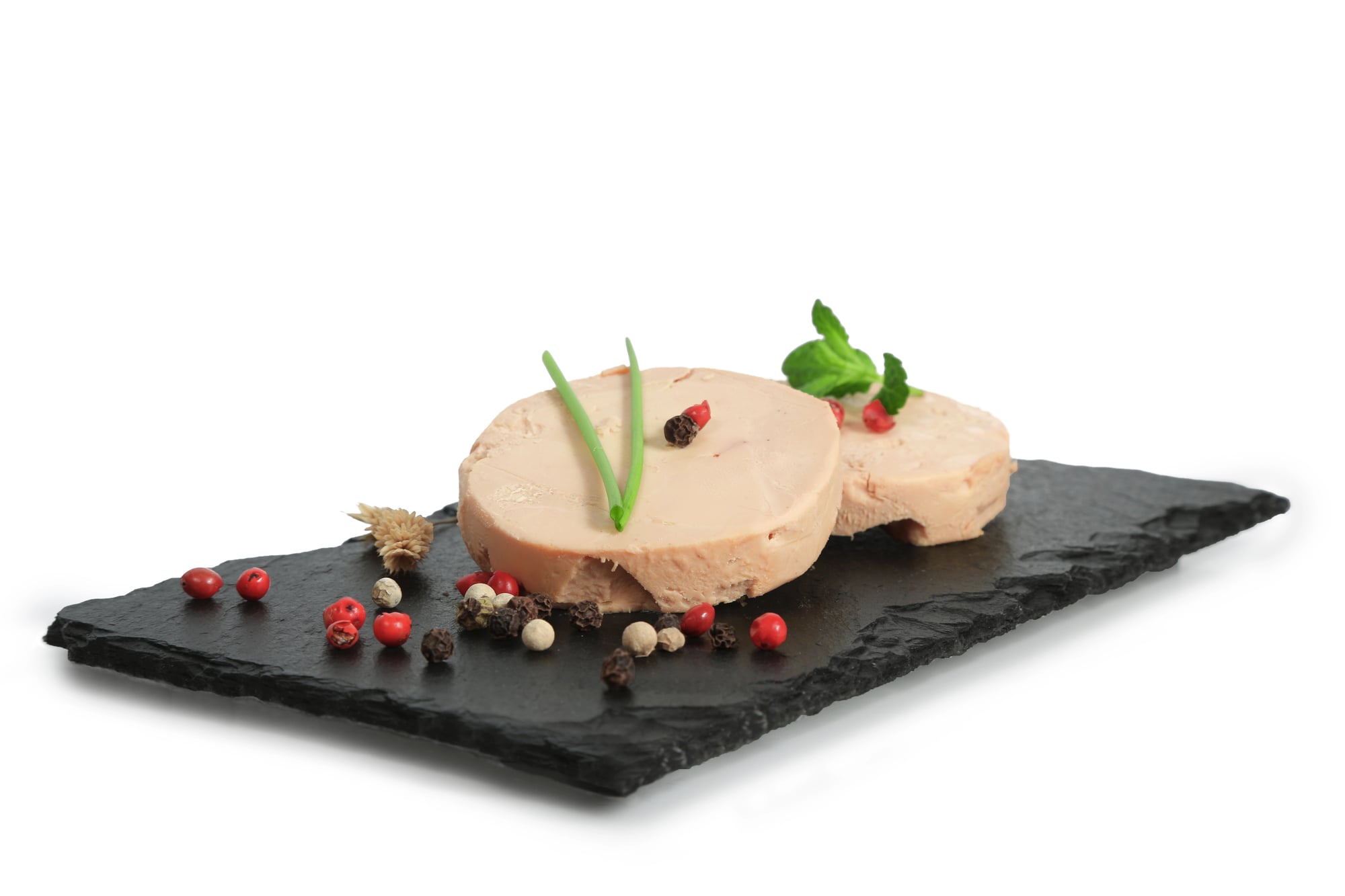
Foie gras — fatty duck or goose liver produced through a force-feeding process — is banned in California and was briefly banned in New York City, though both laws have faced legal challenges. At the federal level it remains legal, making the U.S. situation a patchwork rather than a national prohibition.
France, Spain, and Hungary produce it freely and consider the dish a protected cultural tradition rather than an animal welfare issue.
Certain Lawn Darts

The original Lawn Darts — the weighted, metal-tipped projectile game sold to American families in the 1970s and 1980s — were banned by the CPSC in 1988 after multiple deaths and thousands of injuries, primarily involving children. The same product was banned in Canada but remained available in parts of Europe under different safety classifications.
The U.S. version that replaced it uses blunt, rounded tips and is a distinctly less dangerous game.
Four Loko (Original Formula)
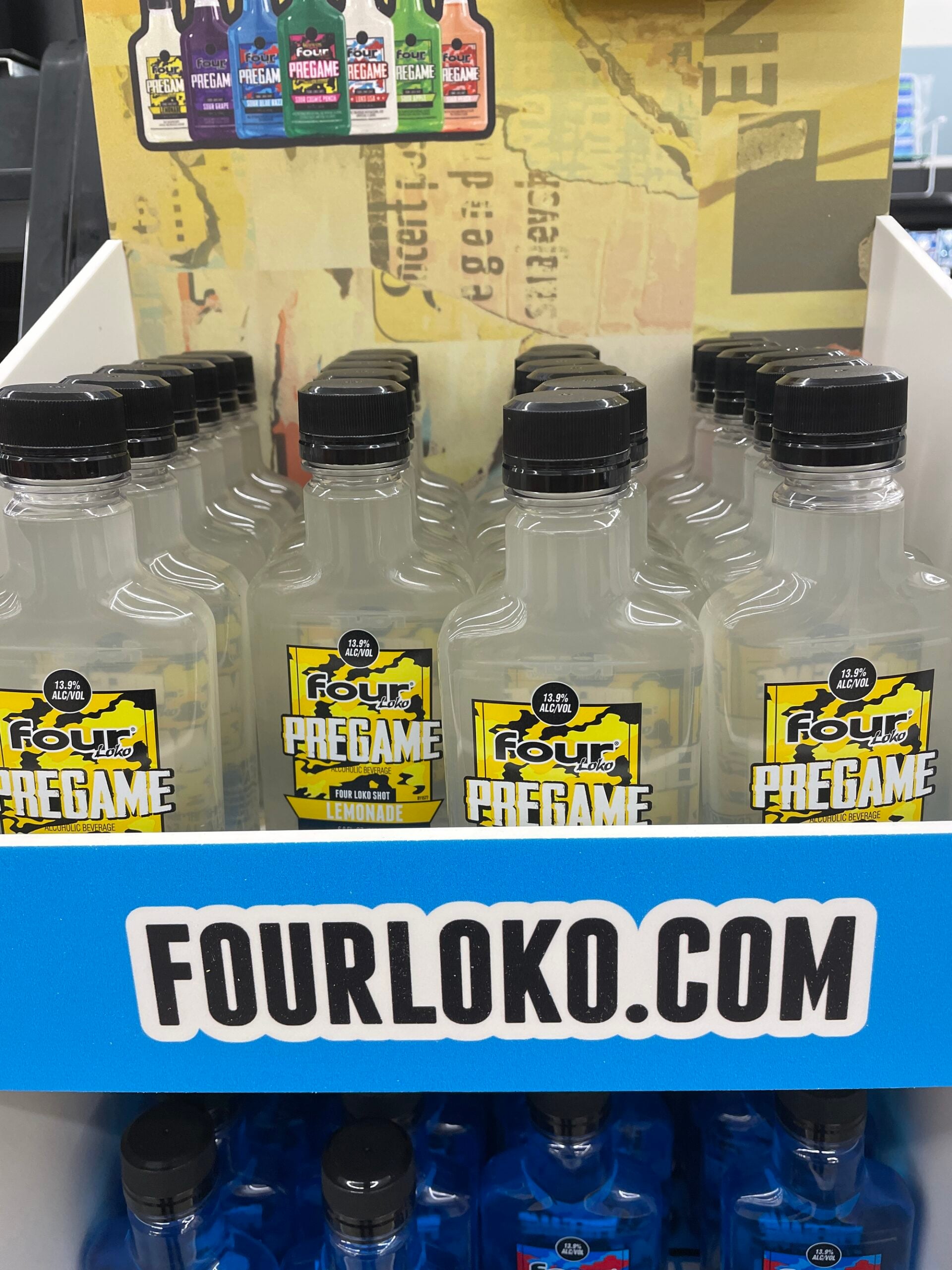
The original Four Loko — a caffeinated alcoholic beverage that combined alcohol with high doses of caffeine, taurine, and guarana — was effectively banned by the FDA in 2010 after a series of hospitalizations linked the combination to dangerous overconsumption. The FDA determined that caffeine added to alcoholic beverages was an unsafe food additive.
The current version sold in the U.S. is alcohol-only; the original formulation, or products similar to it, continue to be sold in various markets internationally.
Red Dye No. 3
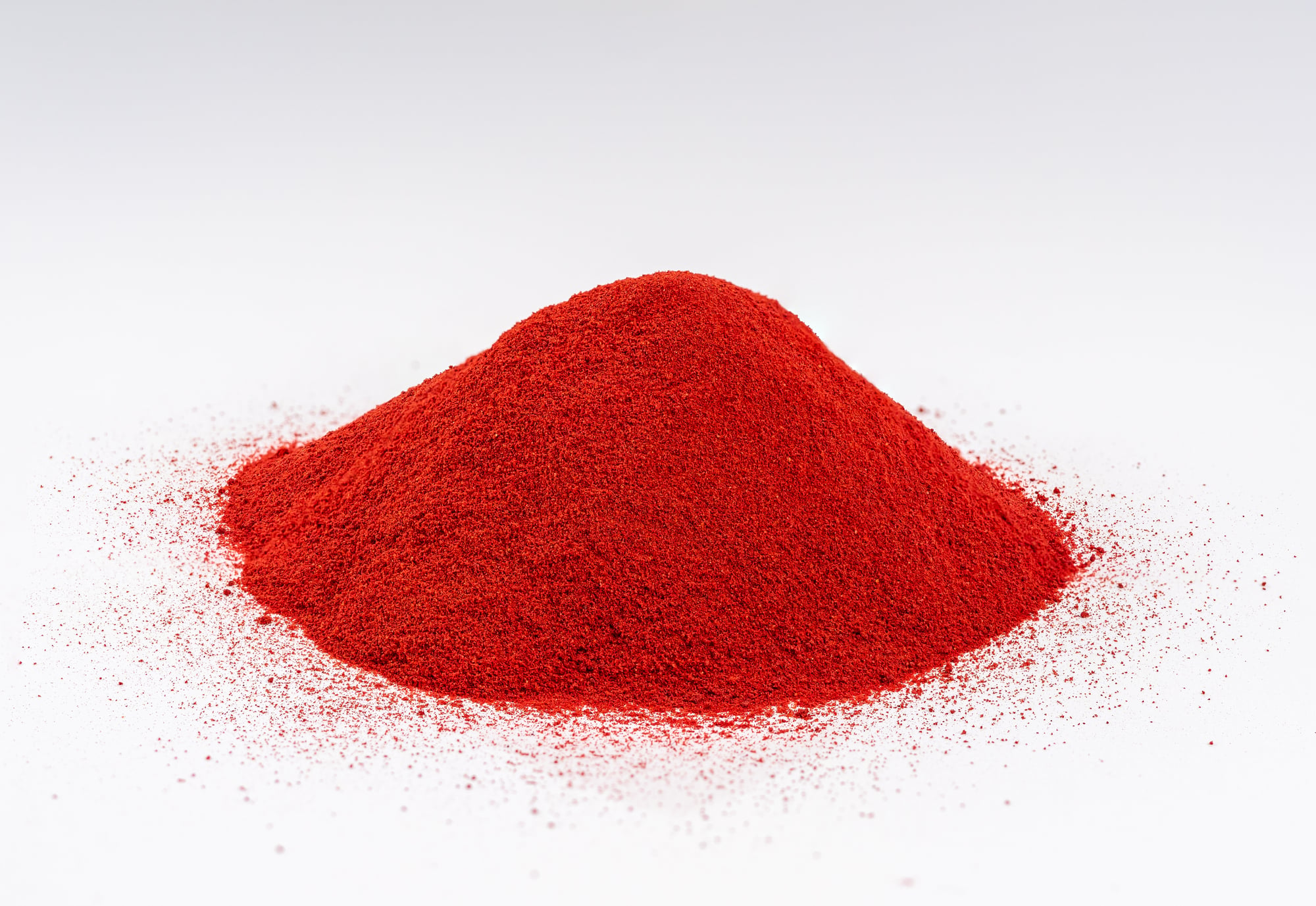
Red Dye No. 3 — a synthetic food coloring used in candies, maraschino cherries, and certain baked goods — was banned by the FDA in January 2023 for use in food after the agency concluded that the evidence met the legal threshold for a ban under the Delaney Clause, which prohibits additives shown to cause cancer in animals. It had already been banned in cosmetics since 1990.
European manufacturers had been phasing it out for years before the U.S. acted.
Olean/Olestra
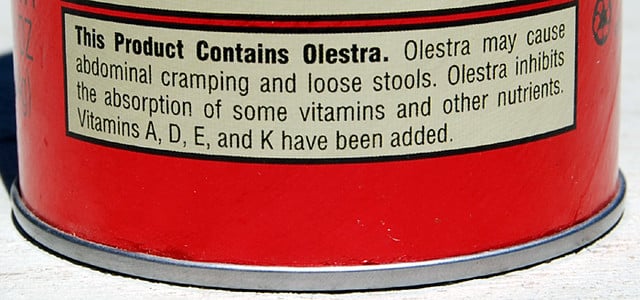
Olestra — a fat substitute developed by Procter & Gamble and sold under the brand name Olean — was approved by the FDA in 1996 for use in snack foods but was later required to carry warning labels after widespread reports of gastrointestinal side effects. Canada and several other countries rejected it outright.
It’s largely vanished from the American market on its own, but its legal status in the U.S. technically differs from markets where it was never approved at all.
Certain Herbal Supplements Containing Ephedra
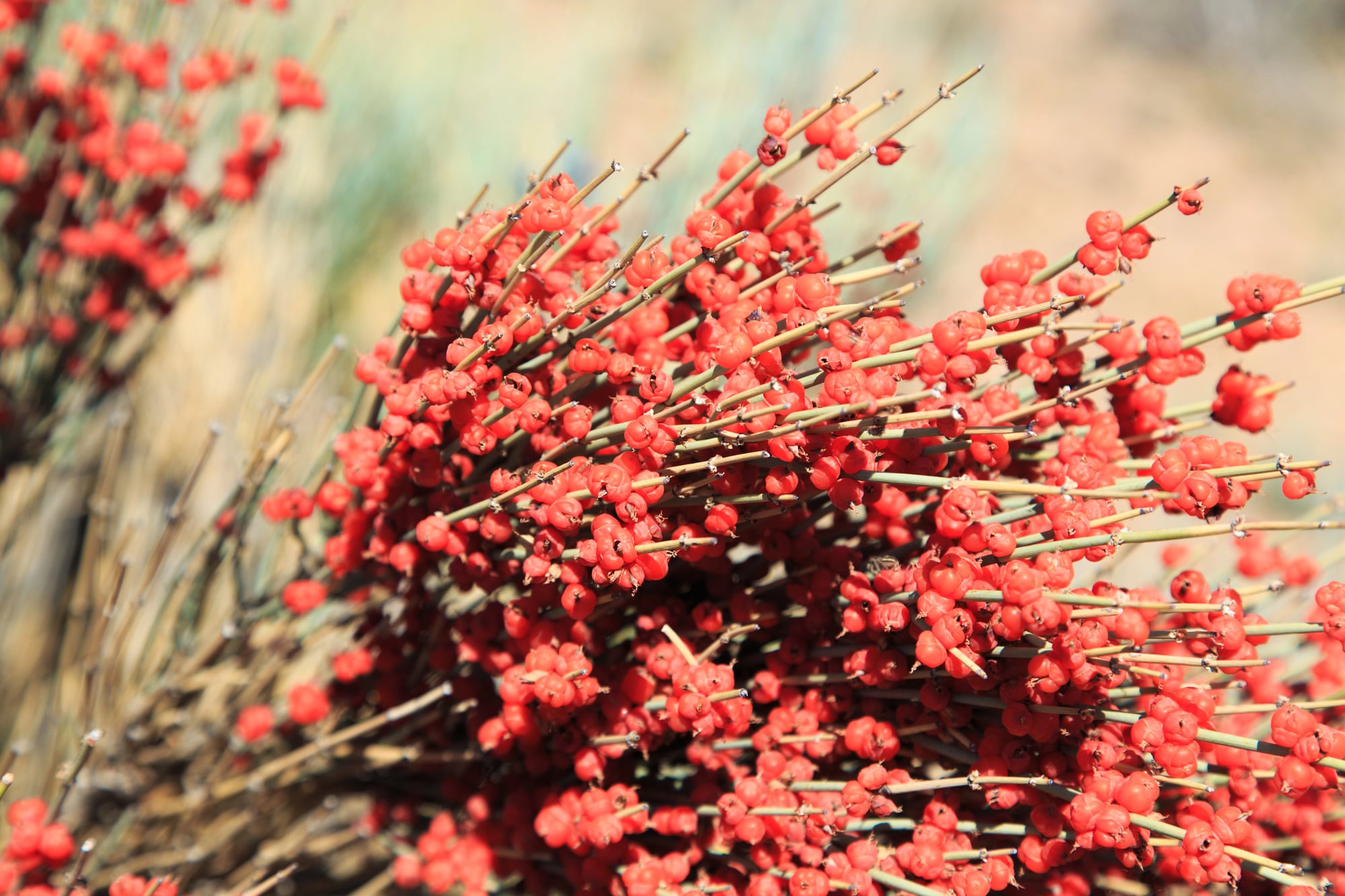
Ephedra — an herbal stimulant used in weight loss supplements and athletic performance products — was banned by the FDA in 2004 after being linked to heart attacks and strokes, including the death of Baltimore Orioles pitcher Steve Bechler. The same compounds remain available in traditional medicine contexts in China and parts of Asia, where ephedra has been used in controlled forms for centuries.
The FDA’s ephedra ban was the agency’s first prohibition of a dietary supplement, and it remains controversial among some alternative medicine practitioners.
Quorn (Original Mycoprotein Products)
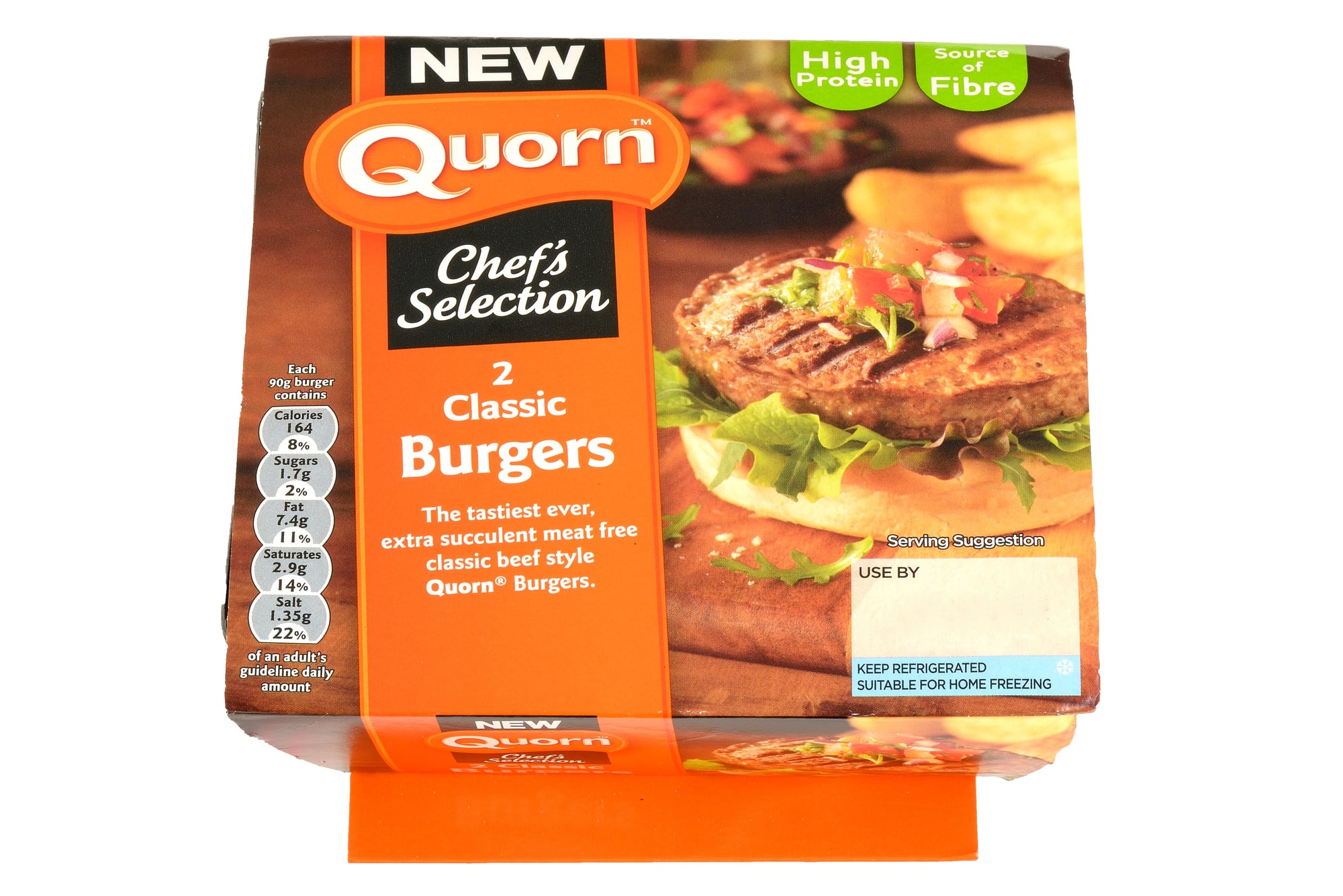
Quorn products — made from mycoprotein, a fungus-derived protein — spent years in regulatory limbo in the United States while being freely sold throughout the UK and Europe. The FDA required extensive safety reviews before allowing limited Quorn products onto the American market, and some formulations still aren’t available in the U.S. that are standard on British supermarket shelves.
Quorn has been the UK’s dominant meat alternative for decades; Americans came to it considerably later and with a narrower product range.
Certain Pesticide-Treated Produce

Several pesticides routinely used on crops in the United States are banned in the European Union, which creates an interesting reversal: some American agricultural products can’t be exported to Europe because they were grown using chemicals the EU considers unacceptable. Chlorpyrifos, for instance, was banned in the EU in 2020 and has faced significant domestic legal battles in the U.S. as well.
The asymmetry cuts both ways — European produce treated with certain fungicides can’t enter the U.S. — but the list of U.S.-approved pesticides that are banned abroad is notably long.
Azodicarbonamide In Bread
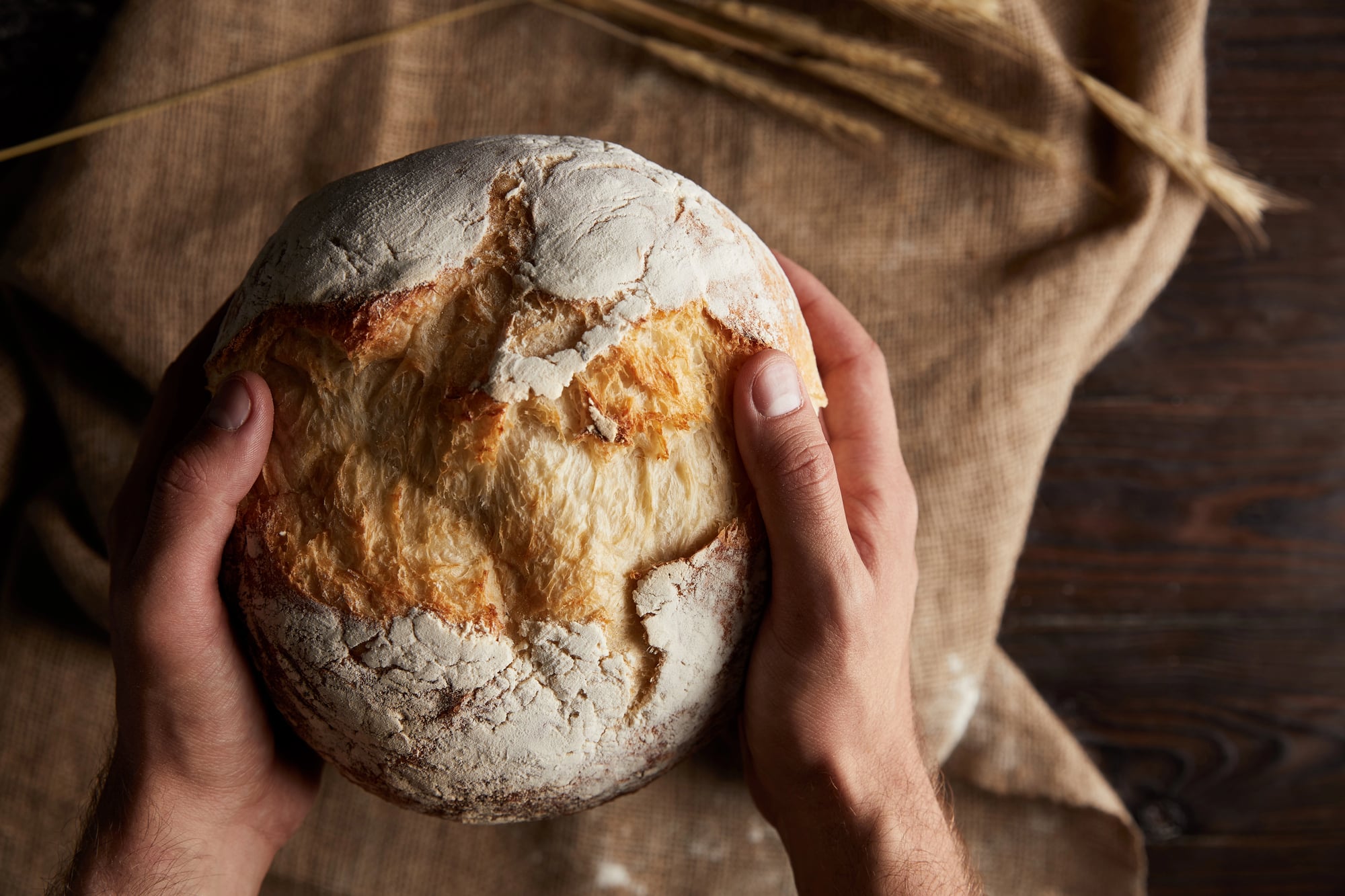
Azodicarbonamide — a flour-bleaching agent and dough conditioner used in commercial bread products in the United States — is banned in the European Union and Australia, where regulators concluded the evidence of potential harm was sufficient. In the U.S., it’s still FDA-approved and used by major fast food chains and commercial bakers.
A 2014 public campaign targeting Subway’s use of it generated significant consumer attention; the company removed it, but its use elsewhere in the industry continued.
BHA And BHT Preservatives
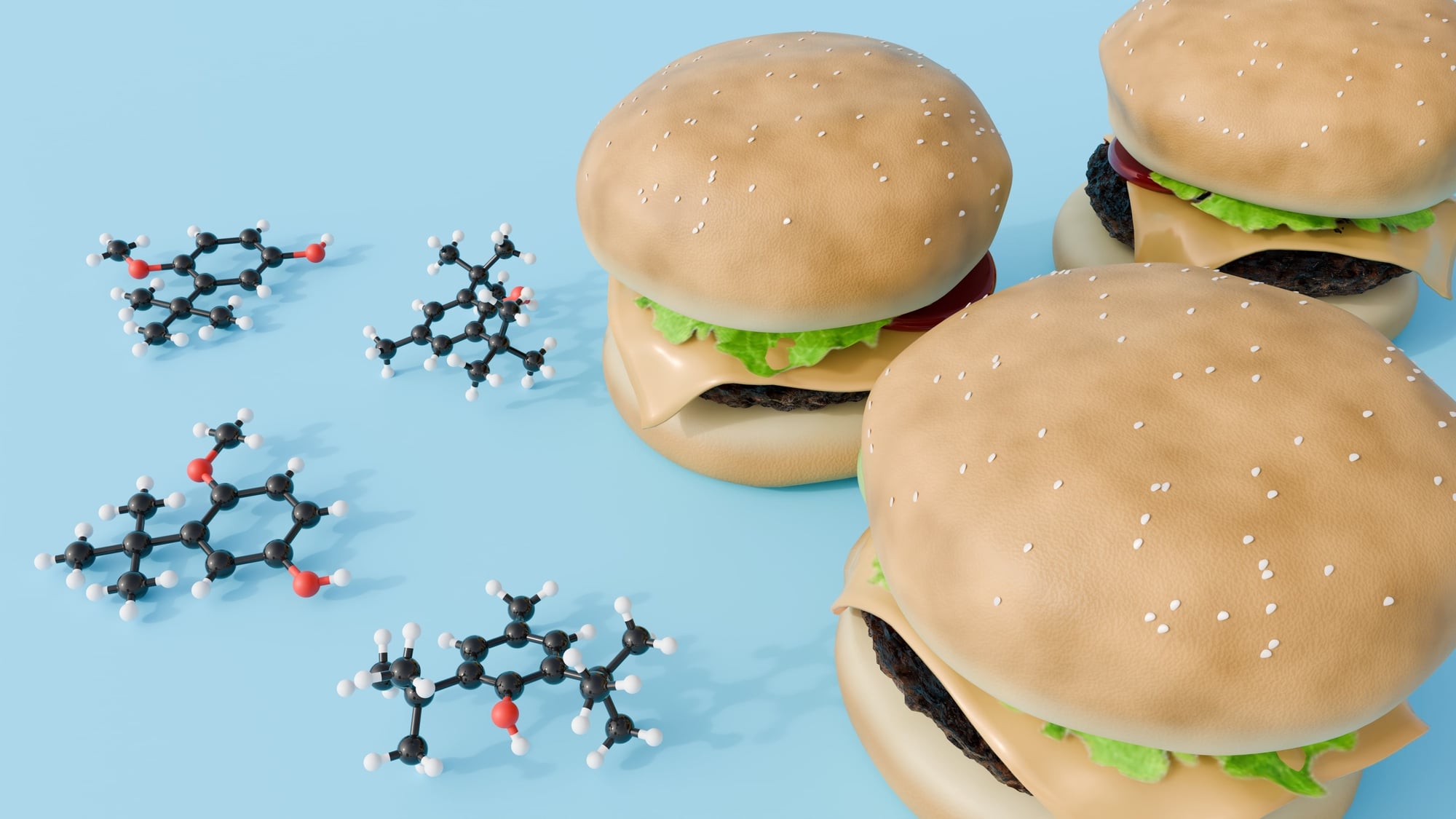
Butylated hydroxyanisole (BHA) and butylated hydroxytoluene (BHT) — synthetic antioxidants used to preserve fats and oils in a wide range of packaged American foods — are restricted or banned in Japan, the UK, and various EU member states. The National Toxicology Program lists BHA as reasonably anticipated to be a human carcinogen based on animal studies.
American food labels list them casually as common ingredients; European consumers reading the same label would find them far more alarming.
Potassium Bromate

Potassium bromate — a flour additive used to strengthen dough and improve the rise of baked goods — is banned in the EU, Canada, China, and Brazil, among others, after studies linked it to kidney damage and cancer in animals. The FDA has encouraged bakers to voluntarily stop using it since the 1990s but has never formally banned it.
California requires a cancer warning label on products containing it, which is functionally a deterrent, but elsewhere in the country it remains in use without disclosure.
rBGH/rBST Dairy Products
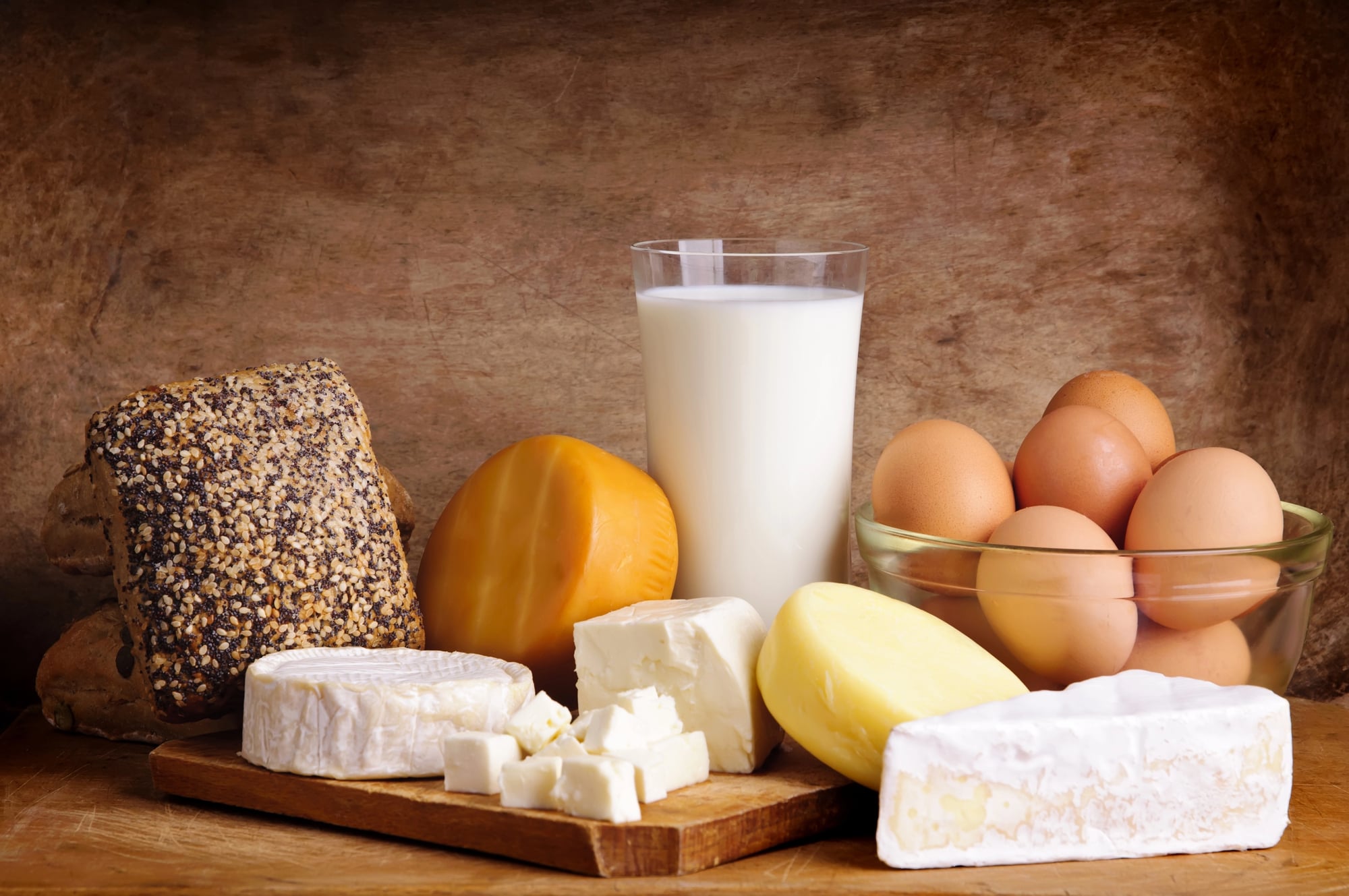
Recombinant bovine growth hormone — used to increase milk production in dairy cows — is approved for use in the United States but banned in the European Union, Canada, Japan, and Australia. The EU’s Scientific Committee on Veterinary Measures concluded the hormone posed unacceptable risks to animal health.
American consumers have largely driven a market shift toward rBGH-free labeled dairy products, but the hormone itself was never federally prohibited.
Titanium Dioxide In Food

Titanium dioxide — a white pigment used in candies, chewing gum, icings, and certain sauces to enhance color — was banned by the European Food Safety Authority in 2022, which concluded the additive could no longer be considered safe given evidence of potential DNA damage. The FDA still classifies it as generally recognized as safe and permits its use in American food products up to 1% by weight.
The divergence is a direct reflection of different standards of evidence between the two regulatory systems.
Brominated Flour
Separate from BVO, brominated flour — flour treated with bromine compounds for conditioning — is banned in the EU, Canada, and several other countries but was used in the U.S. for decades with FDA approval. The voluntary industry shift away from it has been gradual and uneven.
Some commercial baking operations in the U.S. still use it; in much of the world, it’s simply not a legal option.
Where The Lines Actually Get Drawn
Regulation is never purely scientific — it’s part science, part politics, part cultural memory, and part whoever had the best-funded lobbying effort in a particular decade. The United States bans things that Europe uses freely, and Europe bans things the United States has quietly approved for fifty years.
Neither system is consistently right. What the list above actually shows is that the line between “safe” and “banned” is drawn differently depending on which side of an ocean you’re standing on, which country passed a law in which year, and which pressure groups were paying attention at the time.
That’s not a comforting fact — but it’s an honest one.
More from Go2Tutors!

- The Romanov Crown Jewels and Their Tragic Fate
- 13 Historical Mysteries That Science Still Can’t Solve
- Famous Hoaxes That Fooled the World for Years
- 15 Child Stars with Tragic Adult Lives
- 16 Famous Jewelry Pieces in History
Like Go2Tutors’s content? Follow us on MSN.