US Small Towns With Very Strange Names
You probably know where you live makes sense to you. The street names feel normal, the town name rolls off your tongue without a second thought.
Then you look at a map of America and realize someone, somewhere, decided to name a place “Ding Dong” and everyone just went along with it. These aren’t mistakes or typos.
Real people live in these towns, go to schools there, and pay taxes there. They write their addresses on envelopes and watch postal workers try not to laugh.
The names stick because changing them costs money and effort, and after a while, residents develop a strange pride in being from somewhere nobody believes is real.
Truth or Consequences, New Mexico
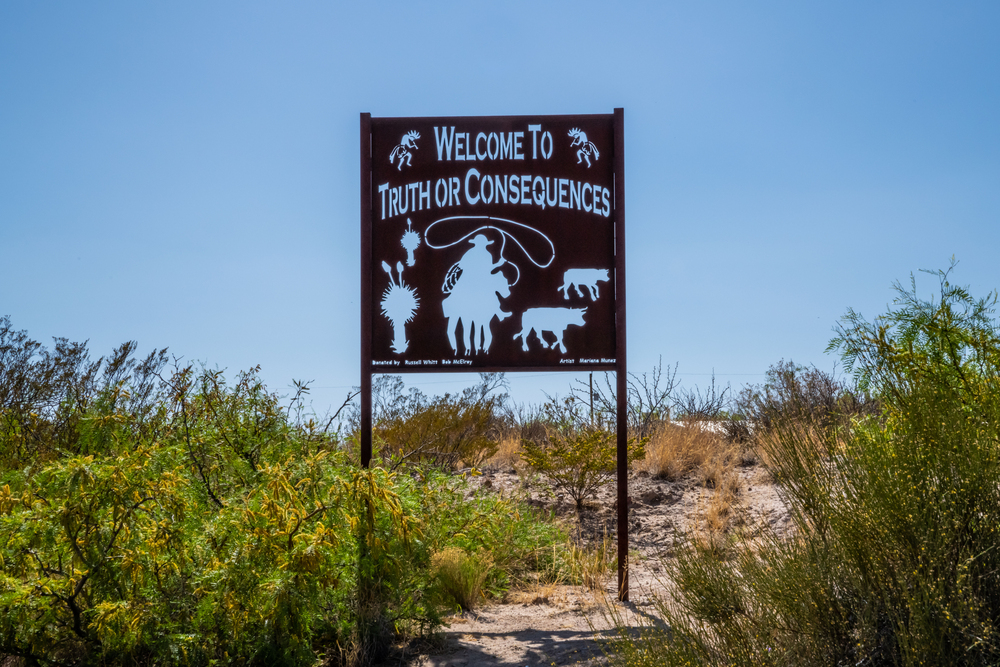
This town started as Hot Springs, which made perfect sense given the natural springs scattered throughout the area. Then in 1950, a radio show host named Ralph Edwards announced his program would broadcast from any town willing to rename itself after his show.
Hot Springs took the deal. The name stuck.
Decades after the radio show ended, people still live in a place called Truth or Consequences. They shortened it to “T or C” for everyday use, but the official name remains.
The hot springs still draw visitors, though now they’re coming to a town that sounds like a game show instead of a spa destination.
Sandwich, Massachusetts
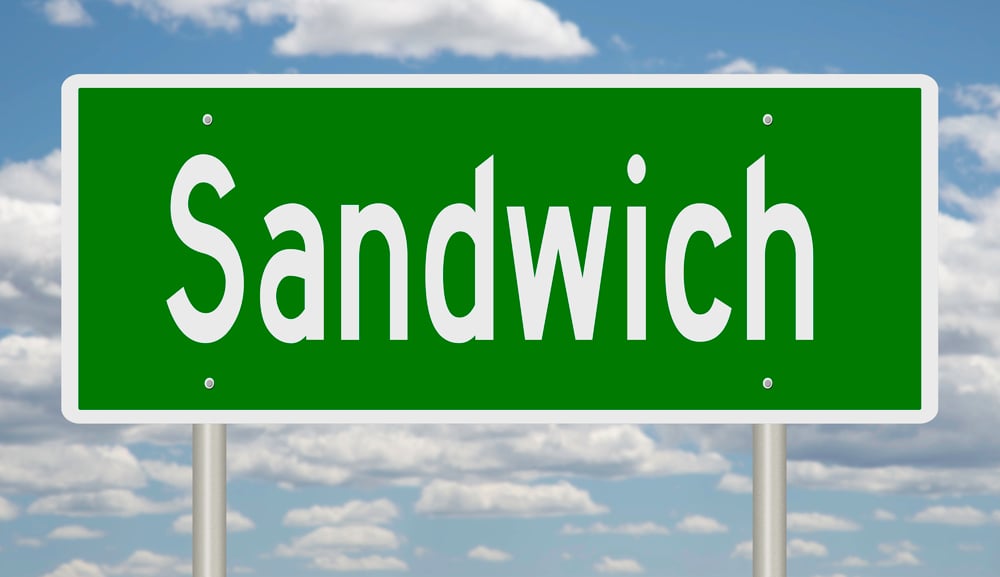
The name comes from Sandwich in Kent, England, which makes it slightly less weird but not much. This is one of the oldest towns in Massachusetts, founded in 1637.
Back then, naming conventions followed a simpler pattern—you named things after places from home. Nobody here invented the sandwich. The Earl of Sandwich did that in England.
But explaining this distinction gets old fast when you live here. Every deli owner in town has heard the same jokes approximately ten thousand times.
Why, Arizona
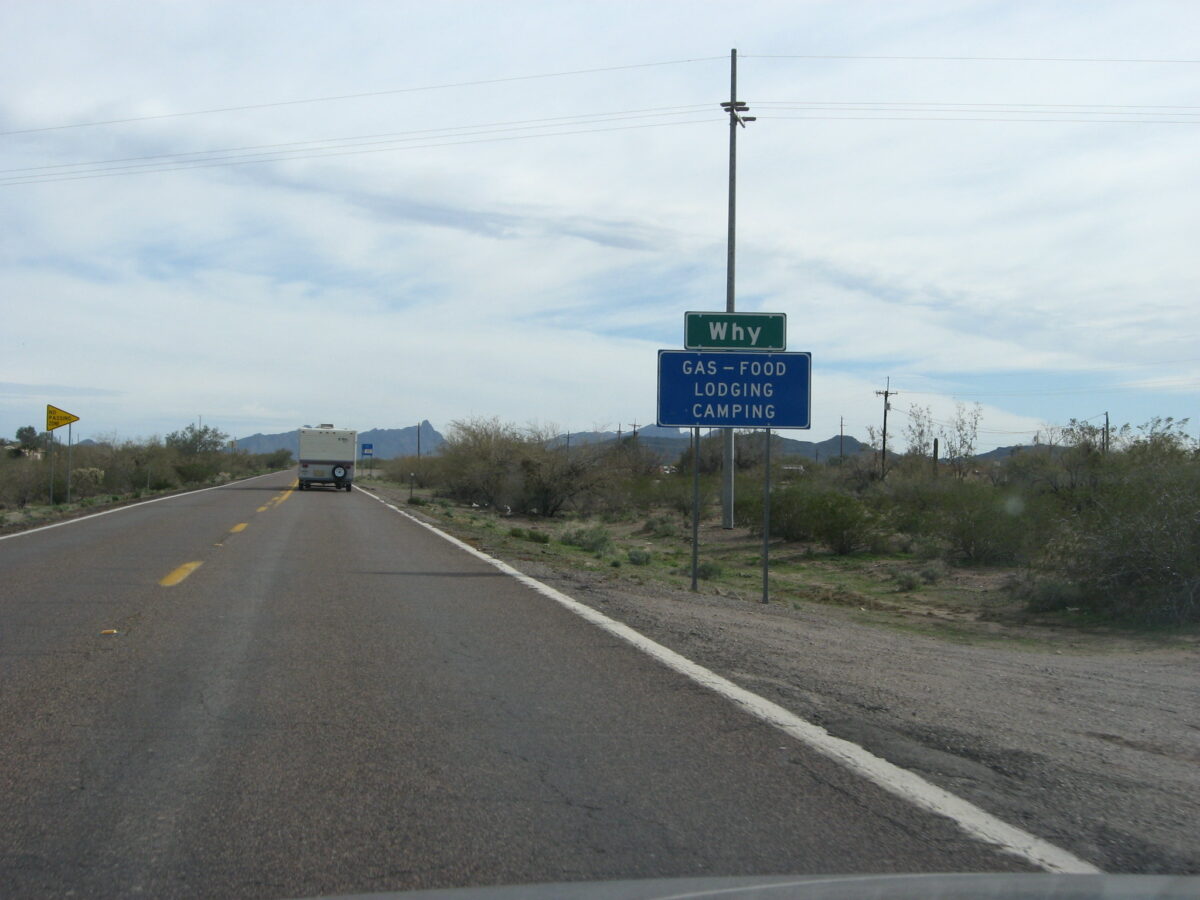
The name started as a Y-shaped intersection of two highways. Someone needed to call it something on maps and paperwork, so “Y” became “Why” for clarity.
That’s the entire story—no deeper meaning, no historical significance, just bureaucratic convenience that became permanent. The population hovers around 100 people.
Most travelers pass through without stopping, maybe snap a photo of the town sign, then keep going. The residents seem fine with this arrangement.
Toad Suck, Arkansas
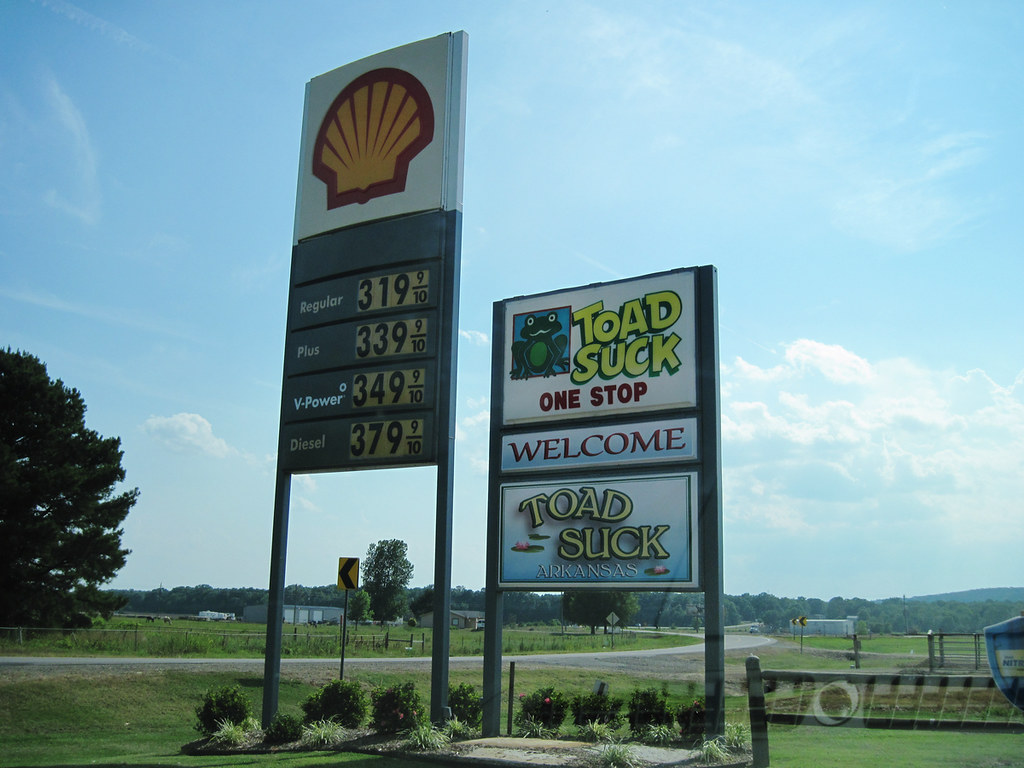
Local legend says steamboat captains would dock here and drink at the tavern until they swelled up like toads. Whether this actually happened or someone made it up later remains unclear.
Either way, the name survived long enough to become official. The town embraces the weirdness now.
They host an annual Toad Suck Daze festival with concerts, food vendors, and toad racing. Yes, actual toad racing. When you’re named after drunk toads, you might as well commit to the bit.
Intercourse, Pennsylvania
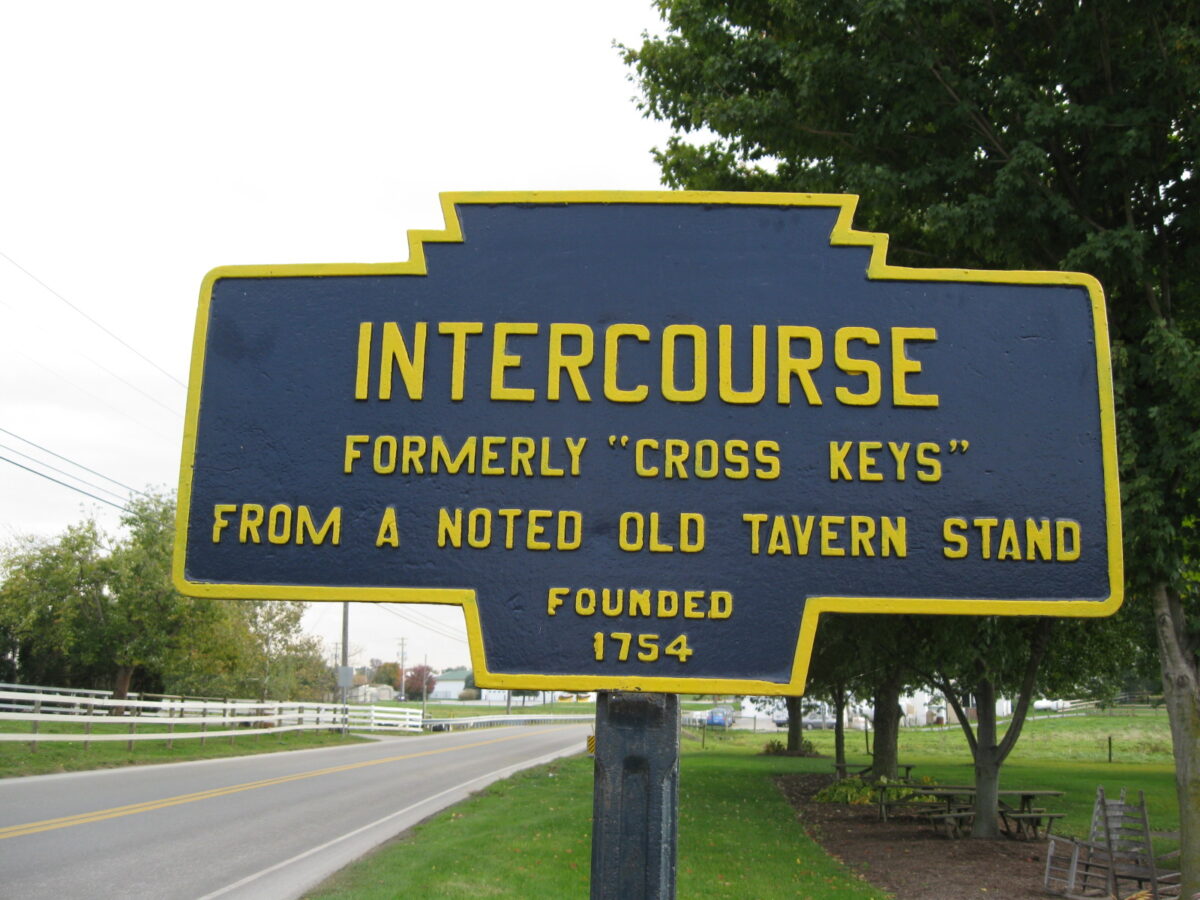
This Amish community’s name comes from the old meaning of intercourse—social interaction and community fellowship. In the 1700s, this meaning was common and unremarkable.
Language changed. The meaning shifted.
The town name stayed put. Tourism thrives here, partly because of the Amish culture and partly because people want to take photos next to the town sign.
The gift shops sell postcards and t-shirts that acknowledge what everyone’s thinking. The actual residents go about their lives while visitors giggle.
Boring, Oregon
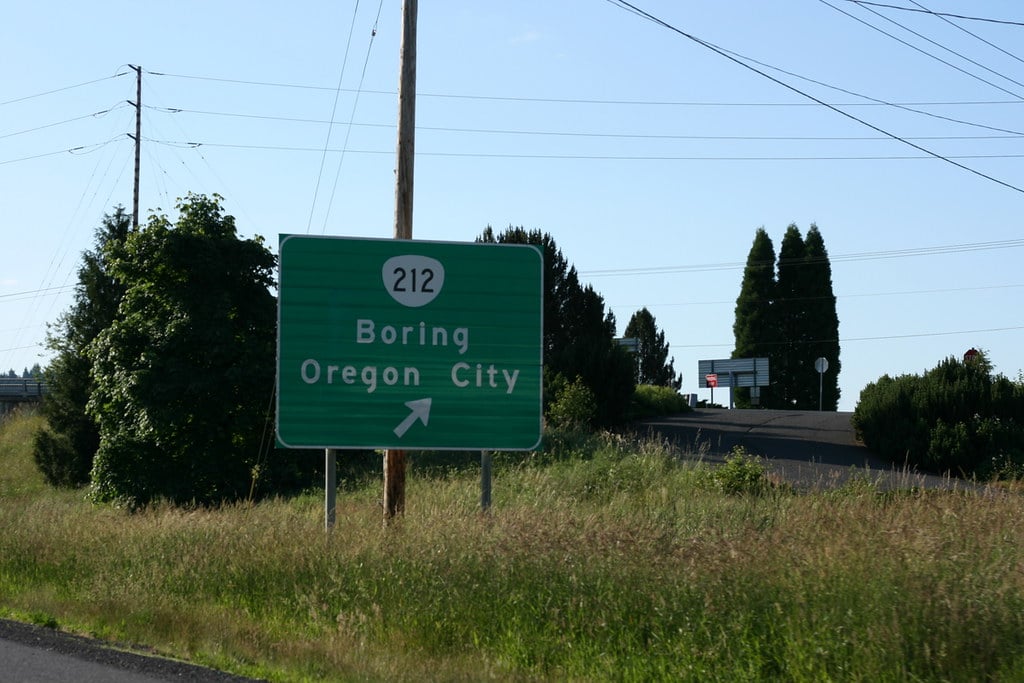
Named after William H. Boring, an early resident and Union soldier who founded the town. Nobody thought ahead about how this would sound. His descendants probably wish he’d gone by his middle name.
In 2012, Boring partnered with Dull, Scotland, and later added Bland, Australia, to create a “League of Extraordinary Communities.” They hold this partnership with the kind of deadpan humor you’d expect from a town called Boring.
The signs announcing the sister cities have become minor tourist attractions.
Nothing, Arizona
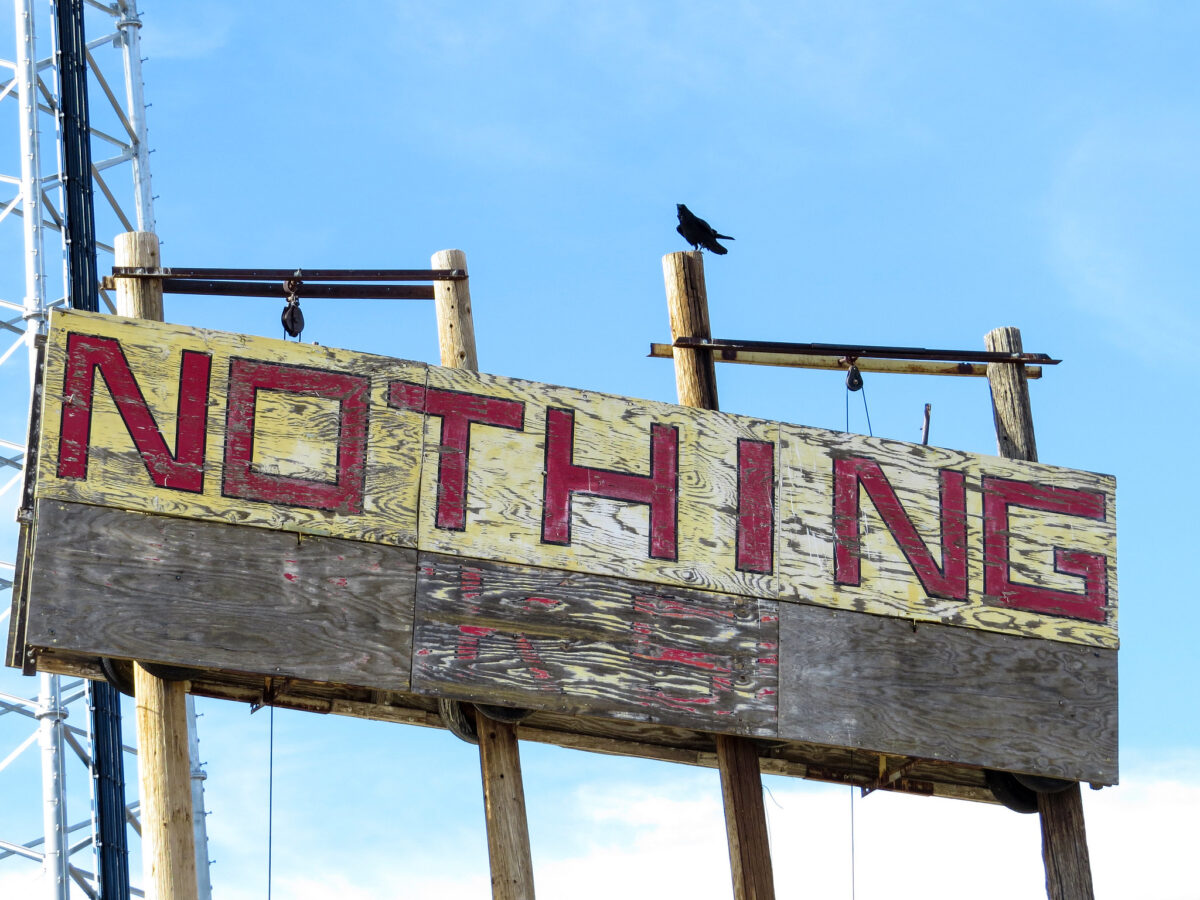
This place was a gas station, a few buildings, and a whole lot of desert. The story goes that when asked what was there, someone said “nothing” and the name stuck.
The gas station closed. Most of the buildings are gone now.
The name remains more accurate than ever. You can still find it on maps, though calling it a town stretches the definition.
A handful of people live in the area, mostly on ranches spread across miles of empty land. The irony of naming something “Nothing” only for it to become more nothing over time probably amuses someone somewhere.
Ding Dong, Texas
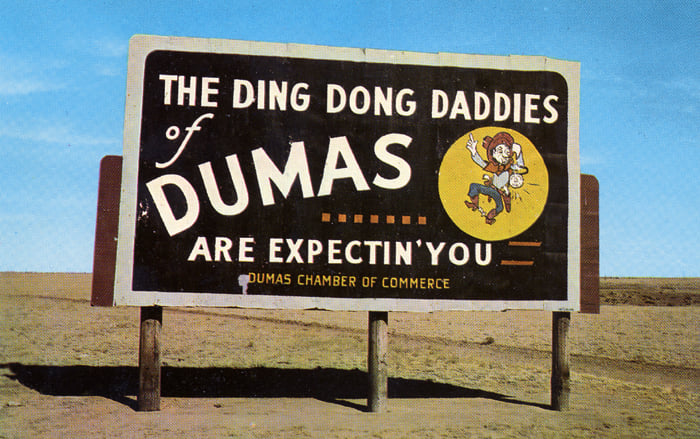
Two theories exist for this name. One says it came from two settlers named Bell who were cousins—Zulis and Bert Bell.
Another claims it references the bells at the community center. Either way, residents deal with the inevitable questions.
The population barely reaches three digits. Most people learned the town exists from viral social media posts about strange town names.
The town itself remains quiet, unassuming, and probably tired of explaining itself.
Chicken, Alaska
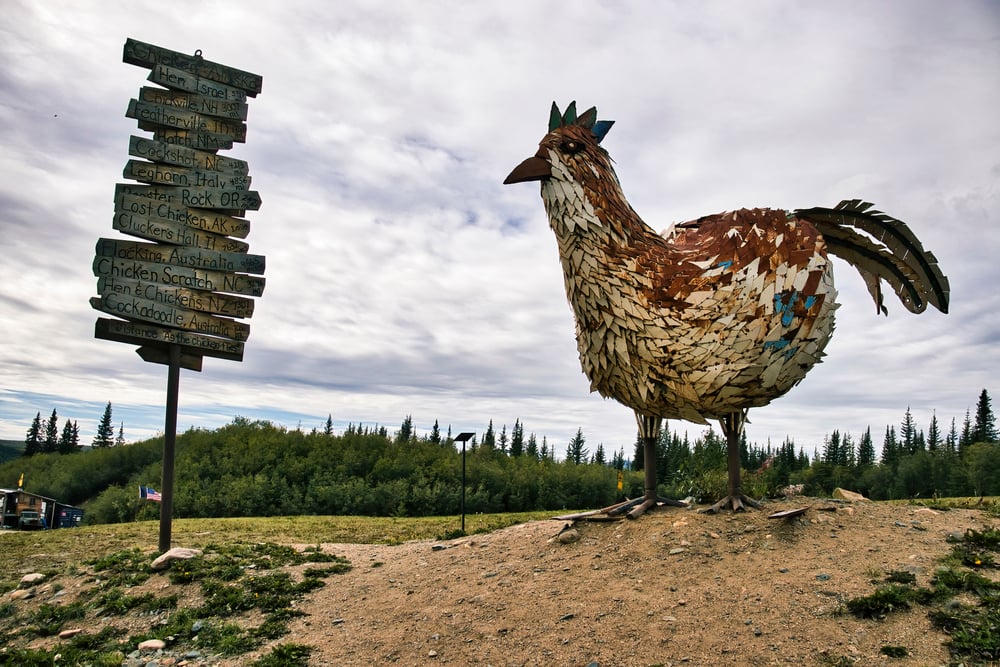
Gold miners in the area wanted to name the town after the ptarmigan birds common in the region. Nobody could agree on how to spell ptarmigan. Rather than fight about it or look it up, they named it Chicken instead.
Problem solved. The population fluctuates between 7 and 17 people depending on the season.
Tourists arrive expecting something quirky and find exactly that—a handful of buildings, some mining equipment, and a general store that sells “I got laid in Chicken, Alaska” t-shirts. Subtlety isn’t big here.
Hot Coffee, Mississippi
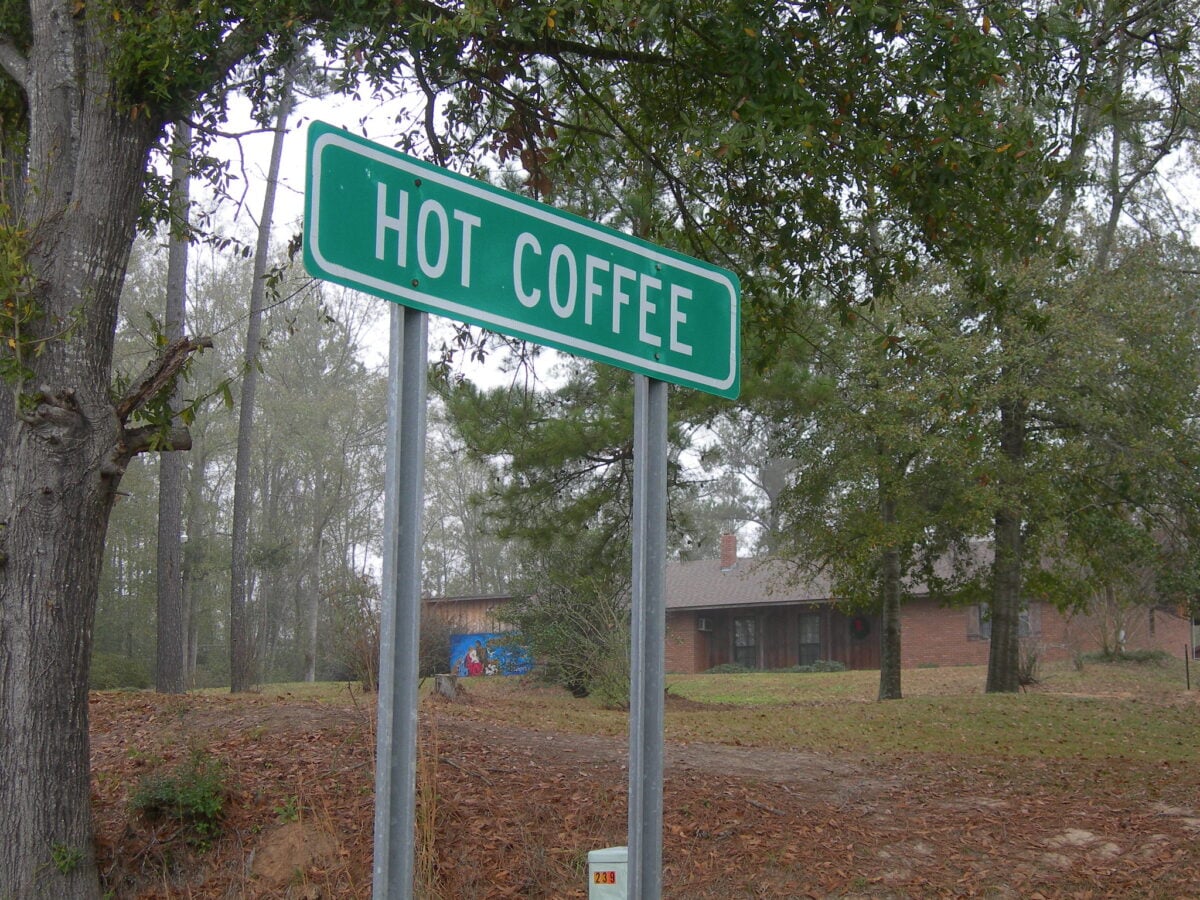
A local store sold good coffee. People started using “hot coffee” as a landmark for giving directions. The name spread until it appeared on maps.
Sometimes town names develop organically from what people actually call a place, and this is one of those times. The store isn’t there anymore, but the name persists on highway signs and GPS systems.
Passing through remains the main activity. The coffee itself has long since gone cold.
Santa Claus, Indiana
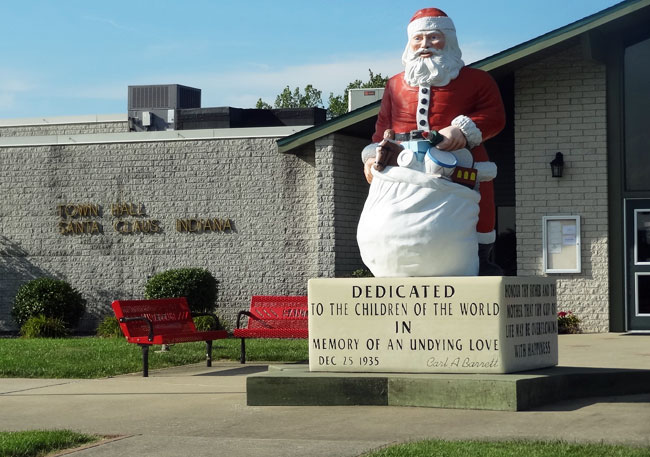
Founded in 1854 as Santa Fe, the town needed to change its name when another Indiana town already had it. Someone suggested Santa Claus right before Christmas, everyone agreed quickly, and they moved on.
Holiday spirit had nothing to do with it—just bureaucratic necessity and bad timing. The town developed a holiday theme over time because fighting the name felt pointless.
They built a theme park called Holiday World, a Santa Claus Museum, and a post office that processes thousands of letters to Santa each year. When life gives you a ridiculous name, you build a business model around it.
Peculiar, Missouri
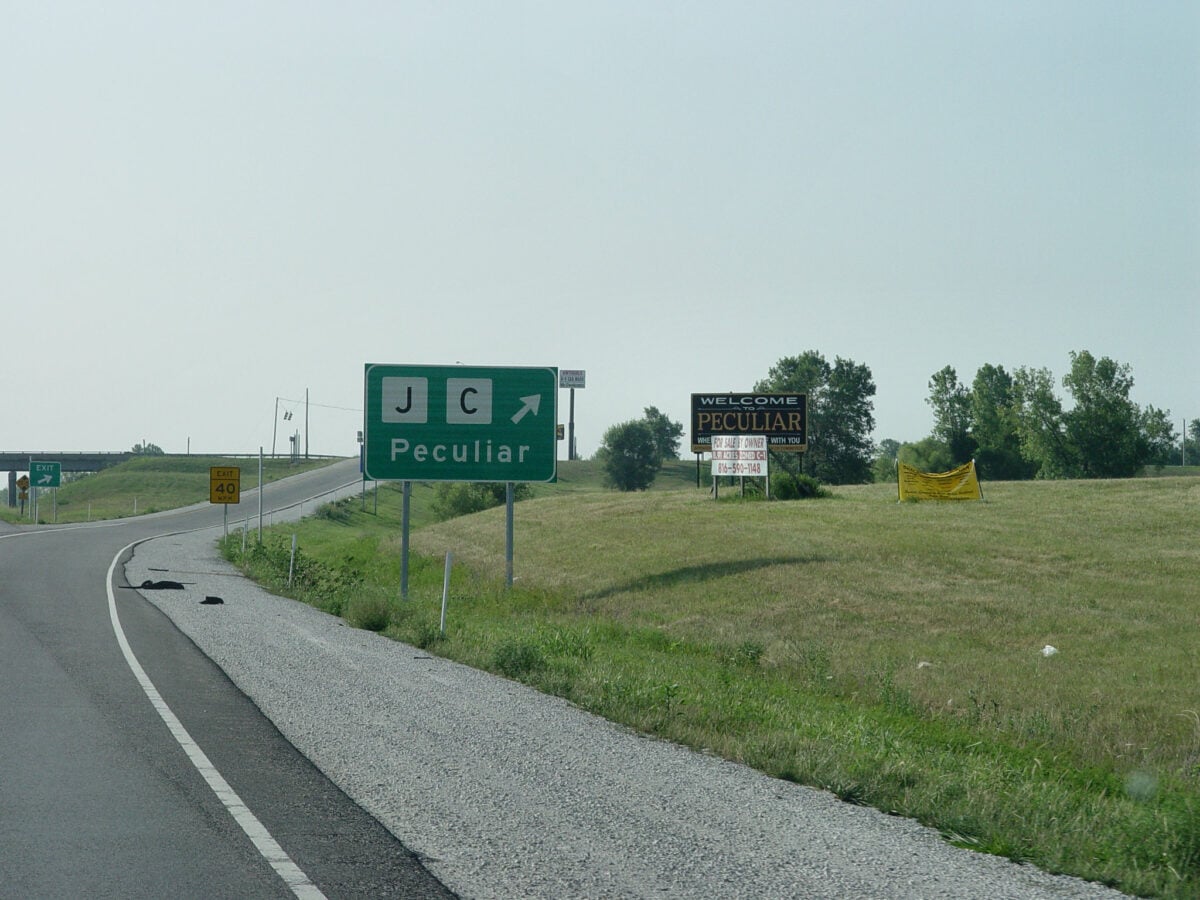
The postal service rejected the town’s first choice of name. They rejected the second choice too. After several rejections, someone suggested Peculiar as a joke, figuring the postal service couldn’t object to a word that just means “unusual.”
The postal service approved it. The joke became permanent.
The town seal includes the phrase “Where the ‘odds’ are with you.” Self-awareness helps when you’re stuck with a name like this.
The residents have developed a sense of humor about it over generations.
Rough and Ready, California
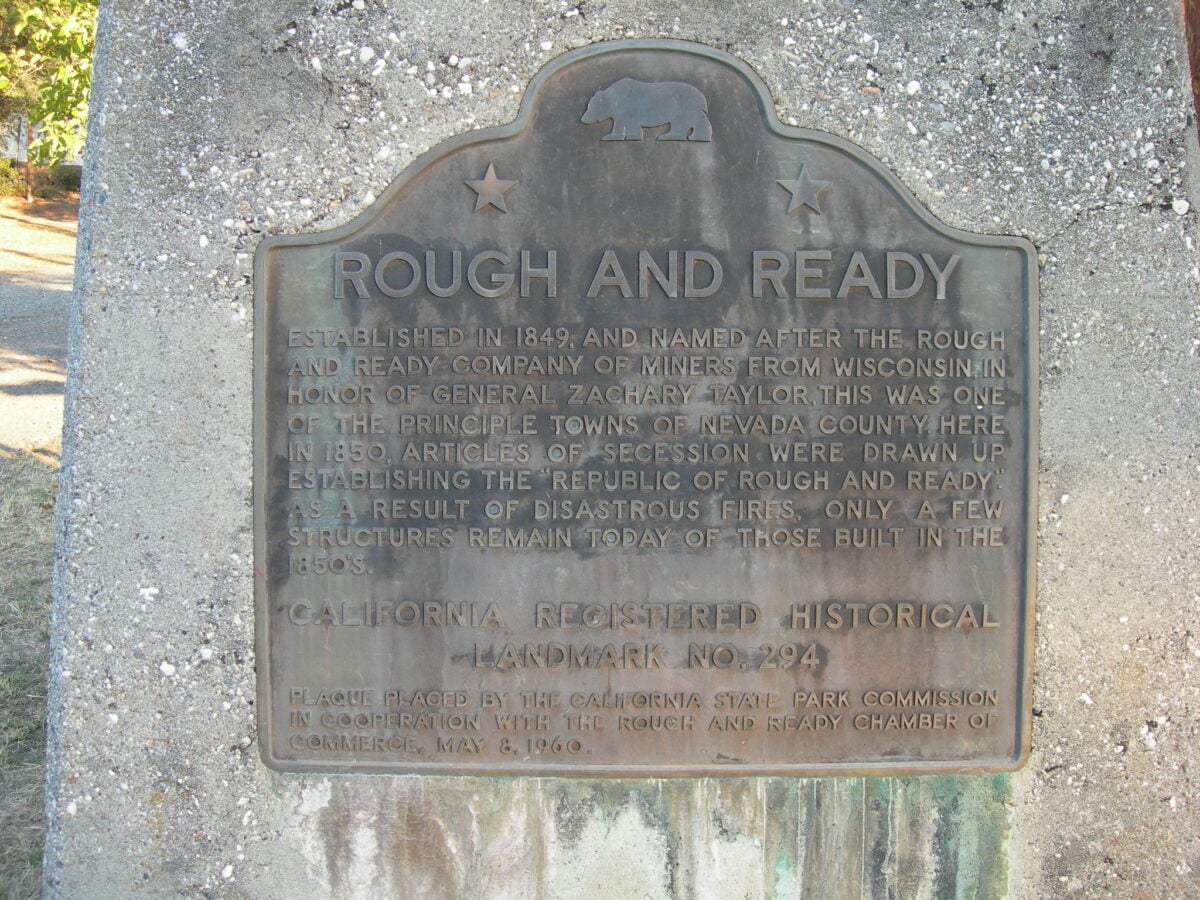
Back then, folks heading west remembered the new president by his trail name. Miners from Wisconsin picked that label for their camp, tied to a crew linked to Zachary Taylor.
That year – 1849 – it clicked fast, since he’d just taken office. Today? Sounds more like a guy worn out than a leader honored.
One summer, the place decided it didn’t want to follow rules anymore – tax troubles sparked a tiny rebellion near goldfields. Calling itself the Great Republic of Rough and Ready, it stood alone just long enough to miss fireworks on Independence Day.
Without ties to the U.S., parades felt awkward. Three months slipped by before neighbors agreed things were sillier apart than together.
That split stretched past many impulsive wedding vows made under desert heat – though barely.
When Names Lose Meaning

Out here, time bends around old decisions. A single act long past set things in motion – no grand plan, just people moving forward.
Shifting names means paperwork piling high on desks no one checks. It takes cash too, funds better spent elsewhere.
That is why places like Ding Dong keep their labels. The same goes for Boring – it sticks simply because letting go takes effort few are willing to give.
Thick skin grows here. Jokes land daily, questions pop up like clockwork, yet folks still stand by their street signs for pictures. Strange? Maybe at first. What feels odd to outsiders settles into routine.
A name that makes others snicker means nothing when you’re brushing teeth on a Tuesday morning. Familiarity dulls the edge.
Home stays home, no matter how many chuckle at its label. Normal shifts without announcement.
More from Go2Tutors!

- The Romanov Crown Jewels and Their Tragic Fate
- 13 Historical Mysteries That Science Still Can’t Solve
- Famous Hoaxes That Fooled the World for Years
- 15 Child Stars with Tragic Adult Lives
- 16 Famous Jewelry Pieces in History
Like Go2Tutors’s content? Follow us on MSN.