Classic Arcade Games That Shaped Gaming Culture
Walking into an arcade in the 1980s meant stepping into something electric. The sounds hit you first—beeps, explosions, digital music all blending together into one chaotic symphony.
Then came the lights, the crowds gathered around certain machines, and the unmistakable click of quarters dropping into slots. Those spaces created a culture that still influences how people think about games today.
Pac-Man Changed Everything About Character Design
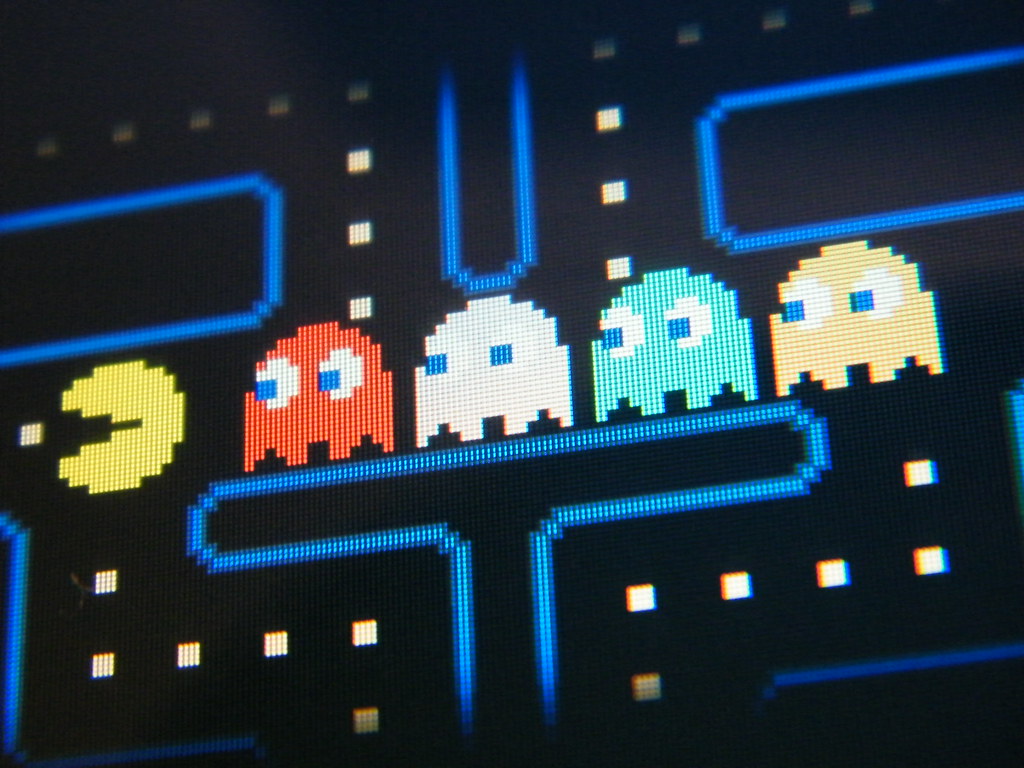
The yellow dot-muncher arrived in 1980 and instantly became different from everything else on arcade floors. While other games featured spaceships or abstract shapes, this one gave you a character with personality.
The ghosts had names and distinct behaviors. Players learned their patterns, developed strategies, and felt like they were outsmarting actual opponents rather than just avoiding obstacles.
The maze design forced you to make constant decisions. Every turn mattered.
You couldn’t just react—you had to plan your route, manage the power pellets, and know when to go for fruit bonuses. The game created tension through simplicity, and that tension kept people coming back.
Space Invaders Proved Games Could Be Serious Business
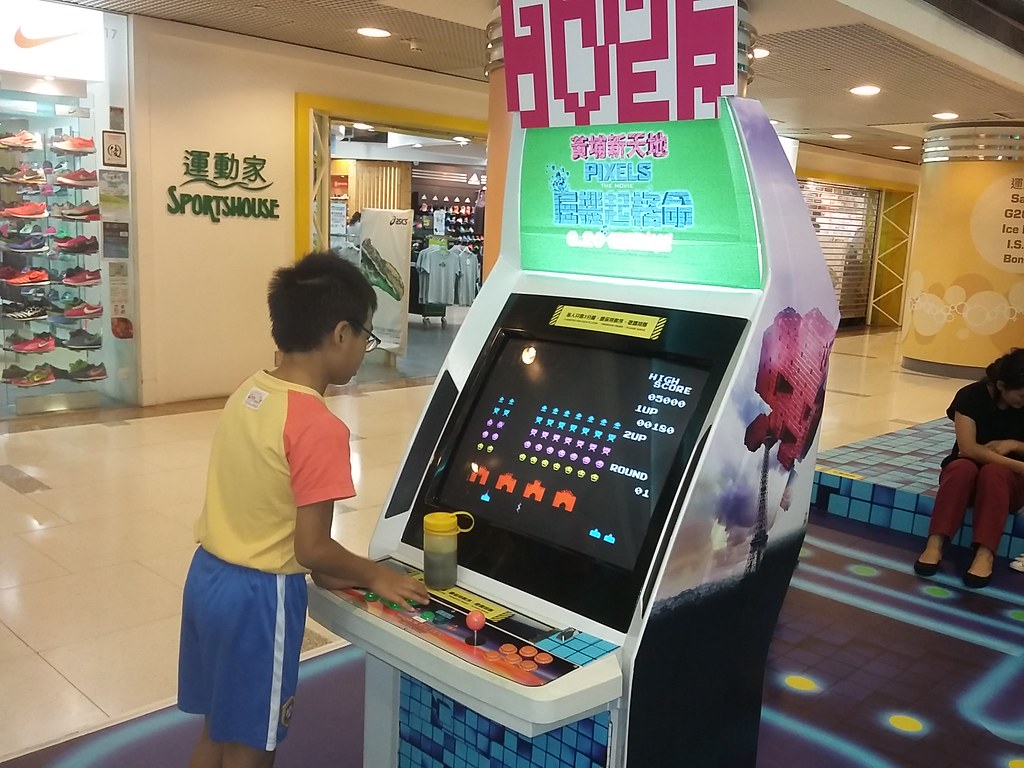
When Space Invaders landed in 1978, it sparked something unprecedented. The game supposedly caused a shortage of 100-yen coins in Japan.
Bars installed the cabinets to keep customers around longer. The concept was straightforward—shoot descending aliens before they reach the bottom—but the execution created genuine stress.
The aliens moved faster as you eliminated them. The soundtrack accelerated with their descent.
You felt the pressure mounting with every passing second. This game taught developers that pacing matters, that speeding up gameplay creates urgency, and that simple mechanics executed well beat complicated systems executed poorly.
Donkey Kong Introduced Storytelling to Arcades
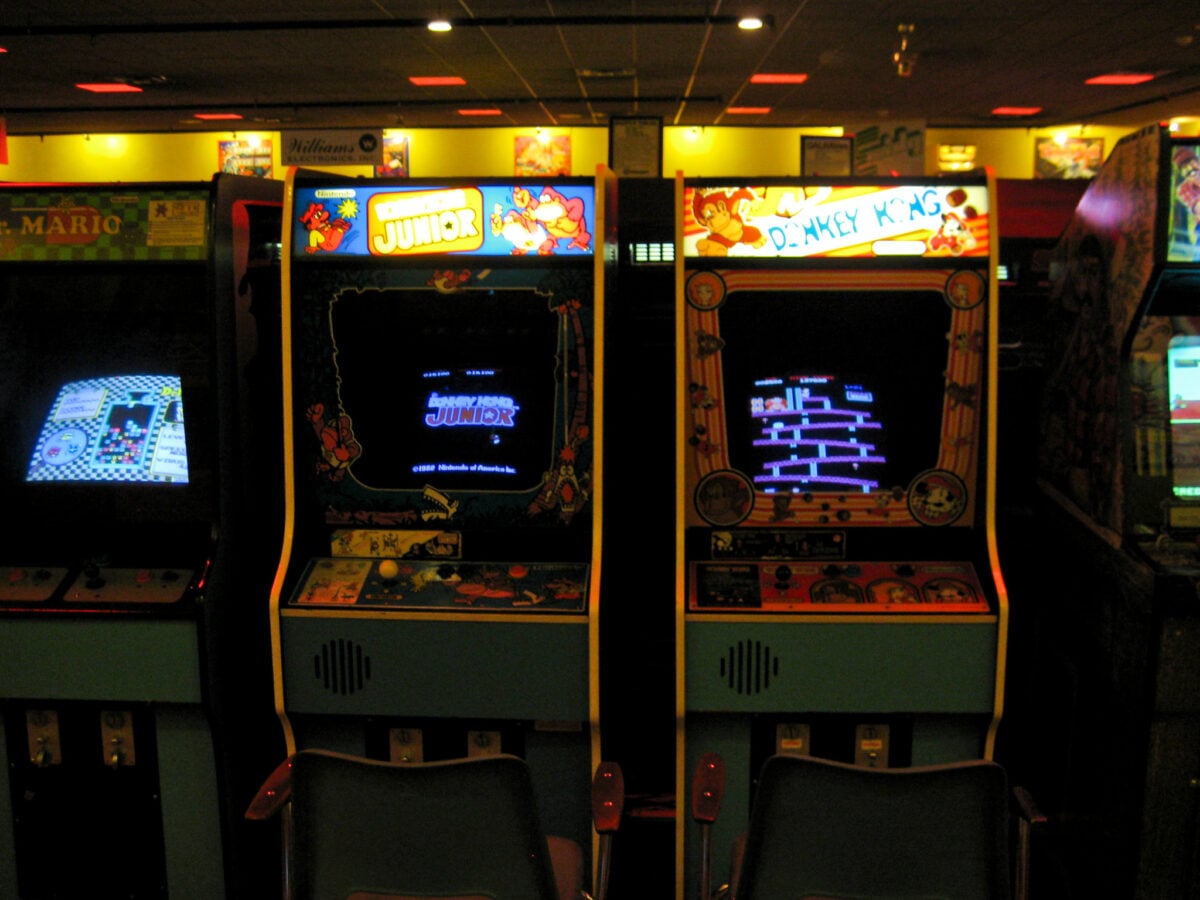
Nintendo’s 1981 release did something radical for its time. It gave players a narrative.
Mario (then called Jumpman) had to rescue Pauline from a giant ape across multiple distinct levels. Each stage presented different challenges and obstacles.
The game had a beginning, middle, and end. The construction site setting felt specific and detailed.
Barrels rolled down girders with realistic physics. Springs bounced.
Elevators moved. The world felt alive in ways that abstract space shooters never could.
This game showed that arcades could deliver experiences beyond high scores and reaction times.
Street Fighter II Built the Fighting Game Genre
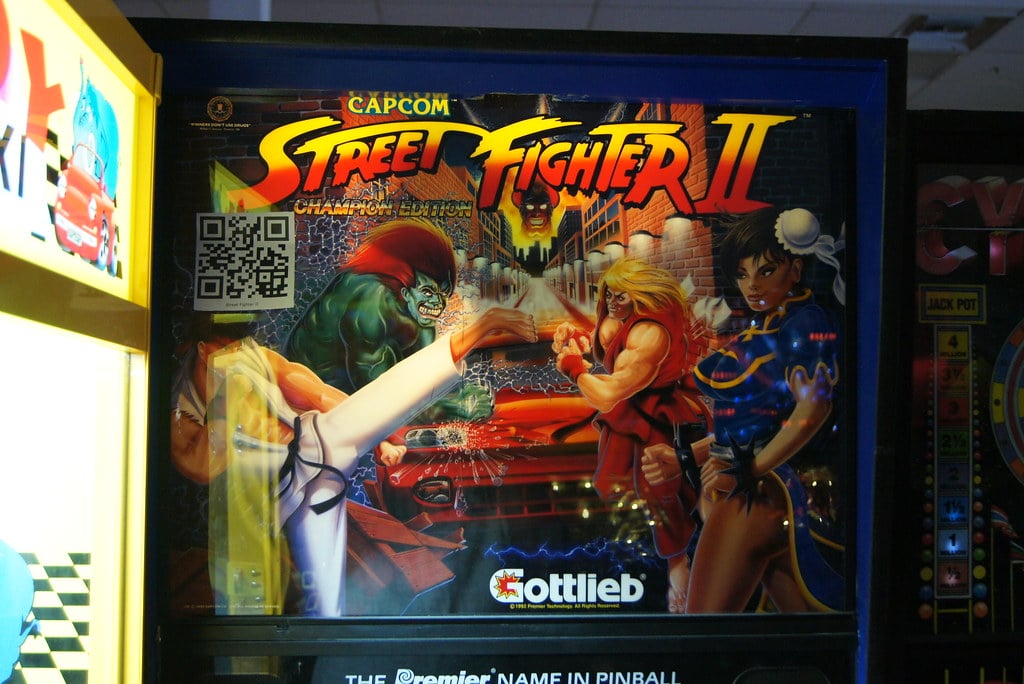
Capcom’s 1991 fighter changed competitive gaming forever. Eight characters with distinct fighting styles, special moves that required specific input commands, and combo systems that rewarded precision created depth that players spent years mastering.
The game sparked a phenomenon in arcades. Crowds gathered to watch skilled players battle.
Communities formed around specific characters. People developed local reputations.
The competitive scene that emerged from Street Fighter II laid groundwork for esports decades before that term existed. The game proved that depth and skill expression mattered more than flashy graphics or gimmicks.
Galaga Perfected the Space Shooter Formula
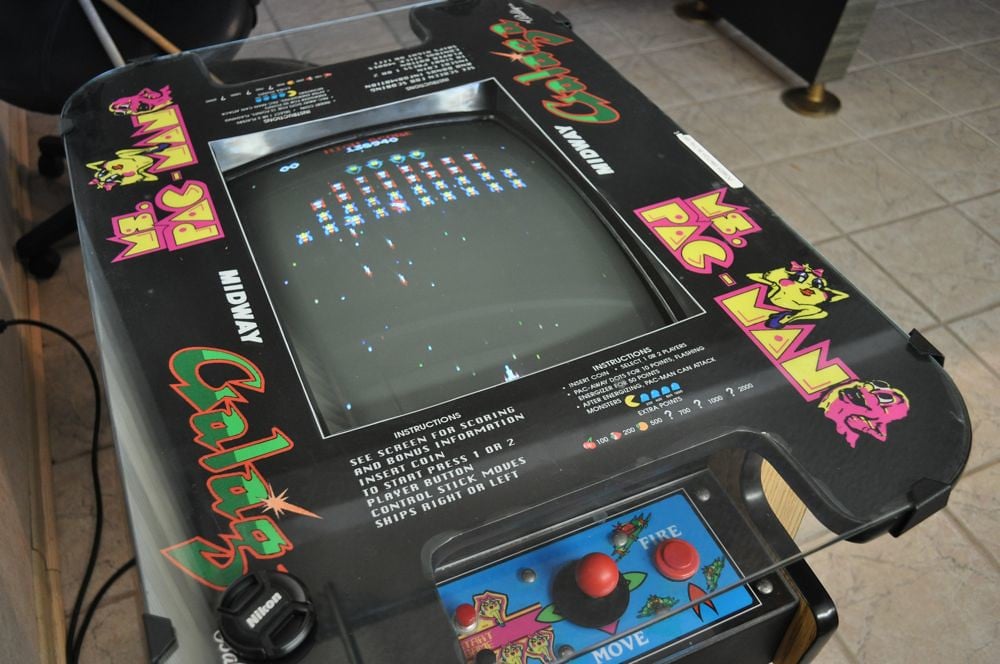
Released in 1981, Galaga took what Space Invaders started and refined every element. The swooping attack patterns felt choreographed.
The tractor beam that could capture your ship added risk-reward decisions. Recovering your captured ship to fight with dual firepower became a strategic goal rather than just survival.
The bonus stages broke up the intensity. These challenging-stage rounds let players focus purely on accuracy without threat of death, offering a breather while still maintaining engagement.
The game understood rhythm and flow in ways that influenced countless shooters afterward. The alien designs had personality.
The diving patterns felt deliberate and learnable. You could study the game, develop muscle memory, and genuinely improve through practice.
High scores meant something because skill determined them.
Asteroids Delivered Pure Twitch Gaming
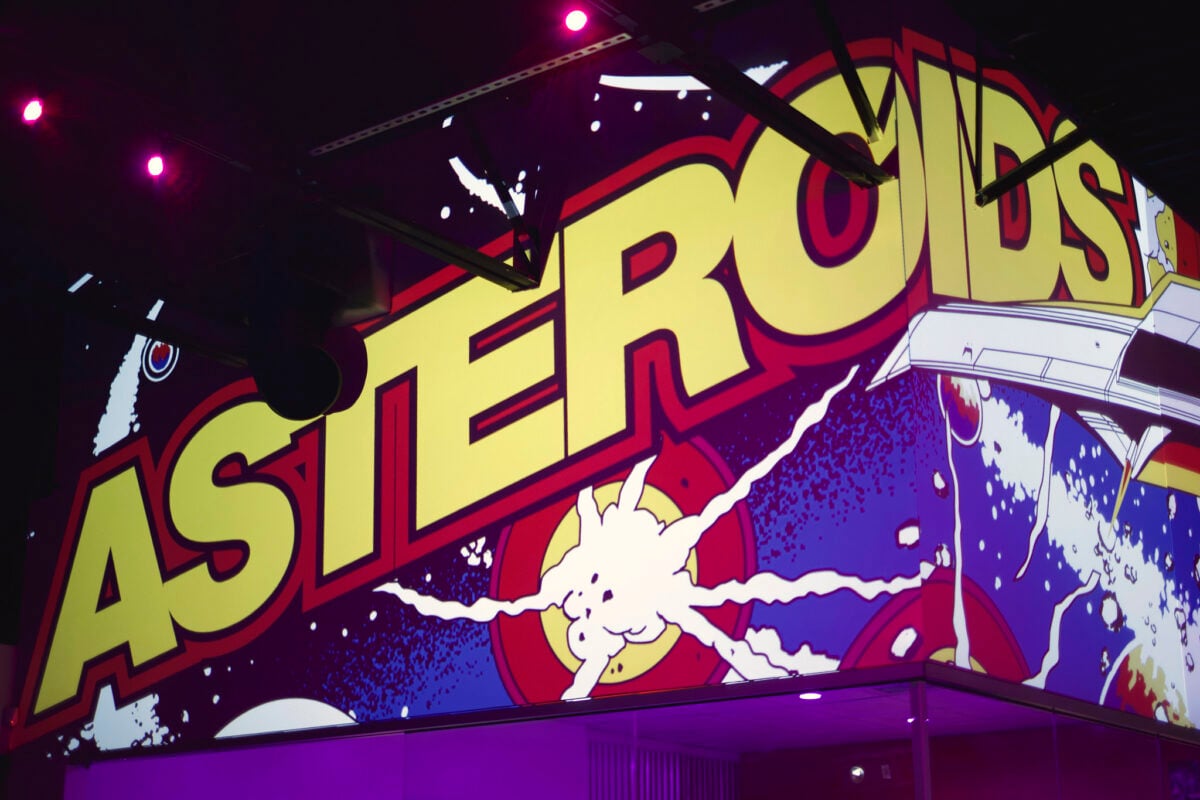
Atari’s 1979 vector graphics masterpiece puts you in an asteroid field with one simple goal: survive. The physics felt real.
Your ship had momentum. Shooting in one direction pushes you in another.
Big asteroids broke into medium ones, medium ones into small ones, and you had to manage the chaos you created. The wraparound screen added another layer of spatial awareness.
Enemies appeared from any direction. The flying saucers that periodically showed up kept you from getting too comfortable with just the asteroids.
The game demanded constant attention and quick decisions. That vector graphics look remains iconic.
The crisp white lines against the black background created stark, beautiful images. The minimalist aesthetic let gameplay shine without visual clutter.
Ms. Pac-Man Proved Sequels Could Improve Originals

The unofficial 1982 sequel to Pac-Man started as a hack kit but became officially licensed due to its quality. The mazes changed between levels.
The fruit bounced around instead of staying stationary. The ghost behavior included more randomness, preventing players from memorizing perfect patterns.
These changes addressed the original game’s biggest weakness—once you learned the patterns, the challenge disappeared. Ms. Pac-Man maintained unpredictability that kept expert players engaged.
The character herself became a cultural icon, proving that female protagonists could drive major gaming successes.
Dragon’s Lair Showed What Laserdiscs Could Do
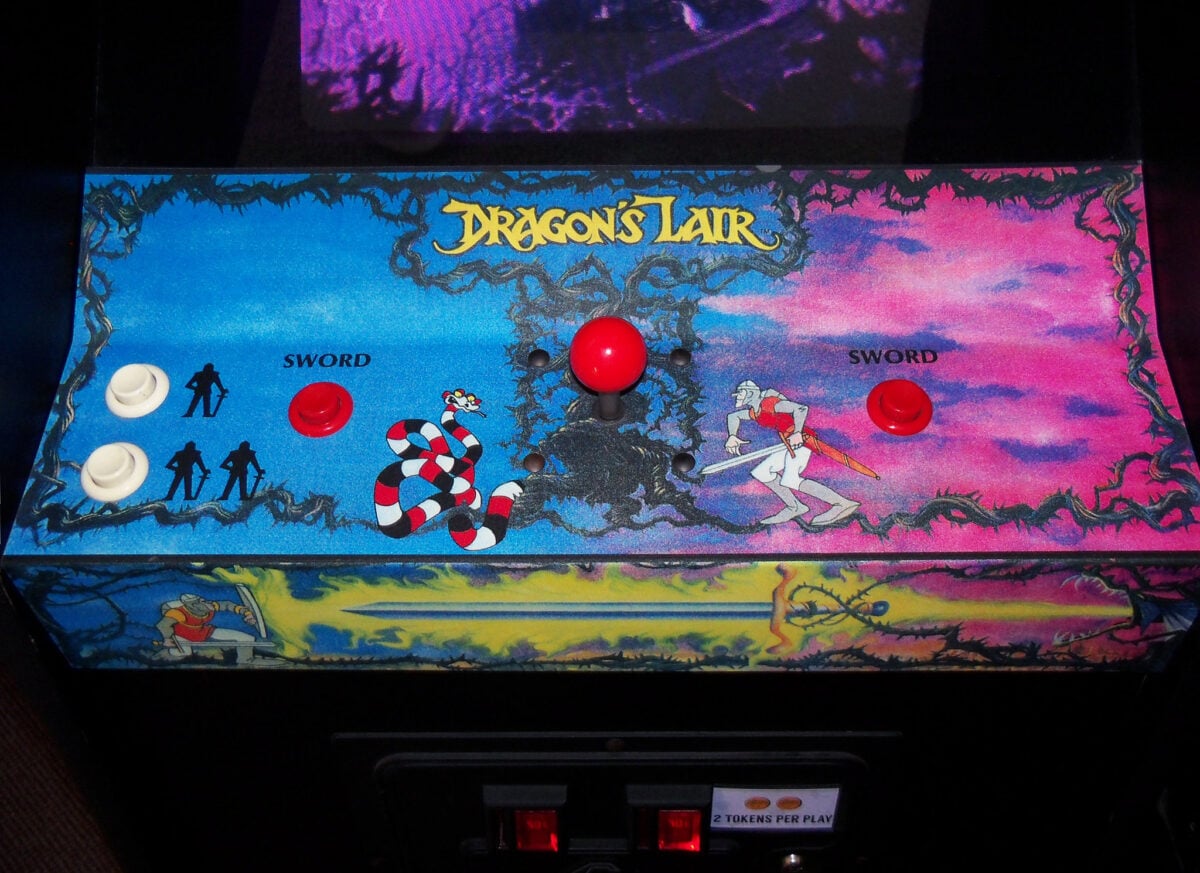
This 1983 release looked nothing like other arcade games. Hand-drawn animation from former Disney animator Don Bluth created visuals that resembled an animated film.
You guided Dirk the Daring through a castle filled with traps and monsters by timing joystick moves and button presses to match on-screen actions. The gameplay was divisive.
Some saw it as interactive animation rather than true gaming. Others appreciated the cinematic experience and the challenge of memorizing the correct sequences.
Regardless of opinion on its mechanics, Dragon’s Lair proved that arcades could deliver visual experiences beyond pixel art and simple graphics.
Mortal Kombat Pushed Boundaries and Started Debates

The 1992 fighter used digitized actors instead of sprites, creating a grittier, more realistic look than its competitors. The violence went further than other games of its era.
Finishing moves let winners execute elaborate, graphic takedowns of defeated opponents. The controversy surrounding the game reached Congress.
Parental groups complained. Retailers pulled it from shelves. But the attention only increased its popularity.
Young players wanted to experience what adults deemed too intense. The game helped spark the creation of the ESRB rating system, fundamentally changing how the industry approached content and age-appropriateness.
Beyond the controversy, the gameplay held up. The special moves, the timing windows, the mind games between players—Mortal Kombat created a dedicated competitive community that persists today.
Defender Defined Side-Scrolling Shooters
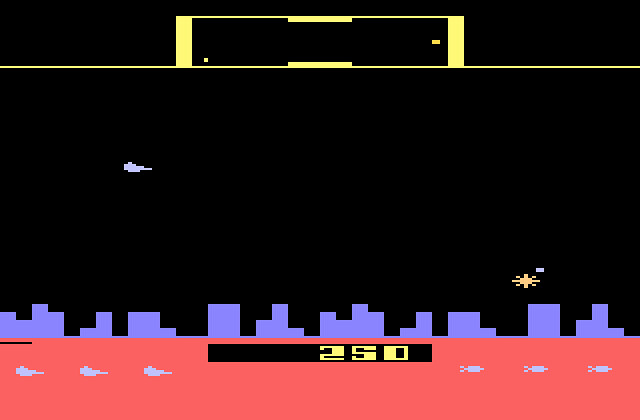
Williams Electronics created something complex in 1981. Your ship flew horizontally across a scrolling landscape, protecting humanoids from alien abductors.
The controls used multiple buttons for different actions—thrust, reverse, fire, smart bomb, and hyperspace. Mastering the game took dedication.
The minimap at the top of the screen showed the entire playfield, helping you track threats across the level. This feature became standard in countless games afterward.
The difficulty curve was brutal. Players had to learn through repeated failure, building skills gradually.
The game rewarded aggression. Passive play led to failure.
You had to engage threats actively, rescue abducted humans before aliens transformed them, and manage your limited smart bombs strategically.
Frogger Created the Perfect Simple Challenge
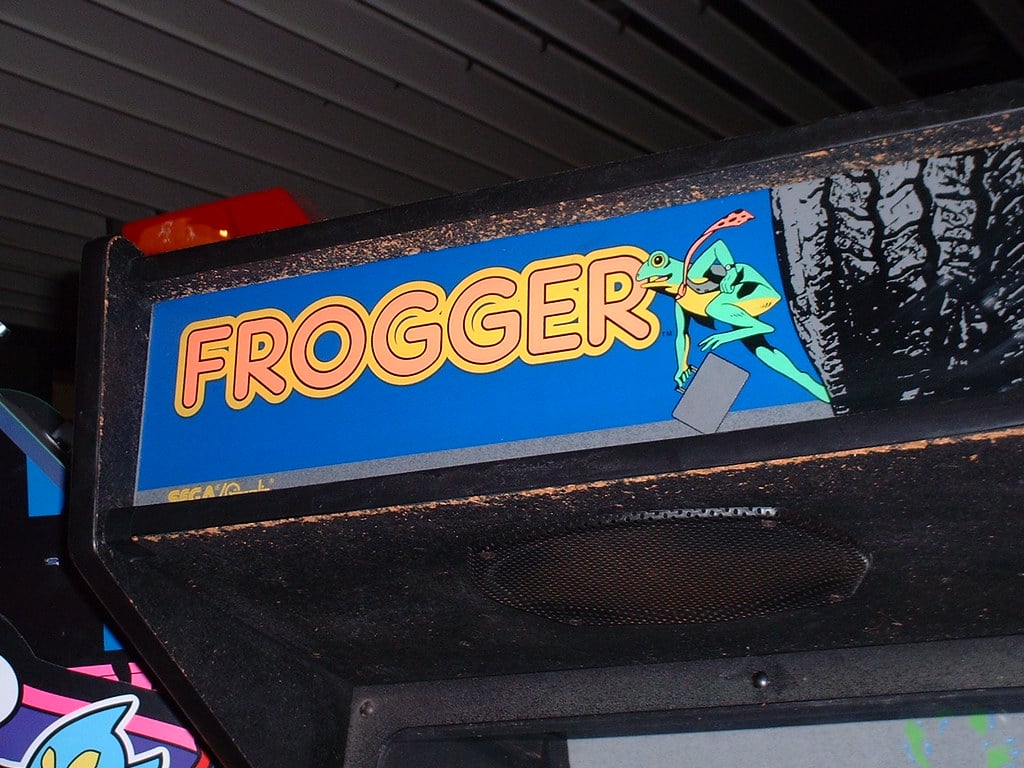
Konami’s 1981 game gave you one task: get the frog across the road and river to safety. But executing that task required timing, spatial awareness, and patience.
Cars moved at different speeds. Logs and turtles floated in patterns you had to read.
The turtles occasionally submerged, adding another timing element. The theme felt universal.
Everyone understands crossing a street. The game didn’t need explanation.
You instantly grasped the goal and the obstacles. This accessibility helped it reach beyond typical arcade audiences.
The difficulty came from execution, not complexity. Each successful crossing felt earned.
The game taught players to observe, wait for the right moment, and commit to movement. Those lessons applied beyond gaming.
Centipede Brought Different Players to Arcades
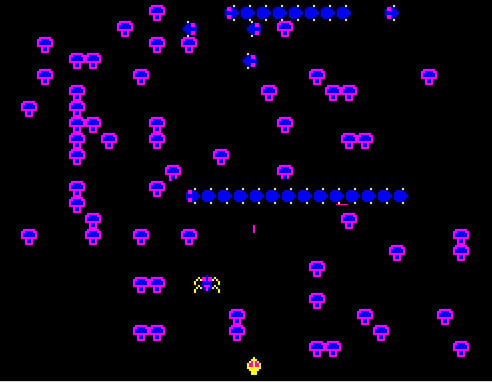
Atari’s 1981 release, designed by Dona Bailey, became one of the first major arcade games with a female designer. The trackball controls felt intuitive.
The centipede descended through a mushroom field, and you had to shoot segments while avoiding spiders, fleas, and scorpions. The game attracted a broader demographic than typical arcade titles.
Women played in significant numbers, which was uncommon at the time. The controls required finesse rather than aggressive button mashing.
The pacing allowed for tactical thinking alongside quick reflexes. The mushroom field created strategic depth.
Your shots added mushrooms. Destroyed centipede segments left mushrooms.
The scorpion poisoned mushrooms, changing centipede behavior. Managing the playfield became as important as accurate shooting.
Q*bert Taught Players to Think in 3D
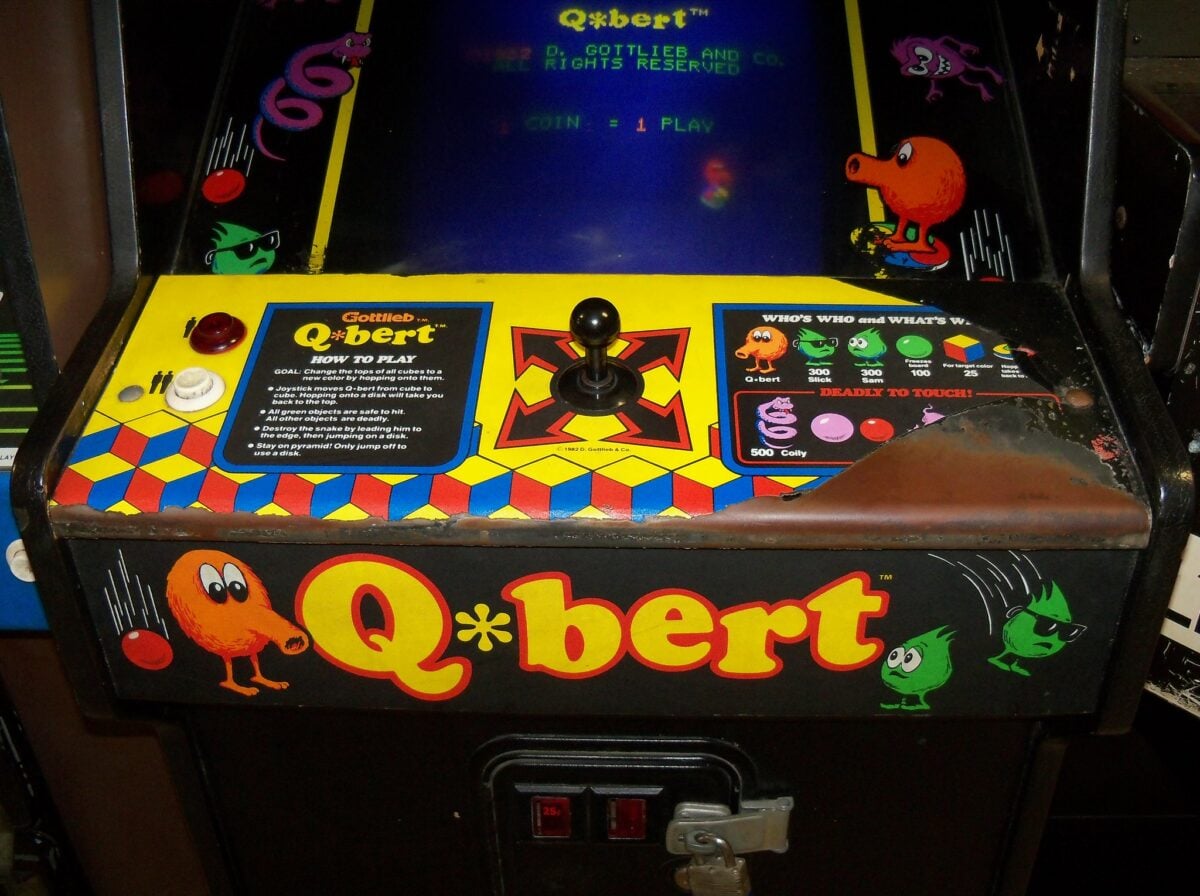
Back in 1982, a strange mix of puzzles and action threw gamers off with its tilted view. A little character jumped across blocks, flipping them from one shade to another, all while dodging foes that got in the way.
Since the camera sat at an angle, moving felt odd at first – pressing right sent you sliding down toward the lower corner instead of straight ahead. After getting used to how it worked, the game showed what it was really about.
Different enemies acted in ways you could turn to your advantage. One kind would chase straight at you.
A few just wandered without pattern. Figuring out how to twist those habits into openings made all the difference.
When Qbert got hit, little swear-like icons popped up – giving it a quirky edge. Even without real-world visuals, the game managed to feel alive somehow.
Sounds shaped the space, turning flat shapes into something you could almost touch.
Where The Quarters Ended Up

Out there among flashing screens, people found more than fun. Respect came easily to those who mastered the controls.
Watchers would cluster around, drawn by quick fingers and sharp reflexes. Bonds grew during tense rounds where everyone tried beating the same stubborn record.
A way of talking emerged – simple, universal, no need for words sometimes. Even now, moves born in old arcade machines live on in today’s titles.
Not just echoes – full design choices like chaining actions, spotting sequences, weighing dangers against gains. Floor after floor of players once shaped what studios reach for again and again.
Chasing top ranks back then became digital trophies and ranked ladders later. Crowds shouting around two-player battles? That energy feeds every online matchup we see now.
Machines like these showed an entire generation the potential of gaming. Not only did they entertain, but they also opened doors to real mastery, shared moments, and lasting memories.
Nostalgia plays a role, sure – yet the true impact lies deeper. Hidden beneath is the sharp insight of pioneers who knew exactly what made playing feel alive.
More from Go2Tutors!

- The Romanov Crown Jewels and Their Tragic Fate
- 13 Historical Mysteries That Science Still Can’t Solve
- Famous Hoaxes That Fooled the World for Years
- 15 Child Stars with Tragic Adult Lives
- 16 Famous Jewelry Pieces in History
Like Go2Tutors’s content? Follow us on MSN.