Famous Bridges With Unusual Engineering
Most bridges are pretty straightforward—you build something strong enough to get from Point A to Point B without collapsing into whatever’s below. But some engineers apparently got bored with that concept and decided to get weird with it.
These bridges don’t just cross gaps; they rotate, curl up, sink below water level, or defy what you’d think physics would allow. Here are some of the most unusually engineered bridges that actually exist (and mostly work).
The Rolling Bridge, London
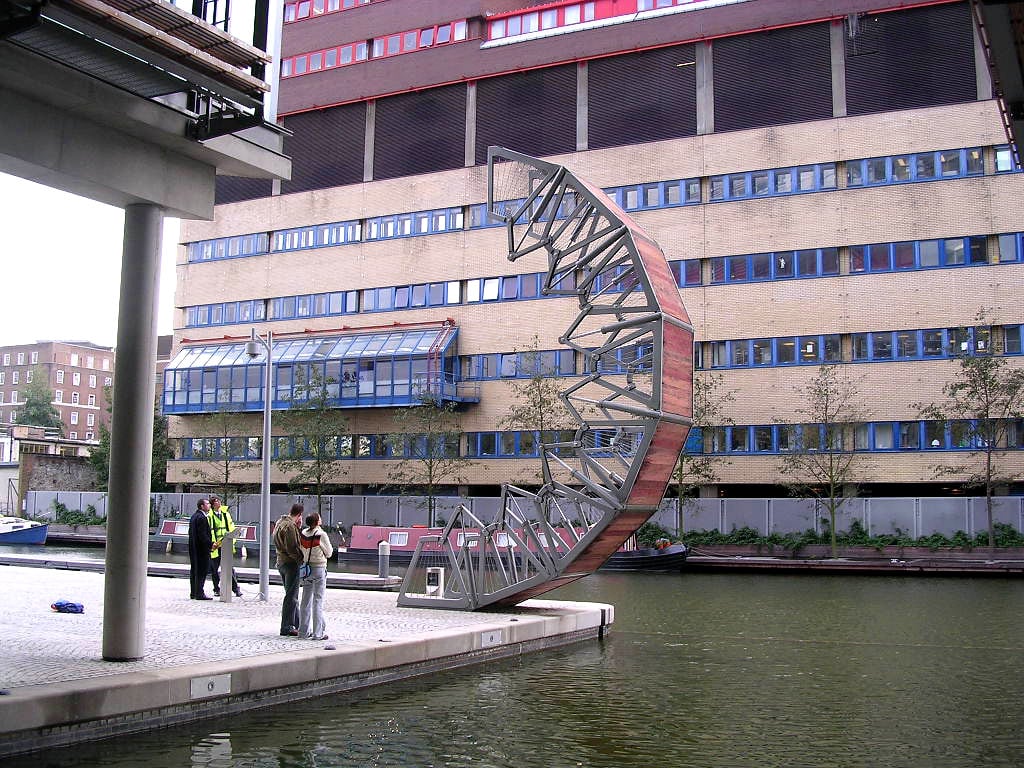
This thing literally curls up into an octagon when it needs to let boats pass. Designed by Thomas Heatherwick and opened in 2004, it’s a footbridge at Paddington Basin that uses hydraulic pistons in the handrails to curl itself into an orb.
Every Friday at noon they demonstrate it, and honestly it’s mesmerizing to watch (like a mechanical caterpillar or something). It’s only 12 meters long, so it’s not exactly a major piece of infrastructure.
But the engineering is clever—eight triangular sections that fold using hydraulics until the whole thing becomes a sculpture on one side of the canal.
Magdeburg Water Bridge, Germany
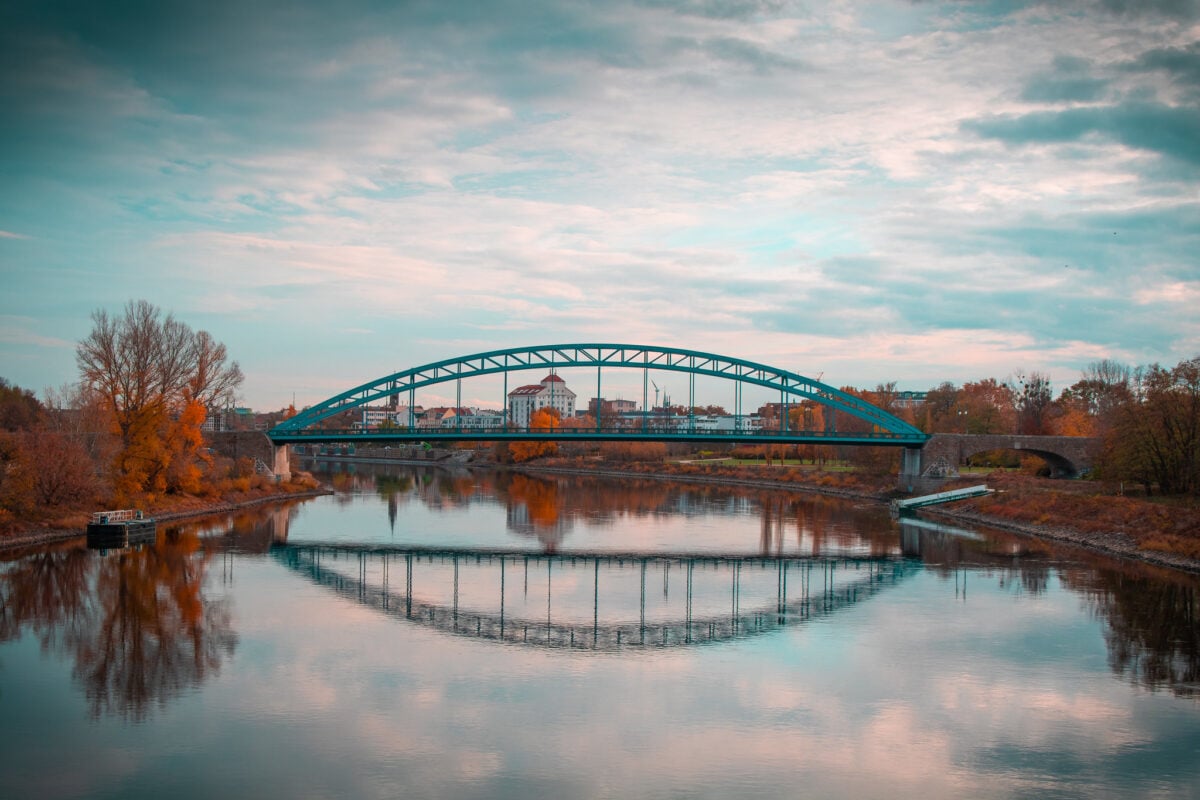
A bridge that carries water over water. Which sounds stupid until you realize it’s actually solving a real problem—connecting two canal systems that were at different elevations.
The bridge is basically a 918-meter-long channel filled with water that boats sail through, passing over the Elbe River below. They started planning it in the 1930s, World War II interrupted everything, then German reunification happened, and it finally opened in 2003.
So it only took about 70 years, no big deal.
Gateshead Millennium Bridge, England

The locals call it the “Blinking Eye Bridge” because of how it opens. Instead of lifting up like a normal drawbridge, the entire curved pedestrian deck and its supporting arch tilt together, rotating around horizontal axes on both banks.
It takes about four minutes to fully open and uses six large hydraulic rams. When it opened in 2001, it won basically every architecture award that exists.
It’s designed for pedestrians and cyclists, which means you won’t see cars on it (thankfully, because that tilting mechanism probably wouldn’t handle trucks very well).
Moses Bridge, Netherlands
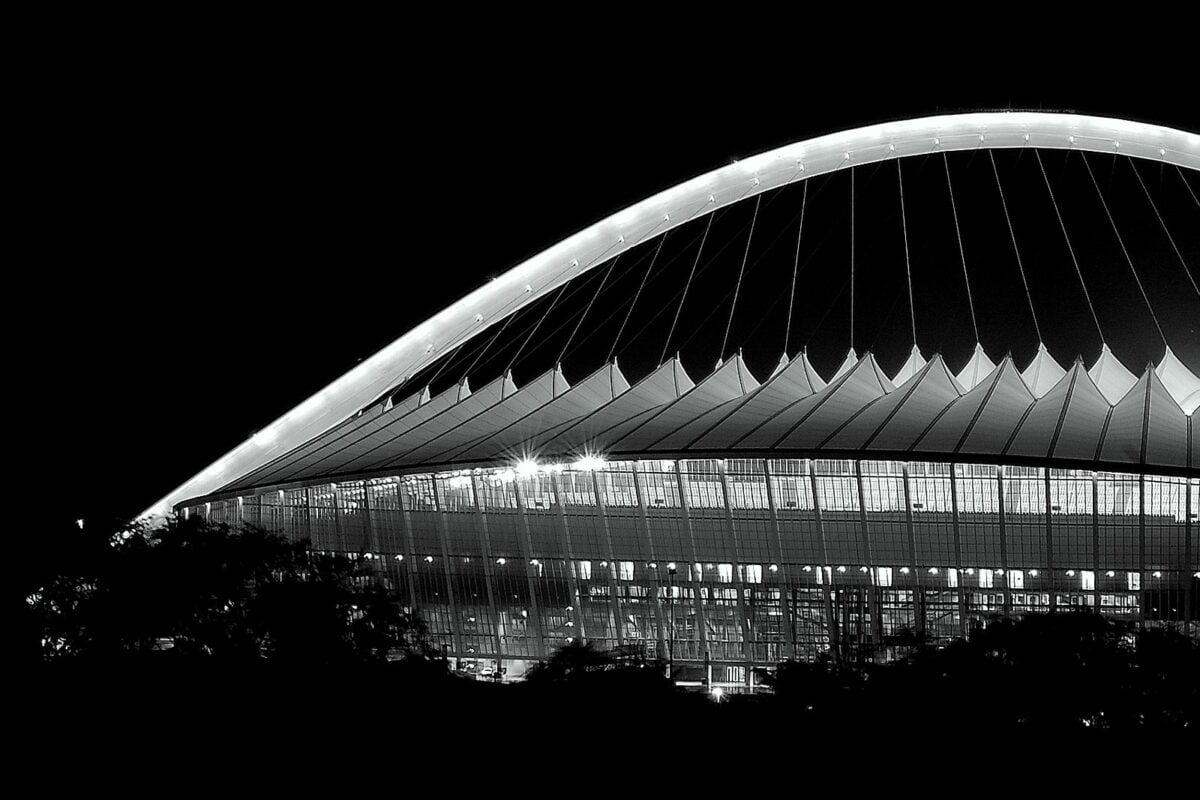
This bridge sinks below water level. You walk through it and the water is literally above your head on both sides, held back by waterproofed wood walls.
It’s at Fort de Roovere, which is surrounded by a moat, and the designers decided the best way to maintain the historic sight lines was to make the bridge invisible from a distance. The wood is Accoya, which is treated to resist rot even when constantly wet.
There’s a dam system that keeps water from overflowing into the bridge trench, though you still feel like you’re about to get soaked when you’re walking through it.
Slauerhoffbrug, Netherlands

The Dutch apparently love weird bridges. This one is a “tail bridge” in Leeuwarden that works like a massive yellow mechanical arm—the entire deck section lifts straight up into the air when ships need to pass. It looks like something from a Transformers movie.
It operates automatically using sensors that detect approaching ships. The whole lifting process takes less than a minute.
They named it after a Dutch poet, though I’m not sure what poetry has to do with a giant robotic arm bridge.
Millau Viaduct, France

The tallest bridge in the world (if you measure by the height of its masts). The highest point is 343 meters above the base—taller than the Eiffel Tower. It crosses the Tarn River valley in southern France and the engineering challenge was basically “how do we build something this tall without it falling over.”
British architect Norman Foster designed it with French engineer Michel Virlogeux. Seven cable-stayed pylons hold up the roadway, and the whole thing is elegant in that minimalist way where you forget how insanely difficult it was to build. It opened in 2004 and apparently shortened the drive from Paris to Barcelona significantly (unless you’re too terrified of heights to actually use it).
Helix Bridge, Singapore

Inspired by DNA structure, which is either brilliant or pretentious depending on your perspective. The pedestrian bridge connects Marina Centre with Marina South and features a double helix of steel that wraps around the main structure.
At night it lights up in different colors because Singapore doesn’t do subtle things. Five viewing platforms jut out from the bridge, giving you places to stop and take photos of the Marina Bay skyline.
The design is supposed to symbolize life and continuity and growth and other metaphorical concepts that sound great in architecture presentations.
Akashi Kaikyō Bridge, Japan
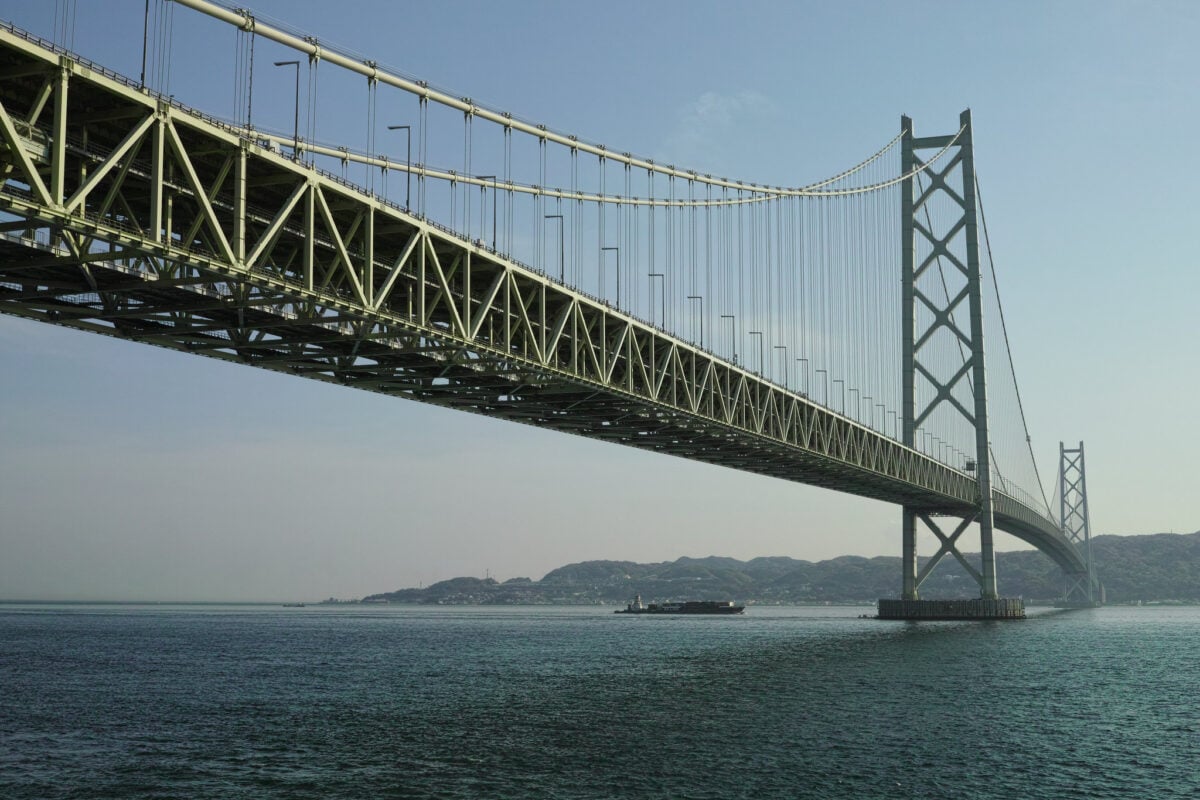
The longest suspension bridge span in the world is 1,991 meters between towers. It connects Kobe to Awaji Island and was specifically designed to withstand earthquakes (which is necessary in Japan).
During construction, the Great Hanshin earthquake in 1995 actually hit and moved one of the towers, forcing them to make the bridge slightly longer than originally planned. The main cables are 1.12 meters in diameter and contain 290,000 kilometers of wire—enough to circle the Earth seven times.
Engineers accounted for the curvature of the Earth when building it because the towers are so far apart that they had to account for the planet being round.
Juscelino Kubitschek Bridge, Brazil

Three asymmetrical steel arches that cross the Paranoá Lake in Brasília without touching the water. The arches are at different heights and angles, crisscrossing above the roadway in a way that looks impossible but somehow works structurally.
Alexandre Chan designed it, and it won awards for being innovative and beautiful and probably making structural engineers nervous. At night they light it up with yellow lights, giving the whole thing a golden glow that reflects in the lake.
Pont du Gard, France

An ancient Roman aqueduct bridge from the first century AD that’s still standing. Three tiers of arches stacked on top of each other, built without any mortar—just precisely cut stones that lock together through weight and friction.
The Romans built it to carry water from springs to Nîmes, and the gradient is so precise that water only drops 2.5 centimeters per kilometer. It’s about 50 meters high and crosses the Gardon River.
The engineering knowledge required to build this without modern technology is kind of staggering. The Romans just did math and geometry and made it work for 2,000 years.
Øresund Bridge, Sweden/Denmark

This bridge turns into a tunnel. It connects Copenhagen to Malmö and starts as a cable-stayed bridge, transitions to an artificial island called Peberholm, then becomes an underwater tunnel.
The tunnel part was necessary because Copenhagen Airport is nearby and they couldn’t have a bridge tall enough to allow ships but low enough to not interfere with flight paths. The whole thing is about 16 kilometers long, and you drive it in less than 10 minutes (unless traffic is bad, which it often is).
It opened in 2000 and there’s a Swedish/Danish TV show named after it that became pretty popular for some reason.
Langkawi Sky Bridge, Malaysia
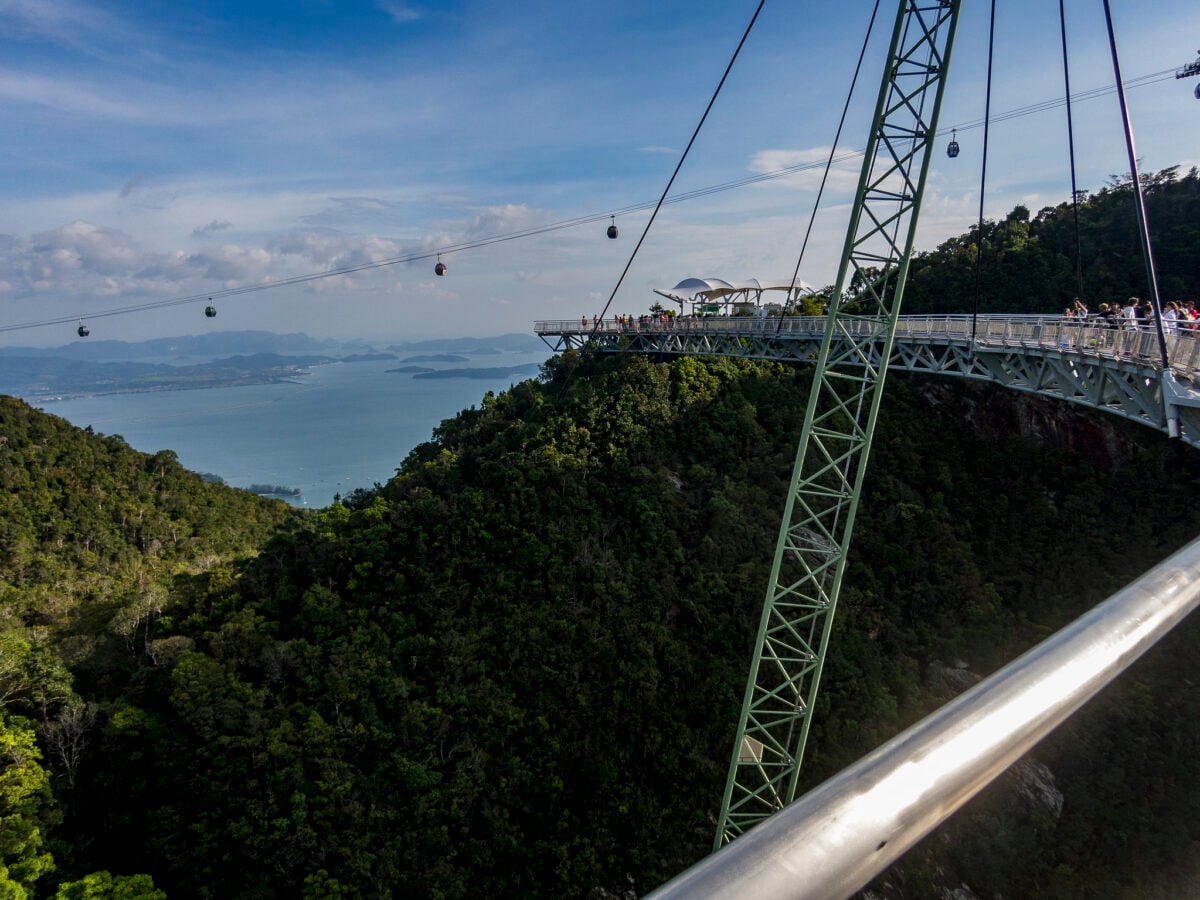
A curved cable-stayed pedestrian bridge that’s suspended 100 meters above the ground in the Malaysian rainforest. It’s only 125 meters long but the curve makes it feel longer, and the fact that you’re walking on what’s essentially a suspended walkway with jungle canopy far below makes it memorable (or terrifying).
You have to take a cable car to reach it, then walk across a shorter bridge to get to the main Sky Bridge. The curve was designed to give multiple viewing angles of the Andaman Sea and surrounding islands.
Some people find it exhilarating. Others refuse to get out of the cable car.
Henderson Waves, Singapore

Singapore again. This is the highest pedestrian bridge in the city-state at 36 meters above the ground, connecting two parks.
The design looks like a sine wave, with alternating curved ribs that create shelter and seating areas along the bridge deck. The wave structure isn’t just aesthetic—it provides structural support while creating shaded spaces underneath the curves where you can sit and rest (which you’ll want to because it’s Singapore and the humidity is brutal).
It won design awards and looks particularly dramatic at night when the LED lights turn on.
When Engineers Get Creative

There’s something satisfying about bridges that do more than the minimum. Sure, a flat concrete span would work fine for most situations, but these projects show what happens when you give engineers interesting problems and the budget to solve them in unusual ways.
Some of these designs emerged from necessity—geographical constraints or specific requirements that forced innovation. Others seem like someone just wanted to prove they could build something weird.
Either way, they work (mostly), and they’re a lot more interesting to look at than standard highway overpasses.
More from Go2Tutors!

- The Romanov Crown Jewels and Their Tragic Fate
- 13 Historical Mysteries That Science Still Can’t Solve
- Famous Hoaxes That Fooled the World for Years
- 15 Child Stars with Tragic Adult Lives
- 16 Famous Jewelry Pieces in History
Like Go2Tutors’s content? Follow us on MSN.