Important Electricity Milestones Throughout History
Electricity powers everything around you right now. Your phone, your lights, your refrigerator.
But this invisible force that feels so ordinary took thousands of years to understand and harness. The story of electricity isn’t just about science—it’s about curiosity, persistence, and people who refused to accept that the natural world was beyond understanding.
Ancient Observations of Static Electricity
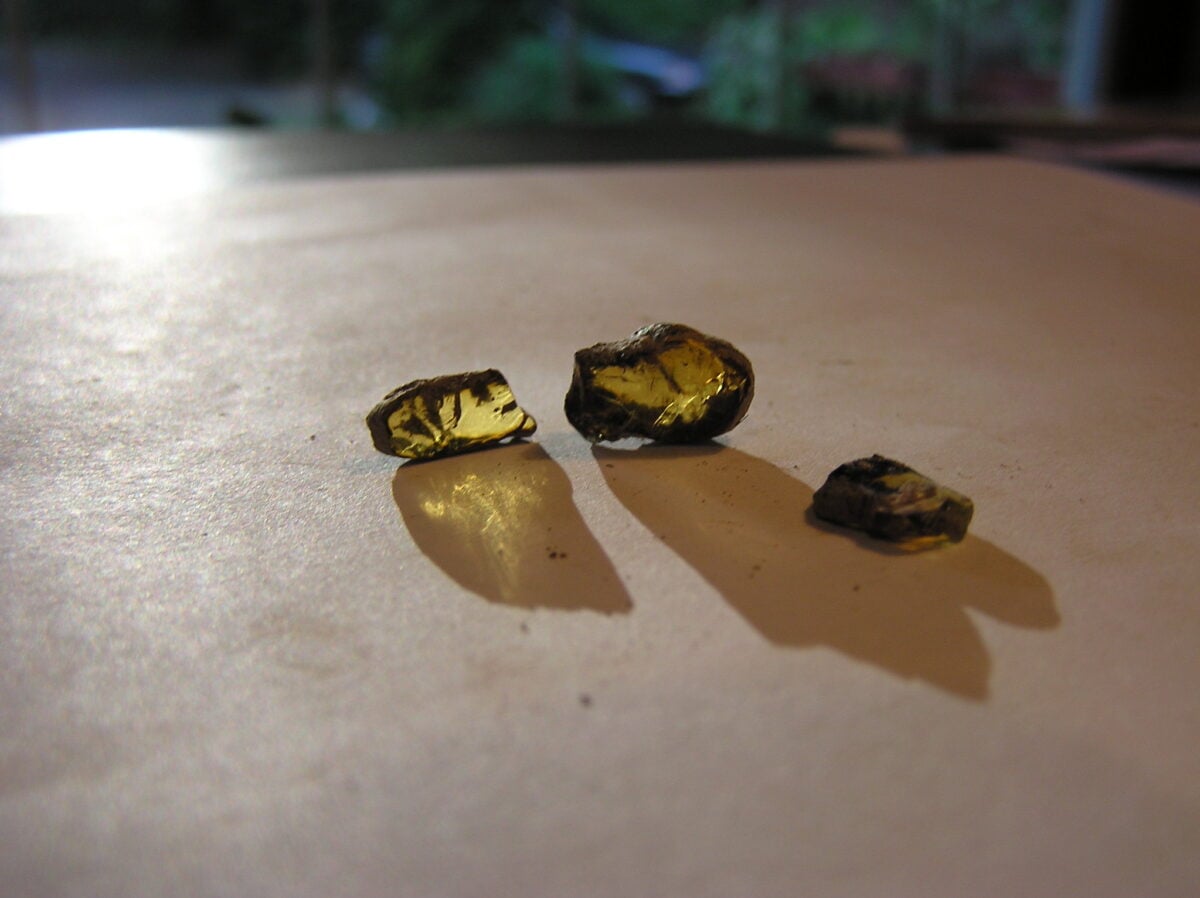
The ancient Greeks noticed something strange about amber. When you rubbed it with cloth, it attracted lightweight objects like feathers and hair.
They called amber “elektron,” which gives us the word electricity today. But they didn’t understand what caused this phenomenon.
They just knew it happened. This observation sat dormant for centuries.
Nobody tried to explain it or build on it. It was just a curiosity, a party trick, nothing more.
William Gilbert Maps Magnetic Forces

In 1600, an English physician named William Gilbert published a book that changed how people thought about natural forces. He studied magnetism and static electricity systematically, testing different materials to see which ones behaved like amber.
He created the term “electric” to describe materials that could attract objects after being rubbed. Gilbert’s work mattered because he approached the subject methodically.
He didn’t just observe—he experimented, recorded, and drew conclusions. This set a template for how electricity would be studied for the next several centuries.
The Leyden Jar Stores Charge
In 1745, researchers in Leyden (now Leiden) in the Netherlands created the first device that could store electrical charge. The Leyden jar was simple—a glass jar lined with metal foil inside and out, with a metal rod extending through a cork stopper.
When you charged it up and then touched the rod, you got a serious shock. People passed Leyden jars around at parties, creating chains of people who would all get shocked at once.
It was entertainment, but it was also the first capacitor, the first proof that you could capture and store electricity.
Benjamin Franklin Flies His Kite

Franklin’s kite experiment in 1752 sounds like a myth, but he really did it. He flew a kite with a metal key attached during a thunderstorm, proving that lightning was electrical in nature.
When the key sparked, he knew he’d connected atmospheric electricity to the static electricity people had been studying for years. This wasn’t just about understanding thunderstorms.
Franklin’s work led to the lightning rod, which saved countless buildings from burning down. More importantly, it showed that electricity wasn’t just a laboratory curiosity—it existed in nature at a massive scale.
Alessandro Volta Invents the Battery
In 1800, Italian physicist Alessandro Volta created the first battery. He stacked alternating discs of zinc and copper separated by cloth soaked in salt water.
The voltaic pile, as it was called, produced a steady flow of electric current. Before Volta, you could only generate electricity through friction or capture it momentarily in a Leyden jar.
The battery changed everything. Now you had a reliable source of electrical current that you could use whenever you wanted.
Scientists finally had the tool they needed to study electricity properly.
Hans Christian Ørsted Links Electricity and Magnetism
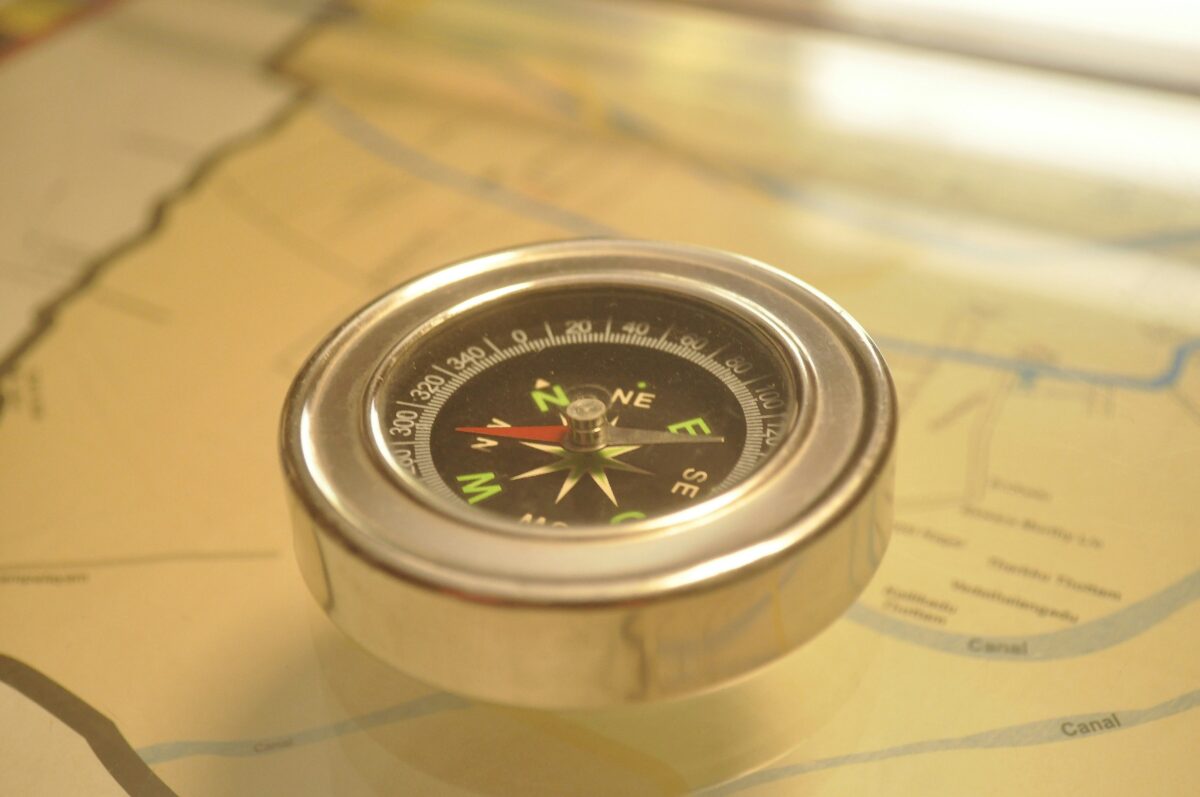
A Danish physicist named Hans Christian Ørsted made an accidental discovery in 1820 that connected two seemingly separate forces. During a lecture demonstration, he noticed that when he ran electrical current through a wire, a nearby compass needle moved.
This was huge. Electricity and magnetism weren’t separate phenomena—they were connected. This single observation opened up an entire field of study and eventually led to electric motors, generators, and transformers.
Michael Faraday Discovers Electromagnetic Induction
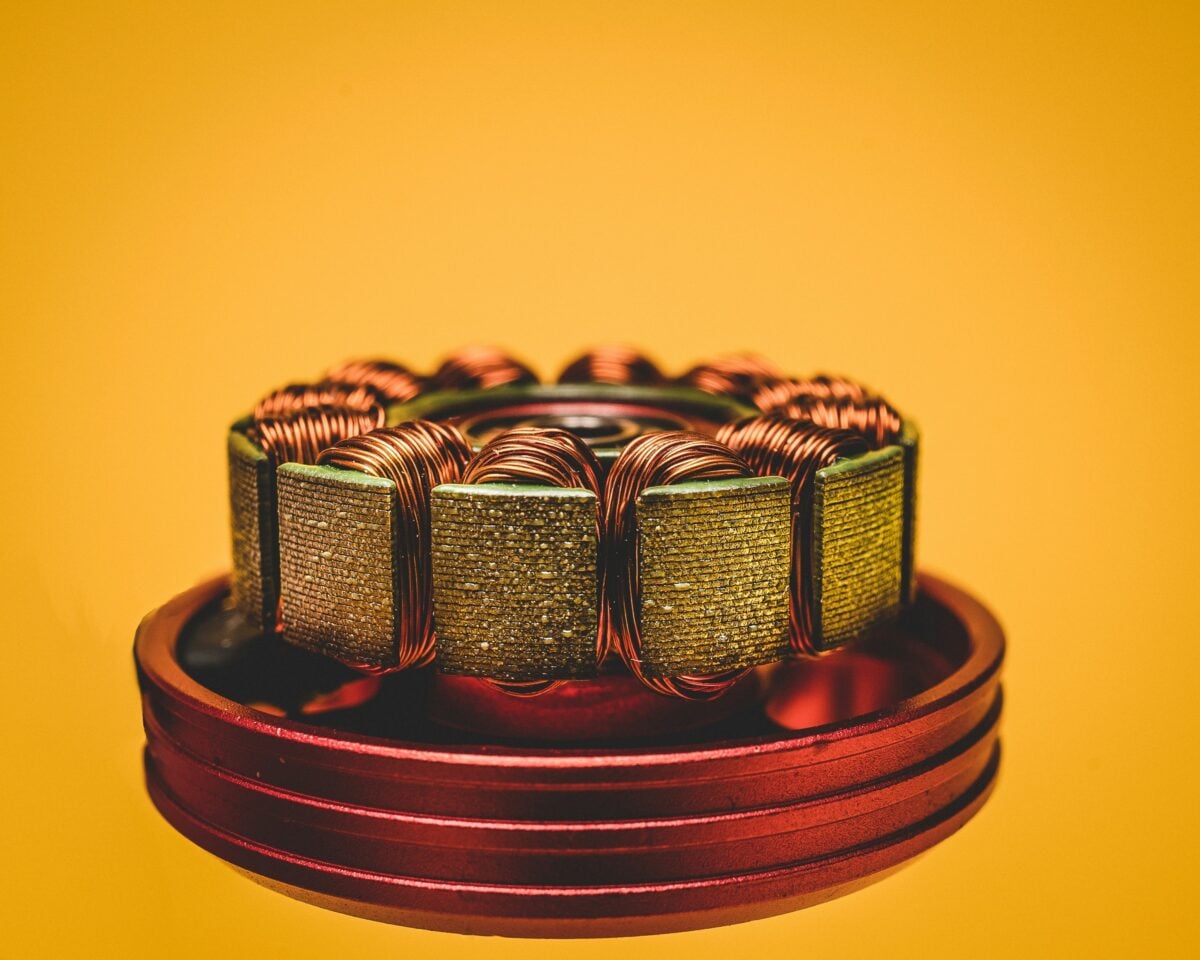
In 1831, Michael Faraday figured out how to create electricity using magnetism. He moved a magnet through a coil of wire and detected an electric current.
This was electromagnetic induction, and it’s still how power plants generate electricity today. Faraday came from a poor family and had little formal education, but his experimental skill was unmatched.
He built the first electric motor and the first generator. He showed that you didn’t need batteries to produce electricity—you just needed motion and magnets.
This discovery made the modern electrical grid possible.
Samuel Morse and the Electric Telegraph
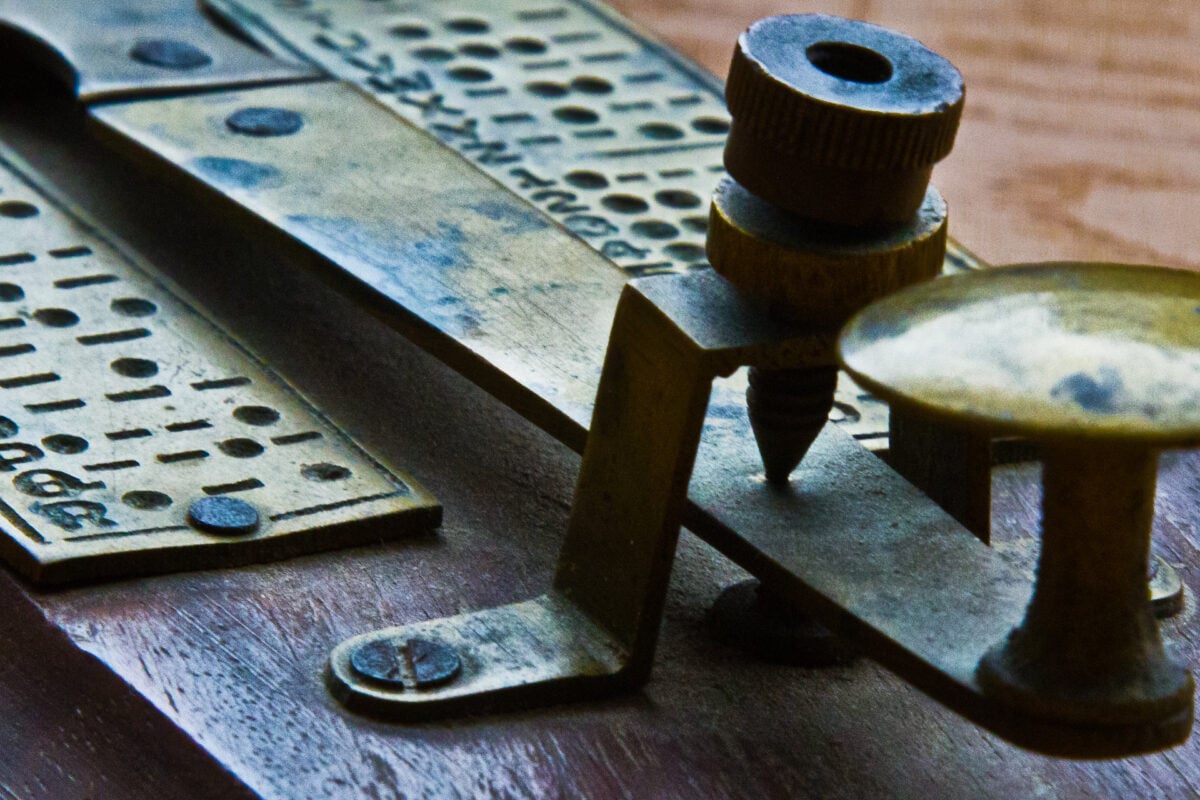
The telegraph, perfected by Samuel Morse in the 1830s and 1840s, was the first practical application of electricity for communication. By sending pulses of current through wires, you could transmit messages over long distances instantly.
The first long-distance telegraph line connected Washington, D.C., to Baltimore in 1844. Within decades, telegraph wires crossed continents and oceans.
Information that once took weeks to travel could now arrive in minutes. The world got smaller, and electricity made it happen.
James Clerk Maxwell Unifies Electromagnetism
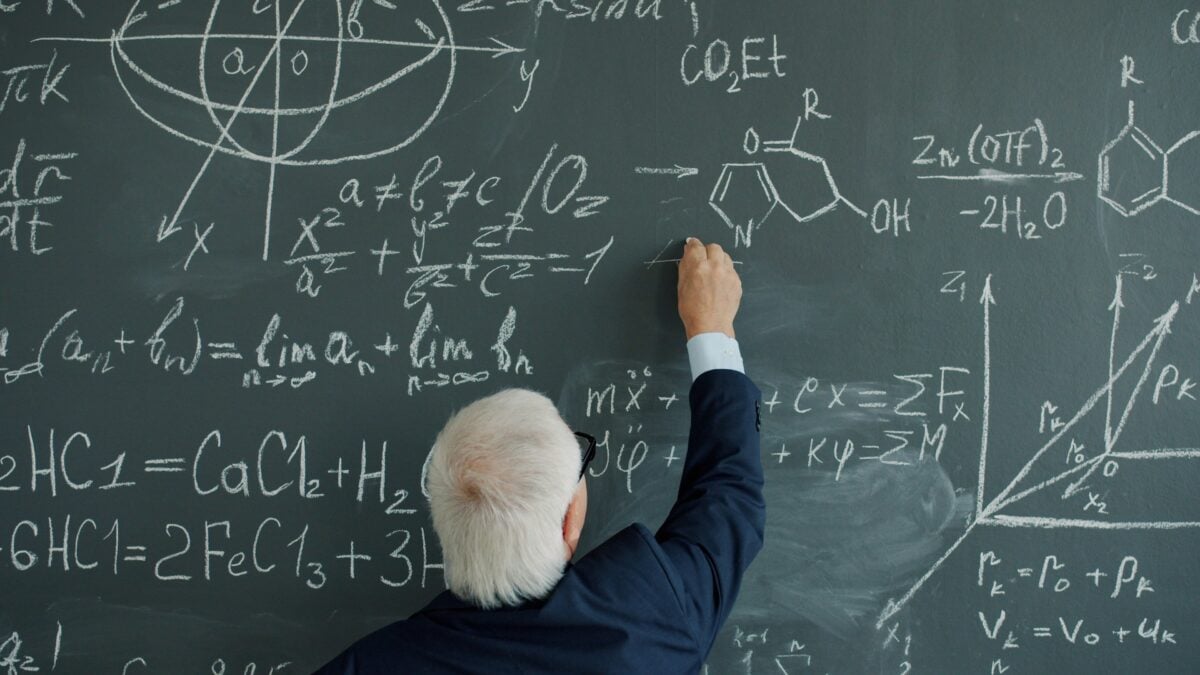
Scottish physicist James Clerk Maxwell published a set of equations in the 1860s that described how electric and magnetic fields work together. These equations predicted that electromagnetic waves could travel through space at the speed of light.
Maxwell’s equations were purely theoretical at first, but they explained everything from static electricity to radio waves to visible light. They unified electricity, magnetism, and optics into one framework.
Without Maxwell’s work, modern electronics wouldn’t exist.
Thomas Edison and the Practical Light Bulb
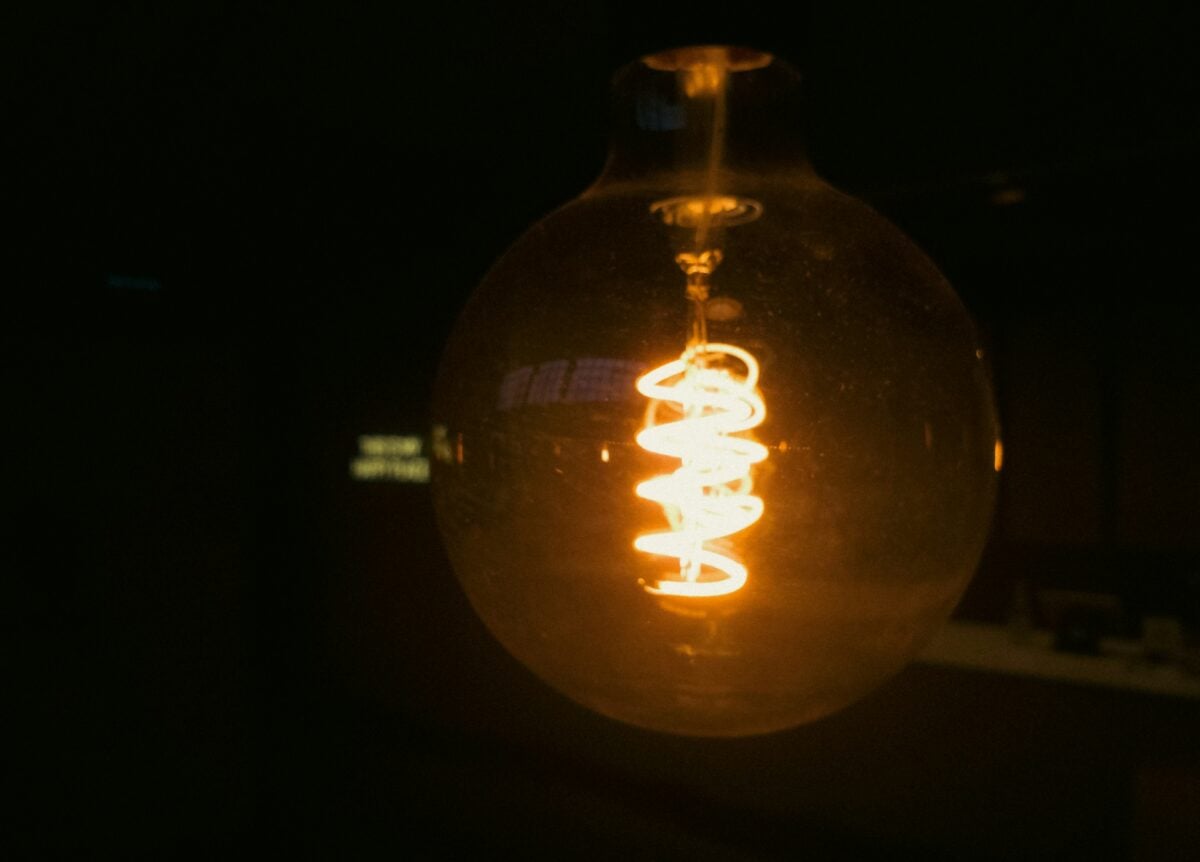
Edison didn’t invent the light bulb—others had created electric lights before him. But in 1879, he developed a version that was practical and long-lasting enough for everyday use.
He used a carbonized bamboo filament that glowed for over 1,200 hours. More importantly, Edison built the entire system around the light bulb.
He created power stations, distribution networks, and electrical meters. He proved that electric lighting could replace gas lamps on a large scale.
His Pearl Street Station in New York City, opened in 1882, was the first central power plant.
Nikola Tesla Champions Alternating Current
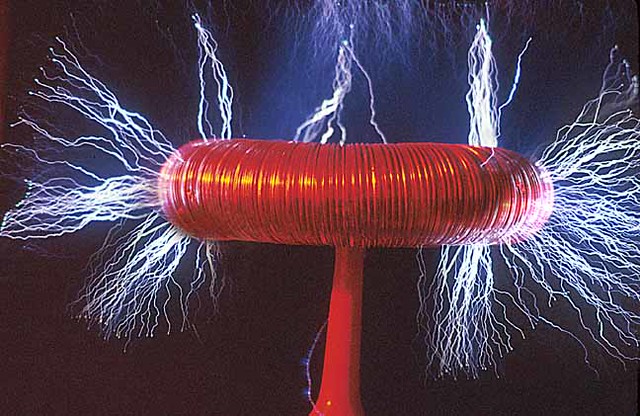
While Edison promoted direct current (DC), Nikola Tesla and George Westinghouse backed alternating current (AC). The “War of the Currents” in the 1880s and 1890s was fierce, with Edison staging public demonstrations to show how dangerous AC could be.
But AC won. It could be transmitted over long distances much more efficiently than DC. You could move voltages up and down using transformers, which made it practical to generate power in one location and use it miles away.
The AC system Tesla developed is still the foundation of modern power grids.
The Electric Grid Takes Shape
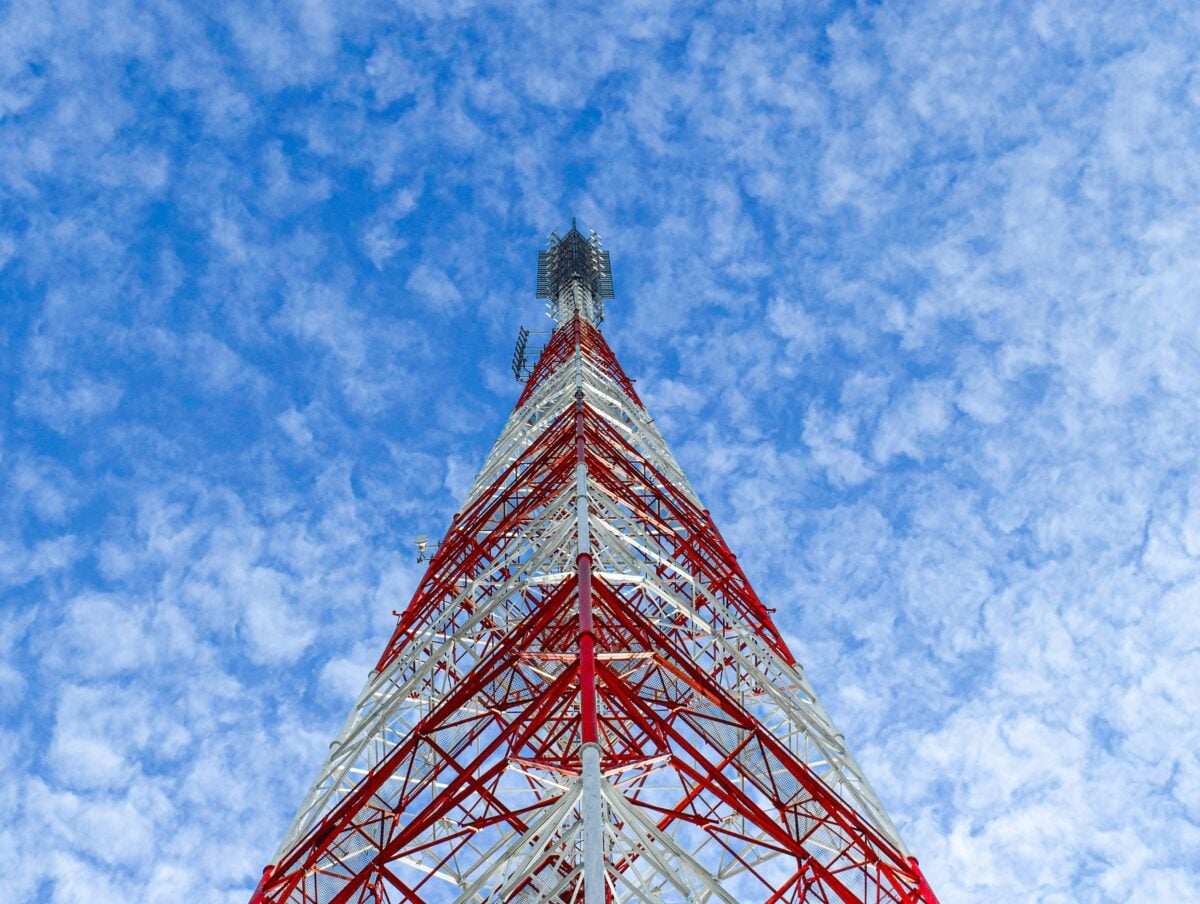
By the early 1900s, cities across America and Europe had electric power. Small local grids merged into larger regional networks.
The Tennessee Valley Authority, created in 1933, brought electricity to rural areas that private companies had ignored. The grid became one of the most complex machines ever built—thousands of power plants, millions of miles of transmission lines, and billions of connection points, all working together to deliver power exactly when and where people need it.
The Vacuum Tube Enables Electronics
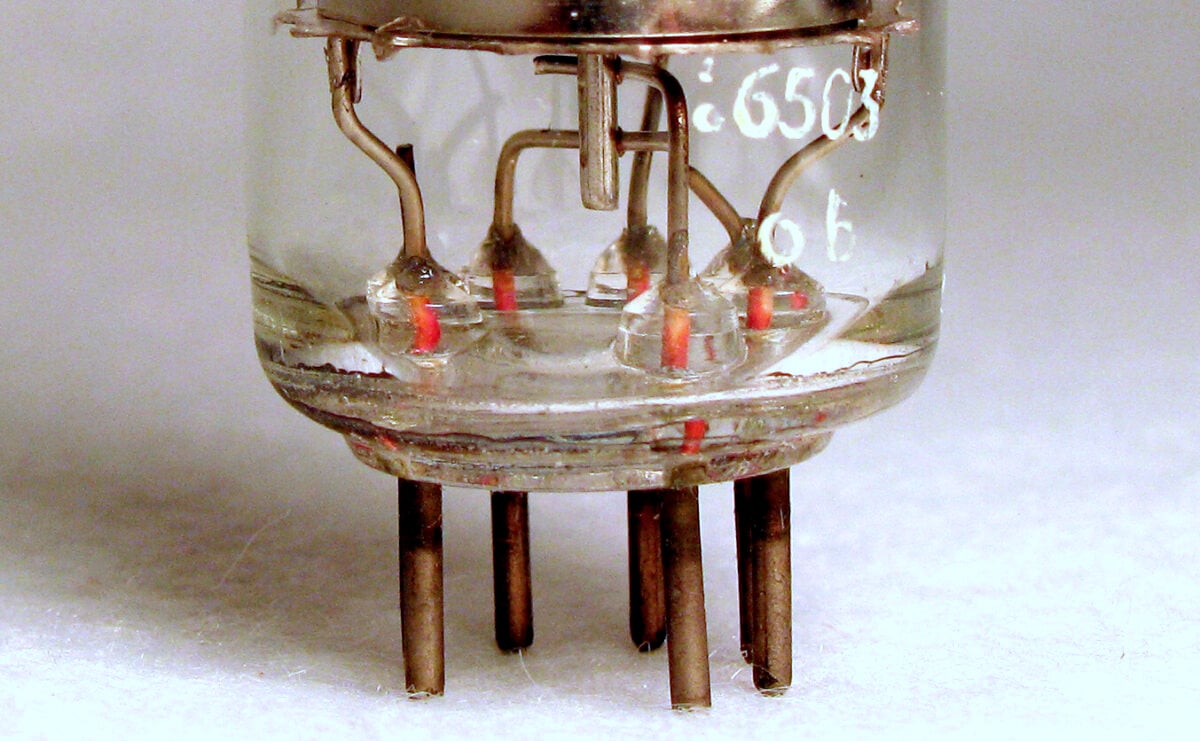
In 1904, John Ambrose Fleming invented the vacuum tube, a device that could control the flow of electric current. Lee De Forest improved it in 1906 by adding a third element, creating the triode.
Vacuum tubes could amplify signals and switch current on and off. They made radio broadcasting possible. They enabled long-distance telephone calls.
They powered the first computers. For decades, vacuum tubes were the foundation of all electronics.
The Transistor Shrinks Everything
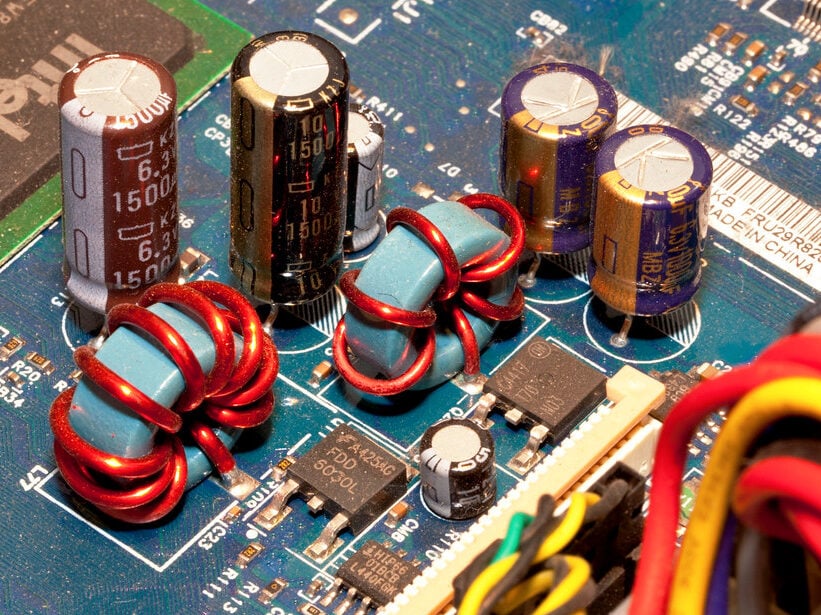
In 1947, researchers at Bell Labs invented the transistor—a tiny device that could do everything a vacuum tube could do, but smaller, faster, and more reliably. Transistors didn’t need to warm up.
They didn’t burn out quickly. They used less power. The transistor changed the world. It made portable radios possible, then computers small enough to fit on a desk, then eventually powerful enough to fit in your pocket.
Every electronic device you own is packed with transistors—billions of them.
Integrated Circuits Launch the Digital Age
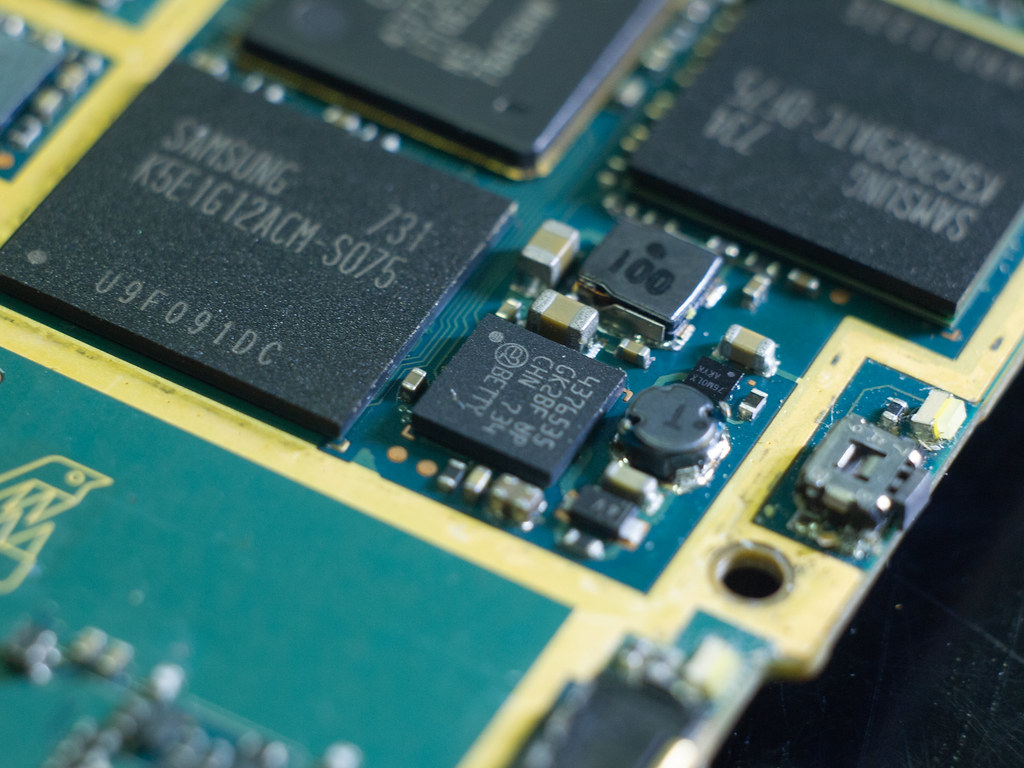
Jack Kilby and Robert Noyce independently developed the integrated circuit in 1958 and 1959. Instead of connecting individual transistors with wires, they built entire circuits on a single chip of silicon.
This made electronics cheap and reliable. As manufacturing improved, engineers fit more and more transistors on each chip.
This is Moore’s Law—the observation that the number of transistors on a chip doubles roughly every two years. That exponential growth powered the computer revolution.
Solar Cells Convert Light to Electricity
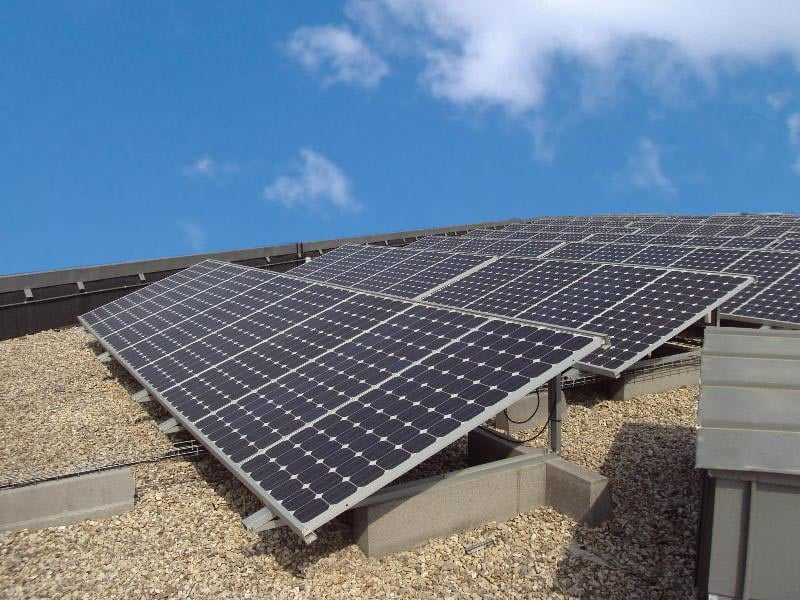
Bell Labs researchers created the first practical solar cell in 1954. It converted about 6% of the sunlight that hit it into electricity.
That doesn’t sound impressive, but it proved the concept. Solar cells improved slowly for decades, then rapidly in the 2000s.
Now solar panels regularly exceed 20% efficiency and have become cheaper than fossil fuel power in many places. They turn sunlight directly into electricity with no moving parts, no fuel, and no emissions.
The Quiet Revolution in Your Pocket
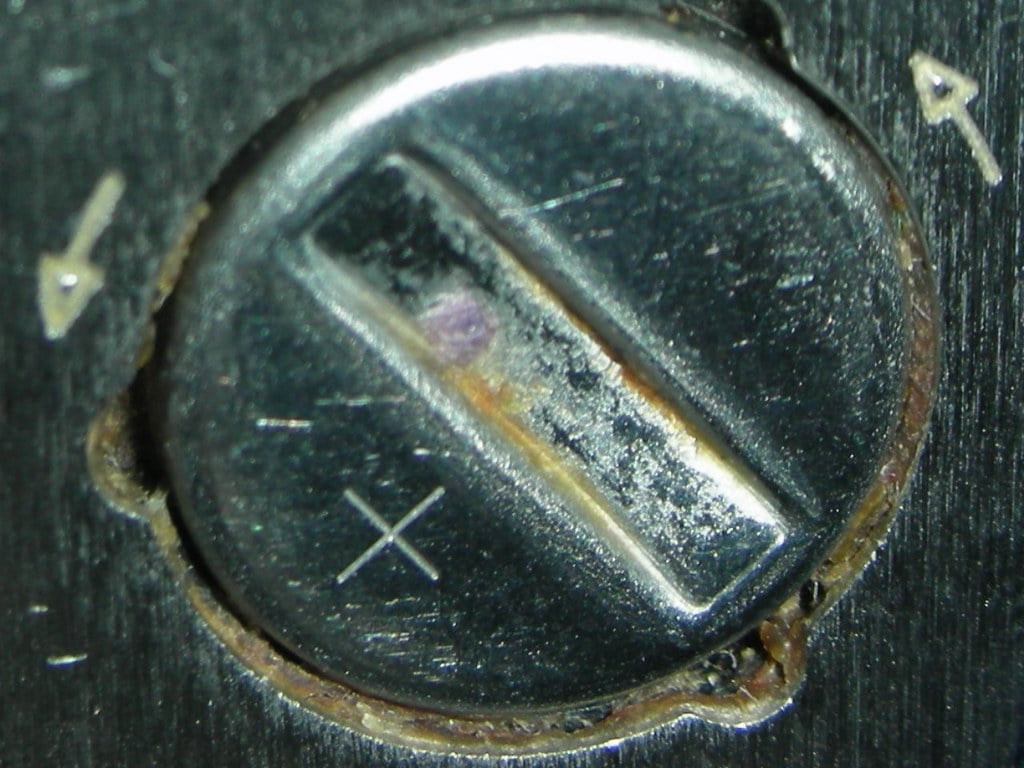
Out of nowhere, power got portable when Sony started selling lithium-ion cells back in ninety-one. Not heavy at all, these things hold a serious charge – reliable each time they top up.
Suddenly carrying computers around made sense, thanks to their slim design and long run times. Phones that fit in pockets?
Only possible because one small battery could keep everything running. Now cars roll down roads without any gas, powered only by those same clever little packs.
Batteries that last longer let people take electricity on the move, using it whenever required instead of only near outlets. With each advance in how they store energy, the whole setup changes slowly – power moves away from giant stations toward small stores spread out, devices break free from cords and start working wherever someone happens to be.
Electricity As Common As Air
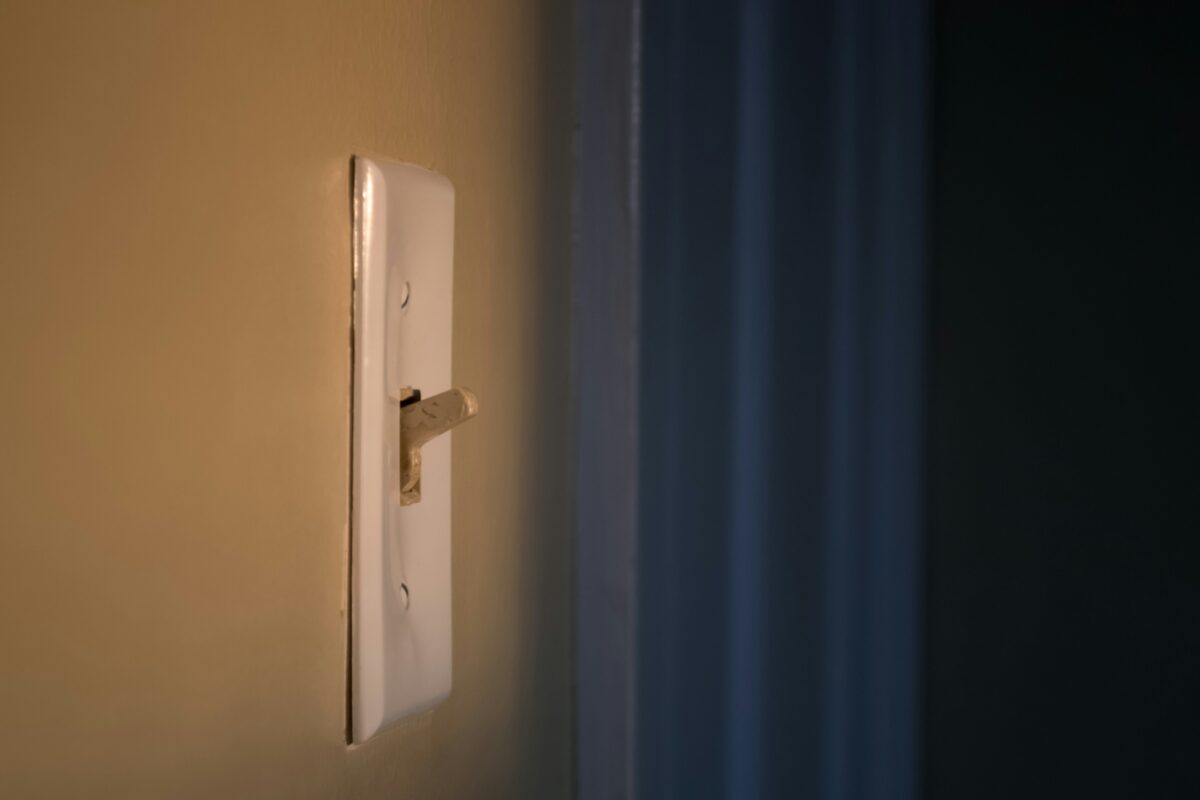
Start anywhere inside a building, touch a small button on the wall. Brightness fills the space without delay.
The distant station generating energy stays out of mind, just like the metal box adjusting voltage nearby, even the science behind the flow remains unseen. Such is the trust in this system that absence speaks louder than presence.
What truly matters isn’t simply grasping how electricity works or finding ways to produce it. It’s about building something reliable enough, affordable enough, that people barely notice it anymore.
From Ben Franklin playing with a kite up through today’s rooftop solar setups, each step pushed one direction. The aim?
Turning what feels miraculous into something routine. Hidden in plain sight, working without fanfare.
More from Go2Tutors!

- The Romanov Crown Jewels and Their Tragic Fate
- 13 Historical Mysteries That Science Still Can’t Solve
- Famous Hoaxes That Fooled the World for Years
- 15 Child Stars with Tragic Adult Lives
- 16 Famous Jewelry Pieces in History
Like Go2Tutors’s content? Follow us on MSN.