15 Baffling Taboos from History That Are Hard to Believe Existed
Imagine walking into a room and accidentally breaking an unspoken rule so severe that your entire social standing crumbles in an instant. Throughout history, humans have created elaborate systems of forbidden behaviors that seem utterly ridiculous today.
Some of these taboos were so deeply embedded in daily life that violating them could result in exile, imprisonment, or worse. The strangest part? Many people followed these restrictions without question, accepting them as natural law rather than arbitrary social invention.
Wearing Purple Clothing

Purple was the ultimate forbidden color in ancient Rome and Byzantium. Only emperors could wear true purple — the deep, rich shade made from murex sea snails.
Getting caught in the wrong shade could mean death. Even wealthy merchants who could afford the dye wouldn’t dare touch it.
Using a Fork

Medieval Europeans considered forks to be blasphemous tools. God gave humans fingers, the reasoning went, so using metal prongs to eat was an insult to divine design.
When a Byzantine noblewoman brought forks to Venice in the 11th century, clergy condemned her as vain and ungodly. She died of illness shortly after, which many took as proof that God disapproved of her fork usage.
Women Showing Their Ankles

The Victorian obsession with covered ankles reached truly absurd heights (and this wasn’t just about modesty — it was about the specific body part itself, which was considered inherently scandalous). Even piano legs were often covered with fabric skirts because their shape might remind viewers of human limbs, and therefore trigger improper thoughts.
Women who accidentally revealed an ankle while stepping from a carriage faced genuine social consequences — whispered gossip, withdrawn invitations, damaged marriage prospects. Picture a world where furniture needs clothing to protect people’s delicate sensibilities.
The ankle taboo created an entire economy of concealment — longer skirts, special boots, careful walking techniques. And yet everyone participated in this collective pretense that human ankles were somehow dangerous to glimpse.
Touching Books with Your Left Hand

Islamic scholarly tradition developed an intricate hierarchy of hand usage that governed every interaction with written texts. The left hand was considered unclean — used for personal hygiene — so touching a Quran or any religious text with it was strictly forbidden.
This extended to all books in many regions, creating elaborate rituals around reading and studying. Students learned to eat, write, and turn pages exclusively with their right hand.
Left-handed children were restrained from an early age, not from preference but from genuine belief that using the wrong hand was spiritually contaminating.
Eating with Your Hat On

European dining etiquette made hat-wearing at the table a serious breach of respect (though the logic behind this particular rule remains murky even by historical standards). Men who forgot to remove their hats before eating faced immediate social censure, and in some households, financial penalties or exclusion from future meals.
The rule applied regardless of weather, illness, or hair condition — no exceptions were made for practical concerns. But here’s what makes it particularly baffling: the same society that demanded bare heads at dinner tables required hat-wearing in most other social situations.
The arbitrary nature of when heads should be covered versus uncovered created constant anxiety about following the right protocol at the right moment.
Whistling on Ships

Maritime superstition turned whistling into a dangerous act that could literally sink a vessel. Sailors believed that whistling summoned storms by calling to the wind spirits.
Even the most skeptical crew members wouldn’t whistle aboard the ship — the social pressure was too intense and the perceived consequences too severe. This taboo was so strong that it persisted well into the age of steam power, long after anyone could reasonably believe that human breath sounds controlled weather patterns.
Women Riding Horses Astride

For centuries, women were forbidden from straddling horses the way men did (because apparently sitting normally on an animal was considered sexually compromising). Instead, they had to use side-saddles, perching precariously with both legs hanging off one side of the horse.
This made riding more difficult, more dangerous, and far less stable, but social propriety demanded the sacrifice of safety for the appearance of modesty. The side-saddle requirement created an entire industry of specialized equipment and riding instruction, all to avoid the supposedly scandalous act of putting one leg on each side of a horse.
Women who rode astride — even in emergencies or practical situations — faced serious social backlash and damaged reputations, as if their riding position somehow reflected their moral character.
Pointing with Your Index Finger

Across many African and Asian cultures, pointing directly at someone with your index finger was considered a form of spiritual attack or curse. The gesture was thought to channel negative energy toward the target, making it equivalent to a magical assault.
People developed elaborate alternative pointing methods — using the whole hand, pointing with the chin, or gesturing with objects instead of fingers. Children learned these pointing alternatives as early as they learned to walk.
Adults who forgot and pointed normally faced immediate correction and sometimes ritual cleansing to undo any harm their gesture might have caused.
Eating Potatoes

When potatoes first arrived in Europe from the Americas, religious authorities declared them evil because they weren’t mentioned in the Bible (as if divine agricultural policy needed to account for every possible food source centuries in advance). The underground growing pattern was particularly suspicious — anything that developed in darkness rather than sunlight seemed inherently sinful.
Some regions banned potato cultivation entirely, while others required special religious permission to plant or consume them. French peasants initially refused free potato distributions, convinced the vegetables were poisonous or spiritually contaminating.
It took decades of careful marketing, including having armed guards protect potato fields during the day but not at night, to create the impression that potatoes were valuable enough to steal. Even then, many people remained suspicious of any food that grew beneath the soil rather than reaching toward heaven.
Looking Directly at Royalty
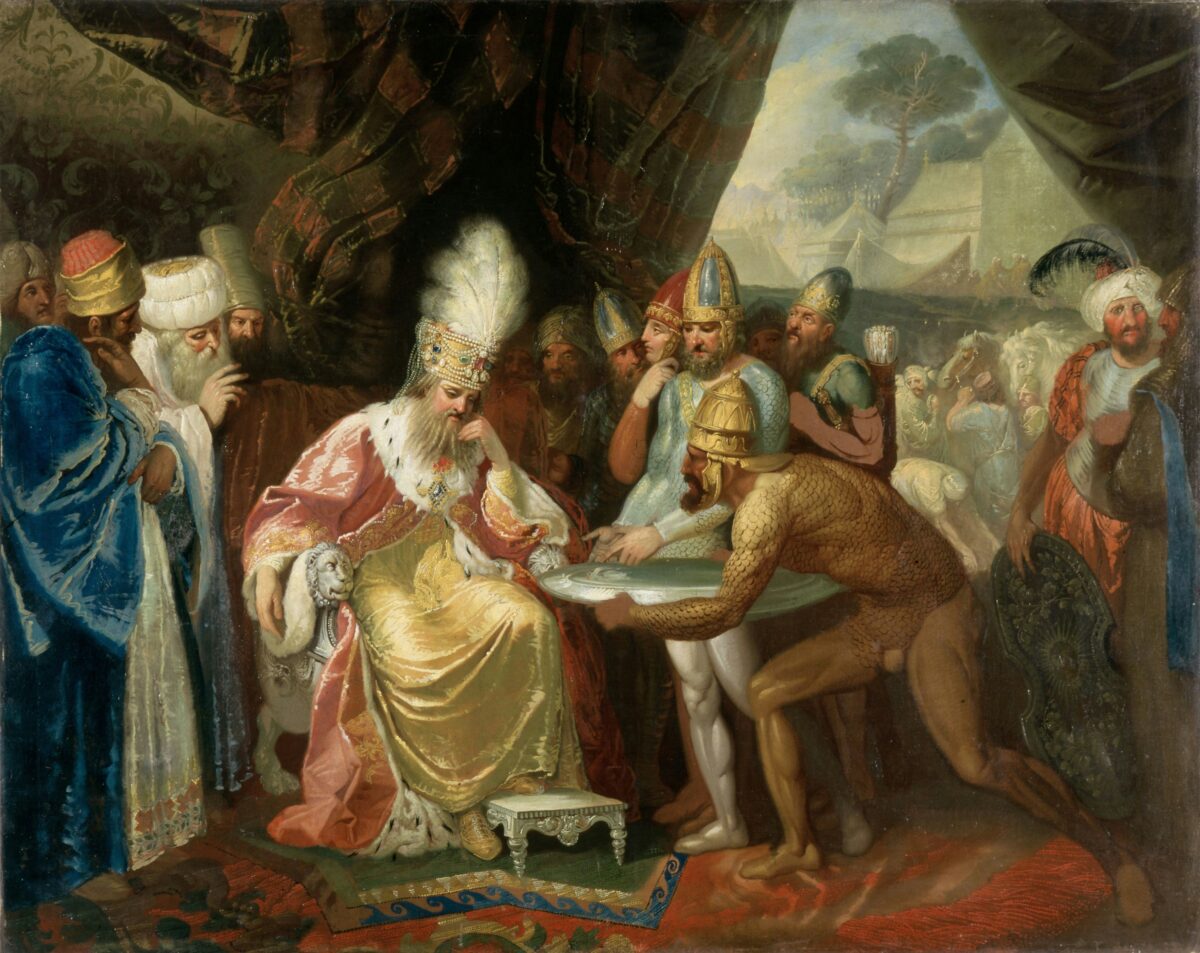
Court etiquette in many monarchies made direct eye contact with rulers a punishable offense. Subjects were required to keep their gaze lowered in royal presence, looking at the floor or middle distance rather than the king or queen’s face. This created bizarre social interactions where people conducted important business while staring at feet or walls.
The rule applied even during crucial conversations about war, finance, or governance. Diplomats and advisors had to communicate complex information while avoiding the natural human instinct to make eye contact during important discussions.
Using Someone’s Real Name
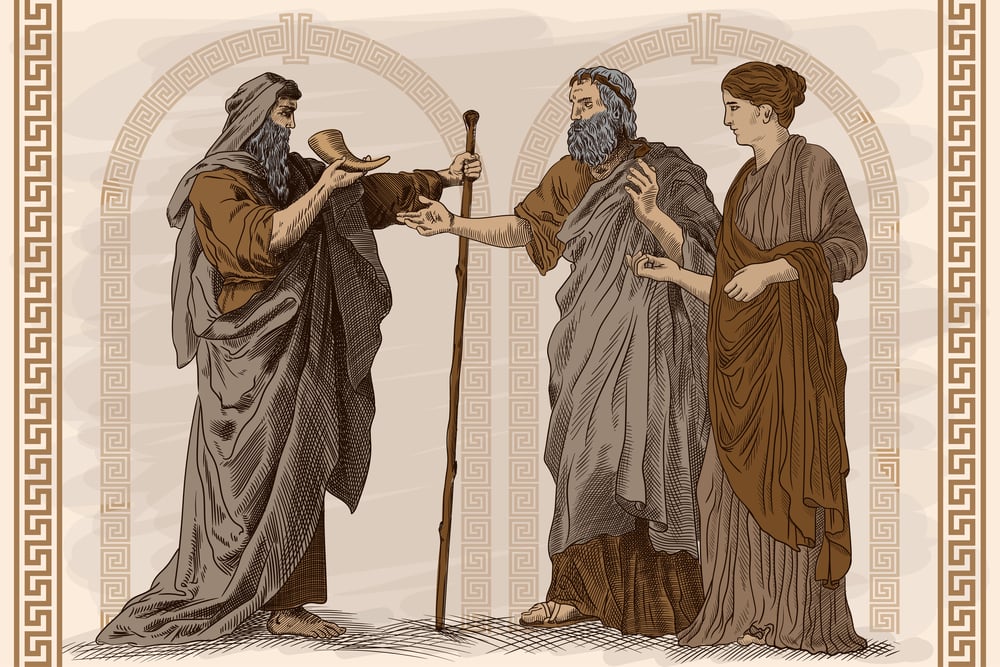
Many cultures developed elaborate systems to avoid speaking people’s actual names, believing that names held magical power and that casual usage could harm or control the named person. Instead, people used titles, nicknames, or descriptive phrases to refer to others, especially those of higher social status or spiritual significance.
This created communication systems where everyone had multiple identities — their true name, their social names, their family names, their professional names. Forgetting which name to use in which context wasn’t just awkward; it was considered spiritually dangerous for both speaker and subject.
Swimming During Daylight

Victorian society extended its modesty requirements to water activities, making daytime swimming scandalous regardless of clothing (the human form in water was apparently too suggestive to be witnessed in full sunlight). People could only swim at dawn or dusk, when lighting conditions provided natural concealment.
Special swimming costumes covered bodies from neck to knee, but even these weren’t considered sufficient protection from daylight exposure. Beach towns developed elaborate bathing machine systems — wheeled huts that carried swimmers into the water while keeping them hidden from view.
The whole process turned simple swimming into a complex logistical operation involving specialized equipment, careful timing, and constant vigilance about who might be watching. All to avoid the apparently catastrophic consequences of being seen in water during normal daylight hours.
Celebrating Birthdays

Early Christian authorities banned birthday celebrations as pagan practices associated with astrology and idol worship. The Bible mentioned birthday parties only in negative contexts — Pharaoh’s birthday in the Old Testament and Herod’s birthday in the New Testament, both of which featured executions.
Religious leaders concluded that birthday celebrations were inherently evil and forbidden them for centuries. Children grew up without any acknowledgment of their birth dates.
The concept of birthday parties, gifts, or special recognition for the anniversary of someone’s birth was not just discouraged but actively punished as heretical behavior.
Eating Meat on Specific Days

Medieval Catholic rules created a complex calendar of forbidden foods that changed weekly, seasonally, and according to personal circumstances (because apparently spiritual salvation depended on avoiding beef on Fridays but not Thursdays, for reasons that had more to do with church economics than divine preference). Lent alone banned meat for forty days, but dozens of other occasions throughout the year also required dietary restrictions.
Wedding planning, travel, and social events all had to account for when guests could eat what foods. The rules were specific enough that people needed religious calendars to track when they could consume different types of meat, dairy, and eggs.
Violating food taboos wasn’t just breaking social convention — it was considered a sin requiring confession and penance. Restaurants and households maintained completely separate cooking systems to accommodate the constantly shifting dietary requirements.
Women Learning to Read

For centuries, educating women was considered dangerous to both their health and their souls. Medical authorities claimed that intellectual activity would damage women’s reproductive organs, while religious leaders argued that literacy would make women rebellious and ungodly.
Families that secretly taught daughters to read risked social ostracism and religious punishment. The taboo was so strong that literate women often had to hide their abilities, pretending ignorance to avoid suspicion.
Books written for women were disguised as household guides or religious texts, because openly educational material for female readers was considered inappropriate to publish or possess.
A World Built on Invisible Rules

These taboos reveal something unsettling about human nature — our willingness to accept arbitrary restrictions as natural law. Each generation that followed these rules believed they were maintaining essential social order, protecting spiritual purity, or preserving moral standards.
The people who enforced ankle-covering requirements or potato bans weren’t consciously being ridiculous; they were upholding what seemed like obvious, necessary boundaries. What makes these historical taboos particularly striking is how completely they’ve disappeared.
Behaviors that once carried severe social or legal consequences now seem utterly normal. It raises uncomfortable questions about which of our current taboos might seem equally baffling to future generations, and whether we’re as free from arbitrary social restrictions as we’d like to believe.
More from Go2Tutors!

- The Romanov Crown Jewels and Their Tragic Fate
- 13 Historical Mysteries That Science Still Can’t Solve
- Famous Hoaxes That Fooled the World for Years
- 15 Child Stars with Tragic Adult Lives
- 16 Famous Jewelry Pieces in History
Like Go2Tutors’s content? Follow us on MSN.