Empire State Building Records and Legends
Standing on Fifth Avenue at 34th Street in Manhattan, the Empire State Building doesn’t just scrape the sky. It scratches at something deeper in the American imagination.
For nearly a century, this Art Deco tower has collected stories the way its lightning rod collects electrical strikes—frequently, dramatically, and with spectacular results. Some of these tales are documented facts that still seem impossible.
Others have grown into myths so persistent that people accept them as truth.
Built faster than anyone thought possible
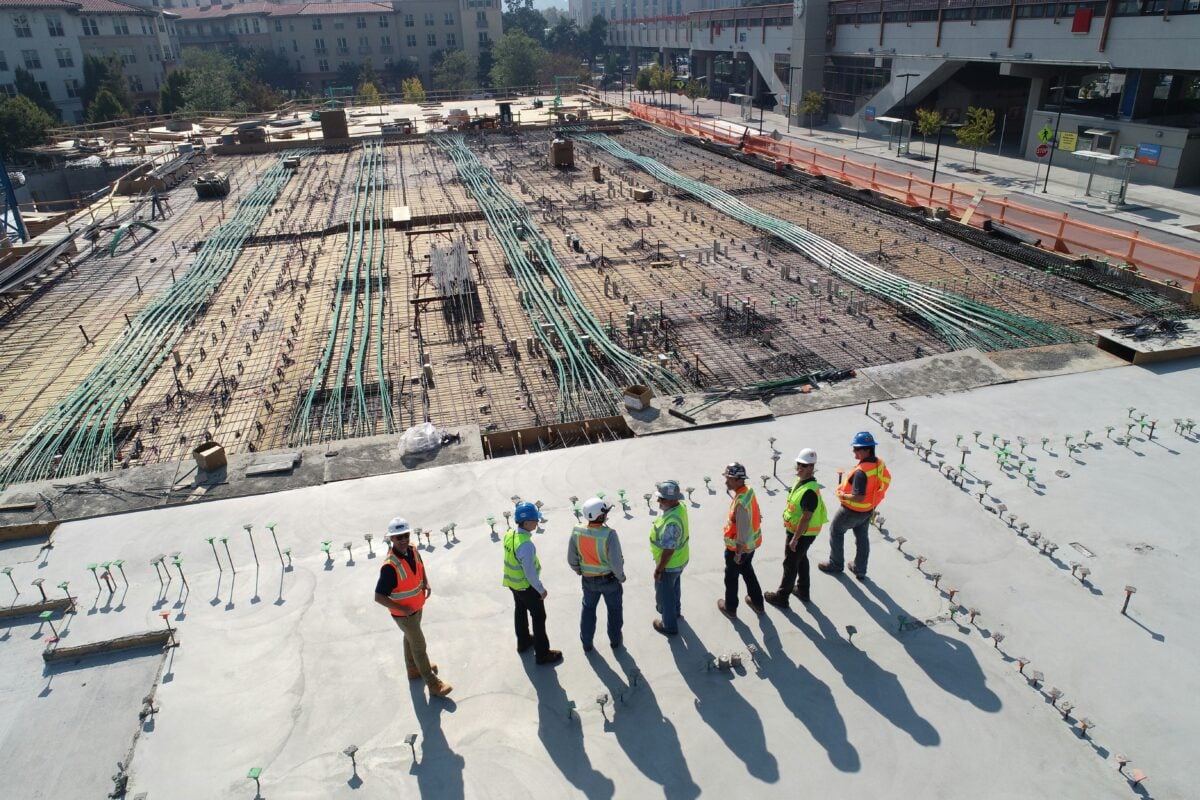
Construction began on March 17, 1930, and wrapped up in just 410 days. Workers completed a 102-story skyscraper in one year and 45 days, which sounds absurd even by modern standards.
The framework rose at 4.5 stories per week during peak construction. At one point in September 1930, crews finished 14 floors in 10 days.
The builders used miniature railroad tracks inside the structure to move materials horizontally. The cars held eight times more than wheelbarrows and required minimal effort to push.
Restaurants operated at various levels so workers didn’t waste time descending to street level for lunch. About 3,400 people worked on the project at its peak, including hundreds of Mohawk ironworkers and European immigrants who assembled the tower piece by piece.
A skyscraper race with high stakes
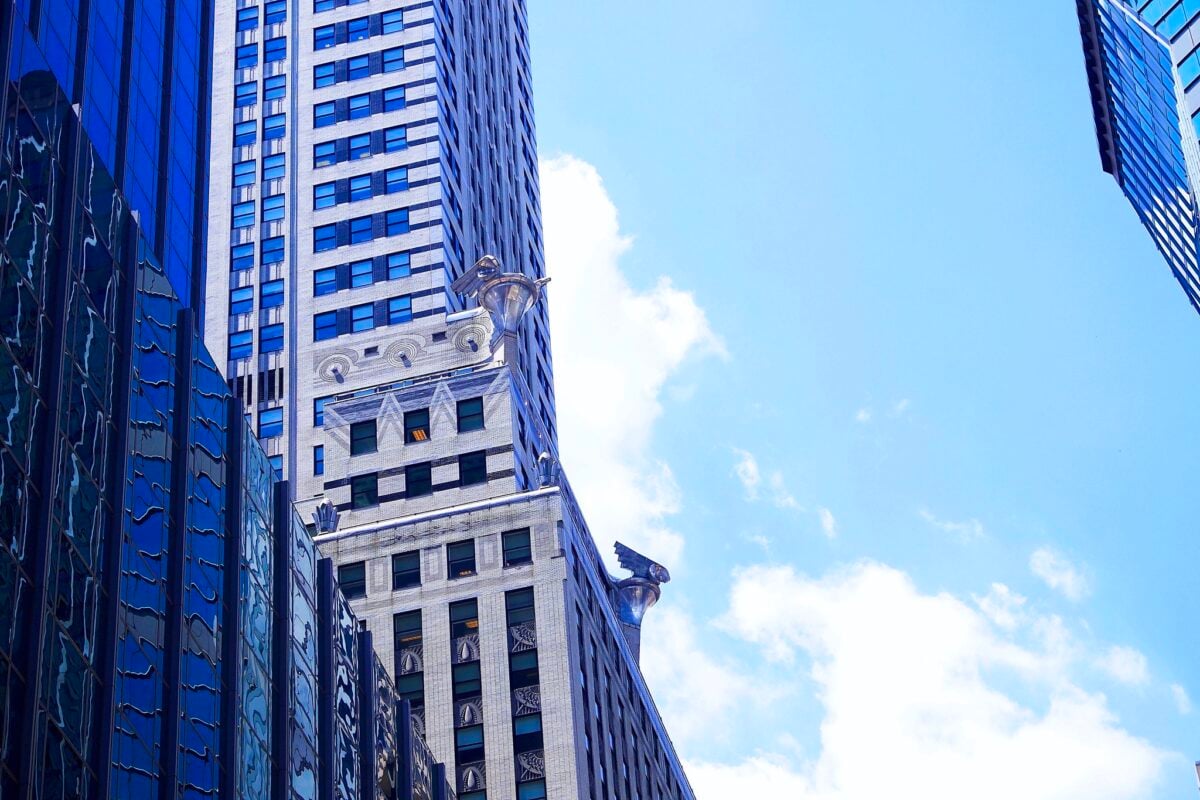
John Jakob Raskob of General Motors wanted to beat Walter Chrysler of the Chrysler Corporation in a very literal race to the sky. Chrysler had already started work on his gleaming 1,046-foot tower.
Raskob responded by assembling a team of investors, including former Governor Al Smith, and hiring architects who completed the original drawings in just two weeks. When Chrysler added a stainless steel spire to his building at the last minute, reaching 1,048 feet, Raskob simply went back to his architects.
They returned with a taller design. The completed Empire State Building stretched to 1,250 feet at its roof.
Raskob had won. The building held the title of world’s tallest for 42 years, until the North Tower of the World Trade Center surpassed it in 1970.
The “Empty State Building” years

Opening on May 1, 1931, right as the Great Depression tightened its grip on America, the building faced an immediate problem. Nobody wanted to rent office space during an economic collapse.
Less than 25 percent of the retail space was occupied when the doors opened. New Yorkers started calling it the “Empty State Building.”
The building’s owners got desperate. They hosted a séance on the 82nd floor in 1932, attempting to contact the ghost of Thomas Edison as a publicity stunt to attract renters.
The upper floors remained almost entirely vacant through most of the 1930s. The building didn’t become profitable until nearly 20 years after opening.
But the observation deck saved it—charging admission to tourists generated enough revenue to keep the lights on.
Lightning’s favorite target
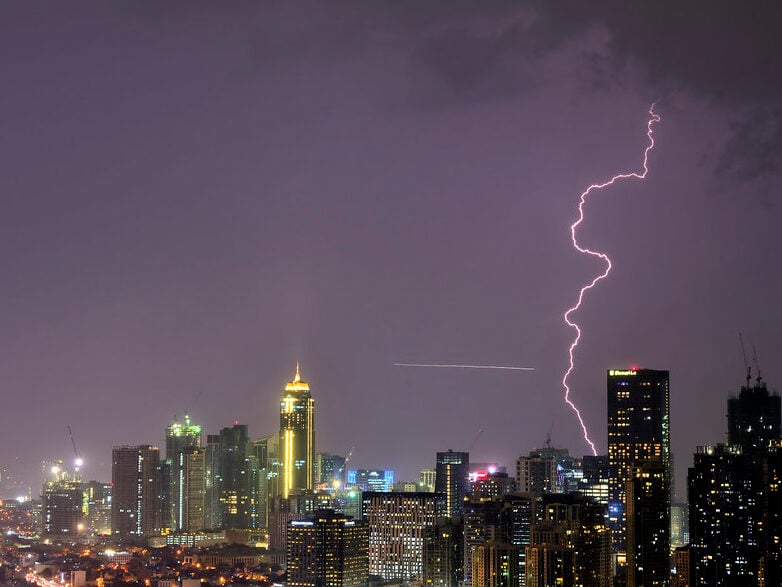
The Empire State Building gets struck by lightning an average of 25 times each year. Its height and the metal antenna make it an ideal conductor.
The strikes create incredible photo opportunities for anyone quick enough with a camera. The building’s lightning rod system safely channels the electrical energy to the ground, protecting both the structure and anyone inside.
A bomber crashes into the 79th floor
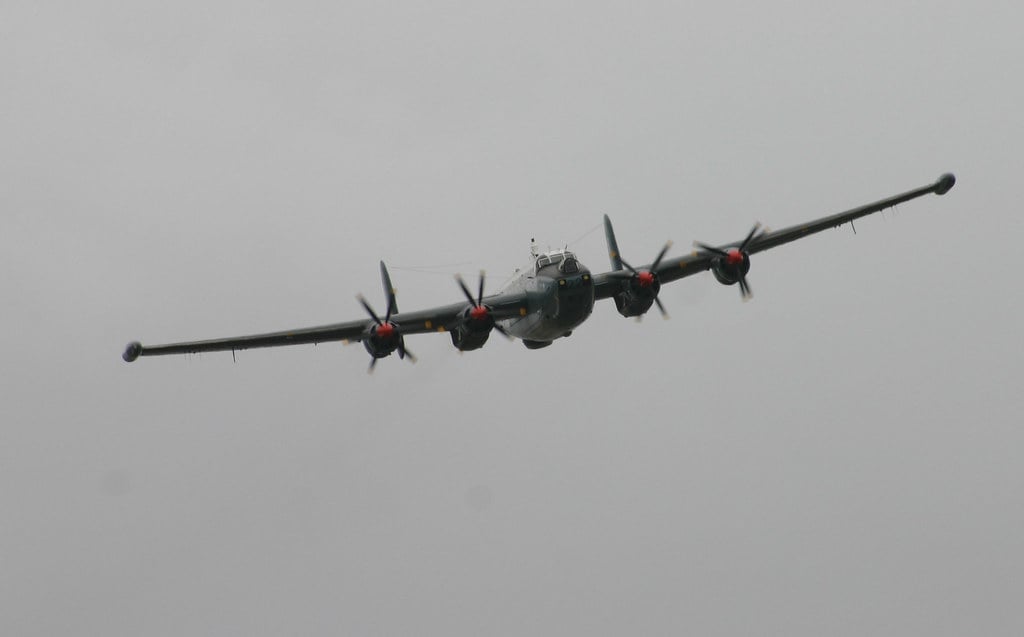
On July 28, 1945, thick fog blanketed Manhattan. A B-25 bomber, lost in the weather, slammed into the north wall between the 78th and 79th floors.
Fourteen people died in the crash. It was a Saturday, so many offices were empty—the death toll could have been far worse.
Elevator operator Betty Lou Oliver survived something that should have killed her. The crash severed the cables on her elevator, and she plunged 75 stories inside the car.
She lived. Her fall became the Guinness World Record for the longest surviving elevator fall.
The Empire State Building itself sustained no critical structural damage. It opened for business the following Monday.
The dirigible dock that never worked
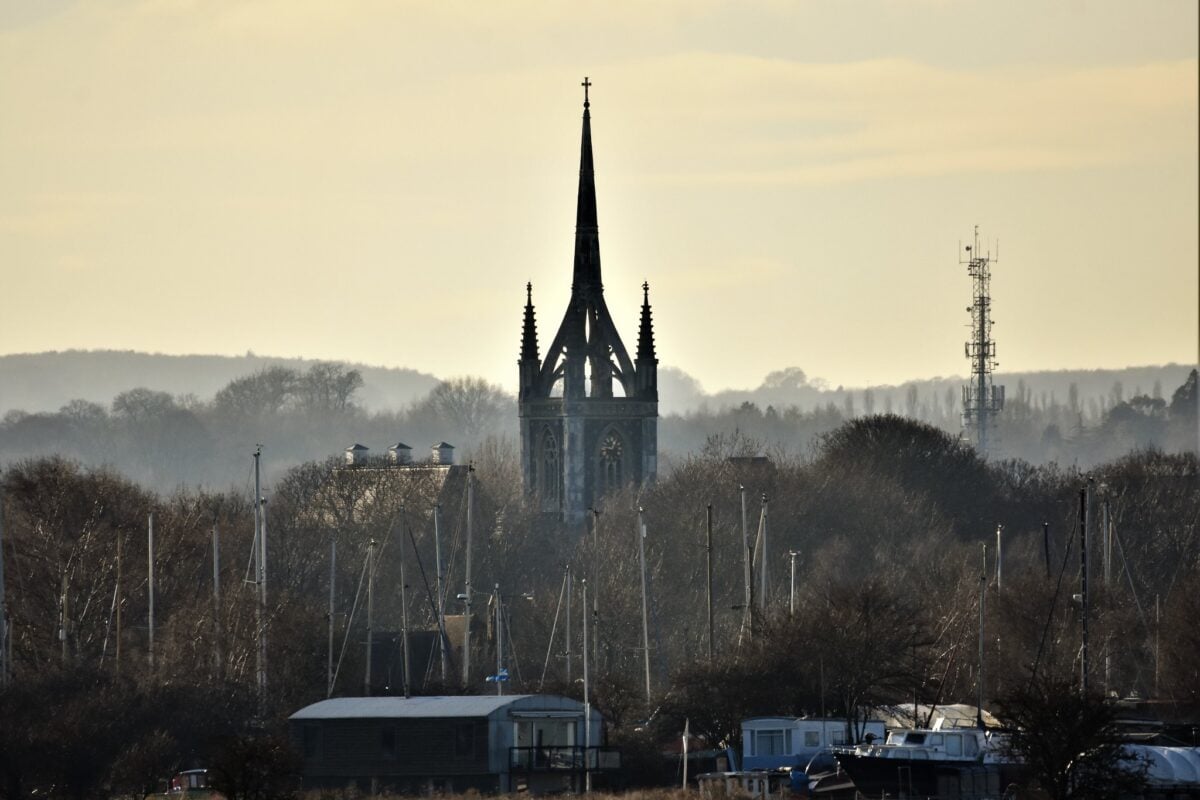
Look at those original architectural plans and you’ll see something wild. The 17-story spire was designed as a dirigible mooring mast and passenger terminal.
The idea was that transatlantic airships would dock at the top of the building, and passengers would disembark onto what is now the enclosed 102nd-floor observation deck. Back then, it was planned as an outdoor platform.
In September 1931, a small dirigible managed to tether itself to the spire for a few minutes. Two weeks later, a Goodyear blimp dropped a stack of newspapers on the roof as a publicity stunt.
But high winds near the building’s top made the whole concept impossibly dangerous. The plan was abandoned.
That observation deck that was supposed to be a loading station became the world’s loftiest tearoom and soda fountain instead.
The most photographed building on Earth
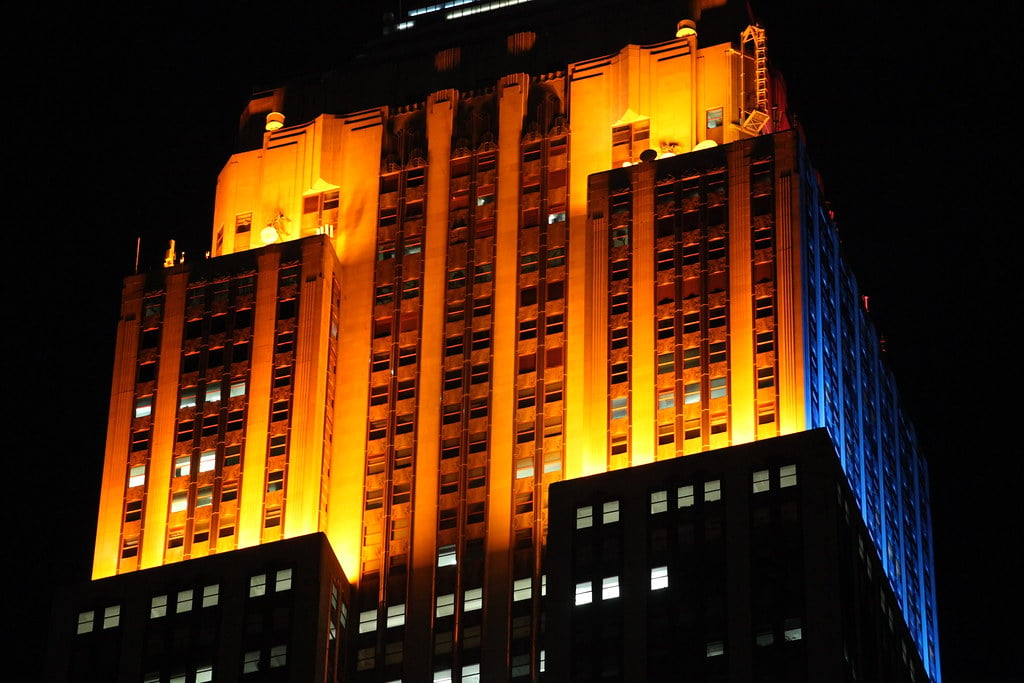
In 2011, Cornell University researchers analyzed millions of photos and reached a conclusion that surprises nobody who has visited New York. The Empire State Building is the most photographed building in the world.
Not just in America. In the world.
Its silhouette appears in countless films, from King Kong’s climactic 1933 scene to An Affair to Remember, Sleepless in Seattle, and Elf. The building serves as a romantic meeting place, a monster’s perch, and a symbol of New York’s enduring presence.
Its image has become so familiar that even people who have never been to New York feel like they know it.
The penny myth that won’t die

You’ve probably heard this one. Drop a penny from the top of the Empire State Building and it will gain enough speed to kill someone on the sidewalk below.
The Discovery Channel’s MythBusters tested this urban legend in 2003 and decisively busted it. A penny weighs about one gram and tumbles as it falls.
Air resistance prevents it from gaining much speed. By the time it reaches the ground, it’s traveling around 65 miles per hour—fast enough to sting if it hits you, but nowhere near lethal.
It won’t put a crater in the pavement either. The Broadway musical Avenue Q turned the myth into a joke anyway, with a character accidentally putting her rival into a coma by dropping a penny.
Reality is less dramatic.
The woman in 1940s clothing
Evelyn McHale’s story has become one of the building’s most persistent ghost legends. In May 1947, she purchased a ticket to the 86th-floor observation deck, laid her jacket down, and jumped.
Her body landed on a limousine in such a way that she appeared to be peacefully sleeping. A photography student captured the image, creating what became known as “The Most Beautiful Self-Harm” photograph.
Visitors have reported seeing a woman in 1940s-style clothing on the observation deck, her face streaked with tears. They watch in horror as she jumps—only to discover she was never there.
Other women claim to have seen her in the bathroom, touching up her makeup before heading back to the deck. Whether you believe in ghosts or not, the tragedy of her death has left a mark on the building’s history.
More than 30 jumpers
The fence around the observatory terrace went up in 1947. Five people tried to jump during a three-week span that year, forcing the building’s owners to take action.
Over the decades, more than 30 people have ended their lives by jumping from the top of the building. The fence has prevented countless attempts since its installation.
Security procedures now rival airport screening. The building has cameras everywhere and 24/7 monitoring.
But the grim statistics remain part of the structure’s darker history, a reminder that iconic places attract both celebration and despair.
Valentine’s Day weddings above the city
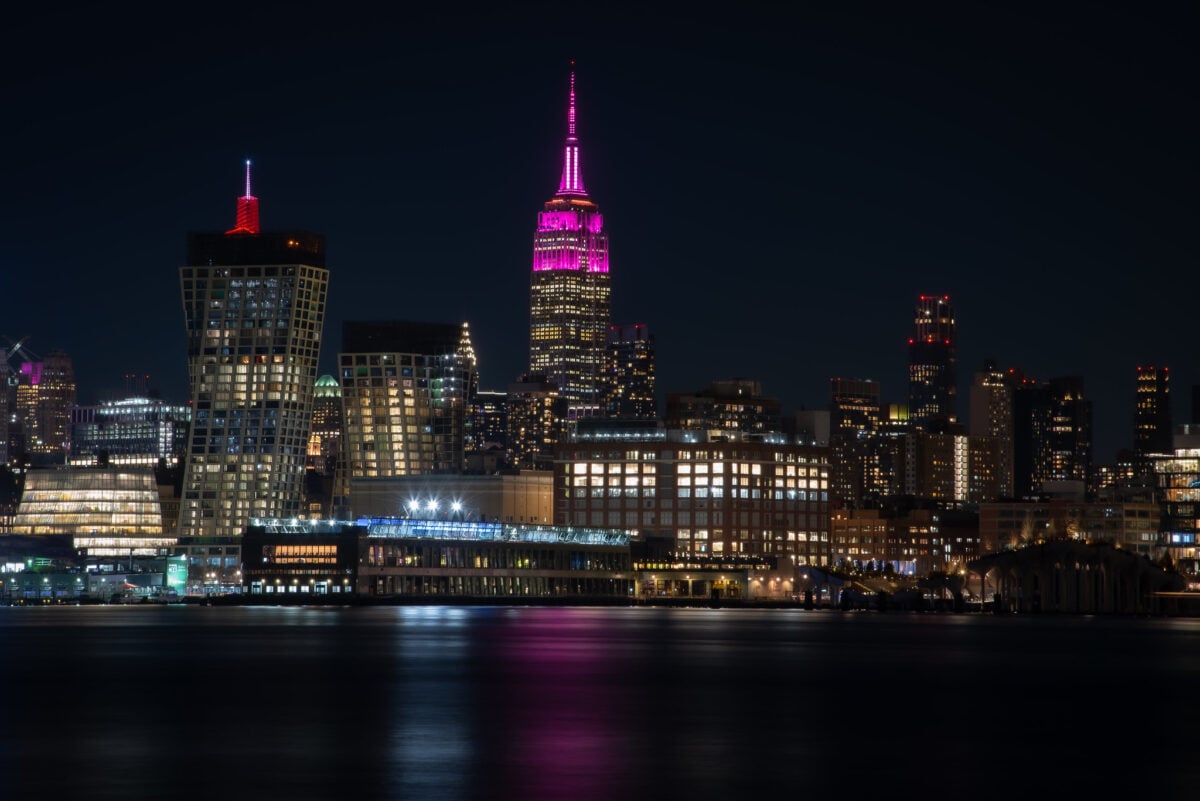
Since 1994, couples have exchanged vows at the Empire State Building on Valentine’s Day. More than 250 couples have married there during the annual event, which gets covered by news outlets around the globe.
Winners of a contest get to marry on the 80th floor, and they receive free admission to the observatory every February 14 for the rest of their lives as members of the Empire State Building Wedding Club. The building has become a symbol of romantic commitment, probably thanks to all those films where star-crossed lovers meet at the top.
Proposals happen there constantly, with the building even offering a special proposal package for couples ready to take that step.
The annual race up 1,576 steps
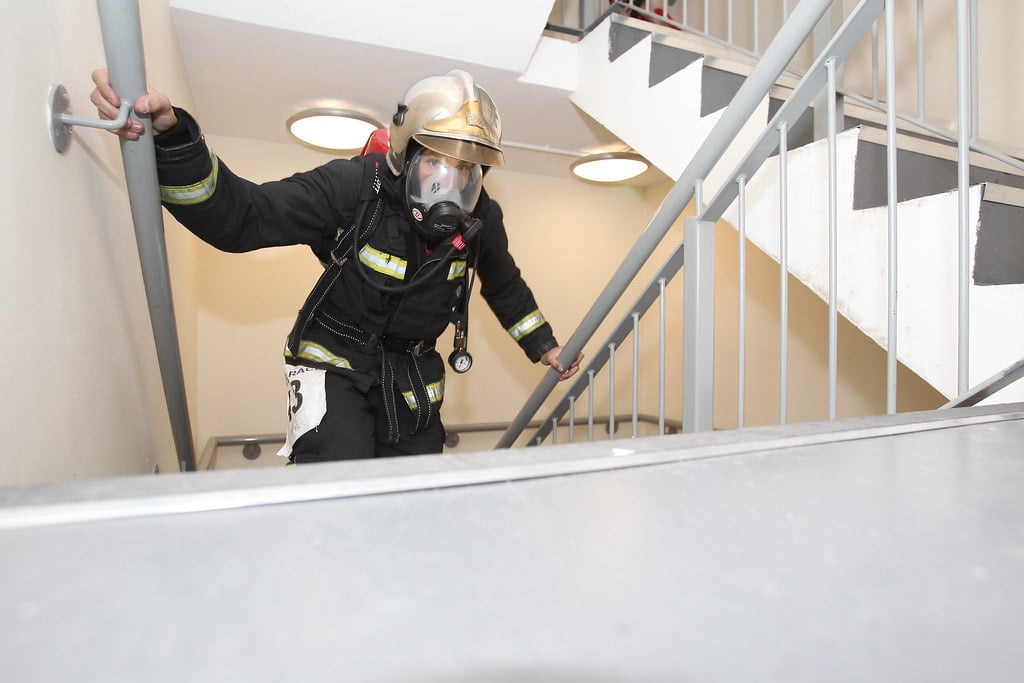
The Empire State Building Run-Up started in 1978, challenging racers to climb from the lobby to the 86th floor. That’s 1,576 steps.
Elite athletes complete the climb in around 10 minutes, while most participants take considerably longer. The race remains one of the world’s most famous tower races.
Participants train for months to build the leg strength and cardiovascular endurance needed to make it to the top without collapsing. The building hosts the event every year, continuing a tradition that has become part of the structure’s identity.
Competitors come from around the world to test themselves against the stairs.
Details that add up to something bigger
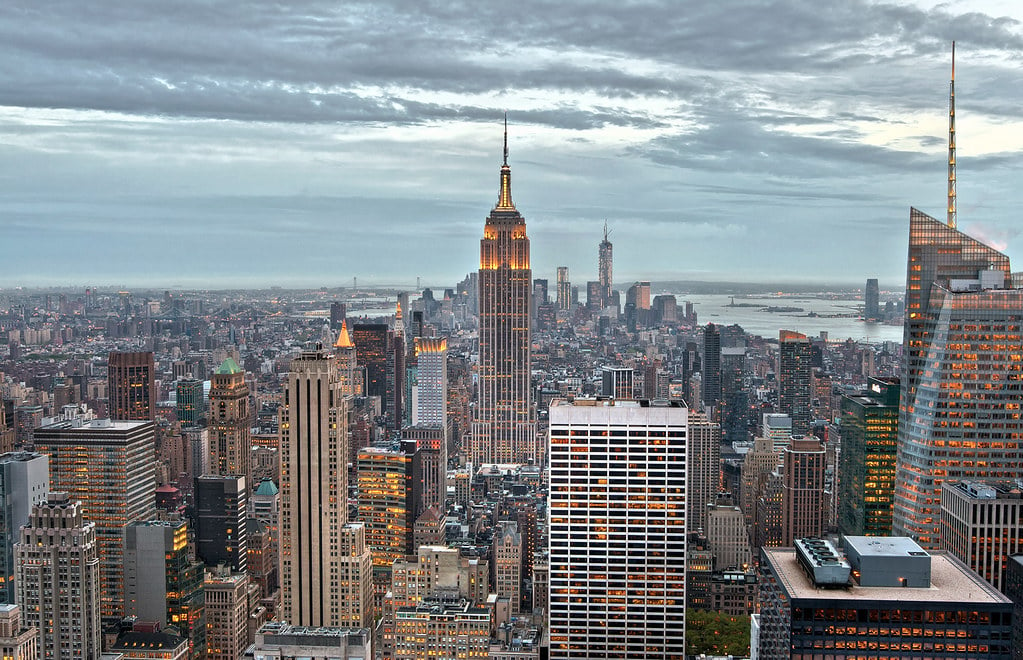
A single ZIP code belongs to this structure: 10118. When skies are clear, six places spread out below – New York shows up alongside New Jersey, then Pennsylvania appears, while Connecticut peeks in, Massachusetts joins late, and Delaware lingers at the edge.
Stretching outward, sightlines reach eighty miles without turning back. During foggy migrations, the glow from above fades completely so birds won’t misread the signals and strike the glass.
Back in 2018, Uber sifted through its records, spotting a pattern: the Empire State Building topped the list of drop-offs globally. This wasn’t only true for New York riders – it held across countries.
Each year, well over two and a half million people head up to the viewing platforms. That traffic brings in big revenue, easily outpacing what the rented offices below contribute financially.
A monument that keeps accumulating meaning
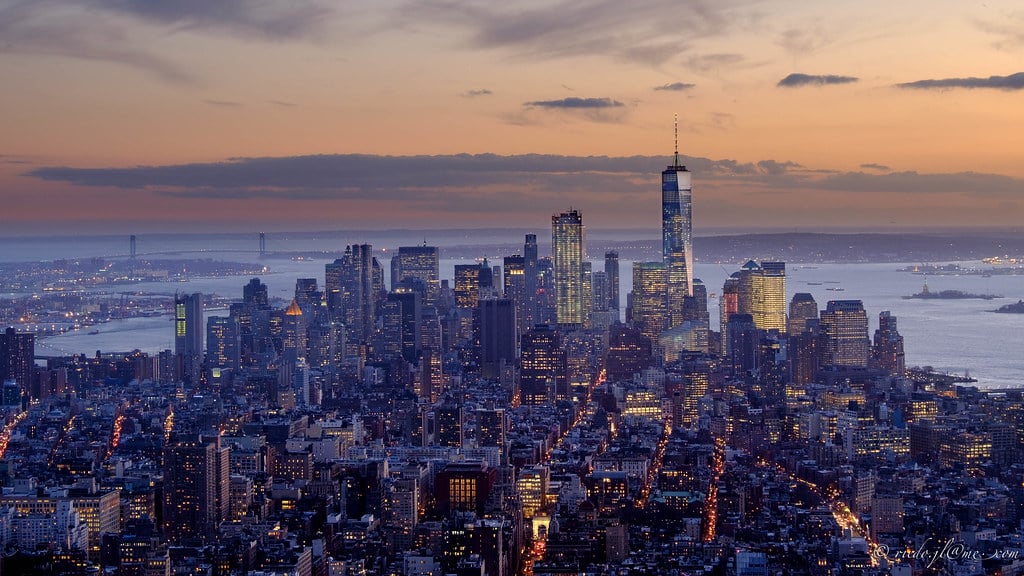
Buried in paperwork: five lives lost while it rose. Heavy as a small city, the structure tips scales at 365,000 tons.
Bricks stack up – ten million – with stone filling gaps, two hundred thousand cubic feet carved from earth. Metal runs through it too, seventy three zero tons shaped into frames and rails.
Windows? Six thousand five hundred fourteen let light crawl inside.
Guidebooks jot these numbers down like shopping lists, then move on. Walk by on Fifth Avenue and suddenly the stats feel small next to what stands there.
Not just bricks on a Manhattan block – this one lives inside every person who’s glimpsed New York in pictures. Records?
Lost them long ago. Height? Surpassed, easily. Build time?
Today’s cranes do it faster. Still, none of that erases its weight.
Still, the Empire State Building stays exactly what creators intended – a symbol of bold dreams built when money vanished and hope seemed lost. Stories swirl around it now; a few real, others stretched, many made up whole.
These tales pile on top of its meaning without weighing it down. There it is today, taking shocks from storms and snapshots from strangers alike – an object showing how wildly unlikely things grow normal given years enough to settle.
More from Go2Tutors!

- The Romanov Crown Jewels and Their Tragic Fate
- 13 Historical Mysteries That Science Still Can’t Solve
- Famous Hoaxes That Fooled the World for Years
- 15 Child Stars with Tragic Adult Lives
- 16 Famous Jewelry Pieces in History
Like Go2Tutors’s content? Follow us on MSN.