Famous Brand Slogans Stolen from Competitors
A catchy slogan can bring huge rewards. Firms pour cash into crafting the right line that sticks.
Yet often, smart phrases pop up only after seeing what rivals try. In ad world tales, real copycat lines are way rarer than you’d think.
Most lookalikes show up since some words just go well with specific items. Also, everyday expressions tend to pop up in many fields by chance.
Tales about copied taglines? They’re mostly made-up dramas. Truth is messier – usually it’s fuzzy law zones, not clear-cut stealing.
“Think Different” Played Off IBM
Apple rolled out “Think Different” back in ’97 while things weren’t going so well. That awkward grammar? Totally on purpose – meant to nod at IBM’s old “Think” line.
Since 1911, IBM stuck with “Think,” which made it one of the longest-running taglines ever. Instead of copying, Apple’s ad team went bold – to show they were the defiant choice against big, stiff companies like IBM.
This wasn’t stealing – it was smart moves. IBM didn’t take them to court.
By ’97, each aimed at separate crowds. Apple went after artists and designers.
Meanwhile, IBM chased big business deals. The similar approach helped Apple stay clear of lawsuits.
Burger King Created Its Own Path
Burger King launched “Have It Your Way” in 1974, created by advertising agency BBDO. The phrase emphasized customization and became one of advertising’s most memorable slogans.
It was a direct response to McDonald’s standardized approach to fast food. The campaign succeeded because Burger King could actually deliver on the promise.
Their broiler-based cooking system made custom orders easier than competitors’ methods. The slogan boosted sales significantly and became synonymous with the brand for decades.
Burger King eventually changed the slogan to “Be Your Way” in 2014, then to “You Rule” in 2022, but kept referencing the original phrase in advertising.
Nike Created “Just Do It” From Scratch
Dan Wieden of Wieden+Kennedy created “Just Do It” in 1988. The phrase came from an unexpected source.
Gary Gilmore, a convicted murderer, said “Let’s do it” to his firing squad before execution in 1977. Wieden adapted this to “Just Do It” for Nike.
The slogan was original to Wieden and Nike. No fitness companies or motivational speakers had used the exact phrase before.
This isn’t a case of theft. It’s an example of inspiration from an unlikely place.
The slogan helped Nike’s revenue grow from $877 million to over $9 billion within a decade.
“Where’s the Beef?” Belonged to Wendy’s
Wendy’s debuted this phrase in 1984 with Clara Peller. The commercial was titled “Fluffy Bun” and directed by Joe Sedelmaier.
Advertising agency Dancer Fitzgerald Sample created the campaign. The phrase came about when Peller struggled with the original scripted line during filming.
The creative team adapted the dialogue to fit her natural delivery. The campaign became a cultural phenomenon.
It boosted Wendy’s revenue by 31 percent that year. Walter Mondale even used it during the 1984 presidential primaries.
Wendy’s owned the trademark and successfully defended it. The slogan was entirely original to the campaign.
BMW Created “The Ultimate Driving Machine”

BMW’s “The Ultimate Driving Machine” launched in 1974 in the United States. Martin Puris of advertising agency Ammirati & Puris created the phrase.
BMW needed a unified brand message as it took control of U.S. distribution from Max Hoffman. The company wanted to distinguish itself from Mercedes, Volvo, Jaguar, and Audi.
The slogan emphasized performance over luxury appointments. It helped BMW’s U.S. sales grow from about 15,000 cars in 1974 to over 100,000 by the mid-1980s.
The phrase was original to the agency. BMW briefly replaced it with “Joy” from 2009 to 2012, then brought it back.
Beer Slogans Borrow From Each Other
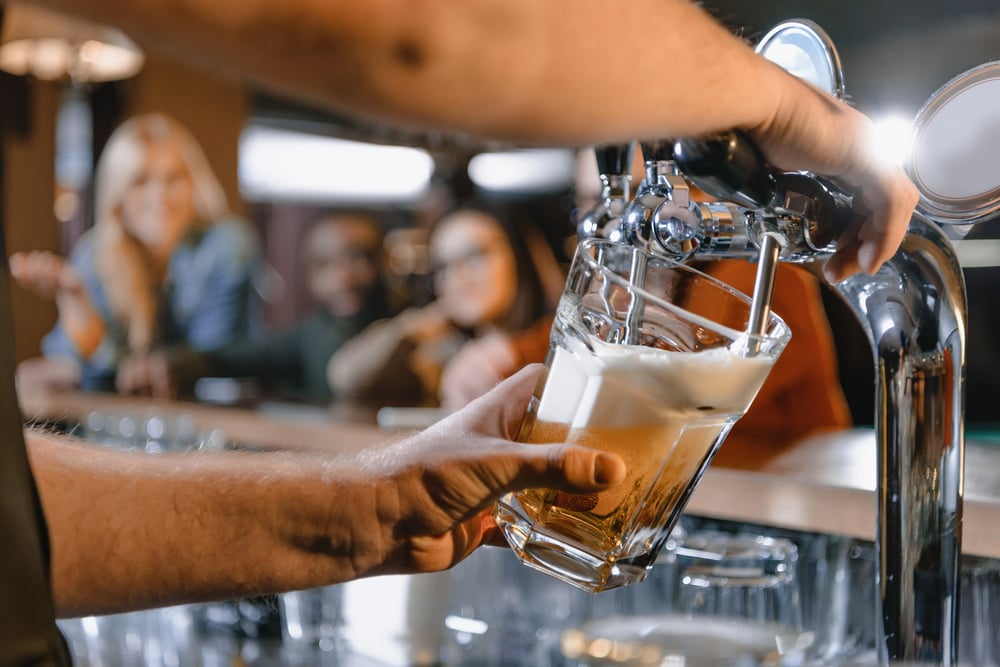
Beer advertising repeats the same themes endlessly. Quality. Tradition. Refreshment. Friendship.
Dozens of breweries have used variations of “The Perfect Beer” or “Brewed For You” over decades. These phrases are too generic to trademark effectively.
When one brewery uses similar language to another, it rarely matters legally. The real differentiation comes from imagery and tone.
Budweiser’s frogs. Miller’s mountains. Coors’ silver bullets. The visual branding matters more than the exact words.
Slogan similarity in beer advertising happens constantly because the product category is narrow. Everyone’s selling basically the same thing.
Coca-Cola Revived An Old Phrase

Coca-Cola launched “The Real Thing” as a major campaign in 1969. The phrase had actually appeared in Coca-Cola advertising since the 1940s on painted signs created when the D’Arcy agency held the account.
McCann-Erickson revived and expanded it into a full campaign during a time when consumers sought authenticity. The 1969 campaign responded to Pepsi’s growing market share and changing consumer attitudes.
Coca-Cola positioned itself as genuine and unchanging in a rapidly evolving world. The campaign succeeded in growing Coke’s market share to 42 percent by 1972.
Variations like “Can’t Beat The Real Thing” appeared in 1991. The phrase wasn’t new to Coca-Cola, but the 1969 campaign made it iconic.
Cereal Brands Fight Over Athletic Language

Wheaties introduced “Breakfast of Champions” in 1933. The phrase linked cereal with athletic performance.
Other cereal companies had used “Champion’s Breakfast” or similar wording earlier. Wheaties shortened it and made it catchier.
They filed for trademark protection first. The competition couldn’t prove prior use with sufficient documentation.
Records from the 1920s were spotty at best. Wheaties became synonymous with athletic excellence through consistent marketing over decades.
The slogan helped, but the packaging featuring athletes mattered more.
L’Oréal Created Its Empowerment Message
“Because You’re Worth It” came from L’Oréal in 1973. Copywriter Ilon Specht created the phrase at age 23 while working at McCann Erickson.
The slogan launched during the height of the feminist movement. It positioned the customer as deserving of premium products.
Before this campaign, beauty advertising often featured male voiceovers discussing women’s products. L’Oréal broke that pattern by letting women speak for themselves.
The phrase originally read “Because I’m worth it,” later changing to “Because you’re worth it” and eventually “Because we’re worth it.”
The slogan was entirely original to Specht and the agency.
Fast Food Slogans Follow Formulas
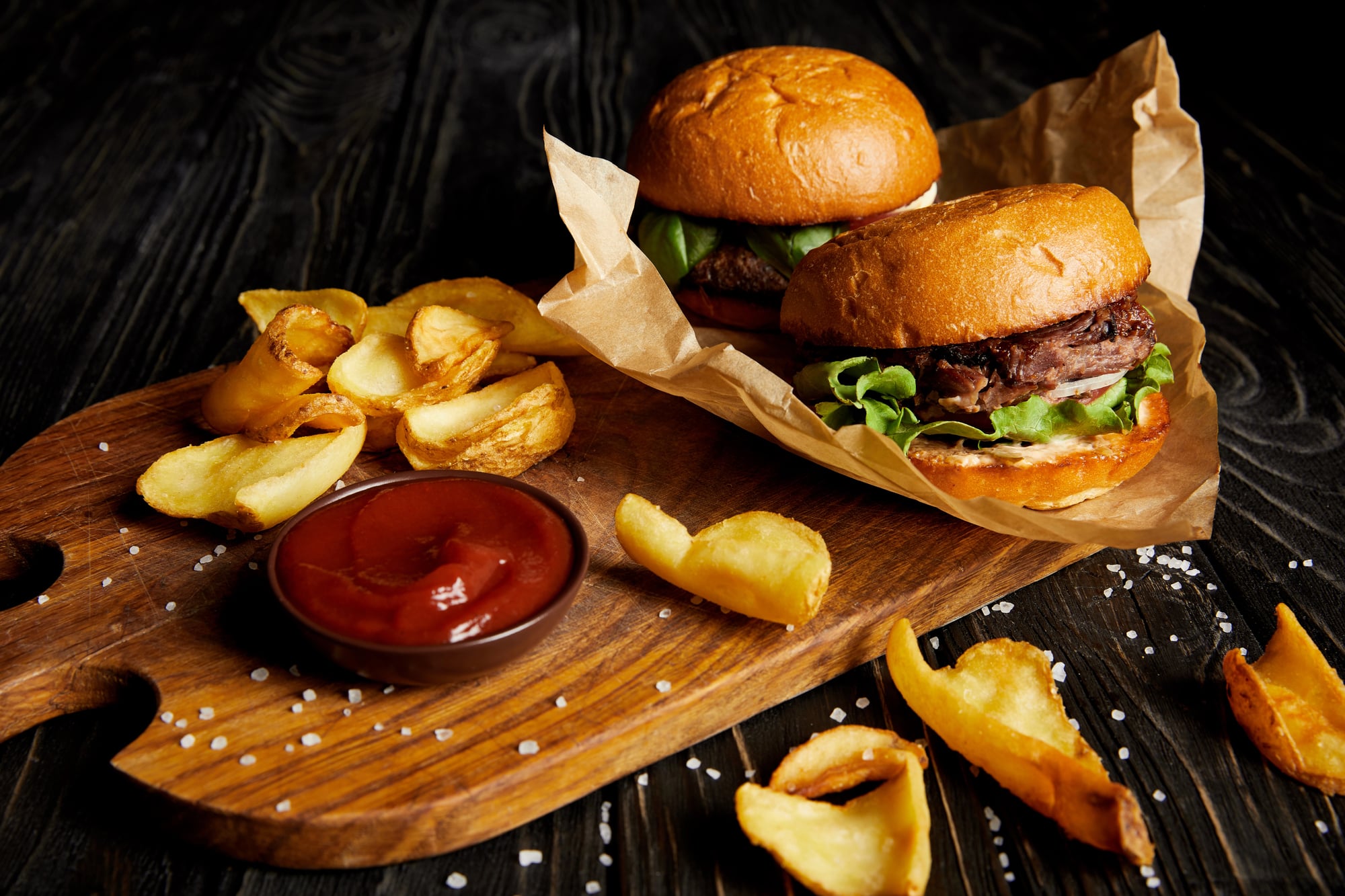
McDonald’s, Burger King, Wendy’s, and other chains have used similar language for decades. “Hot and fresh.” “Your way.” “Fast and delicious.”
These phrases work because they describe what customers want. No single company can claim ownership of these basic concepts.
The real creativity comes from execution. McDonald’s golden arches and “I’m Lovin’ It” work together.
Burger King’s “Have It Your Way” succeeded because of the entire campaign, not just the words. KFC’s “Finger Lickin’ Good” stood out through decades of consistent use.
The slogan itself isn’t unique. The persistence matters.
Technology Companies Describe Innovation Similarly
Computer and tech companies struggle with similar languages constantly. “The future is here.” “Innovation you can trust.” “Technology that works.”
These phrases sound interchangeable because they describe the same thing. Apple’s “Think Different” stood out because it broke grammatical rules.
Most tech slogans play it safe. IBM’s “Think” endured for over a century by being simple.
Microsoft’s slogans change frequently because they keep chasing trends. The tech industry generates more slogan similarities than theft.
Everyone wants to sound forward-thinking and reliable. Limited words exist to convey those ideas.
Retail Slogans Promise Value and Quality

Big shops keep reusing old slogans. Yet quality for cheaper still pops up everywhere.
Or value you can count on, time after time. Even where folks love to buy stuff.
Back in ’94, Target said expect more but spend smaller. That idea wasn’t new – stores like Walmart tried it first.
But Target stuck with theirs every single day. Their bright red dot? Just as strong as the message itself.
Retail slogans don’t often get copied – most are too bland to matter. The real question? If shoppers actually buy into what’s being said.
Slogan Theft Is Rarer Than You Think
Most so-called slogan copying is just chance or similar ideas popping up at once. Firms selling alike stuff to alike folks often end up using phrases that sound close.
This isn’t planned – it’s normal. Real stealing only counts if one brand intentionally lifts another’s unique line.
But honestly, that hardly ever goes down. Lawyers usually step in before it gets that far.
The chance of legal trouble or public backlash is bigger than any upside – when taglines feel similar, it’s often because words can only stretch so far. Sometimes, though, it’s just two brands using ad firms with matching mindsets.
Over years, the marketing world churned out countless catchphrases. Eventually, every line echoes another.
Just ’cause it’s stealing doesn’t mean it’s wrong. It’s how people naturally act.
More from Go2Tutors!

- The Romanov Crown Jewels and Their Tragic Fate
- 13 Historical Mysteries That Science Still Can’t Solve
- Famous Hoaxes That Fooled the World for Years
- 15 Child Stars with Tragic Adult Lives
- 16 Famous Jewelry Pieces in History
Like Go2Tutors’s content? Follow us on MSN.



