Leaning Tower Of Pisa’s Strangest Quirks
Most folks know the tower isn’t straight. That’s what draws them in.
Yet after taking pictures and buying ice cream, they walk away missing how strange it really is. What you see leaning? Only part of the story.
It Leans in Different Directions Depending on the Temperature
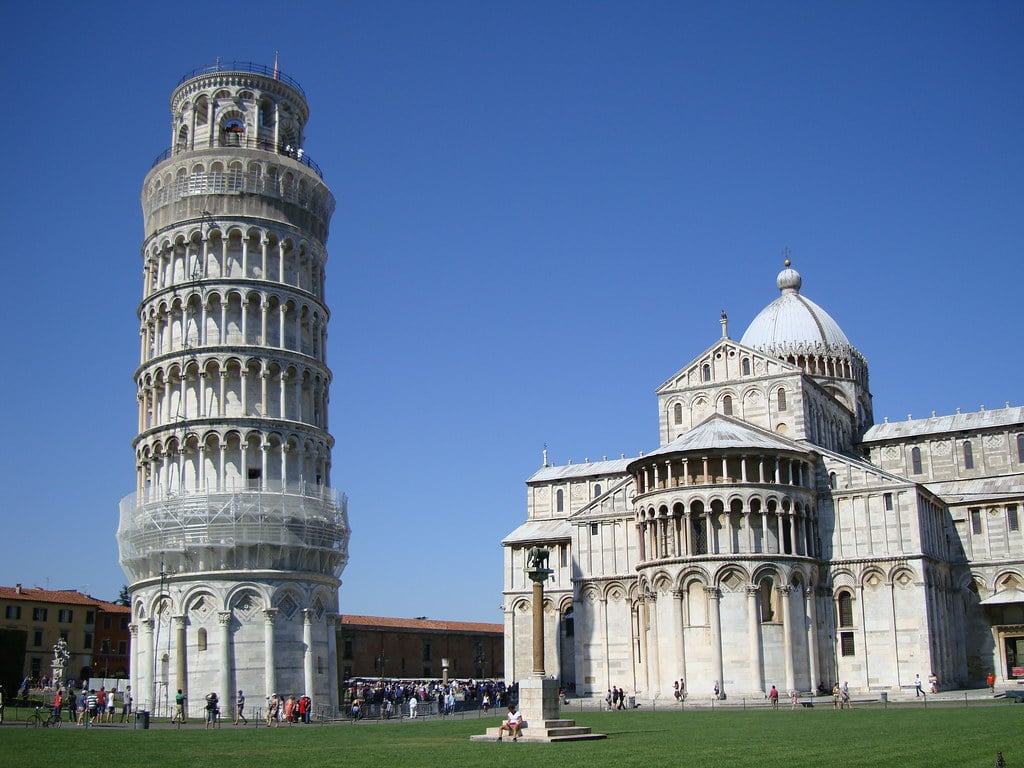
Warmth from daylight hits the south side, so the rock expands slightly – nudging the building a hair toward the north. That movement?
Smaller than a millimeter, almost nothing. When dark comes, the outside chill shrinks the material again, easing it partway back.
Figures record each faint motion, always watching. A single frame from early morning holds a shade of change you won’t spot at day’s end.
Though stillness seems complete, motion persists beneath sight.
Nobody Knows Who Designed It

For a building this famous, you’d think someone would have claimed credit. But the architect’s identity remains a mystery.
Some historians think it was Bonanno Pisano. Others credit Diotisalvi, who designed the nearby baptistery.
A few believe Gherardo di Gherardo did it. The truth is that medieval record-keeping wasn’t great, and whoever started this project in 1173 didn’t leave a signature.
It Took Almost 200 Years to Build
Floors went up, then silence. The crew poured concrete, stacked beams, quit cold once cracks showed.
A hundred years passed before anyone touched it again. Back they came, raising one edge like balancing on a slope.
Another pause followed – this time cannons, bankrupt treasuries, riots in the streets got in the way. Up high, the space for bells came much later – only showing up in 1372.
Almost two hundred years passed, with work starting and stopping, before the eight-level structure stood complete.
Mussolini Tried to Fix It and Made Everything Worse
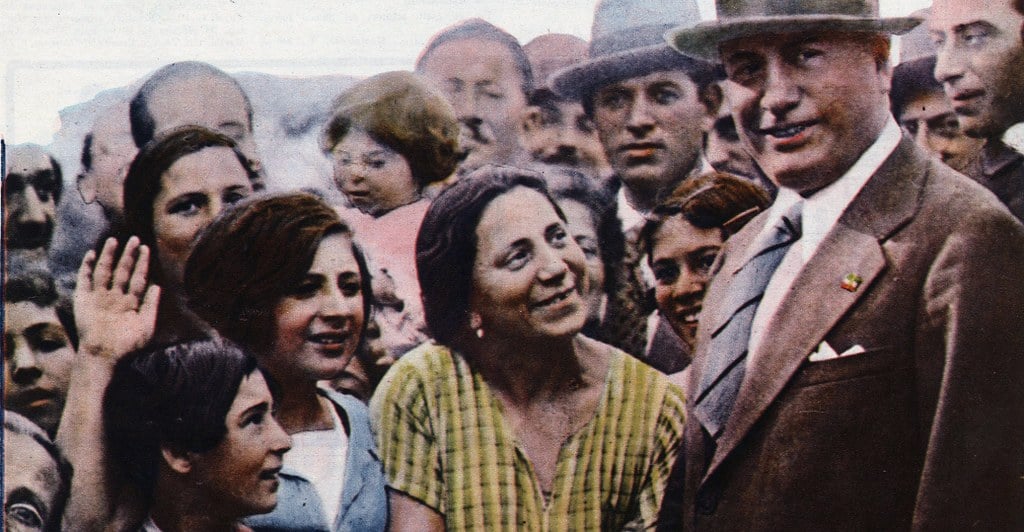
In the 1930s, Mussolini decided the leaning tower was an embarrassment to Italian engineering. He ordered workers to drill hundreds of craters in the foundation and pump in tons of concrete.
The added weight made the tower sink deeper into the soft ground. The lean increased. Engineers today consider Mussolini’s intervention one of the worst ideas in the tower’s history.
The Bells Don’t Ring Anymore
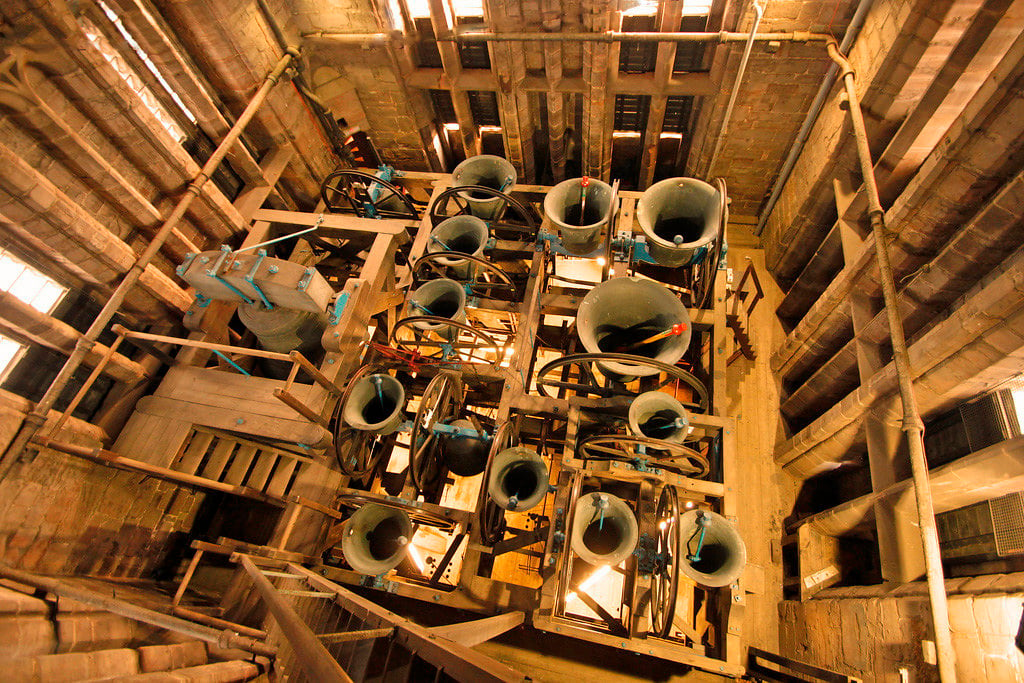
Seven bells hang in the chamber at the top, one for each note of the musical scale. They used to ring regularly, but engineers banned bell-ringing in the 1990s.
The vibrations from the bells were making the lean worse. The largest bell weighs over three tons, and when it swung, the whole structure shuddered.
Tourists still climb up to see the bells, but they haven’t made a sound in decades.
The Tower Survived WWII Because a Soldier Thought It Was Too Beautiful
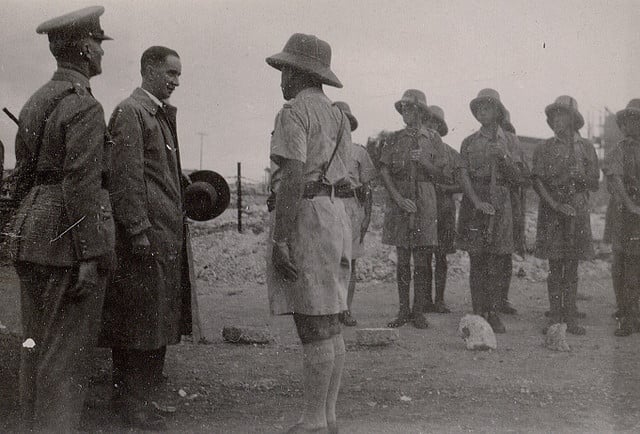
Allied forces planned to destroy the tower during their retreat from Pisa in 1944. German soldiers were using it as an observation post, making it a legitimate military target.
An American sergeant was ordered to call in an artillery strike. But when he saw the tower up close, he couldn’t do it.
He radioed back that the target wasn’t worth destroying. His commander agreed.
The Germans left Pisa a few days later without a fight.
Engineers Removed 70 Tons of Soil to Stabilize It
Between 1990 and 2001, the tower was closed to visitors while engineers figured out how to keep it from falling over. They tried counterweights, steel cables, and eventually settled on soil extraction.
They drilled carefully beneath the raised side and removed dirt bit by bit. The tower slowly settled back into a more stable position.
It still leans—just not as much. The intervention bought the tower another 200 years, maybe more.
The Height Depends on Which Side You Measure
The tower stands 56 meters tall on the high side and 55 meters on the low side. That one-meter difference exists because medieval builders tried to compensate for the tilt by making the upper floors taller on the sinking side.
It didn’t work. The tower kept leaning anyway.
So now you’ve got a building that’s both crooked and lopsided.
It Started Tilting Immediately
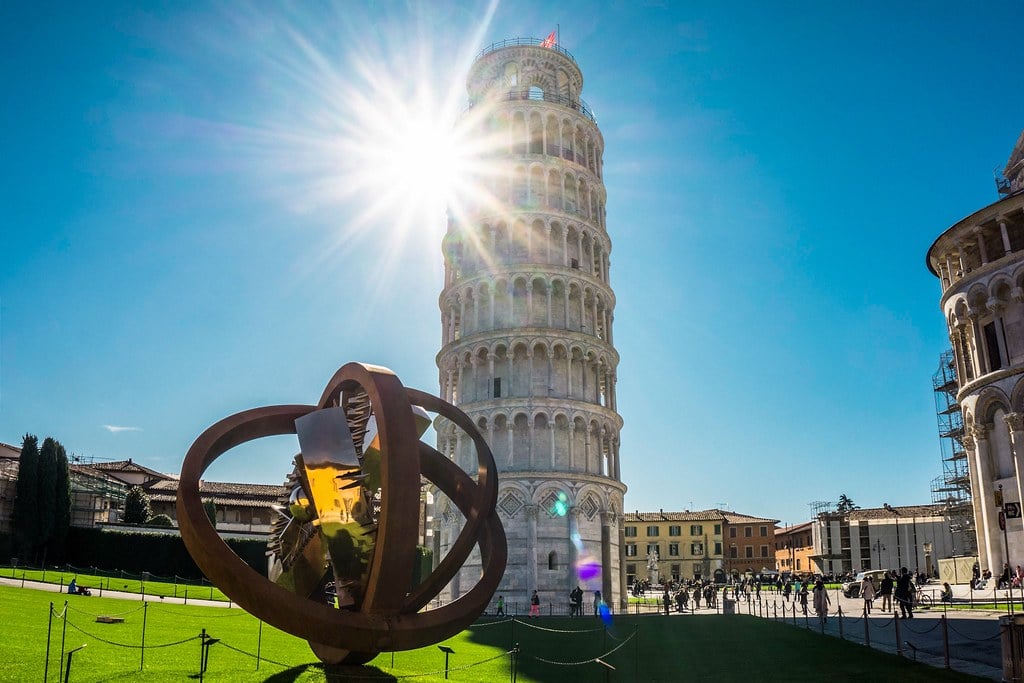
The foundation was only three meters deep, built on soft clay and sand. By the time workers finished the third floor, the tilt was already noticeable.
They stopped construction and hoped the ground would settle. It didn’t.
When they came back a hundred years later, the tilt had gotten worse. They kept building anyway, which says something about medieval optimism.
Galileo Probably Didn’t Drop Anything from the Top

The famous story about Galileo dropping two cannonballs from the tower to prove his theory of gravity is almost certainly false. Galileo lived in Pisa and probably climbed the tower at some point.
But he never wrote about dropping objects from it, and none of his contemporaries mentioned seeing him do it. The story appeared decades after his death.
It’s a good story—just not a true one.
The Tower Leans More in Summer Than in Winter
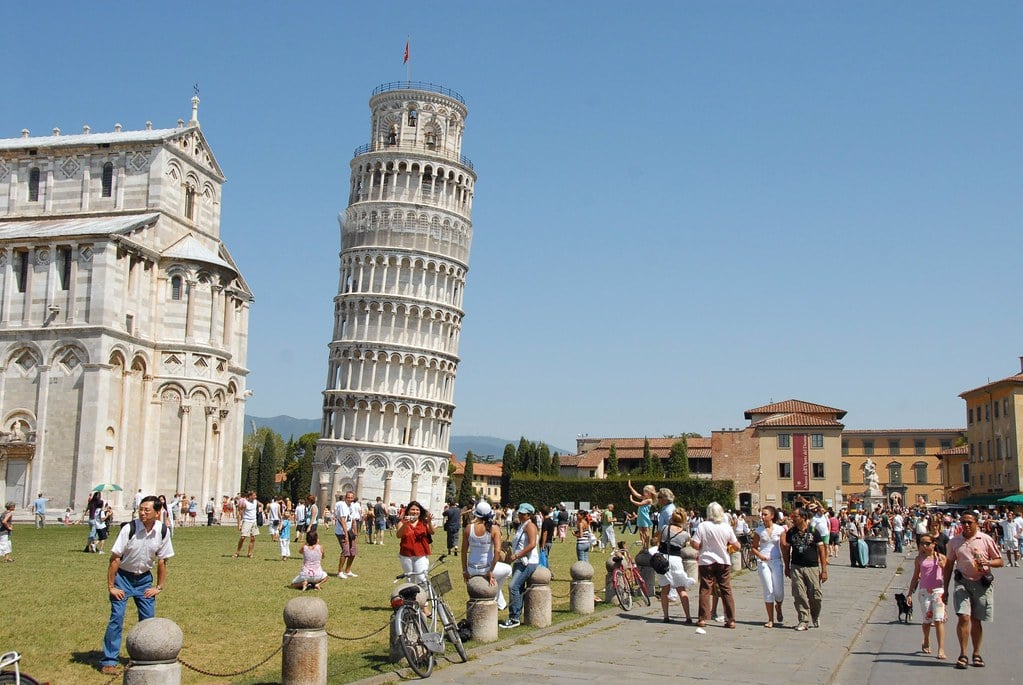
Heat changes shift the tilt all year round, not only by daylight hours. When temperatures rise in warmer months, sunlight hits the southern face harder than the northern one, making the structure straighten a bit.
As cold seasons arrive, things flip – the imbalance reverses. Though slight, these shifts show clearly on instruments.
Those who check its balance include such movements in their reviews.
A Hidden Cathedral Complex Few Know About
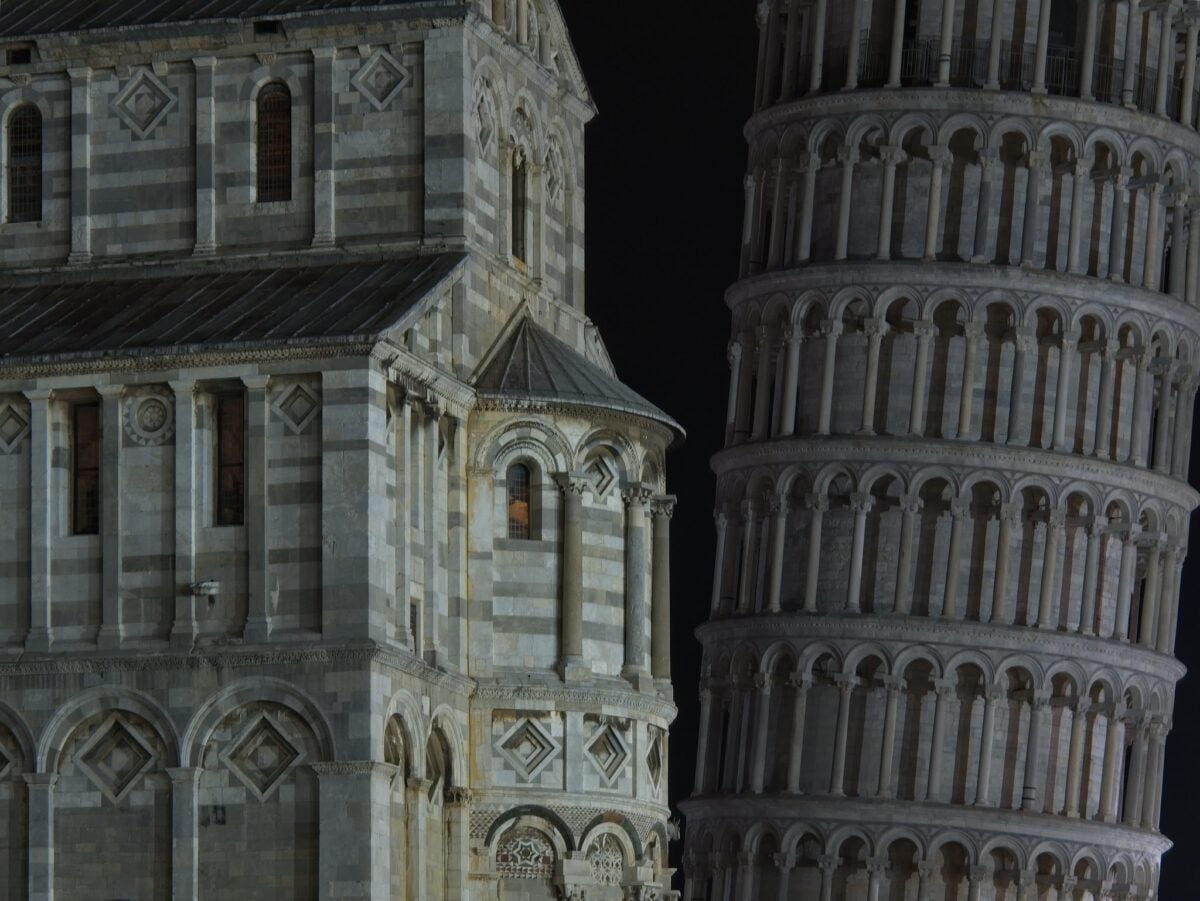
Surprisingly tall, the tower serves as a bell tower – called a campanile – for the nearby cathedral. Right beside it, most visitors walk past without looking inside.
Drawn only by fame, they pose for pictures leaning against its tilt and then move on. Inside, though, stone carvings cover the front like detailed lacework.
Huge columns run down the center space where light slips through old glass. Beside the square, the baptistery stands just as grand.
Still, everyone looks toward the tower.
You Can’t Actually Stop It from Leaning
Stillness won’t last. Under Pisa, soft layers of earth shift – clay mixed with sand collapses when pressed.
Sinking continues without pause. Removing dirt helps, yet balance weights only buy time.
Watching each tiny motion matters. Yet rock deep below stays unchanged. Still, they adjust the angle just enough to buy time. Leaning is what it does. Always has.
Why It Endures
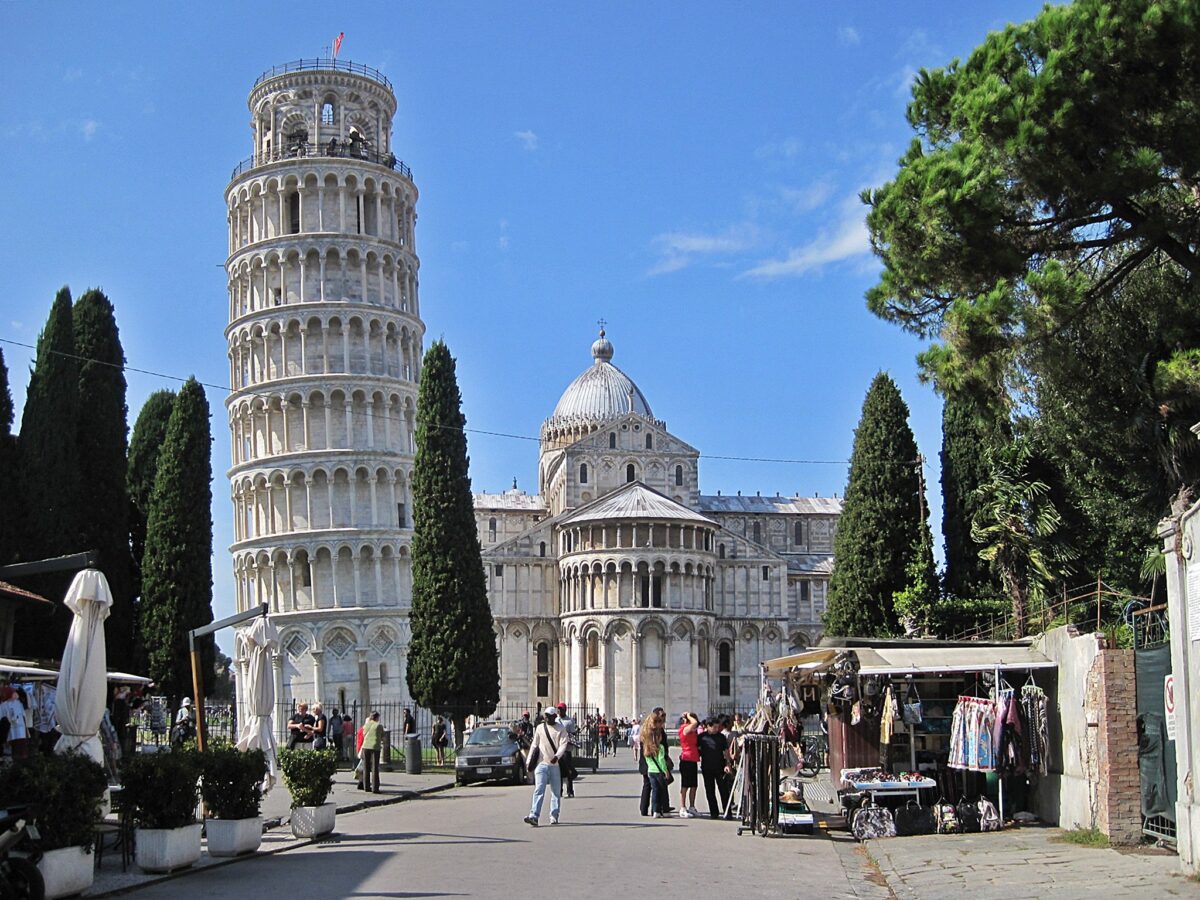
Not perfect – what held the tower upright for centuries. Weak soil made it tilt, still that weakness let it sway during tremors instead of snapping.
It bends, allowing force to travel through without shattering. Construction paused for years at a time, giving the ground beneath room to settle ahead of added weight.
Errors stacked one after another. Time dragged on with interruptions.
Repairs often twisted things worse than before. Still standing – though plans fell apart.
Wrong choices somehow gave it breath.
More from Go2Tutors!

- The Romanov Crown Jewels and Their Tragic Fate
- 13 Historical Mysteries That Science Still Can’t Solve
- Famous Hoaxes That Fooled the World for Years
- 15 Child Stars with Tragic Adult Lives
- 16 Famous Jewelry Pieces in History
Like Go2Tutors’s content? Follow us on MSN.