15 Hobbies That Became Billion-Dollar Industries
Most hobbies stay hobbies forever — weekend activities that people enjoy in their spare time without thinking about making serious money. But every now and then, what starts as a fun pastime transforms into something much bigger. What began as casual interests in garages, basements, and spare bedrooms has grown into massive industries worth billions of dollars.
These transformations didn’t happen overnight, and they weren’t always planned. Here are 15 hobbies that accidentally became billion-dollar industries.
Video Gaming

Back in the 1970s, playing video games was a niche hobby for tech enthusiasts who tinkered with early computers. Today, the gaming industry pulls in over $180 billion annually — more than movies and music combined.
What started with simple games like Pong evolved into massive multiplayer worlds that keep millions of players engaged for hours every day.
Home Brewing

Making beer at home used to be something people did during Prohibition or as a quirky weekend project. The craft beer revolution turned this hobby into a $29 billion industry that’s completely changed how Americans think about beer.
Small breweries that started in someone’s garage now compete directly with massive corporations that dominated the market for decades.
Like Go2Tutors’s content? Follow us on MSN.
Collecting Sneakers

Sneaker collecting began as teenagers trying to get the coolest basketball shoes in the 1980s. Now it’s a $6 billion resale market where rare pairs sell for tens of thousands of dollars.
Apps like StockX turned shoe collecting into a legitimate investment strategy, with some sneakers appreciating faster than traditional stocks.
Photography
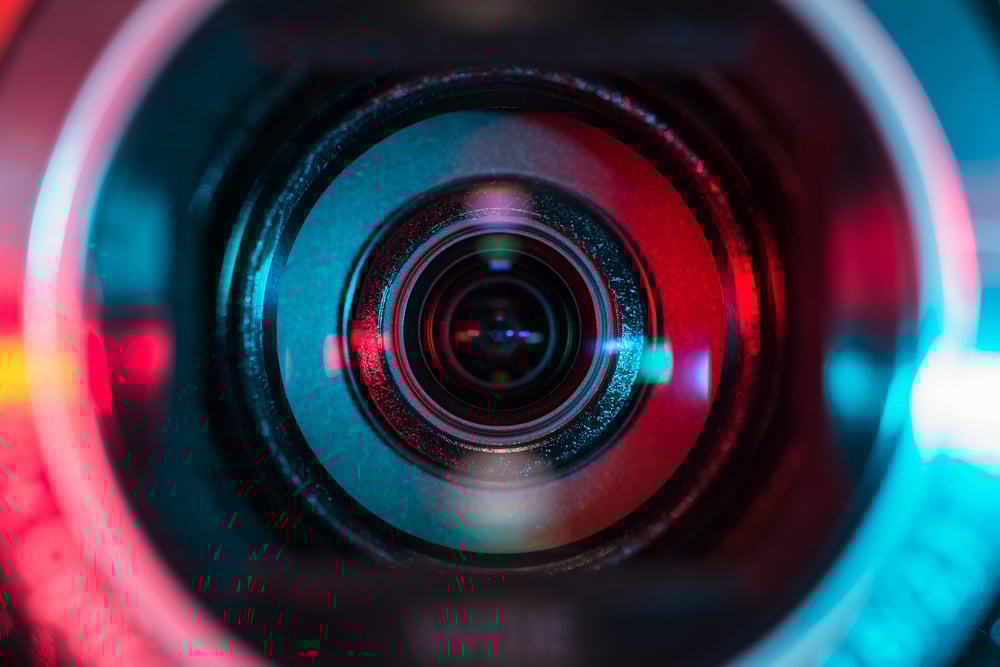
Before digital cameras made photography accessible to everyone, taking pictures was an expensive hobby that required darkrooms and chemical processing. The photography industry now generates over $110 billion yearly through equipment sales, software subscriptions, and professional services.
Instagram alone proved that billions of people wanted to share their photos with the world.
Fitness and Bodybuilding

Lifting weights started as something strongmen did at carnivals and a few dedicated athletes practiced in basement gyms. The fitness industry now brings in $96 billion annually through gym memberships, equipment sales, supplements, and personal training.
What used to be a fringe activity became a mainstream lifestyle that millions of people embrace.
Like Go2Tutors’s content? Follow us on MSN.
Board Gaming

Playing board games was family entertainment that happened around kitchen tables on weekends. The modern board game industry generates $7.2 billion in revenue as adults rediscover complex strategy games that go far beyond Monopoly and Scrabble.
Game cafes, conventions, and crowdfunding platforms turned casual gaming into a serious business.
Gardening

Growing plants at home was something people did to save money on groceries or because they enjoyed working with their hands. The gardening industry now pulls in $52 billion yearly as people seek organic food, sustainable living, and outdoor hobbies.
Urban farming and hydroponic systems turned small-space gardening into high-tech enterprises.
Model Building

Building model planes, trains, and cars was a quiet hobby that required patience and steady hands. The modeling industry generates $9 billion annually through detailed kits, custom parts, and specialized tools.
3D printing technology revolutionized the hobby by letting enthusiasts create their own custom parts and designs.
Like Go2Tutors’s content? Follow us on MSN.
Comic Book Collecting

Reading comic books was kid stuff that parents thought would rot their children’s brains. The comic and collectibles industry now brings in $1.28 billion yearly, with rare issues selling for millions of dollars.
Marvel and DC movies proved that superhero stories could generate massive mainstream appeal and financial returns.
Woodworking

Making furniture and crafts from wood was something people learned from their fathers or grandfathers in garage workshops. The woodworking industry generates $60 billion annually through tools, materials, and custom furniture sales.
YouTube tutorials and online marketplaces let hobbyist woodworkers turn their skills into profitable side businesses.
Yoga and Meditation

Practicing yoga was considered an alternative lifestyle choice that only a few people took seriously in Western countries. The yoga industry now brings in $37 billion yearly through classes, equipment, retreats, and teacher training programs.
Meditation apps like Headspace proved that ancient practices could be packaged into modern subscription services.
Like Go2Tutors’s content? Follow us on MSN.
Drone Flying

Flying radio-controlled aircraft was a technical hobby that required building planes from kits and finding empty fields for flying. The drone industry generates $43 billion annually through consumer sales, commercial applications, and military contracts.
What started as weekend fun became essential technology for everything from package delivery to movie production.
Podcast Creation

Recording conversations and sharing them online was something tech-savvy people did for fun in the early 2000s. The podcasting industry now generates $18.6 billion in advertising revenue as millions of people create shows about every topic imaginable.
Platforms like Spotify pay huge sums to secure exclusive content from popular podcasters.
Home Organization

Organizing closets and arranging possessions was just part of keeping a tidy house. The home organization industry brings in $17.4 billion yearly through storage solutions, consulting services, and organizational systems.
Marie Kondo turned decluttering into a global phenomenon that spawned countless imitators and spin-off businesses.
Like Go2Tutors’s content? Follow us on MSN.
Cosmetics and Beauty

Experimenting with makeup and skincare was something people did at home using drugstore products. The beauty industry generates $511 billion annually as social media influencers have turned personal care into entertainment and education.
YouTube tutorials and Instagram posts created entirely new categories of beauty professionals and product lines.
From Passion Projects to Global Markets

These hobby-turned-industries prove that billion-dollar businesses often start with people simply doing what they love. None of these transformations were guaranteed — they happened because passionate hobbyists found ways to share their interests with larger audiences and solve real problems for other people.
The internet and social media accelerated many of these changes by connecting niche communities and making it easier for small businesses to reach global markets. Today’s weekend hobby could easily become tomorrow’s next billion-dollar industry, especially if it taps into fundamental human desires for creativity, connection, and personal fulfillment.
More from Go2Tutors!

- 16 Restaurant Chains That Went Too Fast
- 12 Things Sold in the 80s That Are Now Illegal
- 15 Strange Things People Have Tried to Ban (And Failed)
- 16 Collectibles People Tossed Out Too Soon
- 17 Myths from Your Childhood That Were Actually Based on Real Things
Like Go2Tutors’s content? Follow us on MSN.



