Photos Of 16 Happiest Cities in the World to Visit
There’s a difference between a city that’s beautiful and a city that feels genuinely good to be in. The happiest cities in the world share something hard to pin down — a mix of walkability, green space, social trust, good food, and a pace of life that doesn’t grind you down.
Whether you’re planning a trip or just dreaming of one, these 16 cities tend to leave visitors feeling surprisingly relaxed by the time they leave.
1. Helsinki, Finland
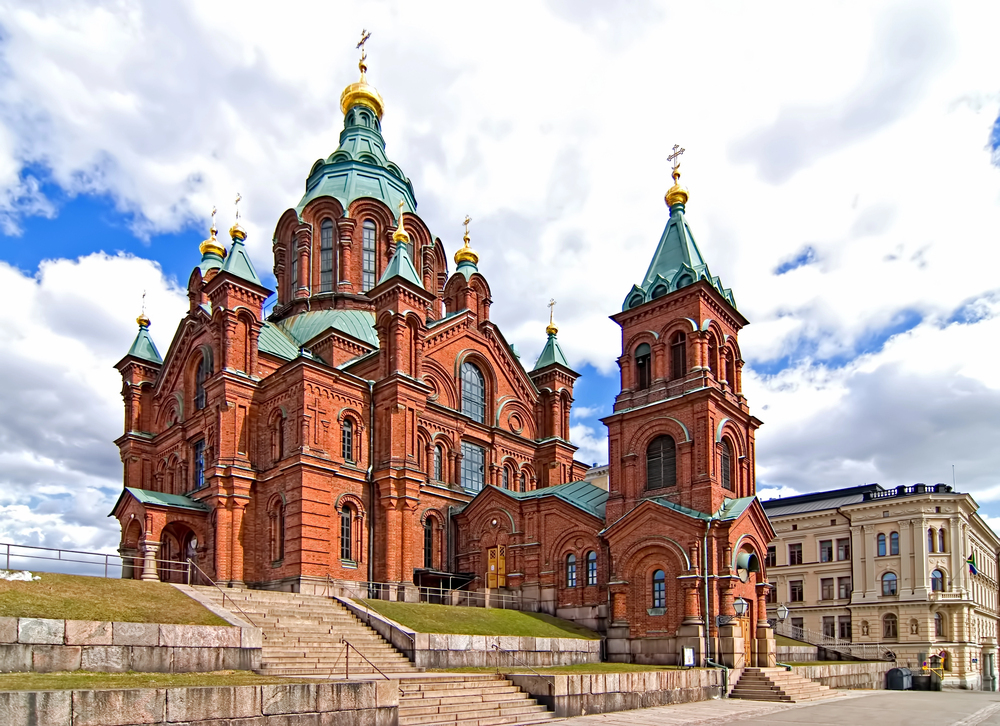
Helsinki doesn’t shout. It has a quietness to it that takes some getting used to if you’re coming from a busier place, but most visitors end up finding it refreshing.
The city sits right on the Baltic Sea, surrounded by islands, and the light in summer is something else entirely — golden for hours in ways that make an evening walk feel almost unreal. The design culture here is visible everywhere, from the architecture to the coffee cups in the cafés.
People are direct, public transit is reliable, and the city has a sauna culture that genuinely brings people together. It consistently ranks at the top of global happiness reports, and spending a few days there makes it obvious why.
2. Copenhagen, Denmark
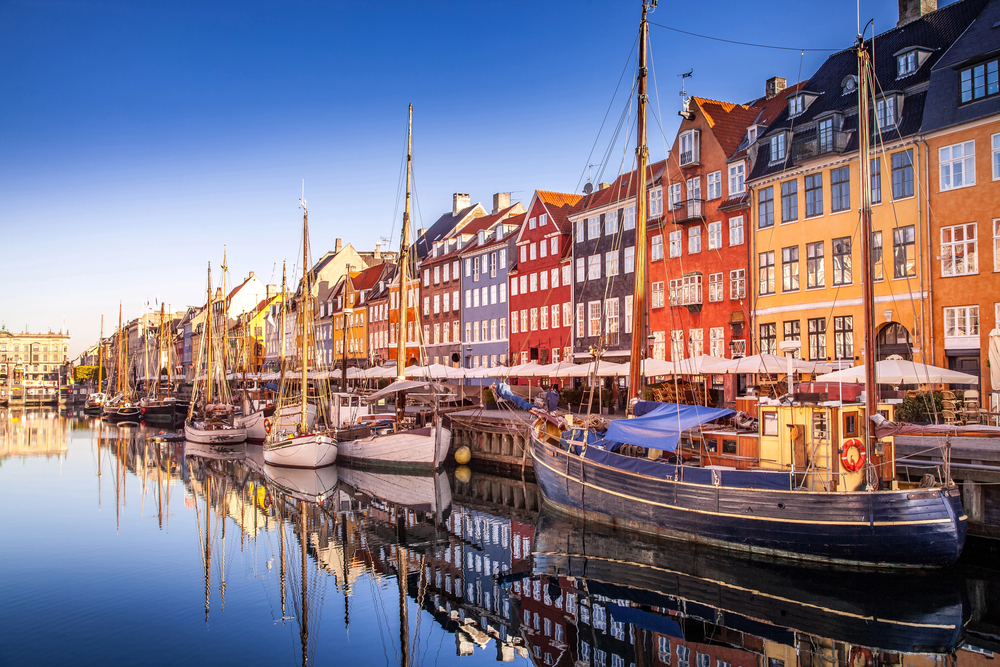
Copenhagen pulls off something most cities only pretend to — it’s both a major European capital and a place where cycling to work is the default. Nearly half the city commutes by bike.
The streets are built for it, and so is the mentality. The food scene here has been world-class for years, with a mix of Michelin-starred restaurants and casual smørrebrød spots that are just as satisfying.
Nyhavn, with its colored townhouses along the canal, looks like it was designed to be photographed, but the city has real depth beyond the postcard shots. Spend time in the neighborhoods of Frederiksberg or Vesterbro and you’ll get a better sense of what daily life looks like — and it looks pretty good.
3. Amsterdam, Netherlands
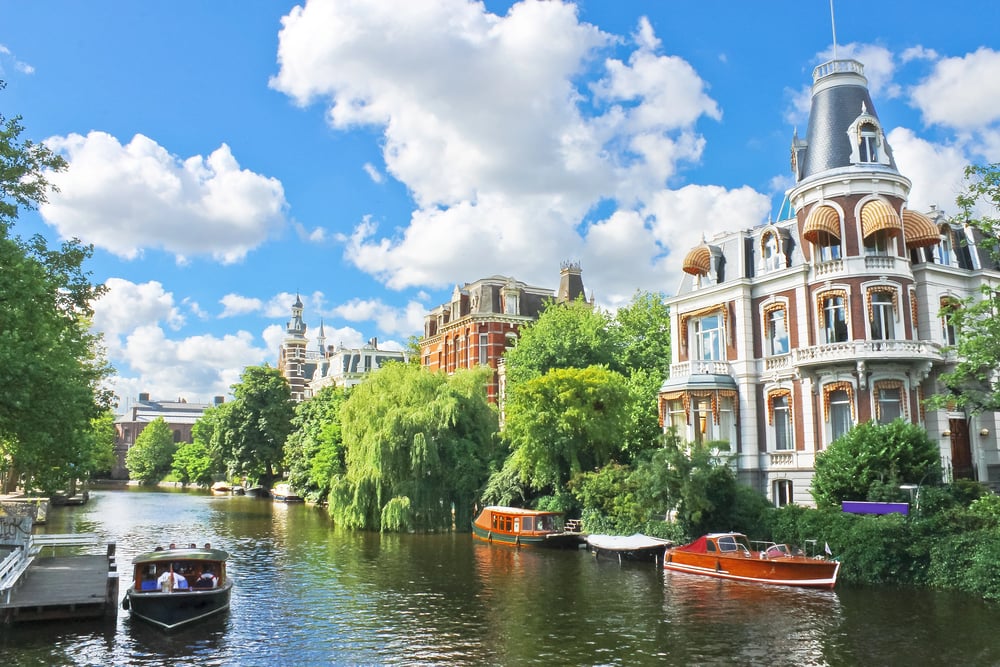
Amsterdam has more canals than Venice, and unlike Venice, it’s a city people actually live and work in comfortably. The canal belt in the center is a UNESCO World Heritage Site, but the rings of water aren’t just scenic — they give the city a natural rhythm that slows everything down a bit.
Museums here are genuinely world-class. The Rijksmuseum and the Van Gogh Museum alone could fill two days.
But Amsterdam rewards wandering more than planning. The Jordaan neighborhood is full of independent shops, brown cafés, and small galleries.
The city is famously tolerant in ways that go back centuries, and that openness is something you sense as a visitor — it’s a place where people seem comfortable being themselves.
4. Vienna, Austria
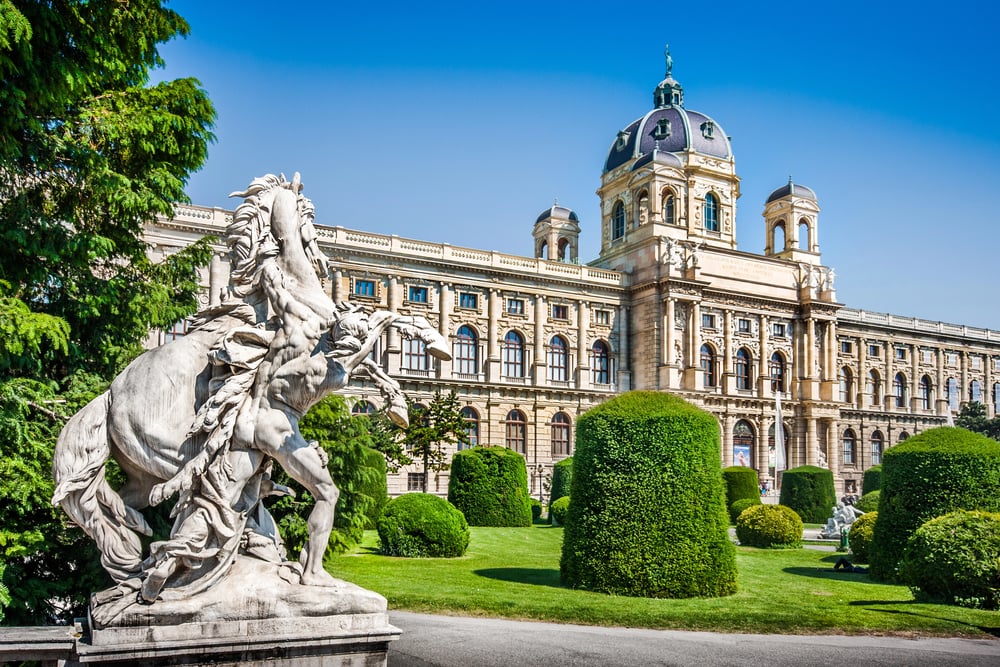
Vienna has the kind of coffee house culture that you can disappear into for an entire afternoon. Order a Melange, get a glass of water alongside it as is the tradition, and sit for as long as you like — nobody will rush you.
This approach to time is baked into the city’s character. The architecture is grand in a way that could feel overwhelming but somehow doesn’t.
The Ringstrasse boulevard, the Hofburg Palace, the opera house — these are impressive without being cold. Classical music is still very much alive here, and catching a concert at the Musikverein or even at one of the smaller venues feels like a genuine experience rather than a tourist performance.
Vienna regularly tops quality-of-life rankings for a reason.
5. Reykjavik, Iceland
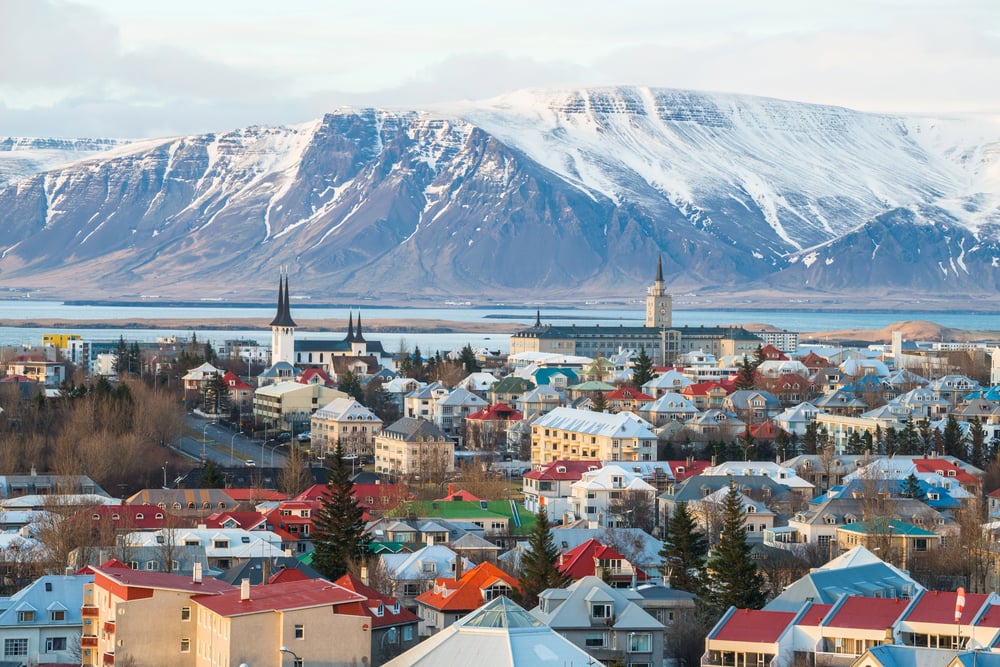
Reykjavik is the smallest capital city on this list, and that’s part of its appeal. Almost everything is walkable, there’s no real traffic to speak of, and the whole country runs on geothermal energy.
It’s also one of the safest cities on earth. The population is tiny by capital city standards — just over 130,000 people — and yet it has a music and arts scene that punches well above its weight.
The light changes dramatically through the seasons, from long summer days where the sun barely sets to the famous winter skies where the northern lights can appear above the city. Both versions of Reykjavik are worth seeing.
6. Oslo, Norway
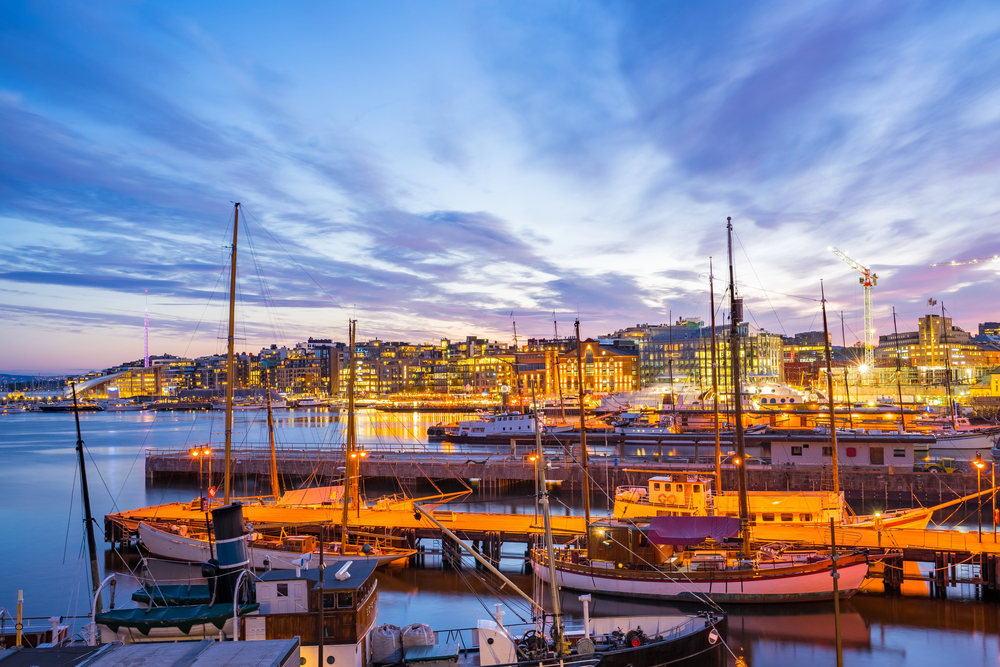
Oslo has changed a lot over the past decade. The waterfront, once industrial, has been completely transformed.
The Aker Brygge area and the newer Tjuvholmen district are now full of restaurants, galleries, and parks right on the fjord. The Astrup Fearnley Museum of Modern Art sits right at the water’s edge.
Nature access here is extraordinary. The Holmenkollen area above the city has hundreds of kilometers of hiking and cross-country ski trails, and you can reach them on the metro.
Norwegians take this access seriously — it’s called “friluftsliv,” or open-air living, and it shapes how people think about their days. Oslo is expensive, but what you get in return is a city where the outdoors genuinely competes with everything indoors.
7. Melbourne, Australia
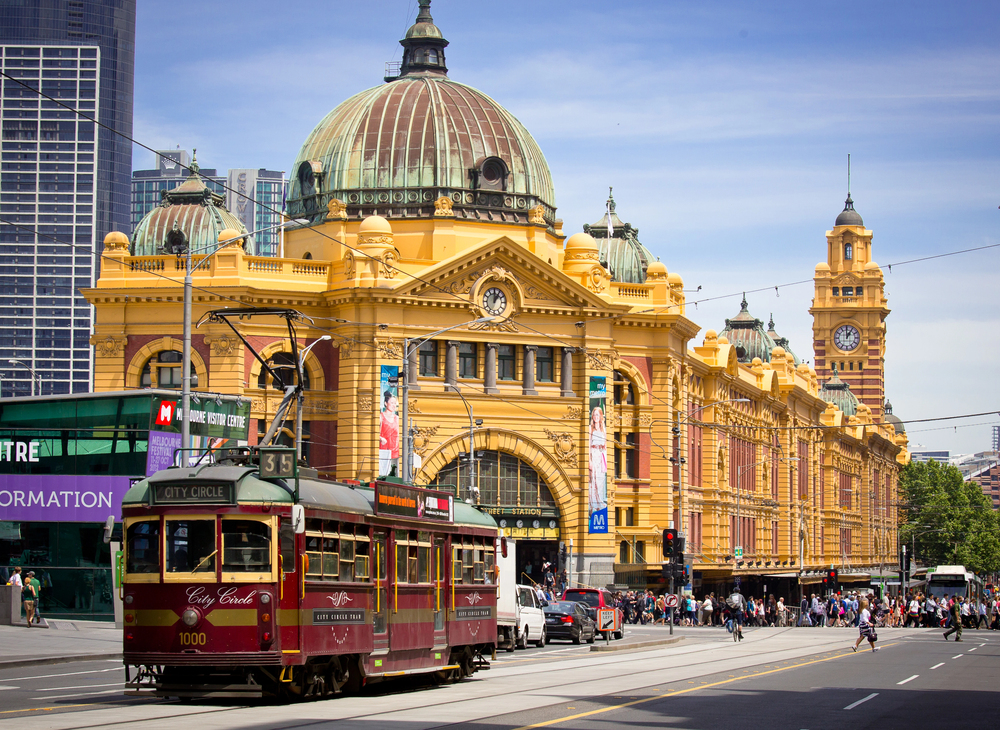
Melbourne has a confidence that comes from knowing it’s good without needing to be obvious about it. The city’s famous laneways — narrow alleyways between the main streets — are packed with coffee shops, street art, and small restaurants.
Hosier Lane alone draws crowds for the murals that change constantly. The coffee culture here is serious in the best way.
Melbourne claims a direct line to the flat white, and the café scene reflects that pride. Brunch on a Saturday in Fitzroy or Collingwood feels like a local ritual that visitors get to observe and participate in.
The arts scene is strong, the live music scene is stronger. The weather is famously unpredictable in a way that locals use as a bonding experience.
8. Vancouver, Canada
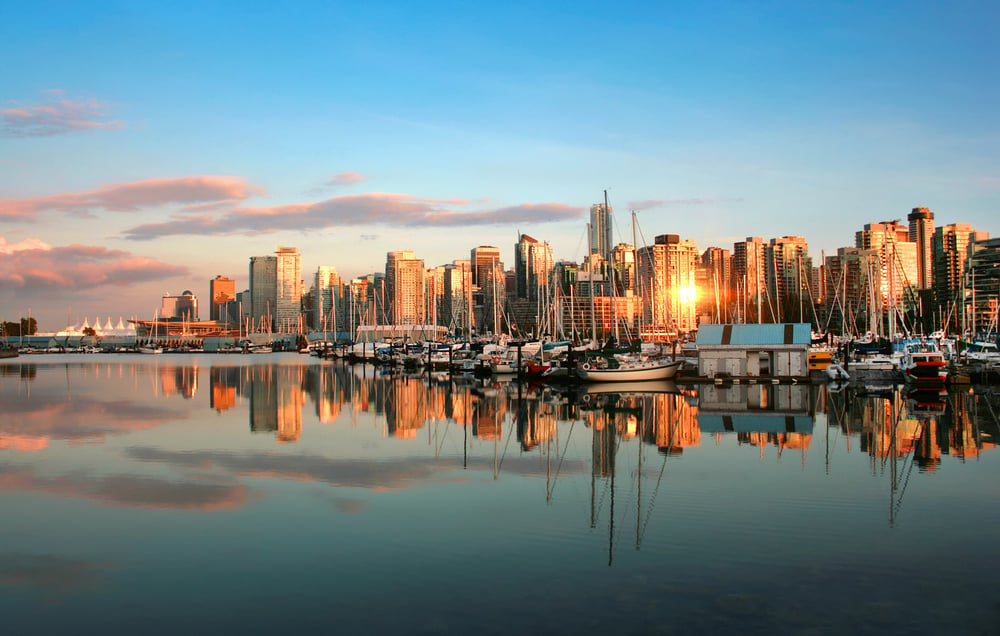
Vancouver is the kind of city that doesn’t let you forget you’re on the edge of something wild. The mountains sit right behind the skyline, and on a clear day the view from almost anywhere in the city is dramatic.
Stanley Park — a thousand-acre forest sitting right in the middle of the city — makes it possible to go from a downtown coffee shop to a quiet trail in about fifteen minutes. The food here reflects the city’s position on the Pacific Rim.
The Japanese, Chinese, Korean, and Vietnamese food scenes are all excellent, concentrated in neighborhoods that feel distinct and genuine. Winters are mild by Canadian standards, which helps explain why the city keeps growing.
9. Bern, Switzerland
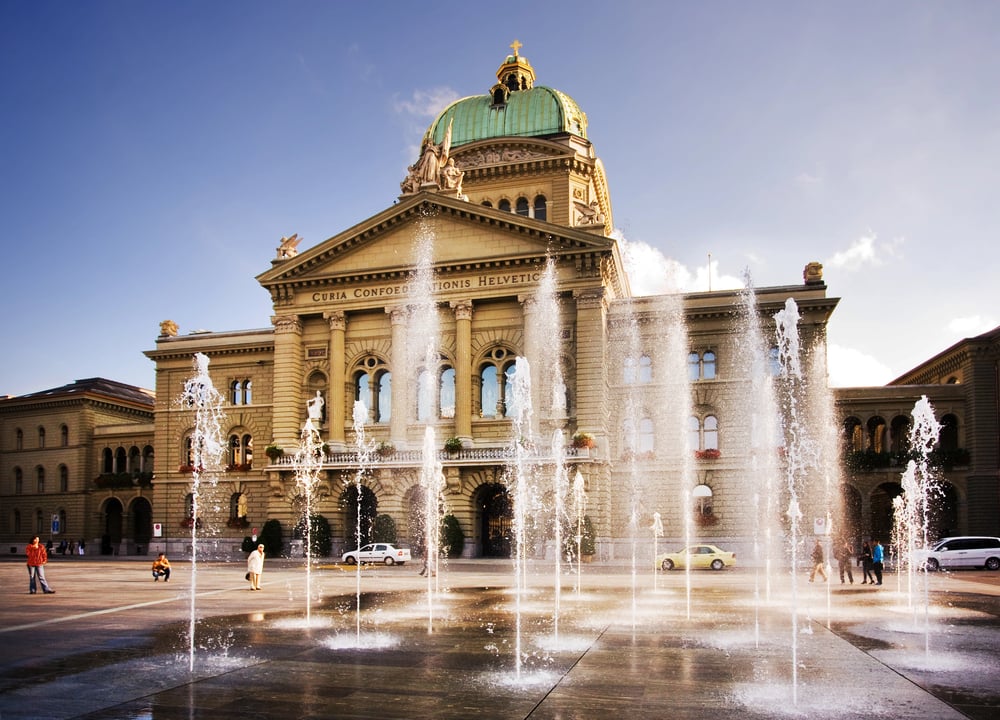
Bern is Switzerland’s capital, but it has a smaller, slower feeling than you’d expect from a seat of government. The medieval old town is a UNESCO Heritage Site, with six kilometers of arcaded walkways called Lauben that keep you sheltered from rain or sun as you walk through the center.
The city sits on a peninsula formed by the Aare River, and on hot days, locals float downstream through the city in what has become a beloved summer tradition. There are bear pits — Bern’s name is linked to bears historically — and a famous clock tower that has been ticking since the 13th century.
It’s a city that rewards slowing down, and the Swiss tendency toward precision and quality shows up everywhere from the bakeries to the transport timetables.
10. Aarhus, Denmark
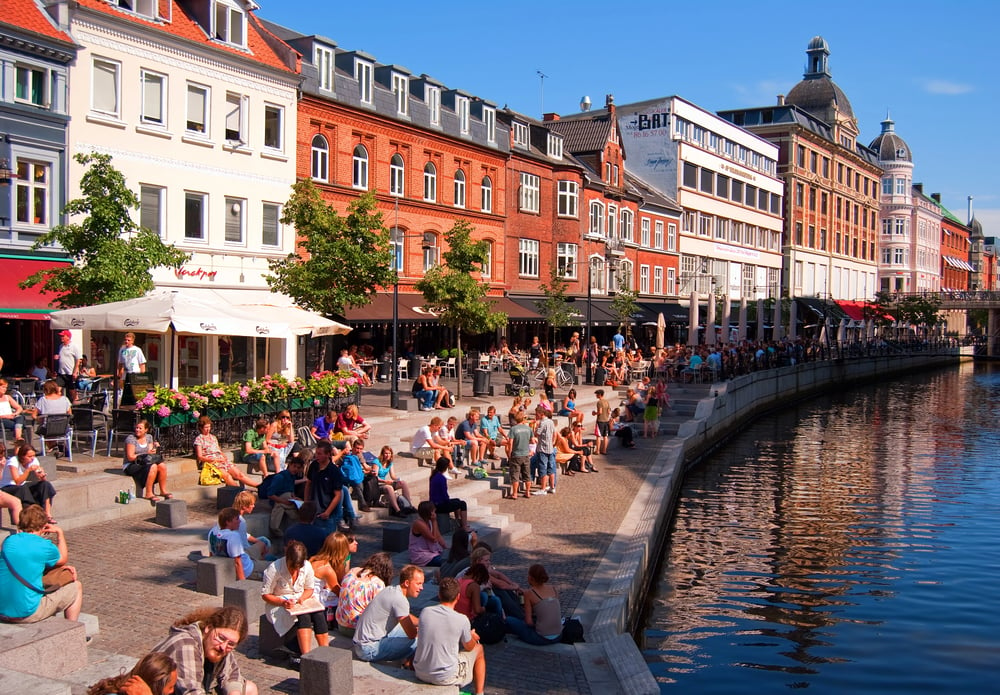
Denmark’s second city doesn’t get the same attention as Copenhagen, but many Danes will tell you they prefer Aarhus. It’s younger, more compact, and has a university energy that keeps things moving.
The Latin Quarter in the center has cobblestone streets, independent bookshops, and cafés that fill up year-round. ARoS Aarhus Art Museum is one of the best contemporary art museums in Northern Europe and is hard to miss — it has a rainbow panorama walkway on the roof that gives a 360-degree view of the city.
Den Gamle By, an open-air museum of old Danish buildings, is the kind of attraction that surprises you with how engaging it actually is. Aarhus is the size where everything feels accessible, and that accessibility makes it genuinely pleasant to spend time in.
11. Bergen, Norway
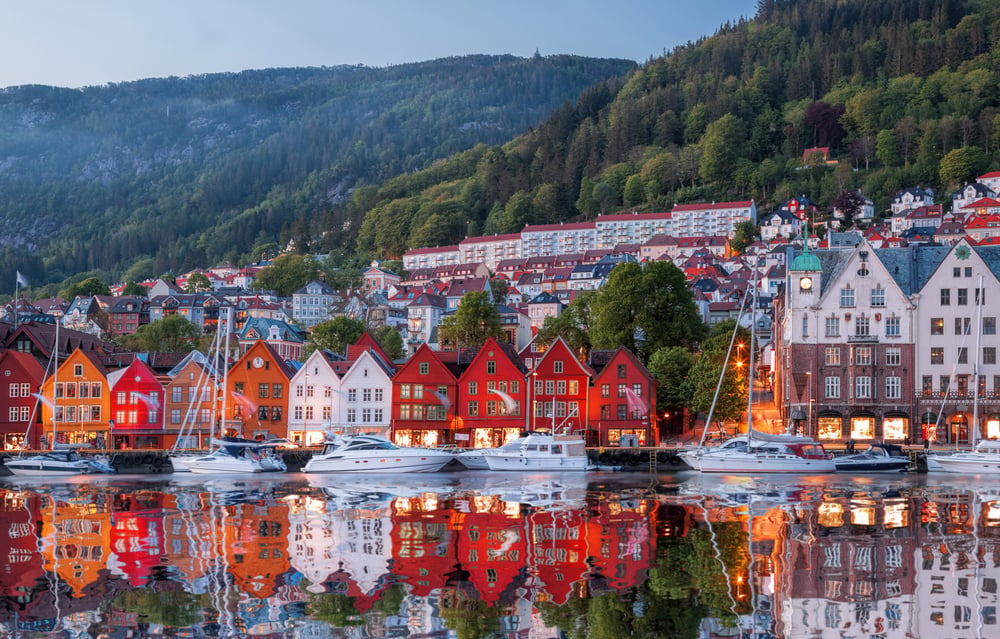
Bergen is surrounded by seven mountains and looks out over a fjord, so before you’ve done anything at all, the scenery has already done a lot of the work. The Bryggen wharf area, with its rows of old wooden buildings in reds, oranges, and yellows, is what appears on most postcards — and it really does look like that.
Fish has been Bergen’s industry for a thousand years, and the fish market at Torget is still the heart of the city in many ways. The funicular up to Mount Fløyen takes about eight minutes and rewards you with a view that stretches across the entire city, the harbor, and the surrounding mountains.
Bergen gets a lot of rain, which locals accept with a shrug and an umbrella.
12. Gothenburg, Sweden
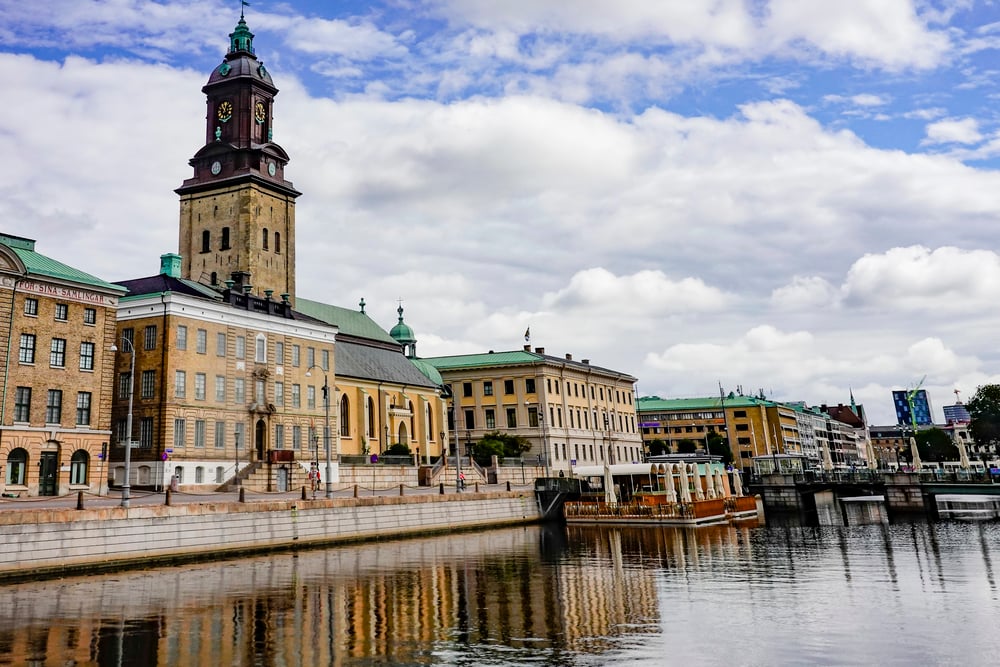
Sweden’s second city tends to get overshadowed by Stockholm, which is a mistake. Gothenburg has a warmth and directness that Swedes from elsewhere in the country often associate specifically with the west coast.
The city sits at the mouth of the Göta river, with a canal running through the center and a coastline full of islands just a boat ride away.
Liseberg, the amusement park in the heart of the city, is beloved in a way that feels genuinely Swedish — it’s beautiful as much as it is thrilling, with gardens and lights alongside the rides.
The food scene has grown steadily, and the city has produced a number of well-regarded restaurants. The covered market halls like Saluhallen are worth a visit on their own.
13. Utrecht, Netherlands
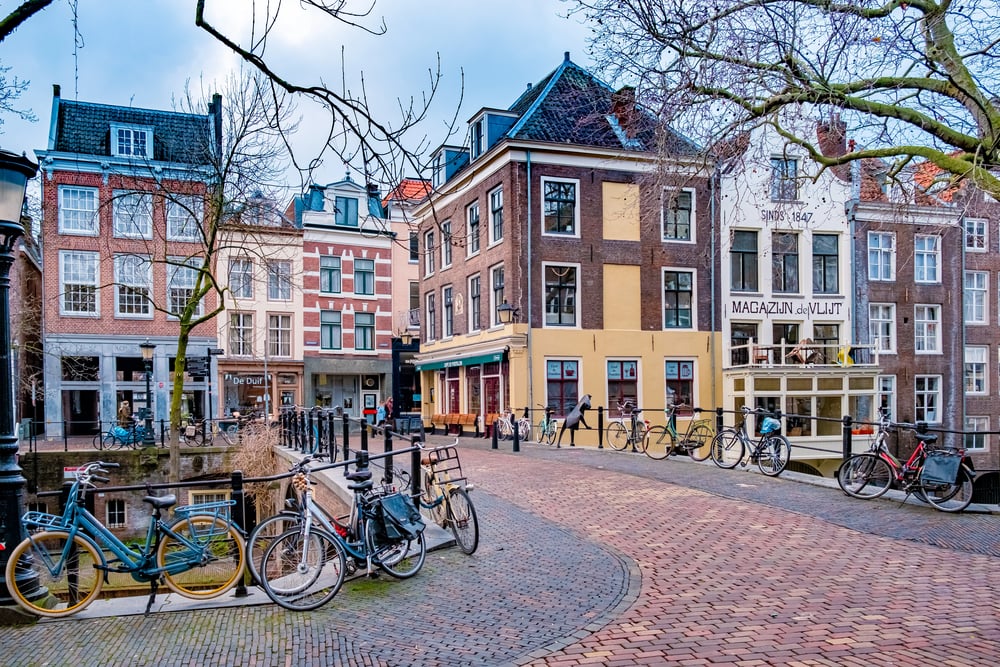
Utrecht is thirty minutes from Amsterdam by train and feels entirely different. The canals here are lower than street level, which means the city has a layer of cafe terraces and walking paths right at the water’s edge that Amsterdam doesn’t have.
It’s one of those urban design details that turns out to matter enormously for how a place feels.
The Dom Tower is the tallest church tower in the Netherlands and has been Utrecht’s landmark for centuries.
The city has a large university and the student population gives it energy without making it feel chaotic. It’s compact enough to walk across in an afternoon, but layered enough that you find new things each time.
Many people who visit Utrecht leave wondering why they didn’t plan to stay longer.
14. Innsbruck, Austria
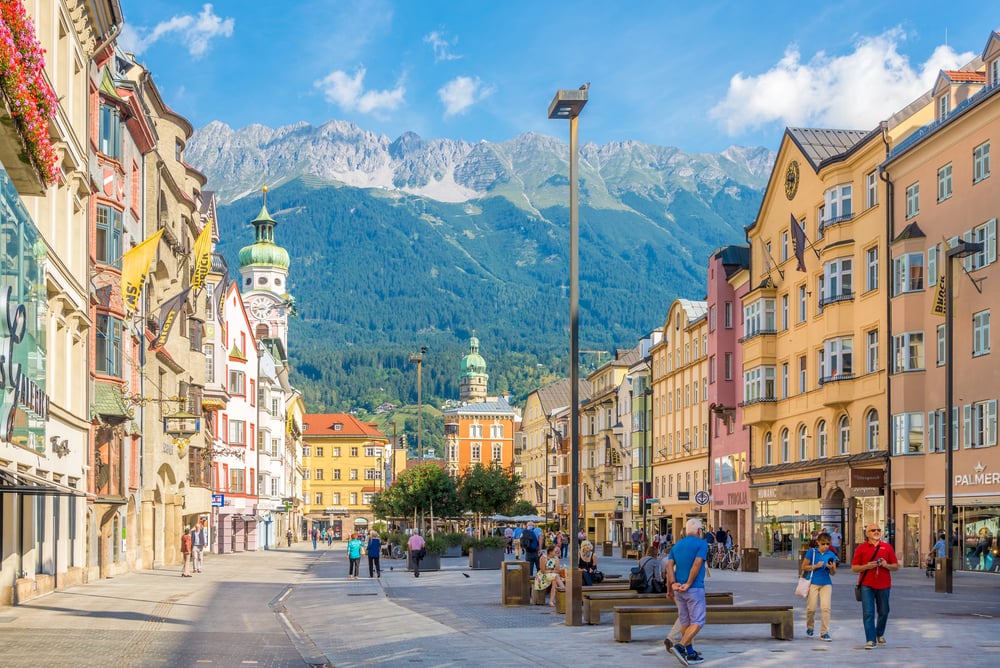
Tucked into a tight valley among the Tyrolean peaks, Innsbruck seems gripped by towering slopes pressing close. When snow falls, skis come out.
During warmer months, trails draw people upward instead.
Always, though, cobbled lanes remain – old streets lined with Habsburg-era buildings, framed by dramatic cliffs that resemble stage sets more than nature.
A gleaming balcony in the old part of town, wrapped in golden copper sheets – exactly two thousand six hundred fifty-seven of them – stands as the city’s best-known landmark since the 1400s.
Though centuries have passed, those Olympic facilities remain active today after Innsbruck welcomed winter athletes not just once but two times.
Far from typical urban spots on such lists, its real twist lies here: cobblestone streets meet mountain trails without any gap between.
15. Zurich, Switzerland
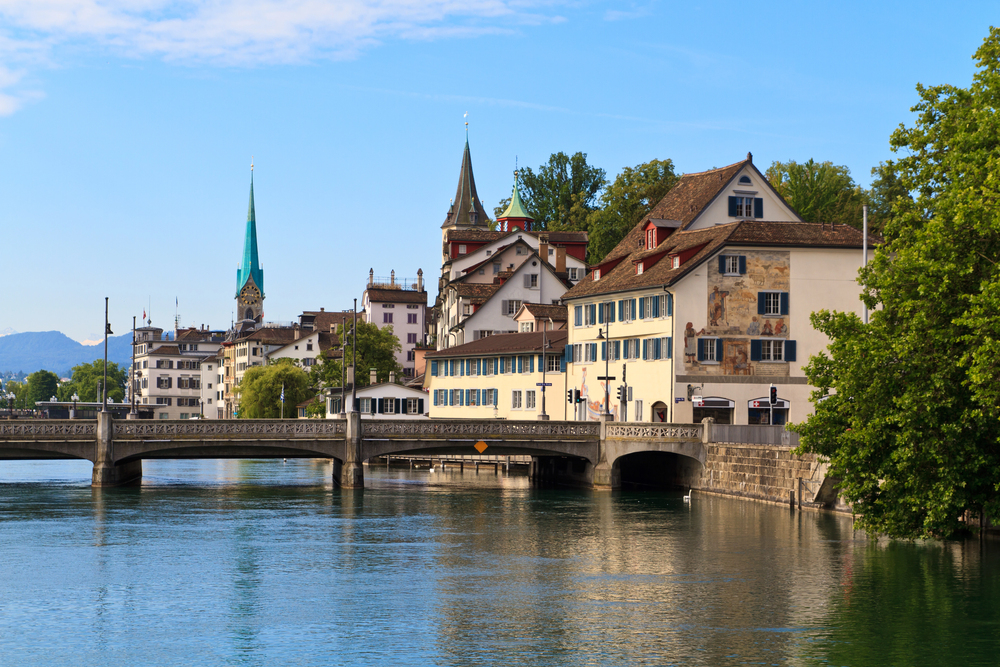
Zurich carries high costs, sure, yet charm slips through anyway. A lake stretches calm beside cobbled lanes where history stays close.
Old stone buildings stand without apology, holding shops and stories alike.
Art lives here, not tucked away but present in corners and courtyards. Trains arrive when they say they will, every time. Until you start to expect nothing less.
The rhythm gets under your skin, quiet and steady. One of Switzerland’s top art museums sits right in Zurich, its twentieth-century pieces standing out the most.
Swimming welcomes you in summer when the lake – Zürichsee – opens up through public bath spots along the shore. Locals pausing for lunch near the water reveal a softer rhythm beneath a city known mainly for finance.
Morning light hits just right at Bürkliplatz where food stalls come alive with produce and breads.
16. Stockholm, Sweden
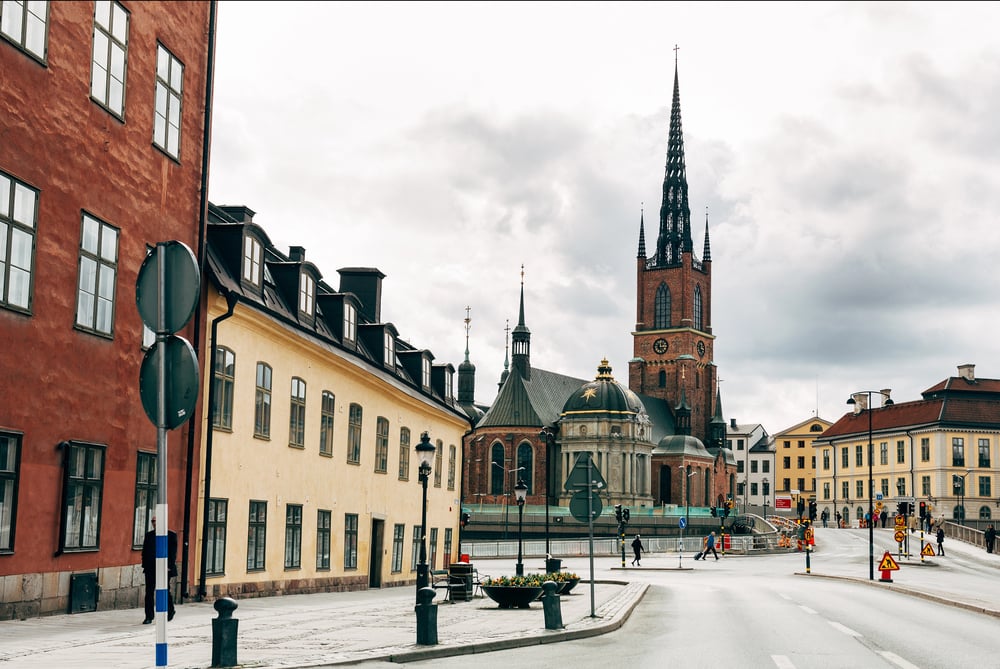
Thirteen islands hold up Stockholm, pinned where Mälaren spills into the Baltic. Water shapes everything here. You notice it first in how light slides across surfaces late in the day.
Breathe deep near the docks and there’s a sharp freshness, not quite sea, not just lake either. Movement feels natural even when skies hang low in winter months.
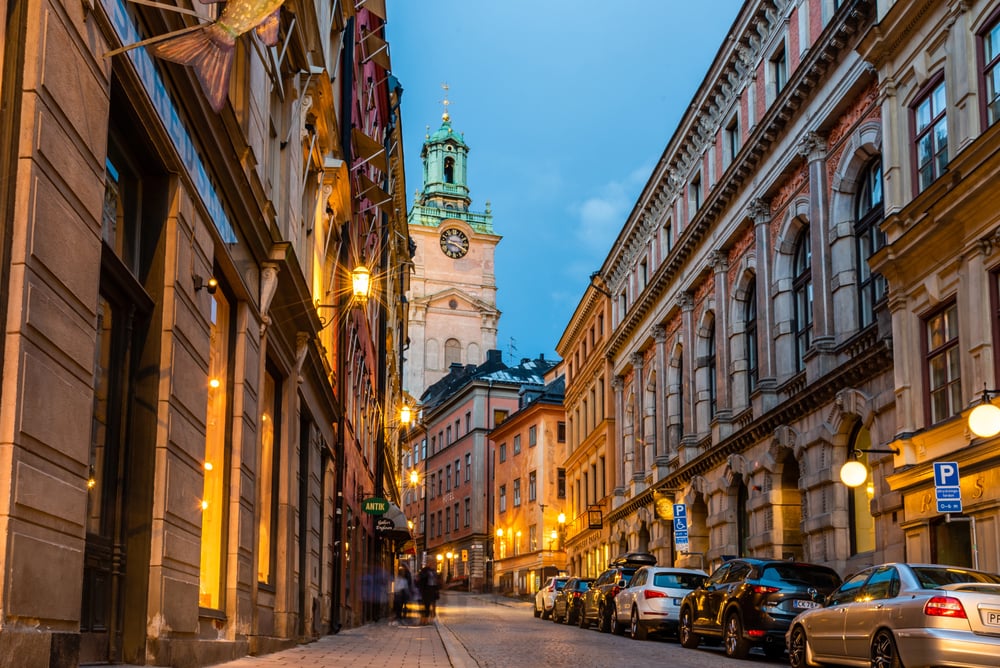
On an island by itself sits Gamla Stan, the old town, kept much like it was centuries ago – among Europe’s finest examples.
Twisting lanes, painted houses in warm shades, quiet without vehicles passing through – these set it apart. A ship meant for battle went down in 1628, only to reappear decades later.
Now housed inside a museum shaped around it. That vessel draws eyes still, making the place unlike any other display of history you will likely see.
Money goes far slower here, true, yet what comes back matters – thoughtful details everywhere, systems that work. A pace built for living well.
Few cities hold onto such a balance between past and present so naturally.
Where Happiness Lives
One thing stands out about these places – they feel lived in. Not every one is big; several hardly count as bustling.
Where winters bite, life still moves outdoors. In quieter spots, corners exist just for sitting.
Paths connect without cars taking over. Nature slips into view around bends and edges.
People show up because there’s a reason to. Design leans toward comfort, never control.
Each place listens to those who stay. It’s usually the small things that give a neighborhood its warmth – not the landmarks, even if they’re nice to see.
But the steady hum of life running smoothly. Stepping into such a city, just for a short while, quietly shifts how you think cities should feel.
More from Go2Tutors!

- The Romanov Crown Jewels and Their Tragic Fate
- 13 Historical Mysteries That Science Still Can’t Solve
- Famous Hoaxes That Fooled the World for Years
- 15 Child Stars with Tragic Adult Lives
- 16 Famous Jewelry Pieces in History
Like Go2Tutors’s content? Follow us on MSN.