Little Known Facts About Handwriting and Pens
There’s something oddly personal about the way a person writes by hand. The slant of the letters, the pressure on the page, the particular loop in a lowercase “g” — it all adds up to something that belongs entirely to you.
Most people don’t think much about handwriting beyond whether it’s legible. But scratch the surface, and there’s a surprising amount going on — in the history of pens, in what the brain does when you write, and in the quirks of penmanship that most people never hear about.
Your Handwriting Changes More Than You Think
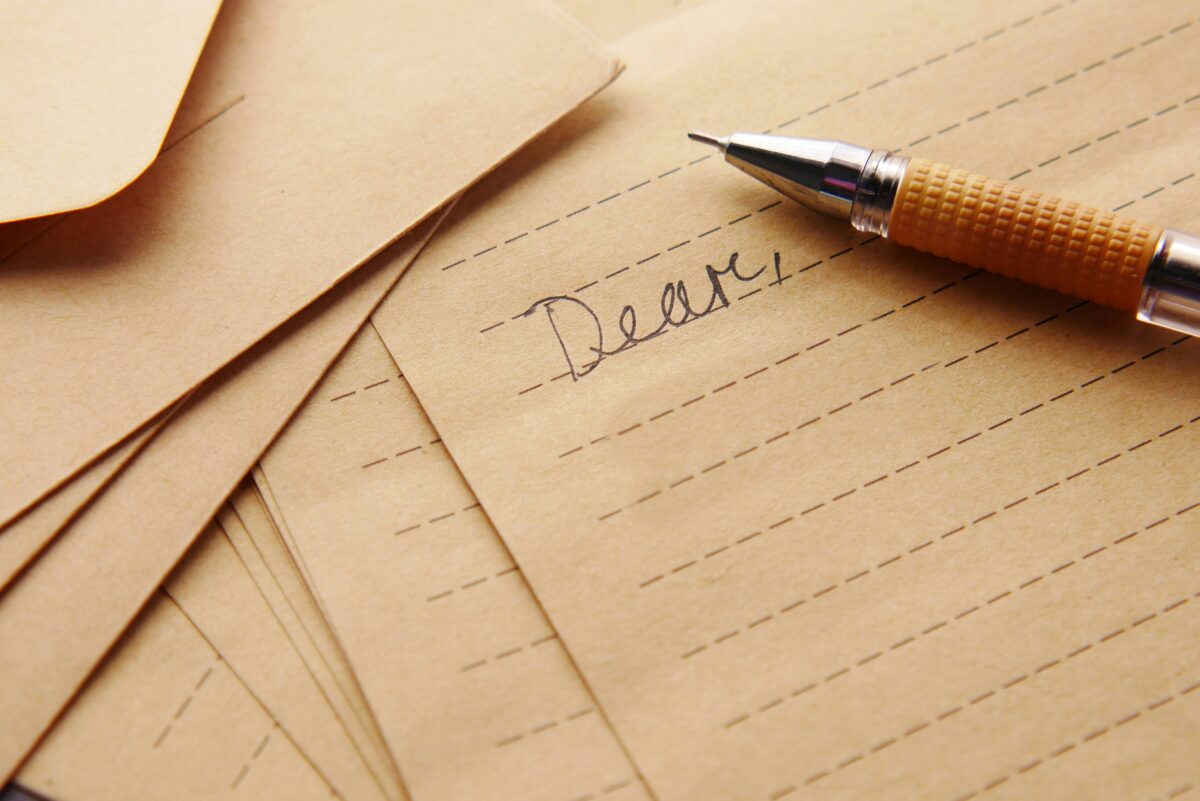
Handwriting isn’t fixed. It shifts throughout your life depending on mood, health, age, and even how tired you are. Forensic document examiners account for this natural variation when analyzing samples.
A person’s handwriting at 20 looks different from their writing at 60 — not just because of shaky hands, but because the brain’s motor pathways gradually adapt over decades. Even day to day, stress can tighten your grip and compress your letters.
Relaxation tends to open everything up. Some neurologists can spot early signs of conditions like Parkinson’s disease or essential tremor just by looking at a patient’s handwriting over time.
The Ballpoint Pen Was Rejected for Years
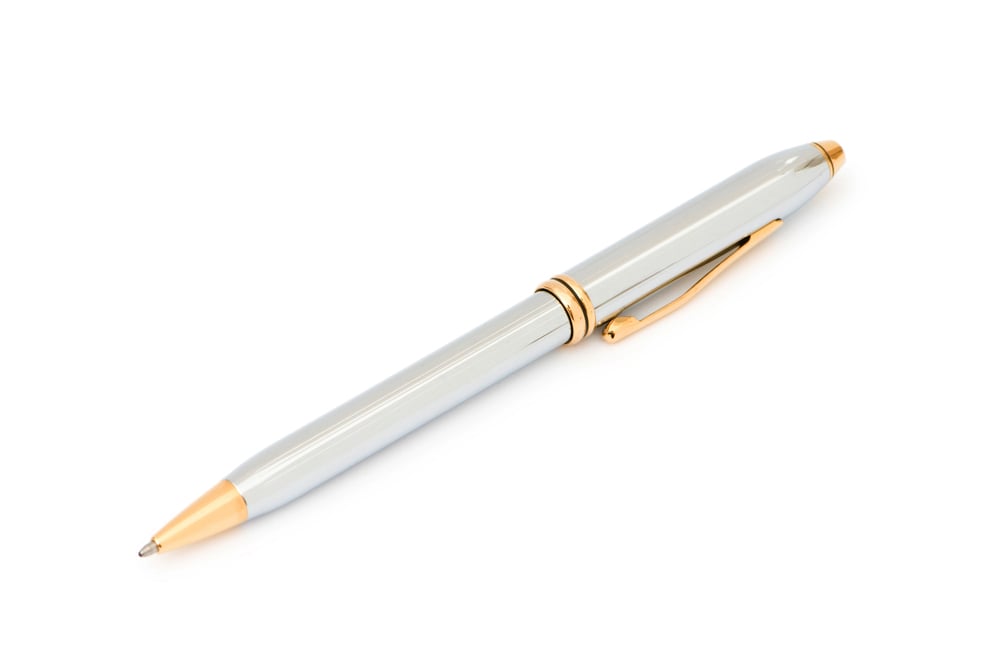
László Bíró, a Hungarian journalist, invented the modern ballpoint pen in the late 1930s. He was frustrated that fountain pen ink smeared across the newsprint, so he worked with his brother György, a chemist, to develop a thicker, faster-drying ink and a tiny rotating orb to deliver it.
The invention got a lukewarm reception at first. The British Royal Air Force eventually caught on — ballpoints worked at high altitudes where fountain pens leaked and failed.
That military interest pushed the technology into wider production. But it took years after World War II before the ballpoint became the everyday item it is now.
Left-Handed Writers Were Historically Forced to Switch
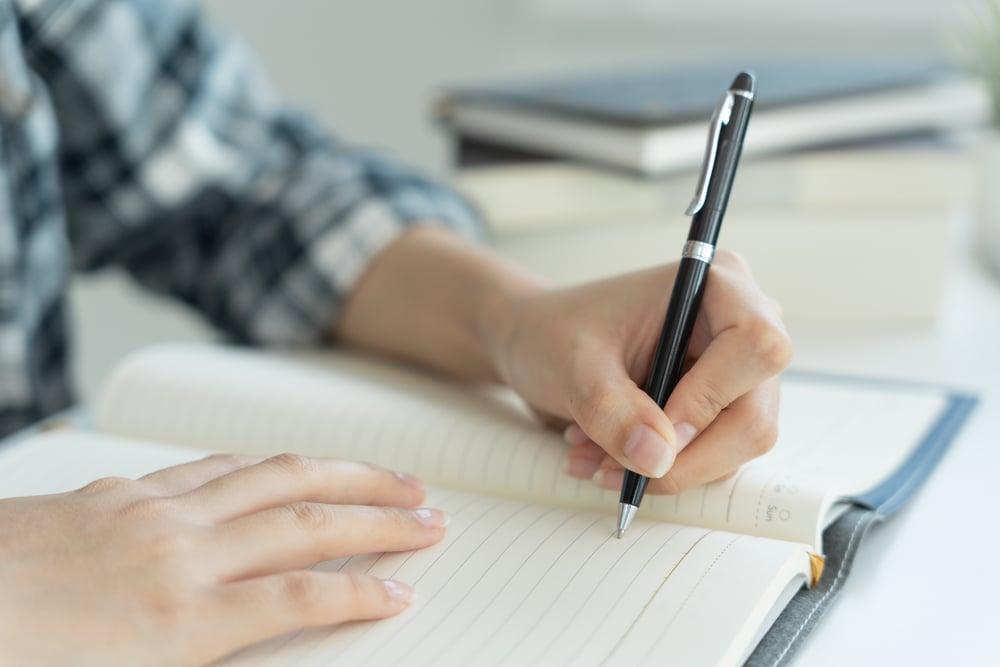
For most of recorded history, left-handedness was treated as something to be corrected. Schools across Europe and North America routinely forced left-handed children to write with their right hands well into the 20th century.
The practice wasn’t just social pressure — some teachers tied children’s left hands behind their backs. The lasting effects were real.
Many adults who were forced to switch reported persistent difficulties with writing, and some developed stammers. The connection between forced handedness change and speech disruption is well documented, though the exact mechanism is still debated by researchers.
Graphology Has Almost No Scientific Support
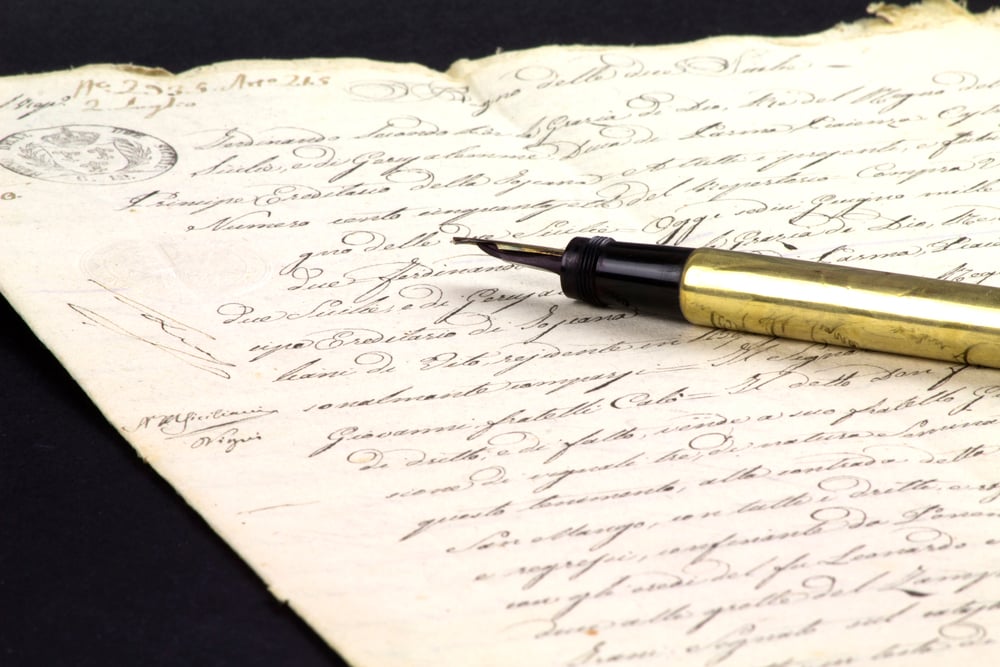
Graphology — the idea that handwriting reveals personality traits — has been studied extensively. The verdict from psychological research is consistently negative.
Study after study finds that graphologists perform no better than chance when trying to predict personality, intelligence, or job performance from handwriting samples. Despite this, some companies in Europe still use graphology as part of their hiring process.
France has historically been one of the bigger holdouts. The practice persists largely because it feels intuitive, not because the evidence supports it.
Fountain Pens Create a Unique Writing Experience for a Physical Reason
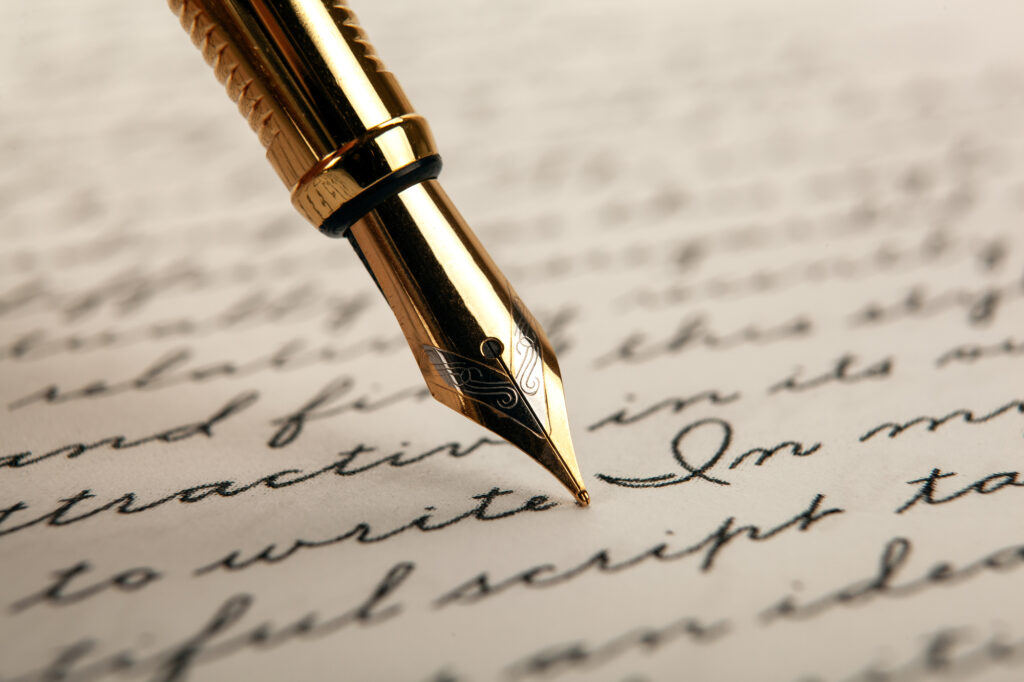
When you write with a fountain pen, the ink flows by capillary action and gravity rather than pressure. You don’t need to press down hard. In fact, pressing down hard on a fountain pen nib can damage it.
This is why people who switch from ballpoints to fountain pens often notice their hand feels less tired after long writing sessions — the grip tension drops significantly. The nib itself flexes slightly with each stroke on quality pens, which is where the characteristic variation in line width comes from.
That variation is what gives fountain pen writing its particular look.
Cursive and Print Writing Use Different Parts of the Brain
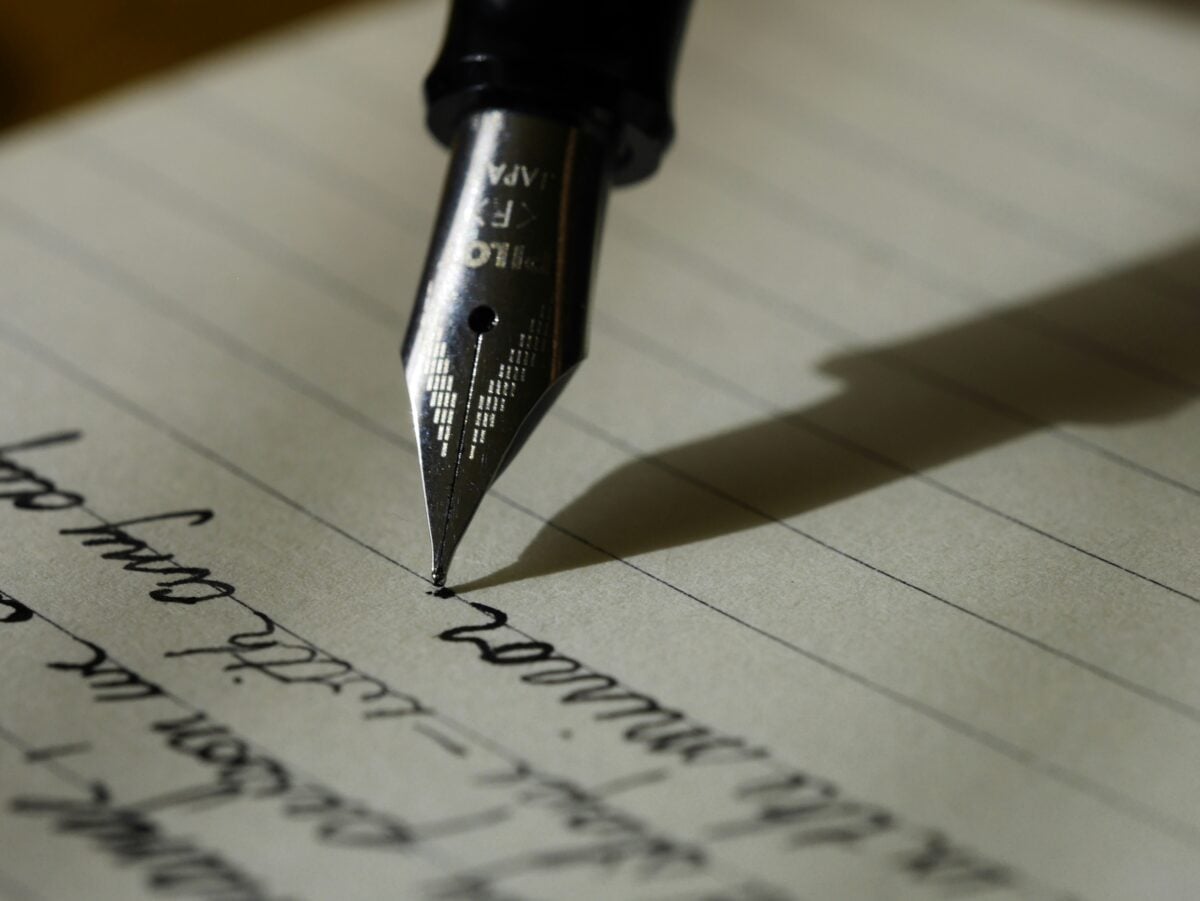
Brain imaging studies show that cursive writing and print writing activate distinct neural networks. Cursive requires more continuous motor planning — your hand has to think ahead and connect letters fluidly.
Print involves more discrete, stop-start movements. Children who learn cursive alongside print tend to develop stronger fine motor control overall.
Some reading specialists argue that learning cursive also reinforces letter recognition because the connected strokes make the shape of each letter more physically memorable.
The Oldest Known Writing Instrument Is About 40,000 Years Old
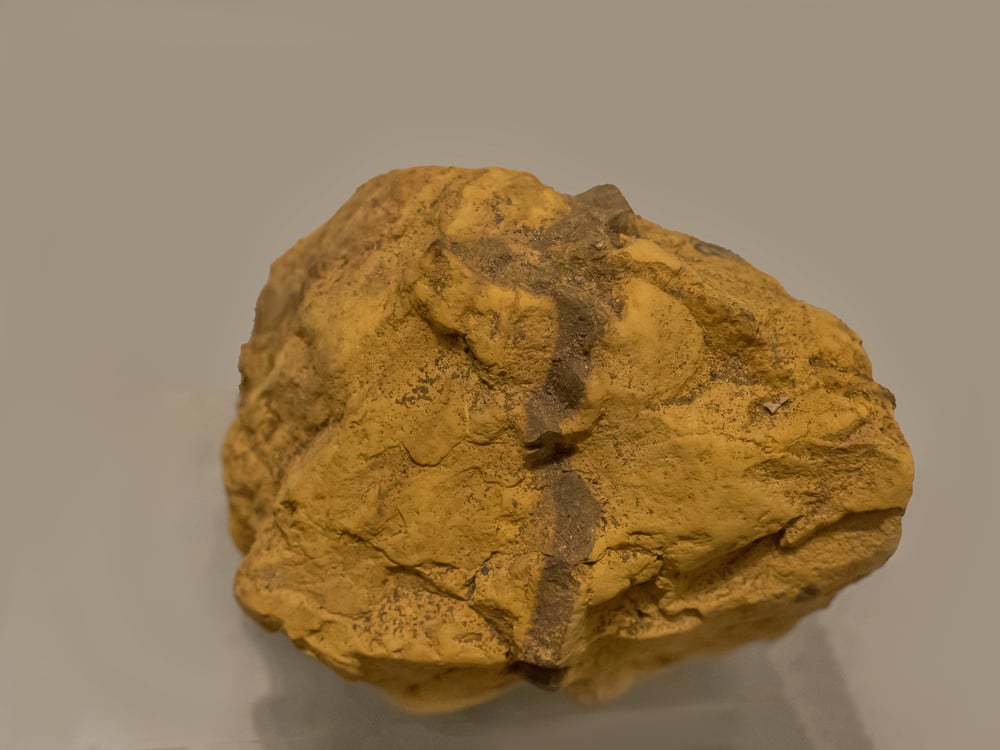
Ochre crayons found in South African cave sites date back roughly 40,000 years. These weren’t pens in any modern sense, but they were tools used deliberately to make marks — on cave walls, on shells, possibly on skin.
The jump from those early marks to the first true writing systems took tens of thousands more years.
The reed stylus used in ancient Mesopotamia to press cuneiform into clay tablets is often cited as the first true writing instrument with a consistent form. That technology stayed in use for over 3,000 years.
Japan Has One of the World’s Most Active Pen Cultures
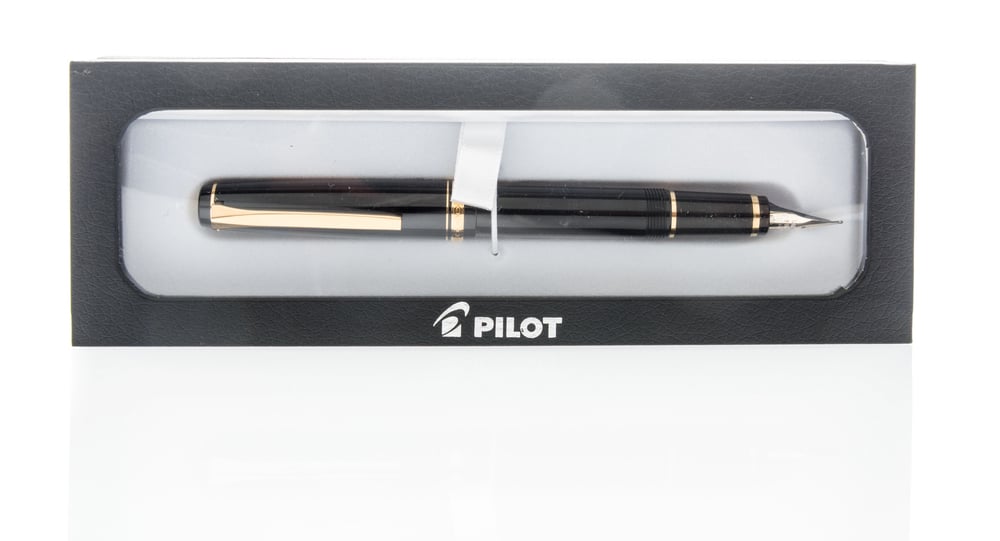
Japan produces some of the world’s most respected fountain pens and mechanical pencils, and the domestic market for stationery is enormous relative to its population. Brands like Pilot, Platinum, and Sailor have been making precision writing instruments for over a century.
Japanese pen culture takes things like nib smoothness, ink flow, and paper compatibility seriously in a way that’s unusual globally. There are specialty ink stores in Tokyo where customers can try dozens of different ink colors before buying.
Some inks are released seasonally, tied to cherry blossom season or autumn foliage.
Handwriting Activates Memory Differently Than Typing

Research consistently shows that taking notes by hand leads to better retention than typing, even when the typed notes are more complete. The reason appears to be that handwriting is slower, which forces the writer to process and summarize information rather than transcribing it verbatim.
That active processing strengthens memory encoding. This effect is strong enough that some university students deliberately choose to handwrite notes in classes where speed isn’t critical, even when laptops are permitted.
The Quill Pen Dominated for Over 1,000 Years
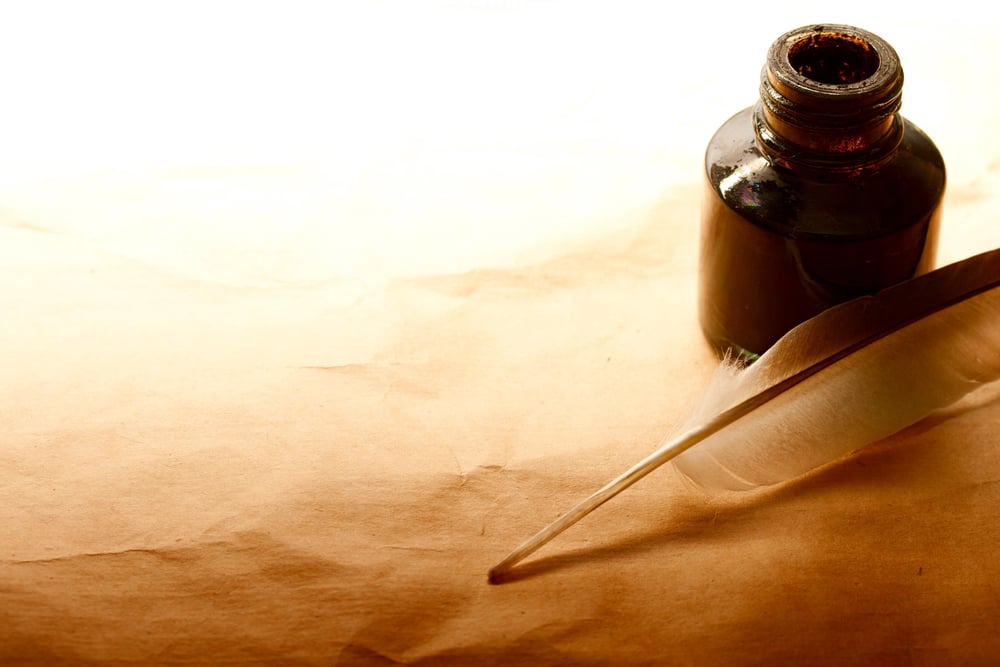
Quill pens, made from the flight feathers of large birds, were the standard writing instrument in Europe from roughly the 6th century until the 19th. Goose feathers were common, but swan feathers were preferred for finer work.
Left-wing feathers were sought after by right-handed writers because of how they curved away from the hand. Preparing a quill was a skill in itself.
The process of cutting and shaping the nib — called “penning” — is where the word “pen” actually comes from. A well-cut quill lasted only about a week of regular use before it needed re-trimming.
Some Handwriting Is Impossible to Fake Consistently
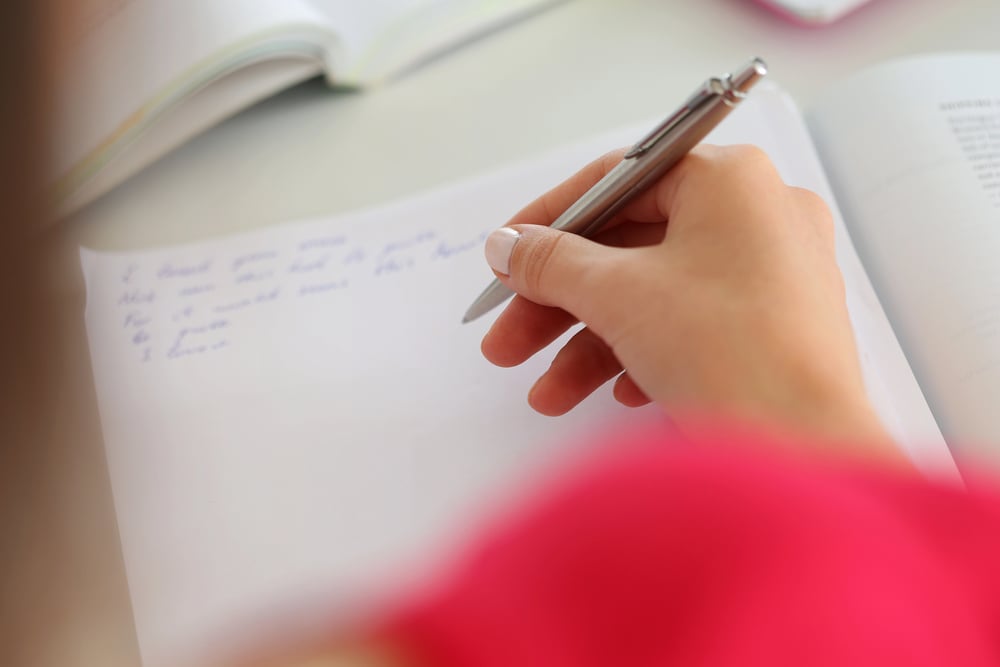
Handwriting forgery is harder than it looks. A forger can copy the general appearance of someone’s signature or script, but sustained forgery across a full page of text is nearly impossible to do without telltale signs.
The forger’s own motor habits keep breaking through. Forensic examiners look at things like pen lifts, the order in which strokes are made, ink pressure patterns, and the curvature of connecting strokes.
These are so deeply ingrained in each person that mimicking them across more than a few lines almost always fails.
Speed and Legibility Are Often at Odds for a Physical Reason

Speed changes how letters form. As writing gets quicker, movements grow smaller and smoother.
A “b” might lose its round shape, turning into a swift upward stroke instead. Dots above letters like “i” begin to shift position or vanish completely.
Quick motions take over, shaping each word with less effort. Over years, those who jot down speech tend to build their own letter patterns without noticing.
Familiar shapes bend to match pace, not rules. Doctors often get blamed for messy writing. Speed and workload push them to scribble fast during patient visits.
This isn’t just annoying – mistakes happen when scripts can’t be read. Some nations now require digital records instead of paper ones.
One main goal? Fewer mix-ups with medicine doses due to bad penmanship.
Ink Color Carried Unexpected Weight Through History
Most pens today use blue or black, yet long ago, colored ink meant something specific. Starting with red, scribes highlighted key sections in old books – that’s where “rubric” comes from, rooted in the Latin term for red dye.
In another time, purple flowed only through royal circles in Byzantium; anyone else who dared write with it risked harsh punishment. Ending there, color wasn’t just pigment – it signaled status, rule, or warning.
Original papers stand out when signed in blue, especially once copied. Even with sharper copiers today, that small choice still helps tell them apart – simply because black blends in too well.
The Pen Used In Space Took Many Years To Make

Astronauts found out quickly – this pen writes upside down just fine. Inside, nitrogen gas keeps pushing the ink forward without needing gravity’s help.
Most pens leak or fail when flipped, but this one kept going through tests. A man named Paul Fisher spent his own money, year after year, making it work right. Cold, heat, even damp air didn’t stop it once ready.
Finally, space missions started using them for real. Funny how people still repeat that tale about NASA wasting big money on pens.
Truth is, pencils posed too much risk inside cramped space capsules. Sharp bits breaking off could catch fire easily when surrounded by pure oxygen.
Loose chunks of lead drifting around might short out delicate instruments nearby.
What Remains on the Page
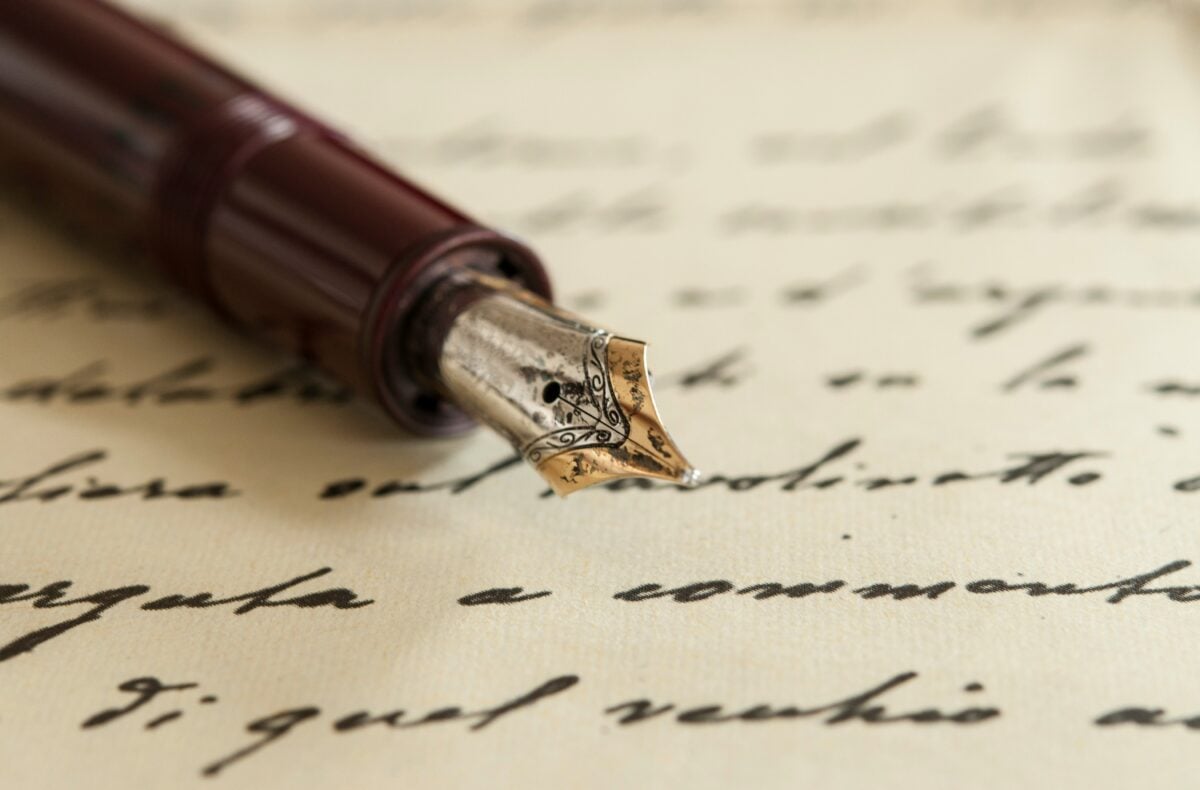
Something happens when you write by hand that keyboards miss completely. Pressure from the pen stays visible on paper, showing how fast or slow each word came out.
Where letters slope or straighten reveals pauses, breaths, moments between thoughts. Even a dried-up nib tells its own story through smudged reapplication.
That trace never fades away. A tremor in tight handwriting might speak louder than words – it shows tension the writer didn’t mean to share.
Loops spaced far apart could suggest a mind at ease, unhurried by time. A sentence trailing beyond paper’s border hints at urgency, thoughts too fast for margins.
Ink holds more than meaning. Each note on parchment captures someone breathing through a single slice of their life.
More from Go2Tutors!

- The Romanov Crown Jewels and Their Tragic Fate
- 13 Historical Mysteries That Science Still Can’t Solve
- Famous Hoaxes That Fooled the World for Years
- 15 Child Stars with Tragic Adult Lives
- 16 Famous Jewelry Pieces in History
Like Go2Tutors’s content? Follow us on MSN.


