Photos of Places You Didn’t Realize Were Man-Made
Some of the world’s most stunning landscapes fool everyone. They look ancient, untouched, carved by time itself.
You stand there thinking about geological forces and centuries of erosion, maybe snapping photos to capture something that feels eternal. But beneath that natural beauty lies human engineering so seamless it disappears entirely.
These aren’t your typical tourist destinations with obvious construction — these are places where human intervention has become so integrated with the environment that nature seems to have done all the work.
The Sahara Forest
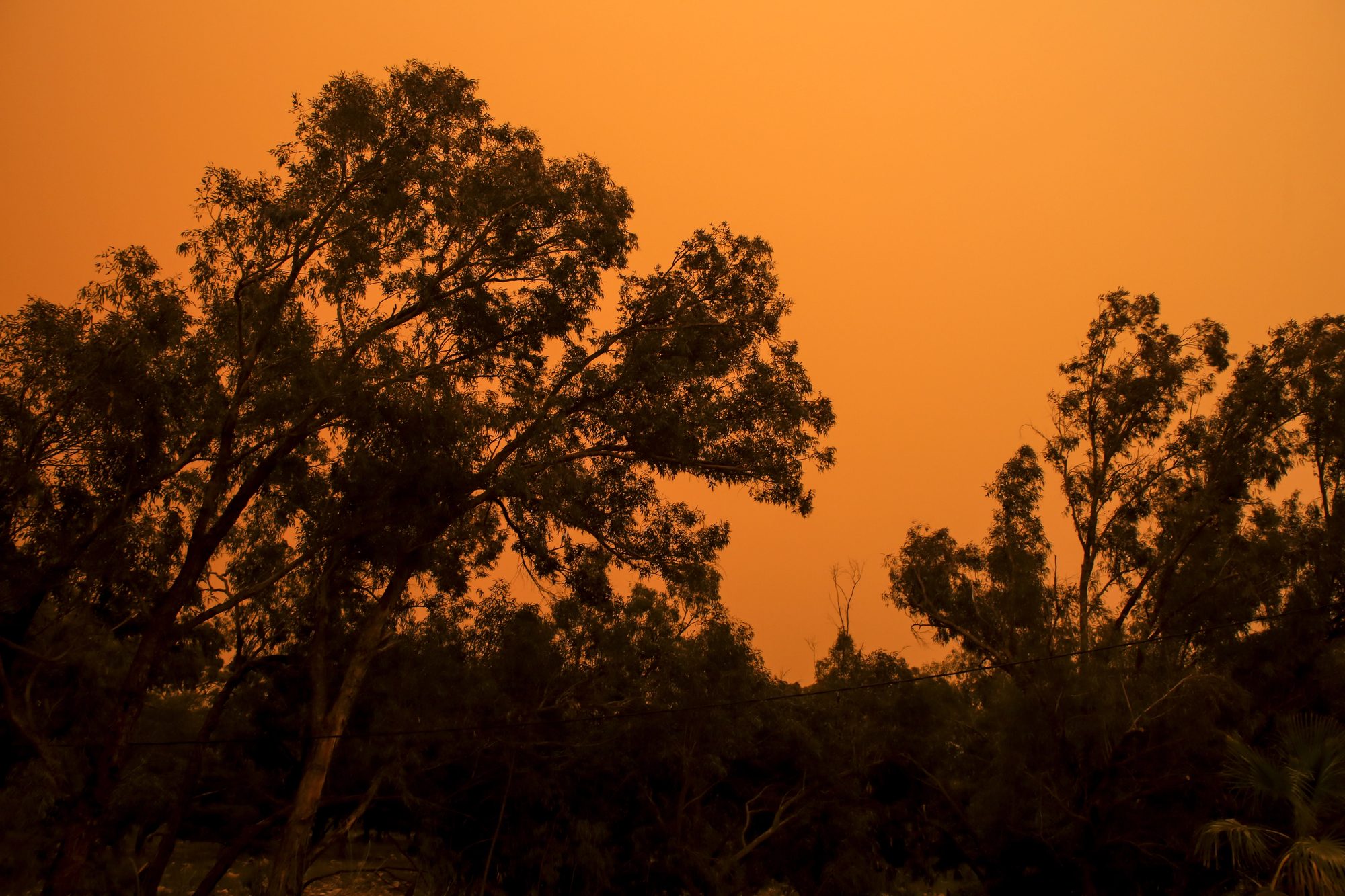
This one gets people every time. The Sahara wasn’t always a desert — but it also wasn’t supposed to stay green as long as it did.
Massive irrigation projects from ancient civilizations kept parts of North Africa fertile for thousands of years beyond their natural expiration date. When those systems finally collapsed, the desert reclaimed everything so completely that archaeologists are still finding the remnants of canals and reservoirs buried under dunes.
The transition happened slowly enough that each generation assumed they were witnessing a natural drought, never realizing they were watching the end of humanity’s first large-scale climate modification project.
Crater Lake
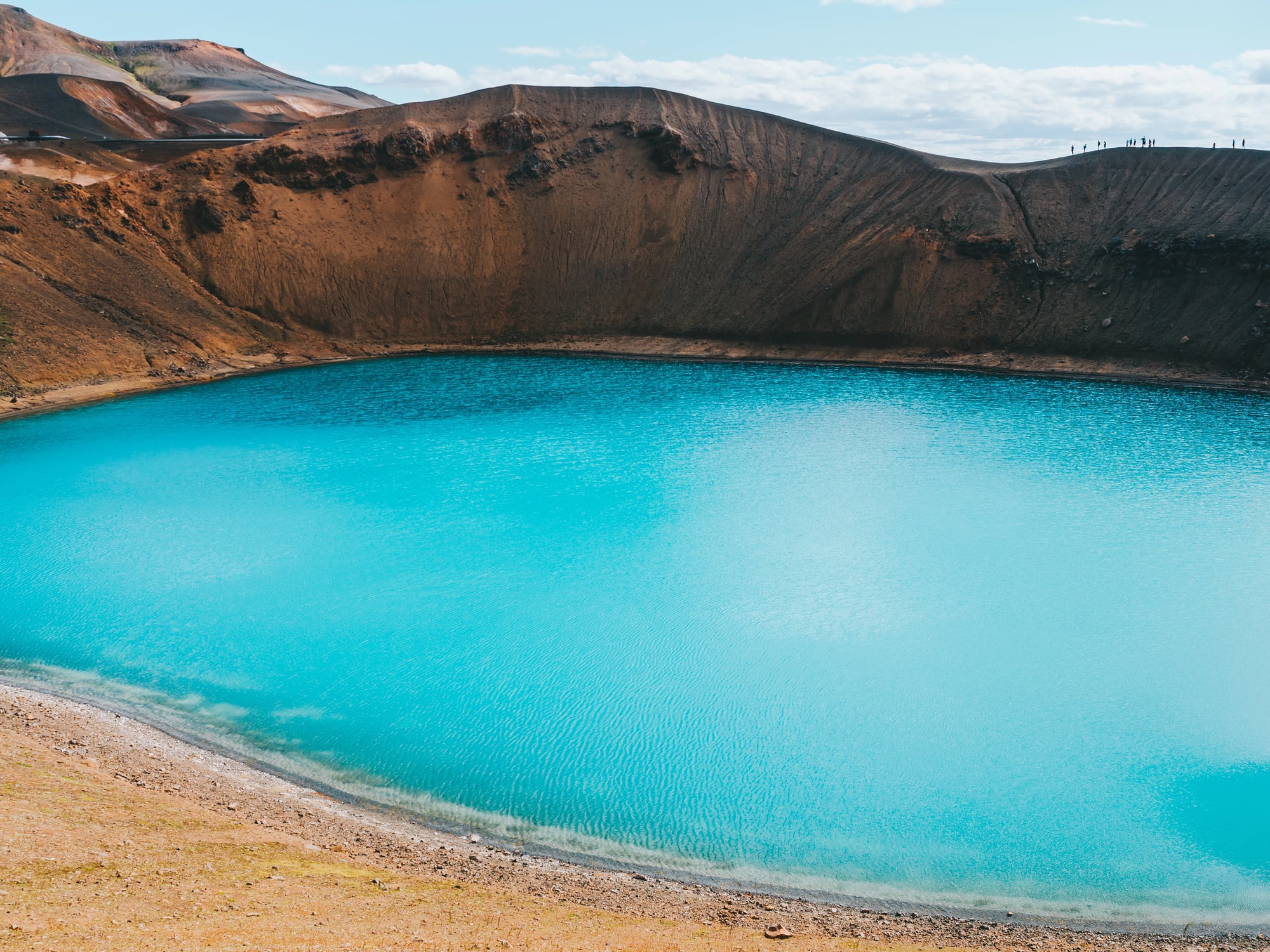
The lake sits there, impossibly blue and perfectly round, looking like nature’s own masterpiece. And the crater part is real — Mount Mazama really did collapse thousands of years ago, creating that dramatic rim.
But here’s what the park service doesn’t advertise: the lake’s current depth and clarity come from decades of carefully managed water levels and strategic fish stocking programs that completely altered the ecosystem. So when visitors stand at that scenic overlook, marveling at what they assume is untouched wilderness, they’re actually looking at one of America’s most successful examples of invisible landscape engineering — which is probably why it looks more perfect than any natural lake has a right to.
The English Countryside
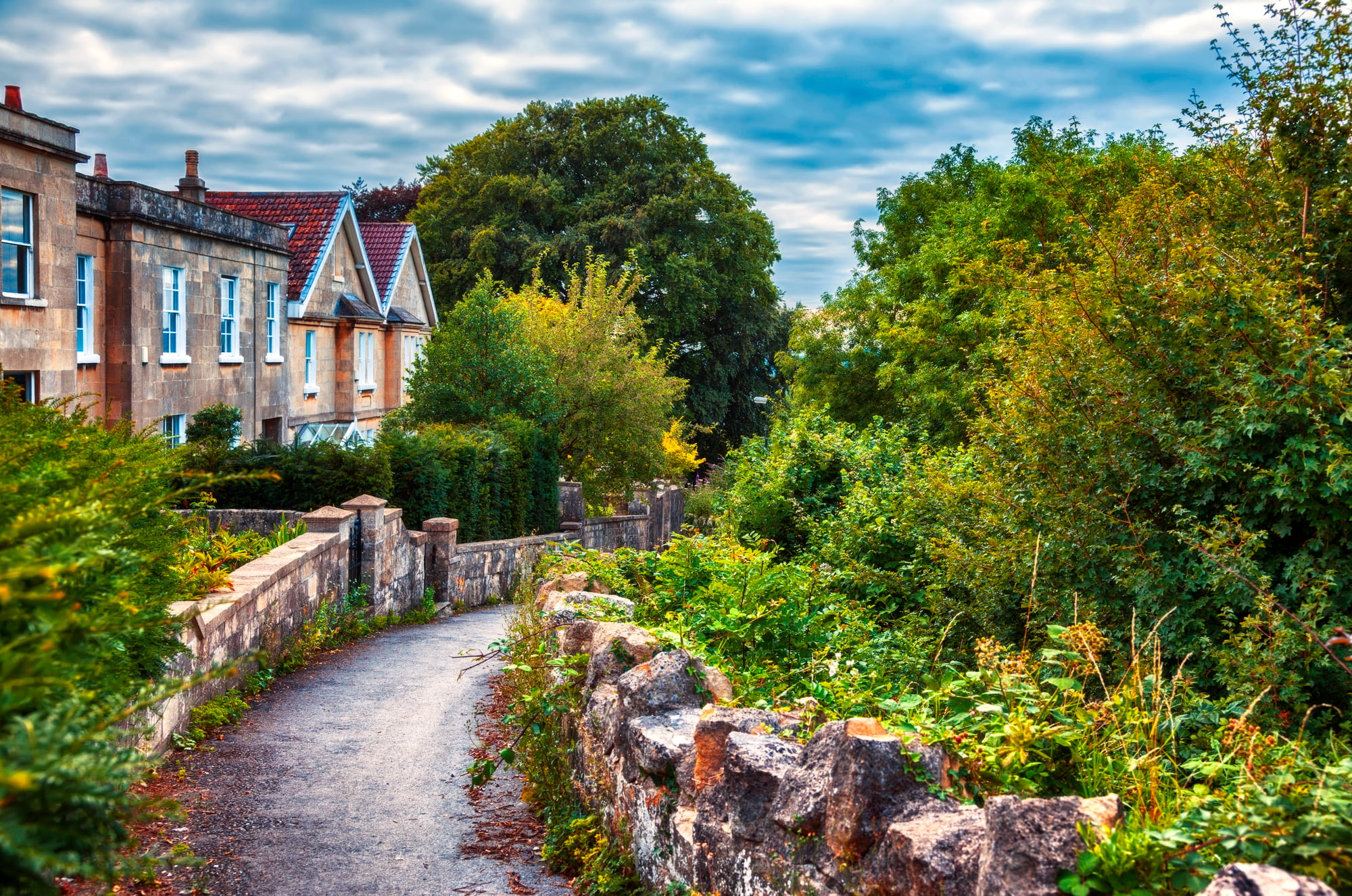
Rolling green hills stretch to the horizon like something from a fairy tale. Every hedgerow perfectly placed, every field a different shade of emerald, every stone wall threading through valleys that seem designed by angels rather than farmers.
This landscape feels older than civilization itself.
That feeling is completely wrong. What people think of as “natural” English countryside is actually the result of centuries of aggressive land management, field drainage, controlled burning, and systematic replanting.
The original landscape was dense forest and marshy wetland. Even those romantic stone walls were built as infrastructure projects to mark property boundaries and contain livestock.
The “natural” hedgerows were planted by hand, trimmed annually, and replaced when they died.
Niagara Falls
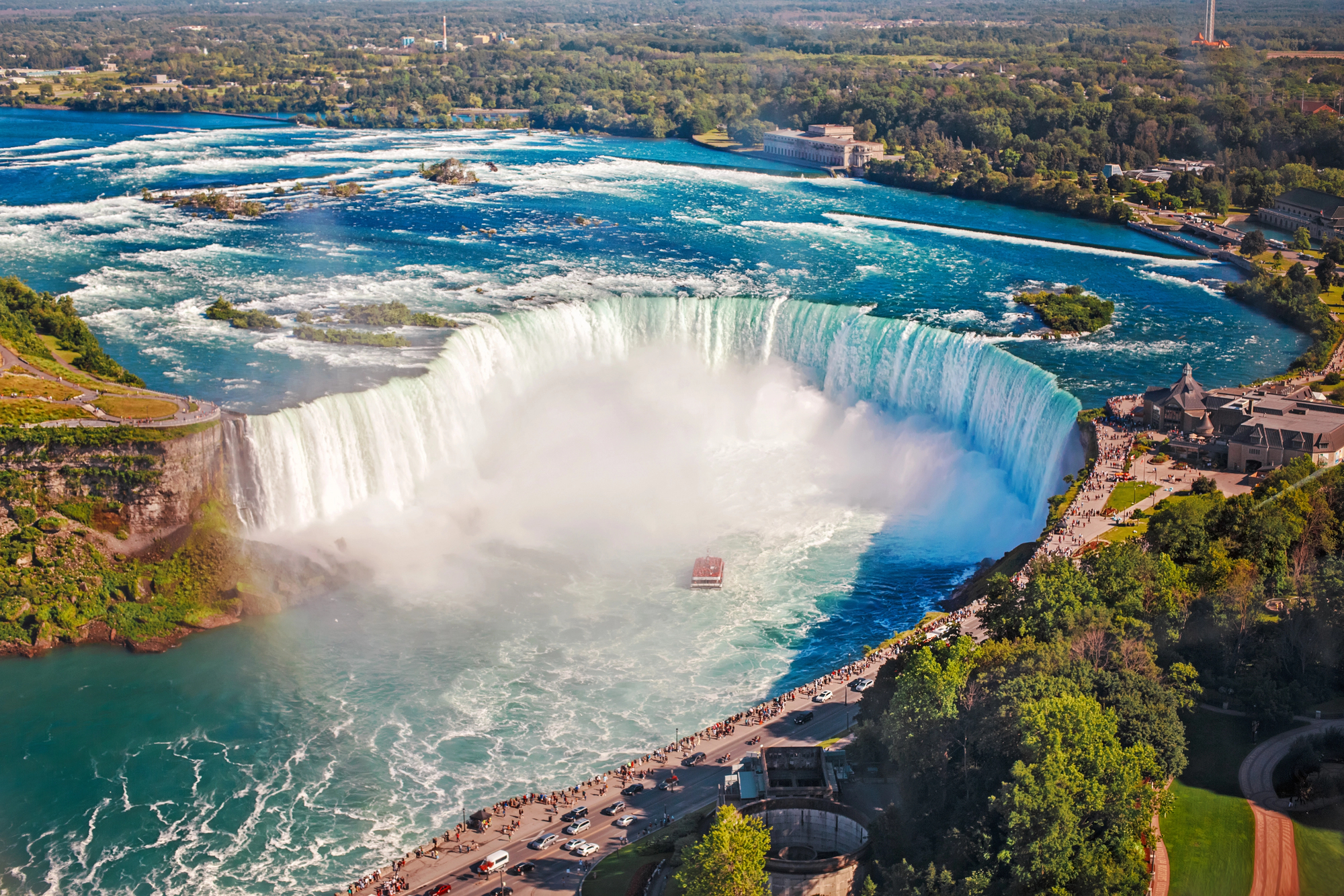
Water thunders over the cliff with primal force. Mist rises like ancient spirits.
The whole scene screams “untouched by human hands.” Except for the part where engineers have been quietly managing the flow rate since 1906.
They divert about 75 percent of the water for hydroelectric power during off-peak hours, then turn it back up when tourists arrive. The falls literally run on a schedule.
The rock face gets periodic touch-ups too. Loose stones are removed, dangerous overhangs are stabilized, and the whole thing is subtly sculpted to maintain that perfect postcard appearance.
Even the famous Maid of the Mist boat ride follows a route designed to optimize the dramatic spray effects.
Lake Powell
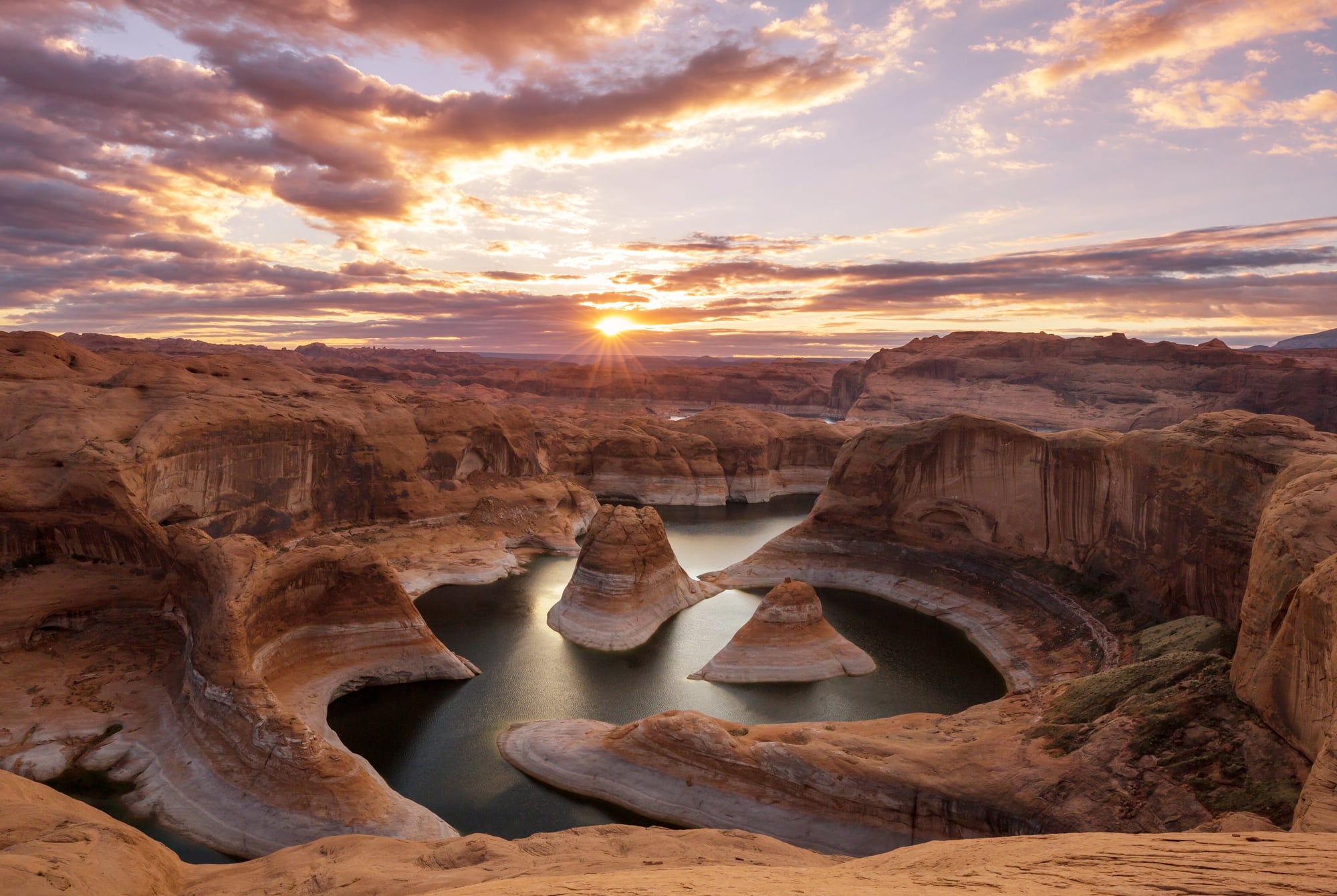
The red rock walls rise from blue water like monuments to geological time (which makes sense, since some of those formations are actually millions of years old — the Navajo Sandstone didn’t need any help from humans to achieve that otherworldly beauty). But the lake itself, that perfect mirror reflecting all that ancient stone: entirely artificial.
And not just artificial in the sense that there’s a dam involved, but artificial in ways that go much deeper, because when they flooded Glen Canyon in the 1960s, they weren’t just creating a reservoir — they were creating a landscape that had never existed before, one where water levels fluctuate so dramatically that the ecosystem never quite stabilizes, leaving those famous white “bathtub ring” mineral deposits that actually help sell the illusion that this is some kind of natural phenomenon rather than a 50-year-old experiment in desert water management.
The result is something that looks more timeless than the original canyon ever did, which says something about human preferences for how nature should appear.
Mont-Saint-Michel
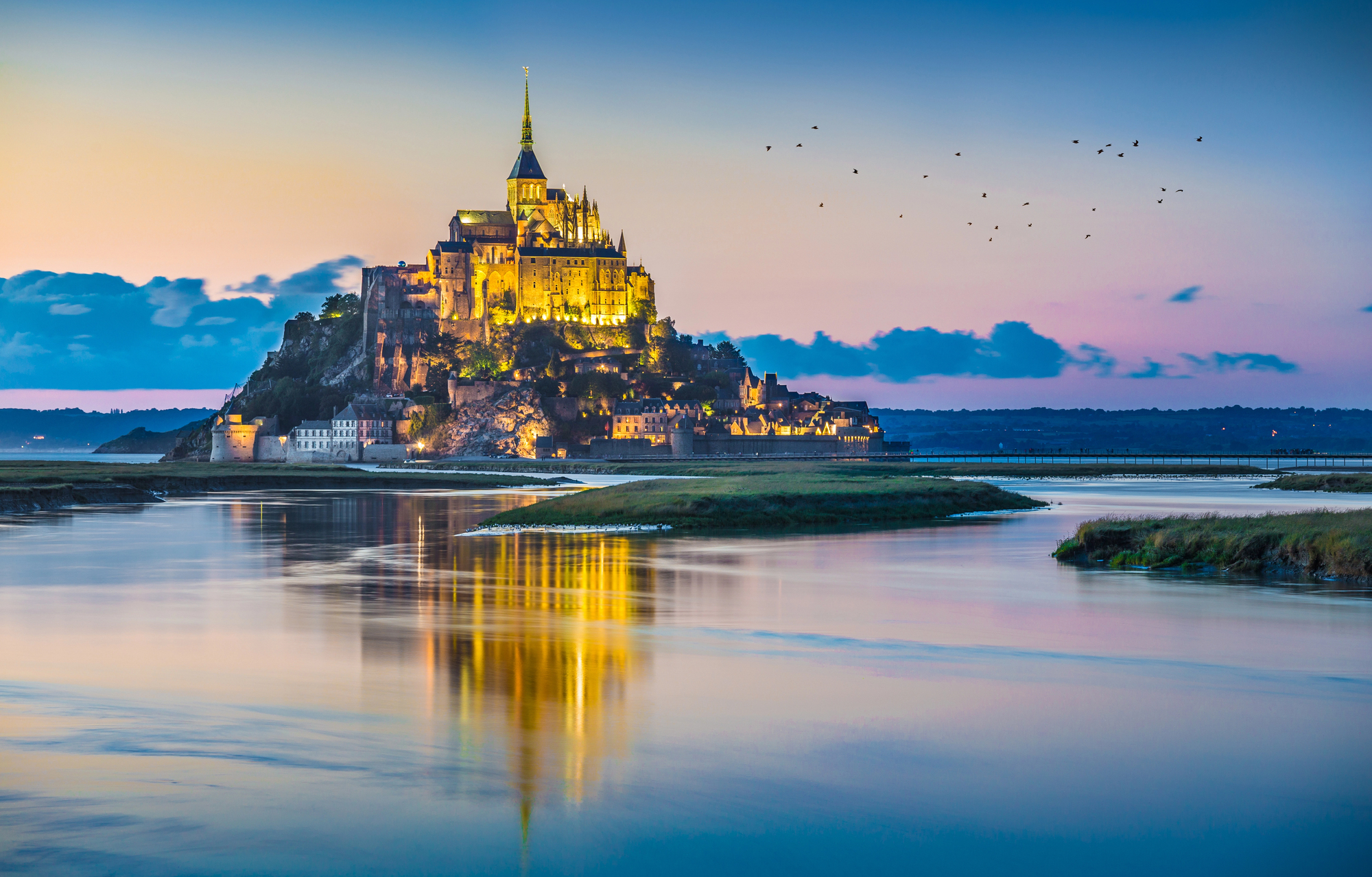
The medieval abbey rises from the water like something from a dream. At high tide, it becomes an island.
At low tide, you can walk across the sand. The rhythm feels ancient, biblical, tied to forces beyond human control.
The tidal access is completely engineered. Medieval builders spent decades figuring out how to make the causeway appear and disappear on schedule.
They built channels, adjusted the seafloor, and created a hydraulic system that makes the whole island seem naturally isolated exactly when it should be. The “natural” tidal pattern has been artificially enhanced for over a thousand years.
Even the abbey itself is built using techniques that make stone walls look like they grew from the rock beneath. But every block was quarried, shaped, and placed by human hands following mathematical principles designed to create the illusion of organic growth.
The Amazon Rainforest
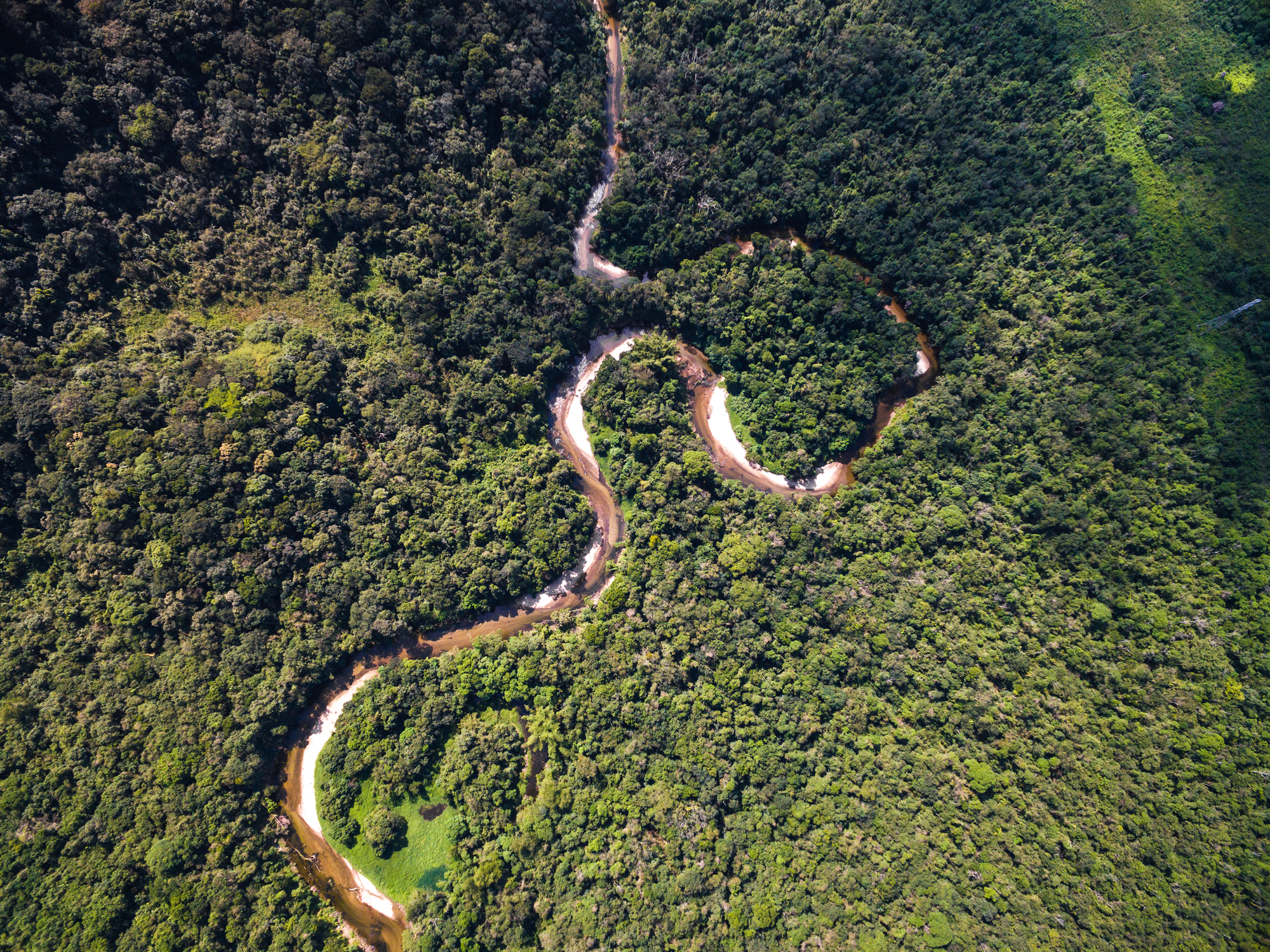
Dense. Untouched. The lungs of the Earth, breathing in their ancient rhythm, unchanged since the dawn of time — or at least that’s the story we tell ourselves when we look at satellite photos of that endless green canopy stretching beyond every horizon.
But here’s what makes this complicated: much of what we think of as pristine Amazon rainforest is actually secondary growth, recovering from centuries of indigenous agriculture that was so sophisticated it improved soil quality rather than depleting it (terra preta, they call it — anthropogenic soil that’s still more fertile than the surrounding forest floor).
When European diseases wiped out 90 percent of the indigenous population in the 16th century, their managed forests simply grew back wild. So the “untouched” rainforest that 19th-century explorers thought they were discovering was actually an abandoned garden, rewilded for 300 years.
The forest grew back so completely that it became more biodiverse than it had been under human management. Which means our idea of what pristine nature looks like is actually based on an ecosystem in recovery.
Central Park
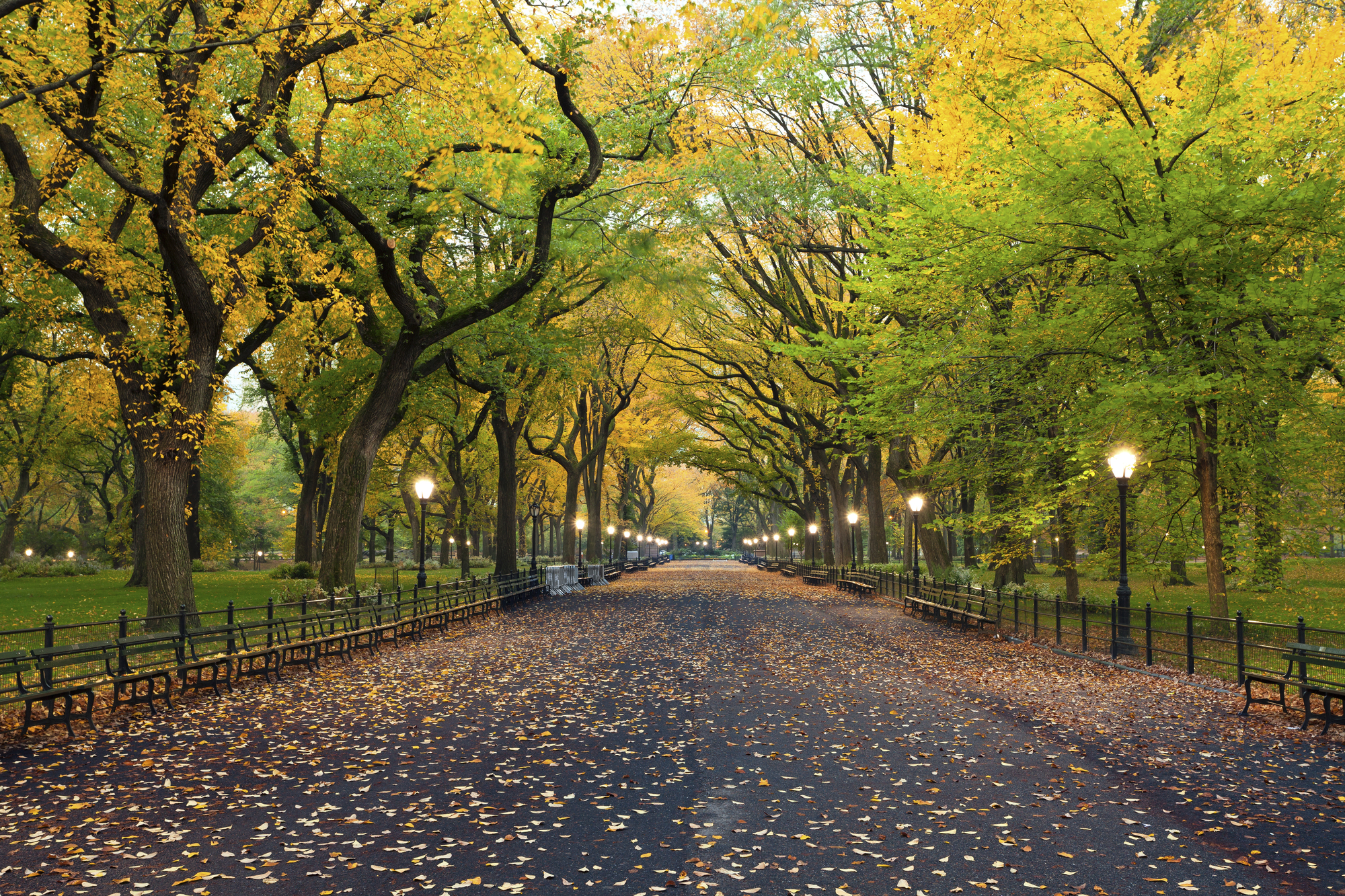
Trees, meadows, rocky outcrops, winding paths that follow the natural contours of Manhattan’s landscape. Everything feels organic, like the city simply grew up around this lucky patch of wilderness that happened to survive urban development.
Every single element was planned and built from scratch. Frederick Law Olmsted moved 10 million cartloads of dirt to create those rolling hills.
He imported topsoil from New Jersey, planted 270,000 trees and shrubs, and blasted rock formations with gunpowder to create scenic vistas. Even those “natural” ponds were dug by hand and lined with clay.
The whole thing was designed to look accidental. Paths curve not because they follow old cow trails, but because Olmsted calculated the exact angles needed to create an illusion of discovery around each bend.
Scottish Highlands
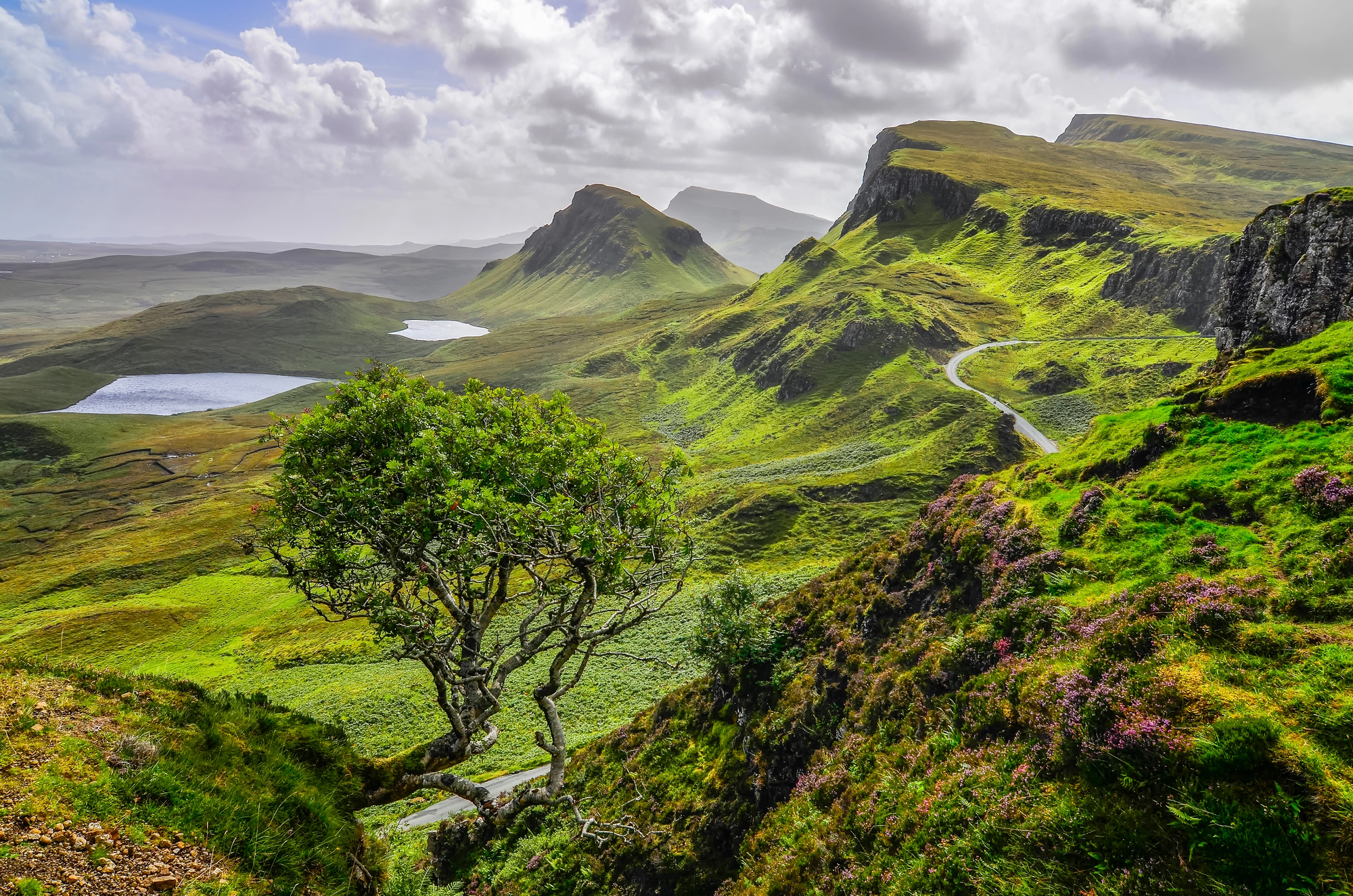
Mist rolls across empty moorland where ancient clans once roamed. Purple heather carpets hills that seem untouched since the Ice Age.
The landscape feels haunted, timeless, carved by wind and weather into something that speaks to the soul.
Those empty hills used to be forests (and not that long ago, either — we’re talking about clearances that happened within the last 300 years, when landlords decided sheep were more profitable than people and systematically removed both the human population and the trees that had supported them for centuries).
What looks like ancient, natural moorland is actually abandoned farmland, maintained now by controlled burning and sheep grazing that prevents forest regeneration. So when people visit the Highlands seeking some connection to primordial Scotland, they’re actually looking at one of Europe’s most thoroughly engineered landscapes, designed to maximize wool production and hunting grounds for wealthy landowners.
Even the famous Highland cattle are a Victorian invention, bred specifically to look rugged and prehistoric for the tourist trade.
But here’s the thing: it worked so well that this artificial landscape has become more “Scottish” in the popular imagination than the original Caledonian forest ever was.
Death Valley
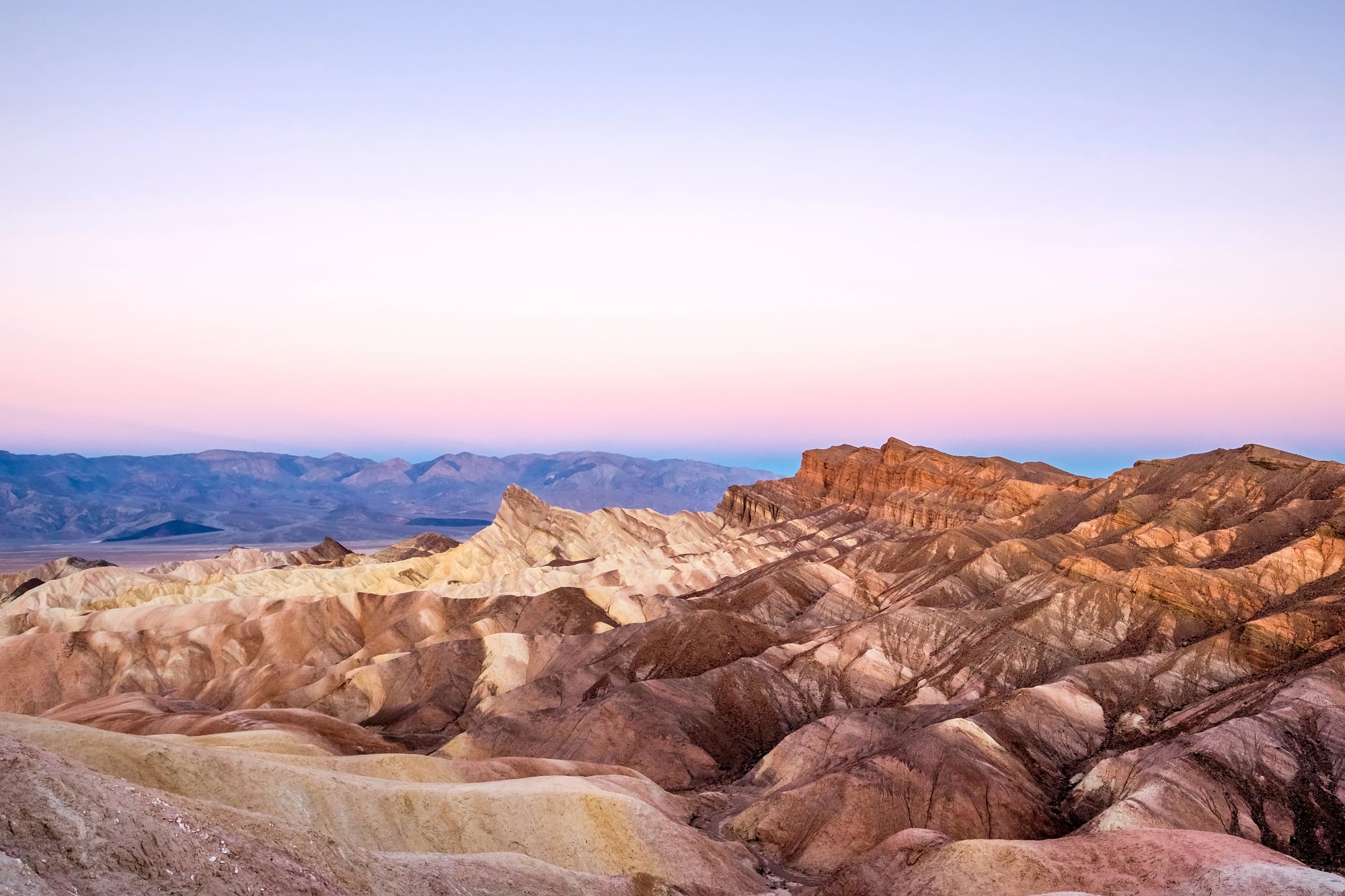
Nothing grows here. Nothing lives here.
Miles of salt flats stretch toward mountains that shimmer in heat that can kill.
This is nature at its most hostile and honest, showing you exactly what Earth looks like when it’s trying to eliminate human life.
Except for the roads, the parking lots, the carefully maintained trails, and the visitor center with air conditioning. But ignore the infrastructure for a moment.
Even the “natural” features have been subtly managed. Park rangers regularly grade the salt flats to maintain that perfect geometric pattern.
They remove rocks that fall from cliffs to keep scenic viewpoints clear. They even manage the famous “moving rocks” phenomenon by controlling water flow and wind patterns.
The result is a wilderness that’s more pristine than pristine, more natural than nature ever bothered to be on its own.
The Maldives

Tropical paradise. Crystal-clear water laps against white sand beaches.
Palm trees sway in ocean breezes. Each island is a perfect postcard, a reminder of what Earth looked like before humans showed up to complicate everything.
While a small number of islands in the Maldives — like Hulhumalé — have been artificially constructed or expanded through land reclamation, the vast majority of the archipelago’s roughly 1,200 islands are natural coral atolls that have existed for thousands of years, engineered to look more tropical than natural tropical islands ever did.
The beaches are imported. The palm trees are transplanted.
Even the crystal-clear water is maintained through hidden filtration systems.
The whole archipelago has been redesigned for tourism, creating a version of tropical paradise that’s more appealing than the original coral atolls ever were.
Yellowstone National Park
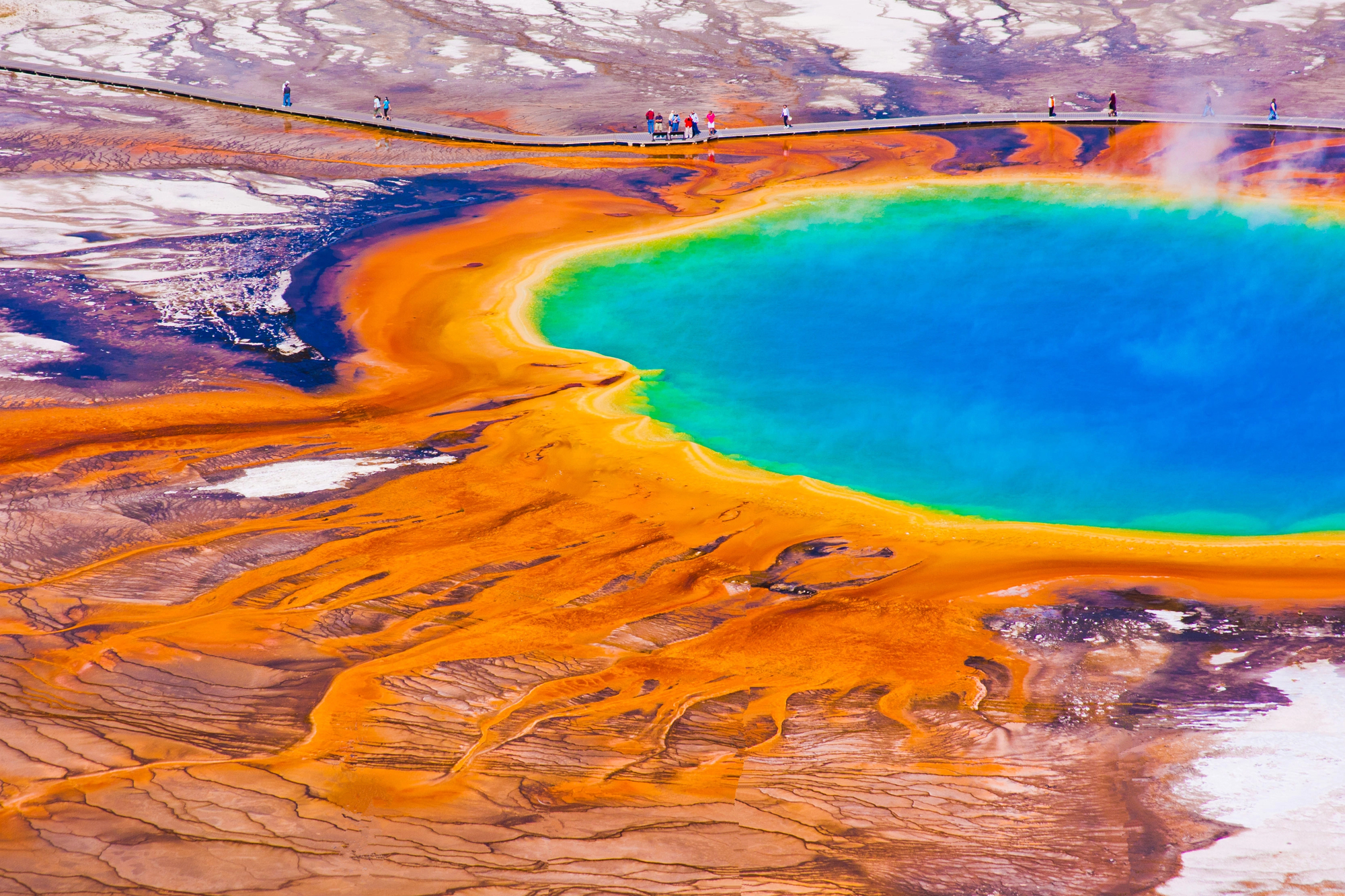
Geysers erupt on ancient schedules. Hot springs bubble with primordial energy.
Herds of bison roam across grasslands that look untouched since the Pleistocene.
This is America’s idea of pristine wilderness, nature preserved exactly as it was before human interference.
The bison herds are managed like livestock. Park rangers control breeding, migration routes, and population numbers through careful culling.
Even the grasslands are maintained through controlled burning designed to recreate “natural” fire patterns.
And those boardwalks around the thermal features aren’t just for safety. They channel foot traffic in ways that protect the most photogenic spots while allowing less scenic areas to absorb the damage from millions of annual visitors.
Banff National Park
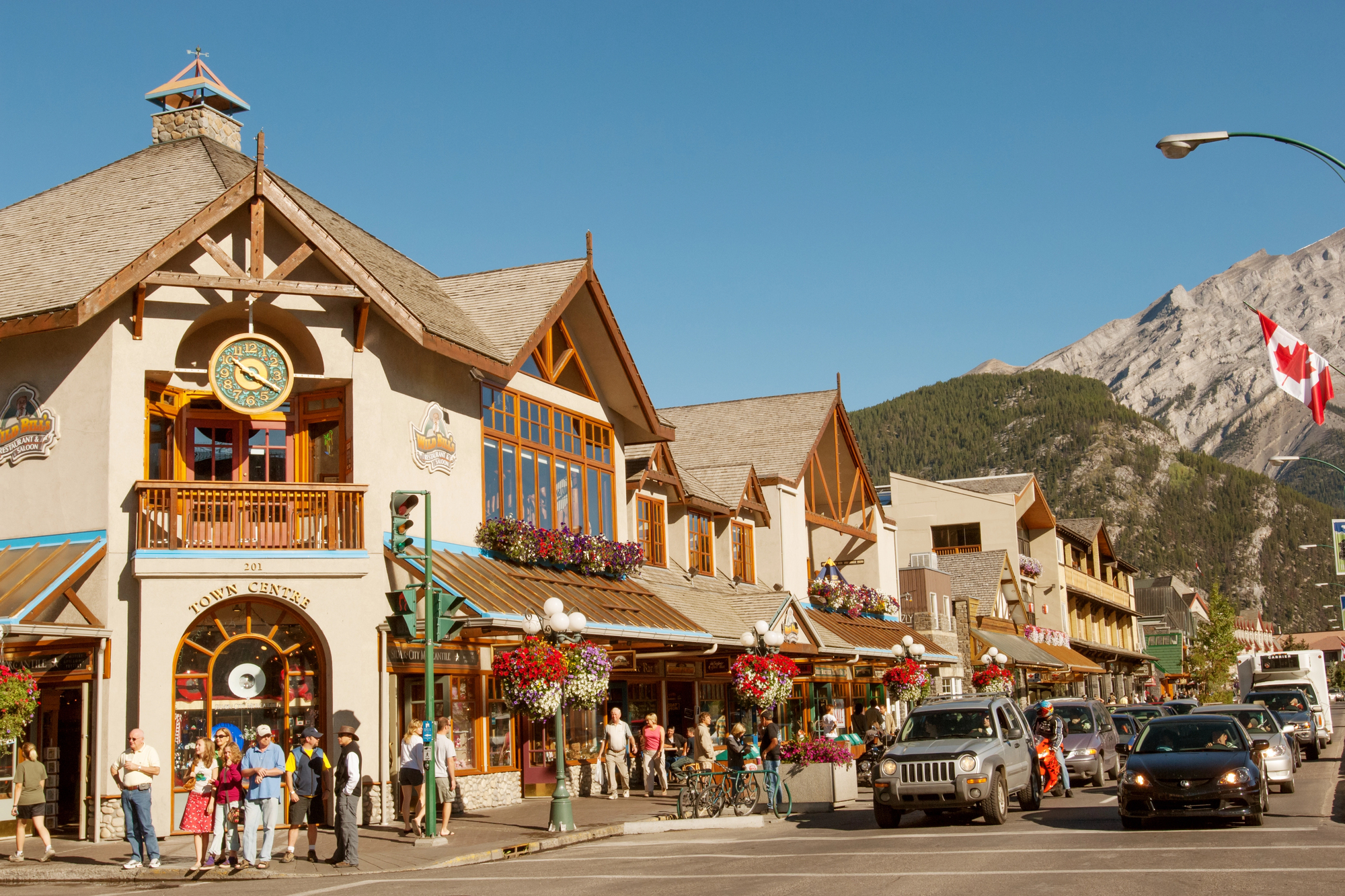
The Canadian Rockies rise like cathedral spires. Turquoise lakes reflect snow-capped peaks.
Everything feels vast, untouched, humbling in the way that only genuine wilderness can be.
Those turquoise lakes get their color from glacial rock flour — fine particles of rock ground by glaciers and suspended in meltwater — a completely natural phenomenon that produces the distinctive blue-green tint that looks so perfect in photographs.
The hiking trails are engineered to showcase the most dramatic viewpoints while minimizing environmental impact through hidden drainage systems and strategic boardwalk placement.
Even the wildlife viewing is managed. Elk and bear populations are quietly controlled to ensure tourists have reliable photo opportunities without creating dangerous situations.
When Perfect Is Too Perfect
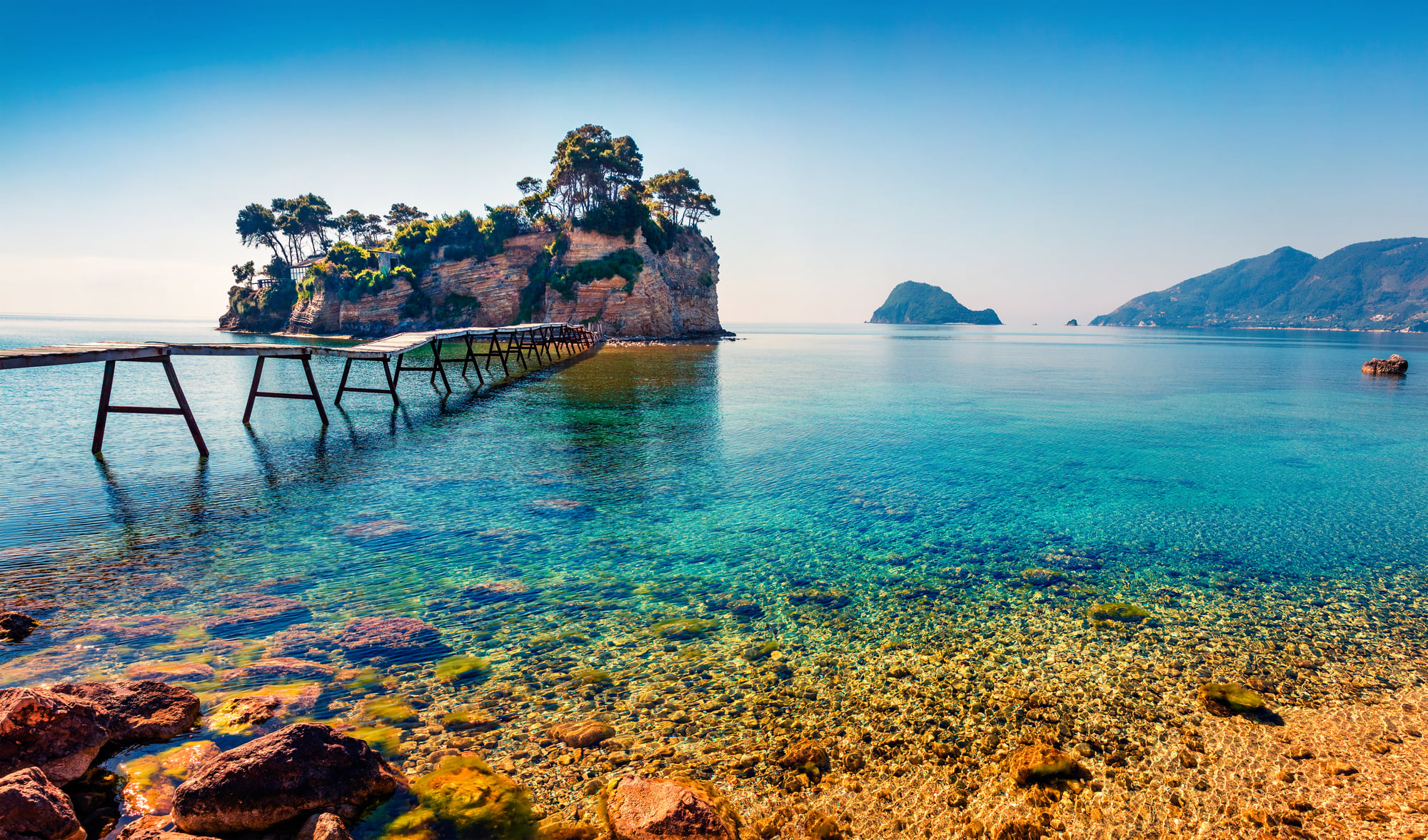
The best human-made landscapes are the ones that convince you they happened by accident. They feel more natural than nature because they’ve been edited, refined, and perfected in ways that raw wilderness never bothers with.
Every distracting element has been removed, every photogenic angle has been optimized, every seasonal variation has been smoothed into reliable beauty that performs on schedule.
Maybe that’s what we actually want from nature — not the messy, unpredictable, sometimes ugly reality of unmanaged ecosystems, but a carefully curated version that delivers the experience of wildness without any of the inconvenience.
These places give us that experience so seamlessly that we never have to confront the difference.
More from Go2Tutors!

- The Romanov Crown Jewels and Their Tragic Fate
- 13 Historical Mysteries That Science Still Can’t Solve
- Famous Hoaxes That Fooled the World for Years
- 15 Child Stars with Tragic Adult Lives
- 16 Famous Jewelry Pieces in History
Like Go2Tutors’s content? Follow us on MSN.