Worst Data Breaches With The Biggest Impact
Data breaches have become the modern equivalent of bank robberies, except the thieves wear hoodies instead of masks and steal millions of records instead of stacks of cash. The scale is staggering — what used to be a filing cabinet worth of personal information is now terabytes of intimate digital lives, exposed with a few lines of malicious code.
These aren’t just statistics on a cybersecurity report. They’re real people whose credit got ruined, whose identities got stolen, whose private moments became public nightmares.
The breaches that follow represent the moments when our digital trust was shattered most completely.
Equifax
The credit reporting giant lost personal data for 147 million Americans in 2017. Social Security numbers, birth dates, addresses, driver’s license numbers — basically everything needed to become someone else entirely.
Equifax knew about the breach for months before telling anyone. People discovered their most sensitive information was floating around the dark web the same way they’d find out about a canceled TV show.
Yahoo

Yahoo managed to get breached twice, affecting a combined 3.5 billion user accounts. The first breach (2013) exposed 3 billion accounts; the second breach (2014) exposed 500 million accounts.
Yahoo disclosed 3 billion accounts when they’d previously claimed to have fewer, making the scandal worse with casual misrepresentation of user numbers.
The breaches happened between 2013 and 2014, but Yahoo didn’t bother mentioning this minor detail until 2016 — right around the time Verizon was trying to buy them. So Verizon got to find out they were purchasing a company that had already been gutted by hackers, and users got to find out their data had been compromised for years while Yahoo executives were presumably hoping everyone would just forget about it.
And the stolen information wasn’t just email addresses — it included security questions, passwords, and phone numbers, which is essentially a starter kit for identity theft.
Target
Picture this: you’re holiday shopping, swiping your card at that cheerful red bullseye, thinking about gift wrap and family dinners. Meanwhile, hackers are quietly copying the magnetic stripe data from your credit card in real time, along with 39 million others.
It’s like having your pocket picked by someone who never has to get within a hundred miles of you.
Target’s breach happened during the peak shopping season of 2013, which means millions of people discovered their financial information was stolen right around the time they were maxing out those same cards for Christmas presents. The timing wasn’t coincidental — cybercriminals know when the getting is good.
They also got PIN data for some cards, turning a credit problem into a cash access problem.
Marriott

Hotel loyalty programs promise you upgrades and free nights. Marriott’s Starwood database delivered something extra — a 4-year front-row seat for hackers to watch guest data pile up like towels in a housekeeping cart.
The breach exposed passport numbers and travel details for 500 million guests. Not just credit cards, but movement patterns, preferences, dates of stay.
Basically a comprehensive dossier of where powerful people go and when they go there. Intelligence agencies dream of this kind of information.
Anthem

Health insurers hold the most intimate details of people’s lives. Medical histories, Social Security numbers, employment records, income information — the kind of data that makes identity theft look like child’s play.
Anthem managed to lose 78.8 million records containing exactly this type of information in 2015.
The hackers weren’t just grabbing random files and hoping for the best (though honestly, even that strategy would have worked here since Anthem’s security was apparently held together with digital duct tape and good intentions). But this was targeted: they knew exactly what they were looking for and where to find it.
And unlike a stolen credit card, which you can cancel and replace in a few days, your medical history and Social Security number are permanent fixtures. You can’t exactly get a new birthday or a different genetic predisposition to heart disease.
Capital One
Credit card applications contain everything about your financial life. Income, debts, Social Security number, bank accounts — it’s like a financial autobiography written in data fields.
Capital One let a single hacker walk away with 100 million of these applications in 2019.
The twist here was the perpetrator: a former Amazon Web Services employee who knew exactly how cloud storage worked and where the good stuff was kept. She didn’t even try to hide what she’d done.
Posted about it on social media like it was a coding project.
Social networks turn privacy inside out by design, but the Cambridge Analytica scandal took this to a dystopian extreme. 87 million Facebook profiles were harvested not for advertising, but for political manipulation — turning personal data into psychological warfare (and the scariest part might be that it was apparently legal, at least until people started paying attention).
The data wasn’t just names and email addresses: it included likes, shares, comments, friend networks, location check-ins, and private messages. Basically, everything needed to build a psychological profile detailed enough to predict voting behavior.
So instead of seeing ads for shoes based on your browsing history, you got targeted political propaganda designed to change your fundamental beliefs about democracy. And Facebook initially treated this like a terms-of-service violation rather than a threat to electoral integrity, which tells you everything about their priorities at the time.
Experian
Another credit agency, another massive exposure of the most sensitive possible information. Experian’s T-Mobile breach in 2015 affected 15 million people who had applied for phone service, including Social Security numbers and driver’s license details.
Credit agencies are supposed to be the guardians of financial identity. Instead, they’ve become the biggest single points of failure in the entire system.
Home Depot
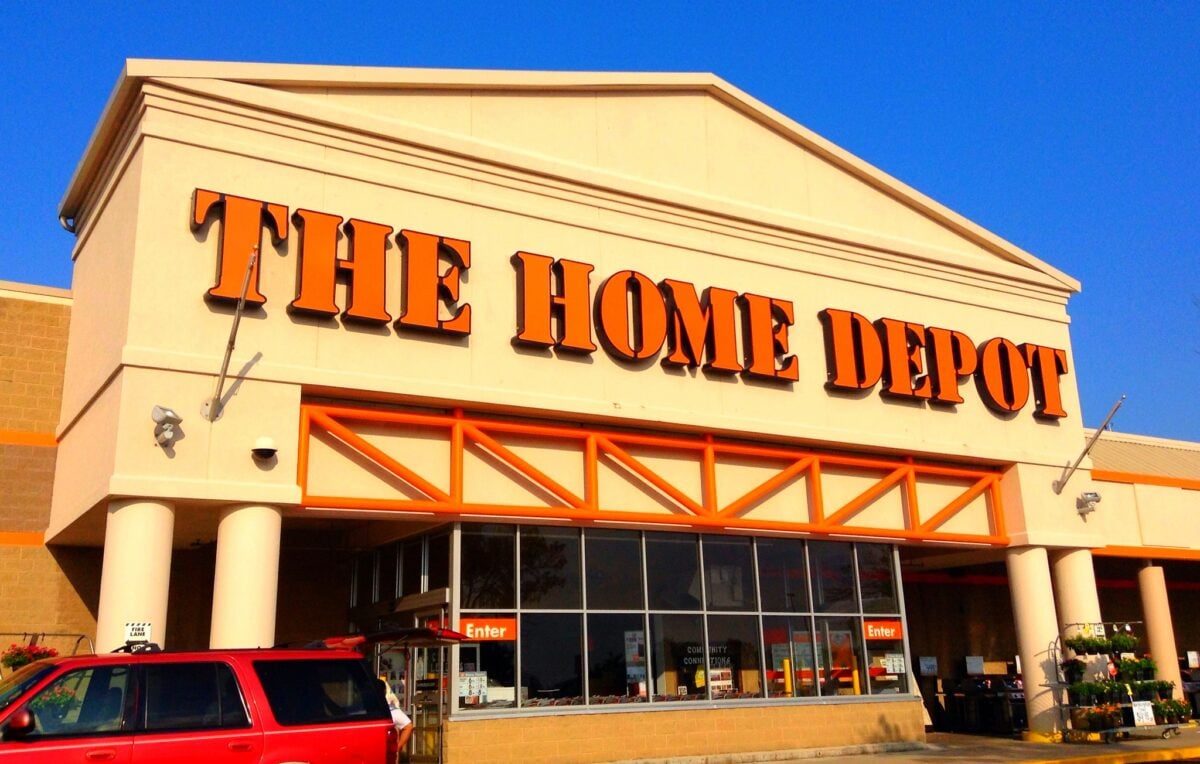
The hardware store chain lost 56 million credit and debit card numbers in 2014. Malware sat on their payment systems for months, quietly copying card data every time someone bought lumber or light bulbs.
What made this breach particularly galling was the timing — it happened right after the Target breach had made headlines and supposedly taught everyone about payment security. Apparently not everyone was paying attention during those lessons.
Adobe

Creative professionals trust Adobe with their work, their client lists, their payment information. In 2013, hackers made off with data from 38 million accounts, including encrypted passwords that turned out to be not-so-encrypted and source code for major software products.
The password encryption was laughably weak — so weak that security researchers could crack millions of passwords in a matter of hours. Adobe had been storing them using an algorithm that was already considered obsolete when dial-up internet was still common.
Professional networking means trusting a platform with career history, contacts, and business relationships. LinkedIn’s 2012 breach exposed 6.5 million encrypted passwords, which sounds almost quaint by modern standards until you realize those passwords weren’t actually encrypted — they were hashed, and poorly.
The stolen passwords showed up for sale on underground forums, and security researchers discovered they could crack most of them in minutes. LinkedIn had skipped basic security measures like salting the hashes, making their password protection about as effective as writing them down on Post-it notes.
JPMorgan Chase

Banks are supposed to be fortresses of financial security. JPMorgan Chase’s 2014 breach showed that even the biggest fortress can have surprisingly obvious weak spots.
Hackers accessed data for 76 million households and 7 million small businesses through what amounted to the digital equivalent of leaving the back door unlocked.
The attack started with a single compromised server that didn’t have two-factor authentication enabled. From there, hackers moved through the network like they owned it, accessing customer contact information, internal bank data, and transaction details.
For months. The bank that handles more money than most countries have in their entire economy got taken down by the kind of basic security oversight that would get an IT intern fired.
Heartland Payment Systems
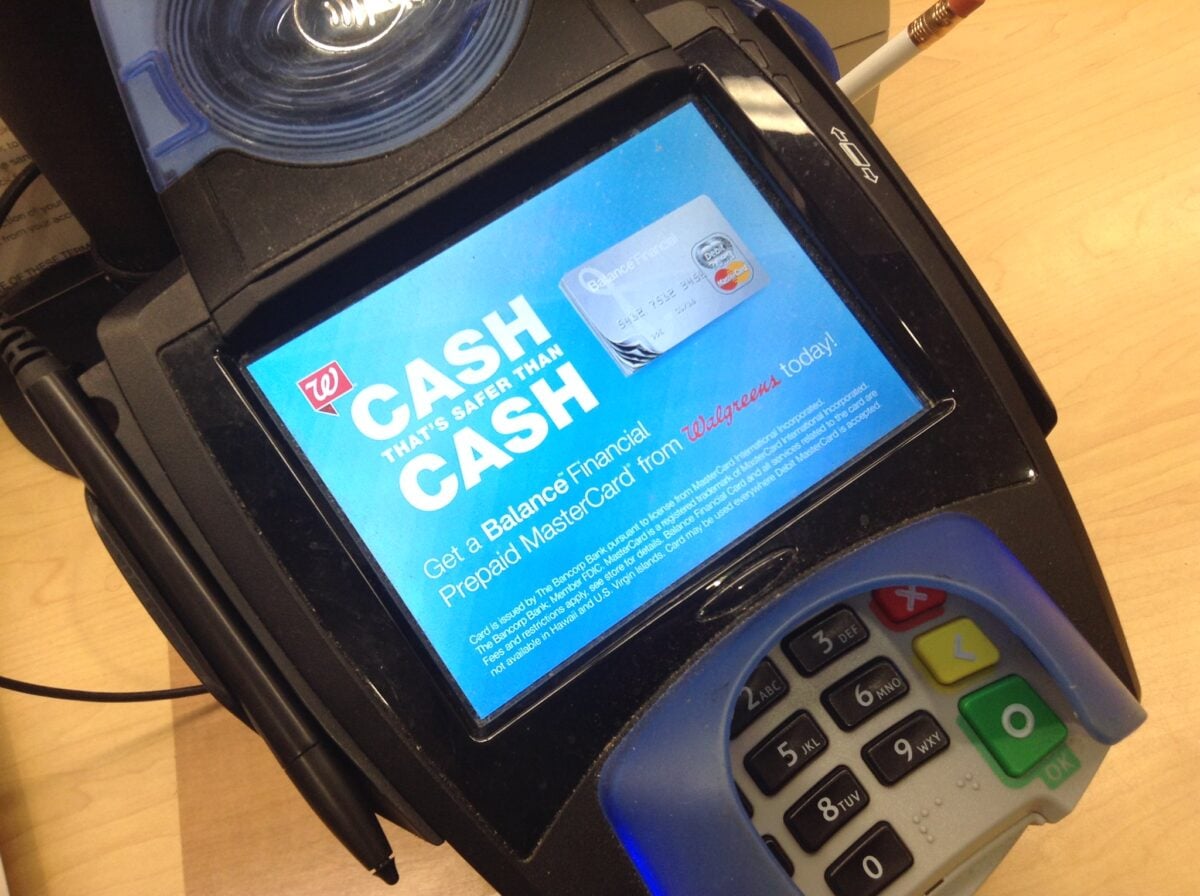
Payment processors handle the financial plumbing of modern commerce — all those card swipes and online transactions flowing through their systems in real time. Heartland processed payments for 250,000 businesses when hackers installed malware that captured card data for over a year, affecting potentially 134 million cards.
The breach went undetected for so long that investigators couldn’t even determine exactly how many cards were compromised. The malware was sophisticated enough to avoid detection while copying magnetic stripe data from every transaction that flowed through Heartland’s network.
Sony Pictures

Corporate email servers aren’t usually considered high-value targets for hackers, but they contain something potentially more damaging than credit cards or Social Security numbers: the truth about how organizations actually operate. Sony Pictures discovered this in 2014 when hackers calling themselves the “Guardians of Peace” dumped the studio’s entire digital life onto the internet.
The leaked emails revealed salary negotiations, executive feuds, and embarrassing private opinions about actors and other public figures (turns out Hollywood executives are exactly as petty and vindictive as you’d expect, but seeing it in writing was still somehow shocking). But the breach went beyond mere embarrassment — it included Social Security numbers and personal information for thousands of employees, and the hackers threatened terrorist attacks on movie theaters.
What started as a corporate security failure escalated into an international incident involving North Korea and the FBI.
Looking Back at the Damage
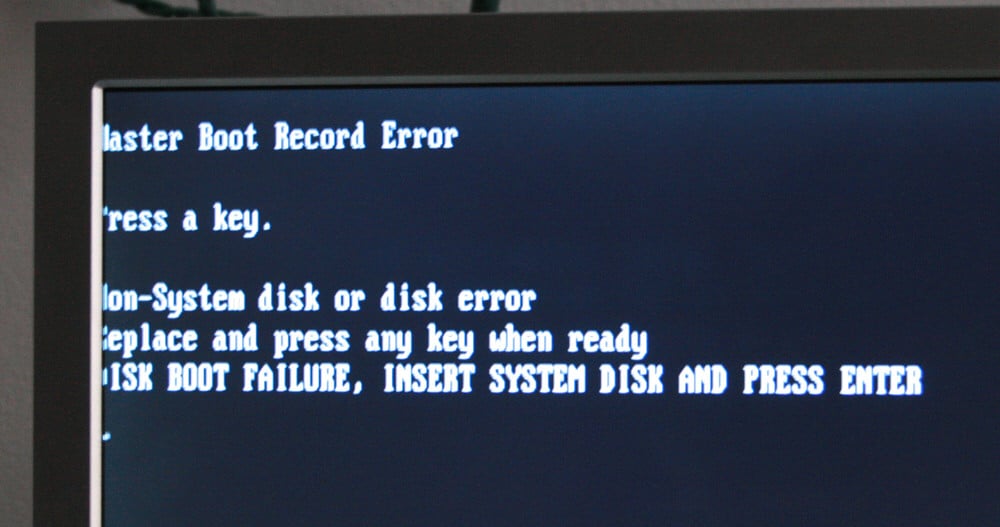
These breaches share a common thread that runs deeper than stolen data or financial losses. They represent moments when the promises of the digital age collided with its realities — when convenience and connectivity revealed their true costs.
Each breach taught us something uncomfortable about the companies we trusted with our most personal information, and about how little control we actually have over our own digital lives.
The impact extends beyond the immediate victims. These incidents reshaped how entire industries think about security, how regulators write laws, and how individuals navigate an increasingly connected world.
They’re the scars of our digital transformation — permanent reminders that progress and security don’t always move at the same pace.
More from Go2Tutors!

- The Romanov Crown Jewels and Their Tragic Fate
- 13 Historical Mysteries That Science Still Can’t Solve
- Famous Hoaxes That Fooled the World for Years
- 15 Child Stars with Tragic Adult Lives
- 16 Famous Jewelry Pieces in History
Like Go2Tutors’s content? Follow us on MSN.