16 Modern Food Trends That Completely Changed Dining
Food has always been about more than just survival. But somewhere in the last couple decades, the entire landscape of what we eat, where we eat it, and how we think about it shifted so dramatically that dining became something entirely different.
These changes didn’t happen overnight, and they weren’t driven by celebrity chefs or food magazines alone — they came from technology, changing lifestyles, and a generation that decided convenience and experience mattered as much as taste.
Farm-to-Table
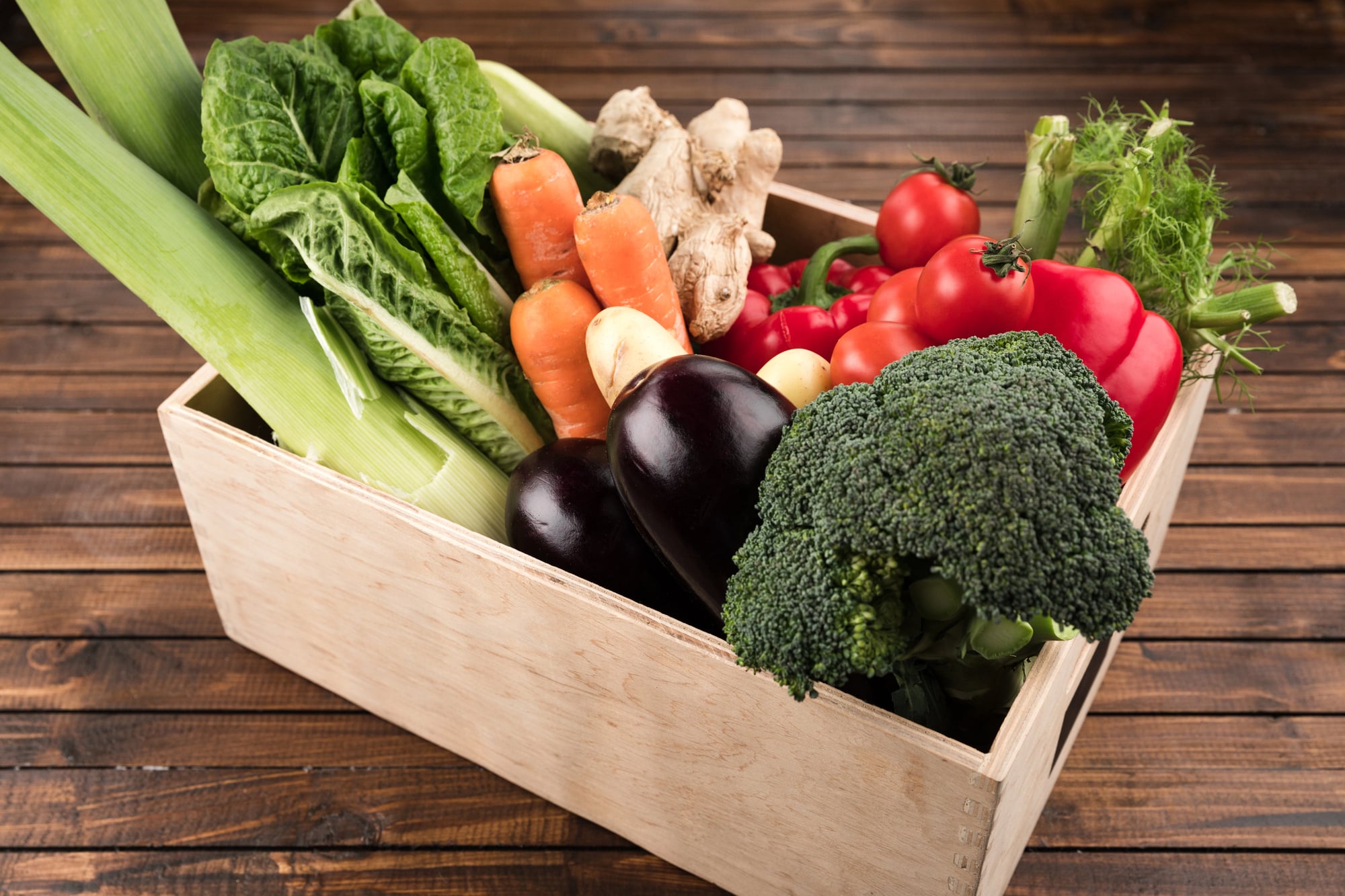
Restaurants started putting the farm’s name on the menu. Not just the dish — the actual farm where your carrots grew last Tuesday.
This wasn’t marketing fluff. The movement forced diners to think about distance for the first time.
How far did this tomato travel to reach your plate? The answer mattered, and suddenly every decent restaurant had a story about their relationship with local growers.
Menus became geography lessons, and people paid extra for the privilege of knowing their food’s home address.
Food Trucks
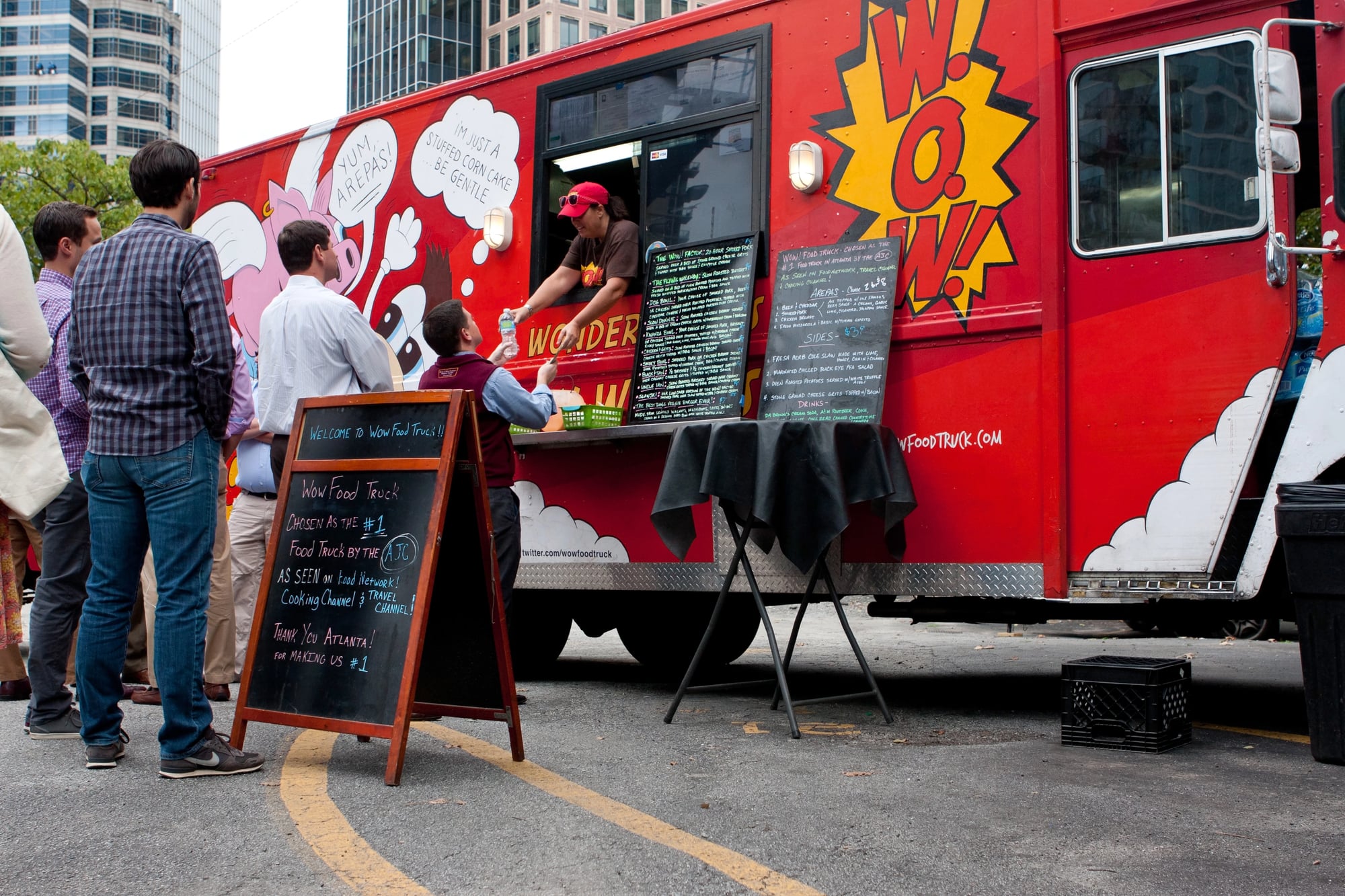
The relationship between location and food quality used to be pretty straightforward: good food required a permanent address, preferably with white tablecloths and a wine list that made you feel inadequate. But then someone figured out that a converted van could serve better tacos than most sit-down restaurants (and charge less for them), and the whole equation flipped on its head.
Food trucks didn’t just offer mobility — they offered freedom from the overhead costs that made restaurant ownership a rich person’s game, which meant creativity could trump capital for once. And the lines that formed around these humble vehicles, often in parking lots or industrial neighborhoods where no traditional restaurant would dare plant roots, proved that people were willing to chase quality wherever it parked.
So the trucks multiplied, each one a small rebellion against the idea that good food required good real estate.
Molecular Gastronomy
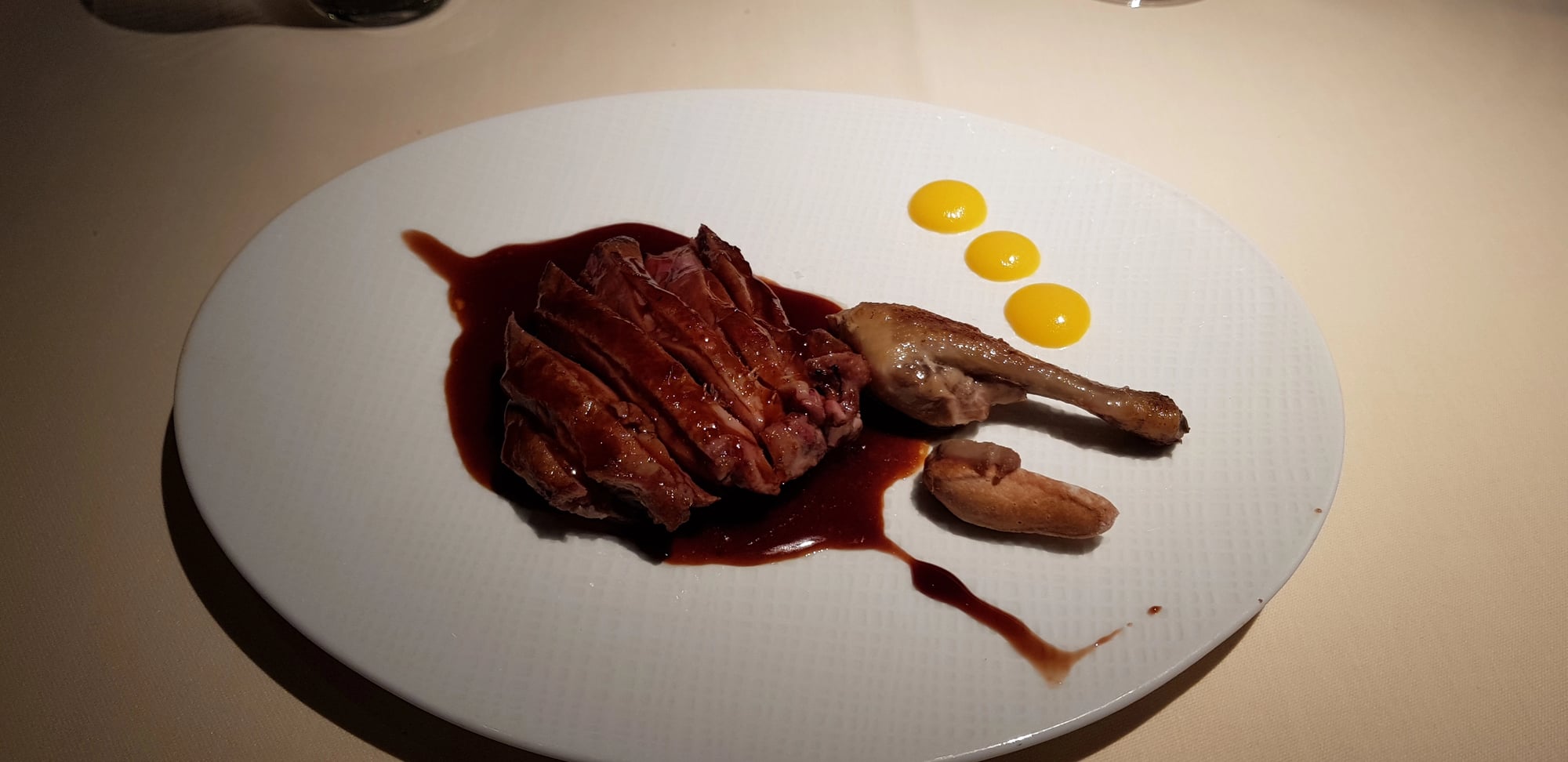
Picture this: your soup arrives as a sphere that bursts in your mouth, releasing flavors that shouldn’t technically exist in that form. Welcome to molecular gastronomy, where chemistry labs met restaurant kitchens and decided to rewrite the rules.
Chefs started using liquid nitrogen the way previous generations used salt and pepper. Foams replaced sauces.
Spherification became a verb that serious food people used without irony. The movement asked a simple question: if we can make food taste like anything, why does it have to look like what we expect?
Not everyone loved it. Some called it pretentious theater.
But even the critics couldn’t deny that it changed how people thought about the possibilities of taste and texture.
Instagram Food Culture
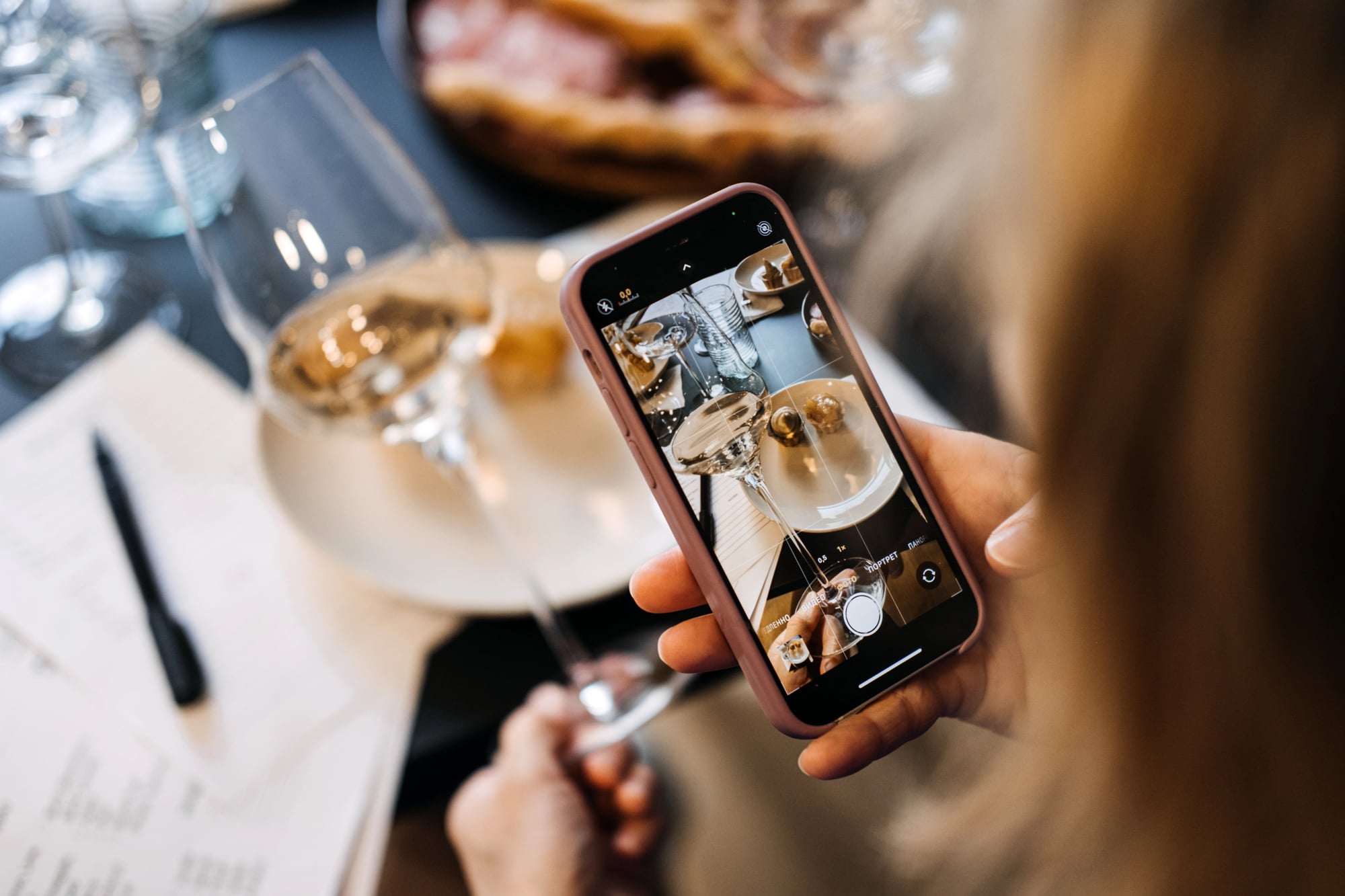
Food photography became more important than food taste. Restaurants started designing dishes for the camera first, the palate second.
The rainbow bagel exists because someone knew it would photograph well. Same with the freakshake that’s mostly whipped cream and candy, or the burger so tall it requires architectural support.
These creations prioritize visual impact over flavor, and they work exactly as intended. Social media didn’t just document food culture — it rewrote the entire script.
Every meal became a potential post, and every dish needed to earn its place in someone’s feed.
Plant-Based Meat Alternatives
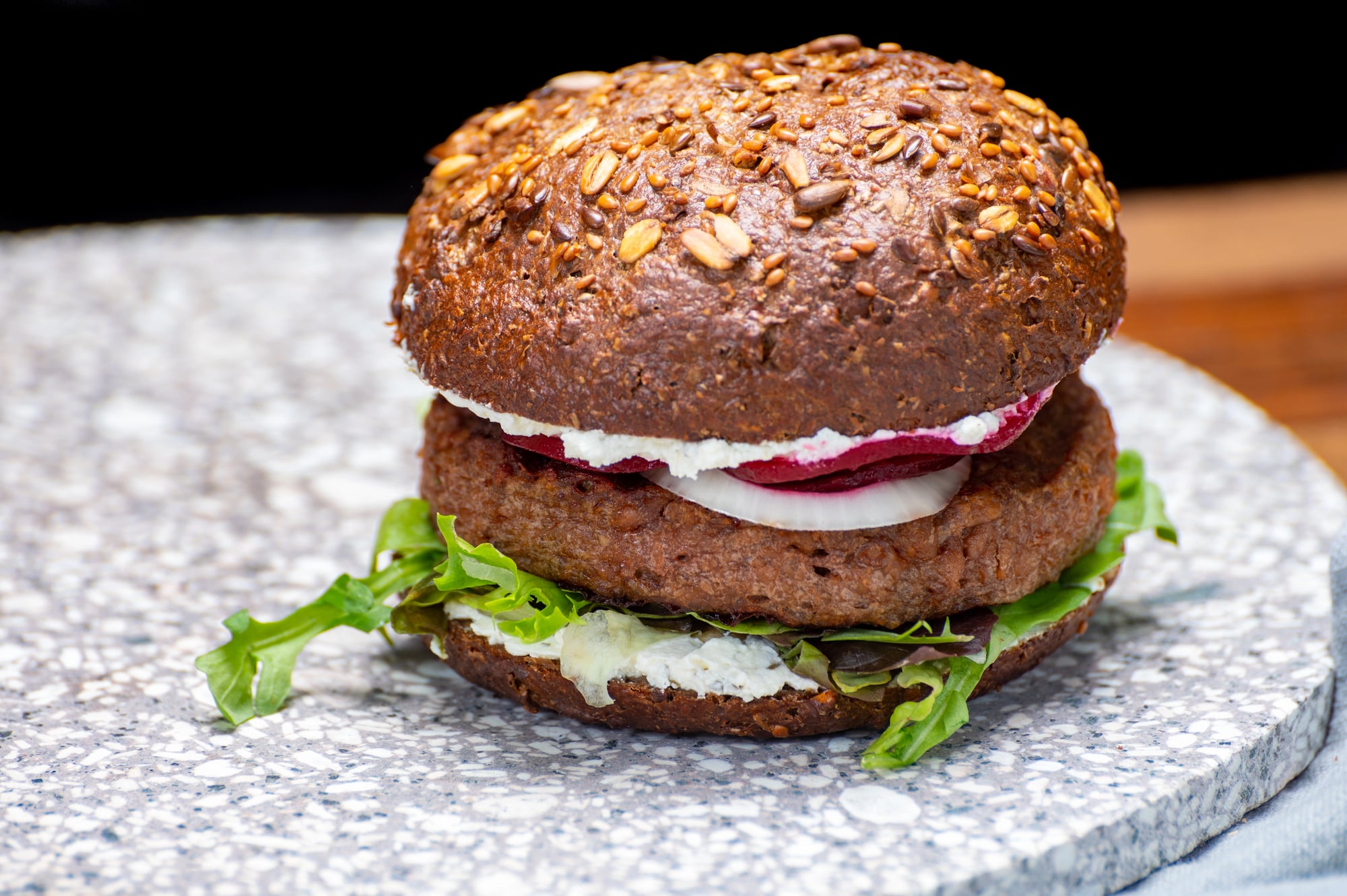
The impossible happened: fake meat got good enough to fool actual carnivores, though not without some serious laboratory intervention and a marketing budget that could fund a small country’s space program. Companies like Beyond Meat and Impossible Foods didn’t just create products — they created believers, people who genuinely couldn’t tell the difference between their plant-based patty and the cow-derived original.
These weren’t the sad, cardboard-textured veggie burgers of previous decades that vegetarians choked down out of moral obligation; these were products designed to show blood convincingly and sizzle with the right sounds, engineered to satisfy cravings that most people didn’t realize could be satisfied without actual animals.
And the really strange part? Some of the biggest fans weren’t even vegetarians — they were meat-eaters who liked the idea of eating meat without the environmental guilt.
Which created this weird new category of people who wanted to have their burger and eat it too, ethically speaking.
Artisanal Everything
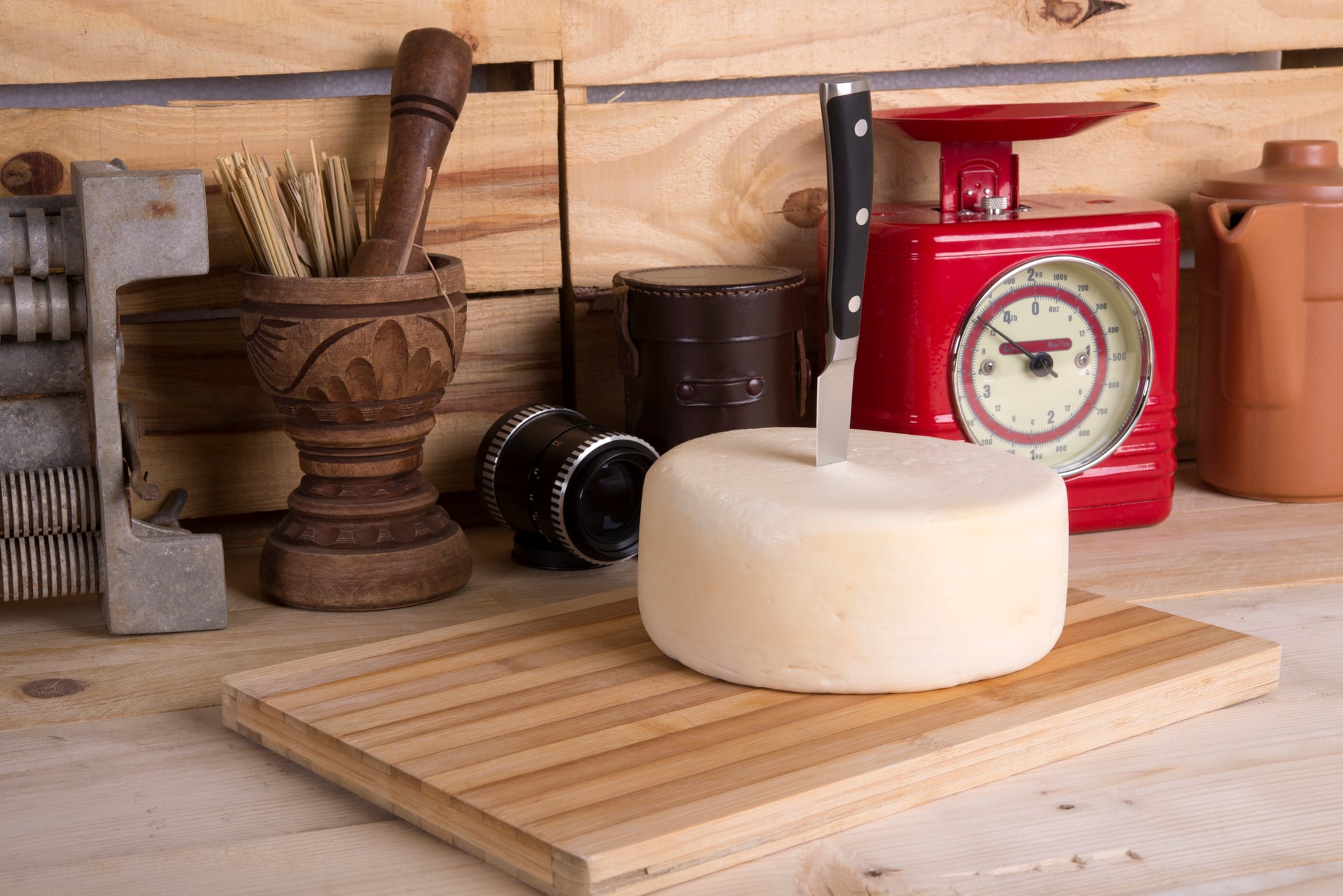
Someone decided that regular salt wasn’t good enough anymore. Now we have salt from specific regions of specific oceans, harvested by specific methods, sold at prices that would make your grandmother question the sanity of modern civilization.
This wasn’t limited to salt, of course. Artisanal became the modifier that justified charging three times the normal price for bread, pickles, chocolate, or coffee.
The word suggested craftsmanship, tradition, and a level of care that mass production supposedly couldn’t provide. Sometimes the premium was justified.
Often it wasn’t. But the trend taught consumers that ordinary products could become extraordinary with the right story and presentation.
Ghost Kitchens

The restaurant industry discovered it could exist without the restaurant part. Ghost kitchens operate like theatrical productions where the audience never sees the stage — just delivery bags arriving at doorsteps with food from brands that exist only on apps.
These operations eliminated dining rooms, servers, and most of the overhead that traditional restaurants carry. What remained was pure efficiency: kitchens optimized for delivery, multiple virtual brands operating from the same location, and profit margins that made traditional restaurant owners weep with envy.
The customer experience became completely digital. You ordered from a brand that might not have a physical location, prepared by cooks you’d never meet, delivered by drivers working for a third company.
Food became a service rather than an experience.
Craft Beer Revolution
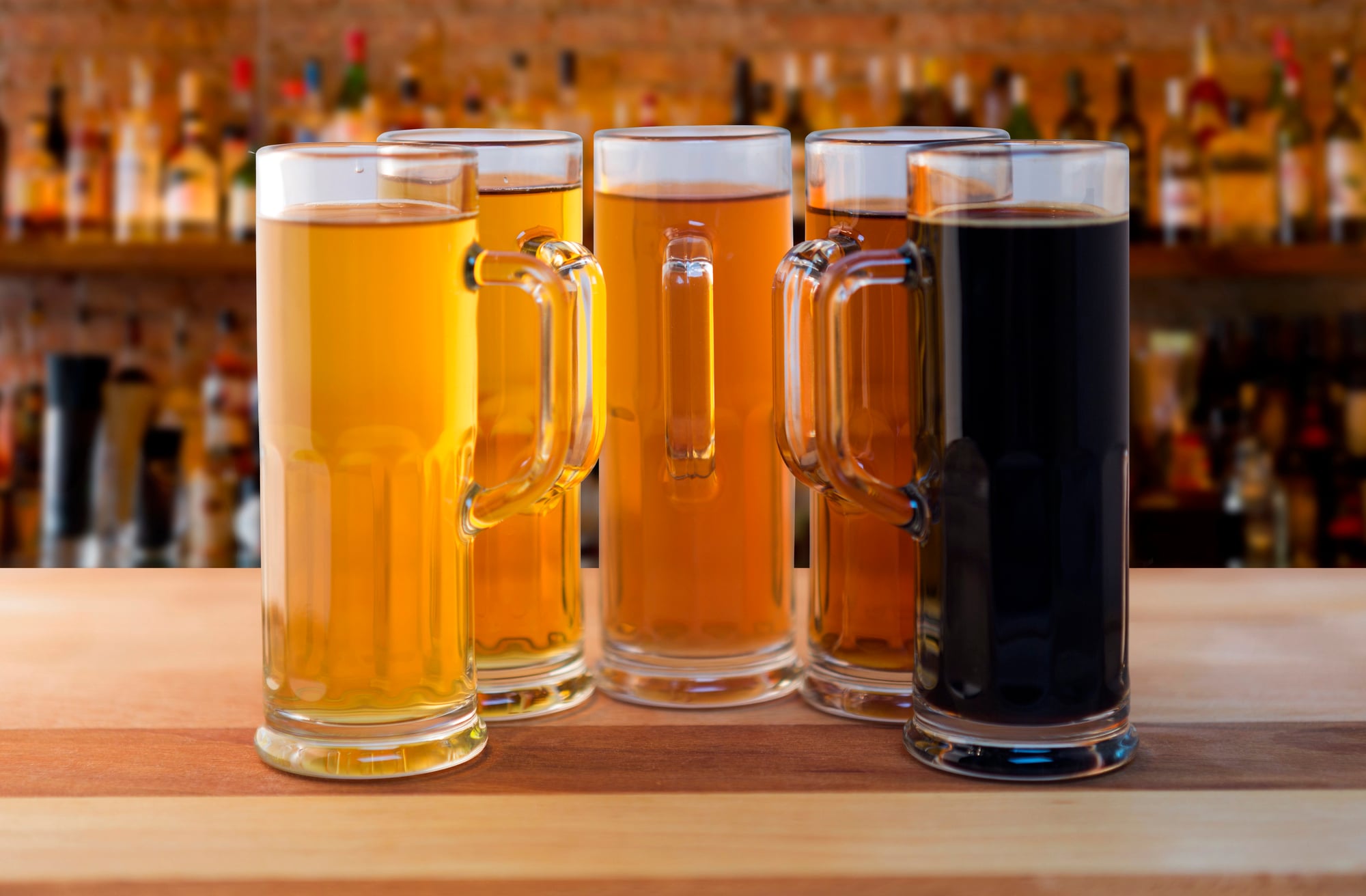
Beer stopped being just beer and started being a statement about your sophisticated palate and your support for local business and your appreciation for traditional brewing methods that corporate breweries had supposedly abandoned in their quest for mass market mediocrity. The number of breweries in America went from a few hundred to several thousand in the span of a couple decades.
Each one offered IPAs with names like “Hop Destruction” and “Citrus Explosion” and stouts that claimed to contain everything from coffee beans to vanilla pods to actual bourbon barrel aging. And people lined up to try them all, turning beer consumption into a hobby that involved traveling to specific taprooms and checking in on social media.
So what used to be a simple transaction — buy beer, drink beer — became a cultural expedition where your choice of beverage said something important about who you were and what you valued.
Pop-Up Restaurants
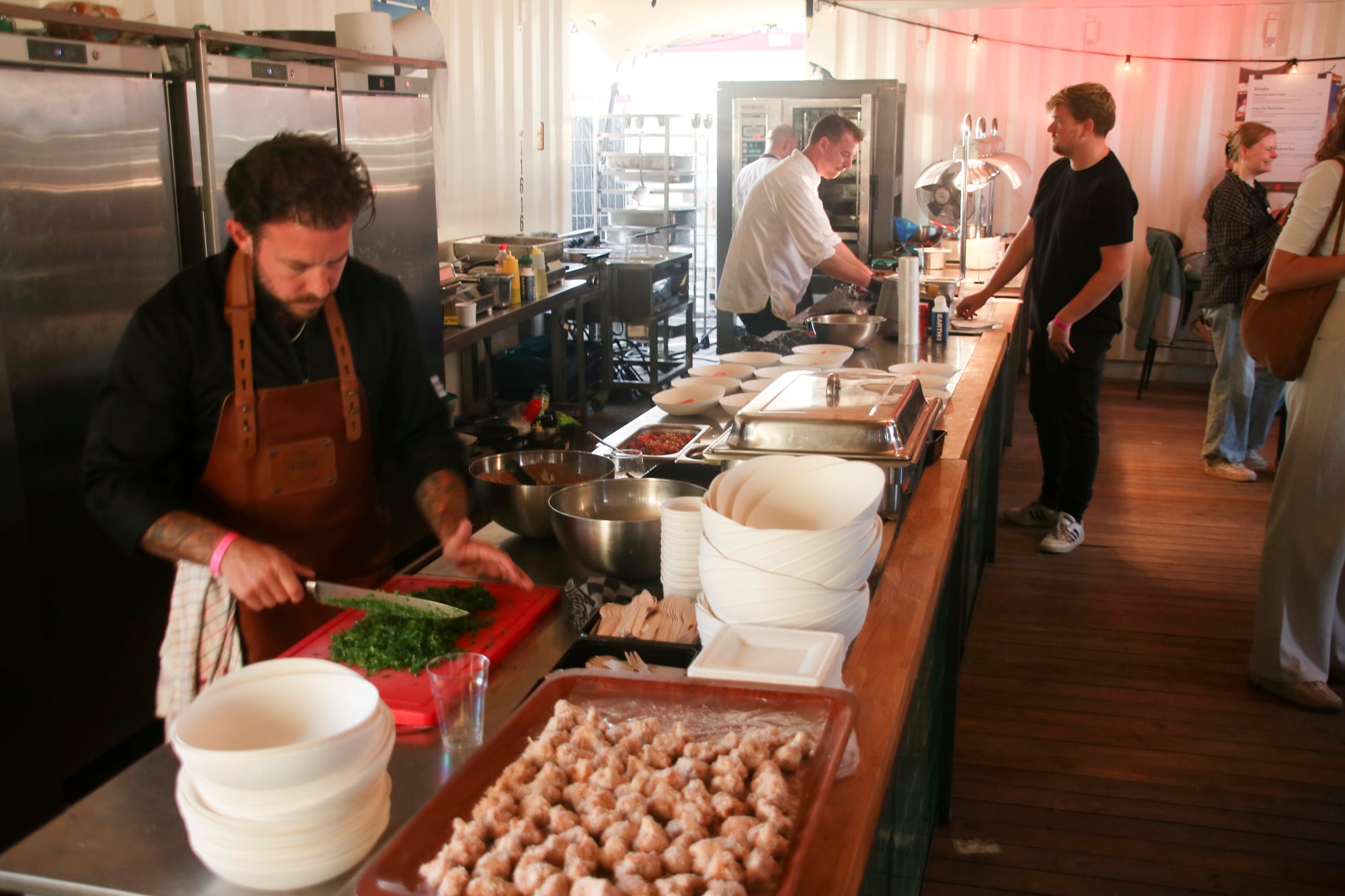
Restaurants learned to appear and disappear like culinary magic tricks. A pop-up might operate for a single evening in someone’s apartment, or take over an abandoned warehouse for a month, then vanish completely.
This wasn’t just about novelty. Pop-ups allowed chefs to experiment without the crushing financial commitment of a traditional restaurant lease.
They could test concepts, build followings, and fail safely. The temporary nature created urgency — if you didn’t go tonight, you might never get another chance.
Some pop-ups were so successful they eventually became permanent establishments. Others were designed to be temporary from the start, existing just long enough to create memories and social media posts.
Subscription Meal Kits
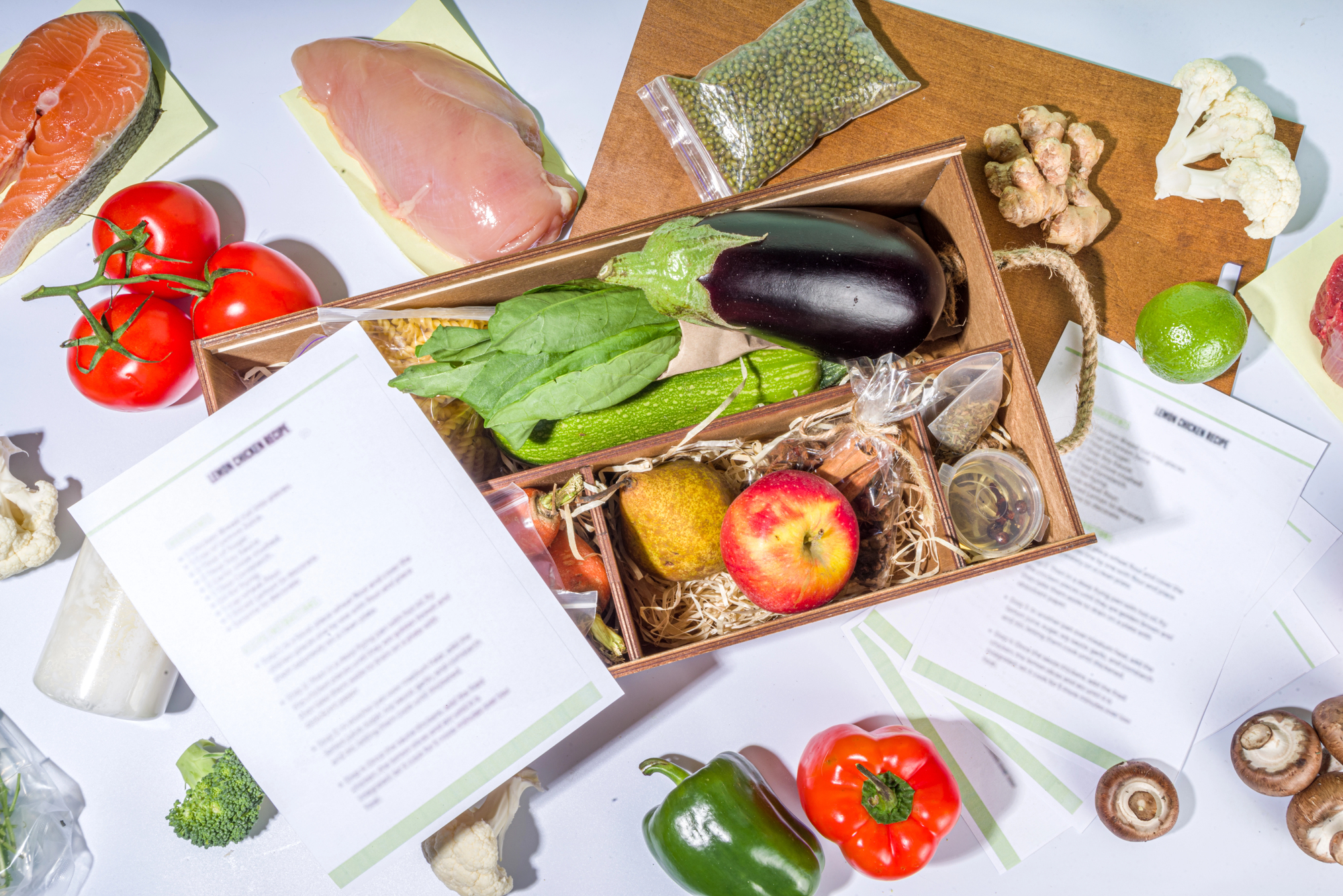
The grocery shopping experience got disrupted by companies that decided to ship you exactly what you needed for dinner, pre-measured and packaged with instructions simple enough that even people who considered boiling water a culinary achievement could produce something edible. Blue Apron, HelloFresh, and their competitors weren’t just selling ingredients — they were selling the illusion that anyone could cook restaurant-quality meals at home without the tedious parts like meal planning or measuring.
And it worked, sort of; people who had never cooked anything more complicated than instant ramen suddenly found themselves successfully preparing dishes with names they couldn’t pronounce.
But at a cost per meal that made eating out seem economical by comparison. The real genius wasn’t in the food itself — it was in eliminating every excuse people had for not cooking: no planning required, no shopping required, no thinking required, just follow the pictures and hope for the best.
Specialty Coffee Culture
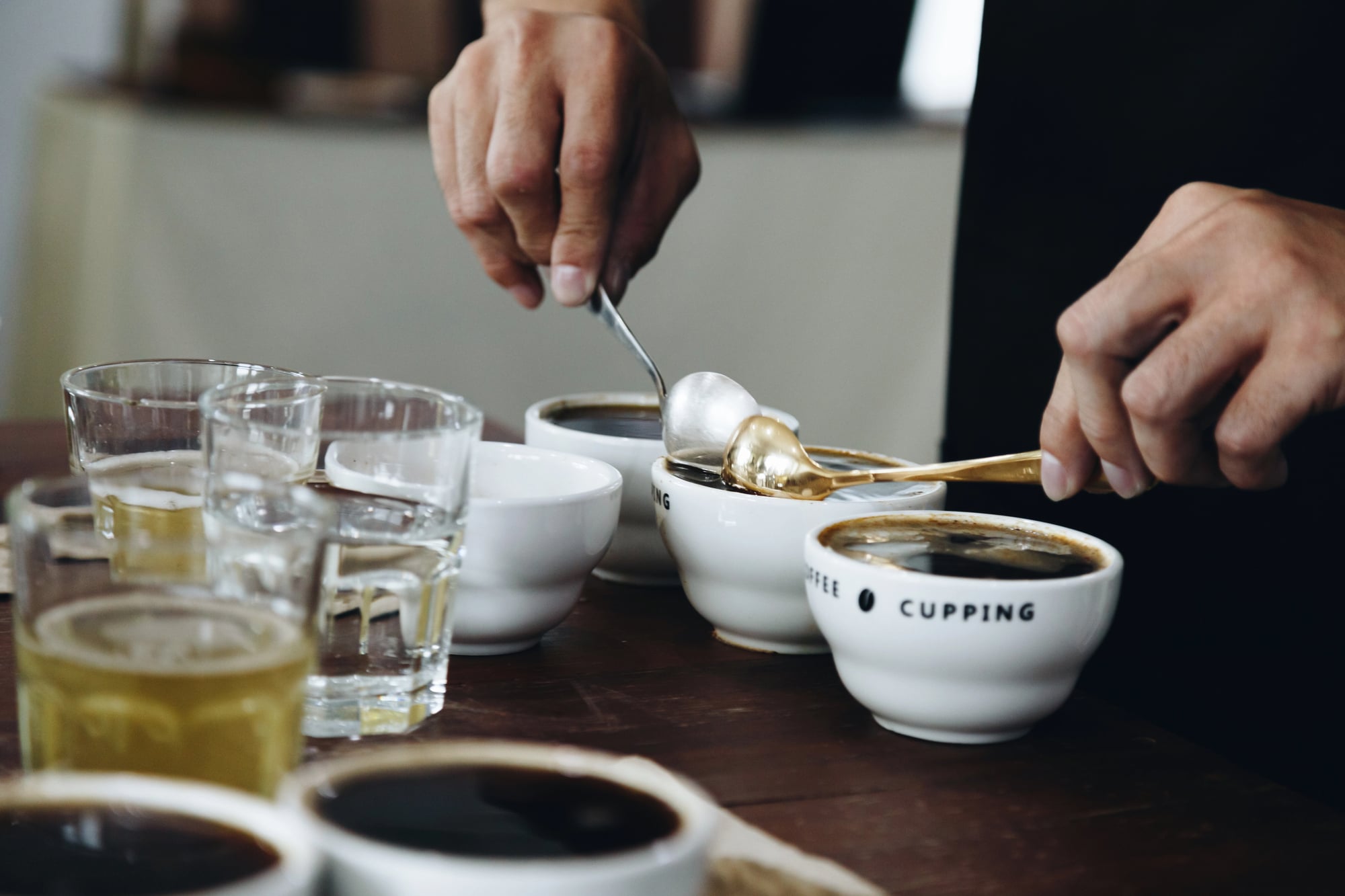
Coffee shops became offices, meeting rooms, and social clubs. The third wave coffee movement treated beans like wine grapes, complete with tasting notes and origin stories.
Baristas became skilled craftspeople who could create art in your foam and explain the difference between Ethiopian and Colombian beans. Single-origin coffees commanded premium prices, and people developed preferences for specific roasting profiles and brewing methods.
The local coffee shop replaced the local bar as the community gathering place. Remote workers set up temporary offices at café tables, and first dates moved from dinner to coffee as the socially acceptable way to spend time with someone you might not want to spend an entire evening with.
Food Halls
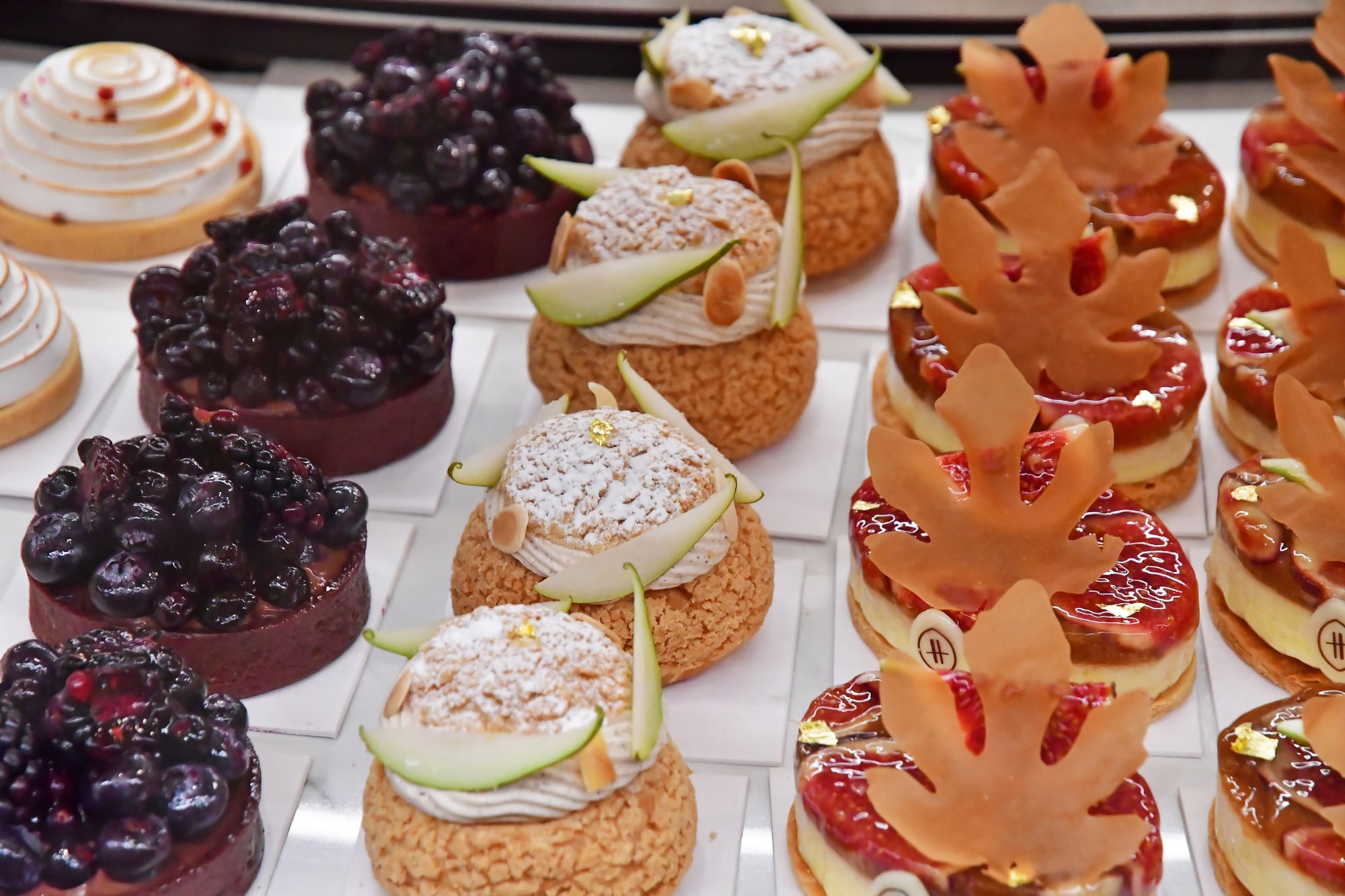
The food court grew up and got sophisticated. Food halls took the basic concept — multiple vendors under one roof — and elevated it with better design, curated vendors, and an atmosphere that felt more like a European market than a mall cafeteria.
These spaces solved several problems at once. Diners could choose from multiple cuisines without having to agree on a single restaurant.
Vendors could operate with lower overhead than standalone locations. And developers could create destinations that drew crowds for reasons beyond shopping.
The best food halls became neighborhood anchors, places where locals gathered regularly and tourists made pilgrimages to sample everything in one visit.
Zero-Waste Cooking
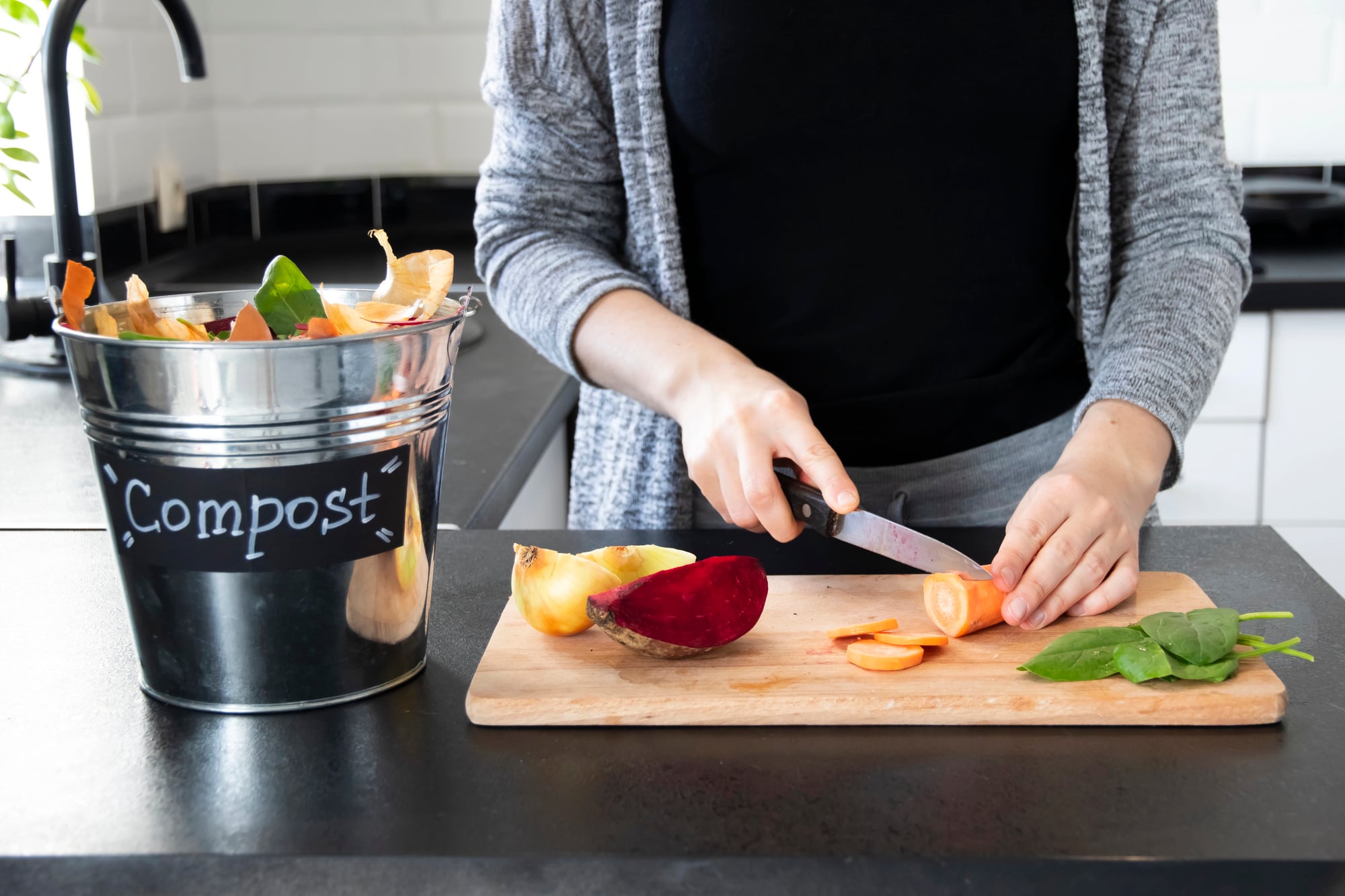
Restaurants started treating food scraps the way previous generations treated gold — too valuable to throw away, too useful to waste, and capable of being transformed into something entirely different with the right combination of creativity and stubborn determination. Root-to-stem cooking meant using every part of the vegetable, while nose-to-tail meant using every part of the animal.
Suddenly chefs were serving dishes made from ingredients that would have been composted or discarded just a few years earlier. This wasn’t just about environmental responsibility — it was about discovering that some of the most interesting flavors were hiding in the parts of food that most people never bothered to taste.
Beet greens turned out to make excellent salads; fish bones made incredible stock; citrus peels contained oils that could transform ordinary dishes into something special. The movement forced both chefs and home cooks to think differently about abundance and scarcity, to see waste as a failure of imagination rather than an inevitable byproduct of cooking.
Fusion Cuisine
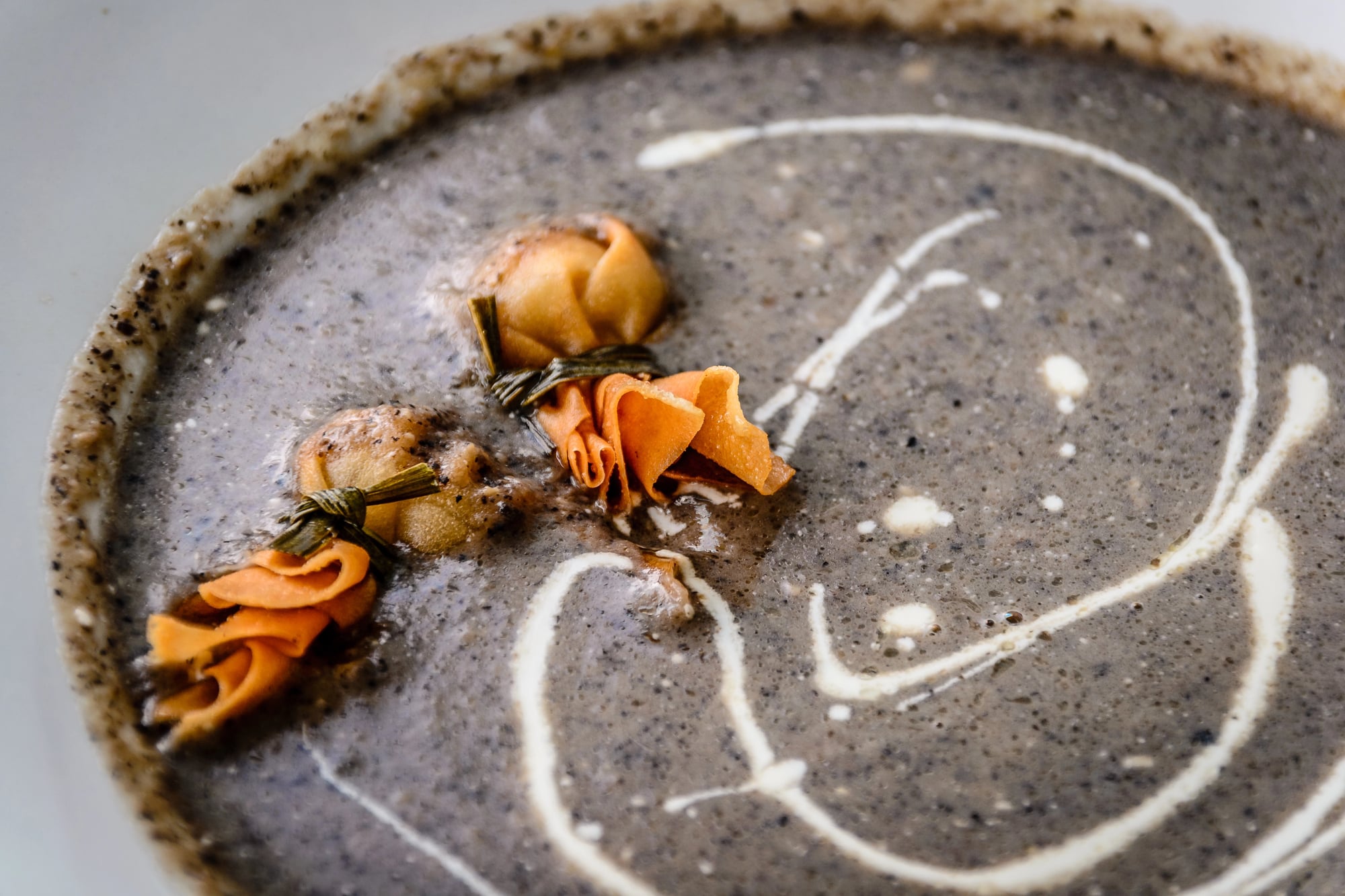
Traditional food boundaries got blurred beyond recognition. Korean tacos appeared on food truck menus. Italian pasta got topped with Japanese ingredients.
Mexican and Asian flavors started showing up together so frequently that it stopped seeming unusual. This wasn’t just about novelty combinations.
Fusion cuisine reflected the reality of modern dining — people wanted variety, and they wanted it fast. Why choose between Thai and Mexican when you could have both in the same dish?
Critics complained about authenticity, but diners voted with their wallets. The best fusion restaurants created entirely new flavor profiles that wouldn’t have existed without cultural mixing.
The worst created confusion. Most fell somewhere in between.
Hyper-Local Sourcing
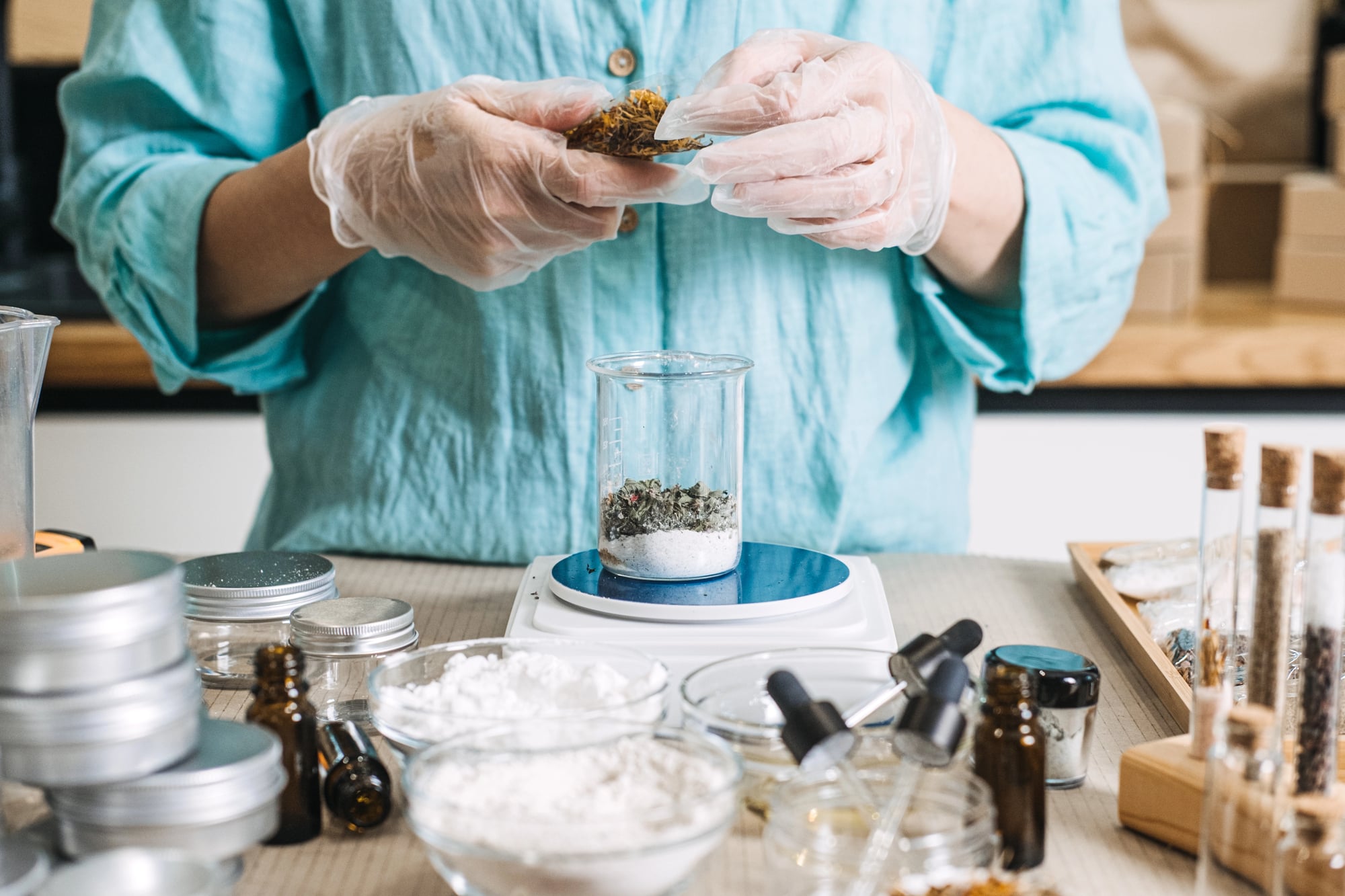
Restaurants began growing their own herbs on rooftops. Some went further, raising their own chickens or partnering with urban farms located within walking distance of the dining room.
This trend took farm-to-table to its logical extreme. Why source locally when you could source from your own backyard?
The movement emphasized freshness, sustainability, and complete control over the supply chain. Not every restaurant could pull this off, but those that did created dining experiences that felt uniquely connected to their specific location.
Your salad greens might have been harvested that morning from the garden visible through the restaurant’s back window.
Interactive Dining Technology
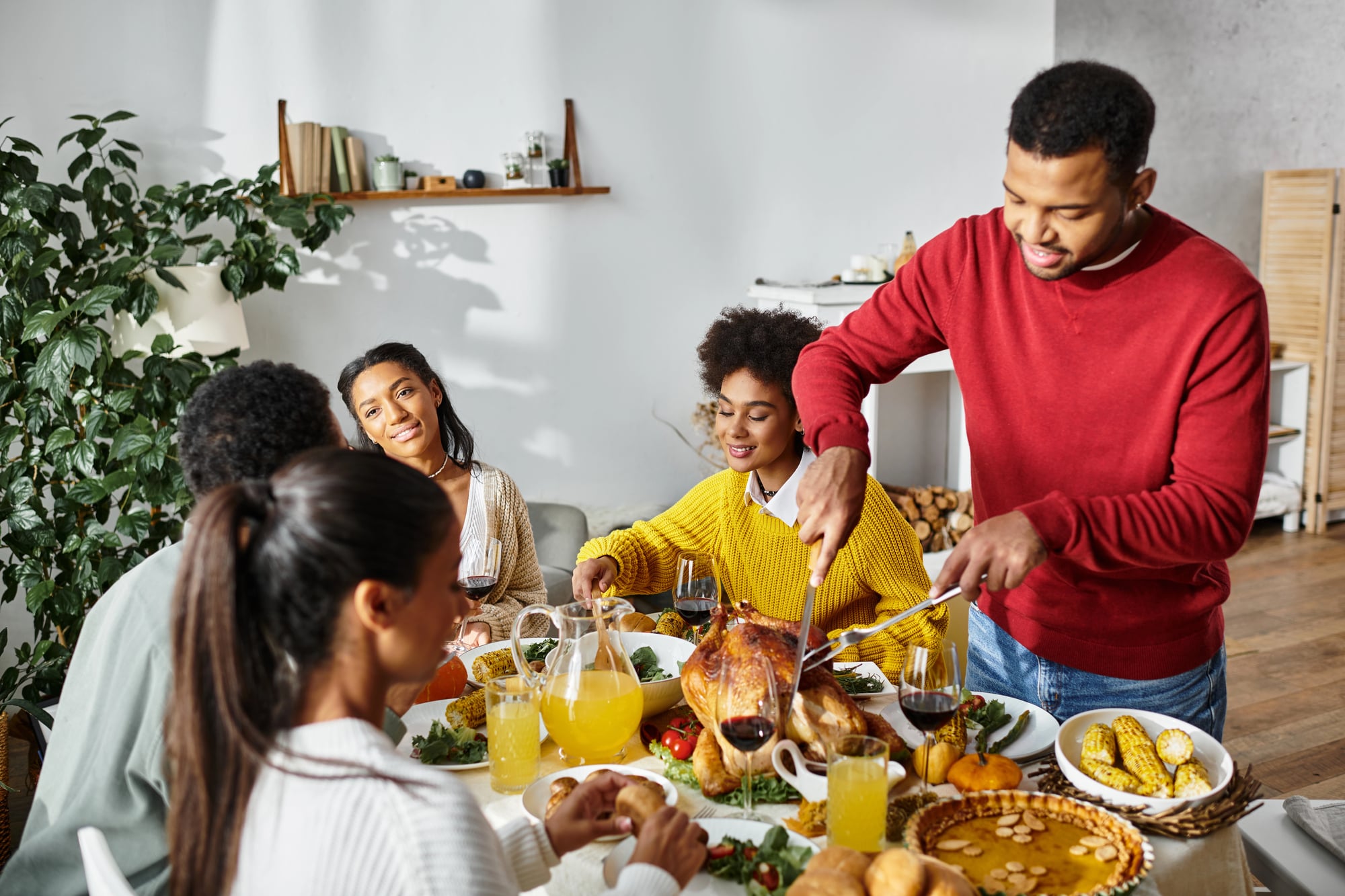
Ordering food used to require human interaction, but technology had other plans, and suddenly restaurants were handing customers tablets instead of menus, installing self-service kiosks that never got impatient with indecisive diners, and developing apps that let you order, customize, and pay without ever speaking to another person. Some establishments went completely contactless — you scanned QR codes to access digital menus, placed orders through your phone, and received notifications when your food was ready for pickup.
And while some people mourned the loss of human service, others embraced the efficiency and control that technology provided: no more miscommunicated orders, no more waiting for busy servers to take your payment, no more social pressure to make quick decisions while someone stood over your table with a notepad.
The technology also enabled a level of customization that would have been impractical with traditional ordering — you could modify every ingredient, track your order’s progress in real time, and save your preferences for future visits without having to explain your dietary restrictions to a new server each time.
The Plate Becomes Canvas
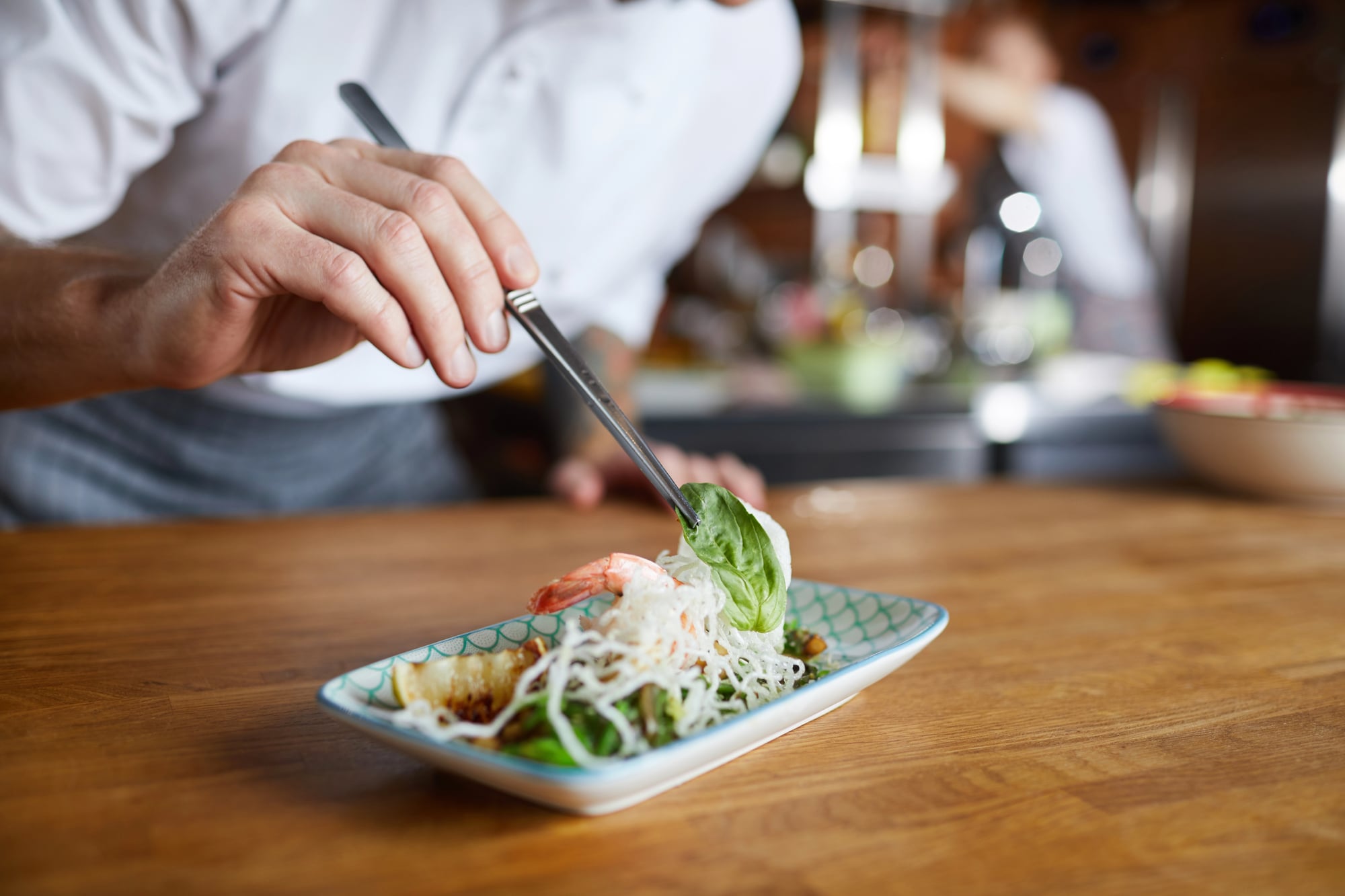
Somewhere along the way, dining became performance art. Chefs started thinking like painters, using plates as canvases and food as pigment.
Each dish needed to be Instagram-worthy before it could be considered complete. This shift changed everything about restaurant presentation.
Colors had to pop under artificial lighting. Textures needed to photograph well.
Height and composition became as important as flavor balance. Some restaurants hired dedicated food stylists, treating every plate like a magazine cover.
The trend created beautiful, memorable dining experiences. It also created pressure to prioritize appearance over taste, leading to dishes that looked better than they tasted.
But for better or worse, it established new expectations about what restaurant food should look like, and those expectations filtered down from high-end establishments to casual dining across the industry.
More from Go2Tutors!

- The Romanov Crown Jewels and Their Tragic Fate
- 13 Historical Mysteries That Science Still Can’t Solve
- Famous Hoaxes That Fooled the World for Years
- 15 Child Stars with Tragic Adult Lives
- 16 Famous Jewelry Pieces in History
Like Go2Tutors’s content? Follow us on MSN.