15 Pet Trends from Childhood We Completely Forgot
Remember when everyone suddenly needed a furry electronic creature that demanded constant attention? Or when tiny plastic creatures lived in keychains and somehow became the center of entire social ecosystems?
The pet trends that swept through childhood came and went with the force of natural disasters, leaving behind a trail of forgotten toys in closets and basements. These weren’t just toys — they were cultural phenomena that defined playground hierarchies and birthday wish lists.
One day every kid had to have one, and the next day they were buried under newer obsessions. But for those brief, shining moments, these digital companions, collectible creatures, and interactive pets ruled our world with an iron paw.
Tamagotchi
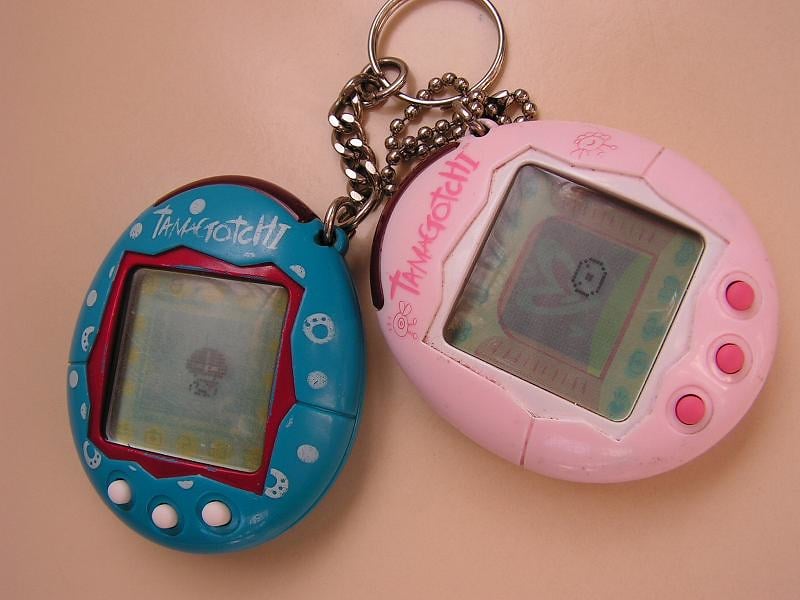
You had approximately four hours before your digital pet died of neglect. The constant beeping meant someone’s virtual chicken needed food, attention, or had made a mess that required immediate cleaning.
Teachers banned them from classrooms because kids couldn’t stop checking their keychains mid-lesson.
Furby
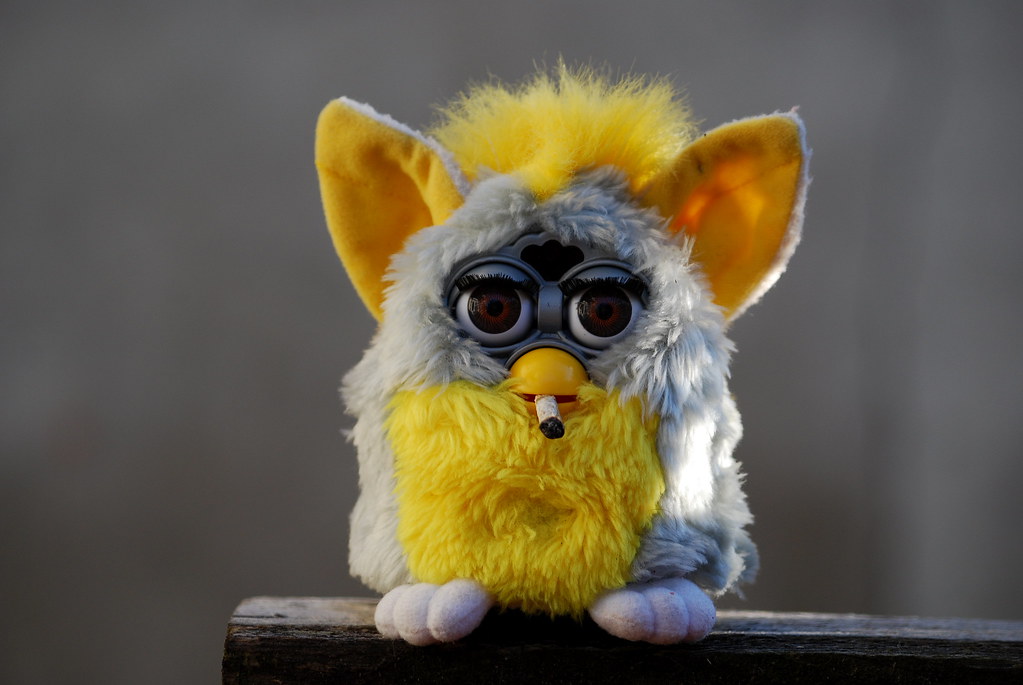
The eyes that followed you across the room while speaking in broken English mixed with gibberish. Furbies learned words, developed personalities, and had an unsettling habit of activating at 3 AM to have conversations with themselves.
Parents quickly discovered there was no off switch — only remove the batteries and hope it stayed quiet.
Beanie Babies
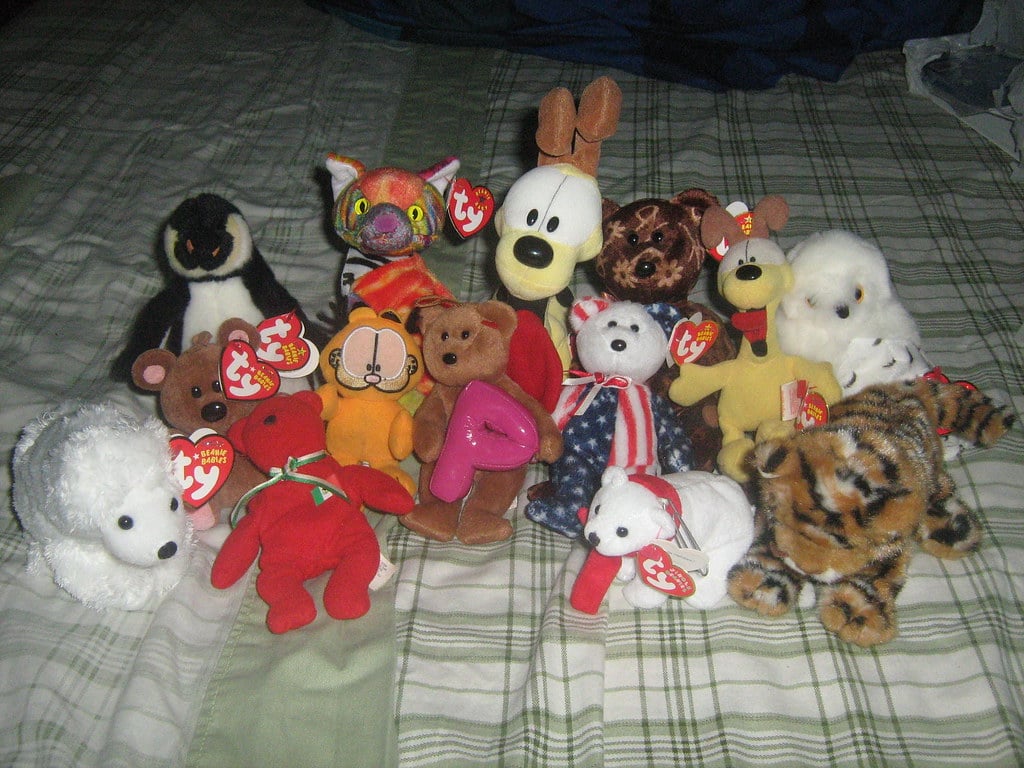
The pursuit of rare Beanie Babies turned suburban moms into speculators and children into amateur appraisers (you learned to spot tag errors and production mistakes that supposedly made certain bears worth hundreds of dollars, though most collections are still sitting in storage bins waiting for that promised windfall). McDonald’s Happy Meal toys caused traffic jams at drive-throughs when they released miniature versions.
And yet the secondary market that everyone swore would fund college tuitions turned out to be a shared delusion — Princess the purple bear was never going to pay for anyone’s education, despite what the price guides claimed at the time. The whole thing resembled a tiny stock market where eight-year-olds studied birth dates and retirement announcements with the seriousness of Wall Street analysts.
So it made sense that it ended the same way most bubbles do.
Pokemon Cards
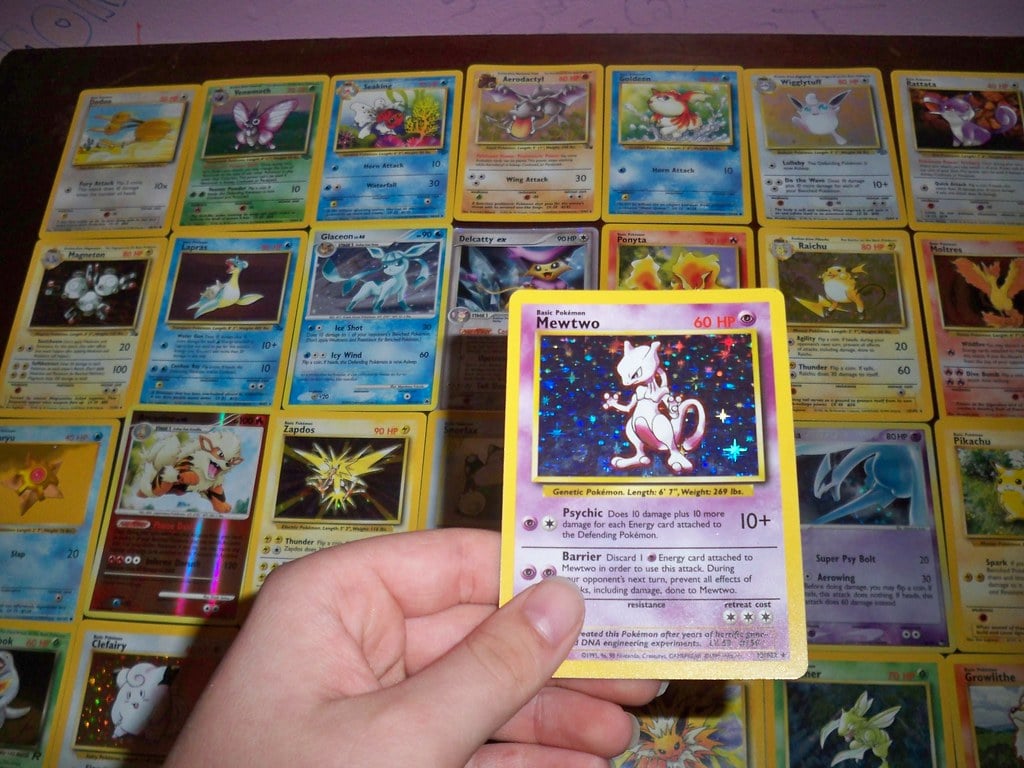
Trading card games created their own economy in elementary school cafeterias. Holographic Charizards were treated like precious artifacts, stored in protective sleeves and traded for multiple rare cards.
The playground became a miniature stock exchange where card values fluctuated based on rumors and playground gossip. You learned negotiation skills, market dynamics, and the bitter taste of getting ripped off by someone who knew more about card rarity.
Some schools banned them entirely after disputes turned into tears and accusations of theft.
Pogs
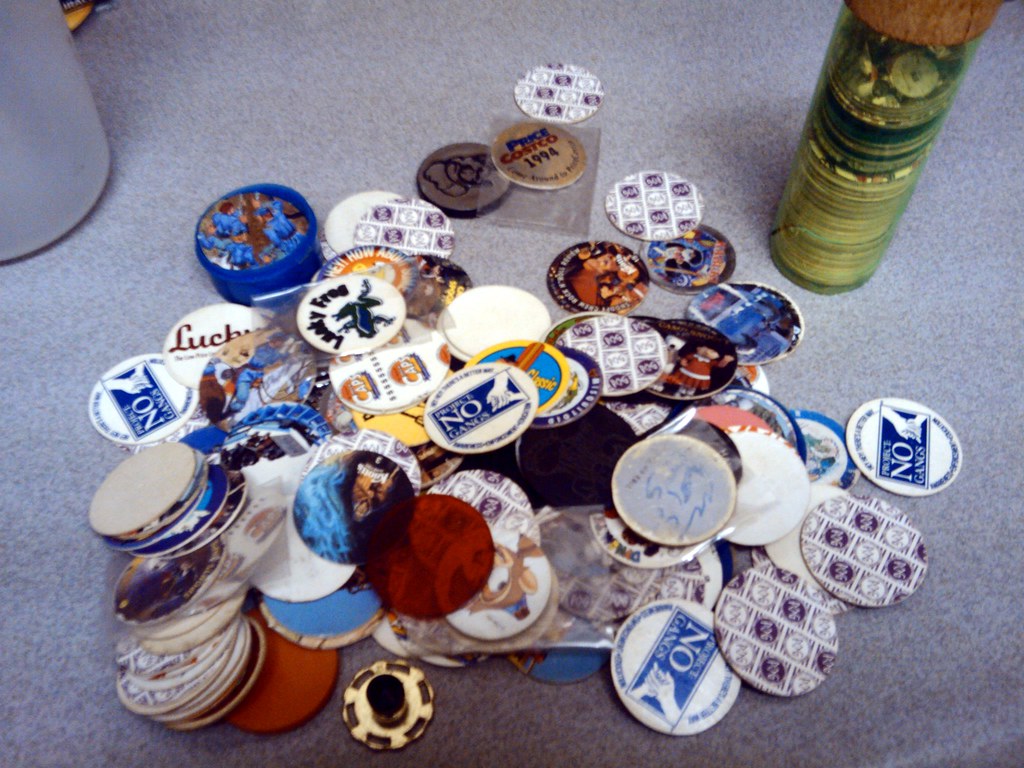
Circular cardboard discs stacked and knocked over with heavier metal slammers — the concept sounds ridiculous now but consumed months of childhood attention. Collections numbered in the hundreds, stored in specially designed tubes that rattled when shaken.
The actual game mattered less than accumulating rare designs and metallic slammers. Pogs disappeared as suddenly as they arrived, leaving behind tubes of worthless cardboard circles that parents eventually threw away during spring cleaning.
No one protested.
Trolls
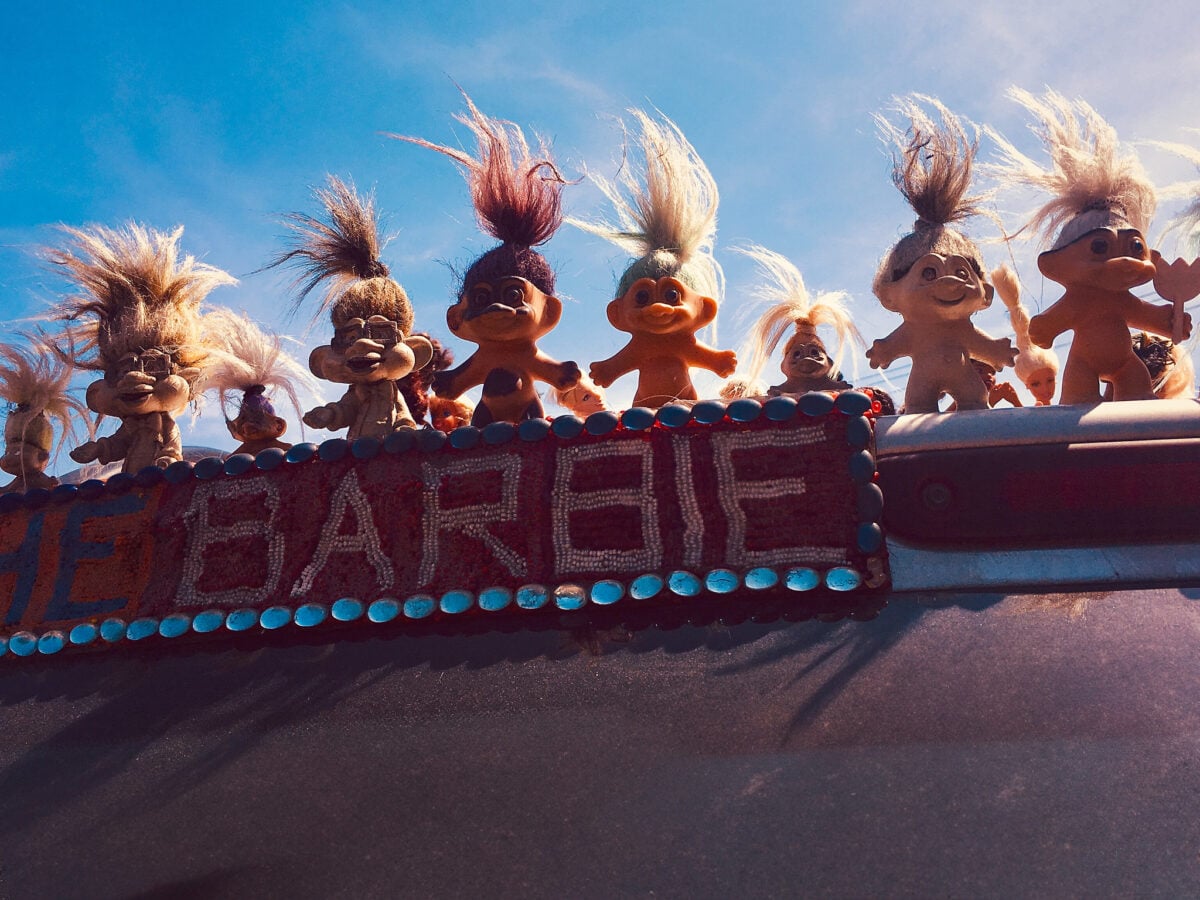
Those wild-haired plastic figures with the unsettling smiles lived on pencil erasers, keychains, and bedroom shelves. The hair came in neon colors that defied nature — hot pink, electric blue, lime green.
Kids collected them compulsively without any clear purpose beyond ownership. The appeal was mysterious even then.
They weren’t particularly cute or functional, but something about their chaotic energy and ridiculous hair made them irresistible. Good luck explaining that impulse to anyone who wasn’t there.
Pet Rocks

The ultimate low-maintenance companion required no feeding, no walking, and no cleanup (the rock sat in a small cardboard carrier with air openings punched in the sides, complete with care instructions that were entirely tongue-in-cheek, though some kids took the whole thing seriously enough to name their rocks and carry them around like actual pets). It was perhaps the most honest pet trend of all — at least the rock never pretended to be more than it was, unlike the various electronic creatures that promised friendship and delivered only the anxiety of keeping a digital thing alive.
The instruction manual included tips for training your pet rock to sit and stay, commands it mastered immediately and permanently. Some parents appreciated the lack of ongoing costs and responsibilities.
The rock never got sick, never needed a vet, and never chewed up furniture.
Chia Pets
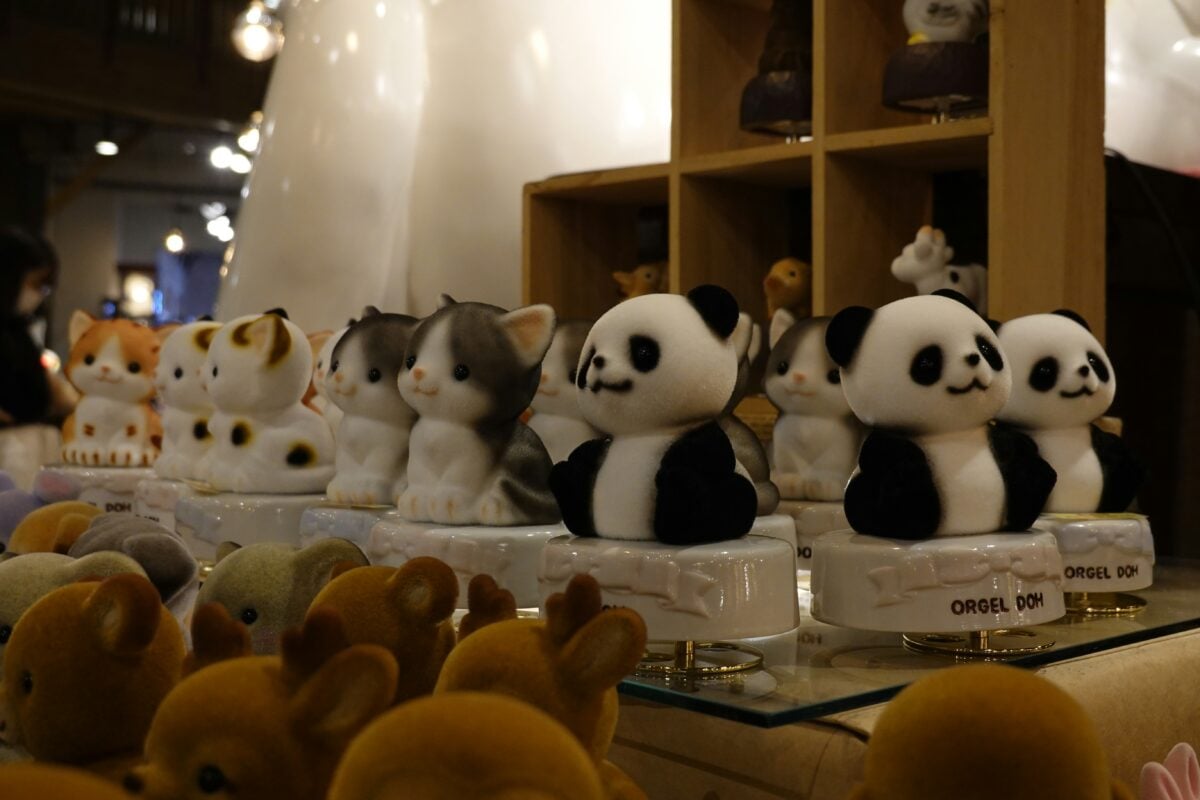
Ceramic figurines sprouted green hair made of chia seeds over the course of several weeks. The commercials promised lush, full growth that rarely matched reality.
Most Chia Pets developed patchy, uneven sprouts that looked more diseased than decorative. The appeal lay in the promise of transformation — watching something grow from nothing felt magical, even when the results disappointed.
Kids watered their Chia Pets religiously for about two weeks before losing interest in the slow, uneven progress.
Sea Monkeys
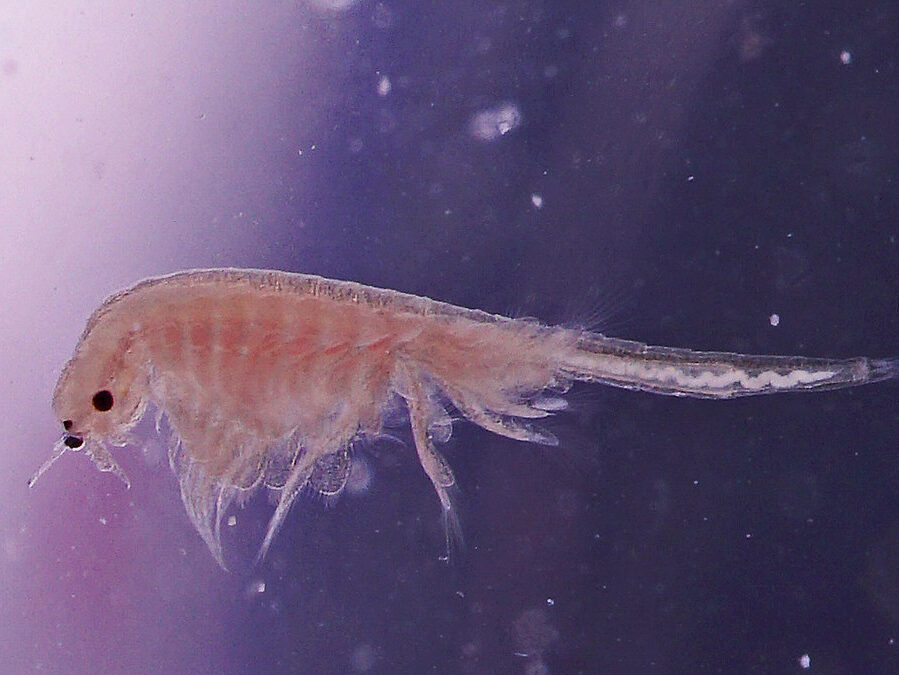
Brine shrimp sold as tiny underwater families complete with illustrated advertisements showing humanoid creatures living in aquatic cities. The reality involved nearly microscopic translucent specks swimming in cloudy salt water.
The disappointment was immediate and crushing. The marketing bordered on fraudulent, promising pets that would perform tricks and live in elaborate underwater kingdoms.
What arrived looked nothing like the cartoon families depicted in comic book ads. Yet kids kept buying them, hoping their batch would somehow match the impossible promises.
Slap Bracelets
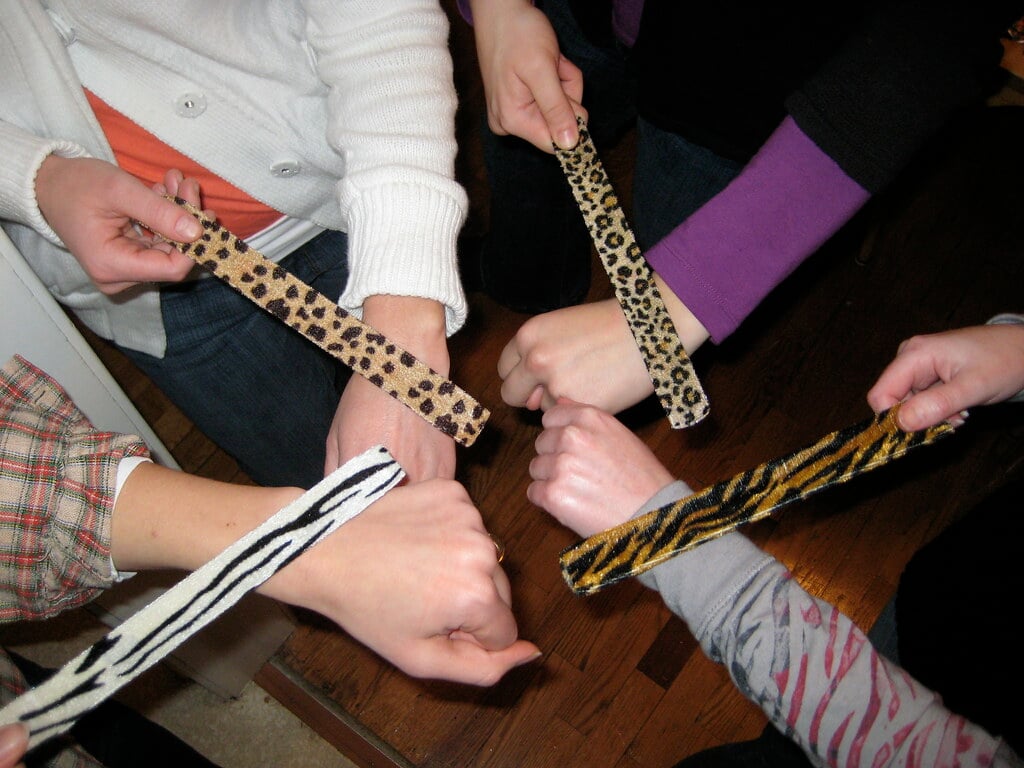
Metal strips covered in fabric that curled around wrists when slapped against skin — the satisfying snap and instant bracelet formation created an irresistible sensory experience. Schools banned them after reports of injuries from exposed metal edges and sharp corners, but kids kept smuggling them in anyway.
The banned status only increased their appeal, turning slap bracelets into contraband accessories passed between friends like secret messages. Teachers confiscated them with the resigned frustration of people fighting a losing battle against physics-defying jewelry.
Giga Pets
The Tamaguchi knockoffs came in different animals and themes but followed the same demanding care requirements (feed every few hours, clean up messes, provide entertainment, or watch your digital companion wither away from neglect while emitting guilt-inducing beeps and displaying increasingly pathetic animations until it finally died, usually at the worst possible moment like during a family dinner or while you were taking a test). Different brands offered slight variations — some had games, others focused on evolution through different life stages, but all shared the same fundamental design flaw of requiring constant human attention to prevent virtual death.
And yet kids collected multiple Giga Pets, creating an impossible juggling act of digital responsibilities. Managing three electronic pets simultaneously was like being a very bad zookeeper with very needy animals.
Virtual Reality Pets
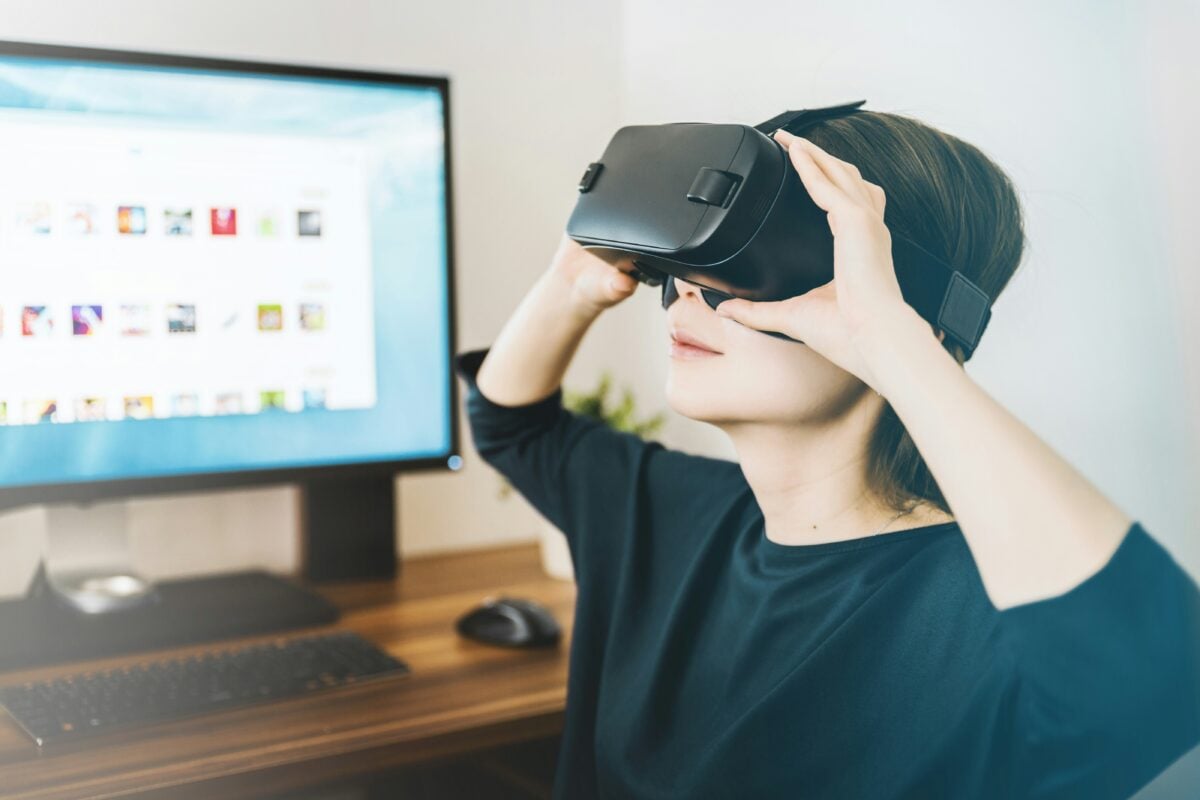
Early attempts at combining digital pets with primitive VR technology resulted in clunky headsets that displayed low-resolution creatures in basic environments. The graphics were terrible, the headsets were uncomfortable, and the interaction options were limited to basic commands and feeding.
The technology wasn’t ready, but the concept captured imaginations anyway. Kids endured headaches and eye strain for the chance to “enter” their pet’s world, even when that world looked like a bad video game from 1985.
Puppy Surprise
Plush dogs with zippered bellies containing an unknown number of puppies — three, four, or five babies hidden inside until the moment of discovery. The anticipation of finding out how many puppies were inside drove sales, though the actual number rarely justified the excitement.
Once opened, Puppy Surprise became just another stuffed animal with smaller stuffed animals that were easily lost. The mystery was the entire product; everything after opening was disappointment.
Robot Pets
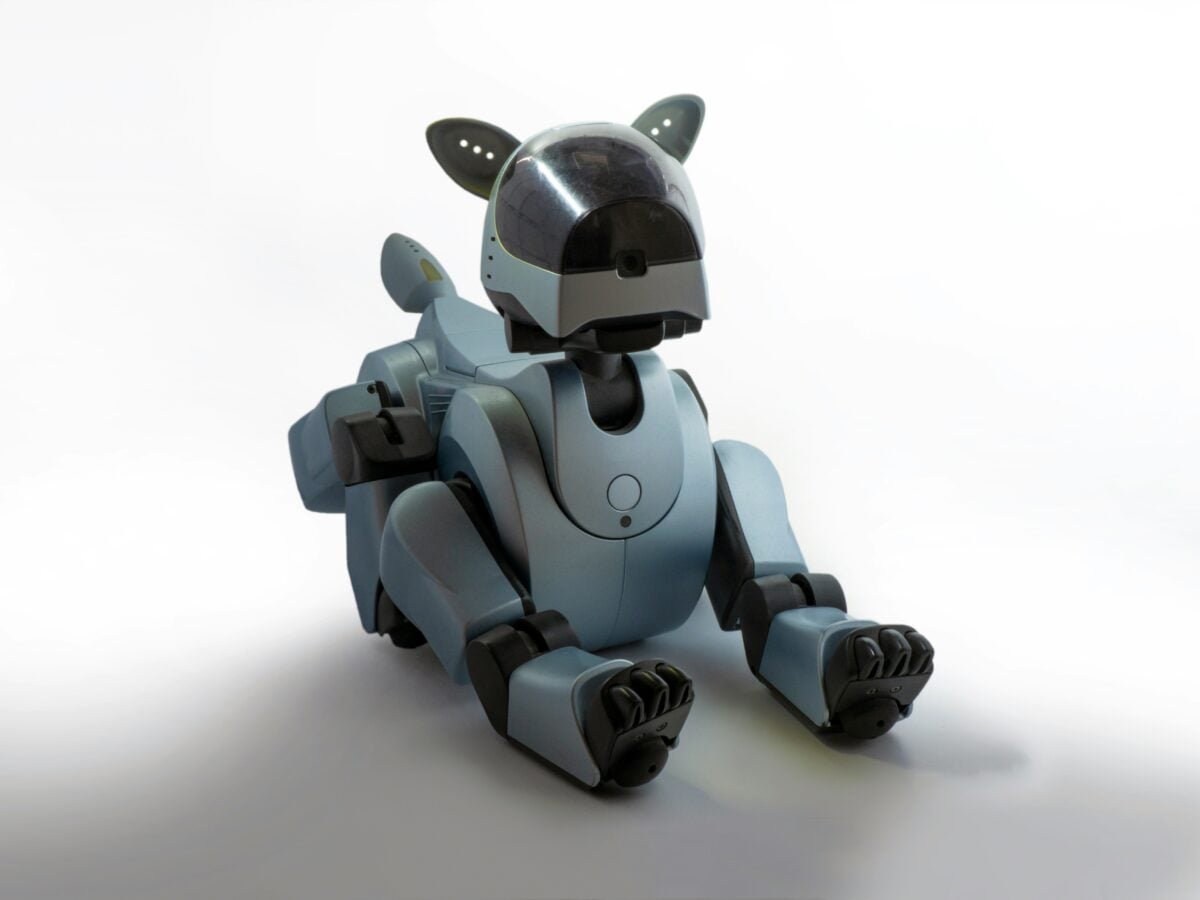
Early robotic dogs and cats promised artificial intelligence and realistic behavior but delivered jerky movements, repetitive actions, and an uncanny valley effect that made them more unsettling than endearing. They responded to voice commands inconsistently and had a habit of malfunctioning at crucial moments.
The technology improved over time, but those first-generation robot pets were clearly prototypes sold to unsuspecting kids. They moved like broken appliances and made mechanical noises that destroyed any illusion of life.
Still, owning a robot pet felt like living in the future, even when the future was clearly malfunctioning.
Micro Pets
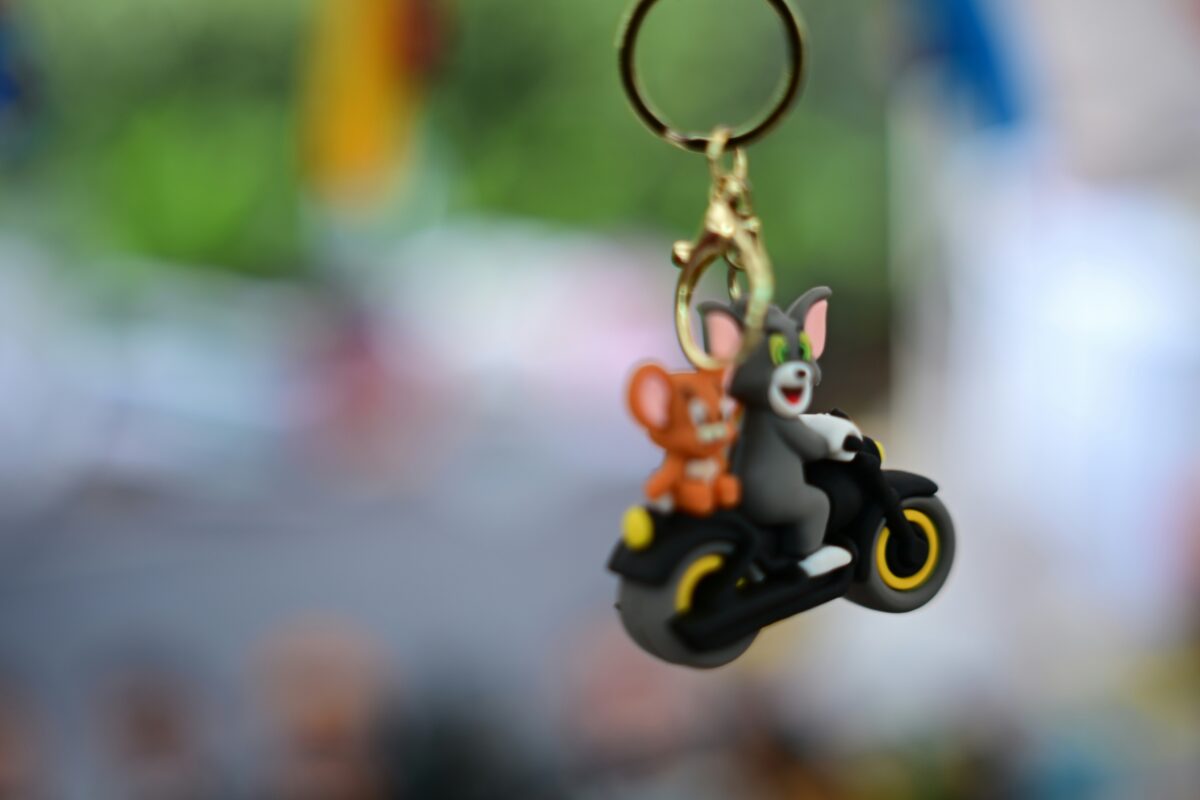
Tiny electronic pets small enough to attach to backpacks or keychains offered simplified versions of the full Tamaguchi experience. They required less constant attention but still managed to die at inconvenient times.
The small screens made it difficult to see what was happening, leading to a lot of blind button pressing and hoping for the best. The reduced size made them easier to hide from teachers but also easier to lose entirely.
Many Micro Pets ended their lives in washing machines after being forgotten in pockets, which was probably a more merciful death than slow digital starvation.
The Cycle Continues
These trends shared certain characteristics — they promised companionship without the mess, responsibility without real consequence, and status through ownership rather than achievement. Each one captured attention completely before disappearing into closets and garage sales.
The kids who begged for Furbies and Tamaguchis are now adults buying digital pets for their smartphones, proving that some impulses never really die, they just find new forms. The need for something small and needy that depends entirely on us seems to be hardwired into human nature, even when we know better.
More from Go2Tutors!

- The Romanov Crown Jewels and Their Tragic Fate
- 13 Historical Mysteries That Science Still Can’t Solve
- Famous Hoaxes That Fooled the World for Years
- 15 Child Stars with Tragic Adult Lives
- 16 Famous Jewelry Pieces in History
Like Go2Tutors’s content? Follow us on MSN.



