Images Of Rare Insects That Look Like Something Else
Nature has a peculiar sense of humor. Walk through any forest, flip over any log, or peer into any garden corner, and you’ll find creatures that seem to have borrowed their appearance from completely different worlds.
Some insects have evolved to look so much like leaves, flowers, or even bird droppings that your brain has to work overtime to process what you’re actually seeing.
These masters of disguise didn’t develop their uncanny resemblances by accident. Millions of years of evolution have sculpted them into living optical illusions, each one a testament to the strange creativity that emerges when survival is on the line.
Walking Stick Insects
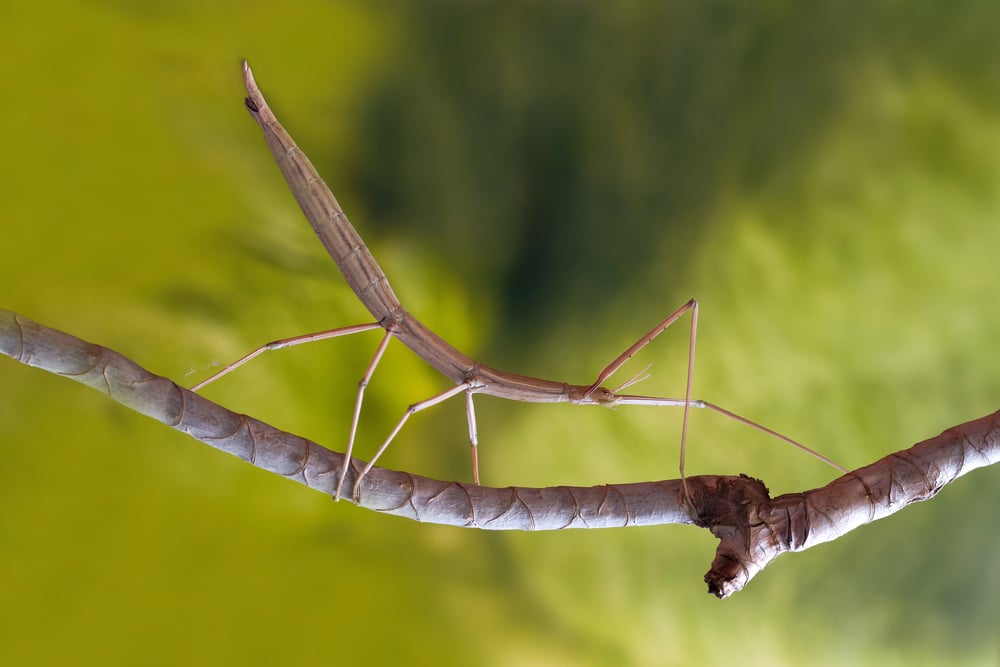
These creatures take minimalism to an absurd extreme. Brown, thin, motionless.
They’ve perfected the art of being completely forgettable. Most people walk past dozens of them without noticing.
That’s exactly the point.
Orchid Mantises

The orchid mantis doesn’t just hide among flowers — it becomes one, complete with petal-shaped legs and coloring that shifts between white and pink depending on its surroundings. And here’s where things get interesting (because evolution apparently has a sense of irony): these mantises don’t actually live on orchids most of the time.
They’ve evolved to look like a flower that isn’t even their primary habitat, which means they’re essentially walking around in costume as something they’re not, fooling both predators and prey with an identity they’ve borrowed from somewhere else entirely. The female mantises, which can grow to about two inches, are particularly elaborate in their floral mimicry.
But the males are different. Smaller, less ornate, more concerned with survival than seduction.
Dead Leaf Mantises
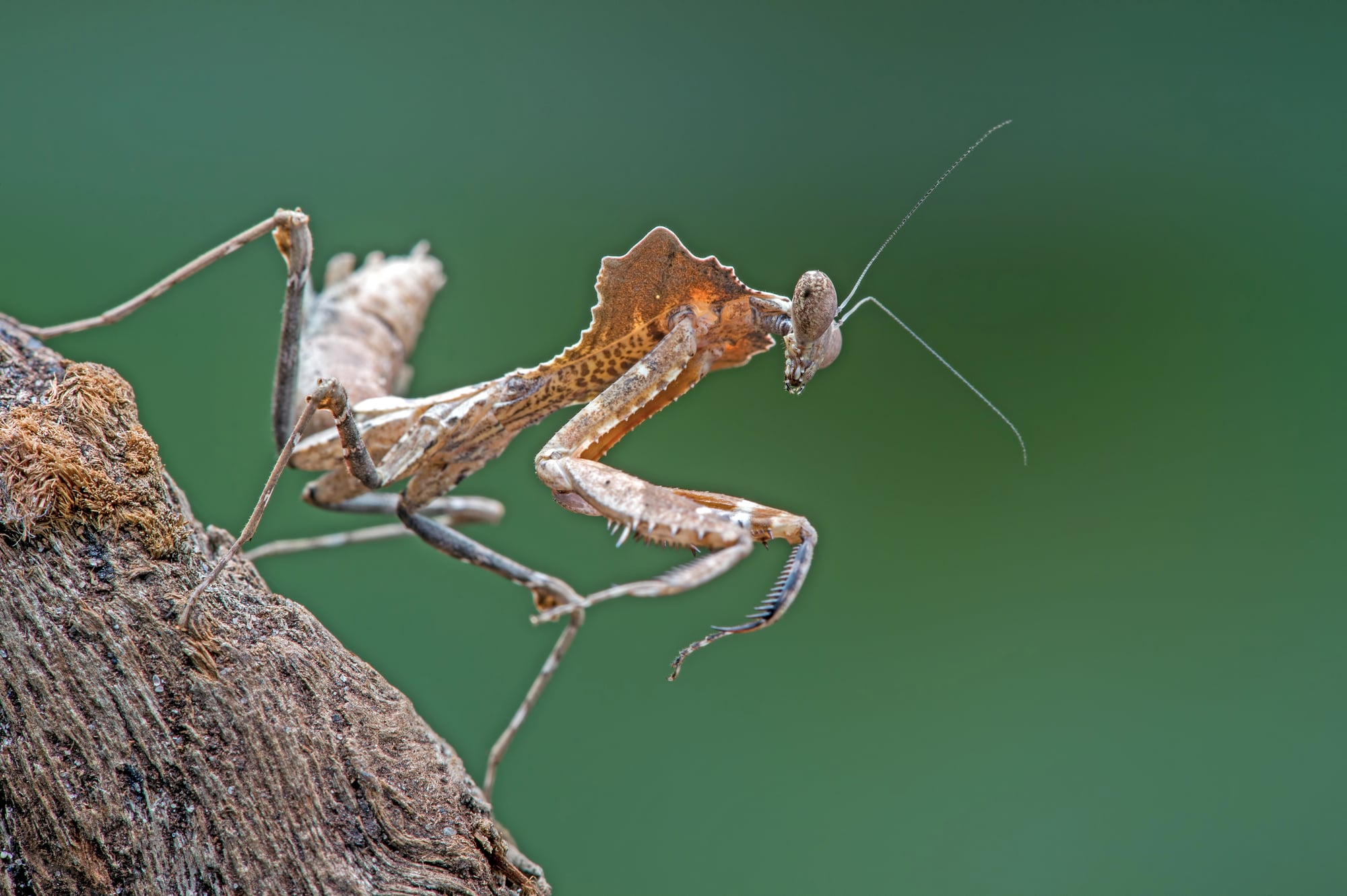
Picture a brown leaf that’s given up on life. Curled edges, mottled surface, the kind of decay that makes you think autumn lasted too long.
Now imagine it suddenly grabbing a fly out of midair. That’s the dead leaf mantis in action.
Thorn Bugs
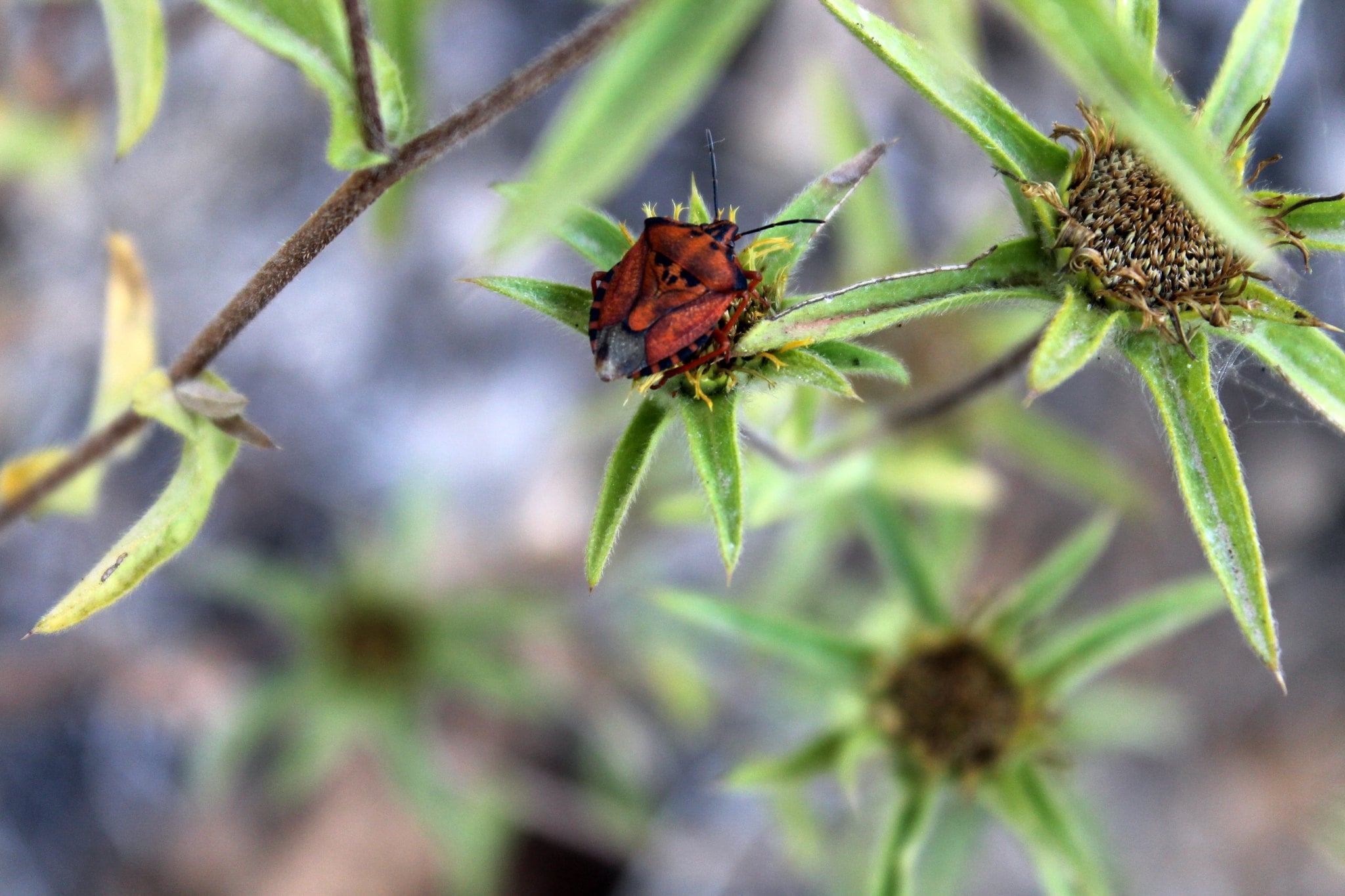
There’s something almost stubborn about the way thorn bugs commit to their disguise — they don’t just look like plant thorns, they arrange themselves along branches in the exact spacing and angles that real thorns would take, as if they’ve studied architecture and decided that blending in requires not just the right appearance but the right sense of spatial design. When they cluster together on a stem, the effect is so convincing that your hand will pull back before your brain catches up.
Even their nymphs, tiny and translucent, position themselves with the same deliberate precision. It’s the kind of evolutionary perfectionism that makes you wonder if insects might be better at interior decorating than humans are.
Stick Bugs
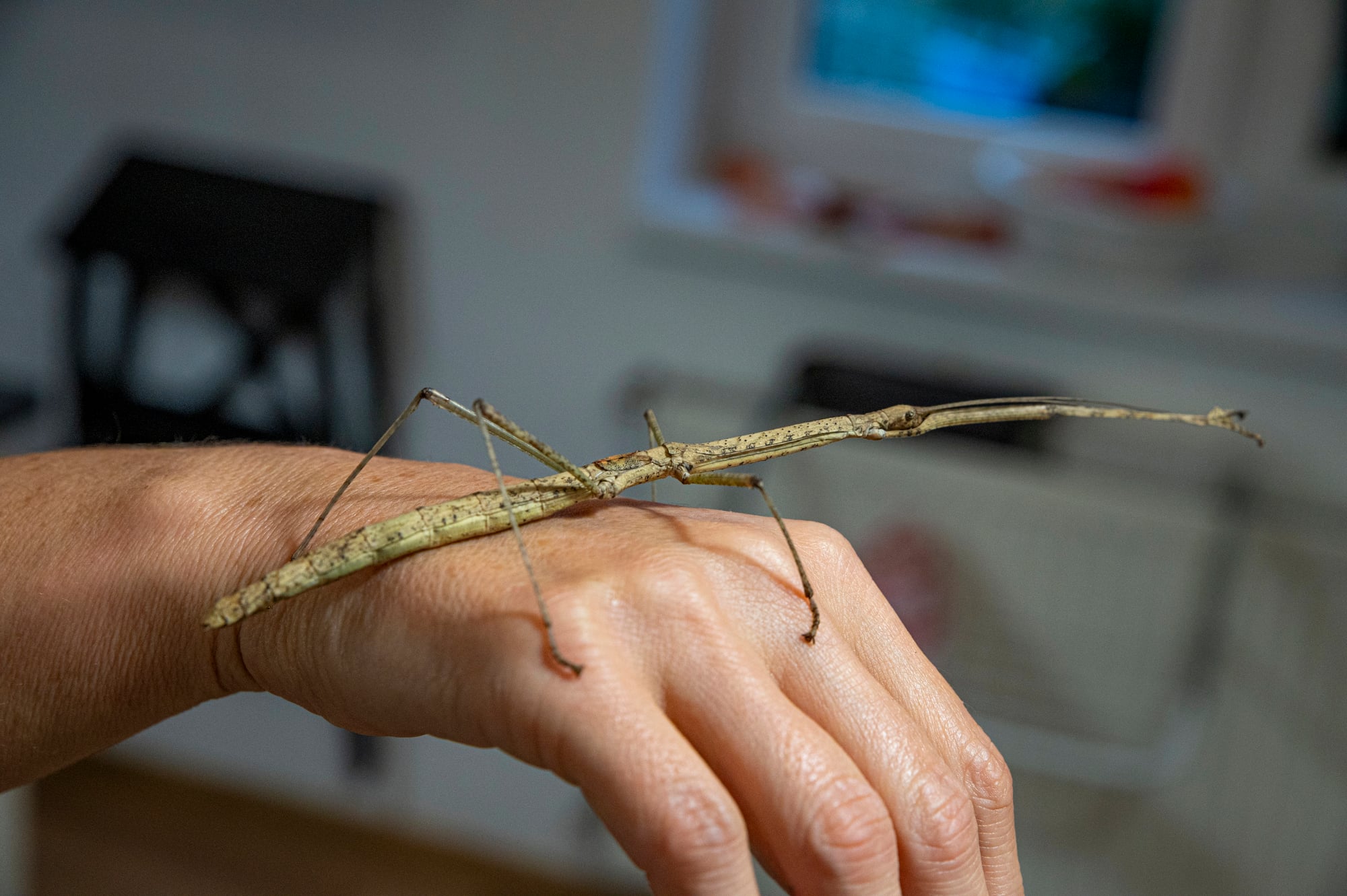
Stick bugs have mastered the art of being aggressively boring. No flash, no flair, no personality whatsoever.
Just brown, thin, and committed to doing absolutely nothing interesting for hours at a time. This approach works better than it has any right to.
Predators scan right past them, looking for something that moves, something that catches light, something that looks remotely edible. Stick bugs offer none of these things.
Leaf Insects
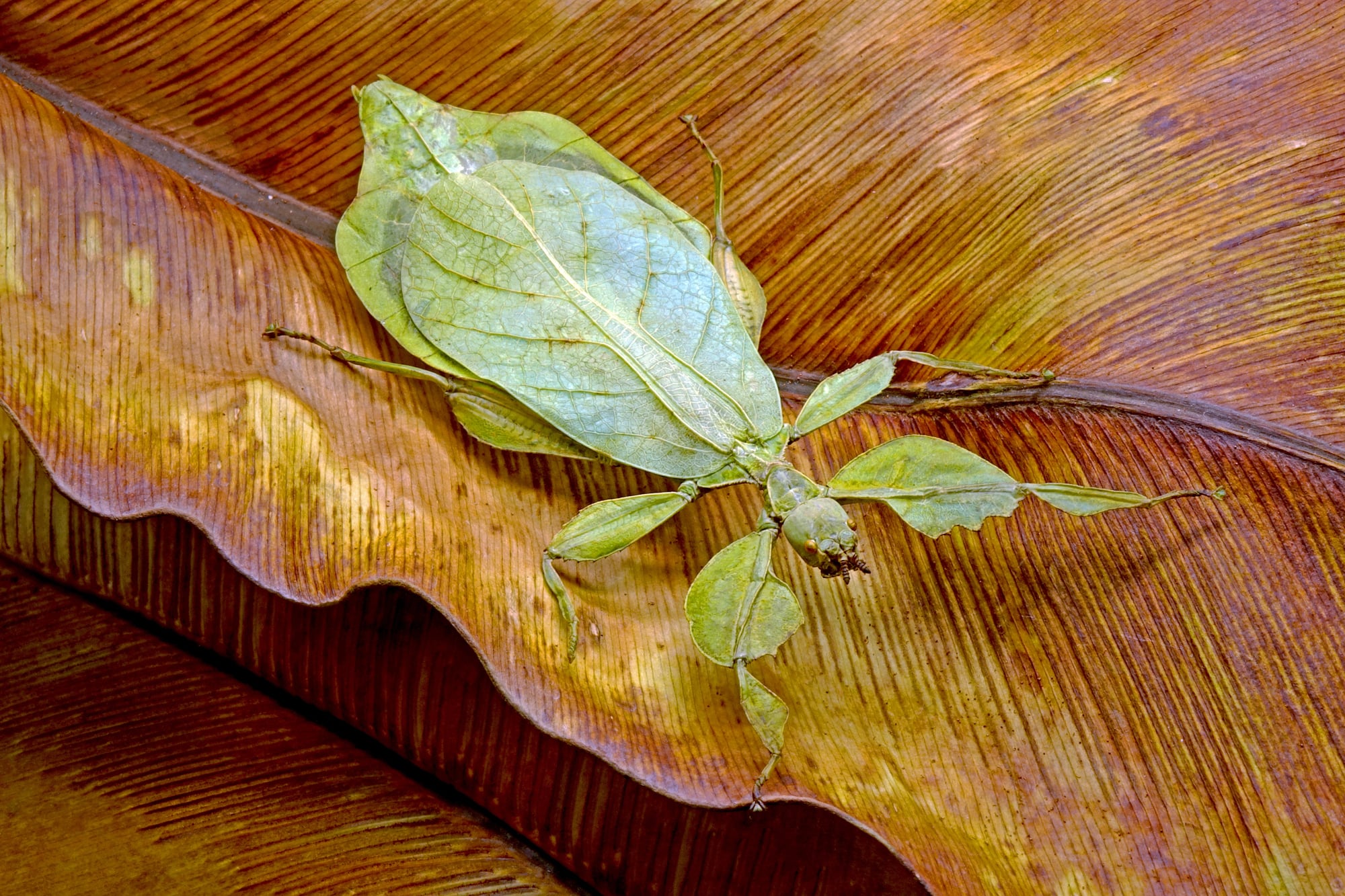
A leaf insect resting on an actual leaf creates the kind of visual puzzle that makes your eyes water slightly — you know there’s something wrong with what you’re seeing, but parsing exactly what requires the kind of focused attention usually reserved for optical illusions in psychology textbooks. Their wings carry the intricate vein patterns of real leaves, complete with brown spots that mimic age and wear.
While their legs flatten into shapes that could pass for smaller leaves that have somehow attached themselves to the larger one. The females are particularly elaborate, broad and green with edges that look genuinely nibbled by other insects.
And when they move — which they do slowly, with the deliberate sway that leaves take in a gentle breeze — the illusion becomes almost aggressive in its completeness.
Flower Mantises
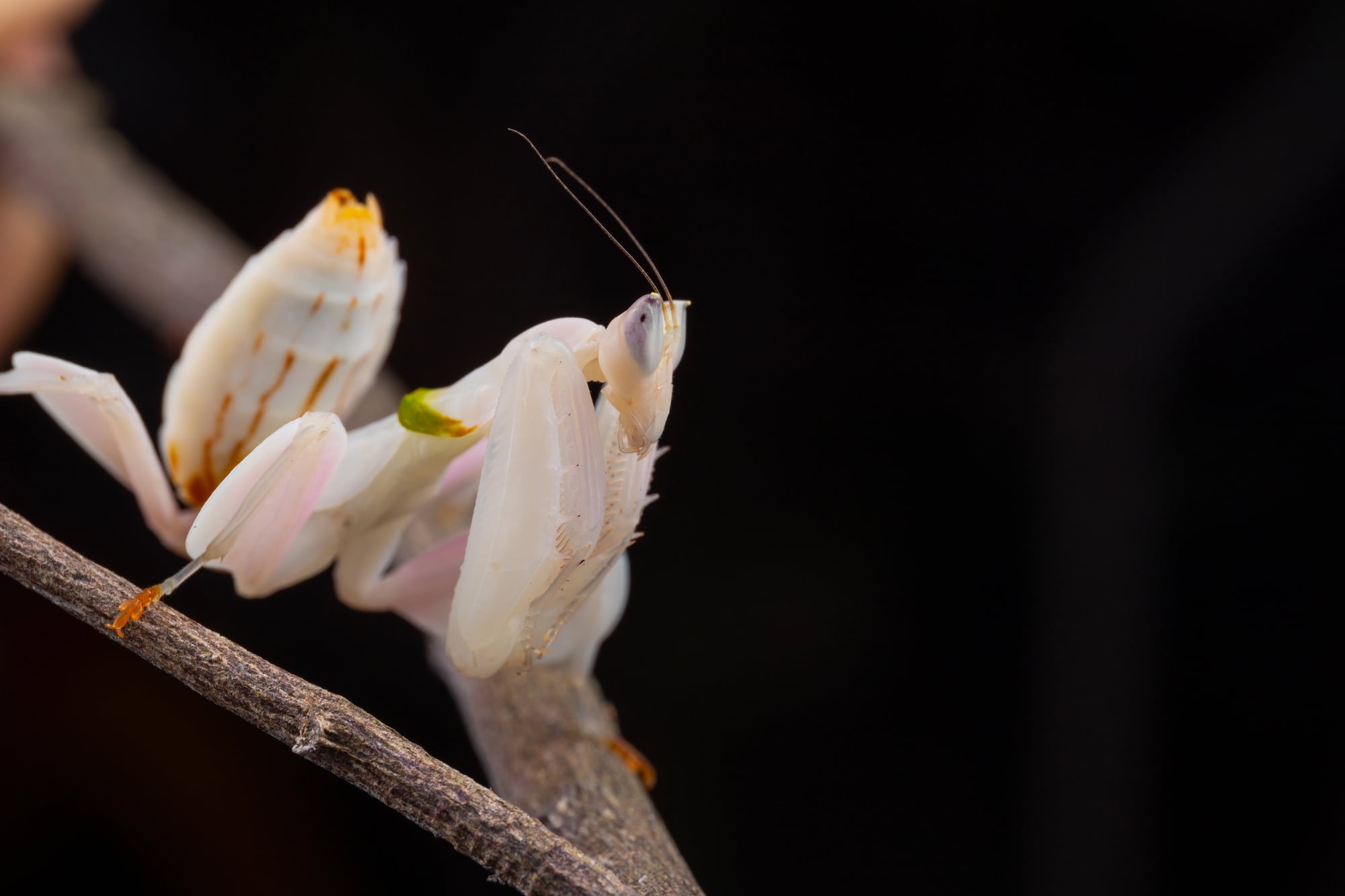
Flower mantises don’t wait for pollinators to come to them. They become the flower, then eat whatever shows up for nectar.
It’s a business model that’s both beautiful and ruthless. The mantis sits perfectly still, looking like something that would attract bees and butterflies, then strikes when they get close enough.
Nature’s version of a very pretty trap.
Bark Mantises
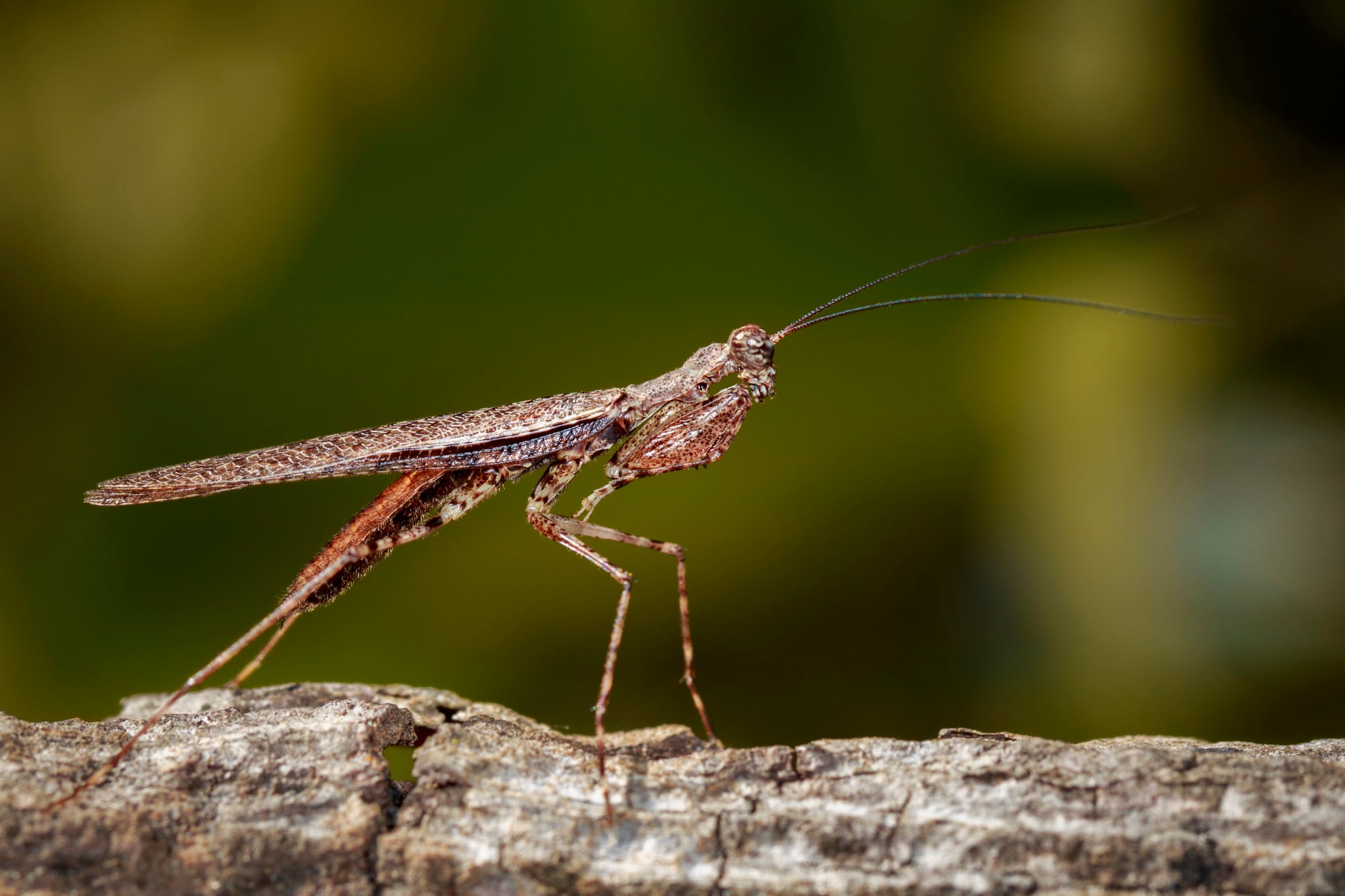
The bark mantis has perfected the aesthetic of something that’s been dead for a while but hasn’t gotten around to falling off the tree yet — mottled gray and brown, with a texture that suggests decay and a shape that implies it was never particularly important to begin with. When one presses itself against tree bark, it doesn’t just blend in; it disappears so completely that finding it again requires the kind of patient searching usually reserved for lost contact lenses.
Their stillness isn’t the frozen alertness of most predatory insects. It’s the genuine motionlessness of something that has committed entirely to being mistaken for tree debris.
Moss Mantises
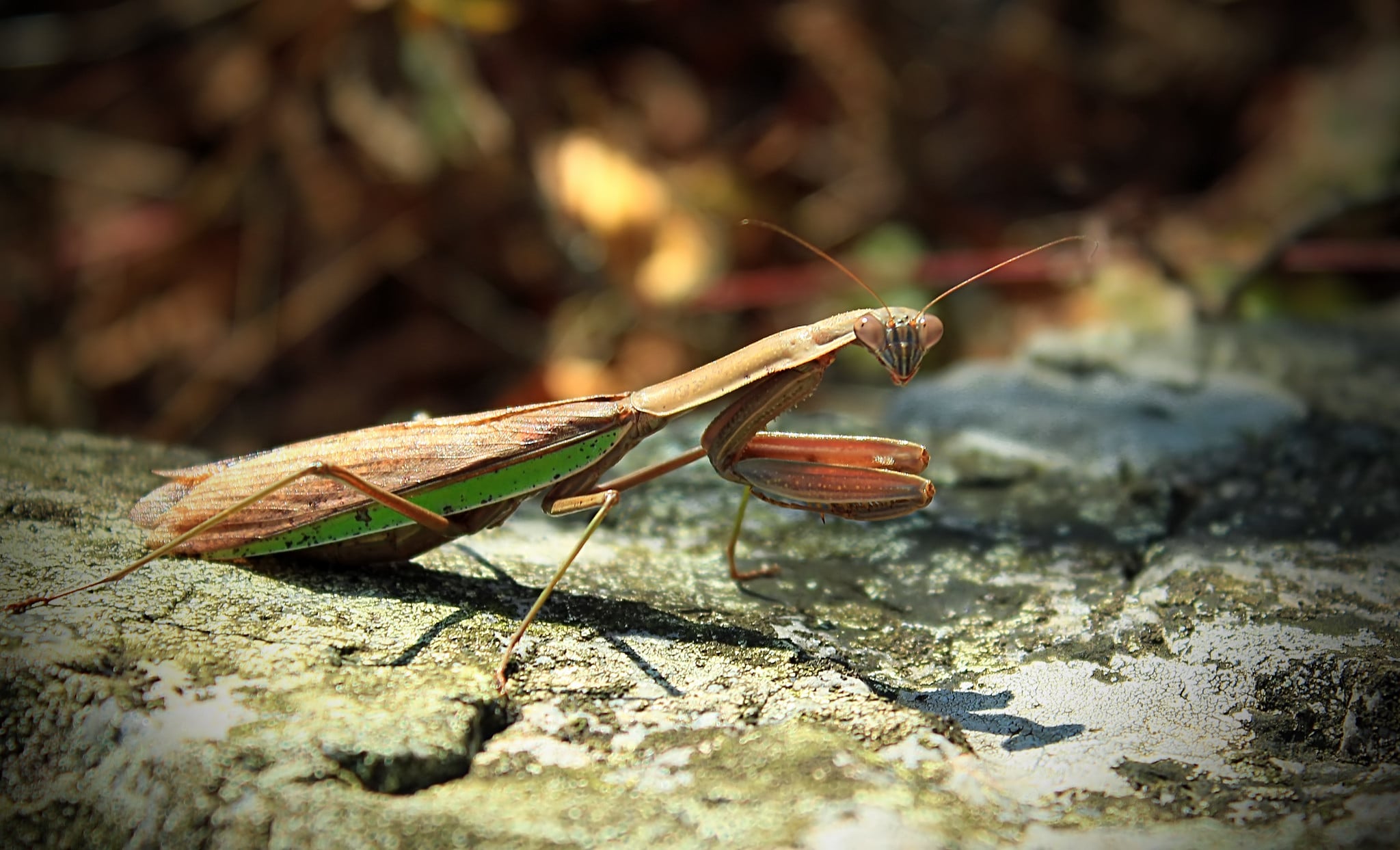
Moss mantises look like tiny forests decided to grow legs and start hunting. Green, textured, impossibly intricate.
They’ve evolved to match something so specific that finding them feels like winning a very difficult game. The level of detail is almost offensive.
Every surface mimics the fine, fuzzy texture of moss. Even their eyes blend into the overall pattern.
Leafhopper Nymphs
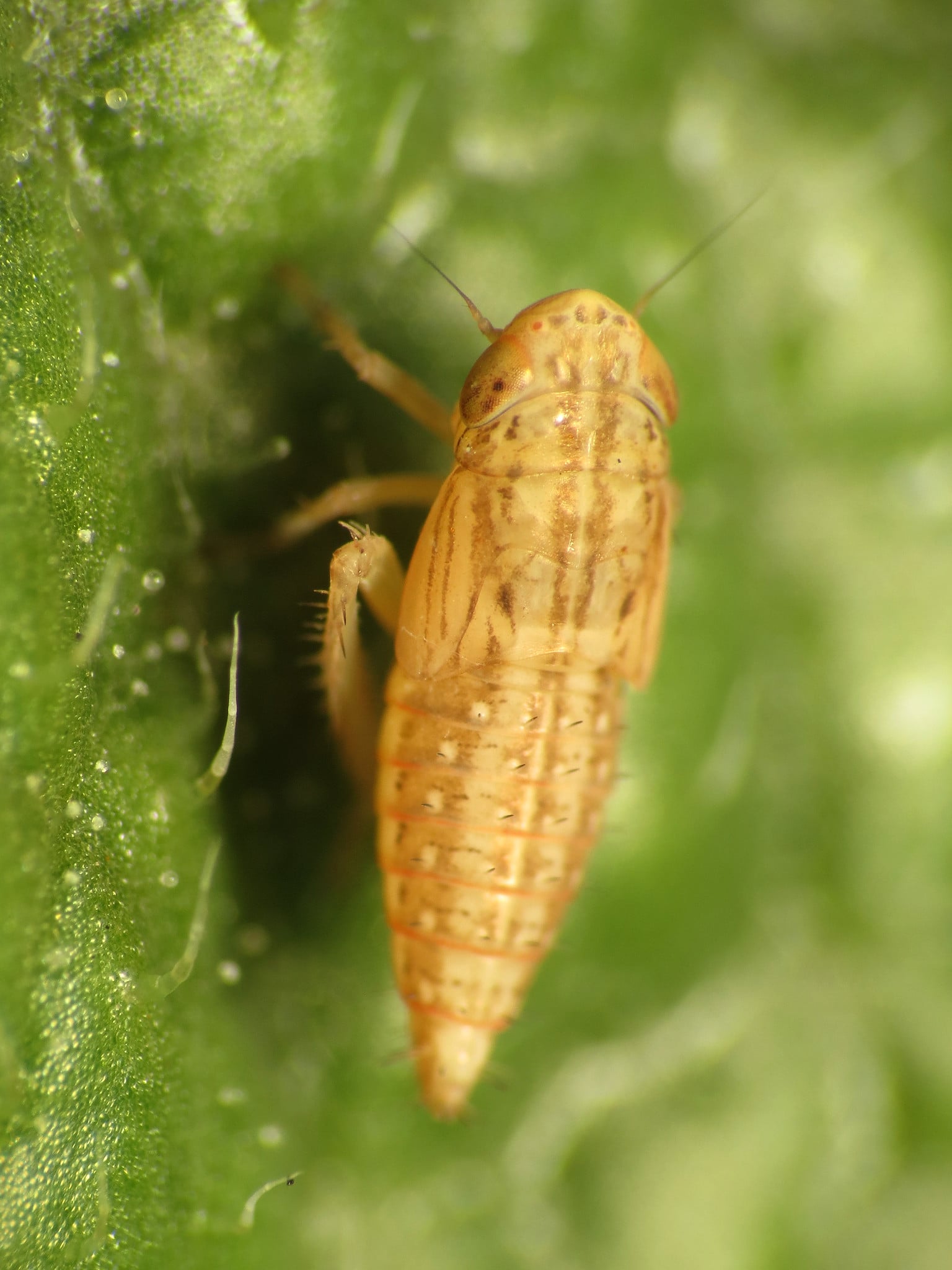
Leafhopper nymphs take a different approach to camouflage: instead of looking like something beautiful or impressive, they’ve evolved to resemble bird droppings, which is perhaps the most practical form of disguise available in nature since absolutely nothing wants to eat bird droppings. They’re small, white and brown, irregularly shaped, and they position themselves on leaves with the casual randomness that actual bird droppings would display.
It’s not glamorous, but it works with an efficiency that’s hard to argue with. The adults eventually develop wings and abandon this particular aesthetic, but the nymphs have found their niche in looking completely unappetizing.
Ghost Mantises
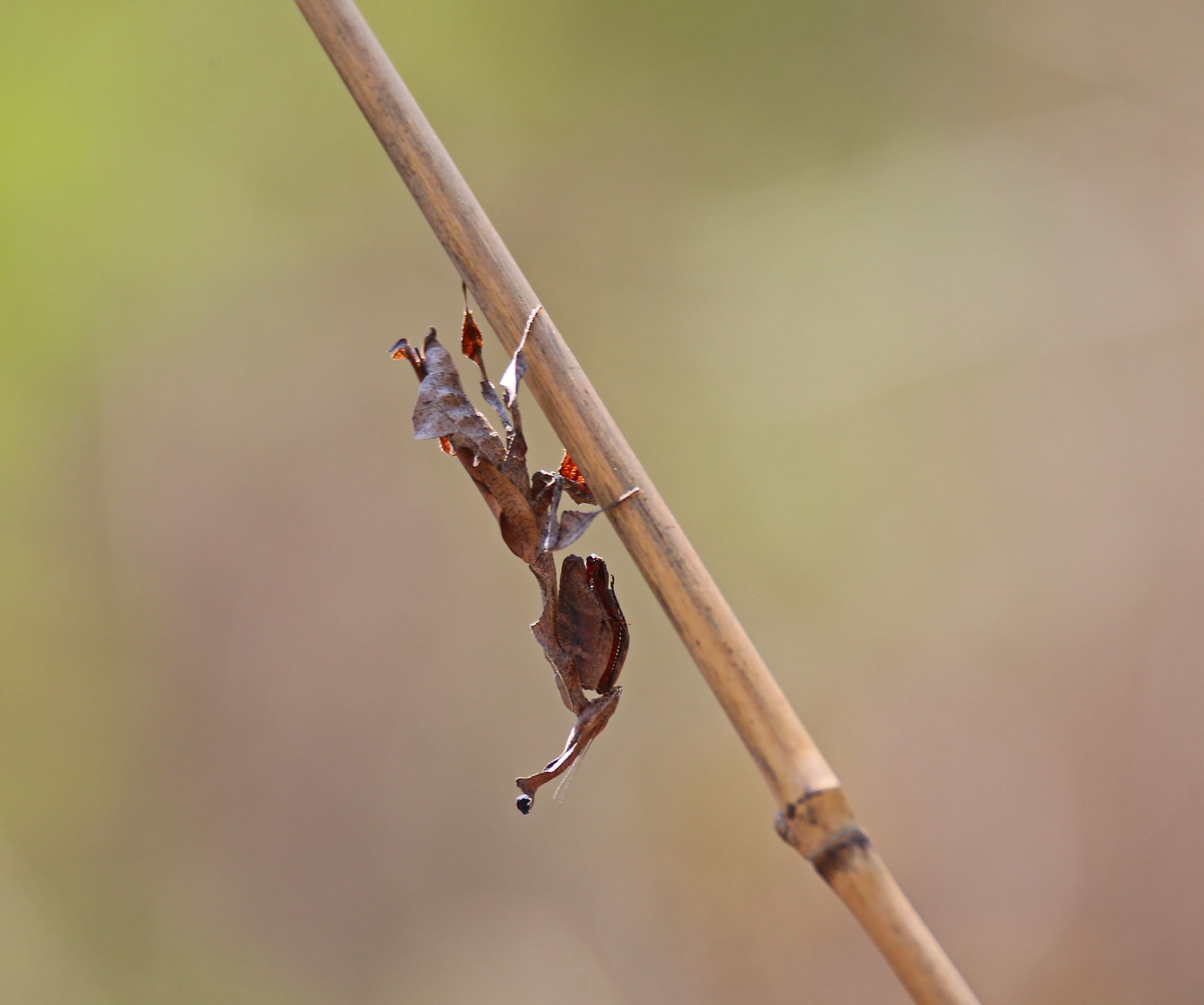
Ghost mantises embody the concept of something that’s not quite there. Pale, translucent, with edges that seem to fade into whatever background they’re pressed against.
They move like shadows, hunt like whispers, and disappear the moment you’re not looking directly at them. If insects could haunt places, ghost mantises would be the ones doing it.
Lichen Mantises
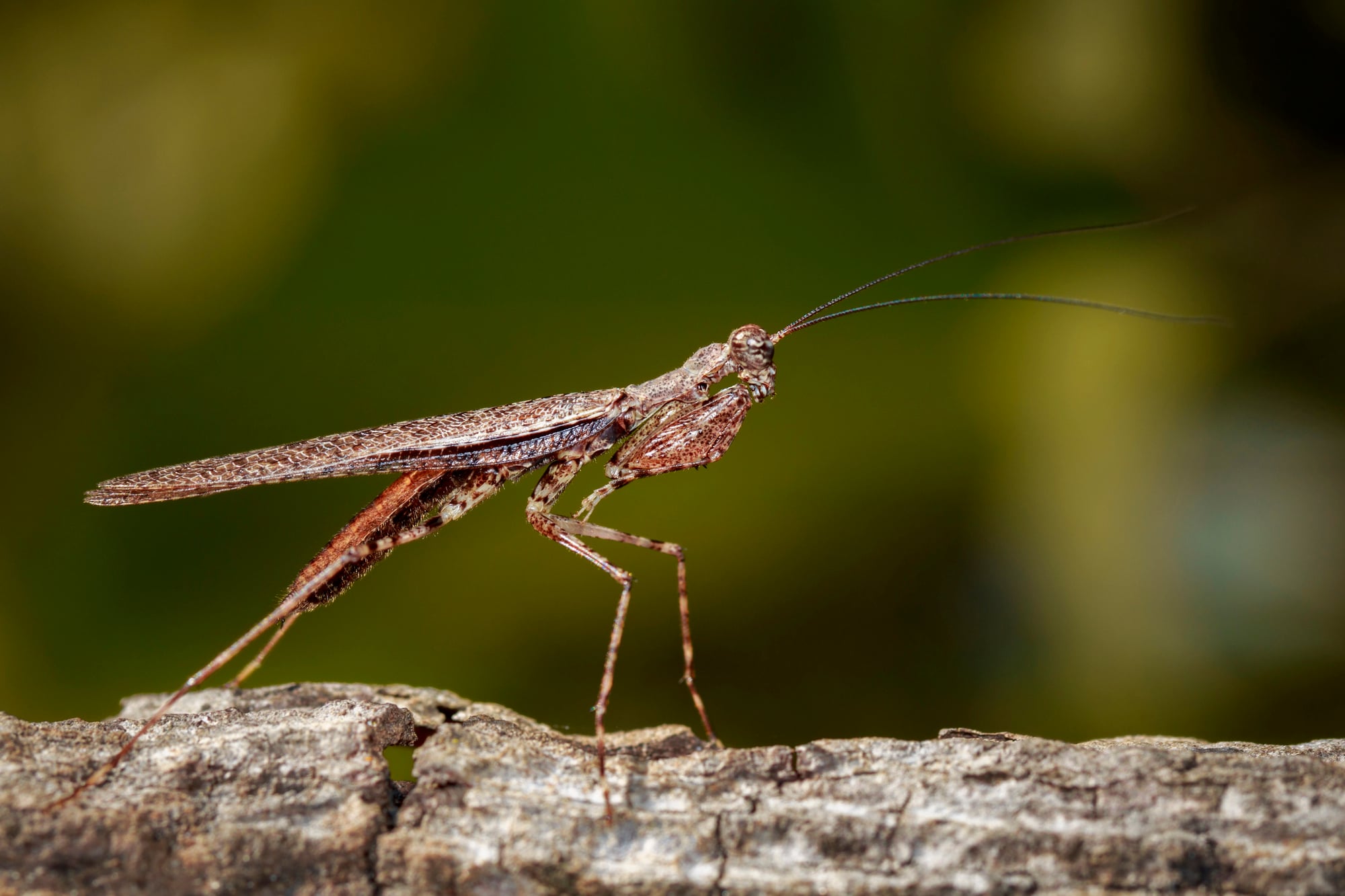
The lichen mantis has achieved something that borders on the supernatural: it looks like crusty, old lichen that’s been growing on bark for decades, complete with the irregular patches, the slightly three-dimensional texture, and the general appearance of something that time forgot. When these mantises position themselves on lichen-covered surfaces, they don’t just blend in — they become part of an ecosystem that seems to have been undisturbed for years.
Their coloration shifts subtly depending on their environment, adjusting to match the particular shade and pattern of whatever lichen they’re imitating. And they wait, motionless, looking like the most boring thing on the tree until something edible wanders close enough.
Spiny Flower Mantises
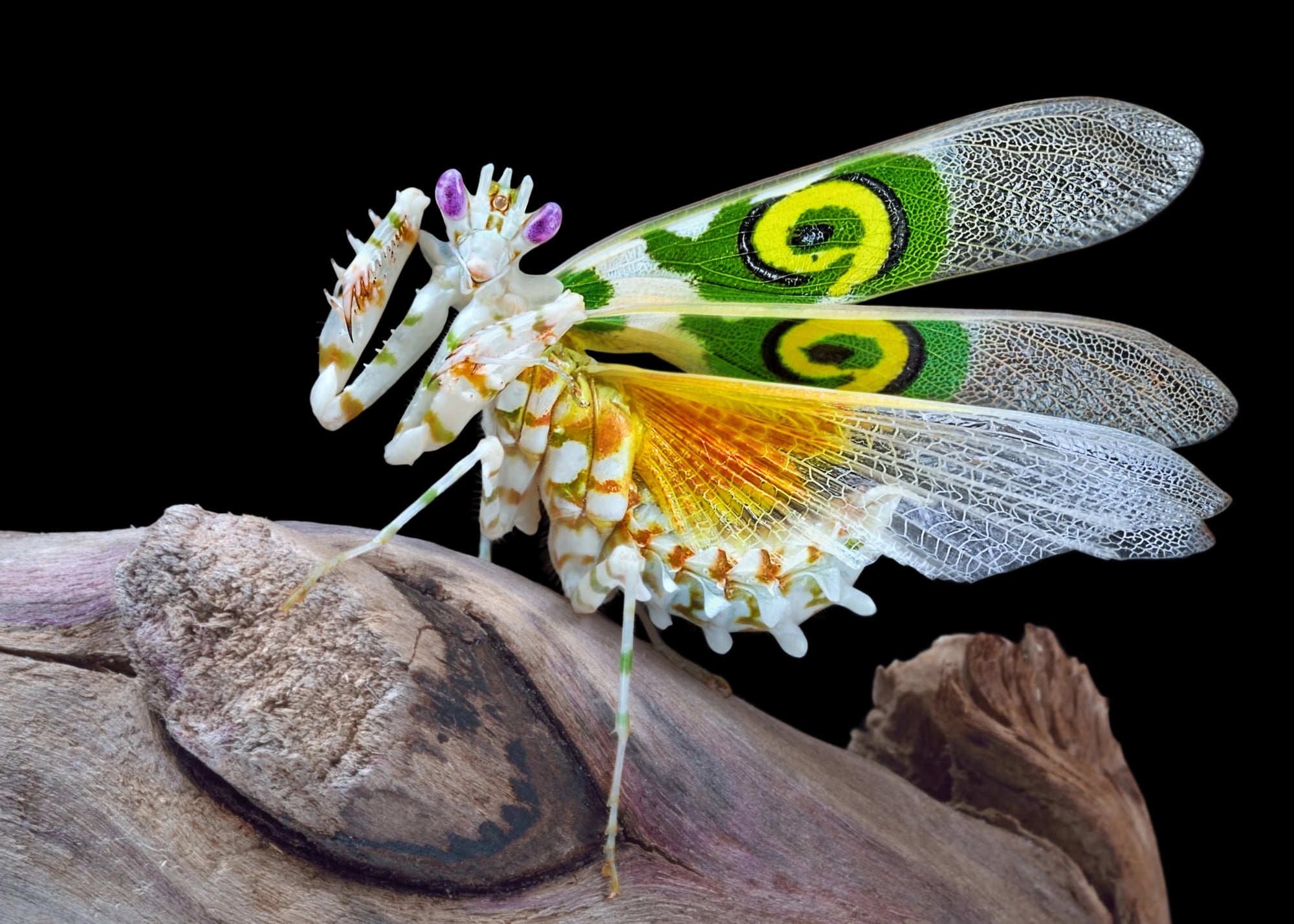
Spiny flower mantises look like someone decided flowers needed more attitude. Pink, white, aggressive.
They’re beautiful enough to attract prey and dangerous enough to catch it. The spines aren’t just for show.
They help break up the mantis’s outline, making it even harder to distinguish from the complex shapes of actual flowers.
The Art Of Not Being Seen
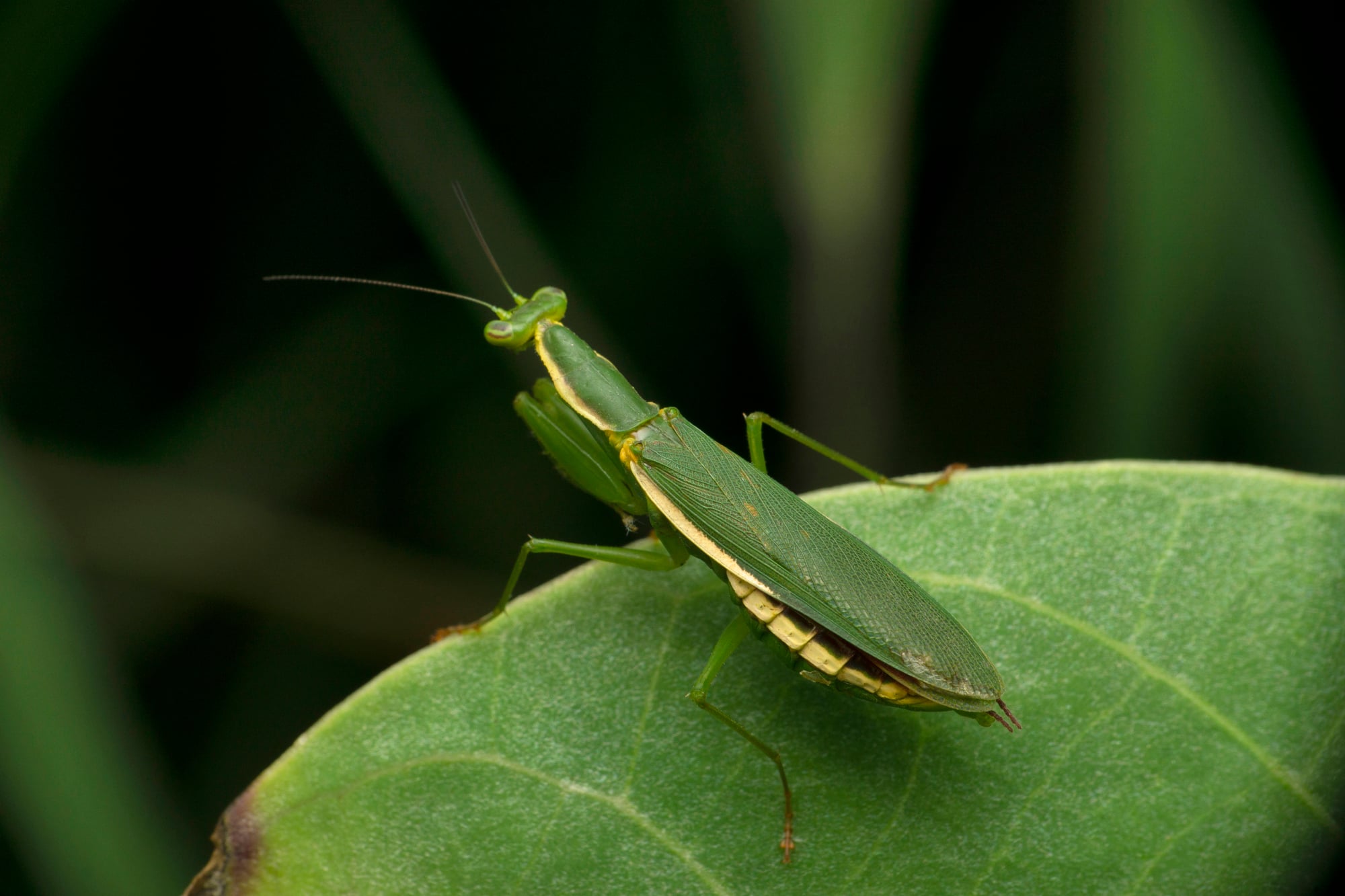
These insects have stumbled onto something that human artists spend careers trying to master: the ability to become something else entirely without losing what makes them functional. They’re not just wearing costumes — they’ve rewritten their entire physical existence around the idea that the best way to survive is to be mistaken for something completely different.
And perhaps that’s the most remarkable thing about them. In a world full of creatures trying to stand out, these insects have found power in disappearing.
More from Go2Tutors!

- The Romanov Crown Jewels and Their Tragic Fate
- 13 Historical Mysteries That Science Still Can’t Solve
- Famous Hoaxes That Fooled the World for Years
- 15 Child Stars with Tragic Adult Lives
- 16 Famous Jewelry Pieces in History
Like Go2Tutors’s content? Follow us on MSN.