16 Assassinated World Leaders and Their Lasting Legacy
History has a way of turning tragedy into transformation. When a leader falls to an assassin’s bullet or blade, their death often echoes far beyond the moment of impact, reshaping nations and redefining the course of human events.
Some assassinations snuff out movements entirely, while others paradoxically strengthen the very causes they aimed to destroy.
The leaders who met violent ends weren’t just individuals — they were symbols, ideas made flesh, walking representations of change that someone, somewhere, found threatening enough to kill. Their deaths remind us that leadership carries risks that extend far beyond bad polls or failed policies.
Abraham Lincoln
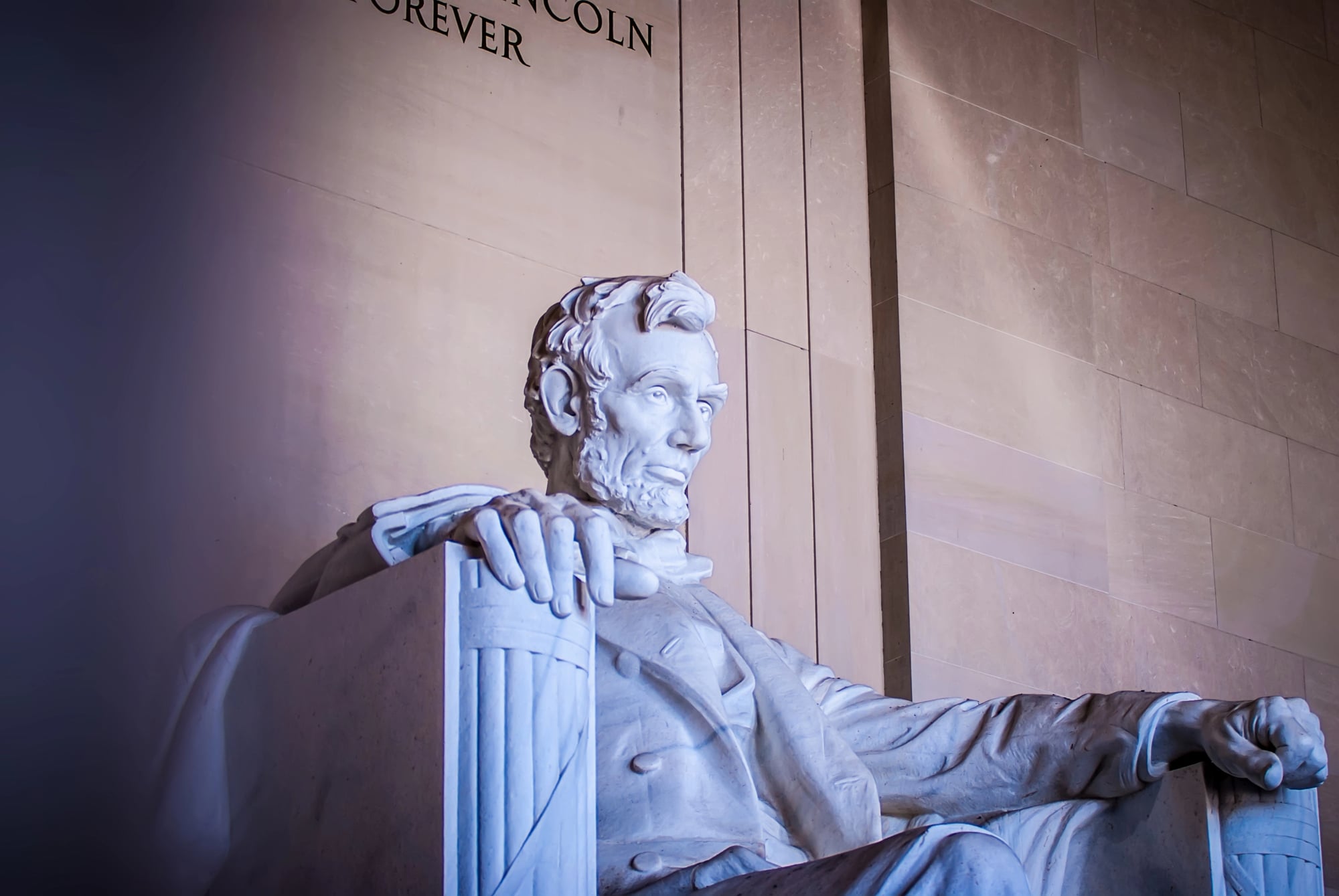
Lincoln’s assassination turned a polarizing president into America’s secular saint. John Wilkes Booth pulled that trigger thinking he was striking a blow for the Confederacy.
Instead, he handed Lincoln immortality.
The timing sealed Lincoln’s legacy in ways natural death never could have. Shot just days after the war’s end, Lincoln became the martyr who died for union and freedom rather than the politician who would have wrestled with Reconstruction’s messy realities.
Booth inadvertently created the Lincoln we remember today — the Great Emancipator frozen in time at his moment of triumph.
Julius Caesar
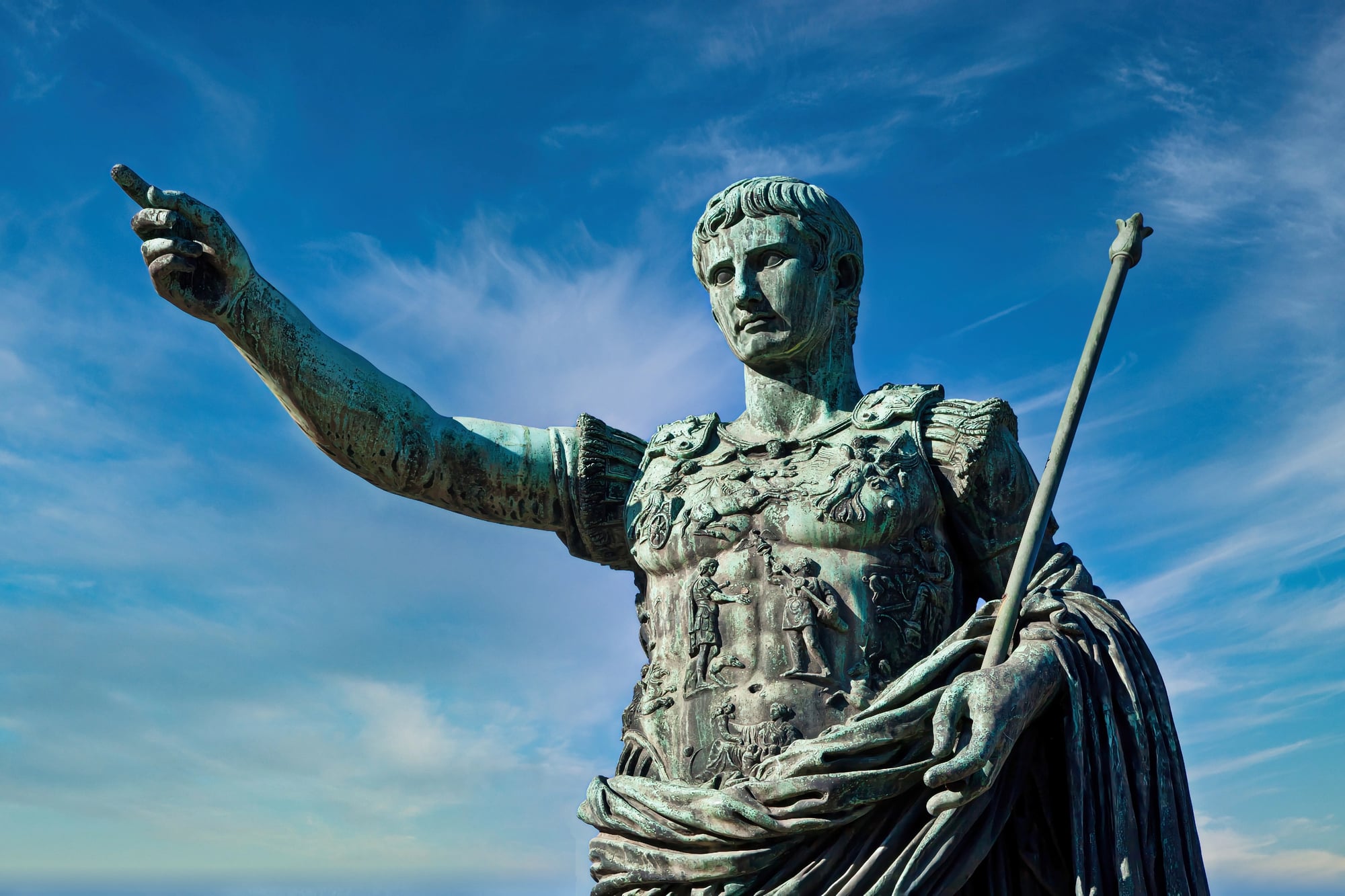
The Ides of March gave us history’s most famous political murder, and yet Caesar’s death accomplished exactly the opposite of what his killers intended (because that’s how these things tend to go when you stab someone in front of the entire Roman Senate, which probably should have occurred to Brutus and his co-conspirators beforehand). The senators who drove their daggers into Caesar believed they were saving the Roman Republic from tyranny — but what they actually did was ensure its transformation into the very empire they feared, since Caesar’s death created a power vacuum that his adopted son Octavian would fill by becoming Augustus, the first Roman emperor.
And so the republic died anyway, just with more blood on the Senate floor and a civil war thrown in for good measure.
Mahatma Gandhi
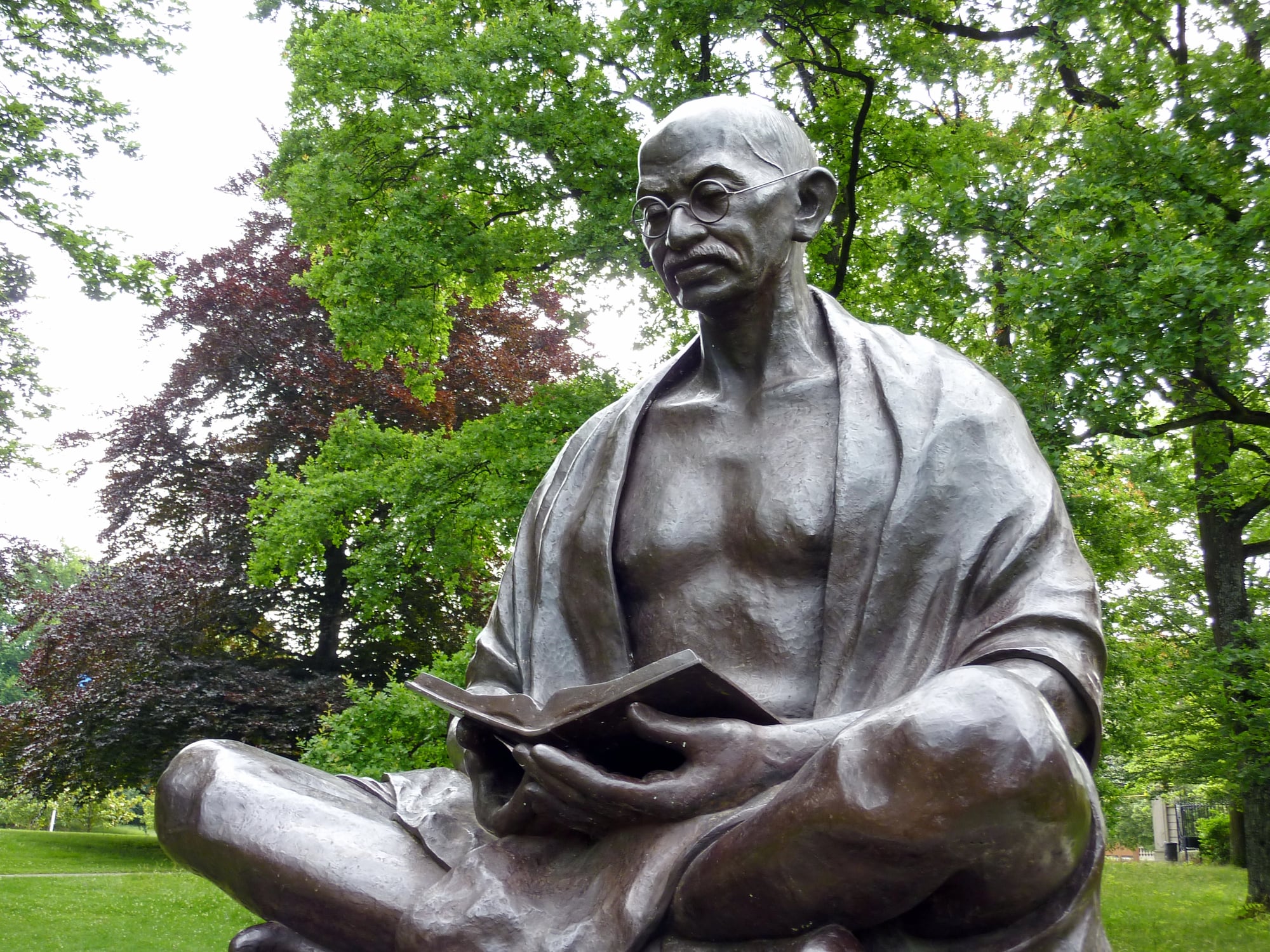
Gandhi’s death by assassination feels almost cosmically wrong — like violence finally catching up to the one person who had transcended it. The man who had shown India how to break free from British rule without firing a shot was killed by one of his own, a Hindu nationalist who believed Gandhi was too accommodating to Muslims.
But here’s what his killer didn’t understand: martyrdom was always Gandhi’s strongest suit. In death, he became untouchable in a way he never was in life.
The philosophy of non-violent resistance didn’t die with him on that January evening in 1948 — it spread across the globe, inspiring everyone from Martin Luther King Jr. to Nelson Mandela. The bullet that ended Gandhi’s life couldn’t touch his ideas, and those ideas proved more durable than empires.
John F. Kennedy
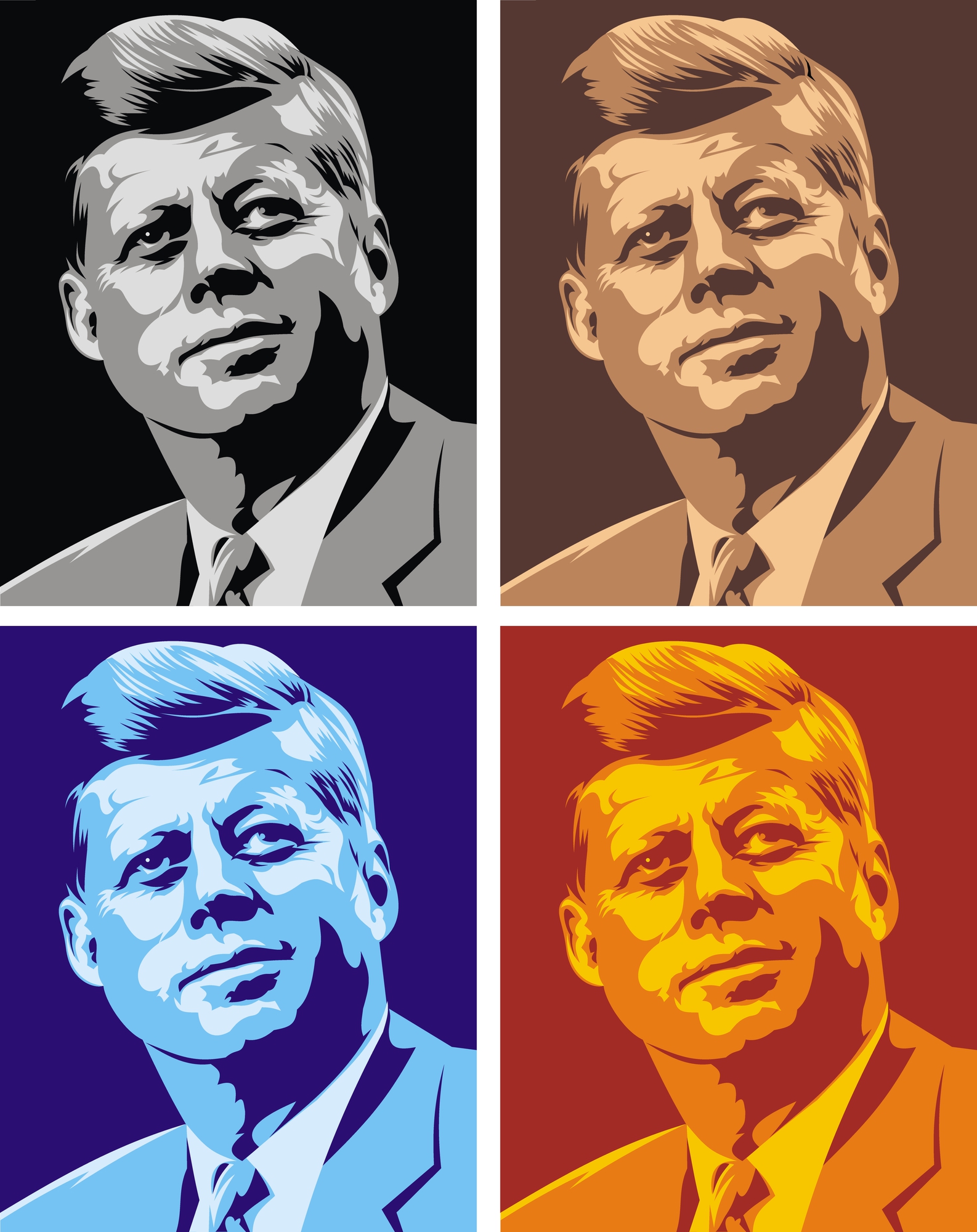
Dealey Plaza froze Kennedy in eternal youth. At 46, he became the president who might have been rather than the one who was, and that transformation matters more than any policy he actually enacted.
The assassination created space for a mythology that reality might never have supported. Would JFK have escalated in Vietnam or found a way out?
Would his personal scandals have eventually surfaced and tarnished his image? The questions became moot the moment Lee Harvey Oswald’s bullets found their target. Instead of answers, America got Camelot — a shimmering vision of what leadership could look like when tragedy cuts it short before disillusionment sets in.
Martin Luther King Jr.
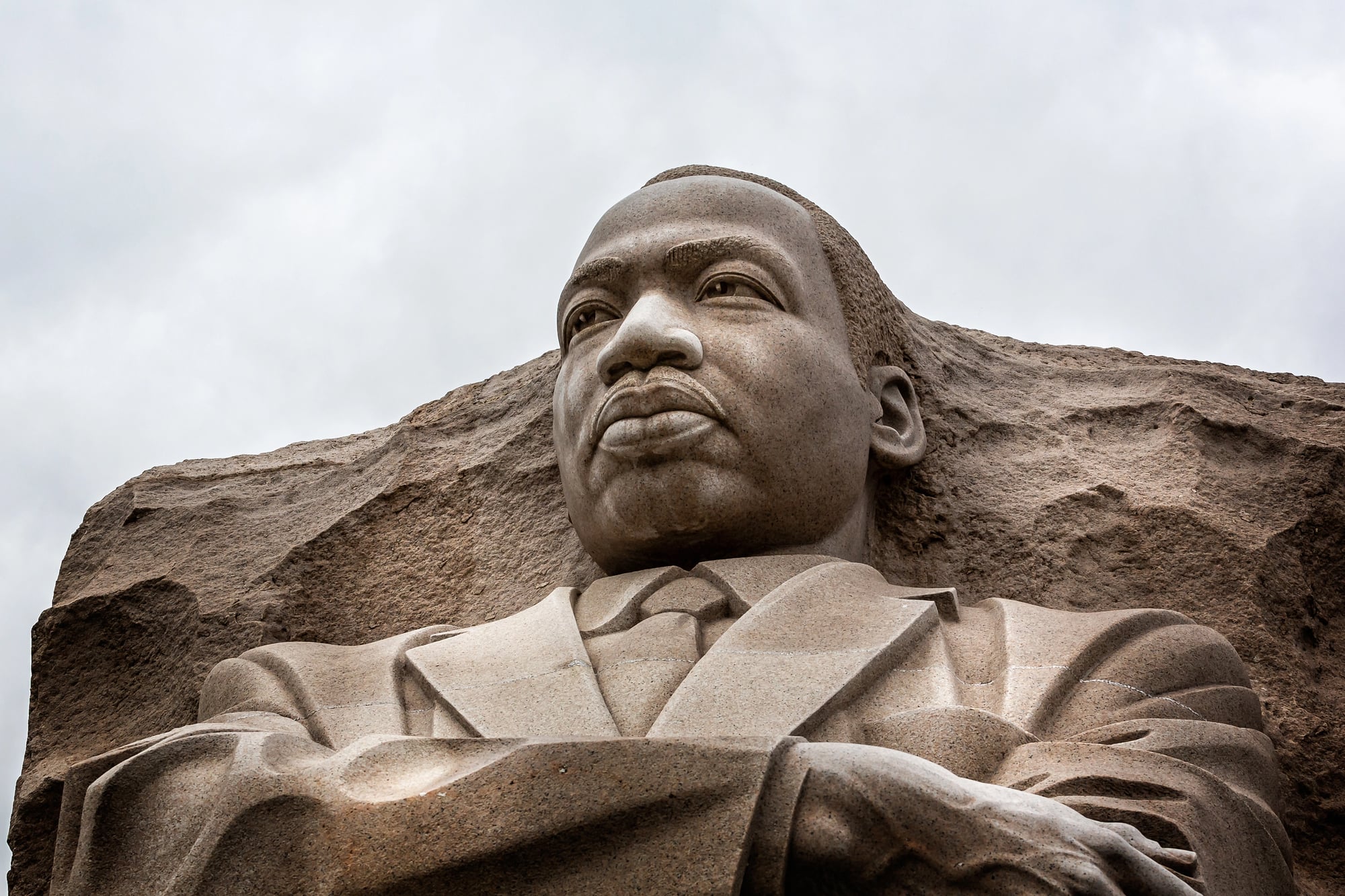
King died on a hotel balcony in Memphis, but his dream survived the sniper’s bullet. That’s the thing about ideas that tap into something deeper than politics — they’re remarkably bulletproof, even when their champions aren’t.
James Earl Ray thought he was silencing the civil rights movement. What he actually did was canonize its most eloquent voice and ensure that King’s message would outlast the man who delivered it.
The assassination transformed King from a controversial activist into an American prophet, someone whose words could be carved in stone and quoted by presidents. Ray killed the messenger but amplified the message beyond anything King could have achieved in a longer life.
Archduke Franz Ferdinand
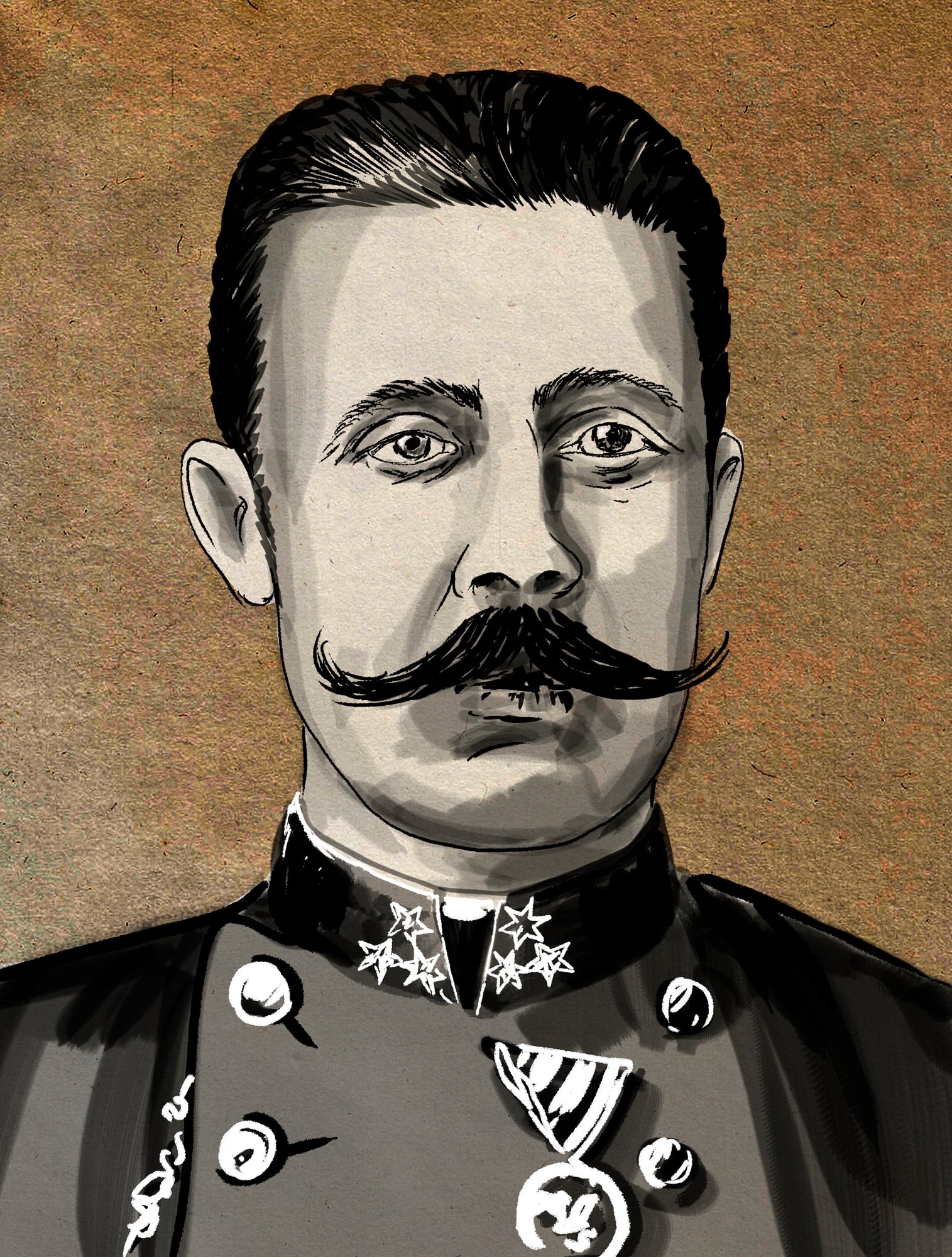
Franz Ferdinand was a minor royal who became history’s most consequential murder victim. His death in Sarajevo didn’t just end a life — it ended an entire world, the belle époque giving way to mechanized slaughter and poison gas.
The archduke himself was probably the least warlike member of the Austrian royal family, someone who might have prevented the very conflict his death triggered. But that’s the cruel irony of the assassination that started World War I: it removed one of the few voices that might have counseled restraint.
Instead, his death provided the excuse that politicians and generals had been waiting for, the spark that ignited a powder keg they had spent decades building. One bullet in Sarajevo became millions of bodies across Europe.
Yitzhak Rabin
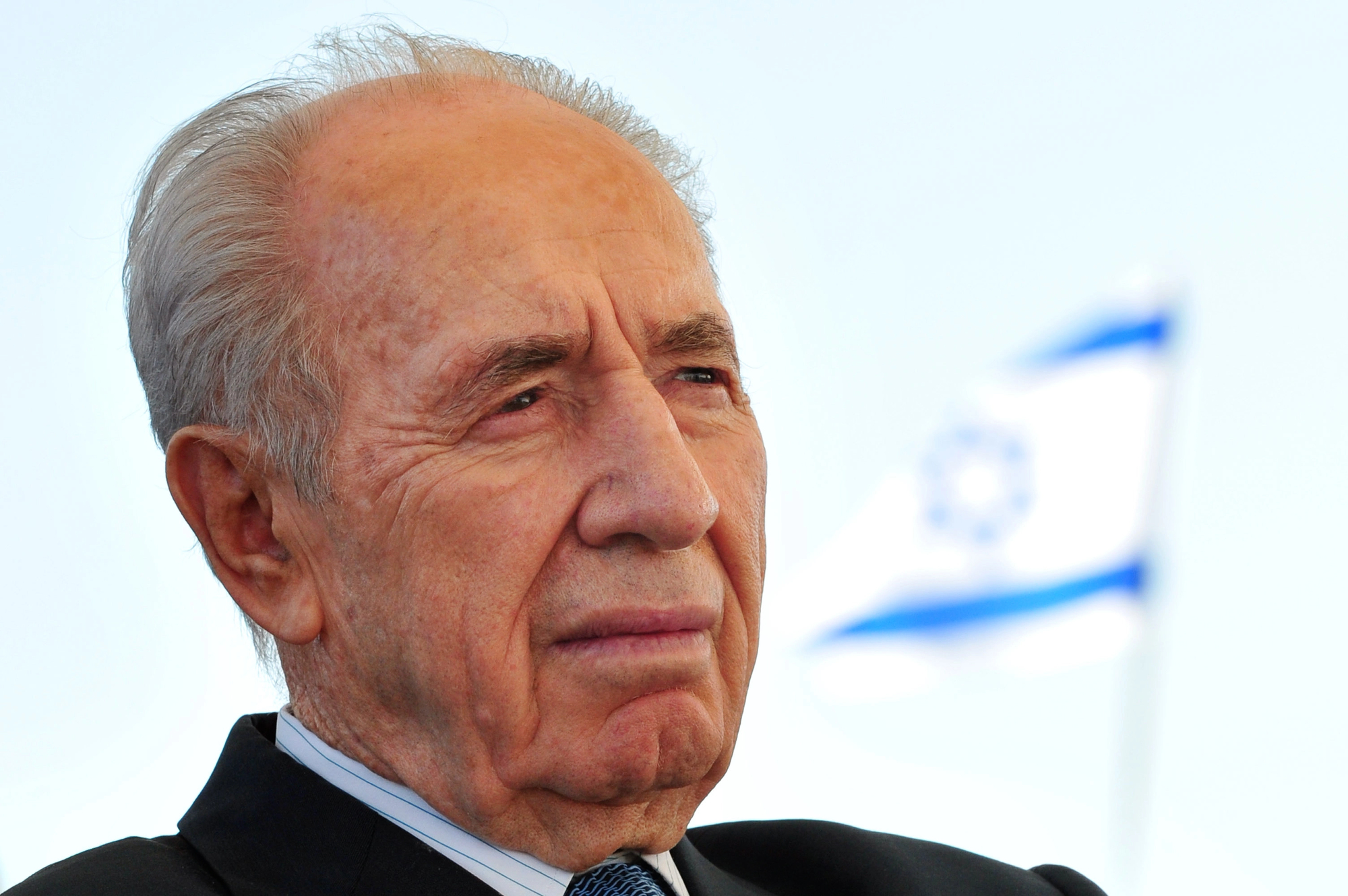
Rabin’s handshake with Yasser Arafat on the White House lawn was supposed to herald a new era of Middle Eastern peace. Instead, it signed his death warrant.
Yigal Amir’s bullets on that November evening in 1995 didn’t just kill Israel’s prime minister — they killed the Oslo peace process itself. Rabin was the one Israeli leader with the military credibility to make painful concessions for peace.
His death removed the only figure who could have dragged both Israelis and Palestinians across the finish line of a two-state solution. The assassination didn’t just eliminate a leader; it eliminated a future that required his unique combination of warrior credentials and diplomatic vision.
Anwar Sadat
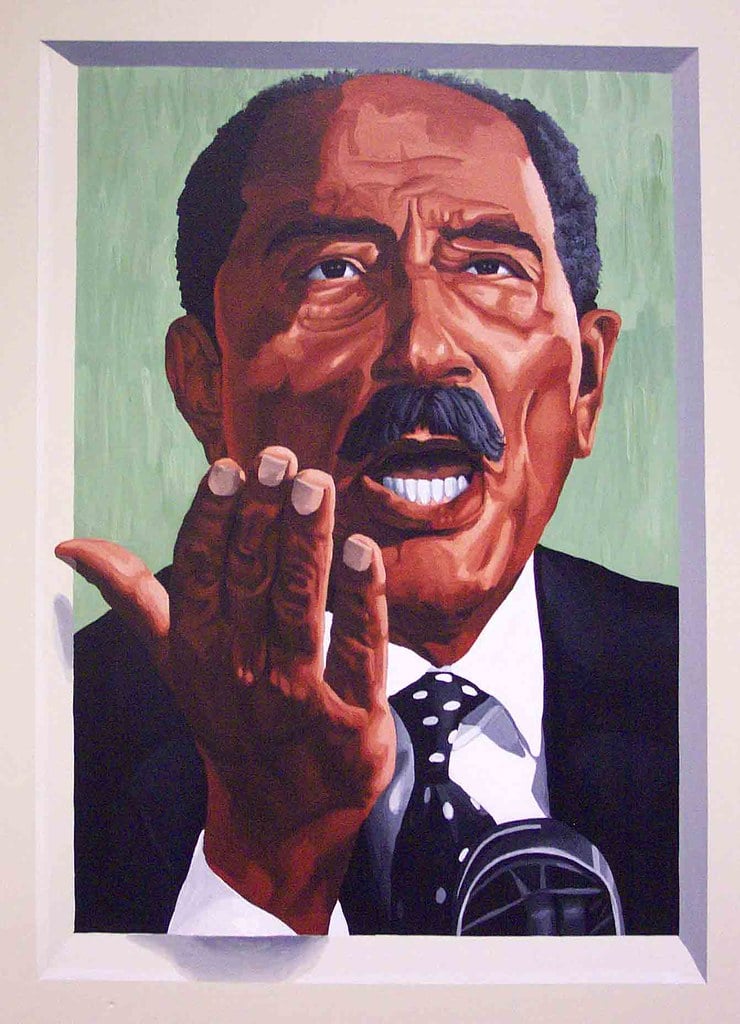
Sadat’s decision to make peace with Israel earned him a Nobel Prize and an assassin’s bullets in equal measure. The Egyptian president who shocked the world by flying to Jerusalem and addressing the Knesset paid for that courage with his life during a military parade in Cairo.
But here’s what his killers misunderstood: Sadat’s peace with Israel outlasted Sadat himself. The Camp David Accords survived their architect’s death and became the foundation for decades of Egyptian-Israeli relations.
The assassins succeeded in killing the peacemaker but failed to kill the peace — which turned out to be the only thing that mattered in the long run.
Rajiv Gandhi
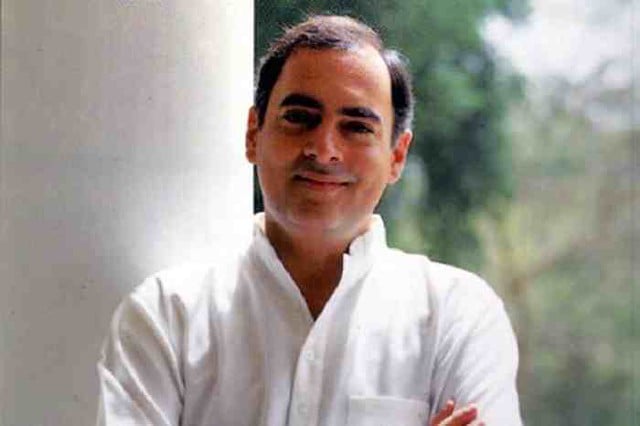
The bomb that killed Rajiv Gandhi was strapped to a woman who approached him during a campaign rally, a human weapon deployed by Tamil Tigers who blamed him for Indian military intervention in Sri Lanka. The explosion that tore through that election gathering in 1991 didn’t just end a political dynasty’s heir — it fundamentally altered the trajectory of Indian politics.
Gandhi’s death marked the beginning of the end for Congress Party dominance in India, opening space for the coalition governments and regional parties that would reshape the country’s political landscape for decades to come.
And so a terrorist attack intended to punish India for its foreign policy ended up transforming its domestic politics in ways the bombers never intended, which is perhaps fitting for an assassination that was always more about Sri Lankan grievances than Indian realities.
James A. Garfield
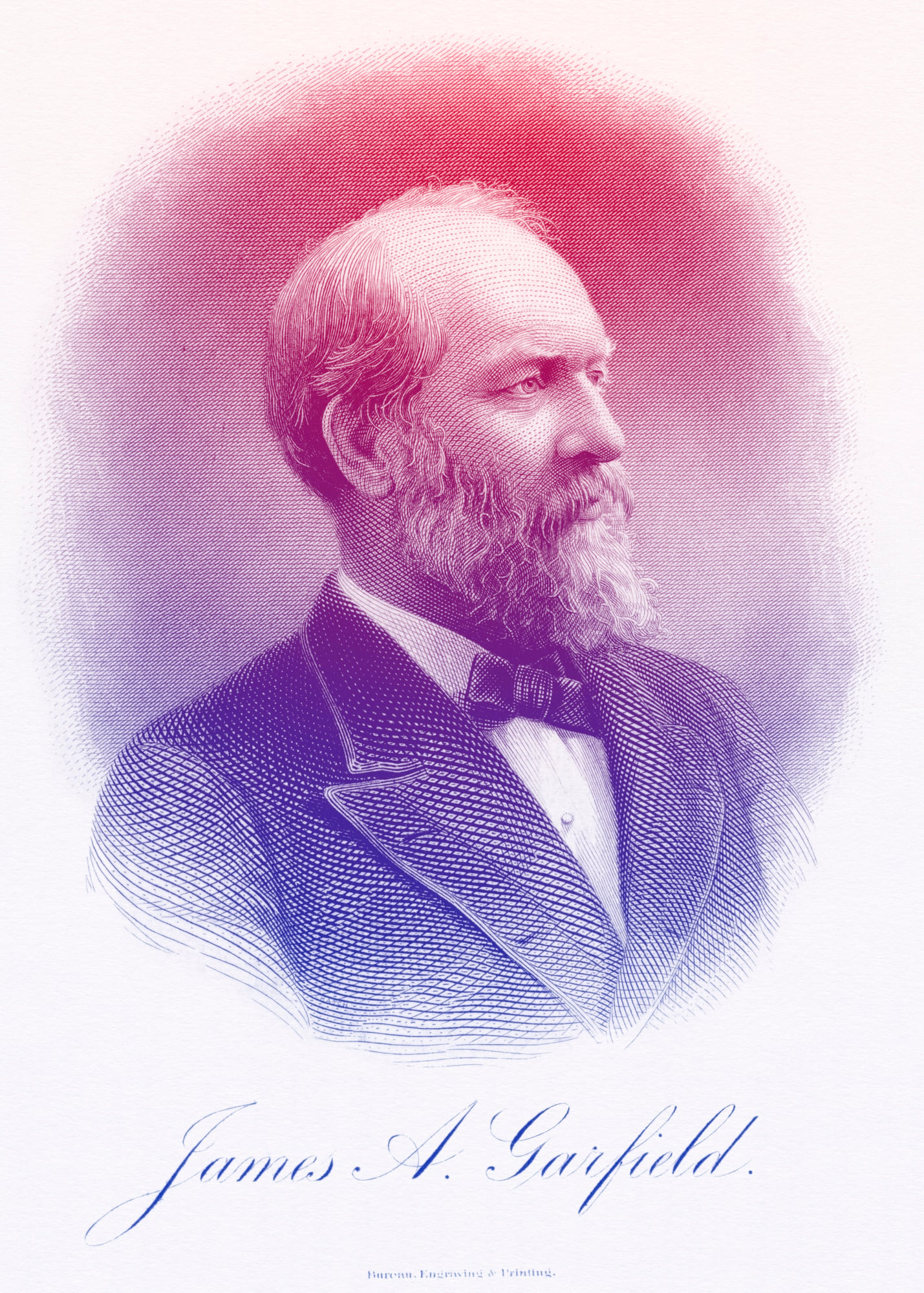
Garfield’s assassination created the modern presidency by accident. Charles J. Guiteau shot him believing it would somehow advance his own political career (the logic of deranged minds rarely withstands scrutiny), but what the assassination actually accomplished was civil service reform.
The bullet didn’t kill Garfield immediately — he lingered for months while doctors essentially finished the job with their unsanitary treatment. But his slow death galvanized public opinion against the spoils system that had motivated his killer.
Congress passed the Pendleton Act, creating a merit-based civil service that outlasted every president since. Guiteau’s delusions of political advancement ended up advancing the very reforms that would have prevented his appointment to any government position.
Malcolm X
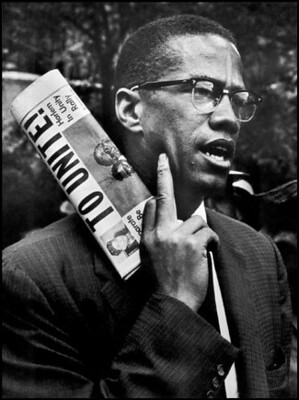
Malcolm X spent his final years moving away from the racial separatism of his Black Muslim period toward a more inclusive vision of human rights. That evolution made him dangerous to former allies and enemies alike.
The shotgun blasts that cut him down at the Audubon Ballroom in 1965 silenced one of America’s most compelling voices just as he was finding his most powerful message. But death crystallized Malcolm’s transformation in ways continued life might not have.
He became the militant counterpoint to King’s peaceful approach, the two men representing different paths toward the same destination of racial justice. The autobiography he completed just before his death ensured his ideas would outlive him, reaching readers who could engage with his evolution without the baggage of his earlier, more divisive positions.
William McKinley
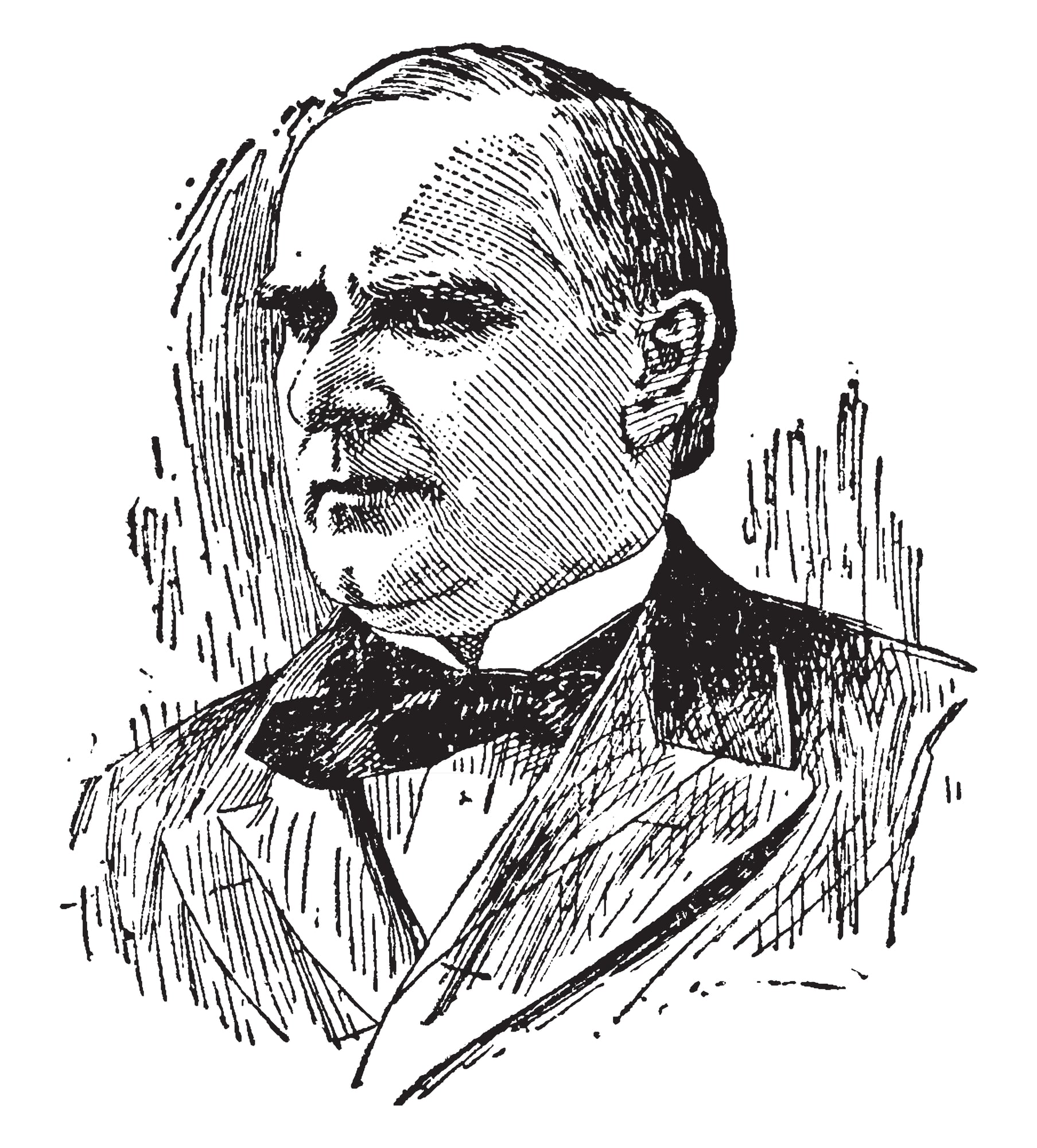
Leon Czolgosz shot McKinley because he believed the president represented everything wrong with American capitalism. The anarchist’s bullet succeeded in killing the president but failed completely at sparking the revolution he envisioned.
Instead, McKinley’s death brought Theodore Roosevelt to power, and Roosevelt turned out to be far more dangerous to corporate interests than McKinley had ever been. Czolgosz’s assassination inadvertently ushered in the Progressive Era, with its trust-busting and regulatory reforms.
The anarchist who wanted to destroy the system ended up strengthening it by putting a reform-minded president in charge at exactly the moment when America needed one.
Benazir Bhutto
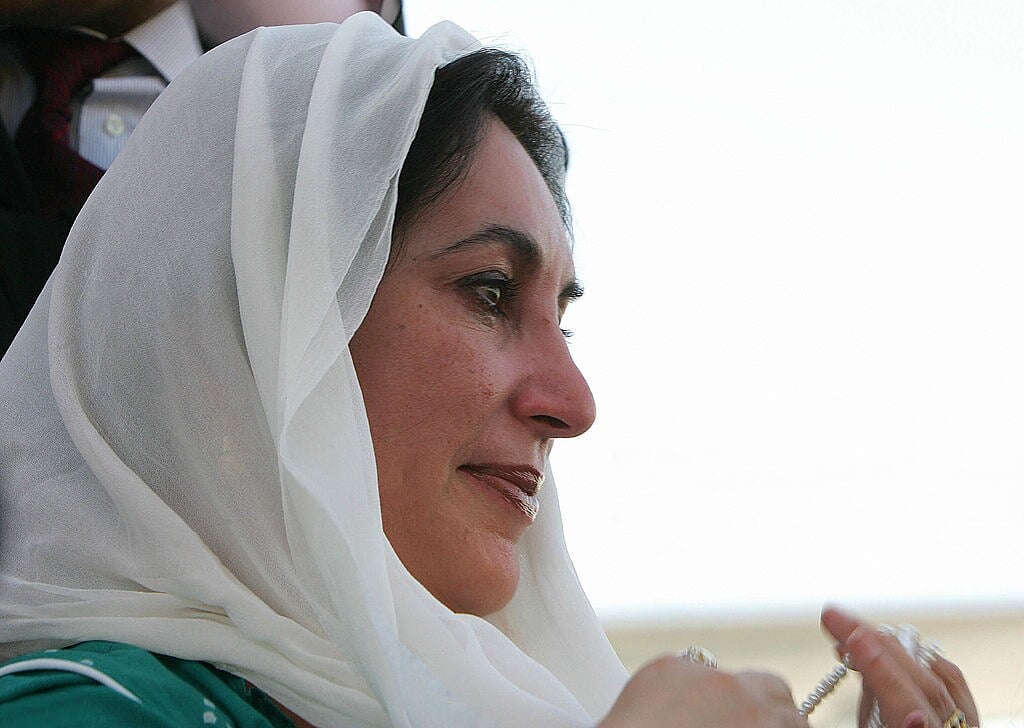
Pakistan’s first female prime minister returned from exile knowing she was walking into a death trap. The bomb that killed her during a campaign rally in 2007 was almost inevitable — too many powerful interests wanted her silenced permanently.
Bhutto’s assassination exposed the toxic intersection of terrorism, military interference, and political corruption that continues to plague Pakistan. Her death didn’t create these problems, but it crystallized them in ways that made them impossible to ignore.
She became the symbol of what Pakistani democracy might have looked like if it had been allowed to develop naturally, rather than being constantly interrupted by coups and extremist violence.
Patrice Lumumba
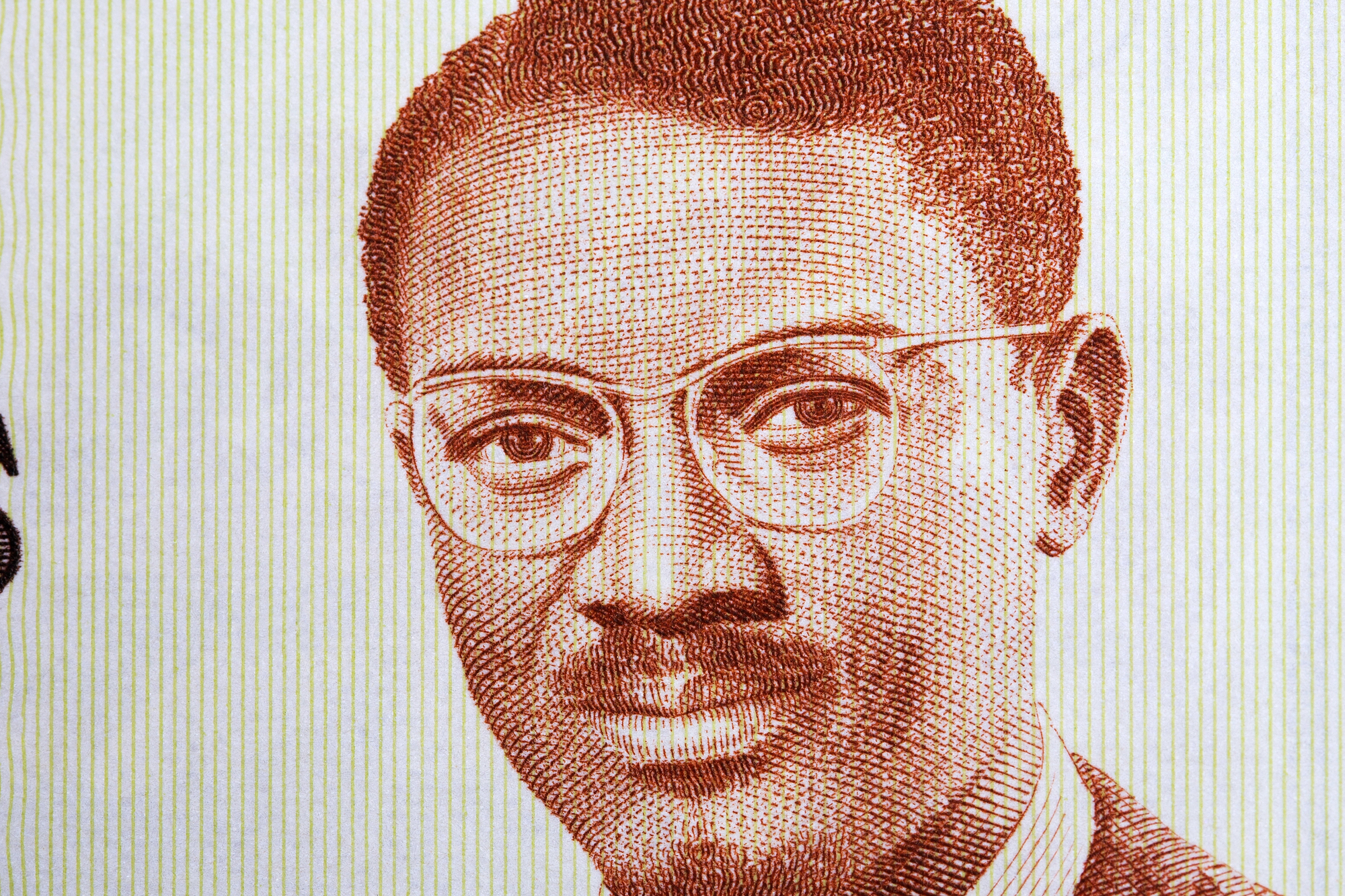
Lumumba’s murder was colonialism’s last desperate gasp. The Congolese leader who dared to envision genuine independence for his resource-rich nation was killed by forces that couldn’t tolerate an African leader who wouldn’t play by their rules.
The assassination unleashed decades of chaos in the Democratic Republic of Congo, turning one of Africa’s most resource-rich nations into a playground for foreign exploitation and domestic strongmen.
Lumumba’s death revealed the limits of formal independence when informal control remained in foreign hands. His vision of a truly sovereign Congo died with him, leaving behind a cautionary tale about the price of challenging global power structures too directly, too quickly.
Olof Palme
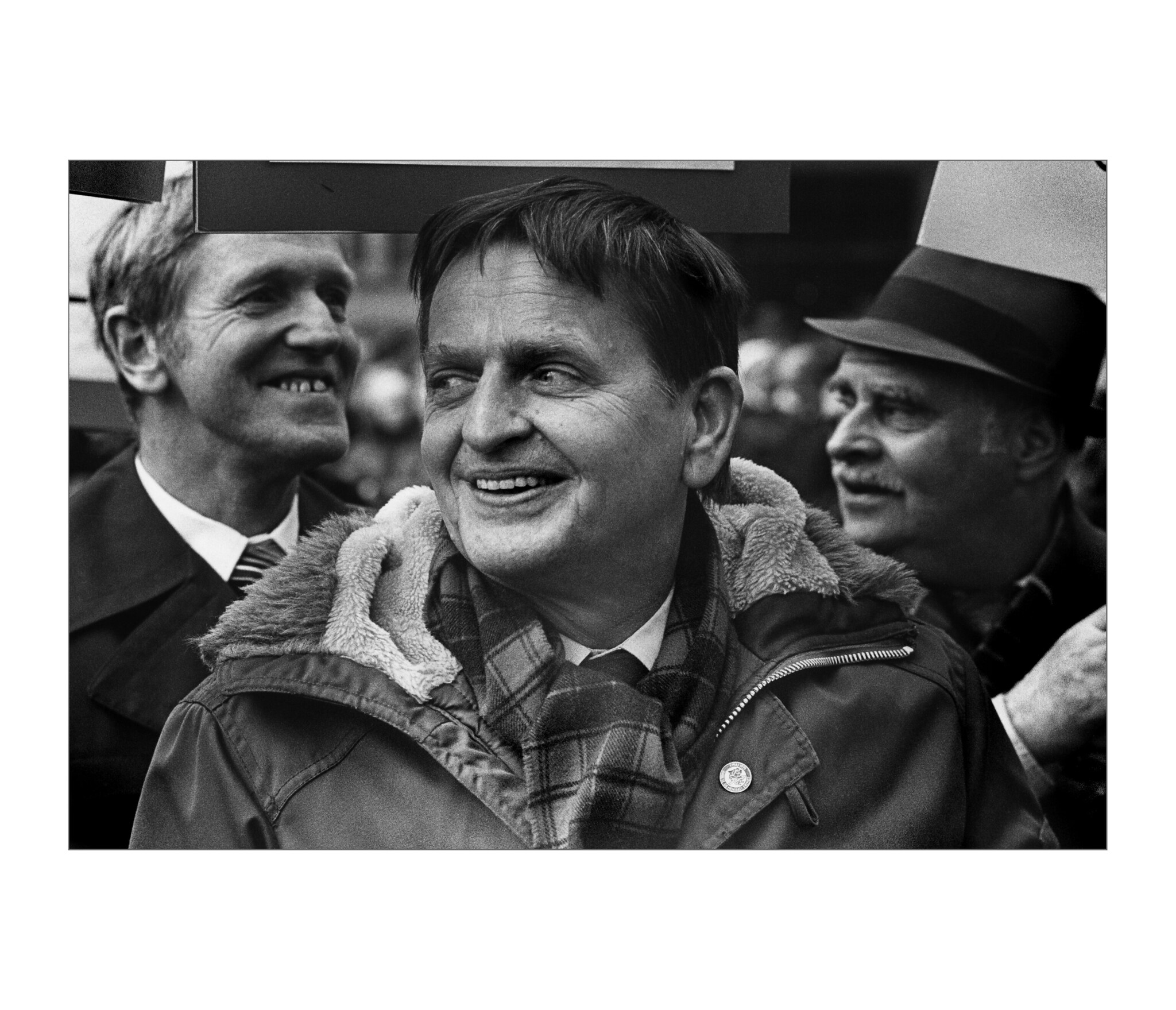
Sweden’s prime minister was walking home from the movies with his wife when a gunman emerged from the shadows of a Stockholm street. The 1986 assassination remains officially unsolved, but its impact on Swedish society was immediate and lasting.
Palme’s death ended Sweden’s innocence about political violence and fundamentally changed how the country’s leaders interact with ordinary citizens. The prime minister who could walk unprotected through his own capital became impossible after that February night.
Sweden had to learn how to protect its democracy without abandoning its democratic openness — a balancing act that continues to challenge societies worldwide.
Indira Gandhi
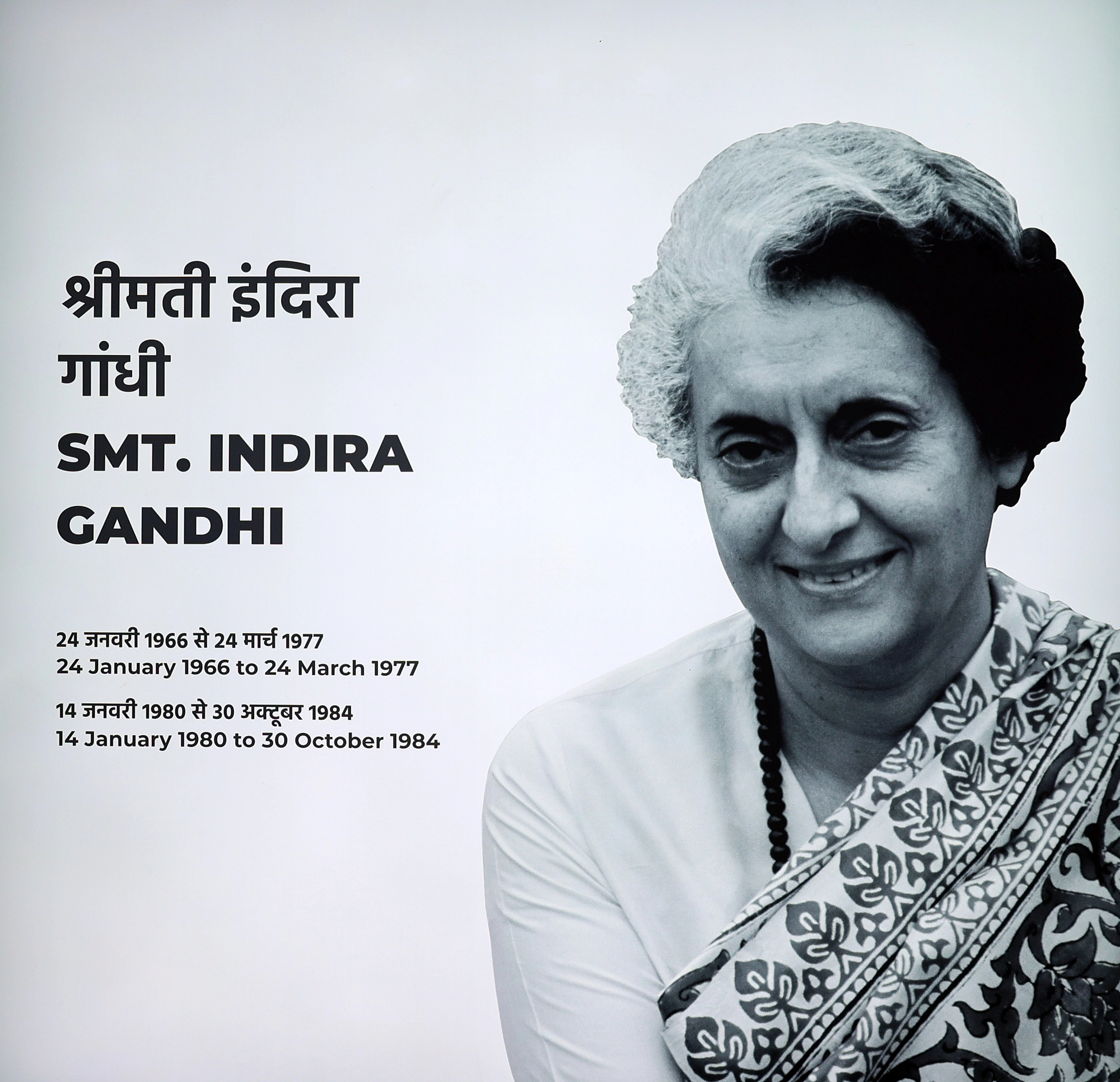
Gandhi’s assassination was an inside job in the most literal sense possible. Her own Sikh bodyguards turned their weapons on her in retaliation for Operation Blue Star, the army assault on the Golden Temple that had outraged the Sikh community.
The bullets that killed her in her garden set off anti-Sikh riots across India that claimed thousands of lives. Her death demonstrated the dangers of using military force against religious sites, even in pursuit of legitimate security objectives.
The prime minister who had survived external threats from Pakistan and internal challenges from separatists was ultimately brought down by the unintended consequences of her own decisions — a reminder that in politics, as in physics, every action generates an equal and opposite reaction.
Echoes Through Time

These sixteen deaths remind us that assassination rarely achieves its intended goal. More often, it transforms its target into something more powerful than they were in life — a martyr, a symbol, an idea that bullets cannot kill.
The leaders who died violent deaths often accomplished more through their martyrdom than they might have through continued life, their legacies burnished by tragedy and freed from the compromises that breathing politicians must make.
History’s assassins almost always misunderstood the nature of the power they were trying to destroy. They confused the person with the principle, the individual with the idea.
In trying to silence voices that threatened them, they often amplified those voices beyond anything their targets could have achieved while alive. The bullets and bombs and blades that ended these lives couldn’t touch the changes they had set in motion — and that, perhaps, is the most fitting legacy of all.
More from Go2Tutors!

- The Romanov Crown Jewels and Their Tragic Fate
- 13 Historical Mysteries That Science Still Can’t Solve
- Famous Hoaxes That Fooled the World for Years
- 15 Child Stars with Tragic Adult Lives
- 16 Famous Jewelry Pieces in History
Like Go2Tutors’s content? Follow us on MSN.