Historical Figures Who Survived Assassination
History loves a dramatic moment, and few things are more dramatic than someone surviving an attempt on their life. Throughout the centuries, powerful leaders have found themselves in the crosshairs of assassins driven by politics, revenge, ideology, or plain madness.
Some survived through sheer luck, others through quick thinking or even bulletproof clothing. The fascinating thing about these near-death experiences is how they often changed the course of history just as much as successful assassinations did.
Here is a list of historical figures who cheated death and lived to tell the tale.
Theodore Roosevelt

On October 14, 1912, former President Theodore Roosevelt proved he really was as tough as the Bull Moose Party he represented. John Schrank, an unstable New York saloonkeeper, shot Roosevelt in the chest as he was leaving a Milwaukee hotel to give a campaign speech.
The bullet had to punch through Roosevelt’s steel eyeglass case and a 50-page speech folded in his jacket pocket before it could reach him. Instead of heading to the hospital, Roosevelt gave his scheduled speech for 90 minutes while blood flows through his shirt, famously telling the crowd, ‘It takes more than that to kill a bull moose.’
Doctors later decided the bullet was safer left in his chest than removed, and it stayed there for the rest of his life.
Ronald Reagan

President Ronald Reagan was leaving the Washington Hilton Hotel on March 30, 1981, when John Hinckley Jr. opened fire in an attempt to impress actress Jodie Foster. One of the bullets ricocheted off the presidential limousine and hit Reagan in the chest, puncturing his lung and coming within an inch of his heart.
Reagan’s quick wit remained intact even as he was rushed to the hospital, where he joked to surgeons, ‘I hope you’re all Republicans.’ He made a full recovery, and the assassination attempt actually boosted his approval ratings from 38 percent to 51 percent almost overnight.
Andrew Jackson

Andrew Jackson survived what might be the most statistically improbable assassination attempt in American history. On January 30, 1835, Richard Lawrence approached the president outside the Capitol building and pulled out two pistols.
Both misfired. The odds of two pistols misfiring in succession were calculated at roughly 1 in 125,000, making this either divine intervention or extraordinary luck depending on your perspective.
Jackson, true to his feisty nature, proceeded to beat his would-be assassin with his cane until bystanders pulled him off.
Franklin D. Roosevelt
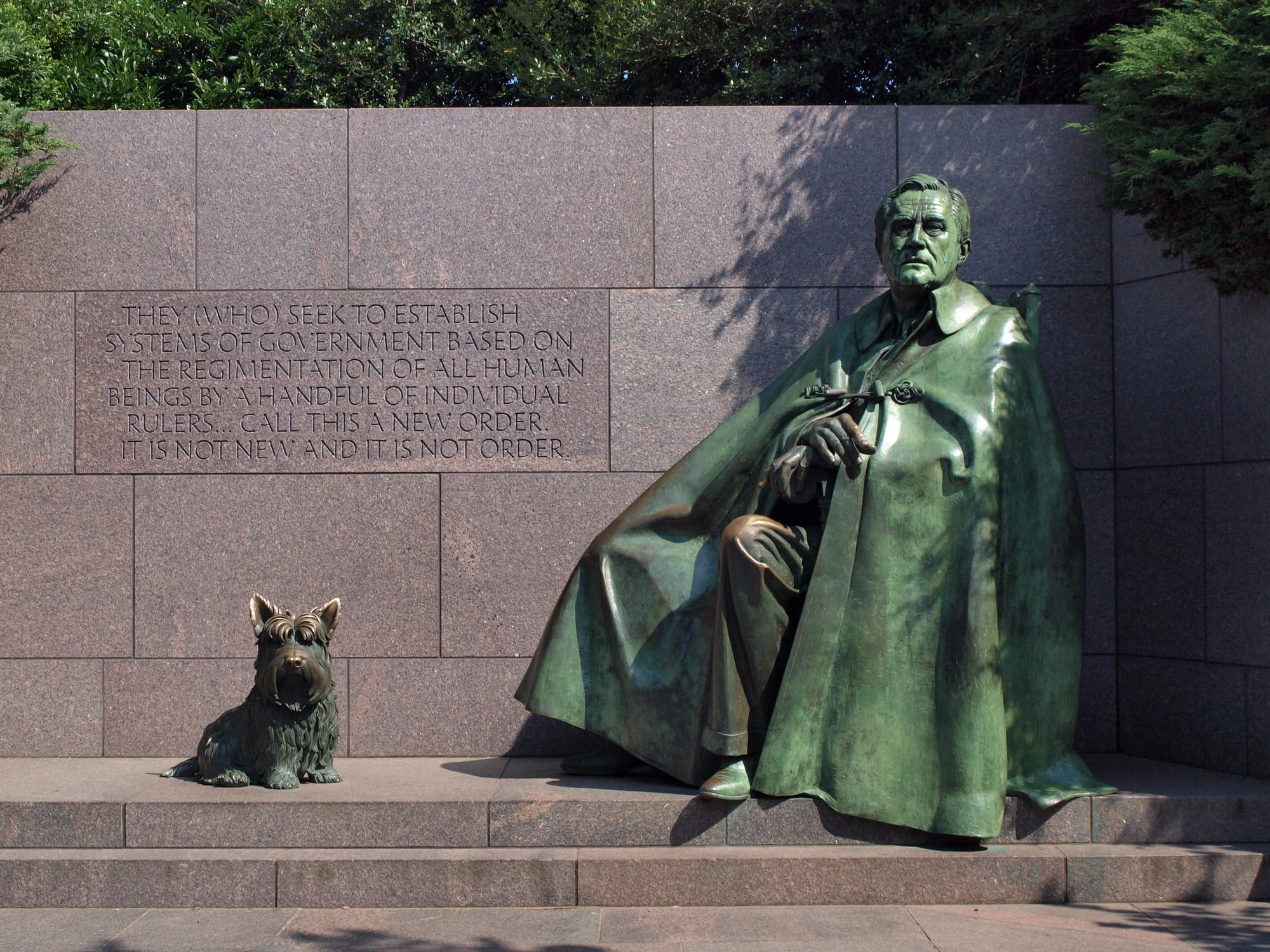
Just weeks before his inauguration as president, FDR narrowly escaped death in Miami on February 15, 1933. Giuseppe Zangara, an Italian immigrant with chronic stomach pain that he blamed on capitalism, fired five shots at Roosevelt as he sat in an open car.
All five shots missed Roosevelt but hit five other people, including Chicago Mayor Anton Cermak, who later died from his wounds. Roosevelt insisted on going to the hospital to comfort the wounded rather than flee to safety, displaying the calm leadership that would define his presidency.
Gerald Ford

President Gerald Ford holds the dubious distinction of surviving two assassination attempts in less than three weeks. On September 5, 1975, Lynette ‘Squeaky’ Fromme, a follower of Charles Manson, pointed a gun at Ford in Sacramento, but it didn’t fire.
Just 17 days later on September 22, Sara Jane Moore actually got a shot off at Ford in San Francisco, but a bystander grabbed her arm at the last second, causing the bullet to miss. Ford apparently needed to avoid California for a while.
Queen Victoria
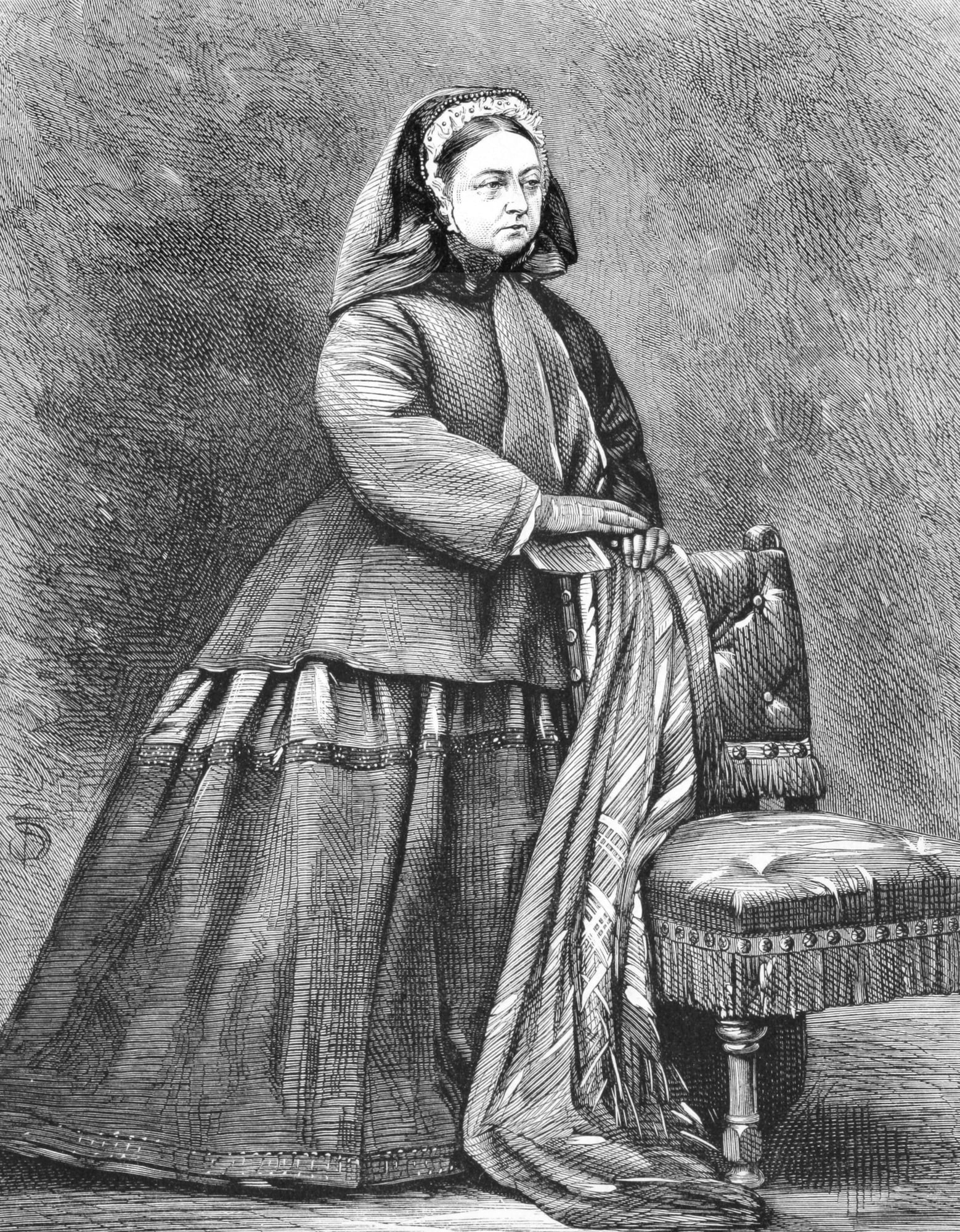
Queen Victoria survived at least eight assassination attempts during her 63-year reign, turning each one into a strange sort of publicity boost. The first attempt came in 1840 when Edward Oxford fired two pistols at her carriage, both missing.
Rather than cowering in fear, Victoria’s survival of these attempts made her increasingly popular with the British public, who saw her bravery as a symbol of national resilience. The most unusual aspect is that several of her would-be assassins were judged insane and institutionalized rather than executed, a relatively progressive approach for the Victorian era.
Adolf Hitler

Hitler survived an astounding 42 documented assassination attempts, with historians believing many more went unrecorded. The most famous was the July 20, 1944 plot when Claus von Stauffenberg planted a bomb at Hitler’s Wolf’s Lair headquarters.
The bomb exploded just a few feet from Hitler, but a thick oak table leg absorbed much of the blast, leaving him with only minor injuries while killing three others in the room. The irony that the most evil man of the 20th century kept escaping death while millions of innocent people perished is one of history’s cruelest twists.
Pope John Paul II

On May 13, 1981, Mehmet Ali Ağca shot Pope John Paul II four times as he entered St. Peter’s Square in an open vehicle. The bullets hit the Pope in the abdomen, left hand, and right arm, causing severe blood loss.
He survived emergency surgery and later forgave his attacker, even visiting Ağca in prison to personally express his forgiveness. The Pope attributed his survival to divine intervention, noting that the assassination attempt occurred on the anniversary of the first apparition at Fátima, where the Virgin Mary allegedly appeared to three children in 1917.
Fidel Castro
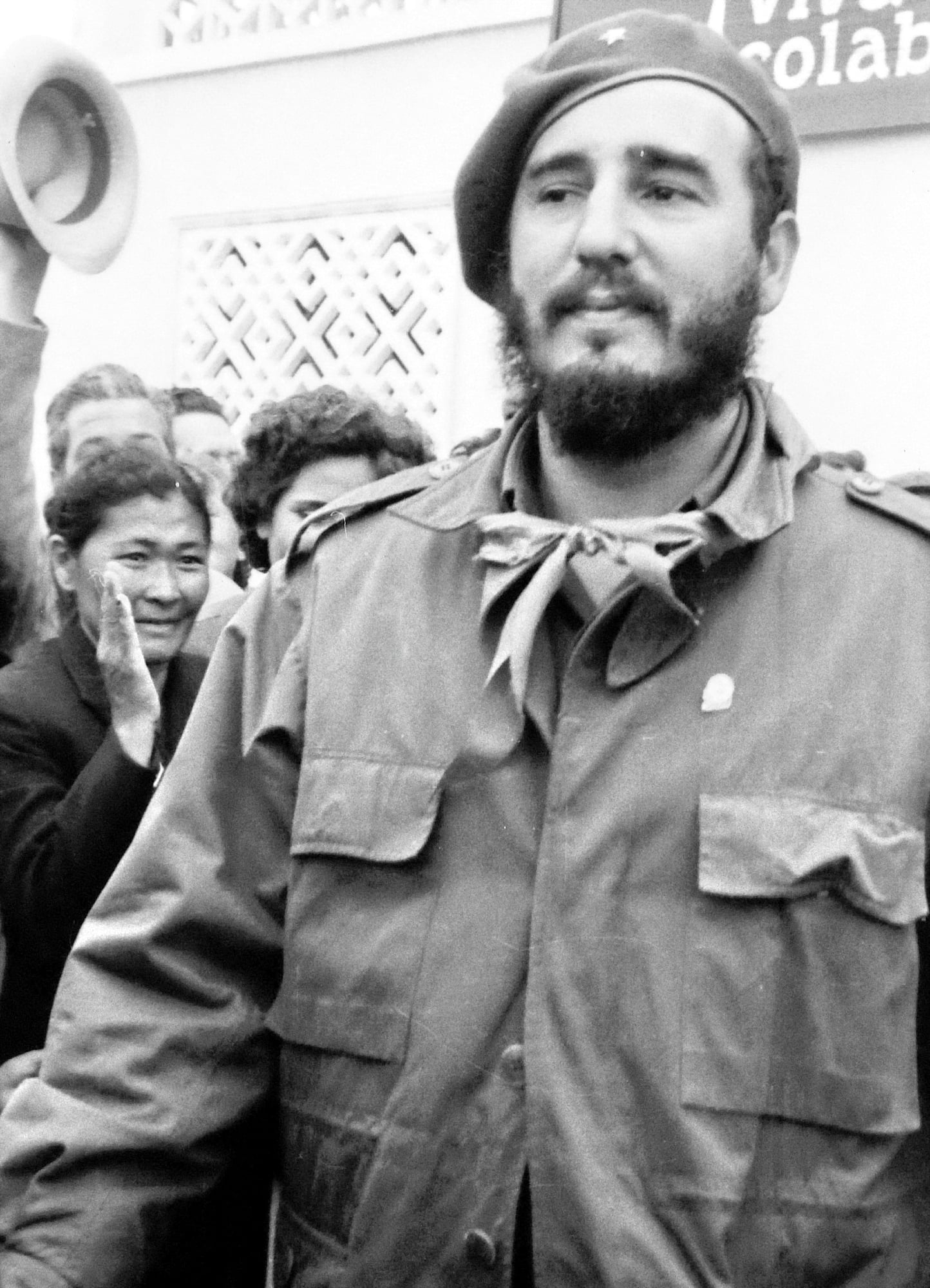
If surviving assassination attempts were an Olympic sport, Fidel Castro would have more gold medals than Michael Phelps. Cuban intelligence estimates that the CIA and anti-Castro groups attempted to kill him 638 times using methods that sound like rejected James Bond plots.
These included exploding cigars, poisoned diving suits, toxic pills hidden in cold cream, and even a plan involving a bomb-laden seashell placed where Castro liked to dive. Castro outlived most of his enemies and died of natural causes at age 90, presumably laughing at the CIA the whole way.
Charles de Gaulle
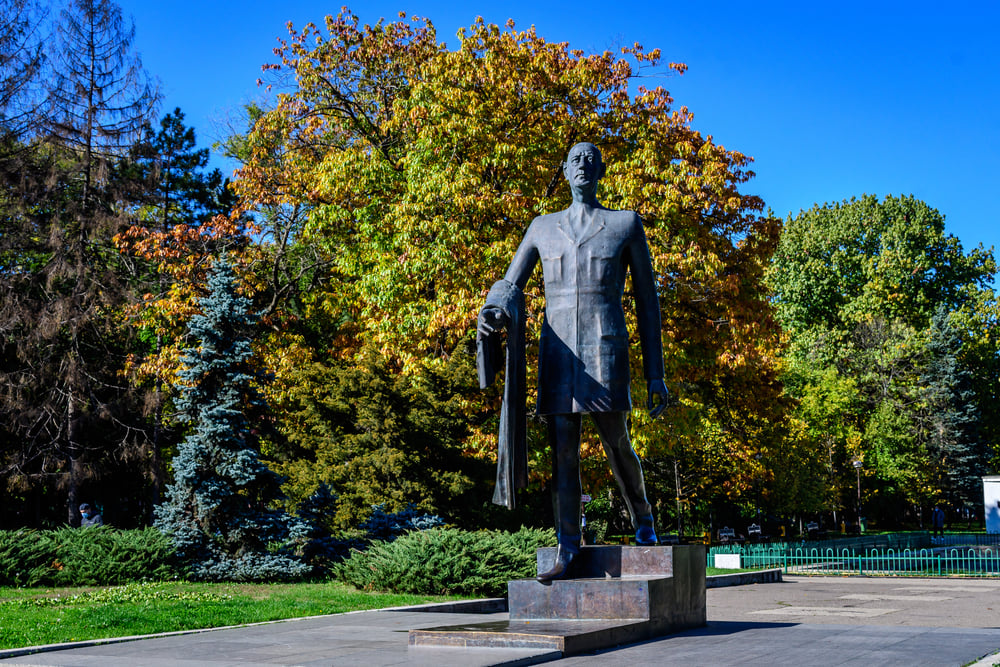
French President Charles de Gaulle survived more than 30 assassination attempts, mostly from the Organisation armée secrète (OAS), a group opposed to Algerian independence. The most dramatic came on August 22, 1962, when gunmen ambushed his motorcade at Petit-Clamart, firing over 140 rounds at his Citroën DS.
De Gaulle and his wife escaped unharmed despite the car taking 14 bullets, with two rounds missing the president’s head by inches. De Gaulle’s reported first words after the attack were about the location of his favorite hat.
King Zog I of Albania
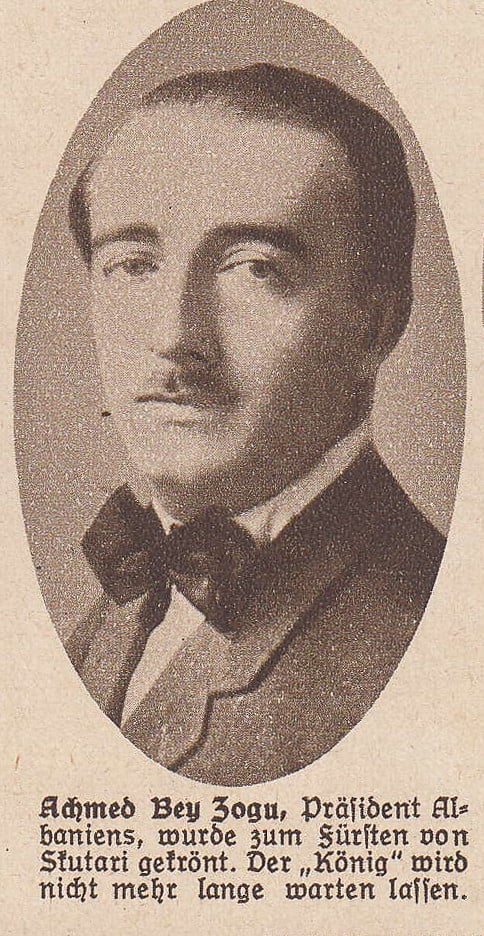
King Zog I holds the record for one of the highest numbers of assassination attempts against a single leader, surviving at least 55 attempts during his reign from 1928 to 1939. In one famous incident in 1931 at the Vienna State Opera, assassins opened fire on Zog, who calmly pulled out his own pistol and fired back, making him possibly the only head of state in history to personally return fire during an assassination attempt.
His constant vigilance and willingness to fight back likely contributed to his survival, though it must have made attending the opera significantly more stressful than usual.
Josip Broz Tito
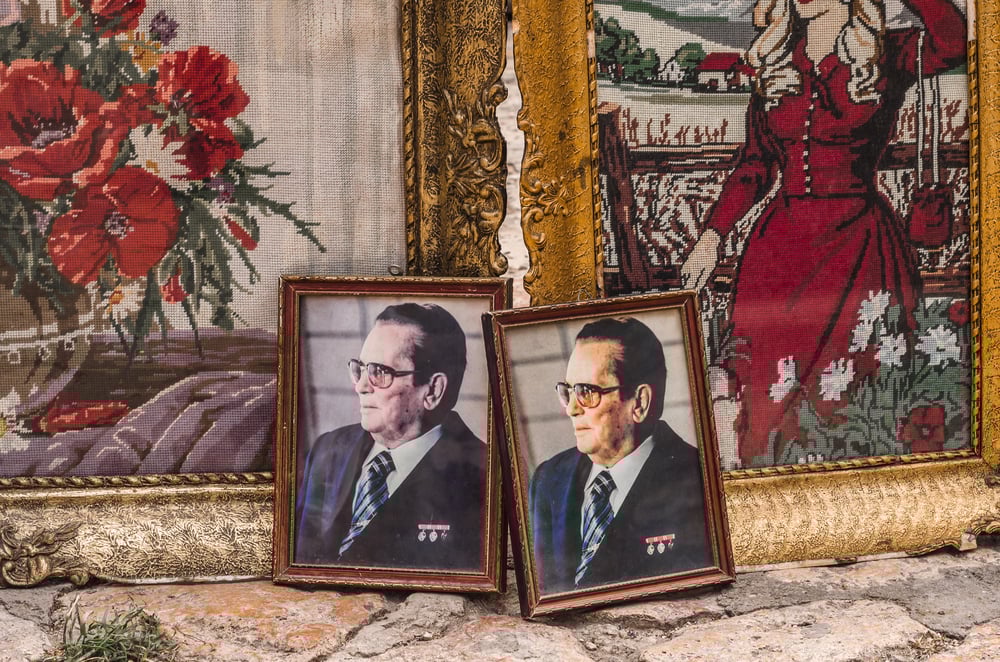
Yugoslav leader Tito defied Joseph Stalin in a way few dared, and Stalin responded by sending assassins. After multiple failed attempts, Tito reportedly sent Stalin a letter that read: ‘Stop sending people to kill me. We’ve already captured five of them. If you don’t stop sending killers, I’ll send one to Moscow, and I won’t have to send a second.’
Stalin apparently got the message, and the attempts stopped after Stalin’s death in 1953. Tito’s boldness in threatening Stalin back shows the kind of nerve it took to survive in Cold War politics.
Alexander II of Russia
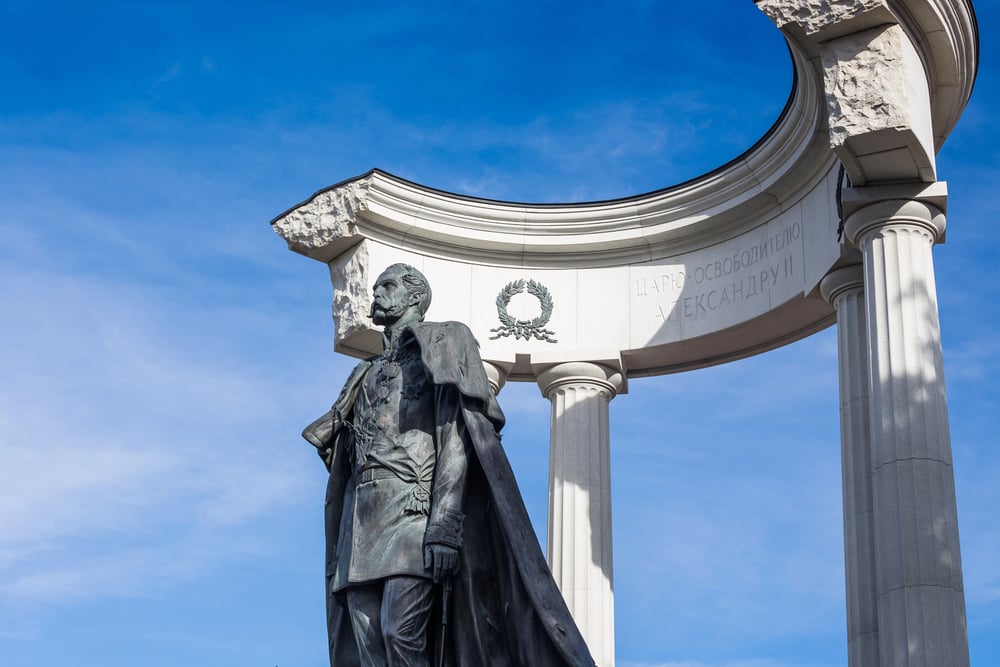
Tsar Alexander II survived five assassination attempts between 1866 and 1880, earning him a reputation as remarkably hard to kill. The first attempt in 1866 failed when someone in the crowd bumped the assassin’s elbow, causing the shot to miss.
He survived bombs, shooters, and elaborate plots before his luck finally ran out on March 13, 1881, when revolutionaries threw two bombs at his carriage. The irony is that Alexander was actually a reformist tsar who had freed the serfs and modernized Russia, but revolutionaries wanted faster change.
Vladimir Lenin

Lenin survived approximately five assassination attempts, with the most serious occurring on August 30, 1918. Fanny Kaplan, a member of the Socialist Revolutionary Party, shot Lenin twice after he gave a speech at a factory in Moscow.
He survived but was seriously wounded, and the attack likely contributed to the declining health that led to his death in 1924. The Bolsheviks used the assassination attempt to justify the Red Terror, launching a wave of repression against their political enemies that resulted in thousands of executions.
Margaret Thatcher

British Prime Minister Margaret Thatcher narrowly escaped death on October 12, 1984, when the Irish Republican Army planted a bomb at the Grand Brighton Hotel during the Conservative Party conference. The bomb exploded at 2:54 AM, destroying several floors of the hotel and killing five people, including a Member of Parliament.
Thatcher was still awake working on her conference speech and escaped injury, emerging from the rubble to deliver her speech as scheduled just hours later. Her determination to proceed with the conference sent a powerful message that terrorism wouldn’t disrupt British democracy.
Yasser Arafat
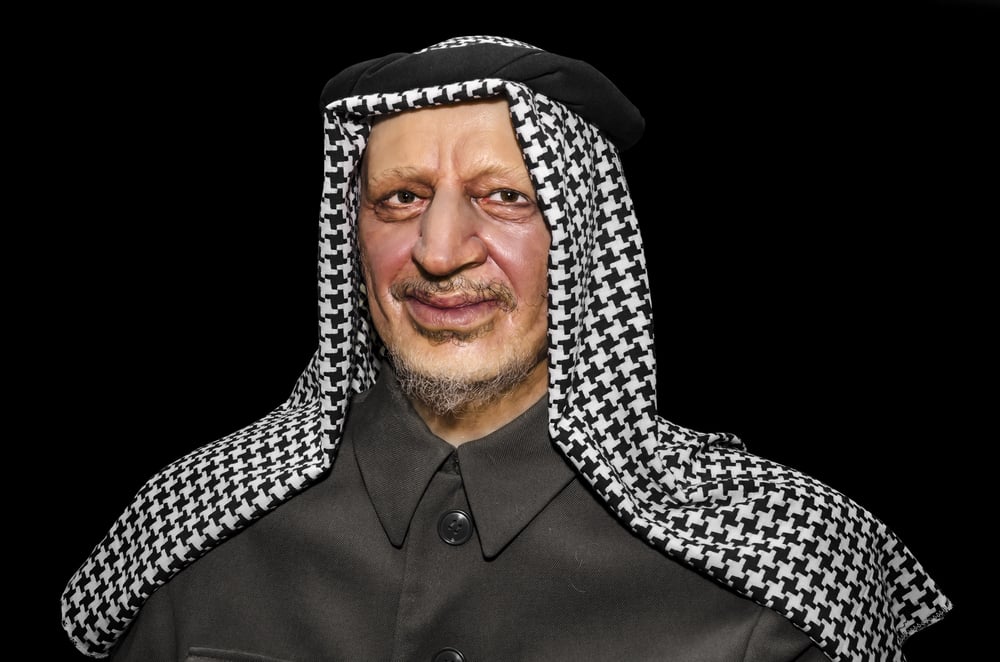
Palestinian leader Yasser Arafat survived at least 13 documented assassination attempts from various enemies, including Israeli forces and rival Palestinian factions. In one close call in 1985, Israeli fighter jets bombed his headquarters in Tunis, killing many people around him.
Arafat survived because he had gone out for his morning jog, a routine that probably saved his life. He claimed he never slept in the same place two nights in a row to avoid assassins, turning his entire life into an elaborate game of hide and seek.
Abraham Lincoln

Before John Wilkes Booth finally succeeded in 1865, President Abraham Lincoln survived at least five earlier assassination plots. These ranged from the Baltimore Plot of 1861, where conspirators planned to attack Lincoln as he traveled to his inauguration, to various schemes involving poisoning, shooting, and even a plan to blow up the White House.
Lincoln often dismissed concerns about his safety, famously saying that if someone wanted to kill him badly enough, they would find a way. That fatalistic attitude proved tragically accurate at Ford’s Theatre.
When Luck Runs Out

The stories of these survivors remind us that history often turns on the smallest details—a bumped elbow, a thick manuscript, a morning jog. These men and women lived through moments that could have dramatically altered the course of world events, and in surviving, they often became even more influential than before.
Yet their experiences also highlight a sobering truth: security can never be perfect, and even the most powerful people in the world remain vulnerable. The ones who survived didn’t always do so because they were more careful or better protected—sometimes they were just luckier than the people who came before or after them.
More from Go2Tutors!

- The Romanov Crown Jewels and Their Tragic Fate
- 13 Historical Mysteries That Science Still Can’t Solve
- Famous Hoaxes That Fooled the World for Years
- 15 Child Stars with Tragic Adult Lives
- 16 Famous Jewelry Pieces in History
Like Go2Tutors’s content? Follow us on MSN.



