16 Milestones In Human Space Flight History
Looking up at the night sky, it’s easy to forget that humans have been venturing into that darkness for more than half a century now. What started as a desperate competition between superpowers has become humanity’s greatest adventure story.
Each breakthrough built on the last, turning impossibility into routine. These sixteen moments didn’t just advance technology — they redefined what it means to be human.
Sputnik 1
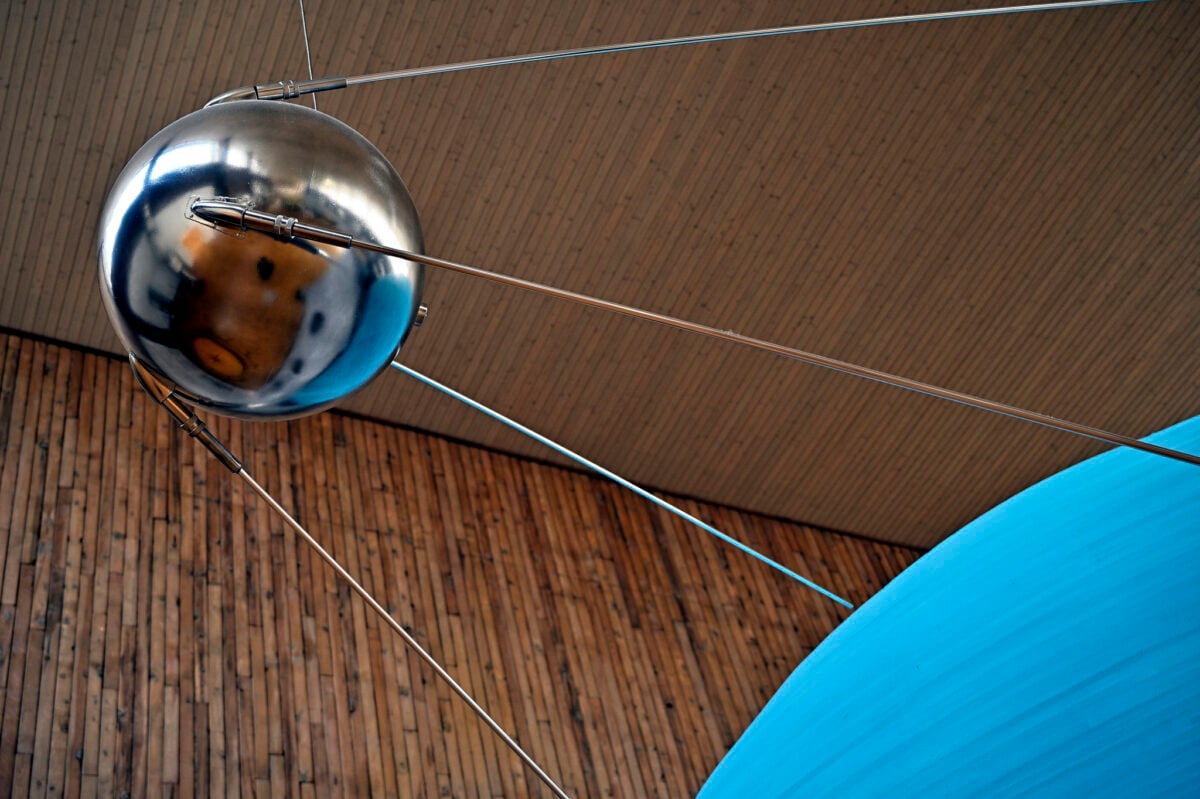
The beach orb that changed everything. Four antennas, a radio transmitter, and 183 pounds of Soviet engineering that sent the world into panic.
October 4, 1957 wasn’t just the start of the Space Age — it was the end of Earth as humanity’s only address.
Yuri Gagarin’s First Orbital Flight
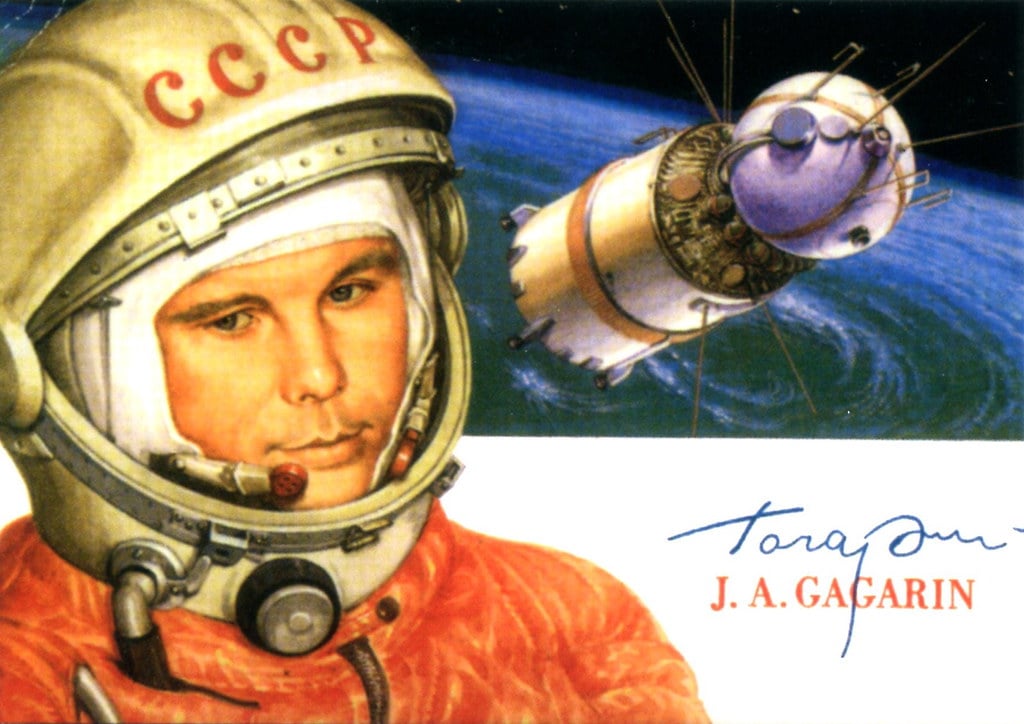
Gagarin didn’t just go to space. He went around the whole planet and came back grinning.
April 12, 1961, changed the conversation from “Can humans survive in space?” to “What’s next?” The 27-year-old pilot proved that leaving Earth wasn’t a death sentence — it was a beginning.
First American in Space
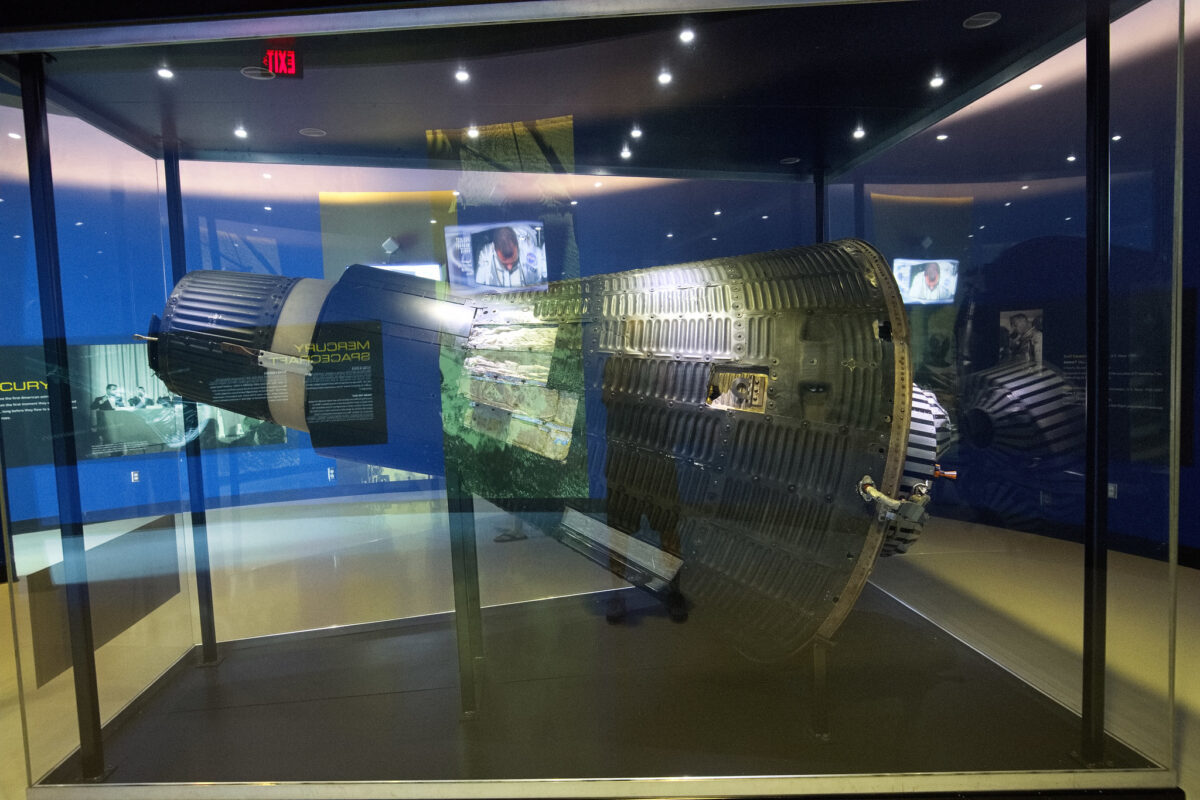
Alan Shepard’s fifteen-minute suborbital hop on May 5, 1961, might seem modest compared to Gagarin’s orbit (and it was), but it served a purpose that had nothing to do with distance or duration and everything to do with national psychology. Americans needed to know they belonged in this race, even if they were behind — which they definitely were, though no one wanted to say it out loud.
Shepard’s flight didn’t catch up to the Soviets, but it proved America could at least show up to the competition, and sometimes showing up is half the battle (the other half, as it turned out, would take eight more years and a quarter of a trillion dollars, but that’s getting ahead of things).
First Woman in Space
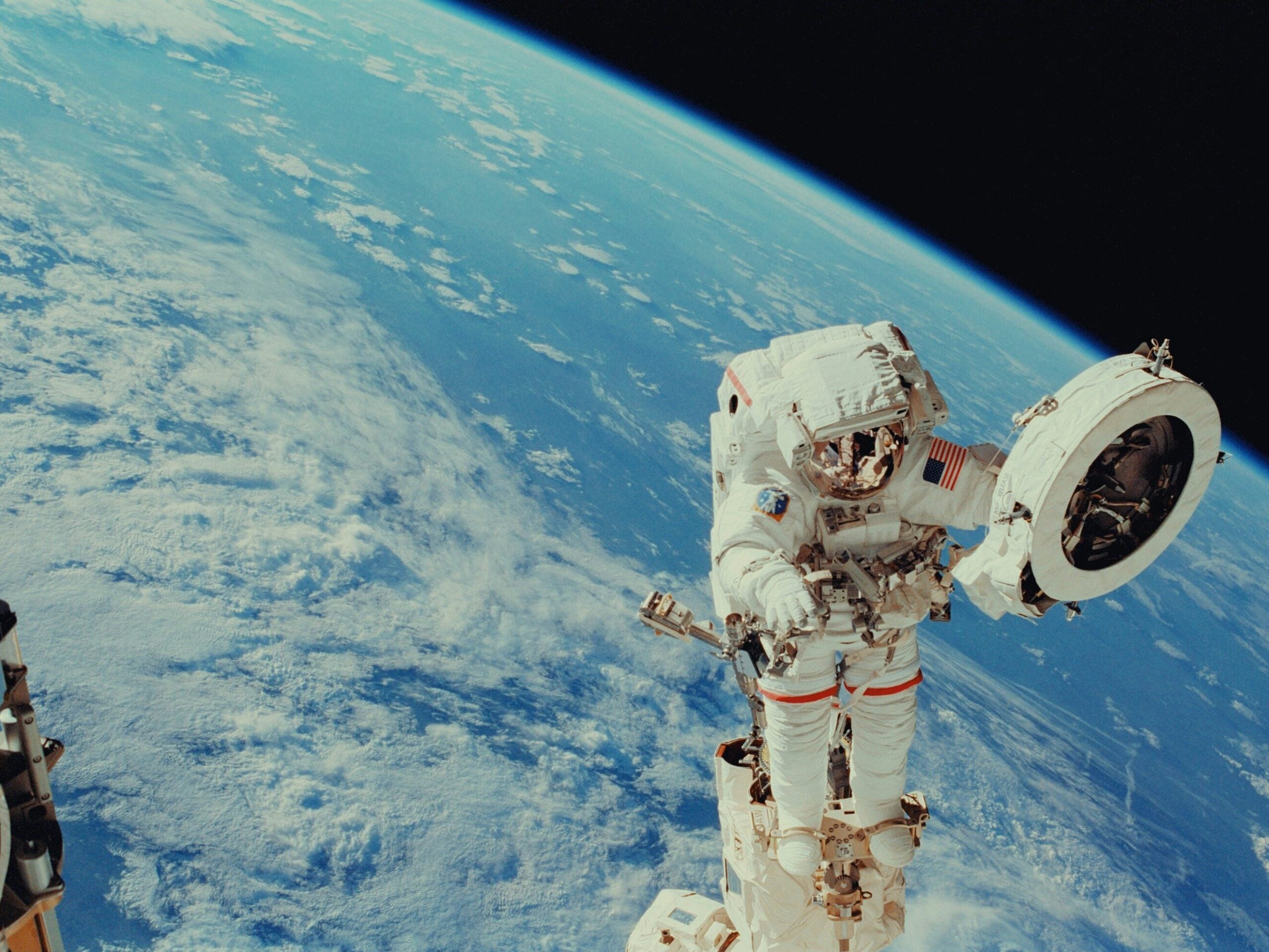
Space looked different through Valentina Tereshkova’s eyes. Like watching a secret no one had bothered to share with half the human race.
Her three-day solo flight in June 1963 didn’t just prove women could handle weightlessness and cosmic radiation. It revealed how arbitrary the barriers had been all along.
The Soviets put a textile worker in orbit while NASA was still debating whether female astronauts might cry and short-circuit the electronics. History has a way of settling these debates without committee meetings.
First Spacewalk
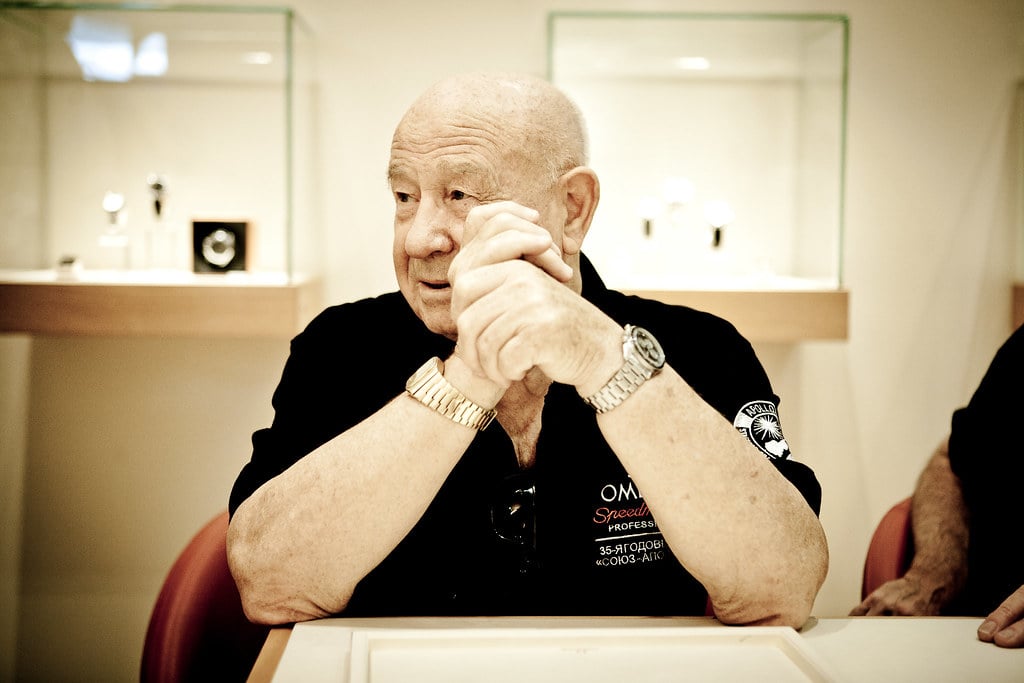
Alexei Leonov’s twelve-minute float outside Voskhod 2 on March 18, 1965, answered a question nobody had thought to ask: what happens when you step outside your spacecraft with nothing but vacuum in every direction? Turns out, you don’t immediately die.
You also don’t immediately master the art of moving in three dimensions with no reference points, but that’s what makes it interesting. His spacesuit inflated like a balloon and nearly trapped him outside the airlock.
Space exploration, it became clear, would always be equal parts triumph and terror.
Gemini Rendezvous and Docking
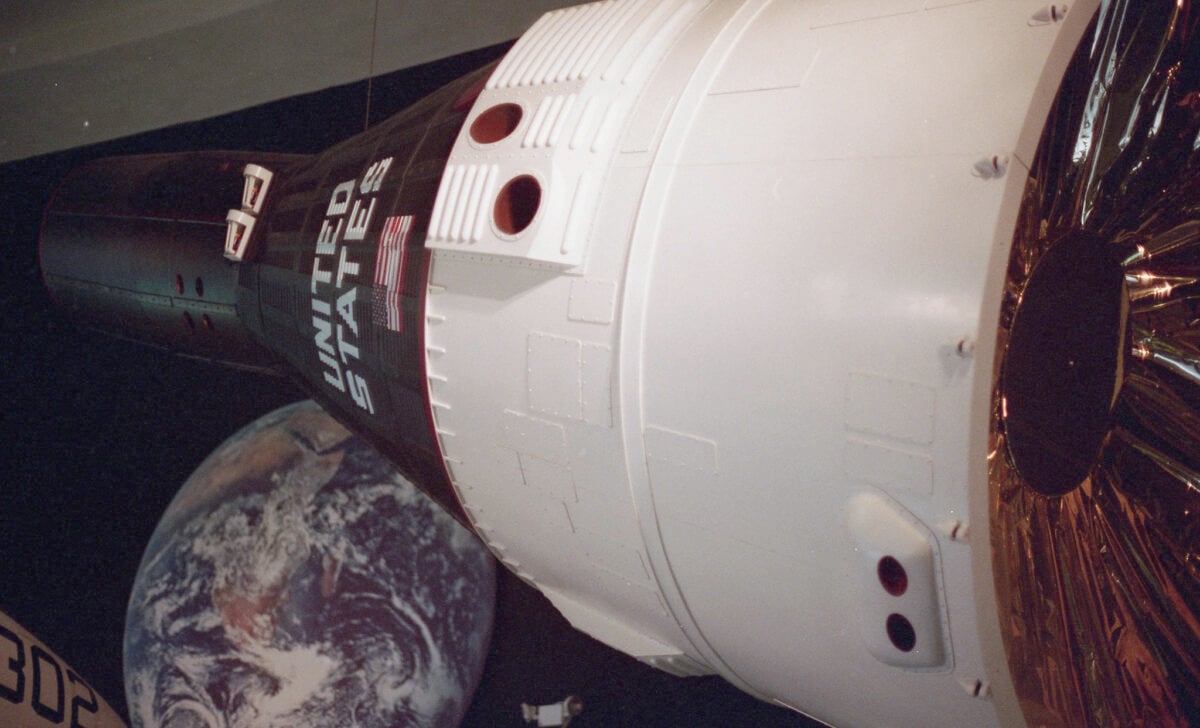
Two objects moving at 17,500 miles per hour, finding each other in the emptiness, and gently touching nose to nose without exploding. The physics shouldn’t work. The margin for error doesn’t exist.
But Gemini proved that spacecraft could dance with each other in orbit. December 1965’s successful docking opened the door to everything that came after — space stations, moon missions, and the peculiar art of cosmic choreography.
Apollo 8 Lunar Orbit
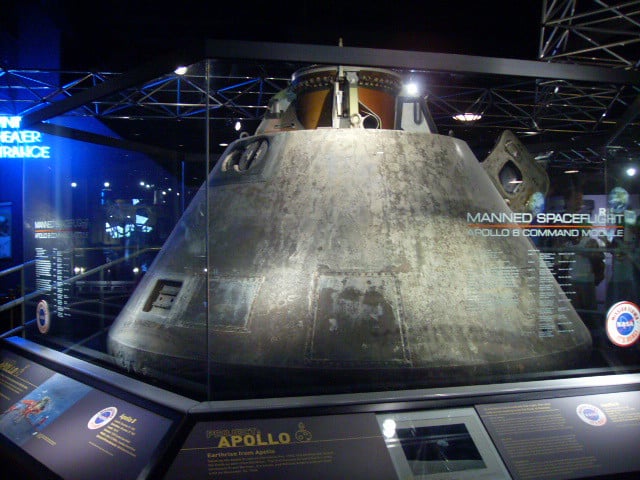
Sometimes the most important thing about a journey isn’t where you land (Apollo 8 and its crew of Frank Borman, Jim Lovell, and William Anders never touched the Moon’s surface, after all), but what you see along the way, and what they saw on December 24, 1968, was Earth rising over the Moon’s horizon like a blue marble suspended in black velvet. The photograph they took — “Earthrise” — didn’t just document a view; it created an entirely new way of seeing home, small and fragile and alone in a way that no amount of description had ever managed to convey.
So it makes sense that this mission, intended as a test run for the lunar landing hardware, ended up being something else entirely: the moment humanity first saw itself from the outside, and realized how precious and isolated the whole experiment really was.
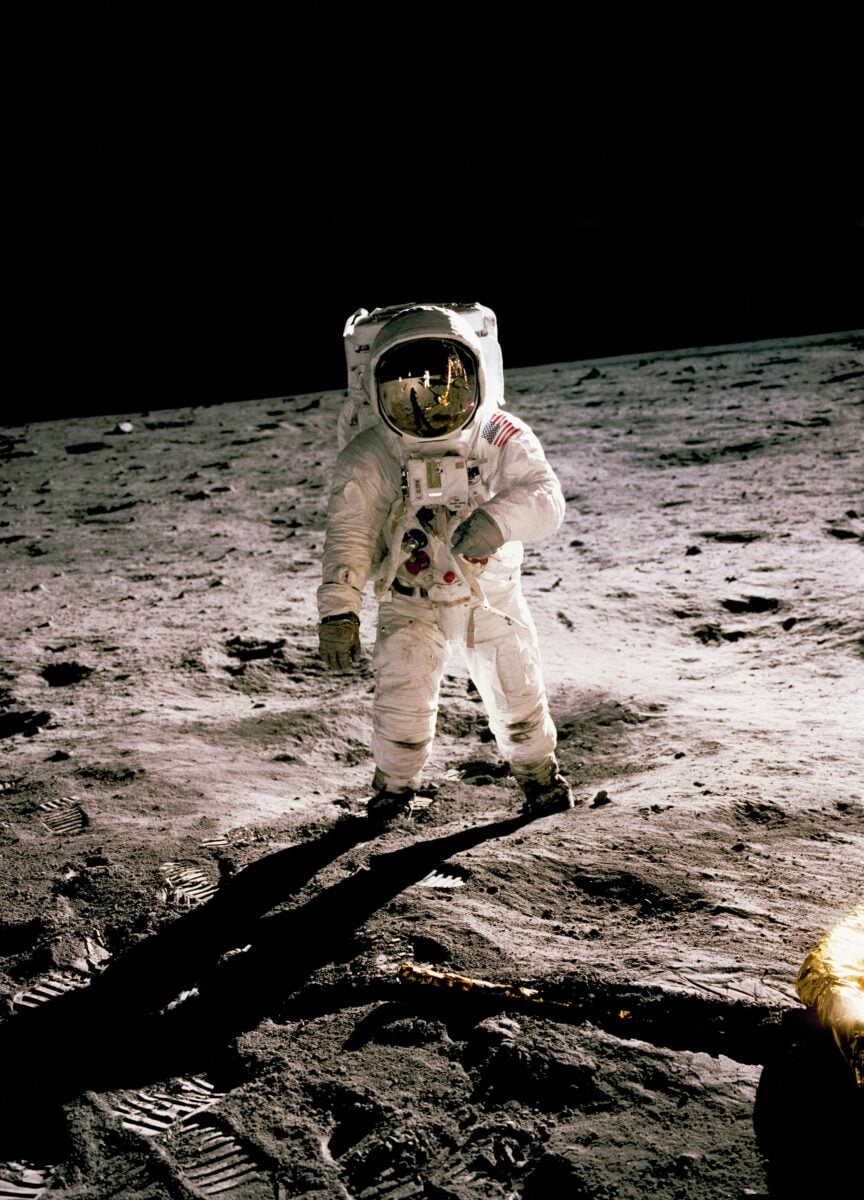
Apollo 11 Moon Landing
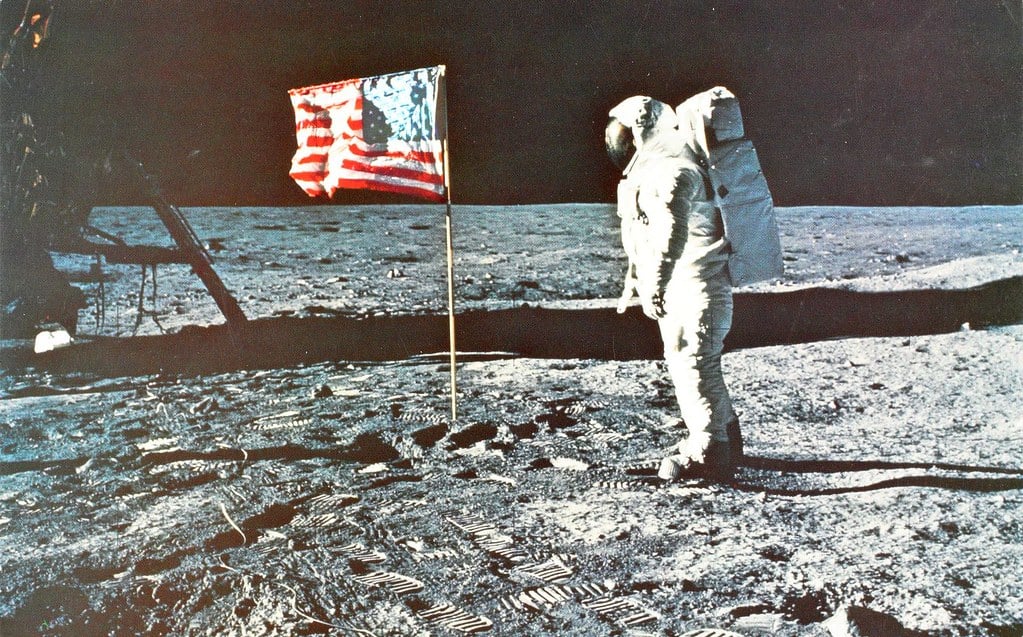
July 20, 1969. Neil Armstrong stepped onto powdery gray dust and said words that still echo. The moment split human history into before and after.
For the first time, life from Earth touched another world. The technical achievement was staggering — half a million people, eight years, and the computing power of a pocket calculator.
But the image that mattered was simpler: a human footprint in alien soil.
First Space Station
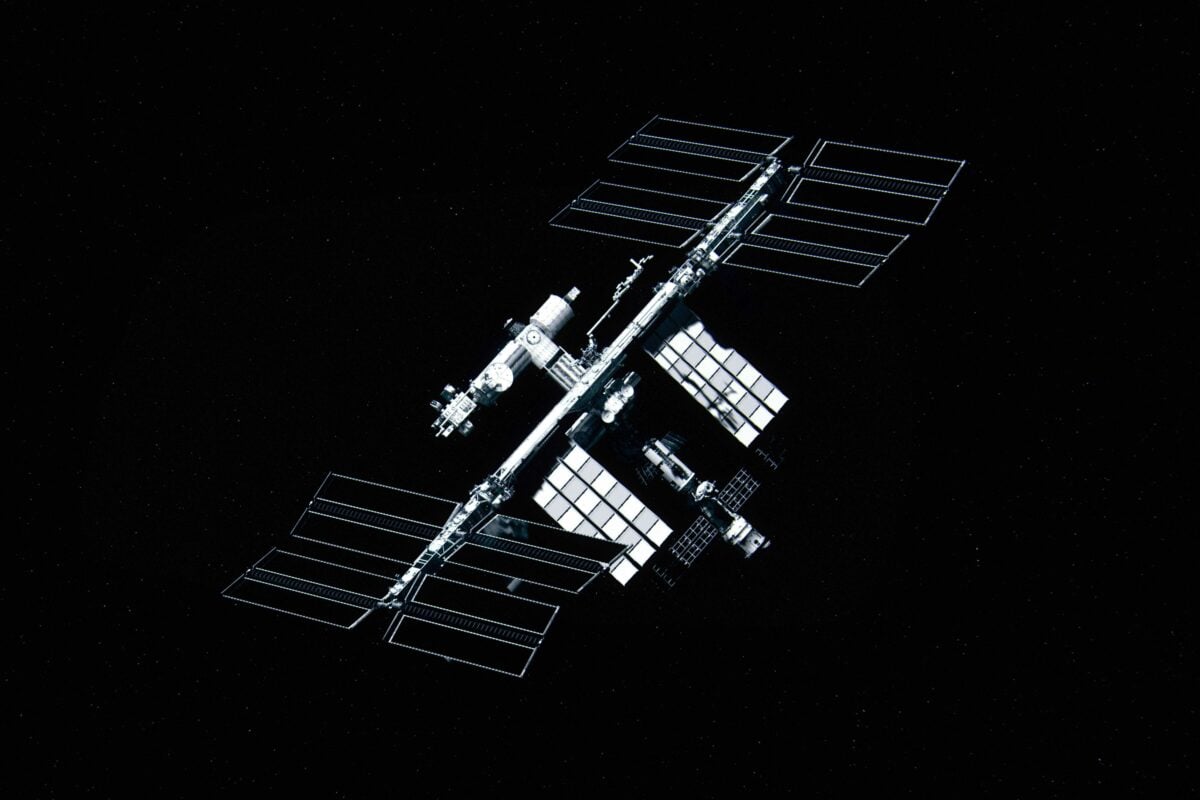
Salyut 1 proved that space wasn’t just somewhere you visit (like stepping out onto the front porch for a moment to check the weather), it was somewhere you could actually live, at least for a while, assuming you could solve the small problems of breathing, eating, sleeping, and not going completely insane from the isolation — which, as it turned out, were not small problems at all, but the kind of challenges that required rethinking everything humans thought they knew about what constitutes a livable environment. The Soviet station launched on April 19, 1971, and though its first crew never made it aboard due to docking problems, and its second crew died during reentry, the concept survived: humans could build homes in the void.
Even so, it took decades to get the details right. Space, it became clear, was not particularly interested in making things easy.
Space Shuttle Era Begins
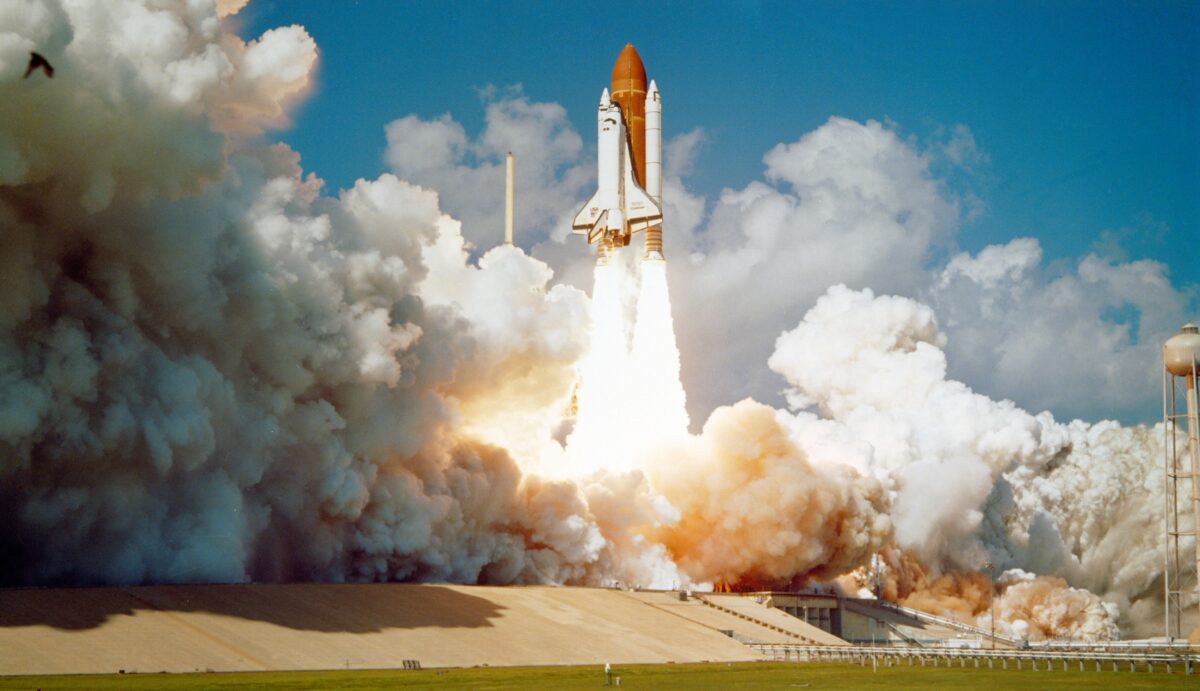
Columbia lifted off on April 12, 1981, and space travel suddenly looked routine. A reusable spacecraft that landed like an airplane.
Space as a regular commute. The shuttle era lasted thirty years and taught hard lessons about the difference between looking routine and being routine.
But for a while, it seemed like anyone might get to go to space. That dream didn’t last, but it changed how people thought about leaving Earth.
First Space Station Crew Exchange
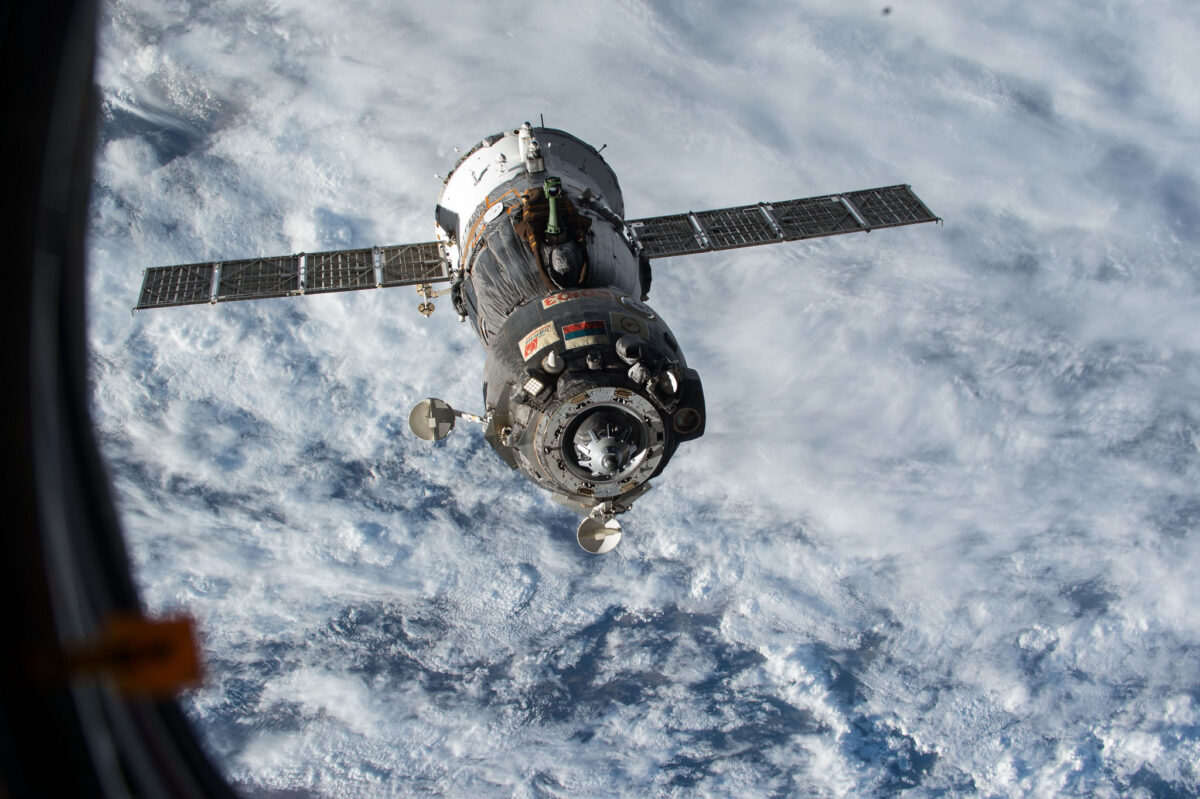
When the crew of Soyuz 11 docked with Salyut 1 in June 1971, they weren’t just visiting space — they were moving in. Twenty-three days of living in orbit, conducting experiments, and proving that humans could adapt to weightlessness for weeks at a time.
They died during reentry when their capsule depressurized, but their mission proved the concept that would define the next fifty years of space exploration: permanent human presence beyond Earth.
Shuttle-Mir Program
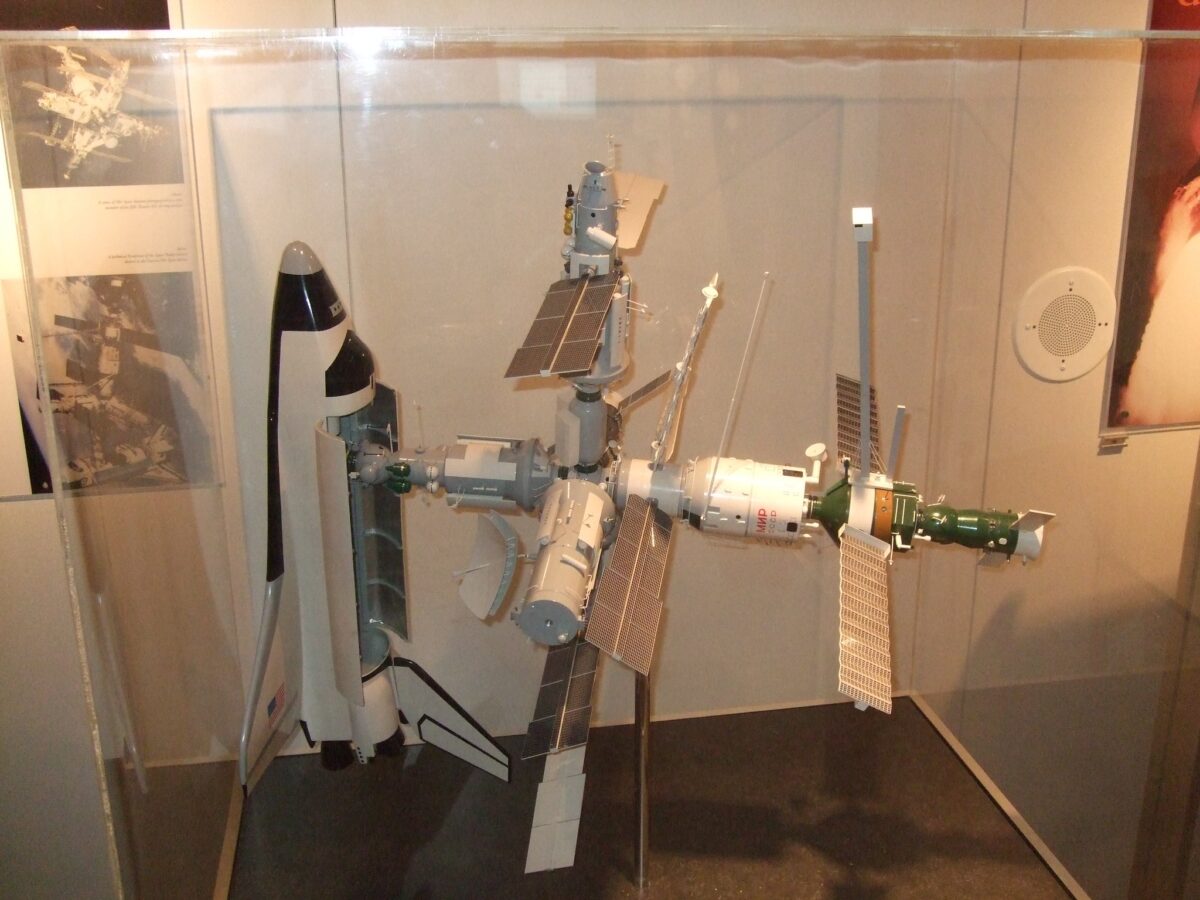
The 1990s brought something nobody expected: cooperation. American astronauts living on Russian space stations.
Former enemies sharing recycled air and freeze-dried food 250 miles above the politics. The Shuttle-Mir program lasted from 1994 to 1998 and proved that space exploration worked better as a collaboration than a competition.
It also served as a rehearsal for something bigger: a permanently crewed international outpost that would dwarf everything that came before.
International Space Station Construction Begins
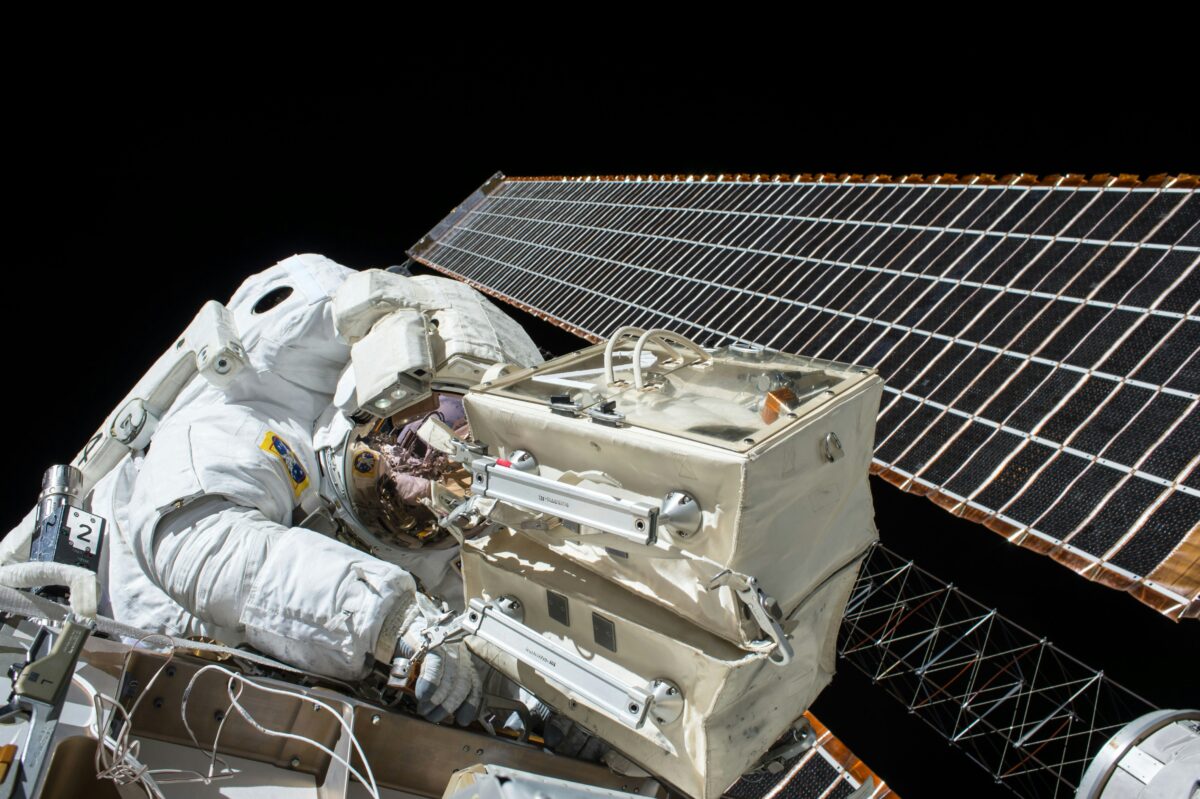
Assembly began in 1998 with the launch of the Russian Zarya module (which translates to “Dawn,” and given that this marked the beginning of continuous human presence in space, the name turned out to be more prophetic than poetic). What followed was the most complex construction project in human history: building a research laboratory the size of a football field while both the construction site and the workers orbited Earth every ninety minutes at seventeen thousand miles per hour, with no possibility of running to the hardware store when something went wrong — which, naturally, things did go wrong, regularly and creatively, because space has no patience for human planning.
But the ISS grew piece by piece, module by module, solar panel by solar panel, until it became something unprecedented: a permanently inhabited outpost in the cosmos. And the most remarkable thing wasn’t the technology or the engineering, though both were extraordinary.
It was the fact that sixteen nations managed to agree on anything long enough to build it.
SpaceX Dragon Becomes First Commercial Crew Vehicle
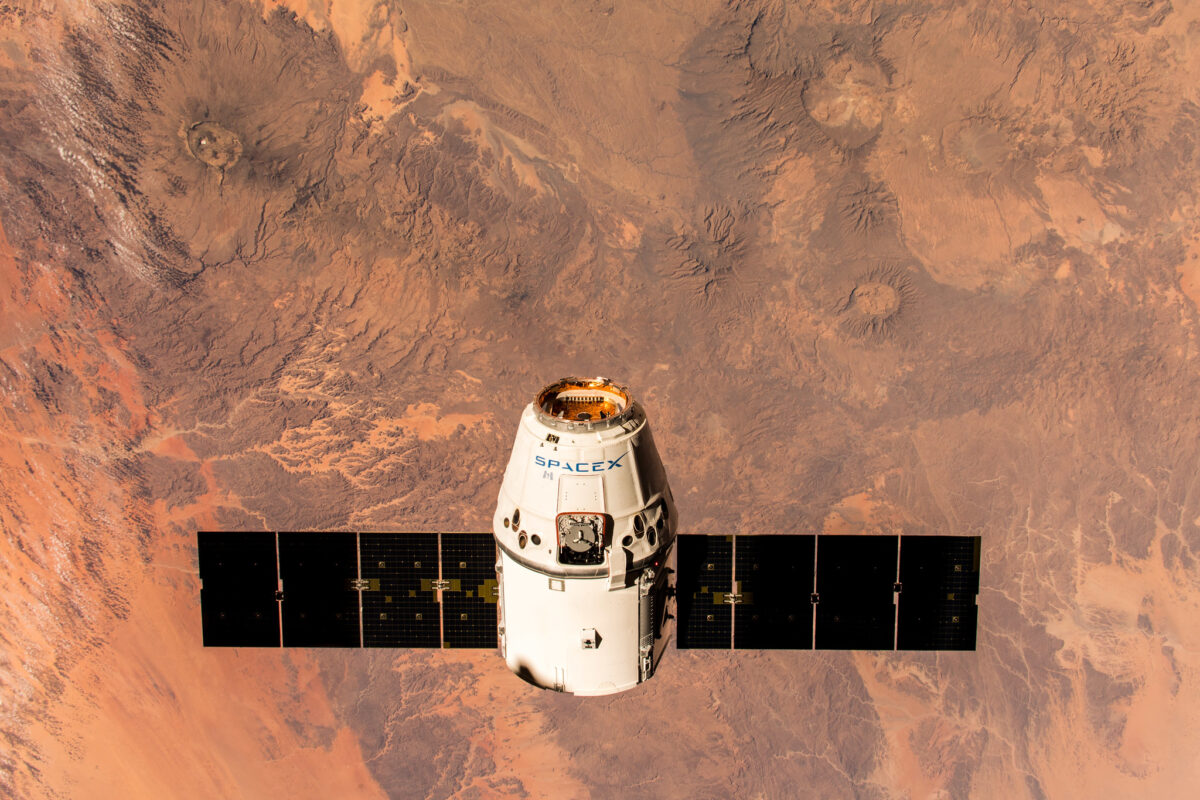
May 30, 2020, changed the business model of leaving Earth. SpaceX’s Crew Dragon carried NASA astronauts to the International Space Station, but it carried something else too: proof that private companies could handle the most dangerous commute in human experience.
For the first time since the shuttle program ended in 2011, Americans launched from American soil. More importantly, space access was no longer a government monopoly.
The era of commercial spaceflight had officially begun.
Longest Single Spaceflight
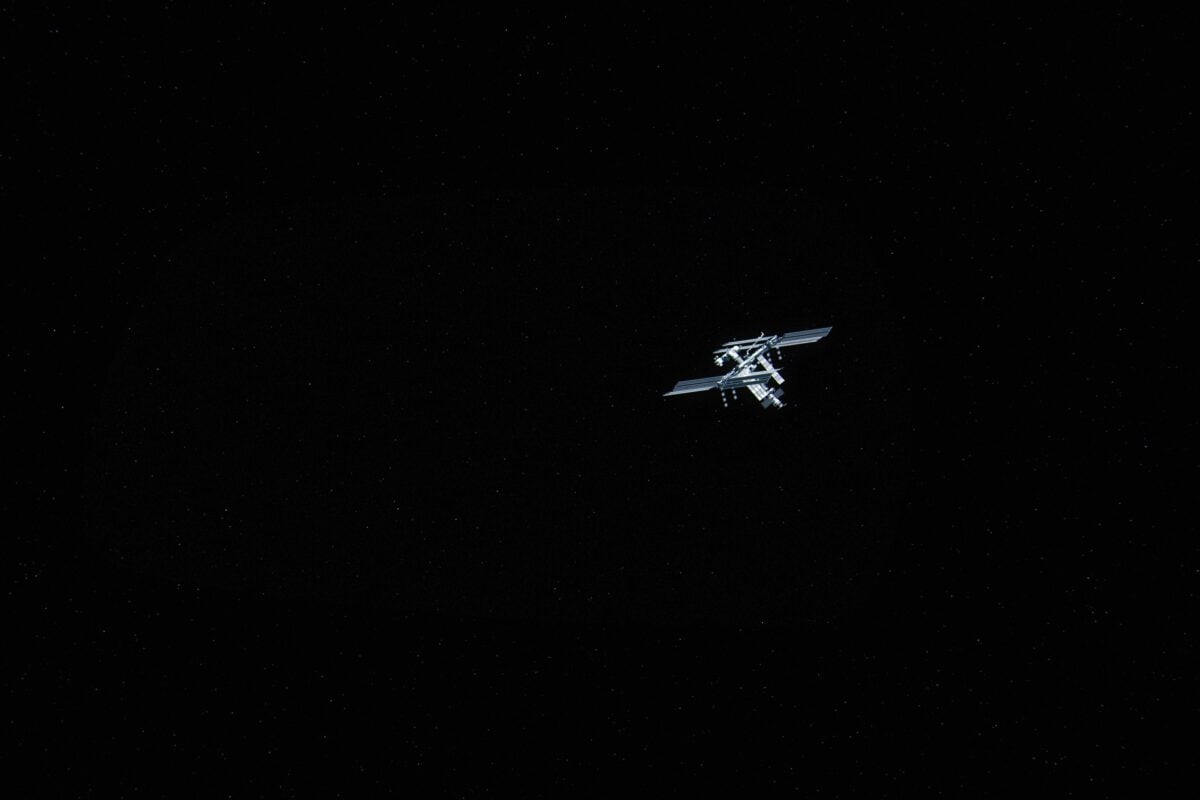
Scott Kelly spent 340 consecutive days on the International Space Station, from March 2015 to March 2016. His mission wasn’t just about endurance — it was about understanding what happens to human bodies and minds during the kind of long-duration flights that Mars missions will require.
He came back slightly taller, with vision problems, and a twin brother whose DNA had remained unchanged for comparison. The data from his mission is still shaping plans for interplanetary travel.
First Crewed Private Spaceflight
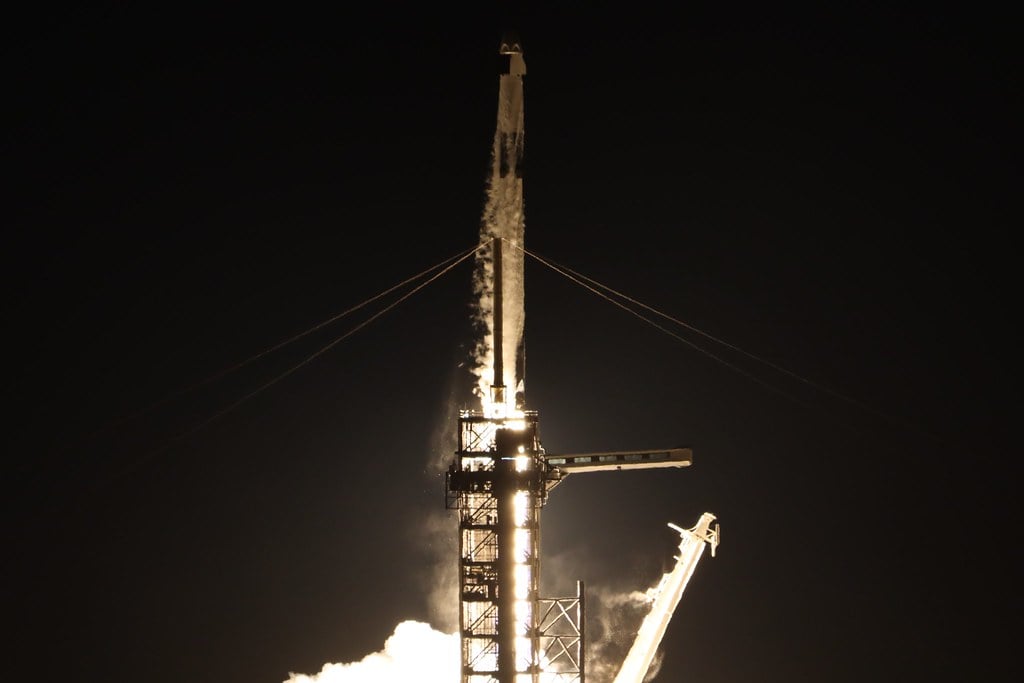
SpaceX’s Inspiration4 mission in September 2021 did something that had never been done: put four civilians in orbit with no professional astronauts aboard. No government agencies, no military test pilots, no one with decades of training.
Just regular people — a billionaire, a physician assistant, an aerospace engineer, and a community college professor — spending three days in space because they wanted to. Space tourism had officially moved from science fiction to expensive reality.
Beyond the Milestones
These sixteen moments didn’t happen in isolation. Each breakthrough built on countless failures, near-misses, and quiet innovations that never made headlines.
The real story of human spaceflight isn’t just about the dramatic firsts — it’s about the stubborn refusal to accept that Earth’s atmosphere represents the limit of human curiosity. What started as a competition between nations has become something larger: a species learning to live beyond the world that made it.
More from Go2Tutors!

- The Romanov Crown Jewels and Their Tragic Fate
- 13 Historical Mysteries That Science Still Can’t Solve
- Famous Hoaxes That Fooled the World for Years
- 15 Child Stars with Tragic Adult Lives
- 16 Famous Jewelry Pieces in History
Like Go2Tutors’s content? Follow us on MSN.


