17 Movie Sequels That Ignored the Original
Hollywood has a complicated relationship with sequels, often treating successful films like launching pads for entirely different stories. Sometimes studios greenlight follow-ups that barely acknowledge what made the original movie work, resulting in sequels that feel more like distant cousins than direct descendants.
These cinematic orphans take characters and concepts in completely unexpected directions, often leaving fans wondering if the writers actually watched the first film. Here is a list of 17 movie sequels that essentially ignored everything that came before them.
Speed 2: Cruise Control

The original Speed worked because of its simple premise — a bus that couldn’t slow down without exploding. Speed 2 decided the logical next step was putting Sandra Bullock on a cruise ship with a completely different leading man and a villain who moves at the speed of ocean currents.
The sequel abandoned the claustrophobic tension and breakneck pacing that made the first film successful — replacing Keanu Reeves with Jason Patric was just the beginning of its problems.
Grease 2

Grease 2 kept the high school setting and musical format but swapped out every single character from the original film. The sequel introduced Michelle Pfeiffer as a good girl who falls for the mysterious Cool Rider, essentially flipping the gender dynamics from the first movie.
While the songs were catchy enough, the film felt like it was trying to recreate lightning in a bottle with completely different ingredients.
Like Go2Tutors’s content? Follow us on MSN.
The Next Karate Kid

After three films following Daniel LaRusso’s martial arts journey, The Next Karate Kid decided to start fresh with Hilary Swank as Mr. Miyagi’s new student. The film ignored the established mythology and character relationships that fans had invested in across three movies.
While Swank delivered a solid performance, the sequel felt disconnected from everything that made the original trilogy compelling — it was like watching a completely different franchise that happened to feature Pat Morita.
Caddyshack II

The original Caddyshack balanced multiple storylines and characters into a coherent comedy about class warfare at a country club. Caddyshack II brought back only Chevy Chase and ignored virtually every other element that made the first film work.
The sequel focused on Jackie Mason’s character dealing with snobbish club members, but it lacked the anarchic energy and memorable characters that defined its predecessor.
The Mask: Son of the Mask

Son of the Mask took the supernatural comedy concept and applied it to a baby while ignoring everything that made Jim Carrey’s performance iconic in the original. The sequel relied heavily on CGI effects rather than physical comedy and character development — turning the Mask from a charming trickster into a digital cartoon.
Jamie Kennedy couldn’t match Carrey’s manic energy, though the film’s biggest mistake was treating the Mask like a special effect rather than a character transformation.
Like Go2Tutors’s content? Follow us on MSN.
American Psycho II: All American Girl

This sequel ignored Patrick Bateman entirely and focused on a college student who survived an encounter with him as a child. The film abandoned the satirical elements and corporate culture commentary that made the original so effective — instead becoming a generic thriller about a serial killer on campus.
Mila Kunis starred in what felt more like a made-for-TV movie than a legitimate sequel to Bret Easton Ellis’s dark masterpiece.
Book of Shadows: Blair Witch 2

The Blair Witch Project succeeded through found footage realism and psychological horror, so naturally the sequel abandoned both approaches entirely. Book of Shadows featured traditional cinematography, supernatural special effects, and a meta-narrative about people obsessed with the first film — essentially admitting it existed in a world where The Blair Witch Project was just a movie.
The sequel traded genuine scares for conventional horror tropes, losing everything that made the original groundbreaking.
S. Darko
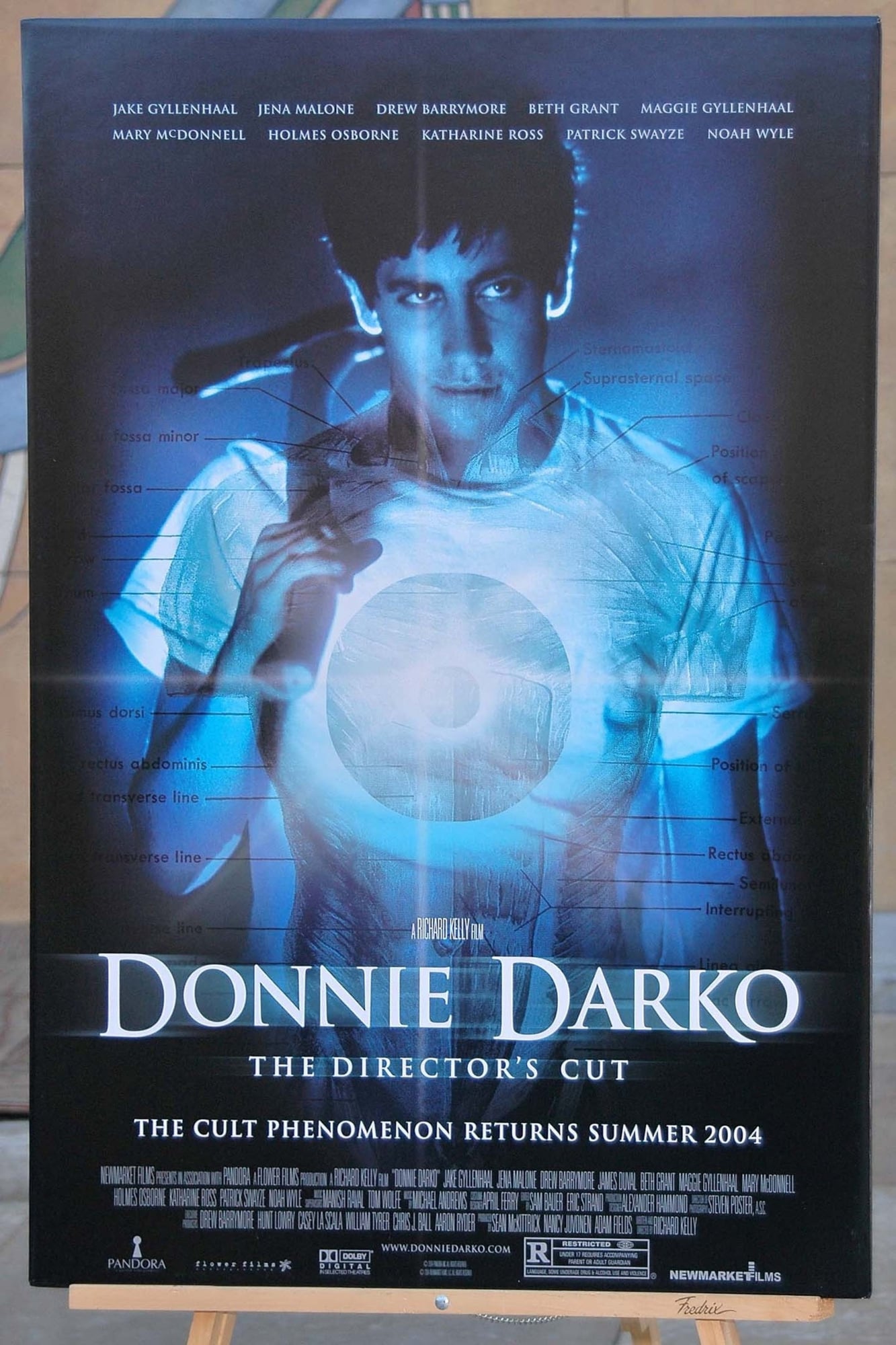
This sequel to Donnie Darko followed Donnie’s younger sister seven years after the original events, but it ignored the complex mythology and philosophical themes that defined the first film. S. Darko attempted to recreate the time travel elements without understanding what made them work in context — resulting in a confusing mess that felt like fan fiction.
The film couldn’t decide whether it wanted to be a sequel, a spiritual successor, or an entirely separate story that happened to share a character.
Like Go2Tutors’s content? Follow us on MSN.
Dumb and Dumber To
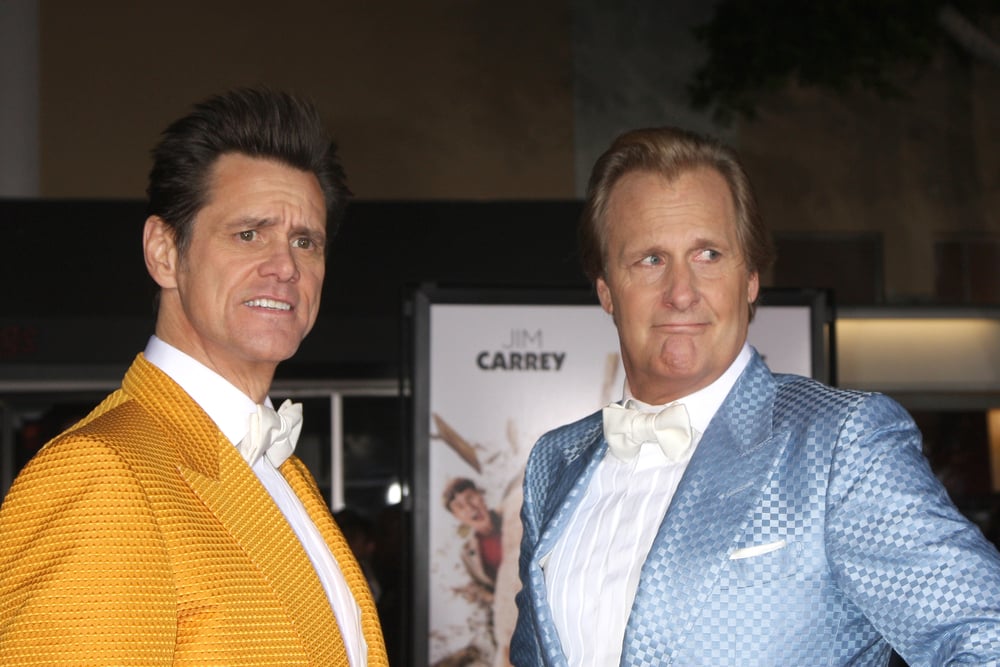
After nearly 20 years, this sequel brought back Jim Carrey and Jeff Daniels but ignored most of the character development and relationship dynamics from the original. The film relied on callbacks and references rather than developing new situations for Lloyd and Harry to bumble through.
While the actors slipped back into their roles easily, the sequel felt more like an extended sketch than a fully realized story — proving that sometimes nostalgia isn’t enough to justify a return trip.
Jaws: The Revenge

The fourth Jaws film ignored established shark behavior, basic logic, and everything that made the original a masterpiece of suspense filmmaking. The Revenge featured a shark that apparently held personal grudges and could travel faster than commercial airlines — following the Brody family to the Bahamas for reasons that defied explanation.
The film abandoned the realistic approach of the original in favor of a supernatural revenge story that made the shark seem almost magical in its abilities.
Highlander II: The Quickening

The original Highlander established immortals as ancient beings living secretly among humans, so the sequel naturally revealed they were actually aliens from the planet Zeist. Highlander II ignored the mythology it had just established and transported the action to a dystopian future where the ozone layer had been destroyed.
The film’s attempts to expand the universe only served to make it more confusing — turning a simple concept about immortal warriors into science fiction nonsense.
Like Go2Tutors’s content? Follow us on MSN.
Starship Troopers 3: Marauder

While Starship Troopers 2 was already a departure from Paul Verhoeven’s original, the third film brought back Casper Van Dien but ignored most of the satirical elements that made the first movie work. Starship Troopers 3 focused on religious themes and featured a singing Johnny Rico, abandoning the fascist propaganda parody for a more straightforward action approach.
The sequel felt like it was made by people who missed the point of Verhoeven’s critique entirely.
The Sting II

The Sting II reunited Jackie Gleason and Mac Davis from the original cast but ignored the Depression-era setting and sophisticated con game structure that defined the first film. The sequel moved the action to the 1940s and focused on boxing instead of elaborate confidence schemes — losing the period detail and intricate plotting that made the original so engaging.
Without Paul Newman and Robert Redford’s chemistry, the film felt like a completely different story that borrowed a familiar title.
Teen Wolf Too
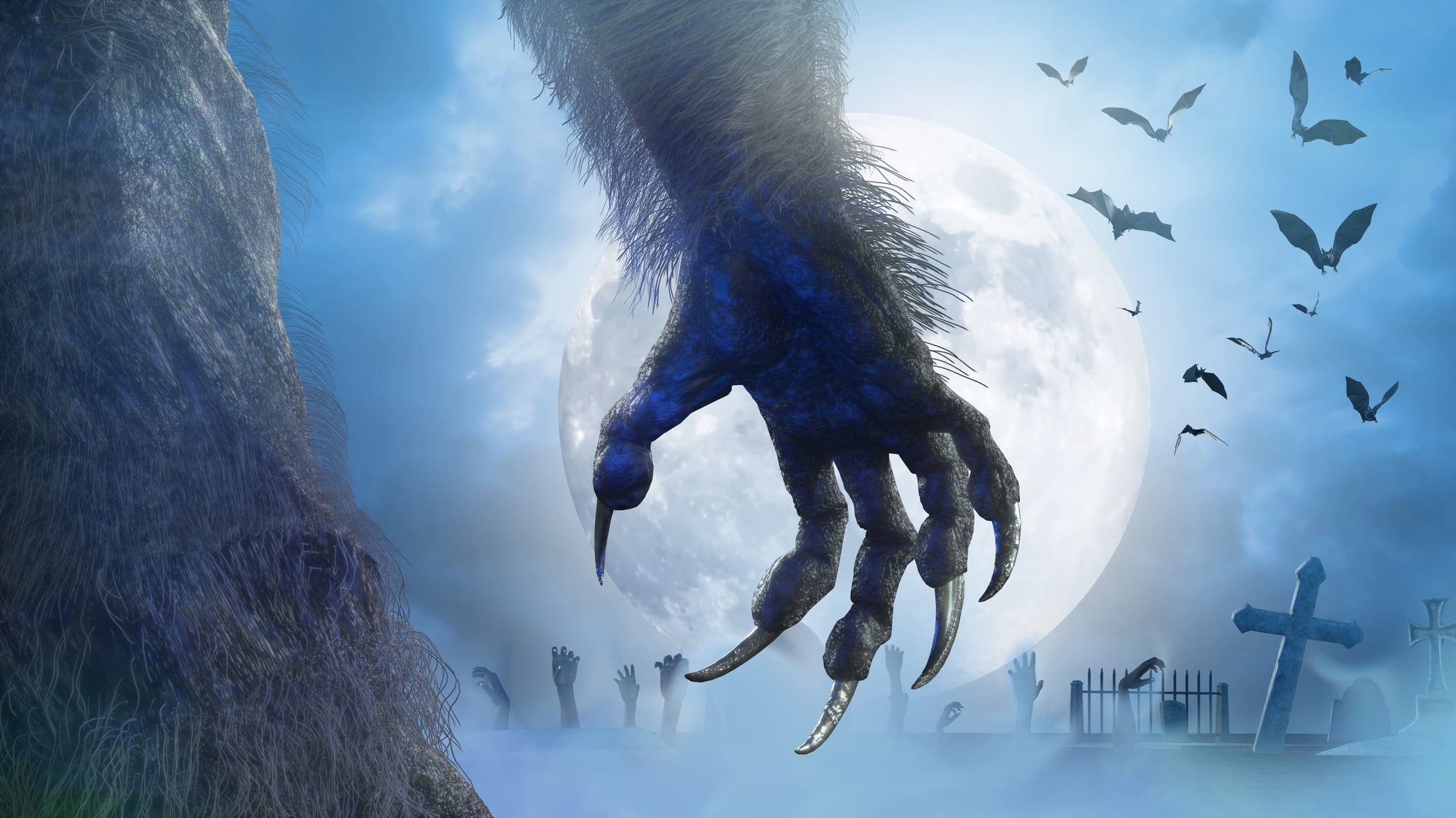
Teen Wolf Too followed Scott Howard’s cousin at college, ignoring the high school setting and family dynamics that grounded the original film. The sequel applied the werewolf concept to college boxing instead of basketball, but it lost the coming-of-age themes that gave the first movie its heart.
Jason Bateman couldn’t match Michael J. Fox’s charisma, though the bigger problem was that the film felt like a generic sports comedy with werewolf elements thrown in as an afterthought.
Like Go2Tutors’s content? Follow us on MSN.
Staying Alive

This sequel to Saturday Night Fever moved Tony Manero to Manhattan and focused on his Broadway dancing career, ignoring the working-class Brooklyn environment that defined his character. Staying Alive transformed the gritty character study into a glossy musical fantasy, complete with elaborate dance numbers that felt more like music videos than organic story elements.
The film abandoned the social commentary and realistic relationships of the original for pure wish fulfillment.
Blues Brothers 2000
Blues Brothers 2000 brought back Dan Aykroyd but replaced John Belushi with John Goodman, fundamentally altering the dynamic that made the original work. The sequel ignored the specific chemistry between Jake and Elwood Blues in favor of a more conventional buddy comedy approach — adding a kid sidekick and softening the characters’ rough edges.
Without Belushi’s manic energy, the film felt like a tribute band performing familiar songs without understanding what made them special.
Zoolander 2
After 15 years, Zoolander 2 reunited Ben Stiller and Owen Wilson but ignored the fashion industry satire that gave the original its edge. The sequel focused on family dynamics and international espionage instead of the modeling world mockery that fans expected — diluting the specific comedy that made Derek Zoolander such a memorable character.
The film felt more interested in celebrity cameos than in developing the world it had established, turning sharp satire into generic comedy.
Like Go2Tutors’s content? Follow us on MSN.
When Hollywood Forgets Its Homework
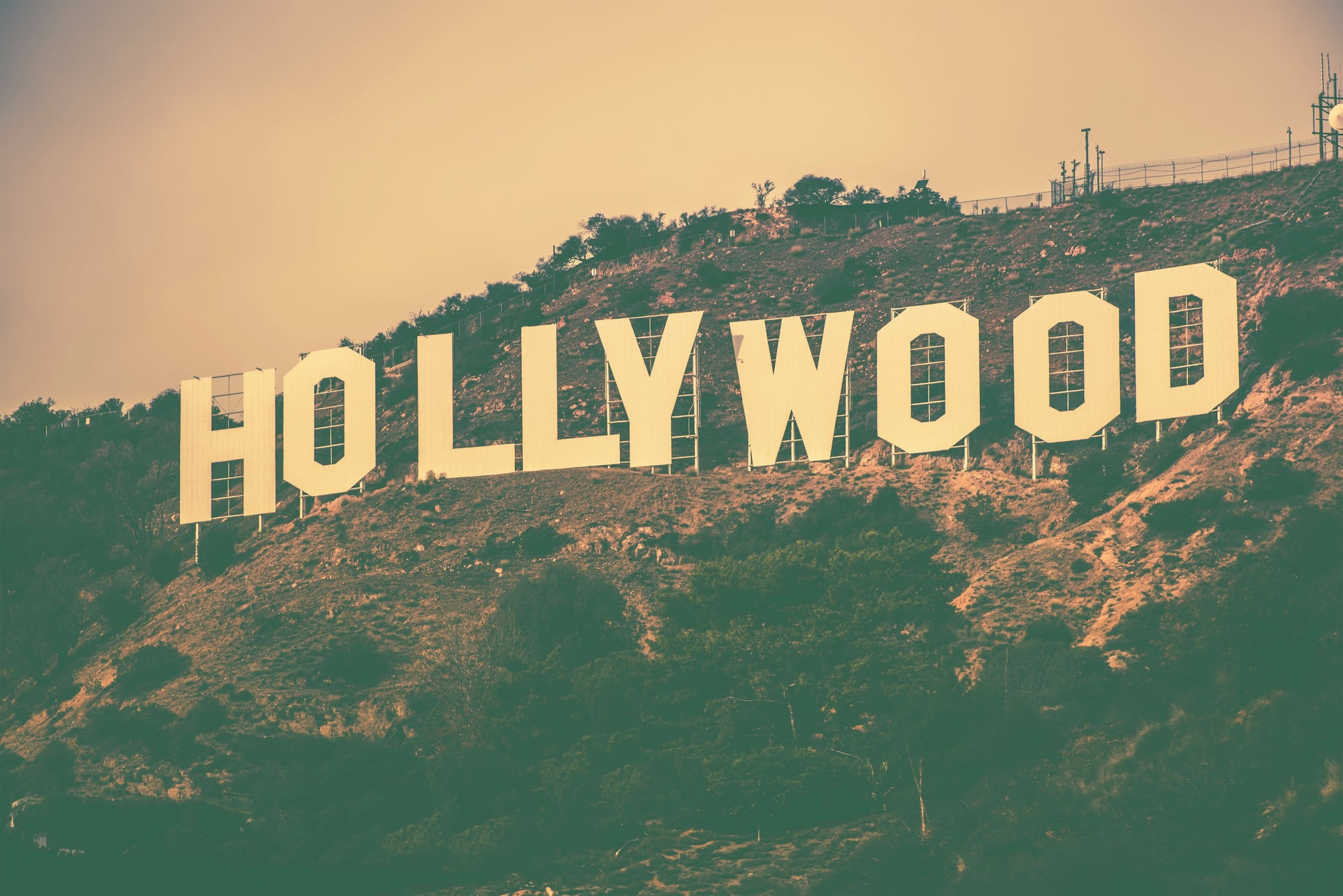
These sequels demonstrate what happens when studios prioritize brand recognition over creative continuity. The most successful franchises understand that sequels should build upon established foundations rather than abandoning them entirely — expanding worlds and characters instead of replacing them with cheaper alternatives.
While some of these films found their own audiences, they serve as reminders that ignoring what made the original special rarely leads to lasting success. The best sequels honor their predecessors while finding new stories to tell, proving that evolution works better than revolution when it comes to continuing beloved stories.
More from Go2Tutors!

- 16 Restaurant Chains That Went Too Fast
- 12 Things Sold in the 80s That Are Now Illegal
- 15 Strange Things People Have Tried to Ban (And Failed)
- 16 Collectibles People Tossed Out Too Soon
- 17 Myths from Your Childhood That Were Actually Based on Real Things
Like Go2Tutors’s content? Follow us on MSN.



