17 TV Shows from the 2000s Nobody Remembers
The 2000s gave us some of television’s most iconic shows – Lost, The Office, 24, American Idol. But scattered between these cultural juggernauts were dozens of forgotten gems that barely made it past their first season. Some were ahead of their time, others were victims of network shuffling, and a few were just plain weird in the best possible way.
These shows captured something specific about that decade – the optimism of early reality TV, the experimentation with serialized storytelling, the willingness to take creative risks that seems rarer now. Here are 17 shows that once filled time slots and sparked conversations, then vanished so completely you might wonder if you imagined them.
Wonderfalls
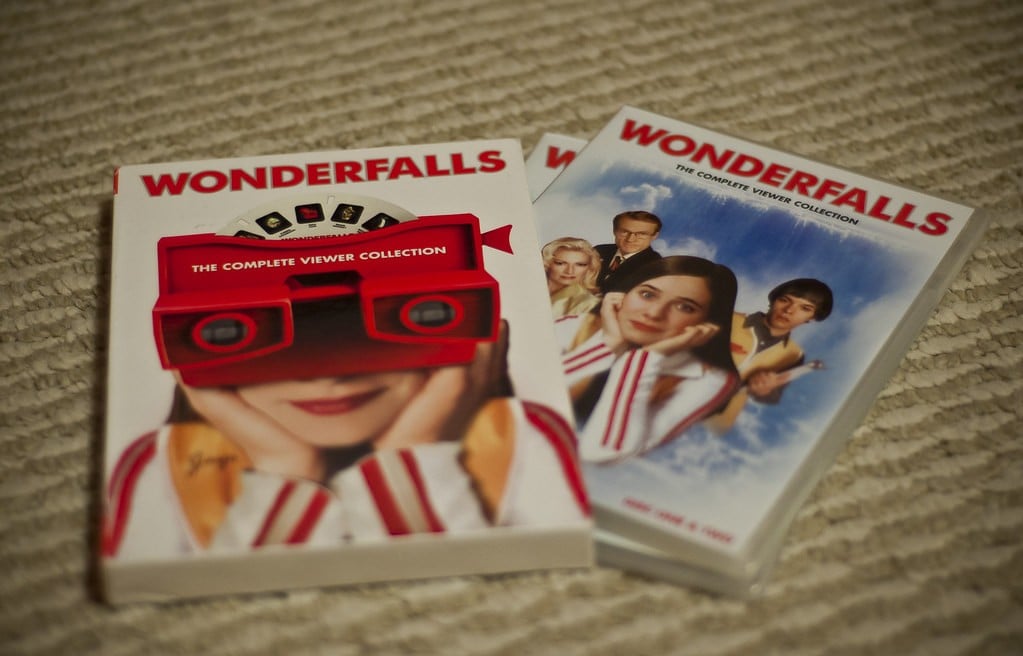
Caroline Dhavernas played Jaye, a philosophy graduate working at a Niagara Falls gift shop whose life gets complicated when animal figurines start talking to her. The show lasted exactly four episodes on Fox before getting axed, though all 14 episodes eventually aired and found their audience on DVD.
Bryan Fuller created something genuinely magical here – part spiritual journey, part family comedy, with a protagonist who spent most of her time trying to ignore divine intervention delivered through plastic lawn flamingos. The writing had the same quirky intelligence that would later surface in Pushing Daisies, but network television wasn’t ready for a show about reluctant heroism disguised as retail hell.
Keen Eddie
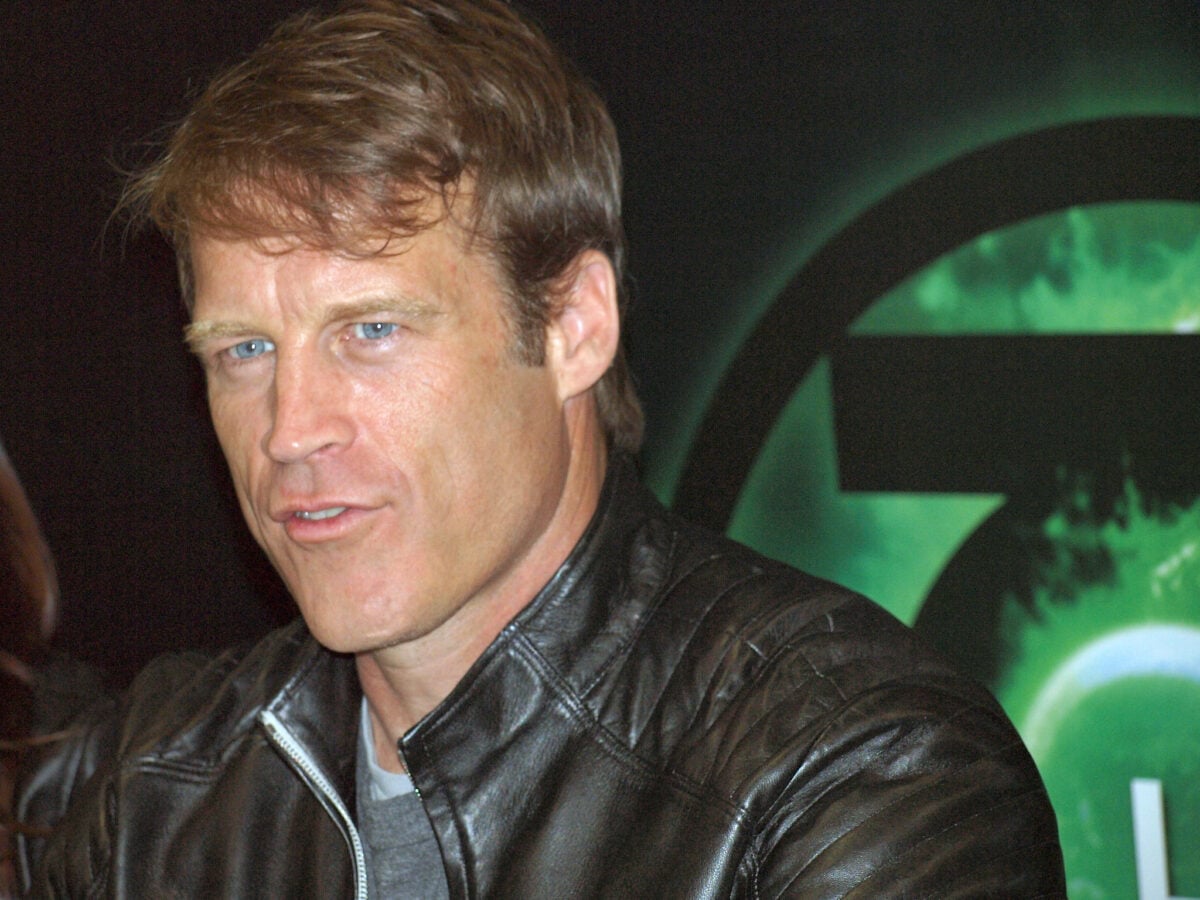
Mark Valley played a New York cop exiled to London after a case goes sideways. The show mixed buddy cop comedy with culture clash humor, throwing in everything from eccentric British criminals to a pet dog that may or may not have been psychic.
Fox aired it out of order, then cancelled it, then brought it back, then cancelled it again. Classic Fox. The show had energy and a willingness to be completely ridiculous – Valley’s Eddie was part tough guy, part confused tourist, stumbling through London like someone who learned about England exclusively from Guy Ritchie movies.
The Tick (Live Action)
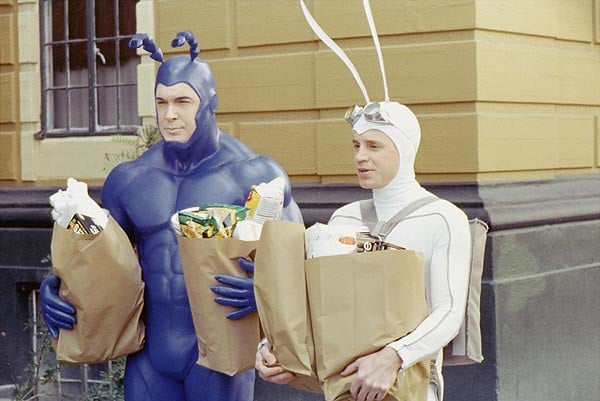
Patrick Warburton brought the big blue superhero to live action with the kind of deadpan commitment that made Seinfeld’s Puddy a legend. The show lasted nine episodes, which was somehow both too few and exactly the right amount.
Every episode felt like watching someone perform surgery on comic book logic (and finding out the patient was healthier than expected, but also completely insane). Warburton delivered lines like “Gravity is a harsh mistress” with such earnest conviction that you started to believe maybe superheroes really do think this way.
The show understood that taking absurdity seriously is funnier than winking at your own jokes.
Jake 2.0
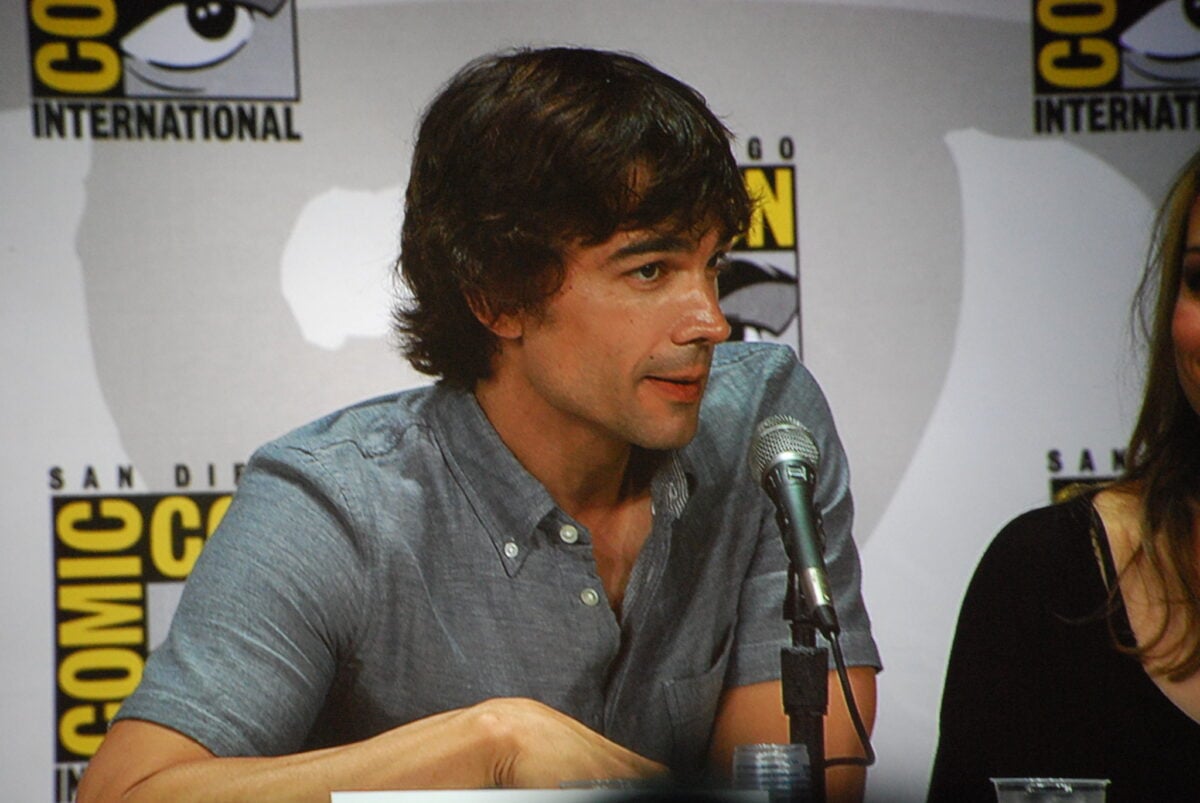
Christopher Gorham played a computer technician who gets infected with nanobots and becomes a reluctant super-spy. UPN cancelled it after one season, back when getting cancelled by UPN felt like being rejected by the kids’ table.
The premise sounds like someone pitched “What if Chuck, but five years earlier and with actual superpowers?” Jake could download martial arts skills, hack computers with his brain, and leap tall buildings – though he spent most episodes just trying not to electrocute people when he sneezed. The show knew it was ridiculous and leaned into the fish-out-of-water comedy instead of trying to be the next 24.
Andy Richter Controls the Universe
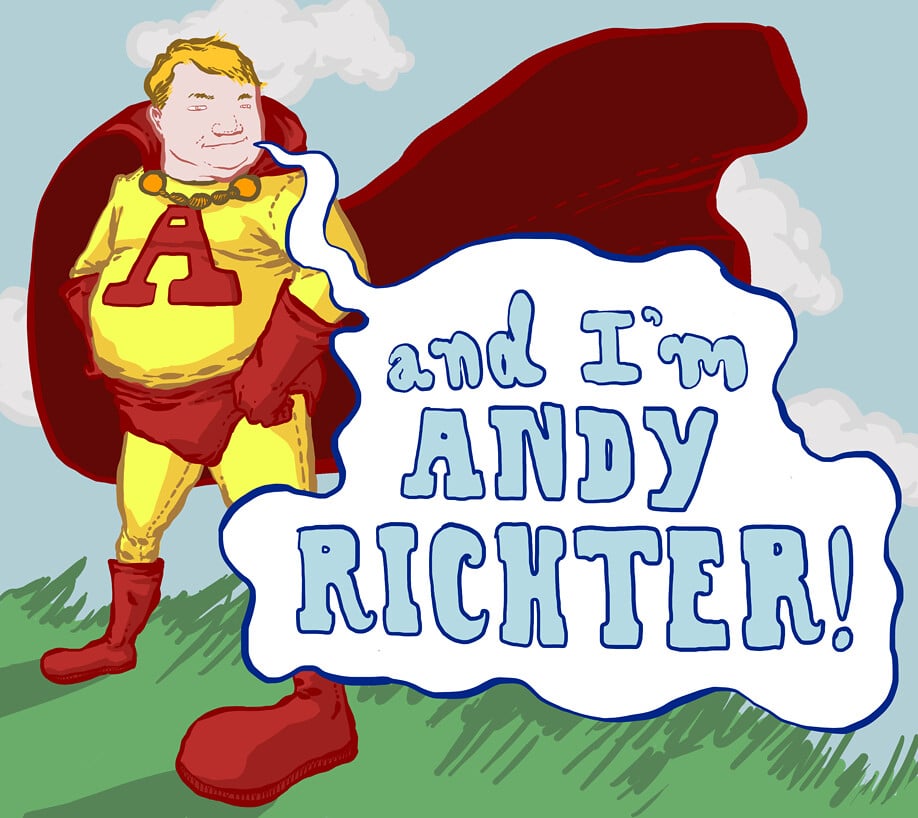
Andy Richter played Andy, a technical writer whose elaborate daydream sequences provided commentary on his mundane office life. Fox shuffled it around the schedule like a deck chair on the Titanic, and it disappeared after two seasons despite being genuinely clever.
The show operated on dream logic – Andy would imagine himself as a cowboy, a detective, or a medieval knight, all while sitting in meetings about instruction manuals. But these weren’t just random fantasy sequences; they revealed something true about how creativity survives in corporate environments.
Richter had a gift for making ordinary workplace frustration feel both universal and completely specific.
Ed
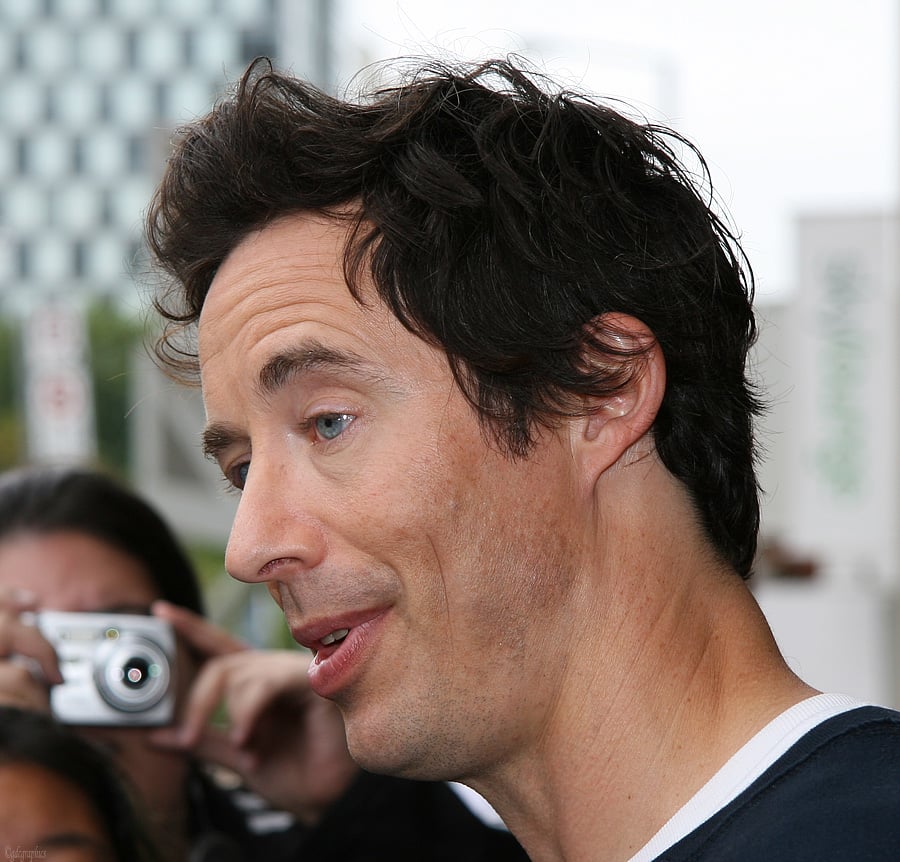
Tom Cavanagh played a lawyer who moves to a small town and buys a bowling alley after his marriage falls apart. NBC kept it alive for four seasons, which makes it practically ancient by the standards of this list.
Small-town quirk was everywhere in the early 2000s, but Ed found something genuine in the formula. Cavanagh’s character wasn’t running from his problems so much as trying to build something better from the wreckage.
And the bowling alley wasn’t just a cute gimmick – it was a place where people gathered, which turned out to matter more than the show’s romantic storylines (though those worked too).
Push, Nevada

Ben Affleck produced this mystery series about an IRS agent who discovers a town that doesn’t officially exist. ABC embedded real clues in episodes, offering viewers a million-dollar prize for solving the conspiracy.
The interactive element was ambitious for 2002 – basically an alternate reality game before anyone called them that. But the show itself was genuinely eerie, with Lynch-ian touches and a conspiracy that felt both small-town paranoid and genuinely unsettling. So ABC cancelled it mid-mystery, leaving viewers with half a puzzle and no resolution.
The contest winner got their money, but the show’s central question – what was Push, Nevada hiding? – never got answered.
Dead Like Me
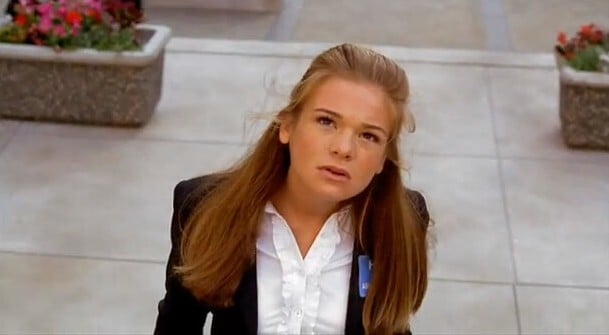
Ellen Muth played George, an 18-year-old who gets killed by a space station toilet seat and becomes a grim reaper. Showtime ran it for two seasons, then tried to resurrect it with a TV movie that everyone pretends didn’t happen.
Bryan Fuller again, exploring death with the same gentle weirdness he brought to Wonderfalls. The reapers looked like ordinary people, worked mundane day jobs, and spent most of their time complaining about their afterlife bureaucracy.
But underneath the dark comedy was something genuinely moving about finding purpose in the worst possible circumstances. George learned to care about people by helping them die, which sounds morbid but played as surprisingly life-affirming.
Boomtown
NBC’s police procedural told the same crime story from multiple perspectives, jumping between cops, district attorneys, paramedics, and reporters. The show won awards and critical praise, then got retooled into a conventional cop show and promptly died.
The original format was genuinely innovative – not just Rashomon with badges, but a real attempt to show how the same events look different depending on where you’re standing. A routine arrest might be heroic from the cop’s perspective, tragic from the suspect’s family, and purely procedural from the lawyer’s.
But apparently audiences wanted their crime stories simple, so NBC gave them simple and wondered why nobody watched.
Firefly
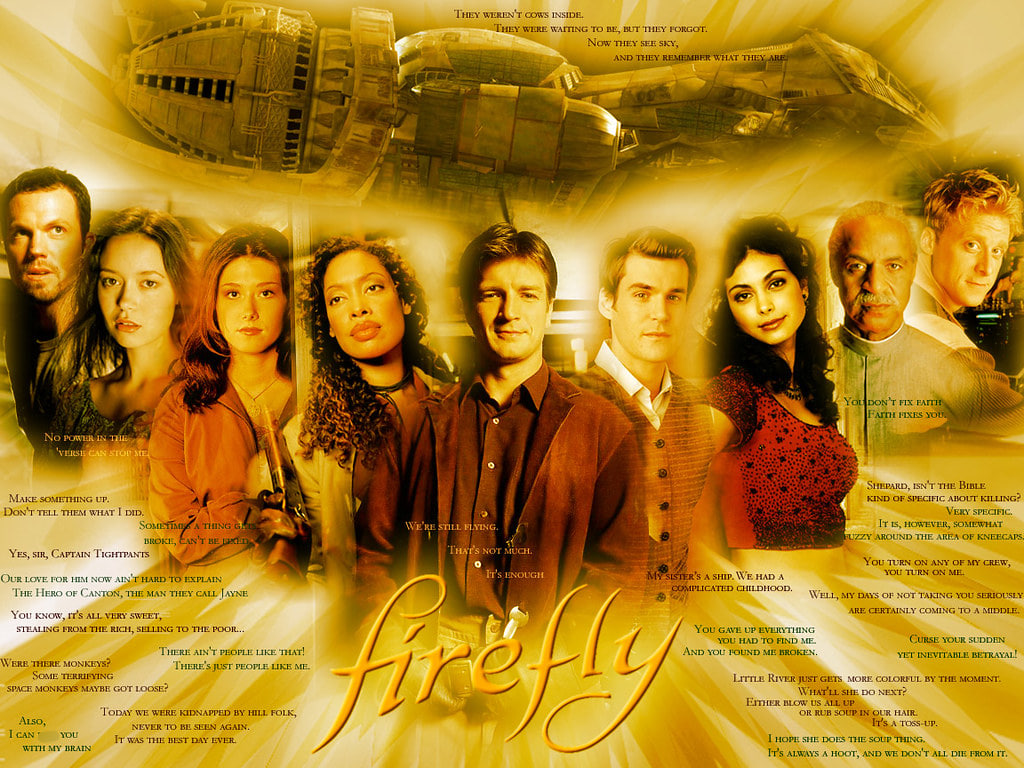
Joss Whedon’s space western lasted 14 episodes on Fox, though they only aired 11 before cancellation. The fan campaign to bring it back resulted in a movie and turned it into the poster child for networks not understanding what they had.
Cowboys in space should have been ridiculous, but Whedon found something timeless in the premise. Nathan Fillion’s Malcolm Reynolds was Han Solo without the redemption arc – a good man broken by war, leading a crew of misfits through a universe that didn’t care about their problems.
The show balanced humor with genuine emotion, and every character felt like someone you’d want to have a drink with (except Jayne, who you’d want to have several drinks with, from a safe distance).
Freaks and Geeks
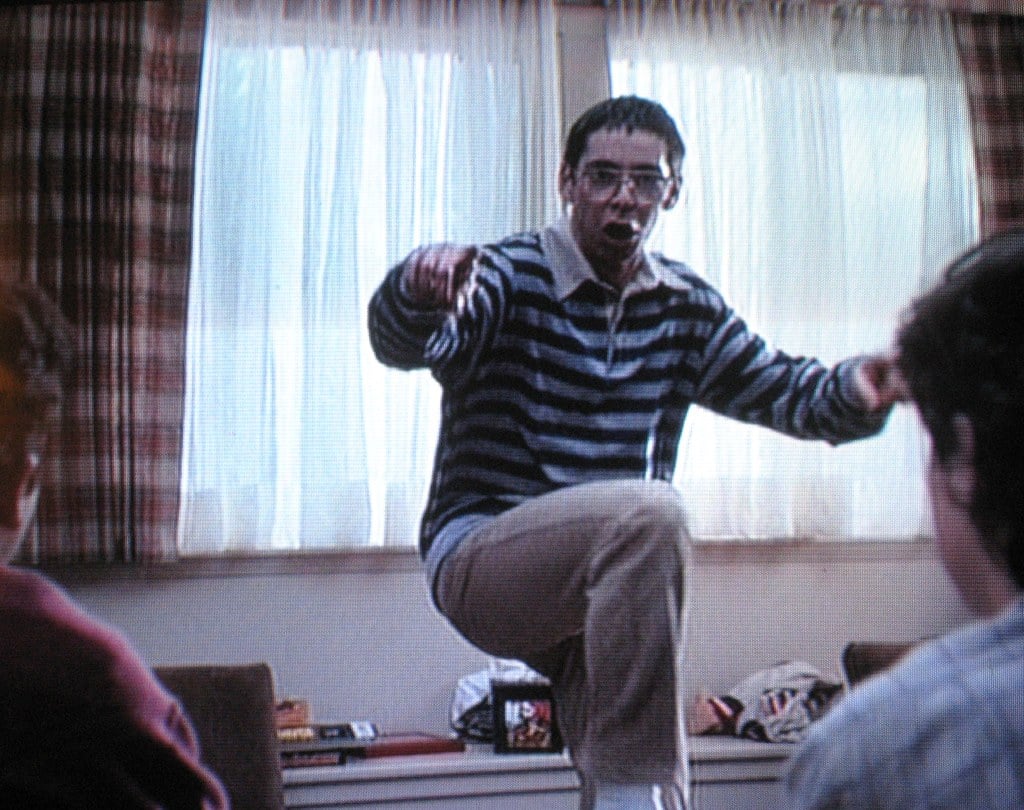
Paul Feig’s high school comedy-drama lasted one season on NBC but launched more careers than most shows that run for decades. Linda Cardellini, James Franco, Seth Rogen, Jason Segel – they were all here first.
The show understood that high school isn’t just awkward – it’s genuinely painful, and that pain doesn’t become funny until much later. Lindsay’s journey from mathlete to burnout felt real because it wasn’t played for easy laughs or after-school special lessons.
These were just teenagers trying to figure out who they wanted to be, making mistakes that felt both specific to 1980 and completely timeless.
Andy Barker, P.I.
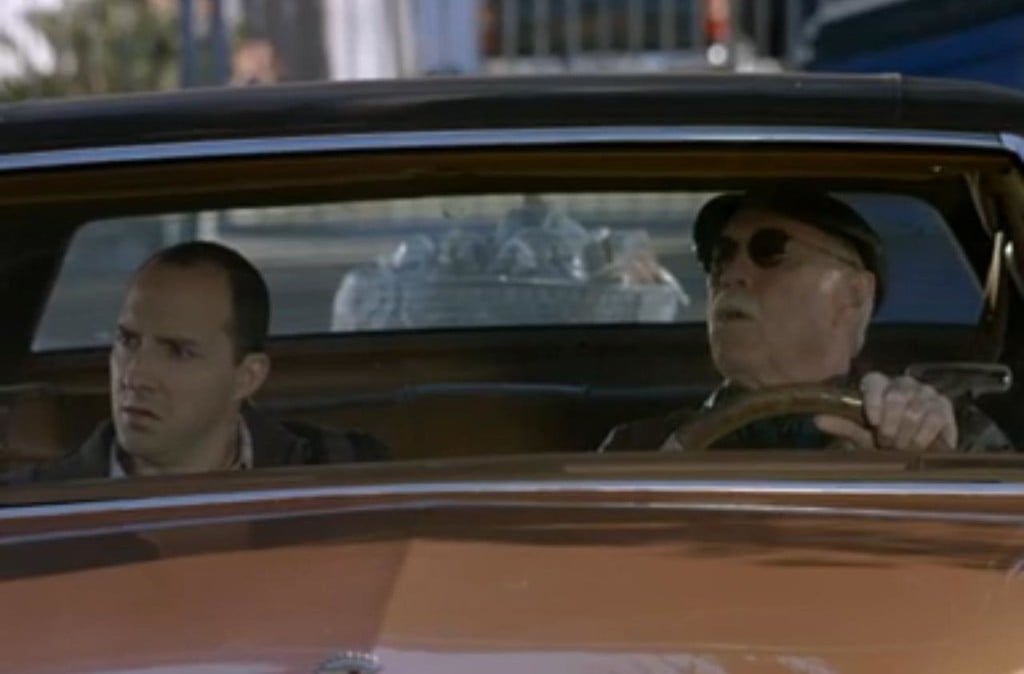
Andy Richter played an accountant whose office gets mistaken for a detective agency, so he starts taking cases. NBC aired six episodes, which was five more than it deserved but somehow not enough to find its rhythm.
The show felt like someone watched The Rockford Files and thought, “What if Jim Rockford was really bad at this and also did people’s taxes?” Richter brought the same daydream energy from his previous show, but the detective premise never quite clicked. Still, watching an accountant try to intimidate criminals by threatening to audit them had its moments.
John Doe
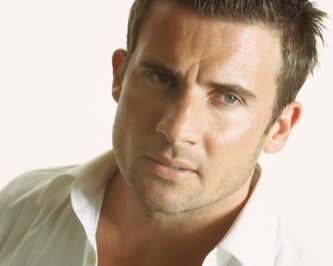
Dominic Purcell played a man who wakes up on an island with no memory but encyclopedic knowledge of everything except his own identity. Fox cancelled it after one season, right before the big reveal about who he really was.
The premise was pure comic book logic – John knew every language, every historical fact, every scientific principle, but couldn’t remember his own name. Each episode was part detective story, part philosophy experiment, as John used his impossible knowledge to solve cases while searching for his past.
The show had ambitions beyond its police procedural format, but Fox lost patience before those ambitions paid off.
Undeclared
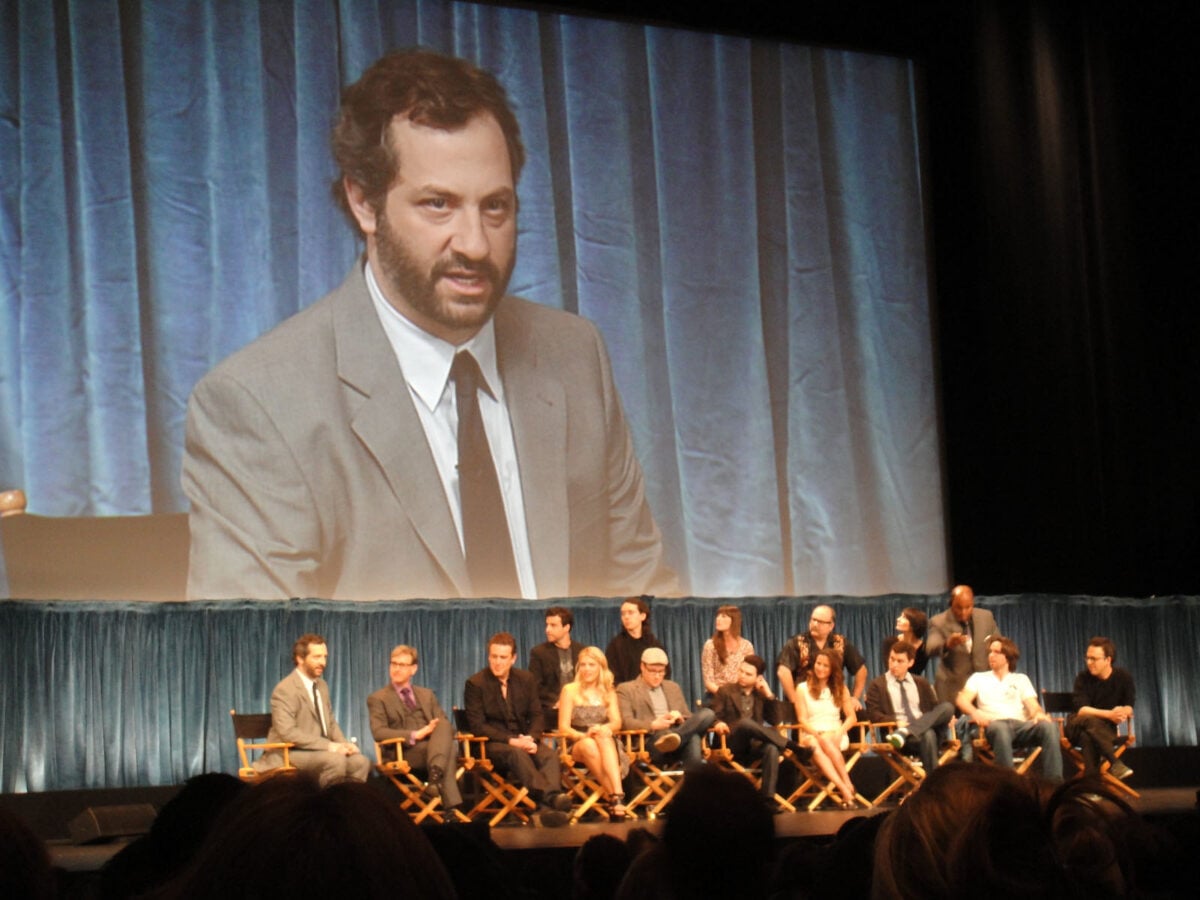
Judd Apatow’s college comedy followed a group of freshmen through their first year of university. Fox cancelled it after one season, though not before it introduced the world to a young Jay Baruchel and gave Seth Rogen another chance to perfect his slacker persona.
Where Freaks and Geeks focused on the pain of adolescence, Undeclared found the humor in young adult confusion. Steven’s attempts to navigate dorm life, romantic relationships, and academic responsibility felt authentic because they were consistently kind to their characters.
Even the most ridiculous situations – and there were plenty – came from a place of genuine affection for people just trying to figure out basic human interaction.
The Lone Gunmen
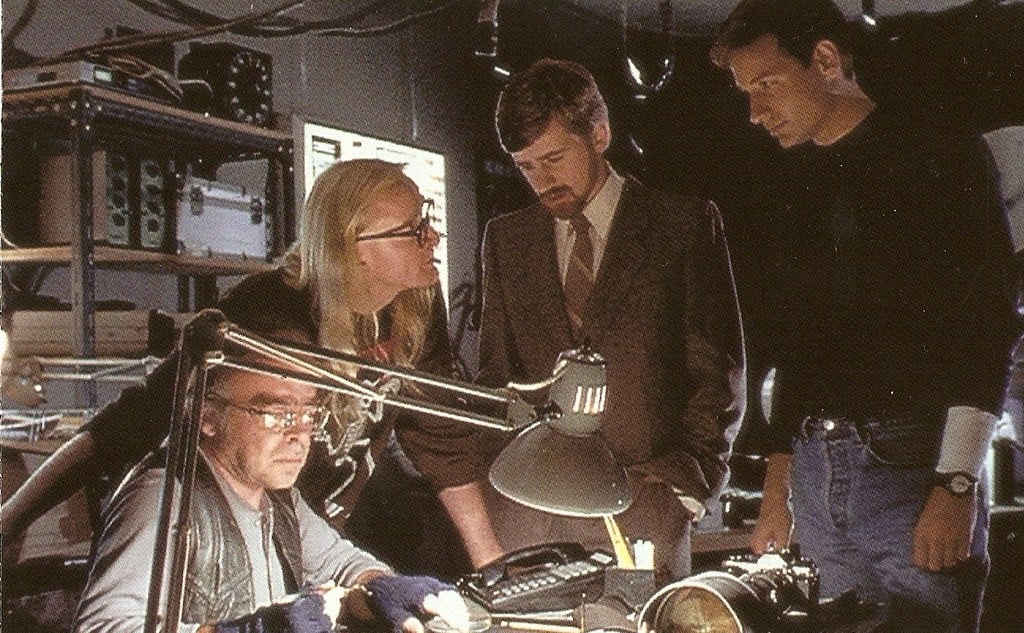
The X-Files spinoff followed Mulder’s conspiracy theorist friends as they investigated corporate cover-ups and government secrets. Fox gave it 13 episodes, then sent it back to the shadows where conspiracy theories belong.
The show was lighter than its parent series, more caper comedy than paranormal thriller. But it landed some genuine insights about how power works in the real world, even when those insights were delivered by three computer nerds who couldn’t get a date between them.
The pilot episode, which aired months after 9/11, featured a plot involving hijacked planes and the World Trade Center – a coincidence so eerie it overshadowed everything else about the show.
Skin

Ron Silver and Olivia Wilde starred in this modern Romeo and Juliet story about the children of a district attorney and an adult film producer who fall in love. Fox cancelled it after three episodes, which might have been a mercy killing.
The show wanted to be edgy and intriguing, tackling the adult entertainment industry with the kind of moral complexity that premium cable was doing better. But network television wasn’t ready for that conversation, and the Romeo and Juliet framework felt forced.
Still, the show had moments of genuine insight about how families create their own moral universes, and Silver brought real gravity to his role as a man trying to legitimize an illegitimate business.
Tru Calling
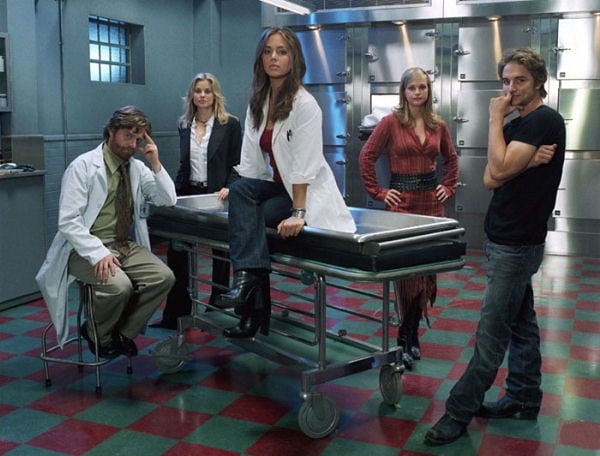
Eliza Dushku played a morgue worker who could relive days to prevent deaths. Fox ran it for two seasons, during which it became clear that the premise had exactly one story to tell, over and over again.
Every episode followed the same structure – someone dies, Tru wakes up that morning, Tru tries to save them, complications ensue. The show never figured out larger mythology or character development beyond the central gimmick.
But Dushku brought enough charisma to make the repetition feel intentional, like watching someone learn to be a hero one small decision at a time. The show worked best when it focused on the moral complexity of changing fate – some people are supposed to die, and preventing one death might cause another.
Life on a Stick

This Fox sitcom followed teenagers working at a mall food court, specifically a corn dog stand called Yippee, So Good. It lasted 13 episodes across two seasons, though Fox aired them so randomly that viewers could never find it.
The show understood that teenagers working minimum-wage jobs aren’t just marking time – they’re learning how the world actually works, usually in the most ridiculous ways possible. The food court setting was perfect for observing the social ecosystem of suburban America, from the customers with their weird demands to the other vendors with their petty rivalries.
It wasn’t groundbreaking television, but it captured something true about that specific moment when you realize adulthood is mostly just more complicated versions of the same social dynamics you thought you’d left behind in high school.
When Shows Disappear

These shows didn’t fail because they were bad – most of them were genuinely good, some were great. They failed because television in the 2000s was still operating on old models, where networks needed immediate hits or shows disappeared forever.
There was no streaming to give them second lives, no social media to build grassroots campaigns, no way for audiences to discover them later. So they vanished, taking their specific voices and creative risks with them.
Which makes them more valuable now, not less. They represent a moment when television was willing to experiment, even if those experiments only lasted half a season.
More from Go2Tutors!

- The Romanov Crown Jewels and Their Tragic Fate
- 13 Historical Mysteries That Science Still Can’t Solve
- Famous Hoaxes That Fooled the World for Years
- 15 Child Stars with Tragic Adult Lives
- 16 Famous Jewelry Pieces in History
Like Go2Tutors’s content? Follow us on MSN.