25 Saturday Morning Cartoon Shows That Shaped an Entire Generation
Before streaming made every show available on demand, Saturday morning was a specific appointment that children kept with the dedication of professionals attending a standing meeting. The television went on early — 7 a.m., sometimes earlier — and stayed on until noon, and the programming that filled those hours was designed for nobody’s parents.
It was bright, loud, occasionally baffling to adults, and absolutely central to the week for millions of children growing up in the 1980s and 1990s. The shows were often tied directly to toy lines, which made them effectively two-hour commercials that children begged to watch.
That is either an impressive feat of marketing or a testament to how good the cartoons actually were. Usually both.
These are 25 shows that set the specific texture of what it meant to grow up in that era.
He-Man and the Masters of the Universe (1983)

He-Man was enormous in every sense — muscles the size of other cartoon characters, a castle called Grayskull that suggested an entire mythology behind every episode, and a villain named Skeletor whose name alone communicated the stakes. The transformation sequence in which Prince Adam raised his sword and became He-Man was one of the first rituals of children’s television: dramatic, repeated, and entirely satisfying every single time.
Each episode ended with a moral delivered directly to camera, as if the writers remembered just before the credits that parents were theoretically present.
ThunderCats (1985)

Produced by Rankin/Bass with animation from Japan’s Pacific Animation Corporation, ThunderCats followed lion-like humanoids escaping their dying planet to settle on Third Earth, battling an undead sorcerer called Mumm-Ra. The show invested serious attention in its mythology and character arcs, and Lion-O’s gradual maturation from a boy in a man’s body to an actual leader gave it a serial quality unusual for children’s television at the time.
The battlecry — “ThunderCats, HO!” — entered cultural shorthand immediately and has never really left.
Transformers (1984)
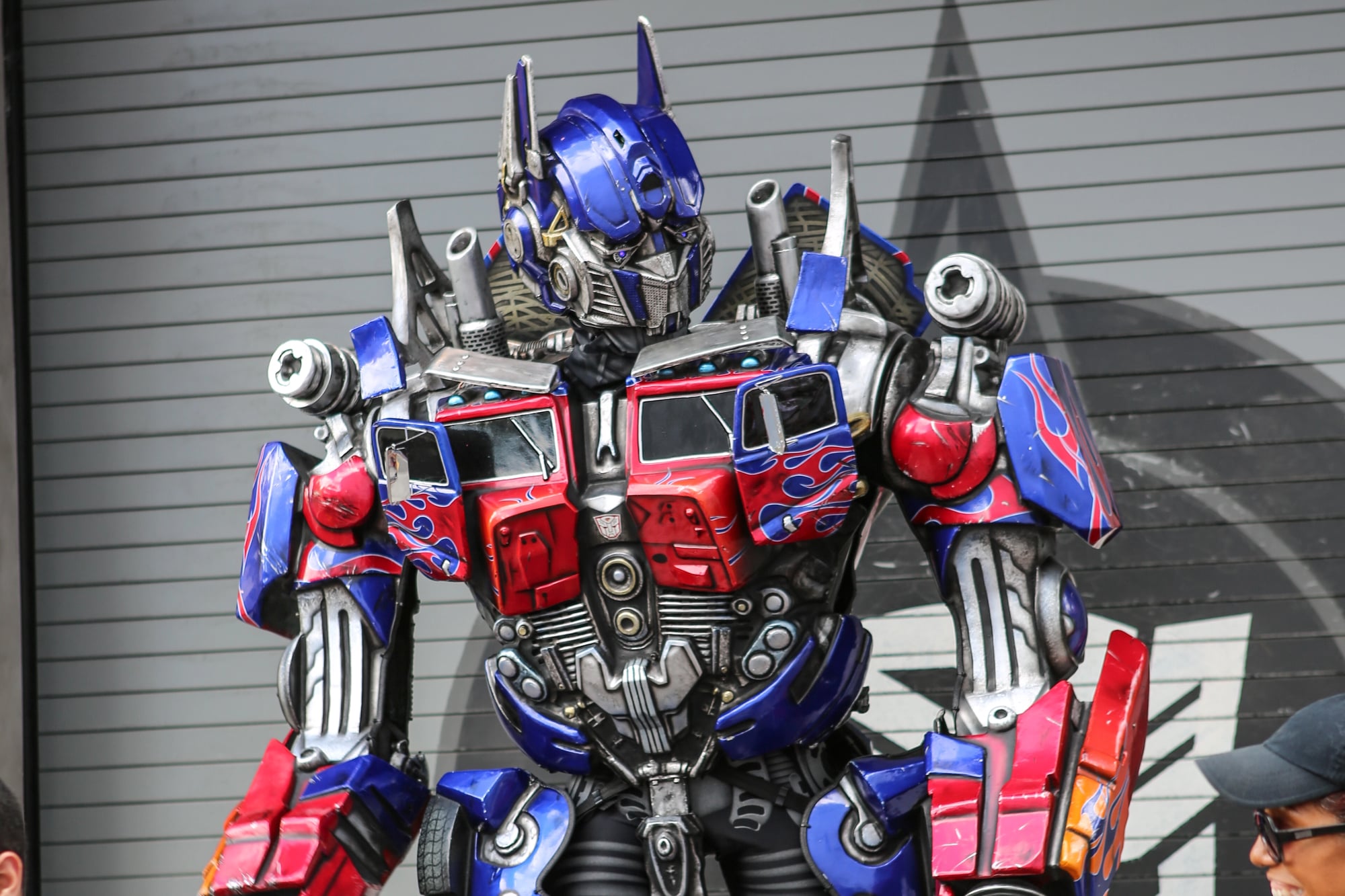
The premise was irreducible: giant alien robots disguised as vehicles, fighting their war on earth, their battle lines running through every school playground for a decade. The Autobots under Optimus Prime versus the Decepticons under Megatron was one of the cleaner moral architectures in children’s fiction, and the voice work — Peter Cullen as Optimus Prime — gave the show a gravity that a cartoon about toys probably did not need and absolutely benefited from.
The franchise has outlasted every attempt to replace it with something newer.
G.I. Joe: A Real American Hero (1983)

G.I. Joe operated in the same toy-to-cartoon pipeline as Transformers but traded robots for a paramilitary team battling a terrorist organization called Cobra. The show made a genuine effort at character diversity within its team and produced one of the most effective public service announcement traditions in children’s television: each episode ended with a short safety lesson delivered by a character who concluded with “and knowing is half the battle.”
The phrase became a cultural touchstone, though the specific safety tips have not aged equally well.
DuckTales (1987)
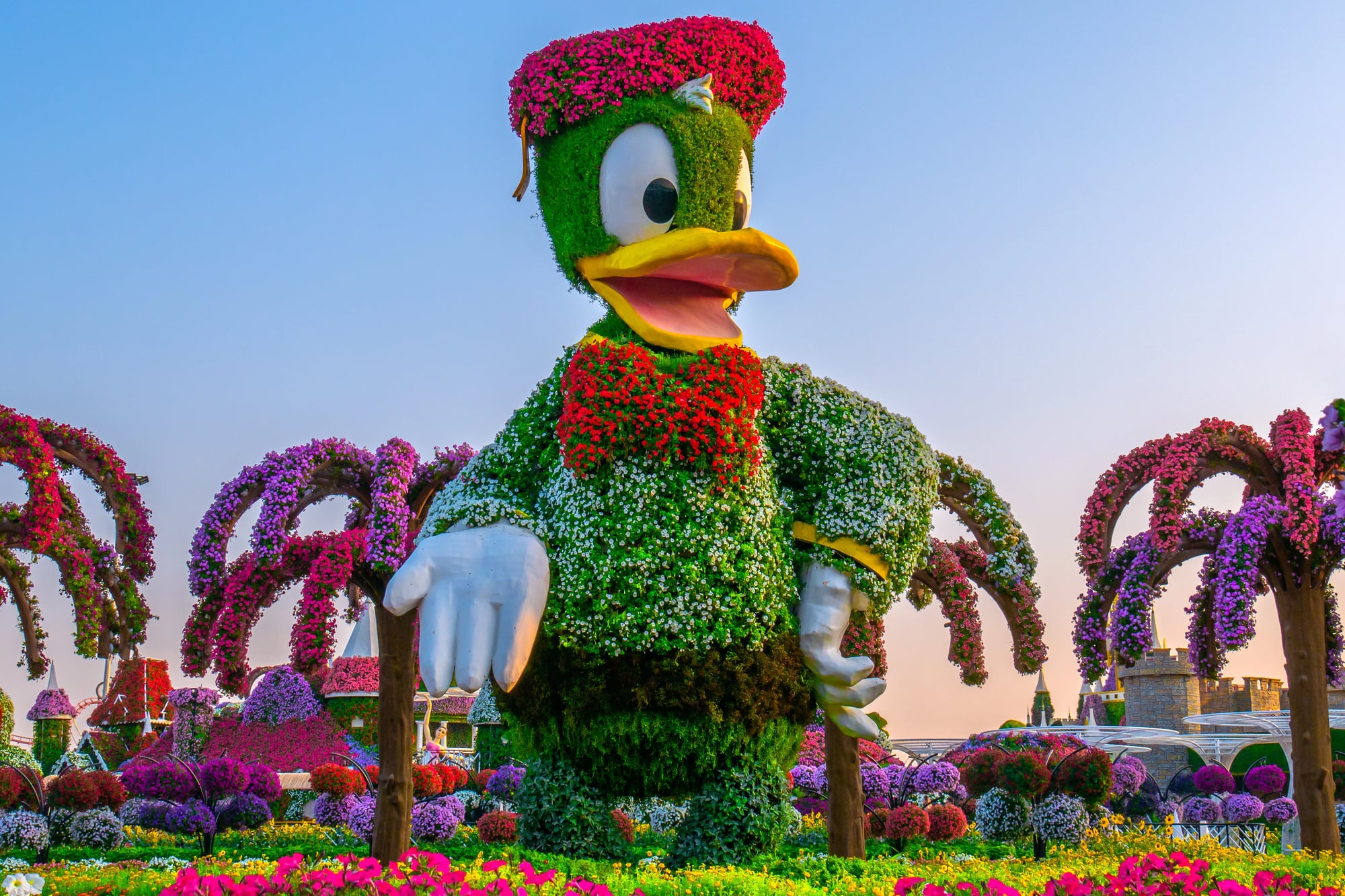
DuckTales was the first Disney cartoon to air in the modern serial format, following Scrooge McDuck and his grandnephews Huey, Dewey, and Louie on globe-trotting adventure stories that gave the show a cinematic ambition unusual for afternoon television. The theme song — with its famous “woo-oo!” — is regularly named the best cartoon theme song of its decade.
The show demonstrated that children’s animation could aspire to something more than a toy catalog, and it set Disney on the path toward the theatrical animation renaissance of the early 1990s.
The Real Ghostbusters (1986)
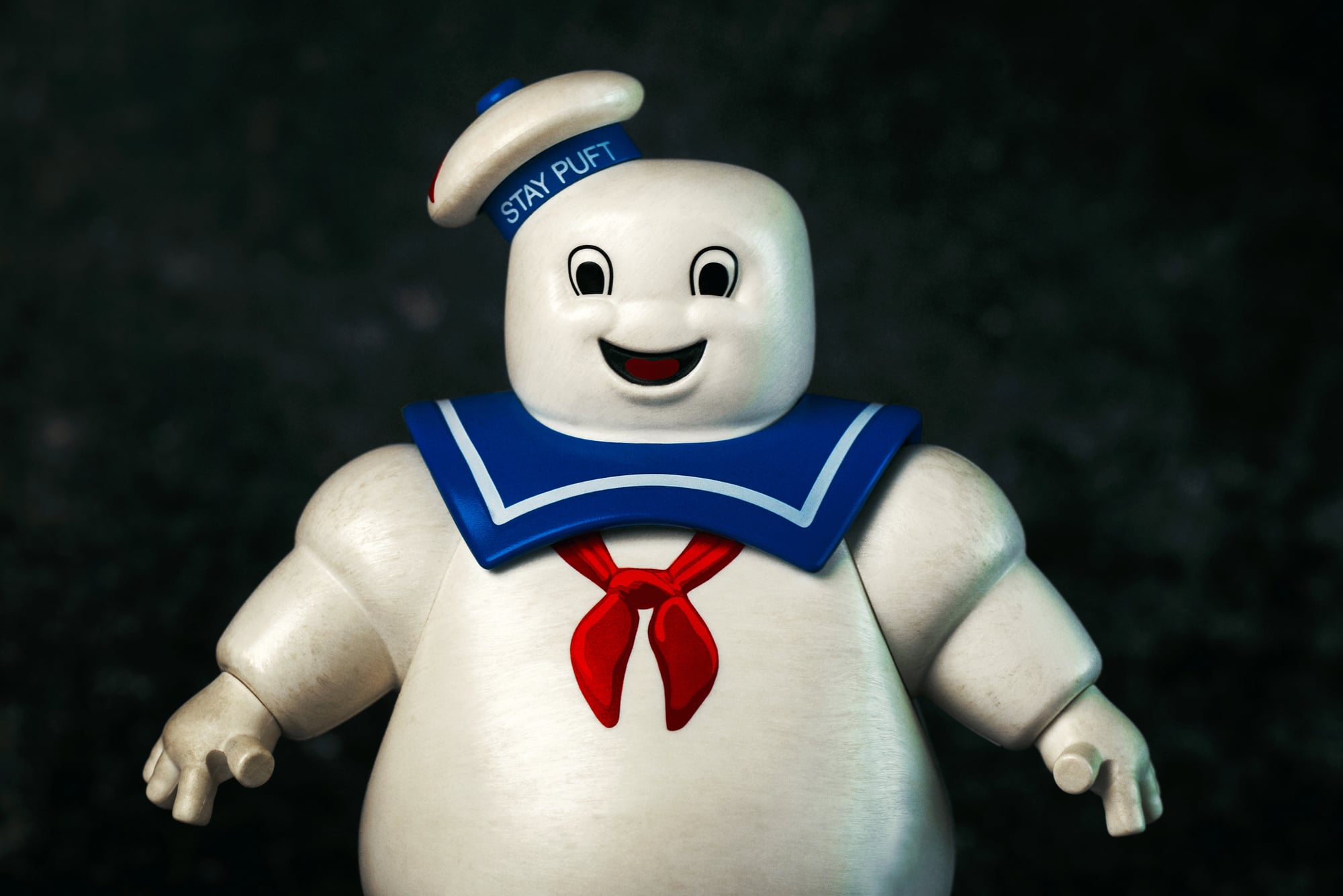
Based on the 1984 film but distinct from it — the “Real” in the title was required to distinguish it from a competing cartoon that also used the Ghostbusters name — this series expanded the world of the film into a consistent ghost-battling mythology that the films themselves never fully developed. It was darker than most Saturday morning fare, with genuinely unsettling monster designs, and it lasted eight seasons, which suggests the tone worked better with children than conventional wisdom would predict.
Muppet Babies (1984)
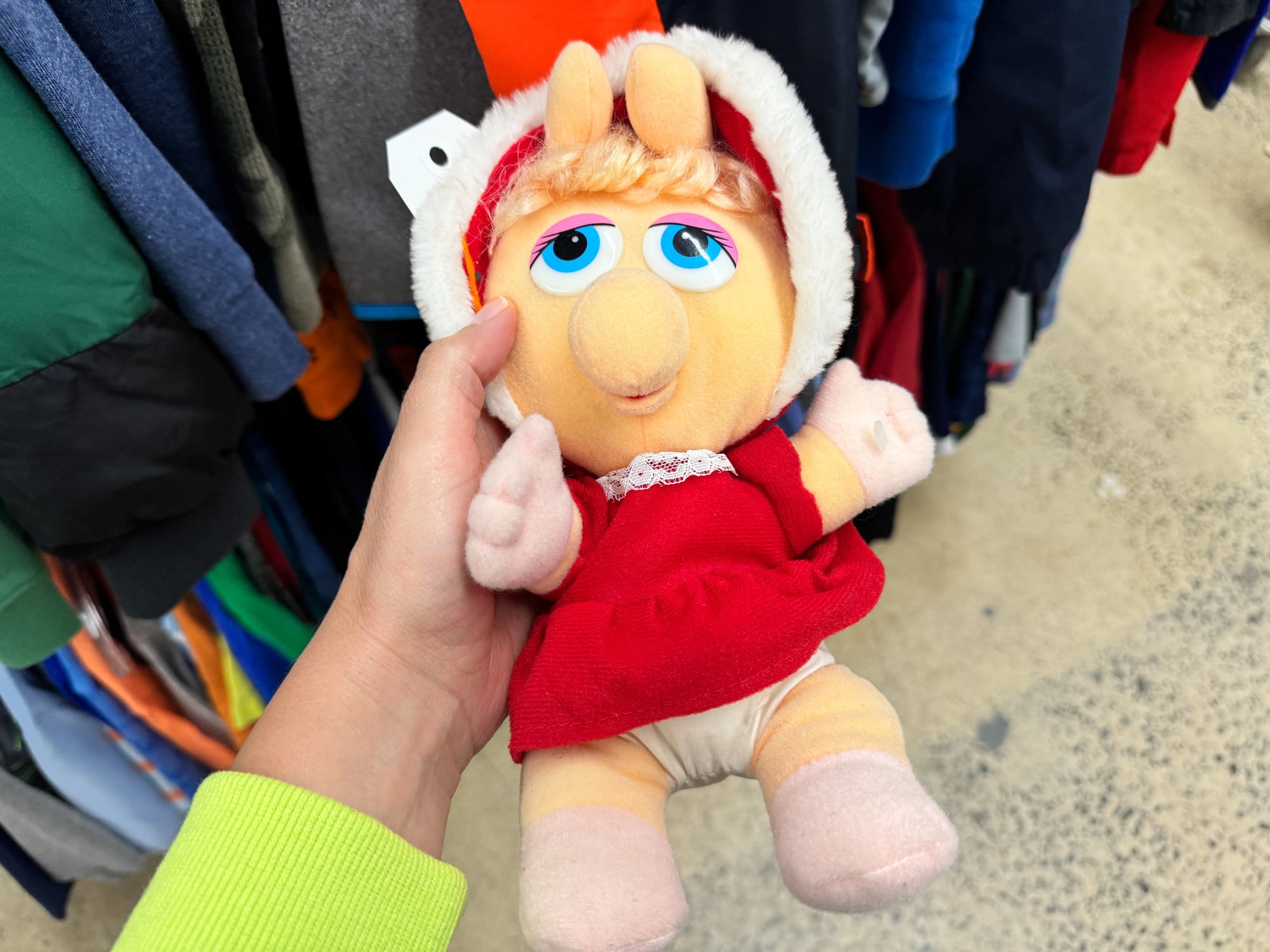
Muppet Babies took the beloved Henson characters and placed them in a nursery, where their caretaker Nanny — whose face was never shown, only her distinctive striped stockings — allowed them to have elaborate imaginary adventures triggered by whatever they were watching, reading, or experiencing. The show regularly incorporated clips from real films, including Star Wars and Indiana Jones, in its fantasy sequences.
It ran for eight seasons, won four Emmy Awards, and is probably responsible for a generation’s connection between imagination and narrative.
Teenage Mutant Ninja Turtles (1987)

Four mutant turtles trained in ninjutsu by a mutant rat, living in the New York sewers, fighting crime while eating large quantities of pizza — a premise that should not have worked and worked completely. The combination of martial arts action, slapstick comedy, and the specific 1980s New York City atmosphere of the series made it one of the most commercially successful cartoon franchises in television history.
The franchise has been rebooted multiple times; none of the reboots have matched the particular energy of the original.
Chip ‘n Dale: Rescue Rangers (1989)
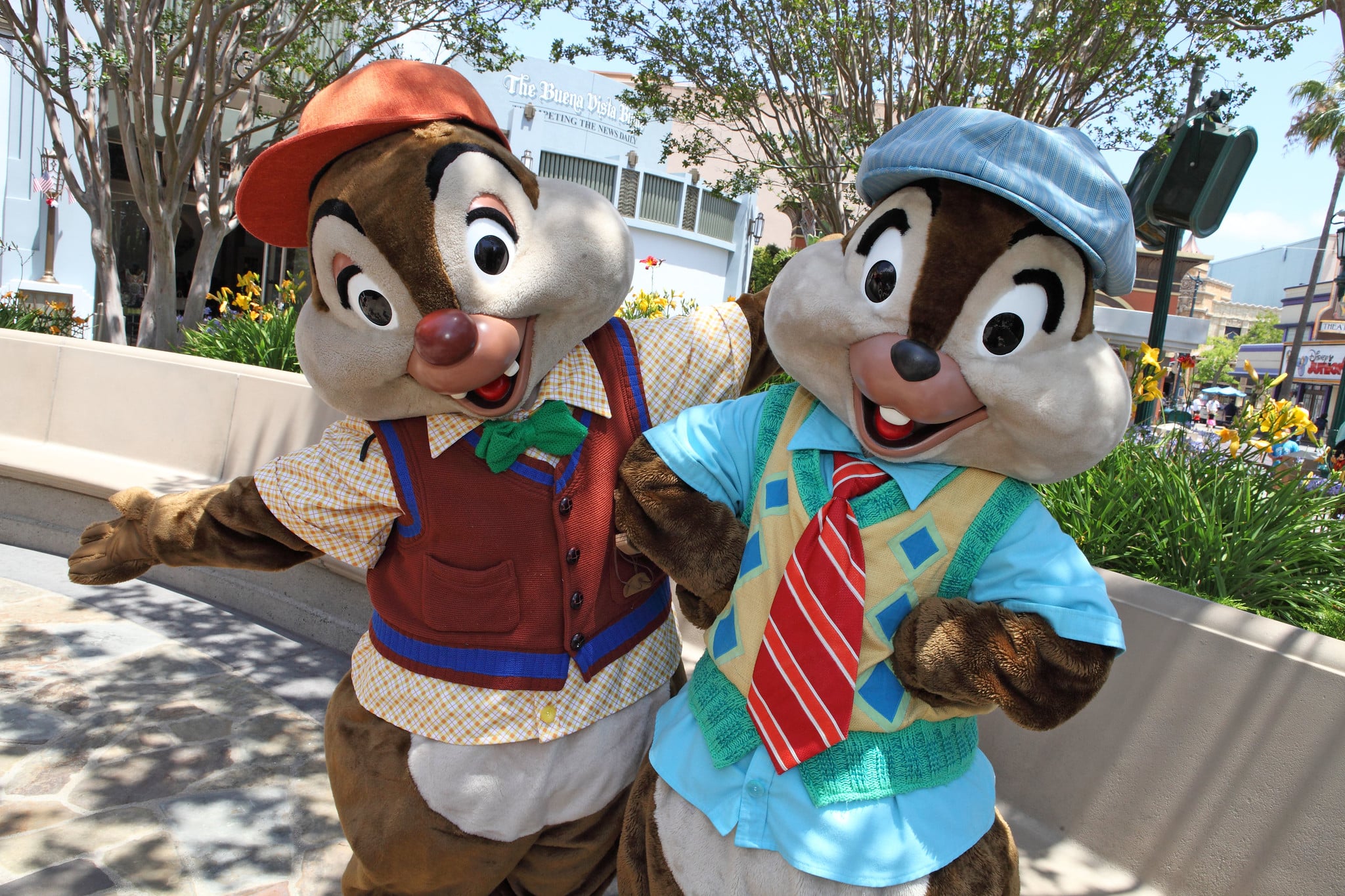
Chip and Dale, repurposed from their classic Disney shorts into the leaders of a small detective agency, brought to the afternoon a combination of mystery-plotting and character comedy that held up better than most Saturday morning fare on revisit. Gadget Hackwrench, the team’s inventor, became one of the more genuinely resourceful characters in 1980s children’s animation and earned a dedicated following that has persisted into the current era.
Captain Planet and the Planeteers (1990)
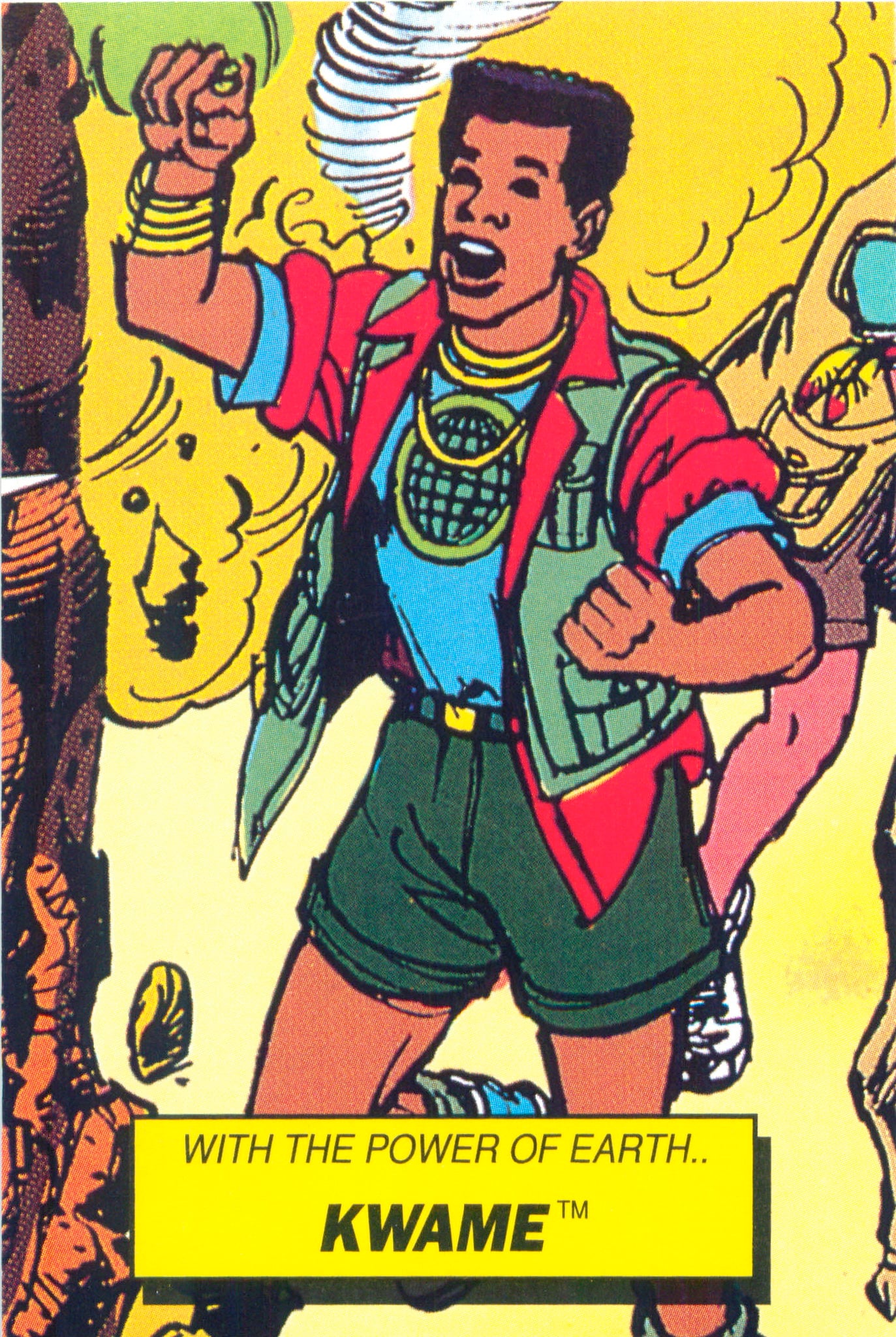
Captain Planet was openly didactic — five teenagers with environmental power rings summoning a superhero to fight ecological villains — and made no attempt to conceal its mission. The show’s villains were literal polluters with names like Hoggish Greedly and Sly Sludge, which left no ambiguity about the intended message.
Whether its environmental advocacy had any measurable effect on its audience is impossible to determine; what is certain is that it got to an enormous audience and that the phrase “by your powers combined” was immediately understood by every child who watched it.
Animaniacs (1993)
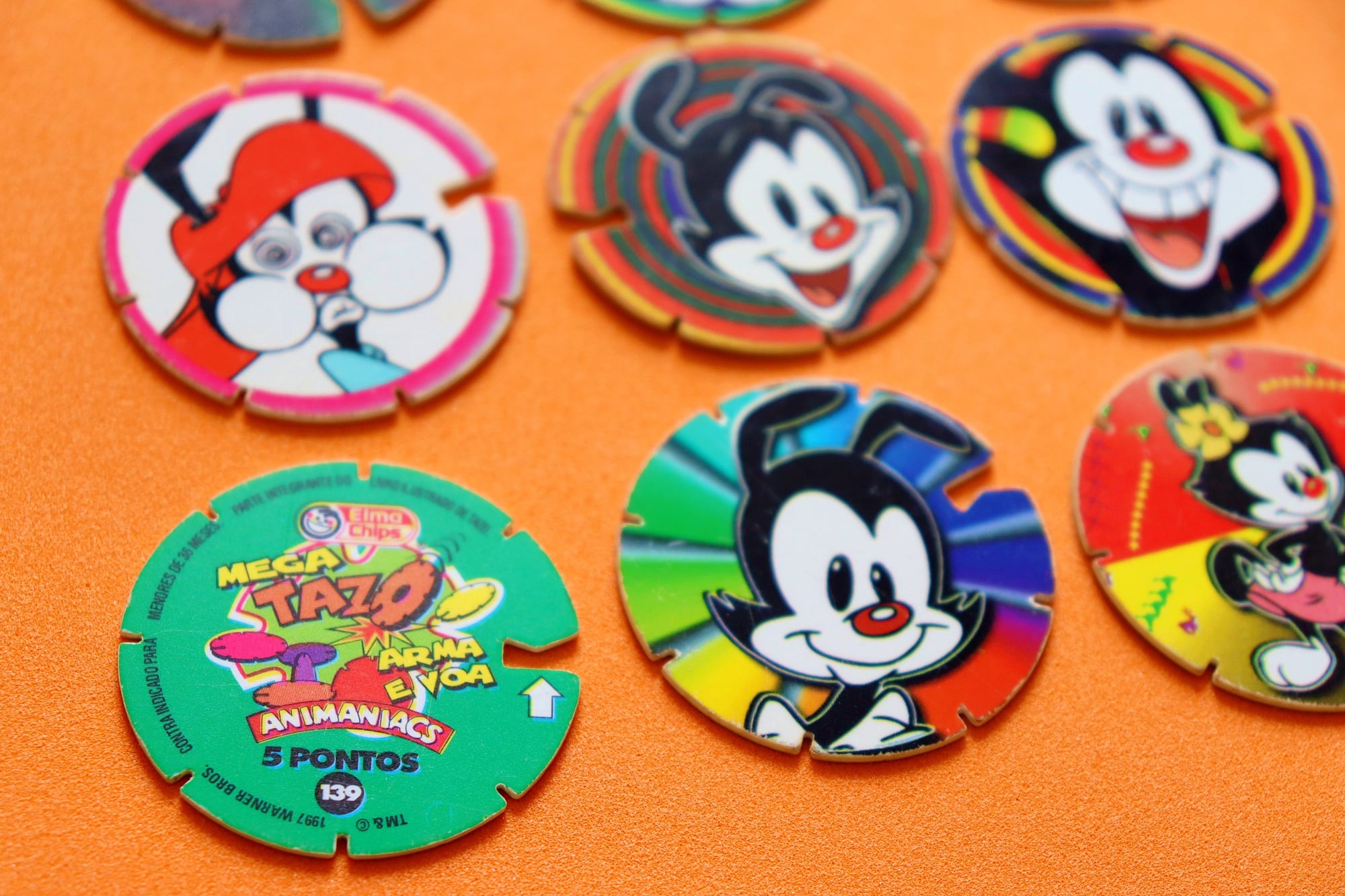
Steven Spielberg’s Animaniacs was one of the most deliberately sophisticated children’s cartoons ever produced, written by a team that included genuine comedy writers and filled with cultural references designed to entertain the adults who might be watching while children were in the room. Yakko’s World, in which Yakko Warner sang the names of every country on earth to the tune of the Mexican Hat Dance, taught a generation geography more effectively than any classroom.
The show’s meta-awareness — the Warner siblings knew they were in a cartoon — influenced almost every comedy cartoon that followed it.
Batman: The Animated Series (1992)
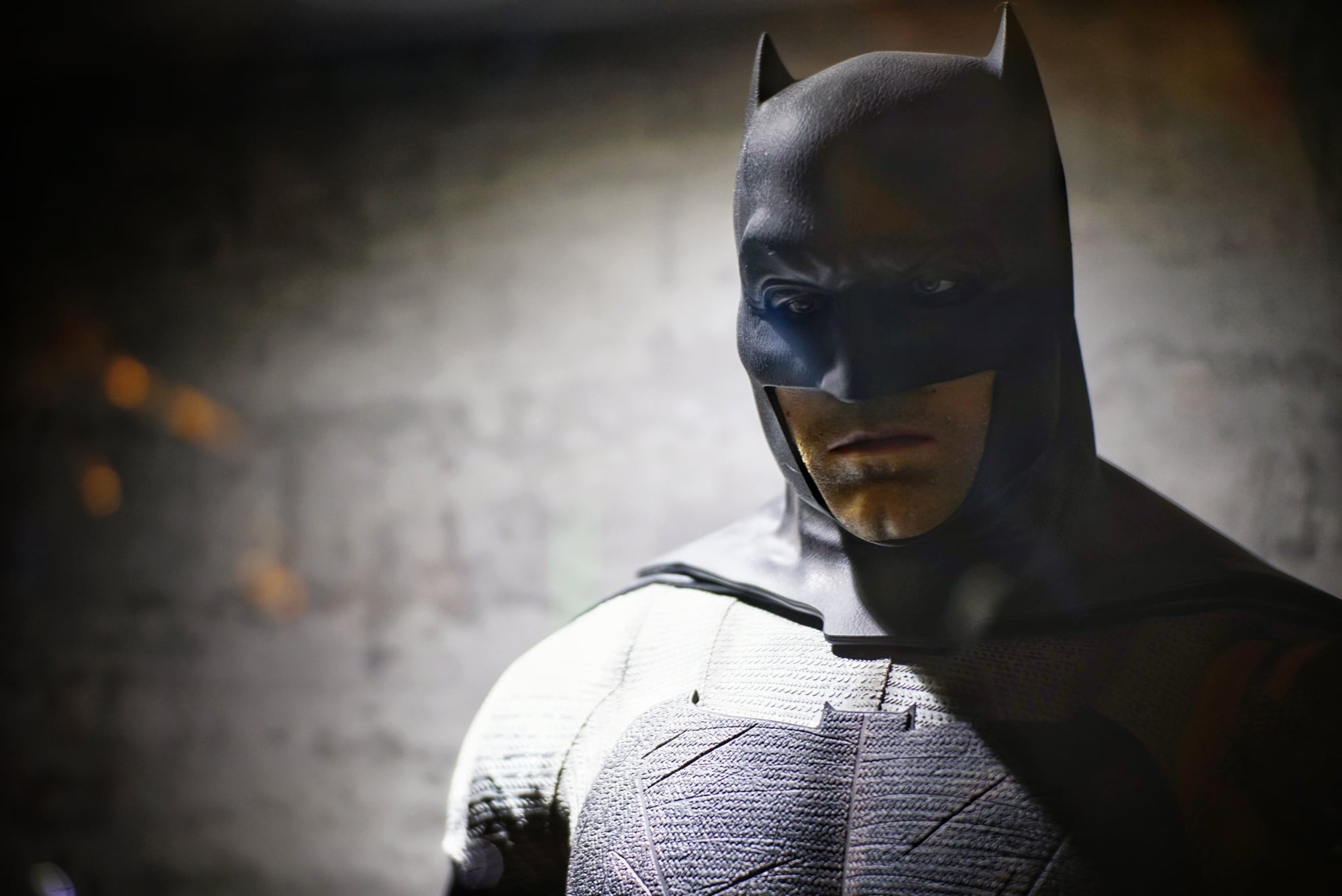
Batman: The Animated Series won an Emmy Award and is considered by many critics to be one of the greatest superhero adaptations ever made, in any medium. The show used a distinctive art deco visual style described by the production team as “dark deco,” with dark backgrounds and light-colored character designs that created a permanent nighttime atmosphere.
It featured Mark Hamill’s career-defining performance as the Joker’s voice and told genuinely complex stories about grief, identity, and justice — which is either too much to ask of a Saturday morning cartoon or exactly what Saturday morning cartoons should have been doing all along.
X-Men: The Animated Series (1992)

X-Men: The Animated Series used its premise — mutants feared and persecuted by ordinary humans, fighting for a world that hated them — as a consistent metaphor for civil rights and the politics of difference. It was serialized in a way that most animation of its era was not, with story arcs running across multiple episodes and character consequences that actually persisted.
The theme song alone, with its driving synthesizer line, generated the specific Pavlovian response in 1990s children that made Saturday mornings worth the early alarm.
Rugrats (1991)

Rugrats told its stories from the perspective of infants and toddlers whose limited understanding of the world — but complete confidence in that understanding — produced comedy at the expense of the enormous gap between what they believed was happening and what was actually happening. Tommy Pickles, Chuckie Finster, and the twins Phil and Lil DeVille were navigating a world they could barely see over, and the show treated their logic as internally consistent.
It ran for thirteen seasons, making it one of Nickelodeon’s most sustained successes.
Gargoyles (1994)
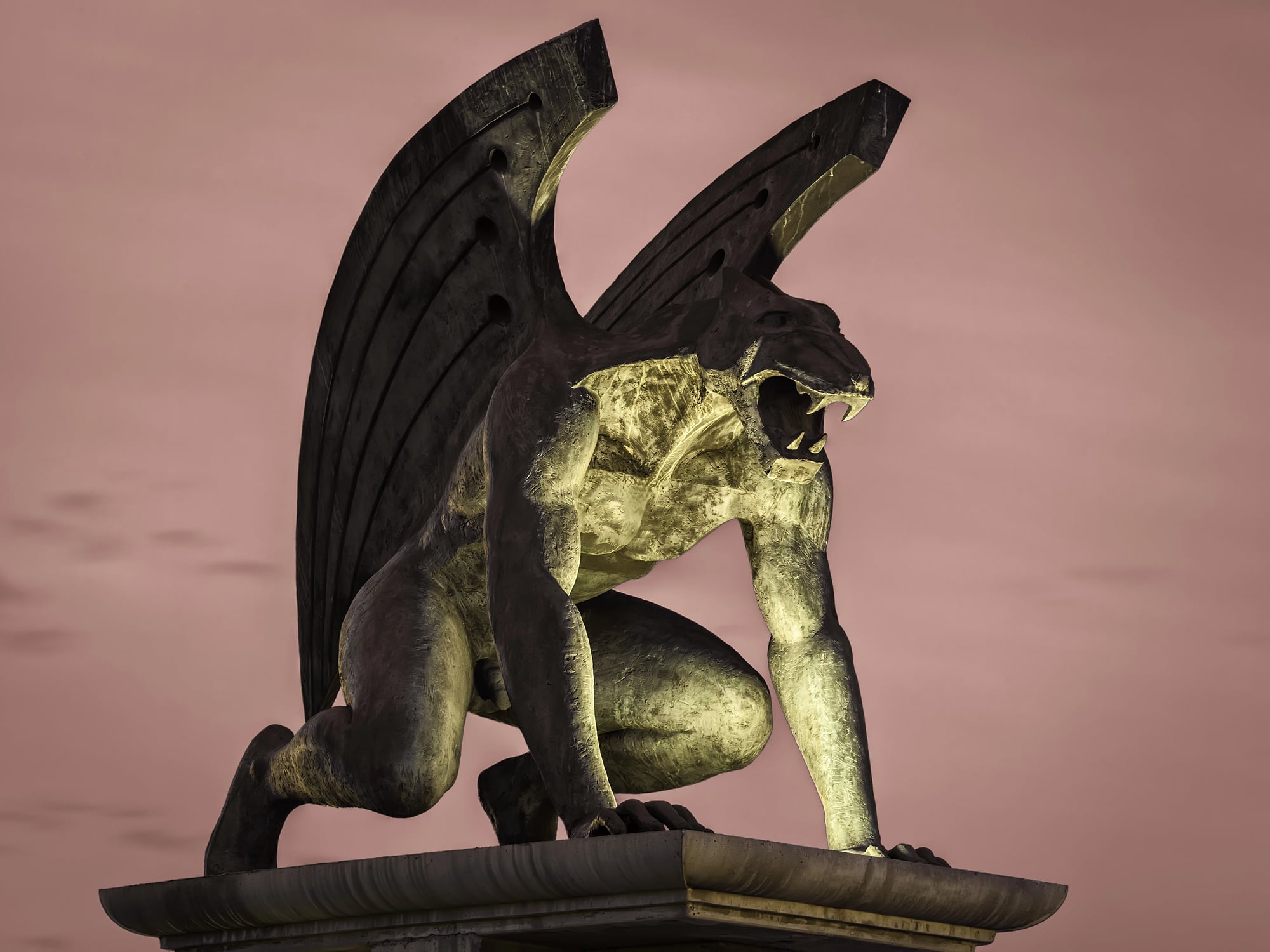
Gargoyles was one of the most narratively ambitious cartoons of its decade: a group of medieval stone gargoyles awakened in 1990s New York, navigating an unfamiliar world while maintaining a consistent mythology that drew on Arthurian legend, Shakespeare, and genuine historical details. The storytelling was serialized in a way that rewarded attentive watching, and the moral complexity of both heroes and antagonists was handled with a seriousness that the show’s Disney origins might not have suggested.
Greg Weisman, its creator, built something that children accepted as an adventure show and that rewatching adults recognize as something considerably more.
The Smurfs (1981)
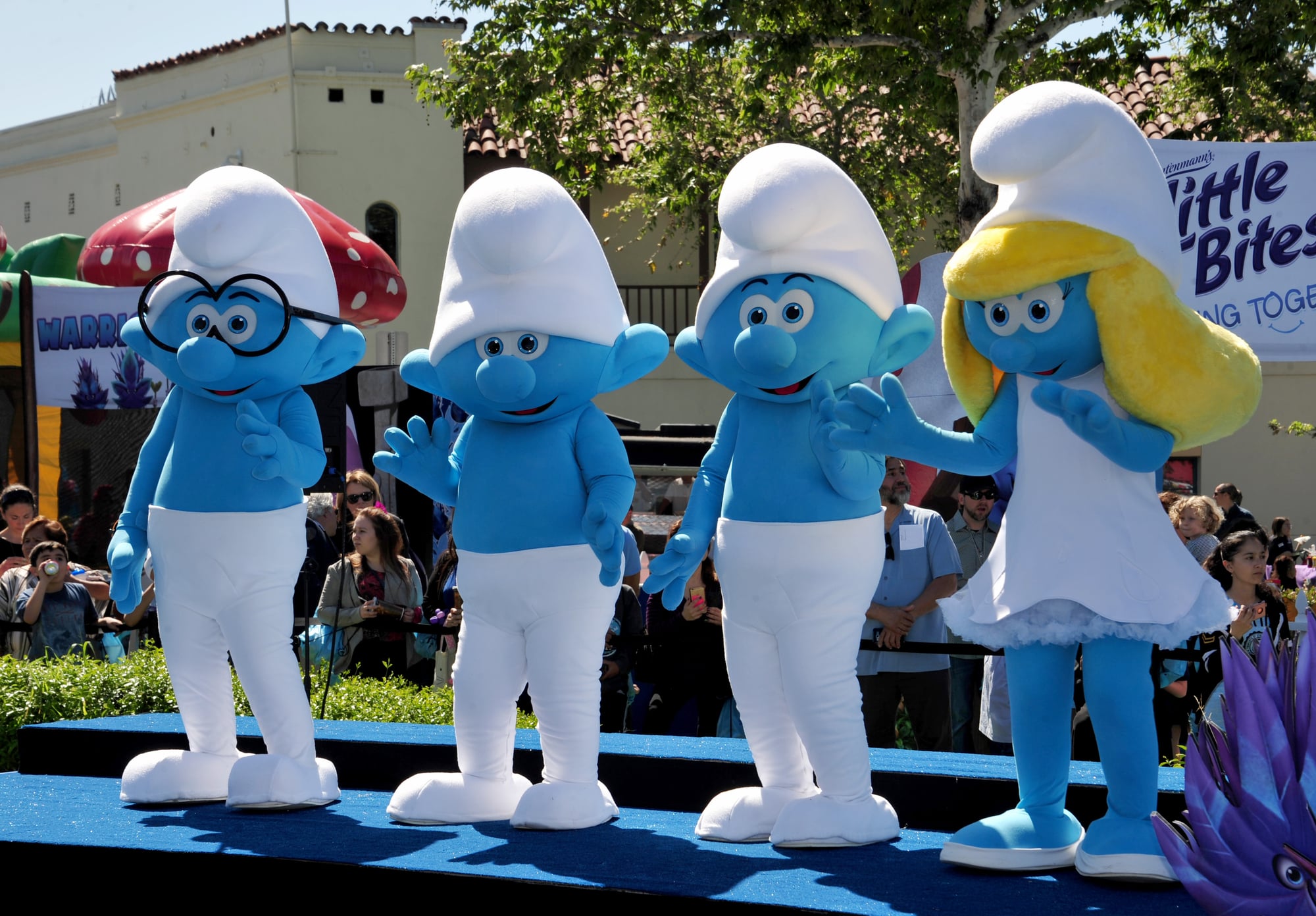
The Smurfs — Belgian comic strip characters created by Peyo in 1958 — arrived in American television via Hanna-Barbera in 1981 and dominated Saturday morning for nearly a decade, running nine seasons. The village of small blue creatures, each defined by a single personality trait that doubled as their name, was structurally a simplified social model that children could decode easily: Papa Smurf led, Brainy Smurf advised and annoyed, Clumsy Smurf fell over things.
The simplicity was deliberate and effective.
Pinky and the Brain (1995)
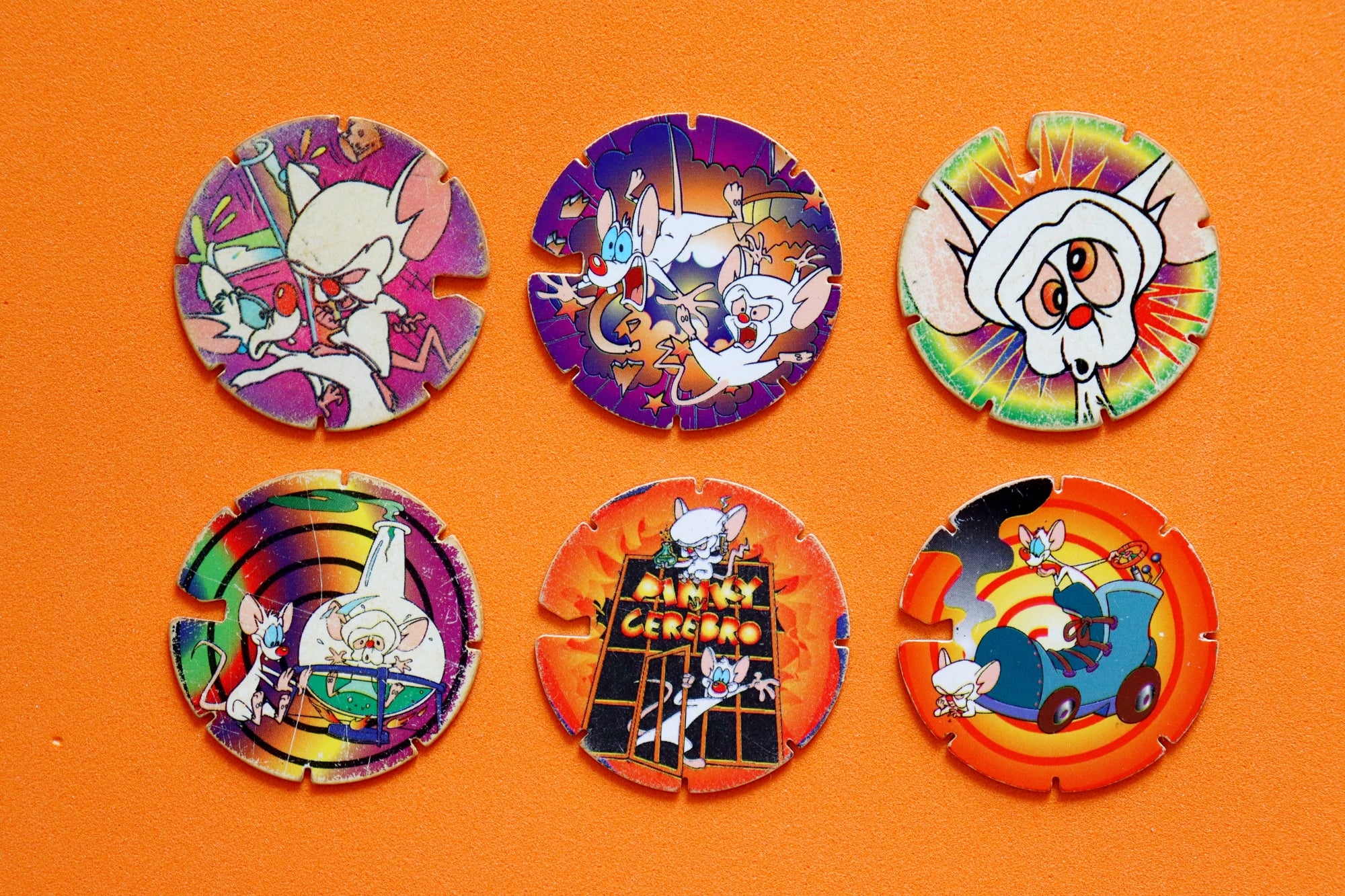
Spun off from Animaniacs, Pinky and the Brain followed two laboratory mice — one a genius with global ambitions, the other too cheerful and confused to be useful — attempting world domination each episode and failing through a combination of circumstances and Brain’s own overconfidence. The show’s premise was a single joke applied rigorously across 65 episodes, and it worked because the relationship between the two characters was written with genuine warmth inside the absurdity.
Pinky’s non sequitur responses to Brain’s increasingly elaborate plans produced consistent comedy from a formula that should have exhausted itself much sooner.
My Little Pony (1986)
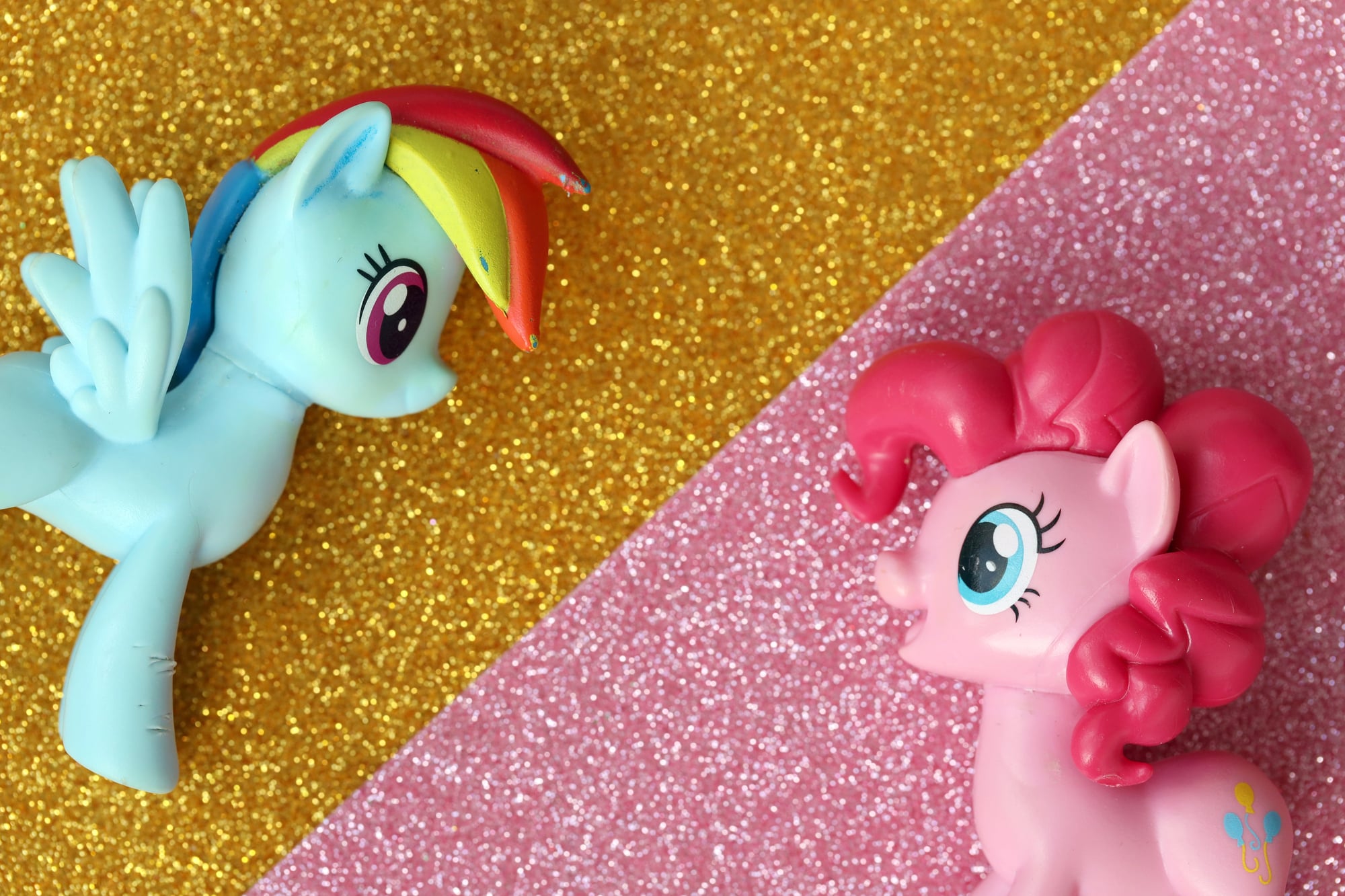
My Little Pony began as a toy line, became a cartoon, and established an audience among young girls that sustained the franchise through multiple decades and total reinventions. The original 1986 show established the basic vocabulary of the Pony world — Ponyland, the importance of friendship, magic as a consistent narrative mechanism — that the far more successful 2010 reboot would eventually expand into a cultural phenomenon that exceeded anything the original had imagined.
Inspector Gadget (1983)
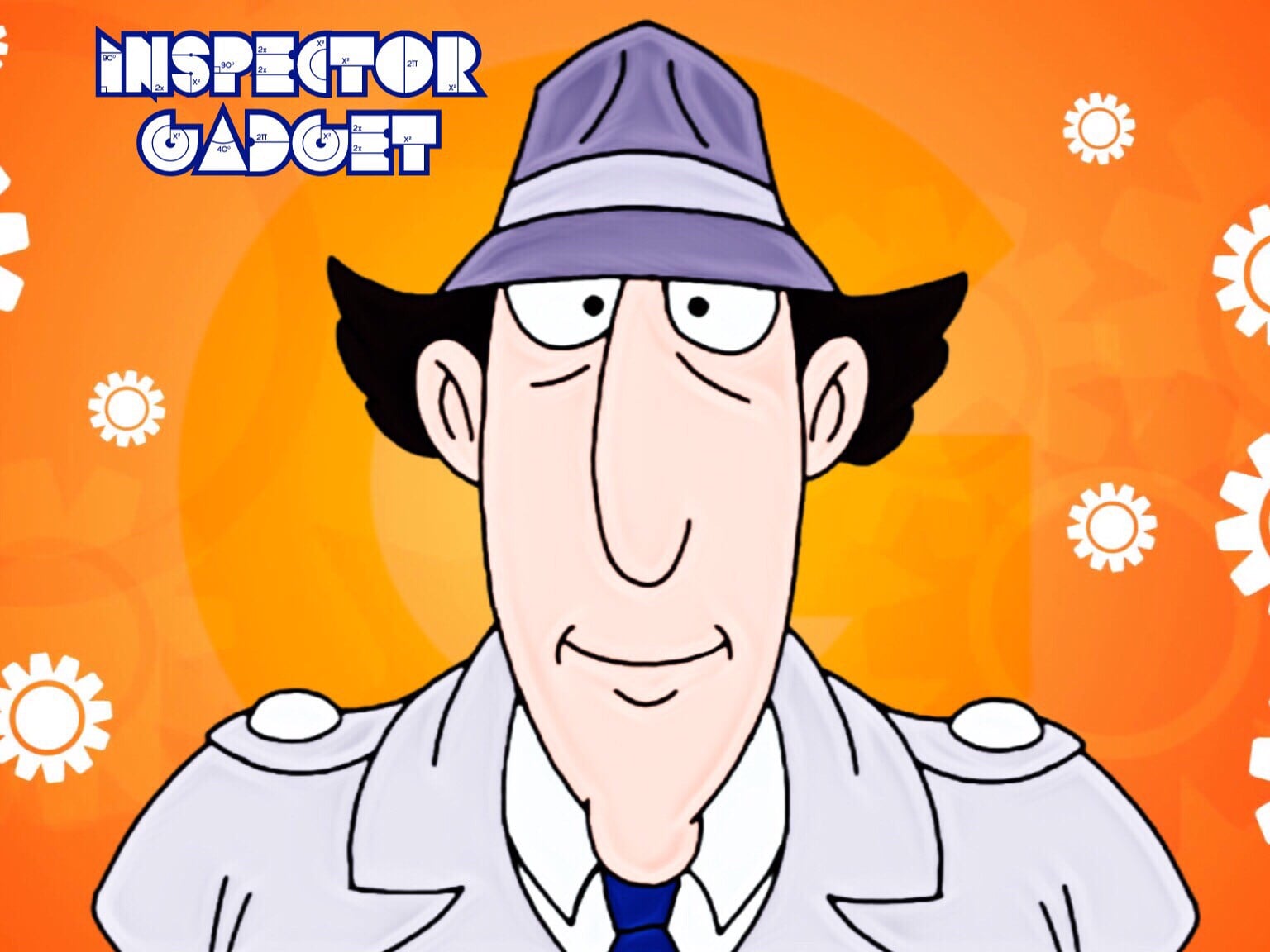
Inspector Gadget followed a cyborg detective equipped with an implausible range of built-in tools — all activated by the phrase “Go, go, Gadget [whatever]” — who consistently failed to solve the cases that his niece Penny and her dog Brain solved around him. The show’s primary comic premise was that the oblivious hero got the credit for the work done by the more competent characters supporting him, which was a slightly cynical observation about institutional recognition dressed as children’s entertainment.
Care Bears (1985)
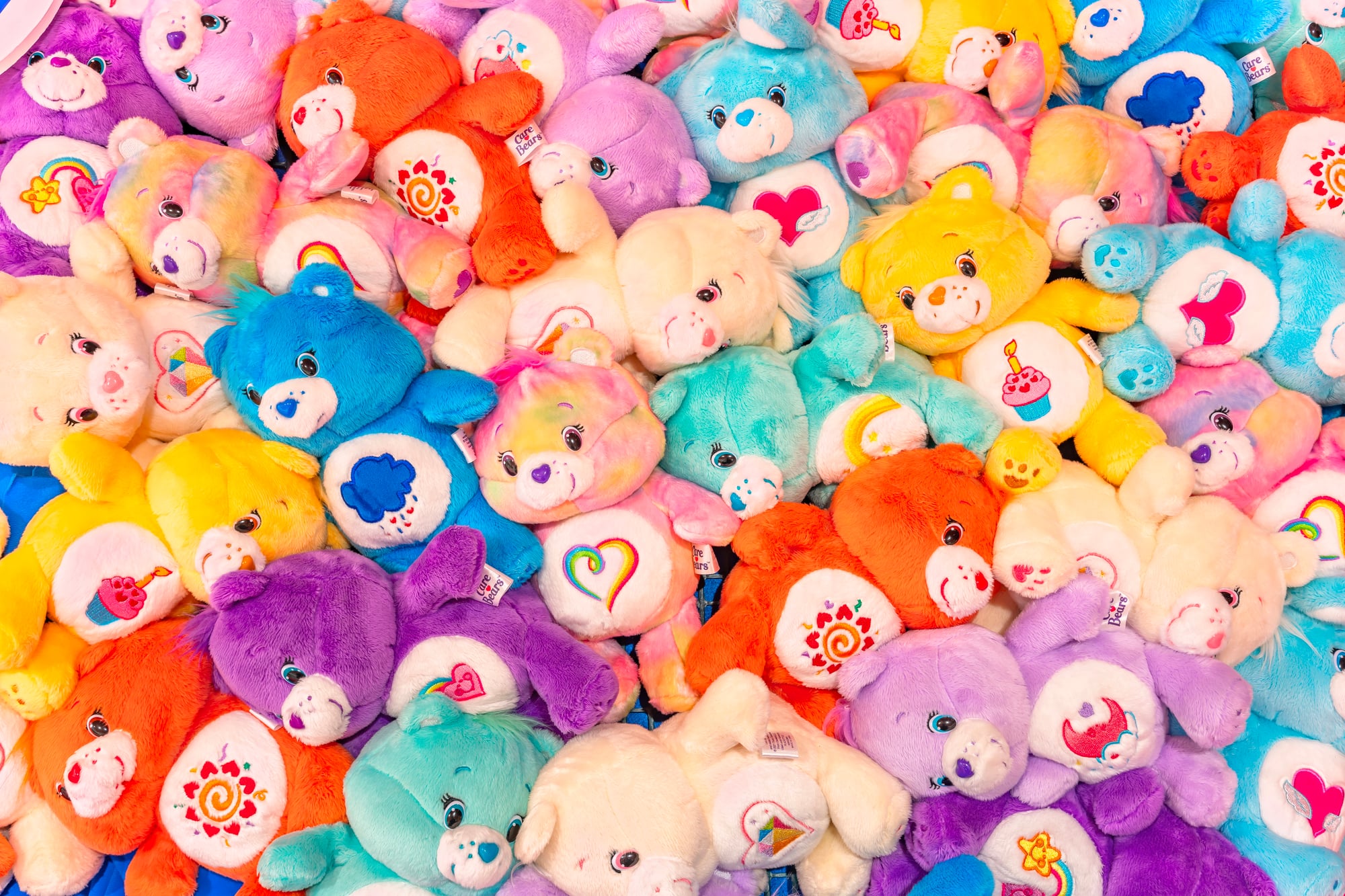
Care Bears — ten characters with symbols on their abdomens representing their specific emotional function — were arguably the most direct emotional education program ever embedded in a cartoon format. Characters like Love-a-Lot Bear, Grumpy Bear, and Cheer Bear were essentially walking worksheets about feelings, and the show’s gentle approach to conflict resolution via the Care Bear Stare (a beam of light from the abdomens) was pacifistic to a degree that distinguished it sharply from the era’s action-focused contemporaries.
Darkwing Duck (1991)
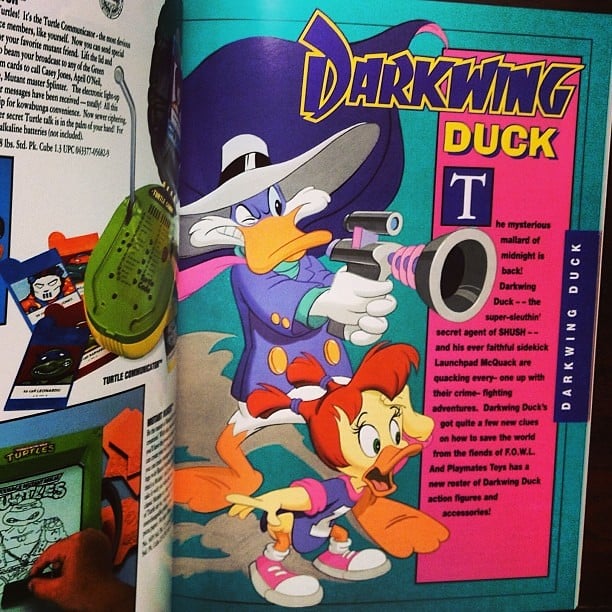
Darkwing Duck was a superhero parody that also functioned as a genuine superhero story — a comedy that took its own internal logic seriously enough to make both the jokes and the adventure work simultaneously. The protagonist’s self-importance (“I am the terror that flaps in the night!”) was consistently undercut by his actual limitations, but the show never let him fail catastrophically, maintaining a balance between mockery and affection that defined its tone for four seasons.
Tiny Toon Adventures (1990)
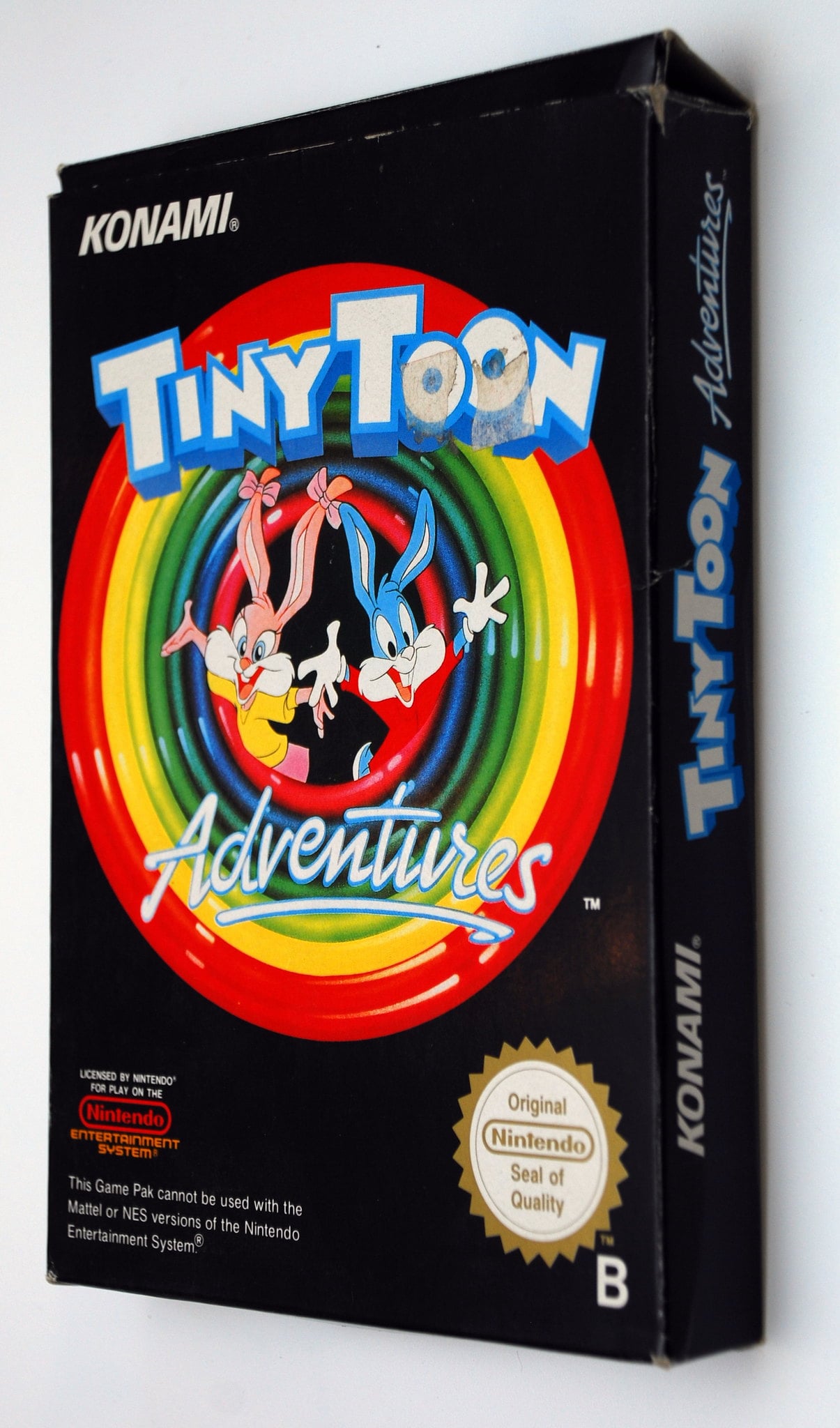
Produced with Steven Spielberg as executive producer, Tiny Toon Adventures followed younger versions of the Looney Tunes characters attending a cartoon school, with the original Looney Tunes characters as their teachers. The show wrote for multiple simultaneous audiences — small children who liked the characters, older children who appreciated the comedy, and adults who recognized the references — and managed to serve all three without obviously compromising any of them.
Hey Arnold! (1996)
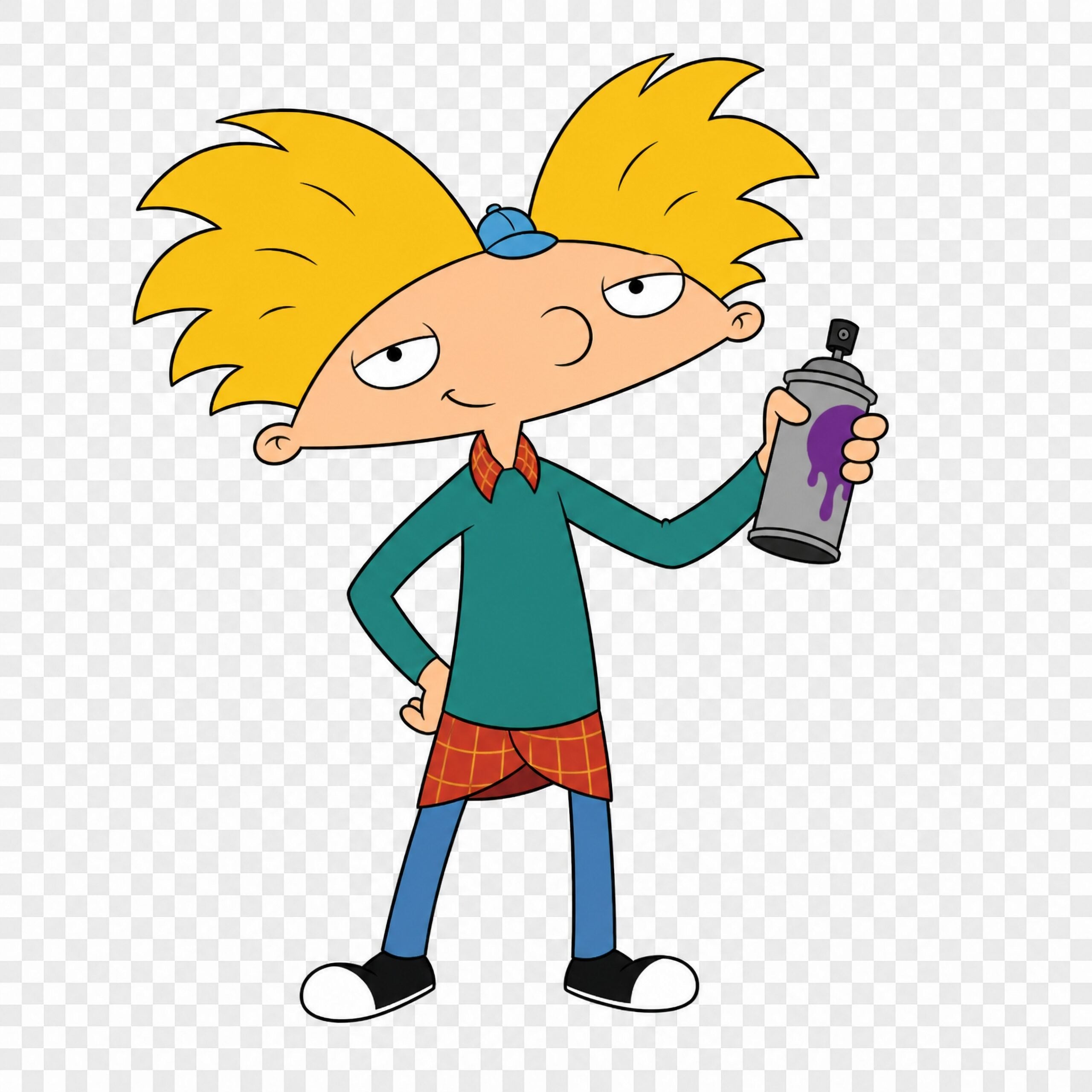
Hey Arnold! was a Nickelodeon series set in a fictionalized New York City neighborhood that treated its child characters with a seriousness unusual for the format — their problems were real problems, their relationships complicated, their neighborhood a genuine community with history and texture. The show addressed poverty, single parenthood, cultural diversity, and grief within a format ostensibly aimed at eight-year-olds, and did so without either condescension or false resolution.
It is one of the most respected children’s television series of its decade among people who have revisited it as adults.
The Magic School Bus (1994)

Based on the Joanna Cole and Bruce Degen book series, The Magic School Bus followed Ms. Frizzle’s class on impossible field trips into the human body, outer space, weather systems, and ecosystems, using a vehicle that could transform into any appropriate object. The show took scientific accuracy seriously — it had scientific consultants and based episodes on specific concepts from the curriculum — and may be responsible for more than one current biologist’s initial interest in the subject.
Lily Tomlin voiced Ms. Frizzle with an enthusiasm for danger that made science sound exactly as exciting as it occasionally is.
Scooby-Doo (Various Versions, From 1969)

No cartoon on this list spans more decades or generations than Scooby-Doo. The original 1969 series established a mystery-solving formula — five teenagers, a dog, a mystery, a monster, an unmasking — that proved so structurally durable that it has been rebooted, reinvented, and parodied continuously for over fifty years without the fundamental appeal ever fully exhausting itself.
Every version updates the details; the bones do not change. The specific pleasure of knowing the monster is a person in a costume before the characters do, and of watching them arrive at the conclusion anyway, has never stopped working.
Where Saturday Morning Actually Went

The Saturday morning cartoon block did not end because the shows got worse. It ended because the infrastructure that made it necessary — the single weekly broadcast, the shared scarcity, the appointment that you kept because missing it meant missing it until reruns — disappeared when cable channels began broadcasting cartoons seven days a week and then streaming made the concept of scheduled television optional.
What was lost was not just the shows but the specific ritual of shared waiting, the anticipation of a block of programming that existed only on one morning, and the playgrounds on Monday where you could assume everyone had seen the same things you had. The shows on this list shaped a generation not just by what they contained but by when they existed.
More from Go2Tutors!

- The Romanov Crown Jewels and Their Tragic Fate
- 13 Historical Mysteries That Science Still Can’t Solve
- Famous Hoaxes That Fooled the World for Years
- 15 Child Stars with Tragic Adult Lives
- 16 Famous Jewelry Pieces in History
Like Go2Tutors’s content? Follow us on MSN.